Adulting 101: How to Create a Personal Development Plan

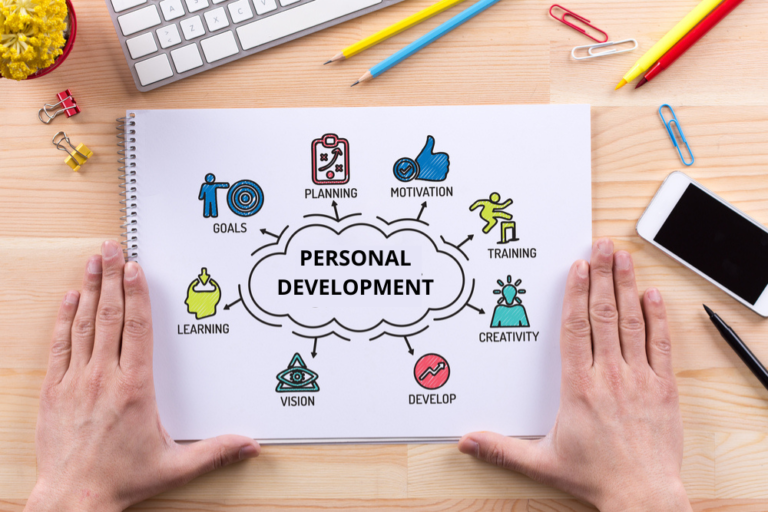
Personal development is a lifelong journey, one that enables individuals to grow, improve skills, and achieve their goals. For young adults navigating the complexities of life, creating a structured personal development plan (PDP) can be a powerful tool to bring clarity, focus, and motivation to their aspirations.

What is a Personal Development Plan (PDP)? A Personal Development Plan or PDP is a structured framework that outlines an individual’s goals and the steps needed to achieve those goals. It serves as a roadmap for personal growth and helps individuals focus on self-improvement in various areas of life, such as career, education, relationships, health, and emotional well-being.

Key components of a PDP include:

  • Self-assessment is all about understanding yourself: your strengths, weaknesses, values, and aspirations. This is the foundation of a PDP.
  • Goal setting, which includes identifying clear, actionable goals you want to achieve in the short, medium, or long term.
  • An action plan, which is the specific steps or strategies needed to achieve your goals, including deadlines and milestones.
  • Progress tracking is regularly reviewing your progress to ensure you remain on course.
  • Reflection and adjustments that are making necessary changes to your plan as your priorities evolve.

Why is a personal development plan important? Creating a personal development plan offers numerous benefits.

  • Clarity and focus: A PDP helps you clarify your goals and align your actions with your values. It provides focus, enabling you to channel your time and energy into meaningful pursuits.
  • Improved self-awareness: Through self-assessment, you gain a deeper understanding of your strengths, weaknesses, and areas for growth, which is key to personal and professional success.
  • Motivation and accountability: A structured plan keeps you motivated by breaking down larger goals into manageable steps. Regular reviews hold you accountable for your progress.
  • Skill development: A PDP encourages continuous learning by helping you identify the skills you need to develop to achieve your goals.
  • Enhanced problem-solving: By reflecting on challenges and successes within your plan, you develop better critical thinking and problem-solving skills.
  • Better decision-making: A PDP empowers you to make decisions that align with your values, priorities, and long-term aspirations.
  • Balance and growth: It encourages a balanced approach to life, fostering growth in various aspects—career, relationships, health, and personal fulfillment.

So how does one create a personal development plan?

Conduct a self-assessment:
Before setting goals, take time to understand yourself. Self-awareness is the cornerstone of a successful PDP. Reflect on your strengths and weaknesses and identify your strengths: what you’re good at and what energises you. Simultaneously, acknowledge areas where you can improve. Think about what others frequently praise you for, like creativity, organisation, or leadership. Identify challenges or recurring struggles like time management or communication skills.

Define your values, as your values represent what’s important to you in life. Defining these will guide your goals and decisions. Ask yourself what brings you fulfillment and what principles you live by. Assess the different aspects of your life and use a holistic approach by evaluating them. These could include areas such as career, education, health and fitness, relationships, emotional well-being, financial health, and hobbies and passions. A tool like the “Wheel of Life” can help you visualise and assess your satisfaction in each area.

Set clear and actionable goals:
Once you’ve completed your self-assessment, it’s time to define your goals. These goals should be aligned with your values and areas for improvement. Use the SMART framework to ensure your goals are effective. The SMART criteria can be defined as:
Specific, which clearly defines what you want to achieve.
Measurable, where you include metrics to track your progress.
Achievable, which includes setting goals that are realistic and within your reach.
Relevant, which aligns goals with your values, priorities, and aspirations.
Time-bound assignments that assigns deadlines to create urgency.

For example, instead of “I want to improve my fitness,” set a SMART goal like, “I will work out for 30 minutes, five days a week, for the next three months to improve my stamina.”

Organise your goals into categories. Short-term goals, which are immediate in the next one to six months, are immediate actions or quick wins, such as reading a specific book or attending a workshop. Medium-term goals, which are between six months and two years, are meant for milestones that contribute to long-term aspirations, such as completing a certification or saving for a vacation. Long-term goals, which are goals you work for in the long term for over two years, are meant for big achievements that require sustained effort, such as changing careers or buying a home.

Create an action plan:
An action plan outlines the specific steps you need to take to achieve your goals. Break down goals into tasks and start by dividing each goal into smaller, actionable steps. This makes goals more manageable and reduces the overwhelm. Set deadlines and milestones and assign a timeline to each task and establish milestones to track progress. Identify resources and determine the resources you need, such as books, courses, or online tools, mentors or coaches; and financial resources.

Track and monitor your progress:
Reviewing your progress regularly ensures you stay on track and adapt to changing circumstances. Schedule regular check-ins and set aside time weekly or monthly to evaluate your progress. Ask yourself questions like, What have I accomplished? What challenges am I facing? And what adjustments do I need to make? Celebrate milestones and acknowledge and celebrate small wins to stay motivated and build momentum.

Reflect and Adjust:
Life is dynamic, and your PDP should be flexible enough to adapt to new circumstances, priorities, or goals. Reflect on lessons learned. Regularly reflect on what’s working and what isn’t. Ask yourself what you have learned so far and if your goals are still aligned with your values. Revise your plan if needed, and modify your goals, timelines, or action steps to better fit your evolving priorities.

Some tips to stay motivated and committed to your personal development plan:

  • Start small: Focus on a few key goals rather than trying to achieve everything at once.
  • Find an accountability partner: Share your goals with a trusted friend, colleague, or mentor who can hold you accountable and provide encouragement.
  • Visualise your success: Imagine yourself achieving your goals. Visualisation can inspire you to take action and stay committed.
  • Create a reward system: Reward yourself for completing tasks or achieving milestones, such as treating yourself to your favorite activity or meal.
  • Manage time effectively: Use time management tools like to-do lists, calendars, or apps to stay organised and prioritise tasks.

Some common pitfalls and how to overcome them

  • Setting unrealistic goals: Break larger goals into smaller, achievable steps to avoid feeling overwhelmed.
  • Procrastination: Combat procrastination by using techniques like the Pomodoro Technique (25-minute work intervals) to stay focused.
  • Loss of motivation: Revisit your “why” or the reasons behind your goals to rekindle motivation.
  • Fear of failure: Embrace failure as a learning opportunity rather than a setback. Reflect on what went wrong and how to improve.

Creating a personal development plan is an empowering step toward achieving your full potential. By taking the time to assess your current situation, set clear goals, and create actionable steps, you can navigate life with purpose, focus, and confidence. Remember, the journey of personal growth is unique to everyone—start small, stay consistent, and adjust as needed. With commitment and effort, you’ll be well on your way to building the life you envision for yourself.

Adulting 101: How to Build a Professional Wardrobe on a Budget

As young adults enter the workforce, one of the first challenges they often face is creating a professional wardrobe that aligns with workplace expectations and fosters confidence, all without breaking the bank. Whether you’re starting your first job, attending interviews, or aiming to present yourself more professionally, the key is striking the right balance between quality and affordability.

Your wardrobe is a reflection of your professionalism, confidence, and readiness for the workplace. Your appearance creates the first impression in interviews, meetings, and daily workplace interactions. A polished and professional wardrobe signals competence and attention to detail. Dressing professionally can enhance your self-esteem, making you feel more confident and capable in professional settings. Many organisations have dress codes, whether formal, business casual, or creative casual. A professional wardrobe helps you align with the workplace environment. Your wardrobe is an investment in your career and personal brand. The way you present yourself can impact how colleagues and supervisors perceive your abilities.

Before building your wardrobe, it’s important to understand your workplace dress code. Formal business attire includes suits, dress shirts, ties, and polished shoes. Typically required in industries like law, finance, or corporate roles. Business casual is a mix of dressy and casual items like button-down shirts, chinos, skirts, blouses, and loafers. Common in tech, marketing, and education sectors. Creative casual attire allows for greater individuality and creative expression. Think neat jeans, casual blazers, dresses, and stylish shoes. Often found in creative industries like design, media, or startups. Some workplaces, like healthcare and hospitality, may require uniforms, reducing the need for extensive personal wardrobe building. Knowing your employer’s dress code ensures your purchases align with expectations while saving you from buying unnecessary items.

A professional wardrobe doesn’t need to be extensive. Start with versatile staples that can be mixed and matched to create multiple outfits.

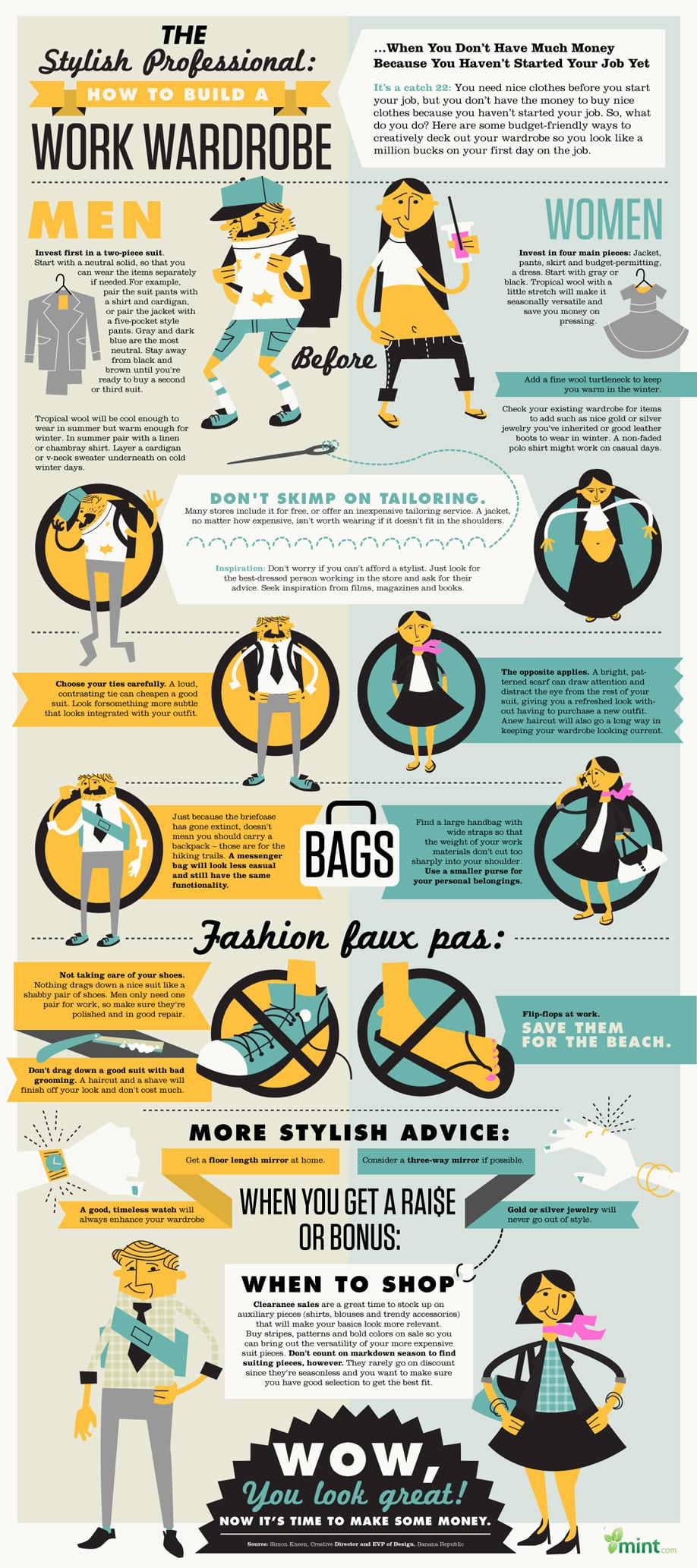
For women, with tops, staples include button-down shirts in classic white or pastel colours for formal wear, blouses that are feminine and polished options suitable for business casual as well, and neutral sweaters, which are great for layering in colder months. Good options for bottoms can include tailored trousers, which can be paired with blouses or button-downs for a professional look; pencil or midi skirts, which are stylish yet workplace-appropriate options; and dark jeans for creative, casual workplaces. Shift dresses or wrap dresses are comfortable, versatile, and professional. If your climate calls for outerwear, a structured blazer instantly elevates any outfit, while cardigans are softer alternatives for layering. Coming to shoes, flats or loafers are comfortable and polished choices for daily wear while neutral heels with 2-3 inch heels give a professional touch.

For men, dress shirts in white, blue, and pale-coloured shirts work with any suit, and polo shirts are perfect for business casual days. Sweaters in neutral options are good for layering over shirts in colder months. For bottoms, tailored pants in black, navy, or grey are perfect, while chinos are versatile, casual, yet professional. Dark jeans are suitable for creative workplaces. For outerwear, blazers are a must-have for formal and business casual settings, while bomber jackets or cardigans are casual alternatives for layering. On to shoes, Oxford or Derby shoes are perfect for formal business attire, while loafers are great for business casual.

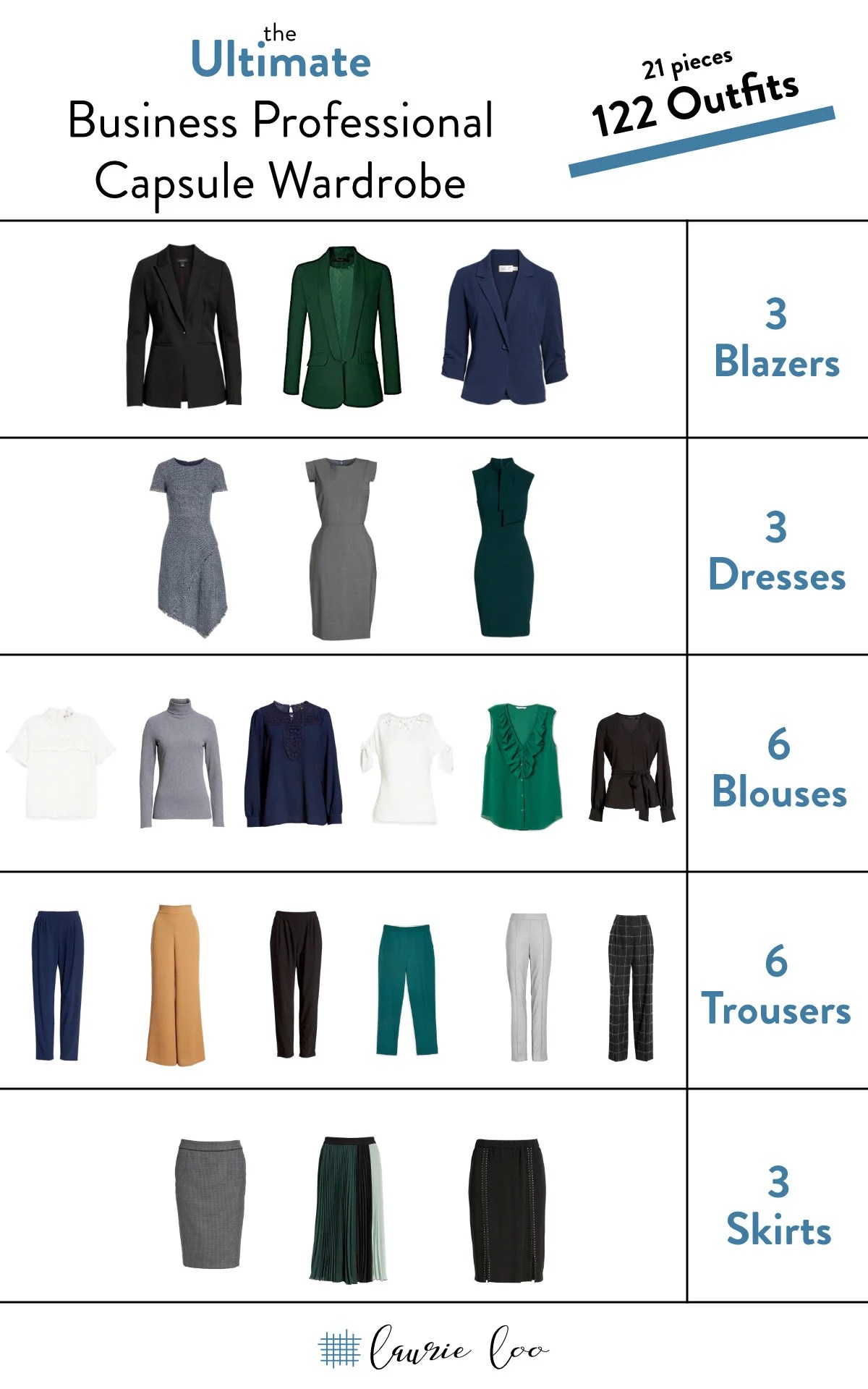
A capsule wardrobe is a collection of essential clothing items that are versatile and timeless. It reduces clutter, makes outfit planning simpler, and helps save money. To build a capsule wardrobe, choose neutral colours and focus on black, navy, gray, beige, and white, as they pair easily with other items. Select multi-functional pieces and prioritise items that can transition from formal to casual settings. Stick to high-quality basics and invest in durable clothing items that withstand wear and tear.

Shop smart. Building a professional wardrobe on a budget requires strategic shopping. Before heading to the store, take inventory of your current wardrobe. Identify items that can be repurposed for workplace outfits. Shop at thrift stores, as thrift stores often carry high-quality professional clothing at significantly reduced prices. Look for timeless pieces like blazers, dress shirts, and trousers. Take advantage of sales and watch for seasonal sales, such as end-of-season or Black Friday, to purchase high-quality items at discounted rates. Buy second-hand online from platforms like Poshmark, Depop, or eBay that offer gently used professional clothing at affordable prices. Invest in quality for key items and spend more on staples like a blazer or dress shoes, as these items are worn frequently and need to last longer. Save money on less frequently used items like accessories. Seek affordable brands and explore budget-friendly brands that offer professional attire.

Maximise your wardrobe by mixing and matching items to create multiple outfits. As an example, for women, pair a pencil skirt with a blouse for formal meetings. Then swap the skirt for tailored trousers and layer a cardigan for business casual. For men, pair navy dress pants with a white shirt and blazer for a presentation. Remove the blazer and add a sweater for a more informal look.

Maintain your wardrobe, as proper care ensures your wardrobe lasts longer. Launder carefully and follow washing instructions to avoid damage or shrinkage. Use delicate cycles for dress shirts or blouses. Invest in repairs. Fix loose buttons, replace worn soles, or tailor items that don’t fit perfectly. Rotate clothing and avoid wearing the same items repeatedly. Rotating clothing prevents excessive wear.

Some additional tips for budget-friendly wardrobe building.

  • Focus on fit: Ill-fitting clothes can ruin a professional look. Invest in tailoring for a polished appearance.
  • Keep it minimal: Stick to essentials rather than purchasing trendy items that will quickly go out of style.
  • Build slowly: There’s no need to buy everything at once. Gradually build your wardrobe by adding new pieces as needed.
  • Accessorise wisely: Accessories like ties, watches, scarves, or necklaces can elevate outfits without significant expense.
  • Swap with friends: Organise clothing swaps with friends or colleagues to refresh your wardrobe without spending money.

Common mistakes to avoid

  • Overbuying: Buying too many items can lead to clutter and waste. Focus on versatile staples.
  • Ignoring quality: Cheap items can wear out quickly. Invest in durable fabrics for frequently worn garments.
  • Prioritising trends over timeless pieces: Trending styles may not align with professional expectations. Stick to classic designs.
  • Forget comfort: Professional clothing should be comfortable, especially for long workdays. Avoid tight or overly restrictive items.

Building a professional wardrobe on a budget is entirely achievable with thoughtful planning and strategic decision-making. By focusing on essentials, shopping smart, and maintaining your clothing properly, you can create a polished and versatile wardrobe that aligns with workplace expectations while saving money.

Remember that your wardrobe is an investment in your personal and professional growth. It reflects your confidence, competence, and commitment to presenting your best self. With these tips, you’ll be able to navigate your career with style and assurance while staying financially savvy.

Adulting 101: The Importance of Setting Boundaries in Personal and Professional Life

Setting boundaries is an essential yet often overlooked aspect of adulthood. It is a skill that helps individuals protect their time, energy, and emotional well-being while fostering respect in personal and professional relationships. Boundaries are not just about saying “no” or distancing yourself; they are about creating space for mutual respect and healthy interactions.

What are boundaries? Boundaries are guidelines, rules, or limits that individuals set to define what they are comfortable with in interactions or relationships. They help clarify acceptable behaviours and ensure that your needs and values are respected.

There are several types of boundaries, each serving a unique purpose. Physical boundaries relate to personal space and physical touch, while emotional boundaries protect your emotional well-being, such as deciding what personal information to share with others. Time boundaries define how you allocate your time to avoid overcommitment or burnout, and mental boundaries protect your thoughts, opinions, and beliefs from manipulation or disrespect. Financial boundaries determine how you manage money and financial responsibilities with others, while digital boundaries define how you engage with technology or social media, such as deciding when and who can contact you.

Setting boundaries is important. Boundaries safeguard your mental health by preventing emotional exhaustion or manipulation. They allow you to focus on your priorities without feeling overwhelmed by the demands of others. Healthy boundaries strengthen personal and professional relationships. They foster mutual respect, reduce misunderstandings, and ensure that both parties feel valued. Boundaries, especially in professional settings, help prevent overwork and burnout. They allow you to manage workloads effectively and maintain a healthy work-life balance. Setting boundaries demonstrates self-respect. It shows that you value your time, energy, and feelings and expect others to do the same. Boundaries help you focus on your goals and personal development by shielding you from distractions or negative influences.

While boundaries are essential, many young adults struggle to set and enforce them due to various factors. The fear of upsetting others or being rejected can prevent individuals from asserting their boundaries. Feelings of guilt or obligation may lead people to prioritise others’ needs over their own, resulting in weak or non-existent boundaries. Some individuals may not be aware of their own boundaries or may struggle to articulate them. Cultural or societal expectations may discourage boundary-setting, particularly in hierarchical or collectivist environments. People who consistently overstep boundaries, whether consciously or unconsciously, can make it difficult to maintain them.

Personal boundaries are crucial for maintaining healthy relationships and fostering self-care. Here’s how young adults can set boundaries in their personal lives:

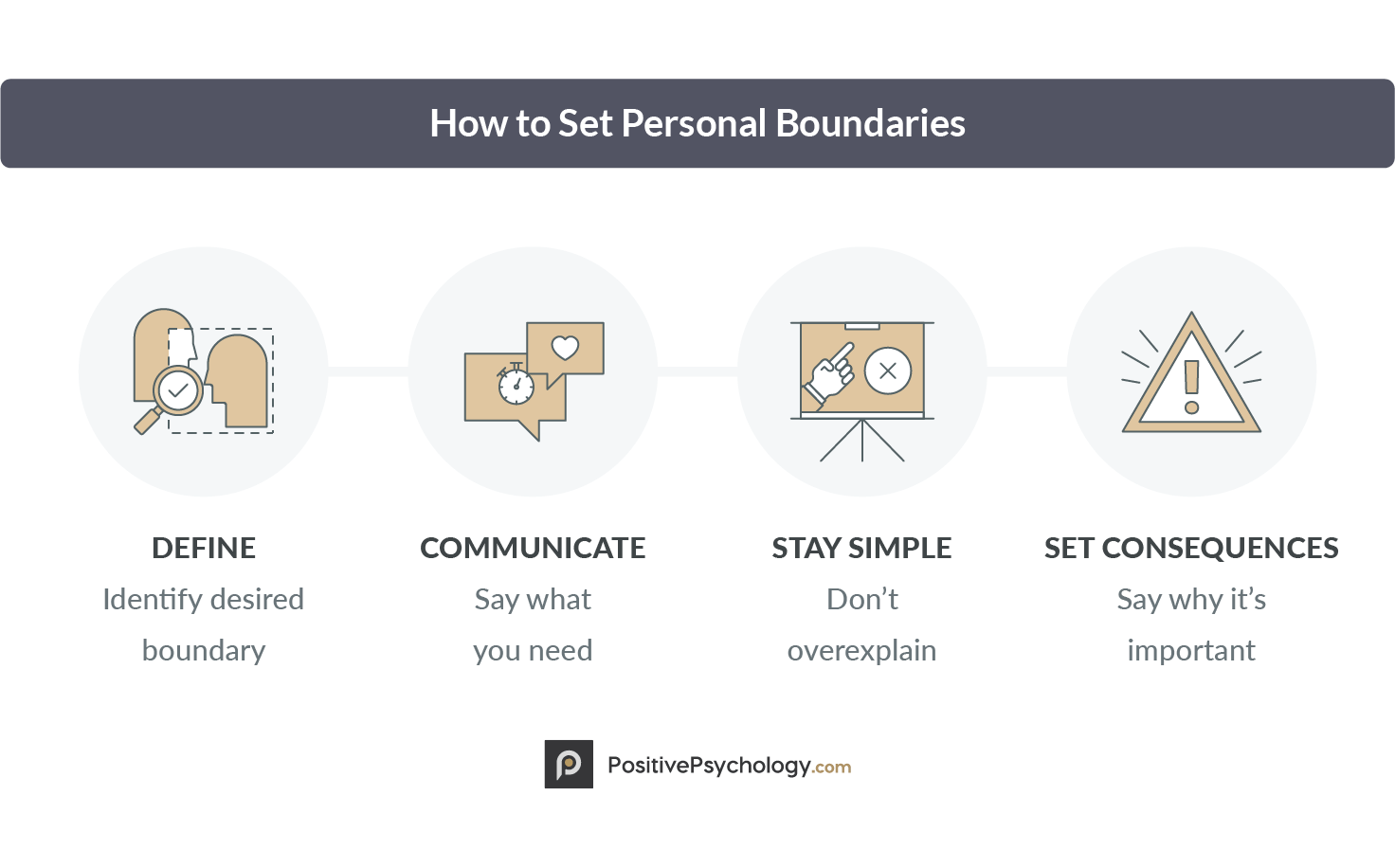
  • Know your limits: The first step in setting boundaries is understanding your own needs and limits. Reflect on what makes you feel uncomfortable or stressed in personal relationships. Identify triggers and determine situations or behaviours that make you feel drained or uncomfortable. Clarify values and align your boundaries with your core values and priorities.
  • Communicate clearly: Be direct and assertive when communicating your boundaries. Ambiguity can lead to misunderstandings or unintentional boundary violations. Use “I” statements and avoid apologising excessively. Remember that setting boundaries is not a selfish act; there’s no need to apologise for protecting your well-being.
  • Enforce boundaries consistently: Consistency is key to maintaining boundaries. If boundaries are enforced inconsistently, others may disregard them. If someone oversteps your boundaries, address it immediately and remind them of your limits. Be firm in your approach, even if others push back.
  • Manage expectations: Set realistic expectations with friends and family to avoid misunderstandings. Communicate clearly what you can and cannot commit to. It’s okay to prioritise your mental and physical health over social obligations. Learn to decline requests in a respectful but assertive manner.

Boundaries in the workplace are essential for maintaining productivity, protecting mental health, and fostering respect between colleagues. Here’s how young adults can establish professional boundaries:

  • Define your work hours: Set boundaries around when you are available for work and when you are not, especially if working in flexible or remote environments. Notify colleagues and supervisors about your availability. Resist the urge to answer work emails or messages outside of designated work hours.
  • Manage workload effectively: Learn to say “no” to tasks that exceed your capacity or distract from your priorities. Evaluate requests and assess whether a task aligns with your responsibilities and abilities before agreeing. If tasks can be delegated, share responsibilities with colleagues or team members.
  • Protect your focus: Establish boundaries that minimise distractions and interruptions during critical work periods. Implement signals such as closing your office door or setting your status to “Busy” on communication platforms. Schedule uninterrupted periods for deep work.
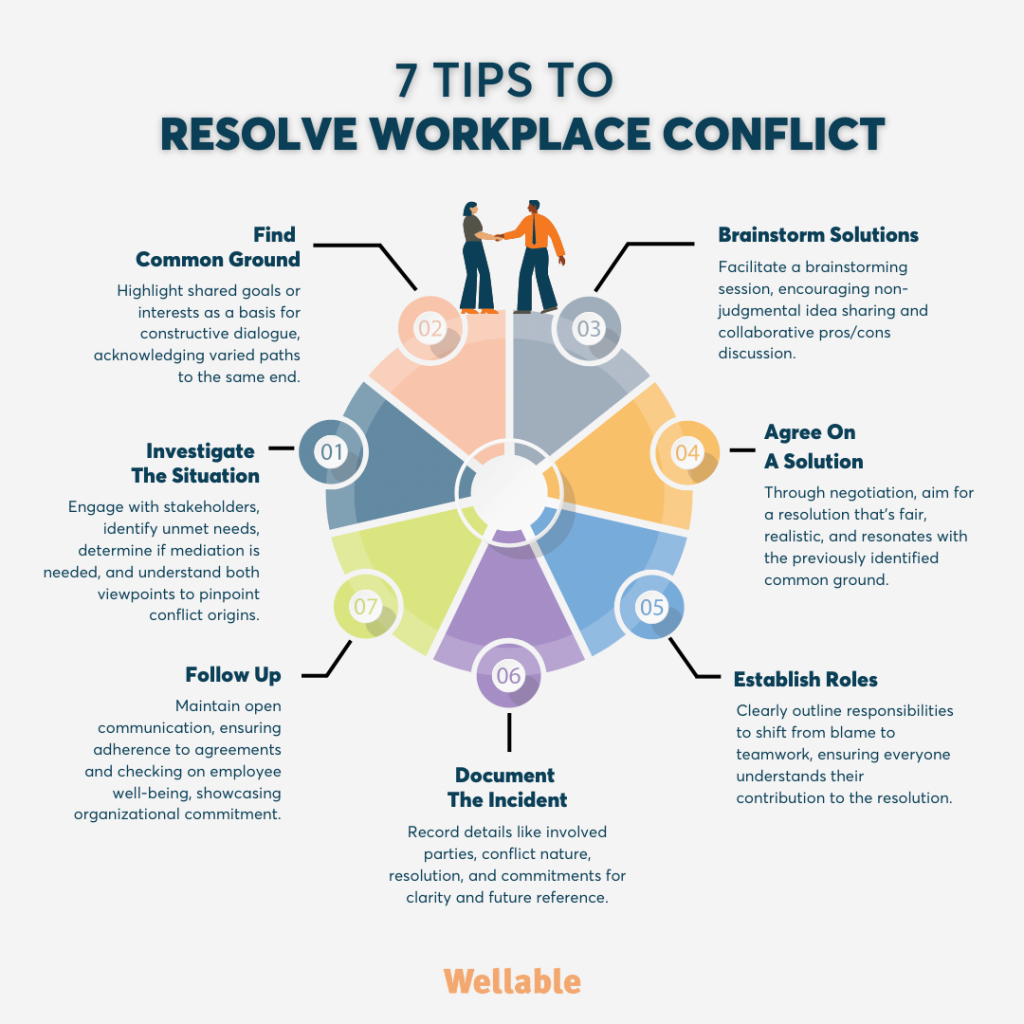
  • Address toxic behaviours: Resolve workplace conflicts or address negative behaviours that affect your boundaries. If someone’s behavior crosses professional boundaries, address the issue calmly and constructively. For persistent issues, consider involving your HR department for mediation or support.
  • Advocate for work-life balance: Promote a healthy balance between work and personal life by setting boundaries that protect your time for hobbies, relationships, and self-care. Advocate for regular breaks to recharge during the workday. Don’t feel guilty about using vacation days or taking mental health days.

Here are some actionable tips for setting and enforcing boundaries effectively:

  • Practice self-awareness: Understand your needs, values, and triggers to identify where boundaries are necessary.
  • Start small: Begin with simple boundaries and gradually expand as you gain confidence.
  • Use assertive communication: Express boundaries clearly and confidently while being respectful of others.
  • Be consistent: Maintain boundaries consistently to ensure they are respected.
  • Prepare for pushback: Expect some resistance, especially if individuals are unaccustomed to boundaries. Stay firm and confident.
  • Seek support: Discuss boundary challenges with trusted friends, family members, or mentors for guidance and encouragement.
  • Don’t feel guilty: Setting boundaries is an act of self-respect and self-care. Avoid guilt for prioritizing your well-being.
  • Reflect and adjust: Periodically reassess your boundaries to ensure they align with your current needs and values.

While boundary-setting is beneficial, challenges may arise. Here’s how to navigate common obstacles:

  • Overstepping by others: If someone repeatedly crosses your boundaries, calmly but firmly remind them of your limits. If the behavior persists, consider limiting interactions.
  • Fear of conflict: Conflict can be uncomfortable, but it’s important to address boundary violations constructively to prevent resentment or burnout.
  • Feelings of guilt: Remind yourself that boundaries are necessary for your mental and emotional health. Practice self-compassion to overcome guilt.
  • Pressure to conform: Societal or workplace pressures may challenge your boundaries. Stay true to your values and be assertive in enforcing them.

Setting boundaries is an essential skill for fostering healthy relationships in both personal and professional life. By clearly defining limits, communicating assertively, and consistently enforcing boundaries, young adults can protect their time, energy, and emotional well-being while cultivating respect and mutual understanding. Remember, boundaries are not about building walls—they’re about creating space for growth, self-care, and meaningful connections. With practice and confidence, you can master the art of boundary-setting and lead a balanced, fulfilling life.

Adulting 101: Navigating the Job Market – Resume Writing, Interviews, and Networking

The job market can be intimidating, especially for young adults entering the workforce for the first time. Whether fresh out of university or looking for a new role, knowing how to craft a standout resume, ace interviews, and network effectively are critical skills for landing the right job.

Why is navigating the job market important? Entering the job market can be overwhelming, but it’s also an opportunity for growth, exploration, and building your dream career. Here’s why mastering the process is vital. Understanding what employers look for and presenting yourself effectively can set you apart from other candidates. Securing the right job opens doors to new opportunities, mentorships, and long-term career development. Navigating the job market successfully helps you gain confidence in your abilities and value as a professional. Equipped with the right skills, you can make the transition into the workforce more manageable and rewarding. Let’s start by focusing on the first element: creating a powerful resume.

Part 1: Resume Writing – Crafting a Standout Application
Your resume is your first point of contact with potential employers. It’s a snapshot of your professional story that showcases your skills, accomplishments, and experiences. Here’s how to craft a winning resume:

  • The purpose of a resume: The resume’s purpose is to summarise your qualifications and convince hiring managers to invite you for an interview. It should be tailored to highlight the skills and experiences that are relevant to the specific role you’re applying for.
  • Key components of a resume: A well-structured resume typically includes contact information like name, phone number, email address, and LinkedIn profile. Ensure your email is professional. It should also include a brief overview of your qualifications and career goals. Highlight relevant technical and soft skills that align with the job description. List your work experience in reverse chronological order, focusing on accomplishments rather than duties. Mention your degrees, institutions, and graduation dates and include any certifications, awards, or recognitions that boost your credibility for the role.
  • Resume writing tips: Follow these tips for a polished and impactful resume. Customise your resume for each job application by emphasising skills and experience relevant to the role. Start bullet points with strong action verbs like “implemented,” “led,” “optimised,” or “achieved.” Use numbers to quantify achievements (e.g., “Improved sales by 20%” or “Managed a team of 5”). Limit your resume to one page unless you have extensive experience. Check for spelling or grammar mistakes. Errors can make a bad impression.
  • Avoid common resume mistakes: Be mindful of these pitfalls: Avoid cluttering your resume with irrelevant details. Focus on what’s important. Use a clean, professional layout with clearly labeled sections. Replace vague objectives with a professional summary showcasing your value.

Part 2: Interview Preparation – How to Shine in the Spotlight
Securing an interview means that your resume has done its job. Now, it’s time to shine in person (or virtually) by showcasing your skills, personality, and enthusiasm for the role.

  • Types of job interviews: Understanding the types of interviews can help you prepare better. Traditional interviews are one-on-one conversations with hiring managers, while in panel interviews, multiple interviewers ask questions in a formal setting. Behavioural interviews focus on past experiences and how you’ve handled specific situations. Virtual interviews are conducted via video platforms like Zoom or Teams, while group interviews involve interaction with other candidates and assessing your teamwork skills.
  • Preparing for the interview: Preparation is the key to interview success. Study the company and research its mission, values, products, and services to familiarise yourself with the industry and competitors. Understand the role. analyse the job description to identify key responsibilities and required qualifications, and prepare to discuss how your skills align with the role. Practice common interview questions, including “tell me about yourself”, “what are your strengths and weaknesses”, “why do you want to work here”, and “describe a challenge you’ve faced and how you overcame it.”
  • Prepare STAR responses: Use the STAR method when answering behavioral questions. S stands for Situation, where you describe the context of the example. T stands for Task, where you explain the goal or challenge. A stands for Action, which details the steps you took to address the situation. R stands for Result, or the outcome and what you learned. Dress professionally and choose attire appropriate for the company culture (business formal or smart casual). Avoid noisy jewelry or overly casual clothing. Practice mock interviews and practice interviews with friends or mentors to refine your answers and boost your confidence.
  • Performing well during the interview: Make a lasting impression by showcasing professionalism and enthusiasm. Arrive on time. If it’s virtual, test your tech setup and video connection beforehand. For in-person interviews, arrive early. Be engaged and actively listen to questions and respond thoughtfully.
  • Highlight your value and focus on how you can contribute to the company rather than just describing your skills. Ask questions and prepare thoughtful questions about the role or company to show genuine interest. Express gratitude and thank the interviewer for their time and opportunity.

Part 3: Networking – Building and Leveraging Connections
Networking is one of the most powerful tools for career advancement. Building professional relationships and tapping into your network can lead to job opportunities, mentorships, and collaboration.

Networking is crucial for several reasons. Many jobs are not publicly listed but filled through referrals. Networking allows you to learn about industries, roles, and companies from experienced professionals. Consistently connecting with others helps you establish your reputation in your field.

Networking doesn’t mean randomly handing out business cards. It’s about building meaningful connections. Start with your existing network and inform friends and family about your career goals; they may have valuable connections. Reach out to former professors or alumni networks for advice and introductions. Attend conferences, workshops, or seminars in your field. Participate in job fairs to connect with recruiters and learn about opportunities.

Leverage online platforms like LinkedIn by optimising your profile and engaging with professionals by commenting on posts, joining groups, and messaging connections. Build connections at work by connecting with colleagues and building relationships with coworkers by collaborating effectively and supporting team efforts. Seek mentorship by finding experienced colleagues who can share insights and guidance. Practice professional communication and be genuine when networking authentically rather than self-promotion. Follow up and send thank-you emails or messages after meetings or introductions.

Introverted individuals can excel at networking by leveraging their strengths. Focus on one-on-one interactions rather than large groups, and prepare talking points to ease conversations. Use written communication (emails or LinkedIn messages) to connect thoughtfully.

Putting It All Together
Navigating the job market takes effort, strategy, and resilience. By mastering the three pillars—resume writing, interviews, and networking—you can position yourself for success. Here’s how to integrate these strategies:

  • Build a strong foundation by crafting a polished resume and tailoring it for each job application.
  • Prepare for opportunities and practice for interviews thoroughly to showcase your skills confidently.
  • Cultivate relationships and dedicate time to build a network that supports your career goals.
  • Stay persistent because rejections are inevitable in any job search, but persistence is key. Learn from setbacks and keep improving.

Navigating the job market as a young adult is a vital step in personal and professional growth. By focusing on writing a standout resume, preparing thoroughly for interviews, and building a strong network, you can create the foundation for a successful career. Remember, each step in your journey is an opportunity to learn, connect, and grow. With dedication and the strategies outlined here, you’ll be ready to tackle the job market and achieve your goals!

Adulting 101: How to Build and Maintain Healthy Relationships

Relationships are an integral part of human life. Whether they are friendships, romantic partnerships, family bonds, or professional connections, relationships significantly impact our happiness, mental health, and overall well-being. However, building and maintaining healthy relationships requires effort, understanding, and a commitment to mutual respect.

What is a healthy relationship? A healthy relationship fosters mutual respect, trust, communication, and support between individuals. It is characterised by a sense of balance where both parties feel valued and heard. Healthy relationships are not free from conflict but rather manage disagreements constructively without resorting to manipulation or control.

Key characteristics of healthy relationships include the following:

  • Trust: Trust forms the foundation of any strong relationship. It involves being honest with each other and having confidence in one another’s intentions.
  • Respect: Respect means valuing each other’s opinions, boundaries, and individuality.
  • Open communication: Healthy relationships thrive on honest and transparent communication. Both parties should feel comfortable expressing their thoughts and feelings without fear of judgment.
  • Support: A healthy relationship provides emotional support during both good times and bad.
  • Boundaries: Establishing and respecting boundaries ensures that both individuals feel safe and comfortable.
  • Equality: Power dynamics should be balanced in a healthy relationship; decisions should be made collaboratively rather than unilaterally.

Why are healthy relationships important?

  • Mental health benefits: Healthy relationships contribute to better mental health by reducing stress, anxiety, and feelings of loneliness. Being surrounded by supportive people can increase self-esteem and provide a sense of belonging.
  • Physical health benefits: Research has shown that strong social connections can lead to improved physical health outcomes, such as lower blood pressure, reduced risk of heart disease, and stronger immune function.
  • Personal growth: Healthy relationships encourage personal growth by providing constructive feedback and opportunities for self-improvement.
  • Enhanced communication skills: Engaging in healthy relationships helps individuals develop better communication skills that can be applied in various aspects of life.
  • Conflict resolution skills: Navigating challenges in healthy relationships teaches valuable conflict resolution skills that are essential for personal and professional success.

How can someone build healthy relationships? Building healthy relationships requires intentional effort and a willingness to invest time and energy into meaningful connections.

Develop self-awareness: Understanding yourself is the first step in building healthy relationships. Identify your needs and reflect on what you value in a relationship and what you need from others to feel supported. Recognise your strengths and acknowledge your strengths as well as areas where you can improve as a friend or partner. Set personal boundaries and define your limits regarding what behaviours you find acceptable or unacceptable.

Practice active listening: Active listening involves fully focusing on the speaker without interrupting or judging. Show empathy and try to understand the other person’s perspective by putting yourself in their shoes. Ask questions and clarify points if needed to ensure you understand what the other person is saying. Avoid distractions and give the speaker your undivided attention by putting away phones or other distractions.

Communicate openly: Clear communication is essential for building trust. Be honest and share your thoughts and feelings honestly while being mindful of how you express them. Use “I” statements by framing your concerns using “I” statements (e.g., “I feel upset when…”) rather than blaming the other person. Practice assertiveness and express your needs confidently without being aggressive or passive.

Show appreciation: Expressing gratitude strengthens relationships. Acknowledge efforts and let others know you appreciate their actions or support. Celebrate milestones by recognising important events or achievements in each other’s lives.

Build trust gradually: Trust takes time to develop but can be nurtured through consistent actions. Keep promises and follow through on commitments to demonstrate reliability. Be transparent and share information openly to build confidence in your intentions.

So how to maintain healthy relationships? Once established, maintaining healthy relationships requires ongoing effort. Prioritise quality time by spending quality time together, as it strengthens bonds. Schedule regular check-ins and make time for meaningful conversations about each other’s lives. Engage in shared activities and participate in activities you both enjoy to create positive memories. Respect boundaries, as respecting boundaries ensures that both individuals feel comfortable. Ask for consent and always seek permission before crossing personal boundaries. Avoid overstepping limits and be mindful not to push someone into situations they’re uncomfortable with.

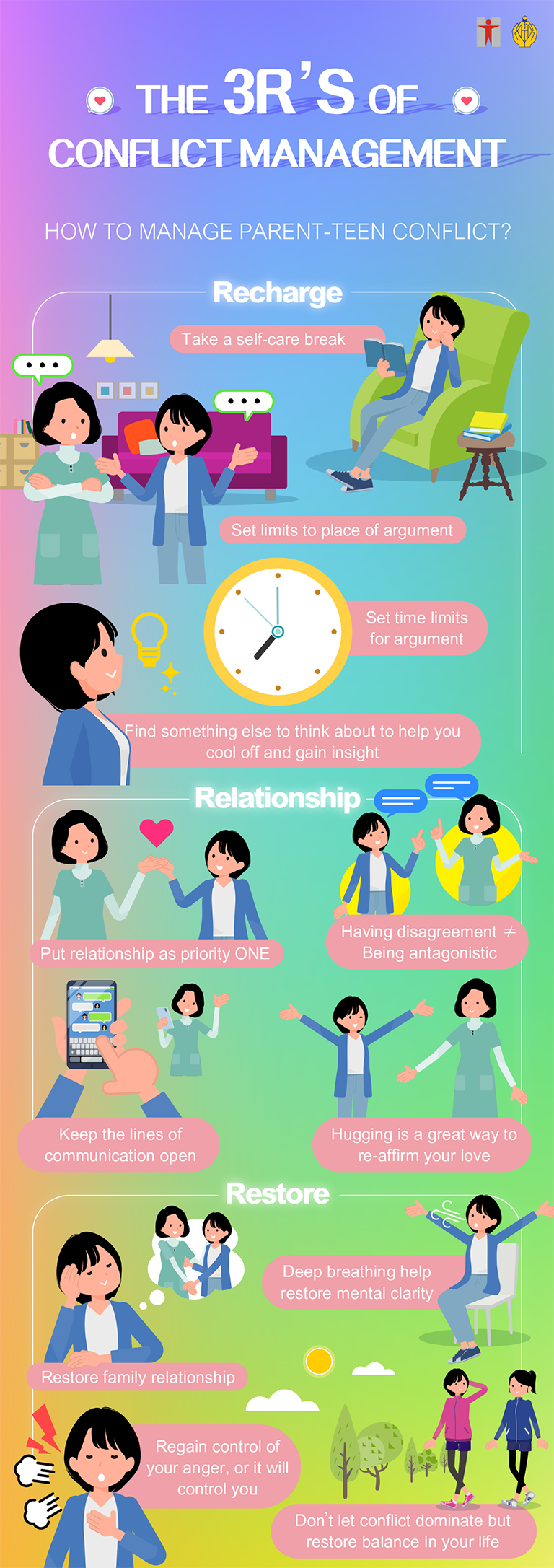
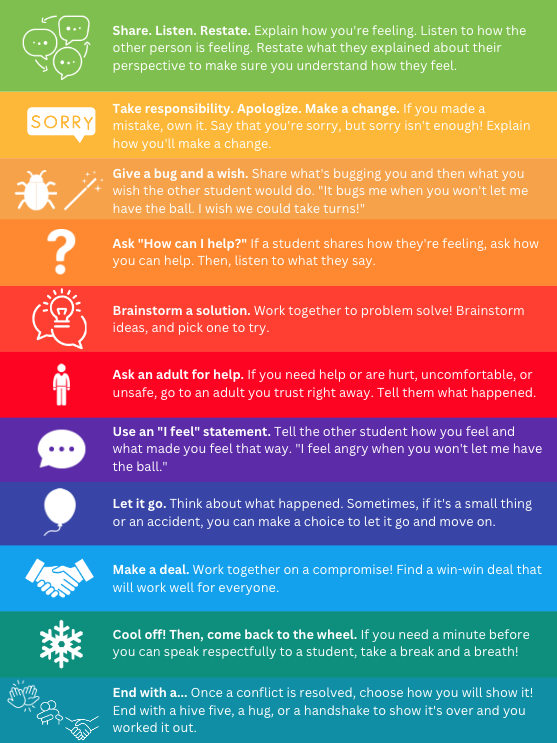
Manage conflict constructively because disagreements are inevitable but can be resolved healthily. Stay calm and approach conflicts with a calm demeanor rather than reacting emotionally. Focus on solutions and work together to find solutions rather than dwelling on problems. Apologise when necessary and take responsibility for mistakes sincerely without making excuses. Support each other’s growth to encourage personal development within the relationship. Celebrate achievements and recognise accomplishments and milestones together. Provide constructive feedback and offer feedback that helps the other person grow without being overly critical. Adapt to change because relationships evolve; adapting ensures they remain strong. Be flexible and embrace changes in circumstances or dynamics within the relationship. Reassess goals together and periodically discuss shared goals or expectations as they evolve.

Tips for Building and Maintaining Healthy Relationships

Here are some additional tips for fostering strong connections:

  • Practice forgiveness and let go of grudges or resentment; forgiveness fosters healing within relationships.
  • Be present and focus on being fully present during interactions rather than multitasking or thinking ahead.
  • Celebrate differences and embrace diversity within relationships by appreciating differing viewpoints or experiences.
  • Seek help when needed. If challenges arise that seem insurmountable alone, consider seeking guidance from counselors or therapists specialising in relationship issues!
  • Practice self-care because taking care of yourself physically & emotionally ensures you bring your best self into every interaction.

Building & maintaining healthy relationships is an essential aspect of leading fulfilling lives. By fostering trust, practicing open communication, and respecting boundaries, young adults can cultivate meaningful connections that enrich their lives personally & professionally. Remember, it’s not about perfection but rather progress. With patience & dedication, you’ll find yourself surrounded by supportive individuals who uplift & inspire you every step along life’s journey!