Adulting 101: A Young Adult’s Guide to Dressing Smart and True

Starting a career, internship, or university life brings new challenges, including how to dress. Colour theory for clothes helps you make choices that fit your skin, personality, and work environment. It’s not just a style hack. It shapes how others see you and affects your confidence.

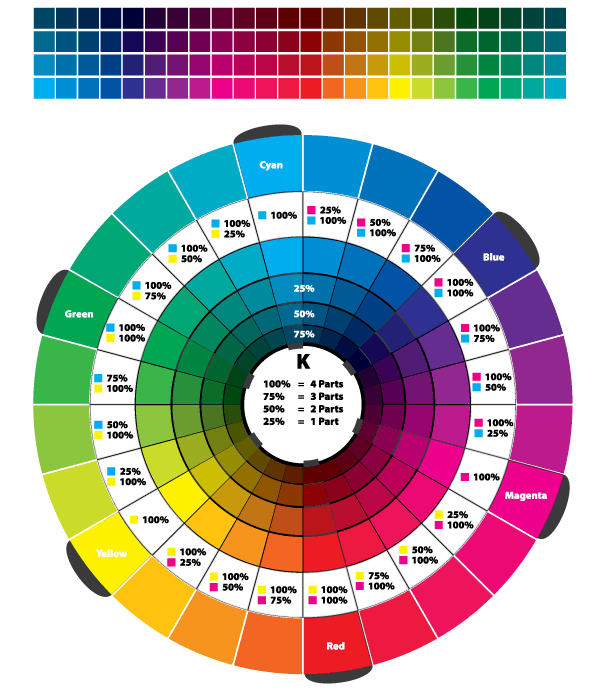
Colour theory is the study of how colours interact. It breaks down into three elements: hue (the colour itself), value (how light or dark it is), and intensity (how bright or dull). This matters because colours don’t look the same on every skin or when paired with different shades. For example, bright colours pop on deep skin tones but can overwhelm lighter skin. Pastels might look soft and flattering on one, but washed out on another. Colour theory teaches you to see these differences and use them to your advantage. Colours also split into warm (reds, yellows, oranges) and cool (blues, greens, purples). Warm colours give energy but can be too loud for formal settings. Cool colours feel calm and professional. Knowing this helps when choosing work-appropriate clothes.

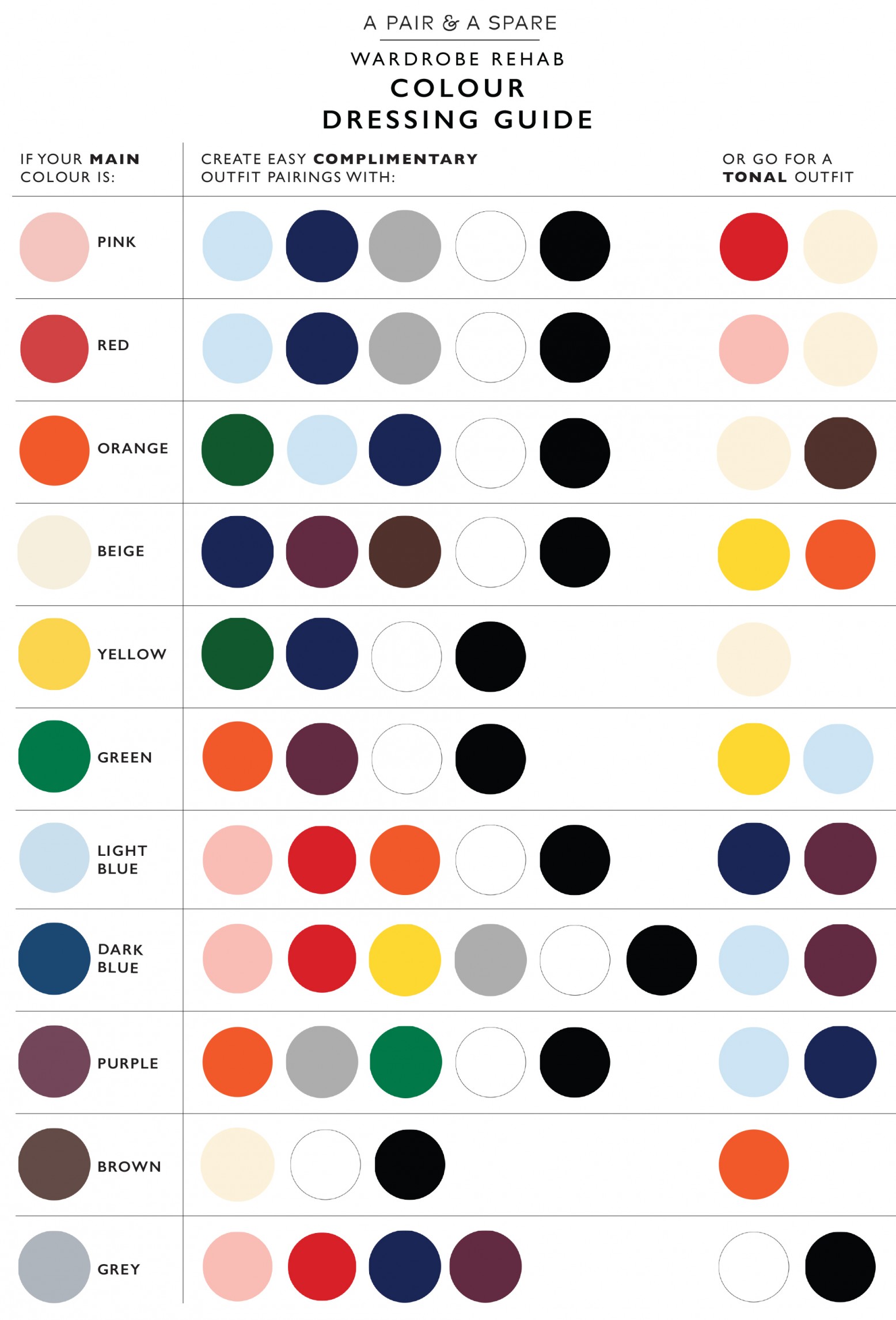
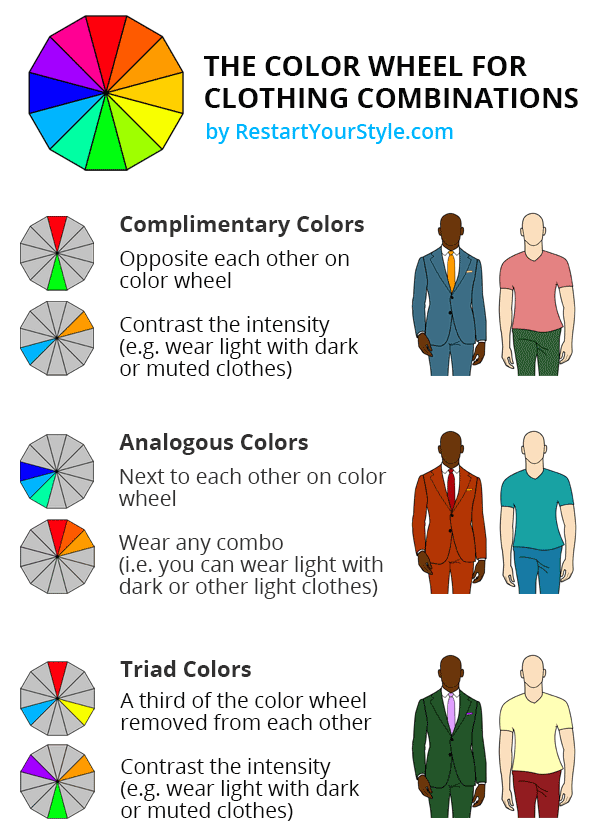
Picking clothes for work isn’t just about looking good; it’s about fitting the environment. Colour theory guides you to dress professionally and still express yourself. Choose colours that send the right signals. Blue, for example, means trust and calm. It’s common in corporate wear for this reason. Navy suits, light blue shirts, or muted teal sweaters work well. Red is powerful and passionate, but can be too aggressive for everyday office wear. Use it as an accent, like a tie or scarf. Neutral colours like black, white, grey, beige, and navy are your foundation. They balance bold hues and keep outfits grounded. For interviews or formal meetings, sticking to neutrals with one subtle pop of colour is usually best. Using complementary colours (colours opposite on the wheel, like blue and orange) can create visual interest. But be careful; pairing two strong colours at full intensity can clash and feel unprofessional. Instead, try desaturated (muted) tones or mix different levels of brightness to soften contrasts. Accessories give you room to play. A bright scarf, colourful socks, or a statement watch adds personality without overpowering your look.

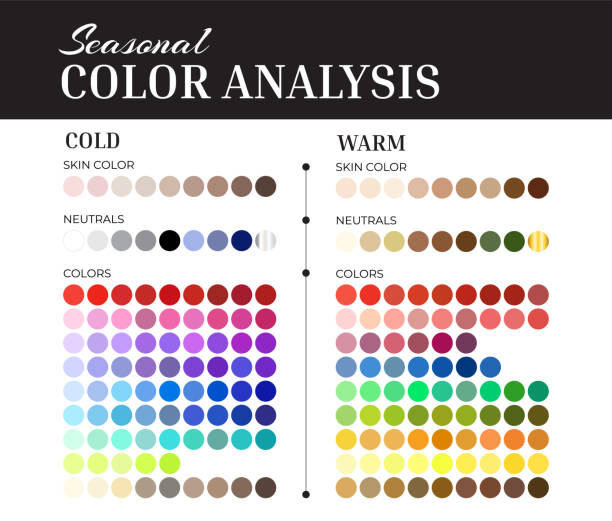
The secret to dressing well lies in knowing your skin undertone: warm, cool, or neutral. Warm undertones have a yellow, peachy, or golden hint. Greenish veins and gold jewellery flatter this group. Best colours include earthy tones like mustard, olive, coral, and warm browns. Cool undertones lean pink or blue with bluish veins and a silver jewellery preference. Jewel tones such as sapphire, emerald, and icy blue work well. Neutral undertones can wear a broad range, especially muted or toned-down colours. Wearing colours that clash with your undertone risks washing you out or making you look tired. For example, cool skin tones look better in blues than in yellow or orange. Personality also plays a role. If you’re bold and outgoing, brighter colours and contrasts might suit you. If you’re laid-back or formal, cooler, softer colours and monochrome schemes will likely feel more natural.

Colour schemes make it easier to build outfits without guesswork. Here are some top picks:

  • Monochrome: Different shades of the same colour. This looks sleek and professional. Imagine a navy sweater with lighter blue jeans.
  • Analogous: Colours next to each other on the wheel, like blue and green, or red and orange. These create harmony and are safe for offices.
  • Complementary: Opposite colours like blue and orange, or red and green. Strong contrasts work if one colour is muted or used in small amounts.
  • Neutral base with accent: Start with black, navy, grey, white, or beige, then add one bright colour like burgundy or mustard for personality without fuss.

For beginners, neutrals plus one accent colour is safest. You get variety, can mix and match easily, and stay within dress codes.

Here are some tips and tricks for mastering colour in your wardrobe:

  • Start with neutrals: Build your wardrobe on versatile basics: black, white, navy, grey. They mix with almost any colour and fit most workplaces. Once comfortable, add subtle colours.
  • Test colours in natural light: Colours look different indoors and outside. Use daylight when trying on clothes to select shades that really suit you.
  • Create capsule wardrobes: Choose a limited palette of 3 to 5 colours that suit your undertone and style. This makes dressing faster and ensures everything matches.
  • Use a colour wheel app or chart: Help visualise how colours relate, making it easier to create balanced outfits.
  • Learn to layer: Pair a neutral base with coloured layers like cardigans or scarves to adapt looks for different settings.
  • Don’t ignore texture: Matte vs shiny fabrics catch light and colour differently. This can add subtle accents even within one colour family.
  • Test accessories first: Before committing to coloured clothes, try bold accessories like belts, watches, and bags for a flavour of the colour.
  • Mix warm and cool neutrals: Some neutrals lean warmer (like camel or cream), others cooler (charcoal or icy white). Mixing both can add depth.
  • Keep a colour journal: Note which colours get compliments or make you feel confident. Over time, patterns will show what suits you best.
  • Be mindful of prints: Prints combine colours but can be intimidating. Start with simple, soft prints before experimenting with busy patterns.

Common pitfalls while choosing colour and how to avoid them:

  • Wearing colours too close to your skin tone: This is a classic wardrobe mistake. Colours that mirror your skin tone too closely can make you look washed out, tired, or pale. For example, very light beige or peach hues might blend into light skin, while some browns might do the same for deeper skin tones. The solution is to choose colours that create contrast with your skin without being jarring, think medium shades that highlight your natural tones instead of blending in.
  • Overloading with bright colours: Wearing multiple bright colours full-strength at once can be overwhelming, especially in professional settings. This can make your outfit look uncoordinated or youthful in a way that might not fit your workplace. To avoid this, use bright colours as accents rather than the base of your outfit. For instance, pair a subtle neutral suit with a vibrant tie or scarf to add energy without distraction.
  • Colour burnout: Colour burnout is real, it’s when you stick to the same colour or palette so often that you get bored and your look becomes predictable. This stagnation affects how you feel and how others perceive you. Rotate your colours regularly, experiment with new shades, and use accessories to diversify your look.
  • Ignoring Your undertones: Many skip analysing their undertones and grab whatever is trending or popular. This often leads to colours that clash with the skin undertone, making the wearer look less vibrant or even sickly. Invest some time in identifying your undertones (warm, cool, or neutral) and choose colours accordingly. It pays off immediately.
  • Too much matchy-matchy: Matching every item perfectly (shoes, belt, bag, shirt) may seem polished, but can feel boring or overly rigid. Mixing colours and textures thoughtfully creates visual interest and shows personality. For example, a navy blazer with a light blue shirt and tan belt is more engaging than navy everything.
  • Overlooking the work environment’s dress code: Not all workplaces welcome bold colour choices. Some industries or offices prefer muted, conservative palettes. Ignoring this can make outfits feel out of place or unprofessional. Research your workplace culture and adapt. Add colour wisely where allowed, and keep the overall look appropriate.
  • Failing to consider lighting: Clothes often look different indoors, especially under artificial light, compared to natural daylight. A colour that pops in the store might dull down in the office or vice versa. Always test clothing colours in different lighting conditions to avoid surprise disappointments.
  • Forgetting the impact of fabric and texture: Fabric changes how colour appears. Shiny satin reflects light and looks brighter, while matte cotton absorbs light and softens colours. Two pieces in the same colour but different fabrics can look very different. Understanding this helps in mixing and layering colours without clashes.
  • Underestimating the power of neutral colours: Young adults often rush to buy colourful wardrobes, forgetting how vital neutrals are for balance. Too few neutrals can make dressing more complicated and your looks less versatile. Invest in solid neutrals like black, grey, navy, and white; they anchor your outfits and make colours pop.
  • Relying too much on trends: Trendy colours come and go. Building a wardrobe relying only on the latest popular colours can date your clothes fast. Focus on classic and flattering colours that fit you well and integrate trends through small additions like ties or scarves.

Thinking about colour as just “like or don’t like” isn’t enough. Use the colour wheel, know your undertones, and pick shades that send the right messages for your setting. Your look builds confidence. If you feel good in what you wear, you perform better. If your outfit blends well with the environment but lets you shine subtly, you make positive impressions.

Consider these extras:

  • Accessories as punctuation marks, small, punchy colour hits.
  • Don’t match everything perfectly; contrast adds interest.
  • Hair, makeup, and jewellery also play roles in your colour story.

Colour theory in fashion isn’t about rigid rules but smart choices. For young adults stepping into new roles, mastering it means looking polished and feeling authentic. Choose your colours to suit your skin, personality, and career stage. There is no need to follow trends blindly. Build a wardrobe you can wear confidently. And remember, a little colour knowledge goes a long way.

Adulting 101: The Importance of Problem-Solving and Critical Thinking Skills

Adulthood often arrives without warning. One day you’re sitting in university lectures, and the next you’re picked to lead a team project at your first job. Challenges, big and small, come at you from every direction: academic deadlines, workplace dilemmas, financial independence, and shifting social responsibilities. At the heart of thriving in these situations lies one essential duo: problem-solving and critical thinking skills.

For young adults stepping into independence, cultivating these abilities can be the difference between feeling overwhelmed and confidently navigating life’s complexities. Read on to dive deep into what these skills truly mean, why they are so important in school and early career life, and how you can actively cultivate them to build a strong foundation for adulthood.

What Are Problem-Solving and Critical Thinking Skills?

Problem-Solving Skills:
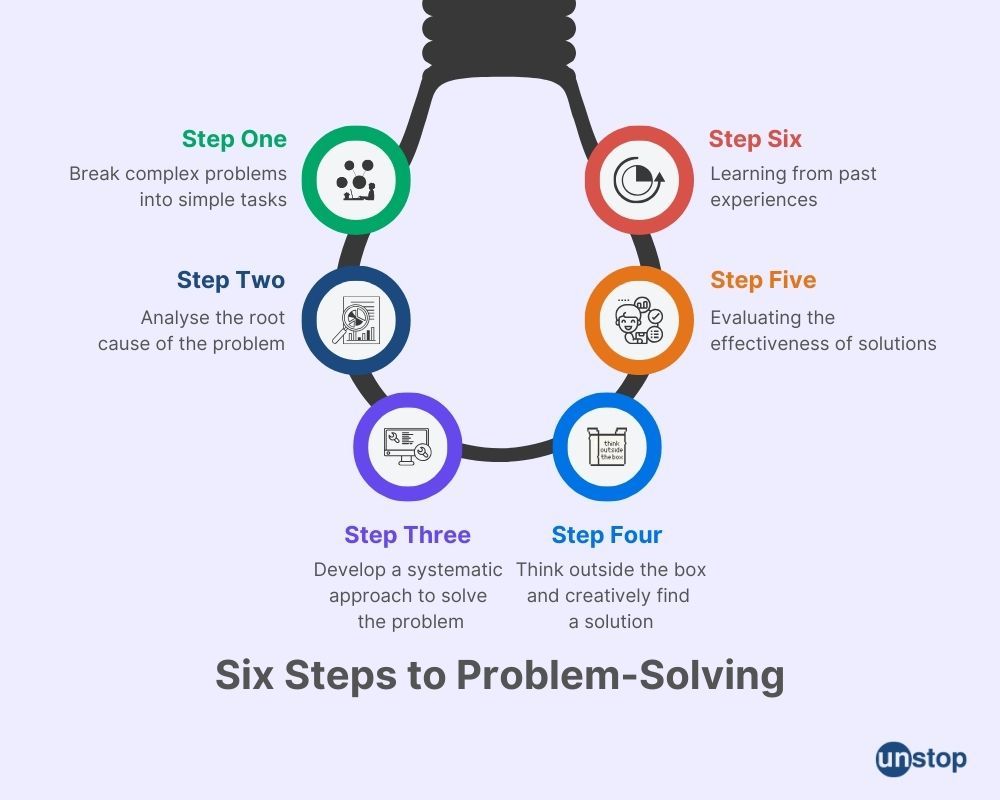
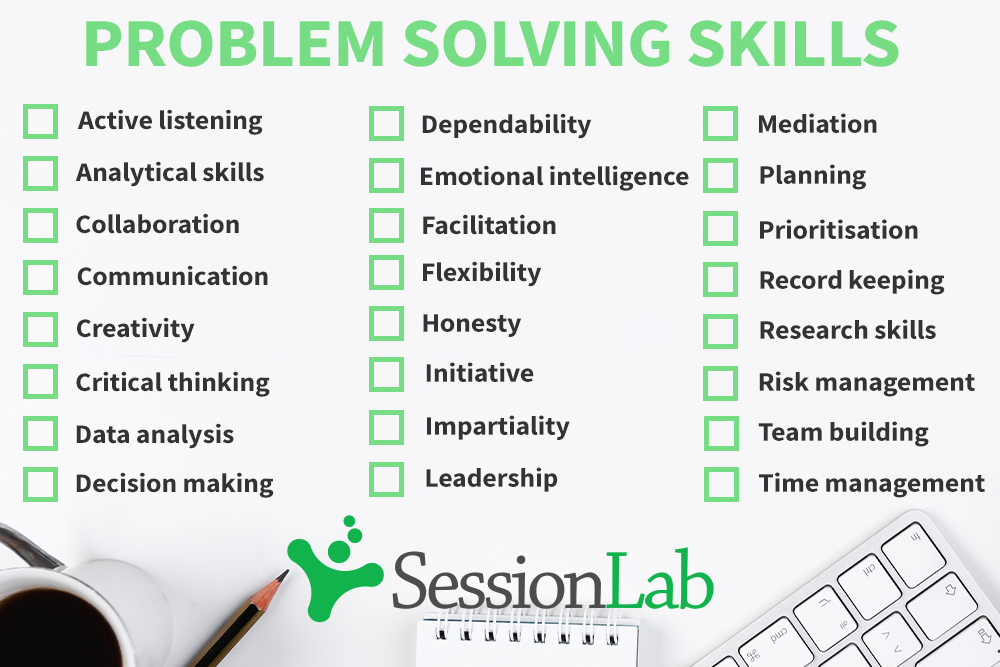
Problem-solving is the ability to identify challenges clearly and develop effective solutions. It is not about avoiding problems but rather transforming them into opportunities for improvement and growth. A good problem-solver is analytical, creative, and resilient enough to test different strategies until finding the best fit.

Key components of problem-solving include:

  • Identifying the problem: Understanding the real issue rather than reacting to the surface-level symptoms.
  • Analysing causes: Digging deeper into why a challenge exists in the first place.
  • Brainstorming alternatives: Thinking creatively to generate multiple possible solutions.
  • Choosing solutions thoughtfully: Weighing pros and cons before making a decision.
  • Implementing and evaluating: Acting on the chosen solution and adjusting as needed.

Critical Thinking Skills:
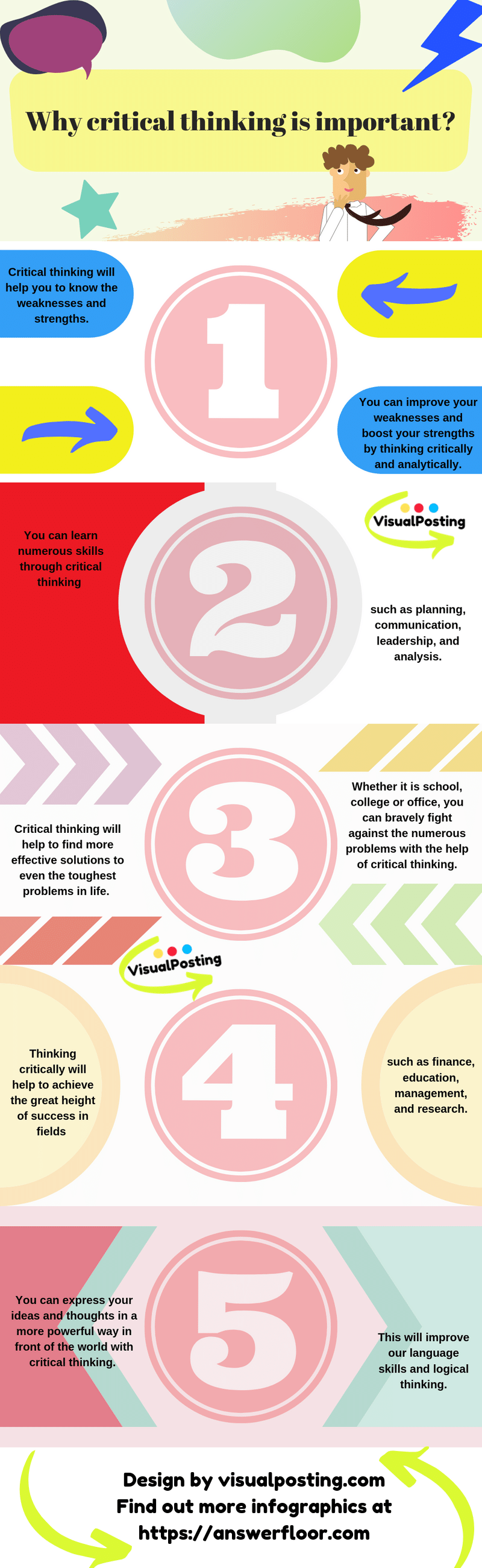
Critical thinking goes hand in hand with problem-solving. It is the ability to evaluate information objectively, avoid being misled by biases, and form well-thought-out judgments. Instead of accepting things at face value, critical thinkers ask why and how, and they use logic and reasoning to assess information.

Elements of critical thinking include:

  • Questioning assumptions: Not blindly accepting perceived truths.
  • Evaluating evidence: Looking at facts, statistics, and sources before forming opinions.
  • Connecting ideas logically: Making sense of how concepts link together.
  • Considering different perspectives: Understanding that issues often have multiple sides.
  • Making reasoned decisions: Drawing conclusions based on evidence, not emotions alone.

Together, problem-solving focuses on what to do about challenges, while critical thinking ensures you’re making those decisions with accuracy and fairness.

Why These Skills Matter

In University Life:
University is often the first testing ground for independent problem-solving and critical thinking. Professors don’t just hand you the right answers; you’re expected to research, evaluate, and form conclusions on your own. Common university scenarios include:

  • Managing time and priorities: Balancing coursework, part-time jobs, and social life requires constant decisions about resource allocation.
  • Academic assignments: Research papers and presentations demand evaluating sources, building logical arguments, and solving subject-specific challenges.
  • Group projects: Navigating clashing opinions and finding consensus requires both thinking critically about team dynamics and approaching problems with solutions that work for everyone.

In the Early Career Stage
Once stepping into the professional world, young adults quickly notice that employers highly value these skills. Consider the following workplace realities:

  • Decision-making responsibilities: Even entry-level positions require making daily judgments that affect workflow.
  • Complex projects: Many jobs involve ambiguity, and employers look for employees who can handle uncertainty while still delivering results.
  • Innovation and growth: Companies thrive when employees can spot problems, propose improvements, and think creatively about solutions.
  • Conflict management: Workplace disagreements are inevitable, and resolving them effectively requires a mix of reasoning and diplomacy.

In Everyday Life
Beyond school and work, critical thinking and problem-solving skills prove invaluable in everyday decisions, whether it’s budgeting, resolving disagreements with roommates, or choosing the right career opportunities. These are not abstract academic skills but real-world survival tools that reduce stress and improve outcomes.

Building and Cultivating Problem-Solving Skills
Problem-solving can feel overwhelming, but like any skill, it strengthens through practice. Here are ways young adults can develop stronger abilities:

  • Break Problems Down: A large, complex problem is easier to tackle when broken into smaller parts. For example, if you’re struggling with poor grades, instead of panicking about the entire picture, analyse individual courses, identify weak areas, and devise targeted solutions.
  • Use a Structured Approach: Methods like the IDEAL model (Identify, Define, Explore, Act, Look back) or design thinking can provide structure. These systems encourage systematic analysis rather than hasty guesswork.
  • Embrace Creativity: Sometimes solutions won’t be obvious. Allow space for brainstorming unconventional ideas. Creativity might help you innovate beyond traditional approaches.
  • Learn from Mistakes: Not every attempt will succeed, and that’s essential. Reflecting on what didn’t work helps you refine your strategy for next time.

Developing Critical Thinking Skills
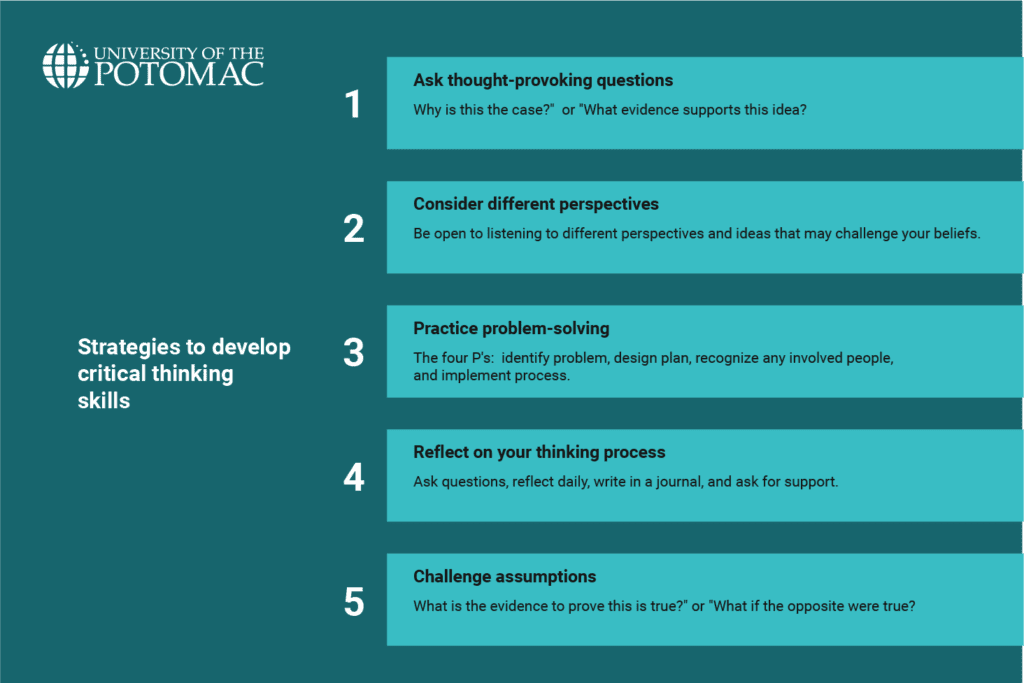
Critical thinking, much like problem-solving, is a lifelong pursuit. Below are actionable strategies:

  • Ask More Questions: Instead of taking information at face value, challenge yourself to ask, “What evidence supports this?” Who benefits? What alternatives exist?
  • Diversify Perspectives: Expose yourself to different viewpoints: read books and articles on both sides of debates, talk to people with different opinions, and stay open to adjusting your perspective.
  • Practice Reflection: Journaling can help critically process daily experiences. Writing down what happened, how you felt, and why it mattered sharpens your ability to analyse situations.
  • Evaluate Information Sources: In an age of social media algorithms and misinformation, being discerning about where your information comes from is crucial. Learn to spot biases, verify data, and prioritise credible sources.

Exercises and Habits for Growth
Problem-Solving Habits

  • Puzzles and logic games: Activities like Sudoku, chess, or escape rooms sharpen problem-solving muscles.
  • Scenario challenges: Write out “What if?” scenarios and practice crafting response plans.
  • Project planning: Take initiative in planning events or group tasks, which forces you to organise resources and anticipate obstacles.

Critical Thinking Habits

  • Daily news analysis: Don’t just read headlines; analyse context and multiple outlets’ coverage.
  • Structured debates: Engage in respectful arguments with peers to practice defending ideas logically.
  • Reflective reading: While reading any book or article, pause to evaluate the strength of the argument and note any assumptions.

Tips and Tricks for Everyday Use

  • Pause before reacting: Often, emotional reactions cloud judgment. Taking even a short pause allows space for rational thought.
  • Seek mentorship: Learn problem-solving approaches from professors, managers, or more experienced peers.
  • Learn decision-making frameworks: Tools like SWOT analysis (Strengths, Weaknesses, Opportunities, Threats) can make decisions more systematic.
  • Use feedback wisely: Constructive criticism should be seen as an opportunity to test and refine your critical thinking.
  • Embrace uncertainty: Not every challenge has a clear answer. Sometimes the skill lies in moving forward confidently despite ambiguity.

The Long-Term Benefits of Mastering These Skills

Problem-solving and critical thinking are not just about handling situations today; they are investments in your entire adult future. Cultivating these abilities pays off by:

  • Improving employability: Employers consistently rank these as top skills sought in new hires.
  • Enhancing adaptability: Life is unpredictable, but with strong critical thinking and problem-solving, you can adjust more easily.
  • Boosting independence: Confidence in decision-making reduces reliance on others for solutions.
  • Strengthening relationships: Whether with colleagues, friends, or partners, being able to think through disagreements fosters healthier interactions.

The journey of adulthood is lined with both opportunities and obstacles. Young adults in university or entering the workforce are uniquely positioned to grow into resilient, thoughtful individuals by sharpening their problem-solving and critical thinking skills. These are not abstract academic theories; they are practical tools for making better academic, professional, and personal choices.

By practising questioning, evaluating information, exploring creative solutions, and learning from mistakes, you cultivate habits that prepare you for the complexities of the real world. As you step into independence, mastering these skills won’t just help you survive adulthood; it will empower you to thrive.

Adulting 101: How to Create a Personal Development Plan

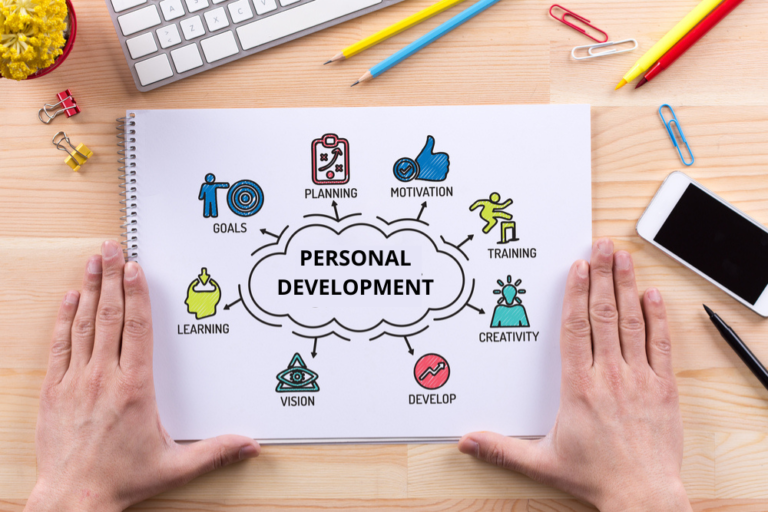
Personal development is a lifelong journey, one that enables individuals to grow, improve skills, and achieve their goals. For young adults navigating the complexities of life, creating a structured personal development plan (PDP) can be a powerful tool to bring clarity, focus, and motivation to their aspirations.

What is a Personal Development Plan (PDP)? A Personal Development Plan or PDP is a structured framework that outlines an individual’s goals and the steps needed to achieve those goals. It serves as a roadmap for personal growth and helps individuals focus on self-improvement in various areas of life, such as career, education, relationships, health, and emotional well-being.

Key components of a PDP include:

  • Self-assessment is all about understanding yourself: your strengths, weaknesses, values, and aspirations. This is the foundation of a PDP.
  • Goal setting, which includes identifying clear, actionable goals you want to achieve in the short, medium, or long term.
  • An action plan, which is the specific steps or strategies needed to achieve your goals, including deadlines and milestones.
  • Progress tracking is regularly reviewing your progress to ensure you remain on course.
  • Reflection and adjustments that are making necessary changes to your plan as your priorities evolve.

Why is a personal development plan important? Creating a personal development plan offers numerous benefits.

  • Clarity and focus: A PDP helps you clarify your goals and align your actions with your values. It provides focus, enabling you to channel your time and energy into meaningful pursuits.
  • Improved self-awareness: Through self-assessment, you gain a deeper understanding of your strengths, weaknesses, and areas for growth, which is key to personal and professional success.
  • Motivation and accountability: A structured plan keeps you motivated by breaking down larger goals into manageable steps. Regular reviews hold you accountable for your progress.
  • Skill development: A PDP encourages continuous learning by helping you identify the skills you need to develop to achieve your goals.
  • Enhanced problem-solving: By reflecting on challenges and successes within your plan, you develop better critical thinking and problem-solving skills.
  • Better decision-making: A PDP empowers you to make decisions that align with your values, priorities, and long-term aspirations.
  • Balance and growth: It encourages a balanced approach to life, fostering growth in various aspects—career, relationships, health, and personal fulfillment.

So how does one create a personal development plan?

Conduct a self-assessment:
Before setting goals, take time to understand yourself. Self-awareness is the cornerstone of a successful PDP. Reflect on your strengths and weaknesses and identify your strengths: what you’re good at and what energises you. Simultaneously, acknowledge areas where you can improve. Think about what others frequently praise you for, like creativity, organisation, or leadership. Identify challenges or recurring struggles like time management or communication skills.

Define your values, as your values represent what’s important to you in life. Defining these will guide your goals and decisions. Ask yourself what brings you fulfillment and what principles you live by. Assess the different aspects of your life and use a holistic approach by evaluating them. These could include areas such as career, education, health and fitness, relationships, emotional well-being, financial health, and hobbies and passions. A tool like the “Wheel of Life” can help you visualise and assess your satisfaction in each area.

Set clear and actionable goals:
Once you’ve completed your self-assessment, it’s time to define your goals. These goals should be aligned with your values and areas for improvement. Use the SMART framework to ensure your goals are effective. The SMART criteria can be defined as:
Specific, which clearly defines what you want to achieve.
Measurable, where you include metrics to track your progress.
Achievable, which includes setting goals that are realistic and within your reach.
Relevant, which aligns goals with your values, priorities, and aspirations.
Time-bound assignments that assigns deadlines to create urgency.

For example, instead of “I want to improve my fitness,” set a SMART goal like, “I will work out for 30 minutes, five days a week, for the next three months to improve my stamina.”

Organise your goals into categories. Short-term goals, which are immediate in the next one to six months, are immediate actions or quick wins, such as reading a specific book or attending a workshop. Medium-term goals, which are between six months and two years, are meant for milestones that contribute to long-term aspirations, such as completing a certification or saving for a vacation. Long-term goals, which are goals you work for in the long term for over two years, are meant for big achievements that require sustained effort, such as changing careers or buying a home.

Create an action plan:
An action plan outlines the specific steps you need to take to achieve your goals. Break down goals into tasks and start by dividing each goal into smaller, actionable steps. This makes goals more manageable and reduces the overwhelm. Set deadlines and milestones and assign a timeline to each task and establish milestones to track progress. Identify resources and determine the resources you need, such as books, courses, or online tools, mentors or coaches; and financial resources.

Track and monitor your progress:
Reviewing your progress regularly ensures you stay on track and adapt to changing circumstances. Schedule regular check-ins and set aside time weekly or monthly to evaluate your progress. Ask yourself questions like, What have I accomplished? What challenges am I facing? And what adjustments do I need to make? Celebrate milestones and acknowledge and celebrate small wins to stay motivated and build momentum.

Reflect and Adjust:
Life is dynamic, and your PDP should be flexible enough to adapt to new circumstances, priorities, or goals. Reflect on lessons learned. Regularly reflect on what’s working and what isn’t. Ask yourself what you have learned so far and if your goals are still aligned with your values. Revise your plan if needed, and modify your goals, timelines, or action steps to better fit your evolving priorities.

Some tips to stay motivated and committed to your personal development plan:

  • Start small: Focus on a few key goals rather than trying to achieve everything at once.
  • Find an accountability partner: Share your goals with a trusted friend, colleague, or mentor who can hold you accountable and provide encouragement.
  • Visualise your success: Imagine yourself achieving your goals. Visualisation can inspire you to take action and stay committed.
  • Create a reward system: Reward yourself for completing tasks or achieving milestones, such as treating yourself to your favorite activity or meal.
  • Manage time effectively: Use time management tools like to-do lists, calendars, or apps to stay organised and prioritise tasks.

Some common pitfalls and how to overcome them

  • Setting unrealistic goals: Break larger goals into smaller, achievable steps to avoid feeling overwhelmed.
  • Procrastination: Combat procrastination by using techniques like the Pomodoro Technique (25-minute work intervals) to stay focused.
  • Loss of motivation: Revisit your “why” or the reasons behind your goals to rekindle motivation.
  • Fear of failure: Embrace failure as a learning opportunity rather than a setback. Reflect on what went wrong and how to improve.

Creating a personal development plan is an empowering step toward achieving your full potential. By taking the time to assess your current situation, set clear goals, and create actionable steps, you can navigate life with purpose, focus, and confidence. Remember, the journey of personal growth is unique to everyone—start small, stay consistent, and adjust as needed. With commitment and effort, you’ll be well on your way to building the life you envision for yourself.

Adulting 101: How to Build a Professional Wardrobe on a Budget

As young adults enter the workforce, one of the first challenges they often face is creating a professional wardrobe that aligns with workplace expectations and fosters confidence, all without breaking the bank. Whether you’re starting your first job, attending interviews, or aiming to present yourself more professionally, the key is striking the right balance between quality and affordability.

Your wardrobe is a reflection of your professionalism, confidence, and readiness for the workplace. Your appearance creates the first impression in interviews, meetings, and daily workplace interactions. A polished and professional wardrobe signals competence and attention to detail. Dressing professionally can enhance your self-esteem, making you feel more confident and capable in professional settings. Many organisations have dress codes, whether formal, business casual, or creative casual. A professional wardrobe helps you align with the workplace environment. Your wardrobe is an investment in your career and personal brand. The way you present yourself can impact how colleagues and supervisors perceive your abilities.

Before building your wardrobe, it’s important to understand your workplace dress code. Formal business attire includes suits, dress shirts, ties, and polished shoes. Typically required in industries like law, finance, or corporate roles. Business casual is a mix of dressy and casual items like button-down shirts, chinos, skirts, blouses, and loafers. Common in tech, marketing, and education sectors. Creative casual attire allows for greater individuality and creative expression. Think neat jeans, casual blazers, dresses, and stylish shoes. Often found in creative industries like design, media, or startups. Some workplaces, like healthcare and hospitality, may require uniforms, reducing the need for extensive personal wardrobe building. Knowing your employer’s dress code ensures your purchases align with expectations while saving you from buying unnecessary items.

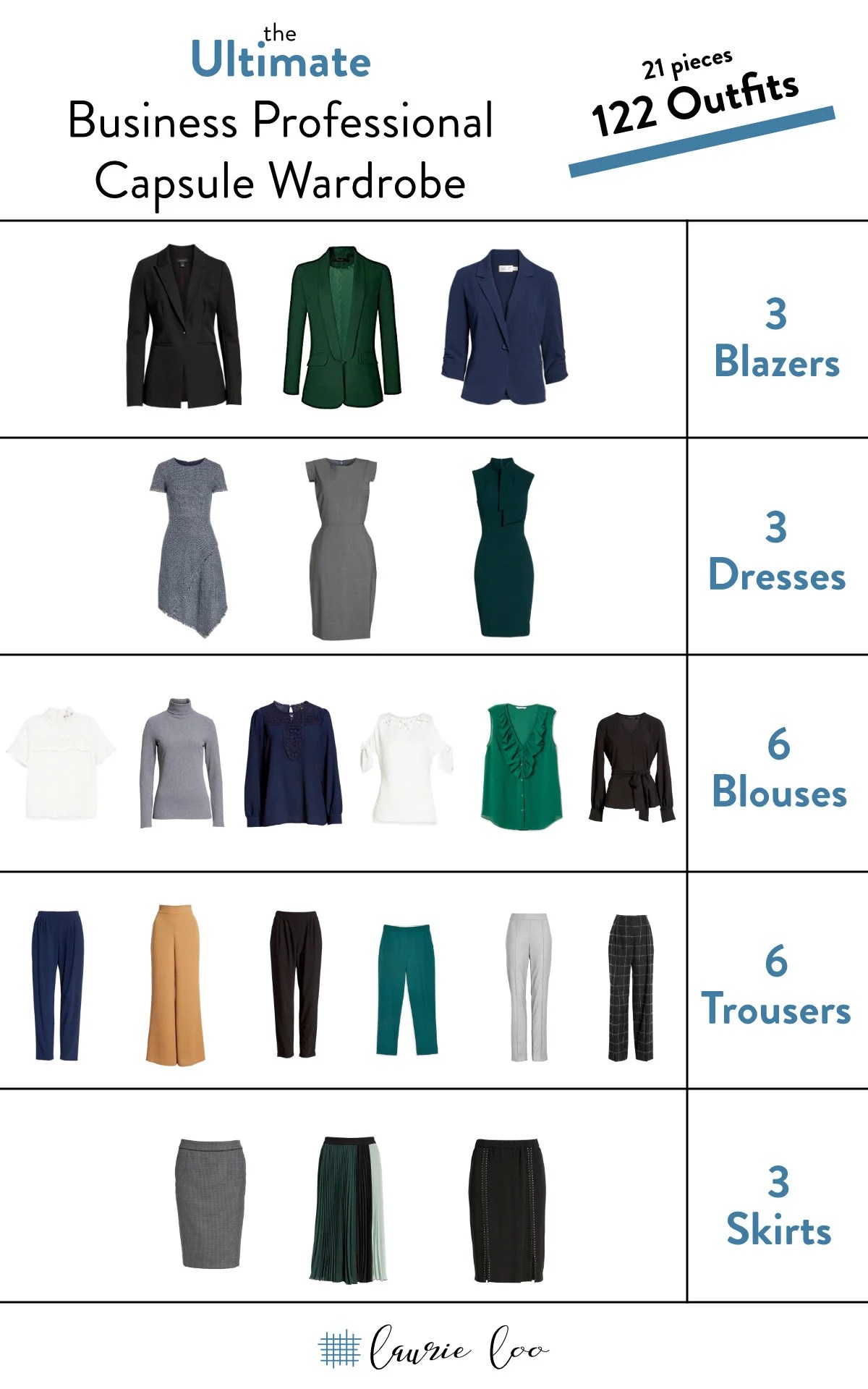
A professional wardrobe doesn’t need to be extensive. Start with versatile staples that can be mixed and matched to create multiple outfits.

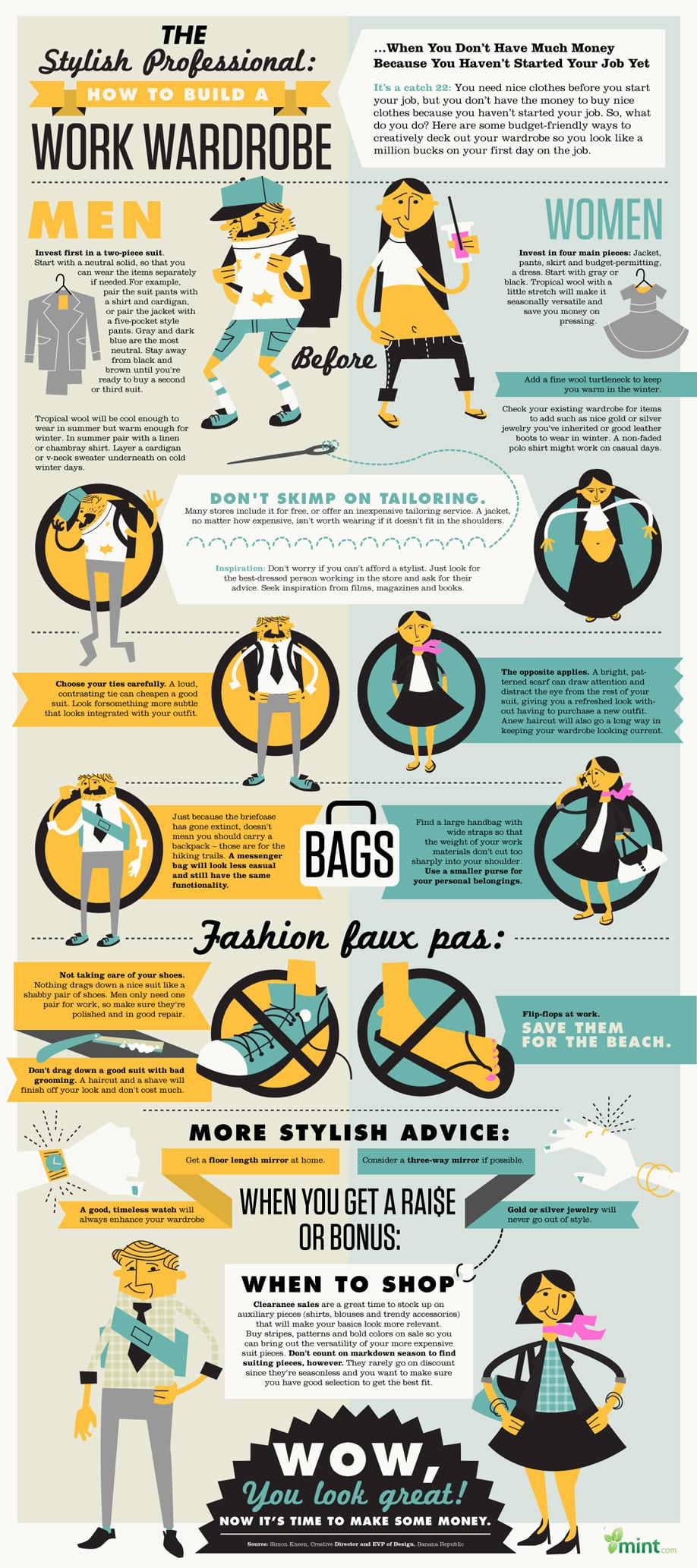
For women, with tops, staples include button-down shirts in classic white or pastel colours for formal wear, blouses that are feminine and polished options suitable for business casual as well, and neutral sweaters, which are great for layering in colder months. Good options for bottoms can include tailored trousers, which can be paired with blouses or button-downs for a professional look; pencil or midi skirts, which are stylish yet workplace-appropriate options; and dark jeans for creative, casual workplaces. Shift dresses or wrap dresses are comfortable, versatile, and professional. If your climate calls for outerwear, a structured blazer instantly elevates any outfit, while cardigans are softer alternatives for layering. Coming to shoes, flats or loafers are comfortable and polished choices for daily wear while neutral heels with 2-3 inch heels give a professional touch.

For men, dress shirts in white, blue, and pale-coloured shirts work with any suit, and polo shirts are perfect for business casual days. Sweaters in neutral options are good for layering over shirts in colder months. For bottoms, tailored pants in black, navy, or grey are perfect, while chinos are versatile, casual, yet professional. Dark jeans are suitable for creative workplaces. For outerwear, blazers are a must-have for formal and business casual settings, while bomber jackets or cardigans are casual alternatives for layering. On to shoes, Oxford or Derby shoes are perfect for formal business attire, while loafers are great for business casual.

A capsule wardrobe is a collection of essential clothing items that are versatile and timeless. It reduces clutter, makes outfit planning simpler, and helps save money. To build a capsule wardrobe, choose neutral colours and focus on black, navy, gray, beige, and white, as they pair easily with other items. Select multi-functional pieces and prioritise items that can transition from formal to casual settings. Stick to high-quality basics and invest in durable clothing items that withstand wear and tear.

Shop smart. Building a professional wardrobe on a budget requires strategic shopping. Before heading to the store, take inventory of your current wardrobe. Identify items that can be repurposed for workplace outfits. Shop at thrift stores, as thrift stores often carry high-quality professional clothing at significantly reduced prices. Look for timeless pieces like blazers, dress shirts, and trousers. Take advantage of sales and watch for seasonal sales, such as end-of-season or Black Friday, to purchase high-quality items at discounted rates. Buy second-hand online from platforms like Poshmark, Depop, or eBay that offer gently used professional clothing at affordable prices. Invest in quality for key items and spend more on staples like a blazer or dress shoes, as these items are worn frequently and need to last longer. Save money on less frequently used items like accessories. Seek affordable brands and explore budget-friendly brands that offer professional attire.

Maximise your wardrobe by mixing and matching items to create multiple outfits. As an example, for women, pair a pencil skirt with a blouse for formal meetings. Then swap the skirt for tailored trousers and layer a cardigan for business casual. For men, pair navy dress pants with a white shirt and blazer for a presentation. Remove the blazer and add a sweater for a more informal look.

Maintain your wardrobe, as proper care ensures your wardrobe lasts longer. Launder carefully and follow washing instructions to avoid damage or shrinkage. Use delicate cycles for dress shirts or blouses. Invest in repairs. Fix loose buttons, replace worn soles, or tailor items that don’t fit perfectly. Rotate clothing and avoid wearing the same items repeatedly. Rotating clothing prevents excessive wear.

Some additional tips for budget-friendly wardrobe building.

  • Focus on fit: Ill-fitting clothes can ruin a professional look. Invest in tailoring for a polished appearance.
  • Keep it minimal: Stick to essentials rather than purchasing trendy items that will quickly go out of style.
  • Build slowly: There’s no need to buy everything at once. Gradually build your wardrobe by adding new pieces as needed.
  • Accessorise wisely: Accessories like ties, watches, scarves, or necklaces can elevate outfits without significant expense.
  • Swap with friends: Organise clothing swaps with friends or colleagues to refresh your wardrobe without spending money.

Common mistakes to avoid

  • Overbuying: Buying too many items can lead to clutter and waste. Focus on versatile staples.
  • Ignoring quality: Cheap items can wear out quickly. Invest in durable fabrics for frequently worn garments.
  • Prioritising trends over timeless pieces: Trending styles may not align with professional expectations. Stick to classic designs.
  • Forget comfort: Professional clothing should be comfortable, especially for long workdays. Avoid tight or overly restrictive items.

Building a professional wardrobe on a budget is entirely achievable with thoughtful planning and strategic decision-making. By focusing on essentials, shopping smart, and maintaining your clothing properly, you can create a polished and versatile wardrobe that aligns with workplace expectations while saving money.

Remember that your wardrobe is an investment in your personal and professional growth. It reflects your confidence, competence, and commitment to presenting your best self. With these tips, you’ll be able to navigate your career with style and assurance while staying financially savvy.

Adulting 101: The Importance of Setting Boundaries in Personal and Professional Life

Setting boundaries is an essential yet often overlooked aspect of adulthood. It is a skill that helps individuals protect their time, energy, and emotional well-being while fostering respect in personal and professional relationships. Boundaries are not just about saying “no” or distancing yourself; they are about creating space for mutual respect and healthy interactions.

What are boundaries? Boundaries are guidelines, rules, or limits that individuals set to define what they are comfortable with in interactions or relationships. They help clarify acceptable behaviours and ensure that your needs and values are respected.

There are several types of boundaries, each serving a unique purpose. Physical boundaries relate to personal space and physical touch, while emotional boundaries protect your emotional well-being, such as deciding what personal information to share with others. Time boundaries define how you allocate your time to avoid overcommitment or burnout, and mental boundaries protect your thoughts, opinions, and beliefs from manipulation or disrespect. Financial boundaries determine how you manage money and financial responsibilities with others, while digital boundaries define how you engage with technology or social media, such as deciding when and who can contact you.

Setting boundaries is important. Boundaries safeguard your mental health by preventing emotional exhaustion or manipulation. They allow you to focus on your priorities without feeling overwhelmed by the demands of others. Healthy boundaries strengthen personal and professional relationships. They foster mutual respect, reduce misunderstandings, and ensure that both parties feel valued. Boundaries, especially in professional settings, help prevent overwork and burnout. They allow you to manage workloads effectively and maintain a healthy work-life balance. Setting boundaries demonstrates self-respect. It shows that you value your time, energy, and feelings and expect others to do the same. Boundaries help you focus on your goals and personal development by shielding you from distractions or negative influences.

While boundaries are essential, many young adults struggle to set and enforce them due to various factors. The fear of upsetting others or being rejected can prevent individuals from asserting their boundaries. Feelings of guilt or obligation may lead people to prioritise others’ needs over their own, resulting in weak or non-existent boundaries. Some individuals may not be aware of their own boundaries or may struggle to articulate them. Cultural or societal expectations may discourage boundary-setting, particularly in hierarchical or collectivist environments. People who consistently overstep boundaries, whether consciously or unconsciously, can make it difficult to maintain them.

Personal boundaries are crucial for maintaining healthy relationships and fostering self-care. Here’s how young adults can set boundaries in their personal lives:

  • Know your limits: The first step in setting boundaries is understanding your own needs and limits. Reflect on what makes you feel uncomfortable or stressed in personal relationships. Identify triggers and determine situations or behaviours that make you feel drained or uncomfortable. Clarify values and align your boundaries with your core values and priorities.
  • Communicate clearly: Be direct and assertive when communicating your boundaries. Ambiguity can lead to misunderstandings or unintentional boundary violations. Use “I” statements and avoid apologising excessively. Remember that setting boundaries is not a selfish act; there’s no need to apologise for protecting your well-being.
  • Enforce boundaries consistently: Consistency is key to maintaining boundaries. If boundaries are enforced inconsistently, others may disregard them. If someone oversteps your boundaries, address it immediately and remind them of your limits. Be firm in your approach, even if others push back.
  • Manage expectations: Set realistic expectations with friends and family to avoid misunderstandings. Communicate clearly what you can and cannot commit to. It’s okay to prioritise your mental and physical health over social obligations. Learn to decline requests in a respectful but assertive manner.

Boundaries in the workplace are essential for maintaining productivity, protecting mental health, and fostering respect between colleagues. Here’s how young adults can establish professional boundaries:

  • Define your work hours: Set boundaries around when you are available for work and when you are not, especially if working in flexible or remote environments. Notify colleagues and supervisors about your availability. Resist the urge to answer work emails or messages outside of designated work hours.
  • Manage workload effectively: Learn to say “no” to tasks that exceed your capacity or distract from your priorities. Evaluate requests and assess whether a task aligns with your responsibilities and abilities before agreeing. If tasks can be delegated, share responsibilities with colleagues or team members.
  • Protect your focus: Establish boundaries that minimise distractions and interruptions during critical work periods. Implement signals such as closing your office door or setting your status to “Busy” on communication platforms. Schedule uninterrupted periods for deep work.
  • Address toxic behaviours: Resolve workplace conflicts or address negative behaviours that affect your boundaries. If someone’s behavior crosses professional boundaries, address the issue calmly and constructively. For persistent issues, consider involving your HR department for mediation or support.
  • Advocate for work-life balance: Promote a healthy balance between work and personal life by setting boundaries that protect your time for hobbies, relationships, and self-care. Advocate for regular breaks to recharge during the workday. Don’t feel guilty about using vacation days or taking mental health days.

Here are some actionable tips for setting and enforcing boundaries effectively:

  • Practice self-awareness: Understand your needs, values, and triggers to identify where boundaries are necessary.
  • Start small: Begin with simple boundaries and gradually expand as you gain confidence.
  • Use assertive communication: Express boundaries clearly and confidently while being respectful of others.
  • Be consistent: Maintain boundaries consistently to ensure they are respected.
  • Prepare for pushback: Expect some resistance, especially if individuals are unaccustomed to boundaries. Stay firm and confident.
  • Seek support: Discuss boundary challenges with trusted friends, family members, or mentors for guidance and encouragement.
  • Don’t feel guilty: Setting boundaries is an act of self-respect and self-care. Avoid guilt for prioritizing your well-being.
  • Reflect and adjust: Periodically reassess your boundaries to ensure they align with your current needs and values.

While boundary-setting is beneficial, challenges may arise. Here’s how to navigate common obstacles:

  • Overstepping by others: If someone repeatedly crosses your boundaries, calmly but firmly remind them of your limits. If the behavior persists, consider limiting interactions.
  • Fear of conflict: Conflict can be uncomfortable, but it’s important to address boundary violations constructively to prevent resentment or burnout.
  • Feelings of guilt: Remind yourself that boundaries are necessary for your mental and emotional health. Practice self-compassion to overcome guilt.
  • Pressure to conform: Societal or workplace pressures may challenge your boundaries. Stay true to your values and be assertive in enforcing them.

Setting boundaries is an essential skill for fostering healthy relationships in both personal and professional life. By clearly defining limits, communicating assertively, and consistently enforcing boundaries, young adults can protect their time, energy, and emotional well-being while cultivating respect and mutual understanding. Remember, boundaries are not about building walls—they’re about creating space for growth, self-care, and meaningful connections. With practice and confidence, you can master the art of boundary-setting and lead a balanced, fulfilling life.