Adulting 101: How to Become More Visible at Work

In the modern workplace, visibility is key to career advancement. Being noticed for your contributions, ideas, and efforts can open doors to new opportunities, promotions, and recognition. However, many young adults entering the workforce struggle with making themselves visible, especially in environments where competition is high or where they feel overshadowed by more experienced colleagues.

Why is workplace visibility important? Visibility ensures that your efforts are acknowledged. When you’re visible at work, managers and colleagues recognise your value to the team. This recognition can lead to rewards such as promotions, bonuses, or leadership opportunities. Being visible can fast-track your career growth. Employers are more likely to consider individuals who consistently demonstrate their skills and make an impact when assigning high-profile projects or leadership roles. Visibility fosters stronger relationships with colleagues and supervisors. When people know who you are and what you contribute, they’re more likely to collaborate with you and advocate for your success. Visibility helps establish your credibility and expertise in your field. By showcasing your knowledge and skills, you position yourself as a reliable and valuable team member. Lastly, when you’re visible at work, opportunities often come your way organically, whether it’s being invited to join important projects, representing the company at events, or taking on new responsibilities.

What challenges do young adults face on the way to becoming visible?

  • Lack of confidence: Entering the workforce can be intimidating, especially when surrounded by more experienced colleagues. Young professionals may doubt their abilities or hesitate to speak up.
  • Fear of rejection: The fear of being judged or rejected can prevent young adults from sharing ideas or seeking recognition.
  • Workplace hierarchies: In hierarchical workplaces, junior employees may feel overshadowed by senior staff or believe their contributions are less valued.
  • Introversion: Introverted individuals may find it challenging to assert themselves in group settings or actively seek visibility.
  • Unclear goals: Without clear career goals, young adults may struggle to identify how they want to be seen or recognised at work.

So how can you become more visible at work? Becoming visible at work doesn’t mean being loud or attention-seeking; it’s about demonstrating value and building meaningful connections within your organisation. Here are strategies young professionals can use:

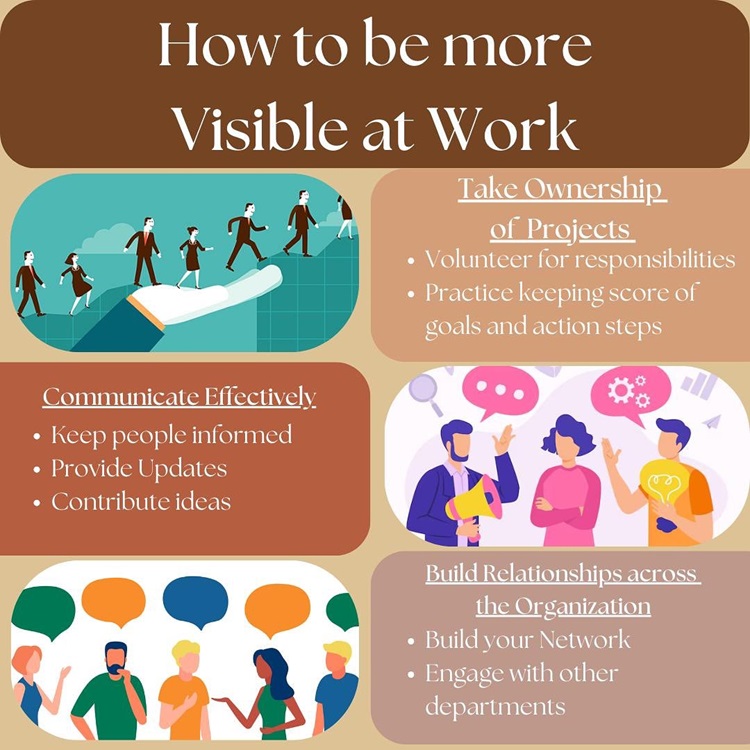
Excel in your role: The foundation of workplace visibility is performing well in your job. Consistently delivering high-quality work ensures that people notice your contributions. Meet deadlines and always complete tasks on time, and exceed expectations when possible. Take the initiative and volunteer for projects or responsibilities that align with your skills and interests. Pay attention to detail and ensure accuracy and thoroughness in everything you do, whether it’s crafting a report or organising a presentation.

Communicate effectively: Effective communication is crucial for making yourself known at work. Speak up in meetings and share ideas confidently during discussions or brainstorming sessions. Ask questions, show curiosity, and be engaged by asking thoughtful questions about projects or company goals. Provide updates and keep supervisors informed about your progress on tasks or projects without waiting for them to ask.

Build relationships: Networking within your organisation is essential for visibility. Connect with colleagues by building rapport with coworkers across departments. Engage with supervisors and schedule one-on-one meetings with your manager to discuss goals, feedback, and career development. Participate in social events by attending company gatherings or team-building activities to strengthen relationships outside work tasks.

Showcase your expertise: Demonstrating your knowledge and skills helps establish credibility. Share knowledge and offer insights during meetings or discussions based on your expertise. Volunteer for training sessions by leading workshops or training sessions on topics you’re skilled in. Contribute ideas by suggesting innovative solutions or improvements that add value to the organisation.

Take ownership: Taking ownership of tasks shows initiative and accountability. Lead projects and volunteer to take charge of small projects or assignments. Solve problems by identifying challenges within the workplace and propose actionable solutions. Follow through and ensure that any task you take is completed successfully and professionally.

Develop a personal brand: Creating a personal brand helps distinguish yourself from others in the workplace. Identify your strengths and reflect on what makes you unique, whether it’s creativity, technical skills, or problem-solving abilities. Be consistent and ensure that your actions align with the values and strengths you want to be known for. Leverage social media by using professional platforms like LinkedIn to share achievements, articles, or insights related to your field.

Seek feedback: Feedback provides valuable insights into how others perceive you and where you can improve. Ask for constructive criticism by regularly seeking feedback from supervisors about your performance. Implement suggestions and show that you value feedback by acting on recommendations for improvement. Request recognition and if appropriate, ask managers for public acknowledgment of successful projects or contributions.

Network beyond your team: Visibility isn’t limited to your immediate team; building connections across the organisation broadens your reach. Collaborate across departments and volunteer for cross-departmental projects that expose you to new teams. Attend company-wide meetings and participate actively in meetings involving multiple teams or divisions. Introduce yourself, and don’t hesitate to introduce yourself to senior leaders during events or casual interactions.

Stay positive: A positive attitude contributes significantly to workplace visibility. Be approachable and maintain an optimistic demeanor that encourages colleagues to engage with you. Support others and celebrate coworkers’ successes, and offer help when needed. Handle criticism gracefully and accept constructive criticism with humility, using it as an opportunity for growth.

Document your achievements: Keeping track of accomplishments ensures that they don’t go unnoticed during performance reviews or promotions discussions. Maintain a portfolio by creating a portfolio showcasing successful projects, reports, presentations, or other contributions. Highlight results and quantify achievements where possible (e.g., “Increased sales by 20%”). Share success stories so you can discuss accomplishments during one-on-one meetings with supervisors.

Introverted individuals often face unique challenges in becoming visible at work but can leverage their strengths effectively. Focus on one-on-one interactions and build relationships through individual conversations rather than large group settings. Prepare ahead of time and plan talking points before meetings so you feel confident sharing ideas when opportunities arise. Leverage written communication by using emails or reports as tools for showcasing ideas clearly without needing verbal presentations. Play to your strengths and highlight qualities like active listening, thoughtfulness, and analytical thinking during discussions or problem-solving sessions. Choose strategic opportunities and participate selectively in activities where visibility aligns with comfort levels such as leading small projects rather than public speaking engagements.

While striving for visibility is important, certain behaviours can undermine efforts. Don’t overpromise with delivering, and avoid taking on too many tasks if it compromises quality; focus on delivering consistent results instead of spreading yourself thin. Don’t seek attention excessively because visibility should stem from genuine contributions rather than attention-seeking behavior that detracts from professionalism. Don’t ignore feedback by dismissing constructive criticism, as your growth can be hindered; embrace feedback as an opportunity for improvement instead. Don’t neglect relationships by focusing solely on tasks while ignoring interpersonal connections limits long-term visibility potential within organisations.

Becoming more visible at work is not about shouting louder than everyone else: it’s about consistently demonstrating value while building meaningful relationships! By excelling in their roles, communicating effectively, showcasing their expertise, and developing personal brands, young adults will position themselves favorably within competitive workplaces. Remember, it’s not merely about being seen; it’s about ensuring that what others see reflects authenticity and professionalism. Embrace these strategies today and watch as new opportunities unfold tomorrow!

Adulting 101: Understanding and Overcoming Imposter Syndrome

As young adults transition into the workforce or pursue higher education, many experience a psychological phenomenon known as imposter syndrome. This feeling of self-doubt and inadequacy can hinder personal and professional growth, making it essential to understand its nature and learn how to overcome it.

What is Imposter Syndrome?
Imposter syndrome, often referred to as the imposter phenomenon, is characterised by persistent feelings of self-doubt, insecurity, and a sense of being a fraud despite evident success or accomplishments. Individuals experiencing imposter syndrome often attribute their achievements to luck or external factors rather than their abilities or hard work. This phenomenon can lead to anxiety, stress, and a fear of being exposed as a fraud.

Some common characteristics characterise someone with imposter syndrome.

  • Self-doubt: Individuals frequently question their skills and qualifications, feeling unworthy of their achievements.
  • Fear of exposure: There is a constant fear that others will discover their perceived inadequacies.
  • Perfectionism: Many individuals set excessively high standards for themselves and feel disappointed when they do not meet these expectations.
  • Attributing success to external factors: People often believe that their successes are due to luck or timing rather than their efforts.
  • Overworking: To compensate for feelings of inadequacy, individuals may over-prepare or work excessively hard to prove their worth.

Imposter syndrome is surprisingly common. Research indicates that approximately 70% of people experience imposter feelings at some point in their lives. It can affect anyone, regardless of their background, education level, or professional success.

Many young adults experience imposter syndrome. Young adults often face significant transitions in their lives, such as moving from high school to university or entering the workforce for the first time. These changes can trigger feelings of uncertainty and self-doubt. Societal pressures and expectations can exacerbate feelings of inadequacy. Young adults may feel compelled to achieve success quickly or meet unrealistic standards set by themselves or others.

In the age of social media, young adults are constantly exposed to curated representations of others’ lives and achievements. This can lead to unhealthy comparisons and feelings of inferiority. Entering a new environment—whether it’s a university setting or a workplace—can amplify feelings of being an imposter. Young adults may feel they lack the experience necessary to succeed in these new roles.

The Impact of Imposter Syndrome on Young Adults
Imposter syndrome can have significant consequences for young adults, affecting various aspects of their lives. Feelings of inadequacy can lead to increased anxiety, depression, and stress levels. The constant pressure to prove oneself can take a toll on mental well-being. Imposter syndrome can hinder career growth by preventing individuals from pursuing opportunities or taking on new challenges due to fear of failure. When individuals feel like imposters in their roles, it can lead to decreased job satisfaction and motivation. They may struggle to appreciate their accomplishments or contributions. Young adults may avoid situations that could lead to exposure as an imposter, such as networking events or public speaking opportunities, limiting their professional development.

Strategies for Overcoming Imposter Syndrome
While overcoming imposter syndrome is not an overnight process, there are several strategies that young adults can employ to manage these feelings effectively:

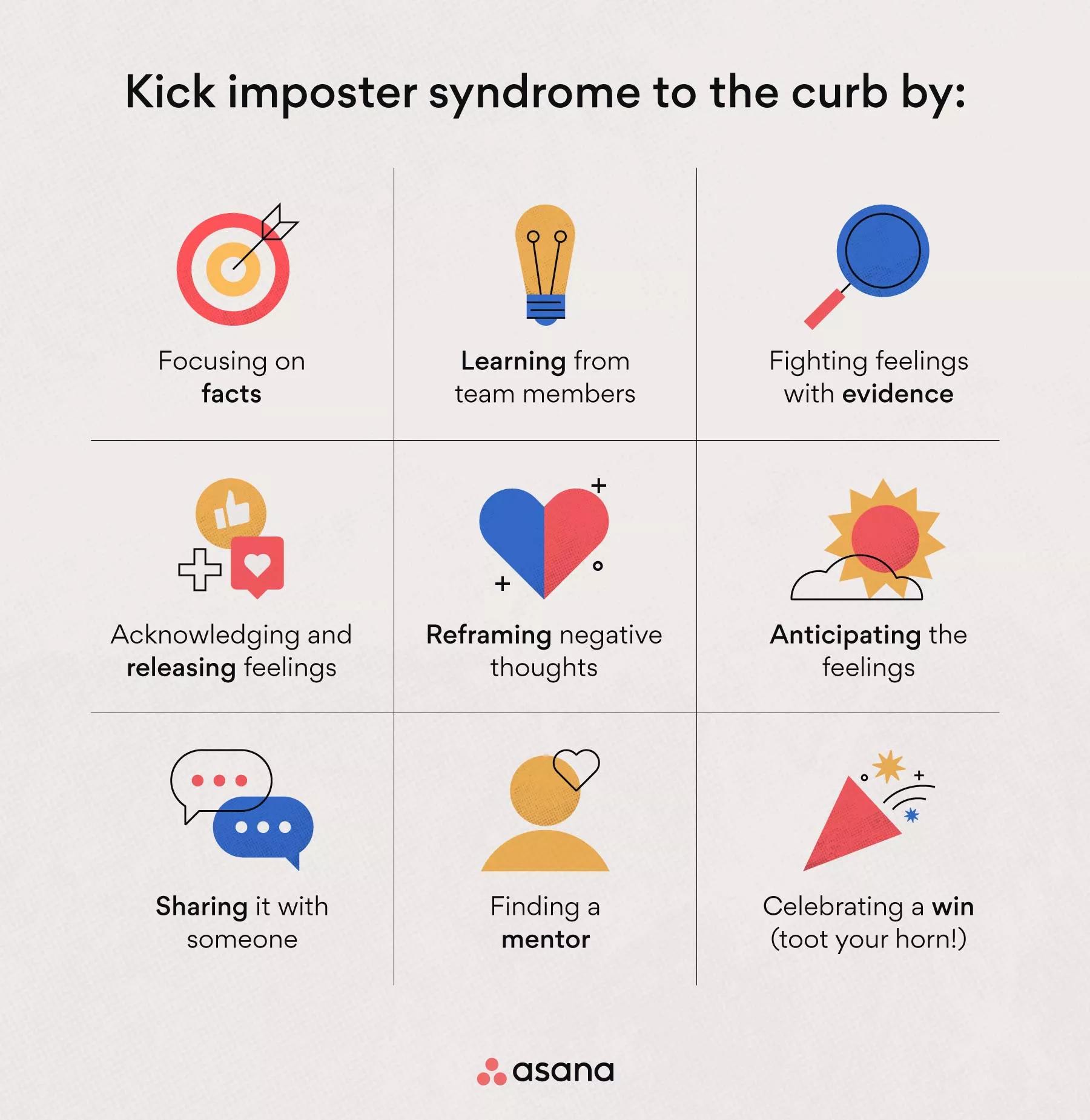
  • Acknowledge your feelings: The first step in overcoming imposter syndrome is recognizing and acknowledging your feelings. Understand that experiencing self-doubt is normal and that many others share similar experiences. Write down your thoughts and feelings related to imposter syndrome when they arise. This practice can help you gain clarity about your emotions and identify triggers.
  • Challenge negative self-talk: Imposter syndrome often manifests through negative self-talk that reinforces feelings of inadequacy. To combat this, pay attention to your inner dialogue and identify negative thoughts that contribute to self-doubt. Reframe thoughts and replace negative thoughts with positive affirmations or balanced perspectives. For example, instead of thinking “I don’t deserve this promotion,” reframe it as “I have worked hard for this opportunity.”
  • Recognise accomplishments: Recognising your accomplishments is crucial in combating imposter syndrome. Keep a success journal and document achievements, no matter how small they may seem. Reflecting on your successes can help reinforce your capabilities. Don’t hesitate to share accomplishments with friends, family, or mentors who can celebrate with you.
  • Seek support from others: Talking about feelings with trusted friends or mentors can provide valuable perspective and support. Find a mentor as connecting with someone who has navigated similar challenges can offer guidance and reassurance. Join support groups where individuals share experiences related to imposter syndrome; this fosters a sense of community and understanding.
  • Embrace lifelong learning: Understanding that everyone has areas for growth can help alleviate pressure. Pursue professional development and engage in training sessions, workshops, or courses that enhance your skills and knowledge in your field. Accept mistakes as learning opportunities and recognise that making mistakes is part of growth; use them as opportunities for improvement rather than evidence of inadequacy.
  • Practice mindfulness: Practice mindfulness techniques that can help ground you in the present moment and reduce anxiety related to imposter feelings. Regular meditation practice can help calm the mind and promote self-awareness. Incorporate deep breathing exercises into your daily routine to manage stress levels effectively.
  • Set realistic goals: Setting achievable goals helps mitigate perfectionism associated with imposter syndrome. Divide larger goals into smaller, manageable tasks that allow you to track progress without overwhelming yourself. Shift your mindset from striving for perfection to celebrating progress along the way.
  • Limit social media exposure: Social media can exacerbate feelings of inadequacy through constant comparisons. Get rid of negative influences and curate your feed by unfollowing accounts that trigger negative thoughts about yourself. Engage with positive content and follow accounts that inspire you or provide educational content relevant to your interests.
Source

In addition to the strategies mentioned above, here are some practical tips that young adults can implement in their daily lives:

  • Develop a personal brand: Creating a personal brand involves defining who you are professionally and what you stand for in your career. Take time to reflect on your skills and strengths; knowing what you bring to the table can enhance confidence. Develop a personal narrative that highlights your journey—this helps reinforce your identity beyond just accomplishments.
  • Engage in networking: Building connections with others in your field not only opens doors but also provides reassurance through shared experiences. Participate in conferences, workshops, or networking events where you can meet others facing similar challenges. Utilise platforms like LinkedIn to connect with professionals in your industry; and engage in discussions around shared interests.
  • Practice self-compassion: Being kind to yourself during moments of doubt is crucial. Understand that everyone makes mistakes; self-compassion allows you room for growth without harsh judgment. When experiencing self-doubt, consider how you would respond if a friend expressed similar feelings—offer yourself the same kindness!
  • Focus on contribution rather than comparison: Shift focus from comparing yourself with others towards how you can contribute positively within your environment. Consider how sharing knowledge or supporting colleagues enhances collaboration rather than competition.

Imposter syndrome is a common experience among young adults navigating new environments in university and the workforce; however, it doesn’t have to define one’s journey! By understanding its nature while implementing effective strategies—such as acknowledging feelings, challenging negative self-talk, celebrating achievements, seeking support from others, and embracing lifelong learning practices—young adults can combat these feelings successfully.

Ultimately, recognising that experiencing self-doubt does not diminish one’s abilities is key; instead of allowing imposter syndrome to hold you back from seizing growth opportunities, embrace it as part of the journey! With patience combined with supportive practices, young adults will find themselves equipped not only with skills but also the confidence needed for future success! By fostering resilience against imposter syndrome while building meaningful connections along the way, young professionals are sure to not only thrive but also create fulfilling careers ahead!

Adulting 101: The Importance of Networking

As young adults transition from university to the workforce, they often encounter a myriad of challenges. One of the most crucial skills they can develop during this time is networking. Networking is not just about exchanging business cards or connecting on LinkedIn; it’s about building meaningful relationships that can support one’s career growth and personal development.

What is networking? Networking can be defined as the process of establishing and nurturing professional relationships with individuals in one’s industry or field of interest. It involves connecting with peers, mentors, industry leaders, and others who can provide support, guidance, and opportunities for career advancement.

Networking can take place in various forms, including casual chats with friends, family, or acquaintances that may lead to valuable connections; conferences, seminars, workshops, and networking events designed for professionals to meet and exchange ideas; and social media sites like LinkedIn that facilitate professional connections and discussions. The essence of networking lies in creating a mutually beneficial relationship where both parties can share knowledge, resources, and opportunities.

Why is networking important for young adults?
One of the most significant advantages of networking is gaining access to job opportunities that may not be publicly advertised. Many positions are filled through referrals or internal recommendations. By building a strong network, young adults increase their chances of hearing about job openings before they are posted online.

Networking allows young professionals to learn from others’ experiences and insights. Engaging with industry peers can provide valuable information about trends, best practices, and challenges within their field. This knowledge can be instrumental in making informed career decisions and staying competitive in the job market.

Networking opens the door to mentorship relationships. Experienced professionals can offer guidance, advice, and support as young adults navigate their careers. A mentor can provide invaluable insights into industry expectations, career paths, and personal development.

For many young adults, networking can be intimidating. However, stepping out of one’s comfort zone to connect with others can significantly boost confidence. As young professionals engage in conversations and build relationships, they become more comfortable in professional settings.

A strong professional network serves as a support system during challenging times. Whether facing job loss, seeking career advice, or navigating workplace conflicts, having a network of supportive contacts can provide encouragement and assistance.

Networking is not just about immediate benefits; it’s an investment in long-term career growth. The connections made early in one’s career can lead to future opportunities and collaborations as individuals progress in their professions.

Why should one network at university and during one’s early career years?
University is an ideal time for young adults to start building their networks. Engaging with professors, classmates, and industry professionals lays the groundwork for future connections that can be beneficial when entering the workforce.

Networking while still in school allows students to gain insights into their chosen fields before graduation. Attending industry events or connecting with alumni can provide valuable perspectives on career paths and job expectations.

Young adults who actively network during their studies often develop essential soft skills such as communication, interpersonal skills, and emotional intelligence. These skills are highly valued by employers and can enhance job readiness upon graduation.

Early networking helps young adults expand their professional circles quickly. The more connections they make during university or their first jobs, the more resources they have at their disposal when seeking opportunities or advice.

In today’s competitive job market, having a robust network can set candidates apart from others vying for the same positions. Employers often prefer candidates who come recommended by trusted sources within their networks.

So what should one do to network if one is an introvert?
Networking can be particularly challenging for introverted individuals who may feel uncomfortable in social situations or large groups. However, introverts possess unique strengths that can be advantageous in networking scenarios:

Introverts often excel in one-on-one conversations where they can build deeper connections without the pressure of large group dynamics. Focus on initiating meaningful conversations with individuals rather than trying to connect with everyone at once.

Before attending networking events or meetings, prepare a few talking points or questions to help ease anxiety during interactions. Having a plan can make conversations feel more structured and less daunting.

Social media platforms like LinkedIn offer excellent opportunities for introverts to connect with others without the pressure of face-to-face interactions. Introverts can take their time crafting thoughtful messages and engaging with content online.

Seek out smaller networking events or workshops where the atmosphere may feel less overwhelming than larger conferences or gatherings. Smaller settings often facilitate more intimate conversations.

Introverts are often great listeners—use this strength to your advantage when networking! Engage actively by asking open-ended questions and showing genuine interest in what others have to say.

Practical Tips for Effective Networking

  • Set clear goals: Before attending any networking event or meeting someone new, set clear goals for what one hopes to achieve from the interaction—whether it’s gaining insights into a specific industry or finding potential mentors.
  • Be authentic: Authenticity is key when building relationships; people appreciate genuine interactions over forced small talk. Be yourself and let your personality shine through during conversations.
  • Follow up after meetings: After meeting someone new, make sure to follow up with a thank-you email or message expressing your appreciation for their time and insights shared during your conversation.
  • Attend industry events regularly: Make it a habit to attend industry-related events regularly—this could include conferences, seminars, workshops, or local meetups related to your field of interest.
  • Join professional organisations: Consider joining professional organisations relevant to your career interests; these groups often host networking events that provide excellent opportunities for connecting with like-minded individuals.
  • Utilise social media wisely: Use platforms like LinkedIn strategically by sharing relevant content related to your field while also engaging with others’ posts through comments or shares—this helps build visibility within your network!
  • Volunteer your time: Volunteering for causes related to your profession allows you not only to give back but also to meet people passionate about similar issues while expanding your network organically!
  • Practice active listening: During conversations, focus on truly listening rather than thinking about what you’ll say next—this helps foster deeper connections while also providing valuable insights into others’ perspectives!

Networking is an essential skill that young adults must develop as they transition from university into their careers; it opens doors not only professionally but personally too! By understanding its importance—and implementing effective strategies—young professionals will position themselves favourably within competitive job markets while also cultivating meaningful relationships along the way!

Whether one is an introvert looking for ways to connect authentically or someone eager to expand their professional circle—remember that every interaction counts! Embrace opportunities presented through networking; after all—the people you meet today could very well shape your tomorrow!

Adulting 101: Staying Physically and Mentally Fit

As young adults navigate the complexities of life, from university to the workplace, maintaining physical and mental fitness becomes increasingly important. The demands of academic responsibilities, job expectations, and social pressures can take a toll on both the body and mind. 

Before diving into specific strategies, it’s essential to understand why physical and mental fitness are crucial for young adults. Regular exercise helps prevent chronic diseases such as obesity, diabetes, and heart disease. It strengthens the cardiovascular system, boosts the immune system, and enhances overall health. Physical activity increases stamina and reduces fatigue, allowing you to tackle daily tasks with more vigour. Exercise releases endorphins, which are natural mood lifters. Regular physical activity can reduce symptoms of anxiety and depression. Regular exercise can help regulate sleep patterns, leading to more restful and restorative sleep. Achieving fitness goals, whether big or small, can enhance self-esteem and body image.

The benefits of mental fitness are many and varied. Practising self-care techniques help to manage stress levels, leading to a more balanced and peaceful life. Mental fitness practices, such as mindfulness and meditation, enhance cognitive function and improve attention span. Developing mental fitness helps individuals cope with challenges and setbacks more effectively, fostering a greater sense of control over life circumstances. A mentally fit individual is often more empathetic and better equipped to communicate effectively, leading to healthier relationships. Mental clarity and emotional well-being contribute to higher levels of productivity in both academic and professional settings. 

By prioritising physical and mental fitness, young adults can cultivate a healthier, more fulfilling life.

So how can one stay physically fit? Creating a consistent exercise routine is essential for maintaining physical fitness. Some tips to help one get started include setting realistic goals like SMART goals, which stand for Specific, Measurable, Achievable, Relevant, and Time-bound goals. Finding activities one enjoys, whether it’s dancing, swimming, hiking, or playing a sport. This will make it easier to stick to the routine. Incorporating different types of workouts prevents boredom and works different muscle groups. One can consider combining cardio, strength training, and flexibility exercises. Make exercises a priority. One should treat workouts like appointments and schedule them into one’s calendar to ensure one makes time for them. 

Staying active doesn’t have to mean hitting the gym for an hour every day. Some ways to incorporate movement into the daily routine include choosing walking or biking over driving for short trips. This not only adds physical activity but also reduces one’s carbon footprint. Opt for stairs instead of elevators whenever possible. It’s a simple way to get the heart rate up. If one has a desk job or studies for long periods, one should take short breaks to stand up, stretch, or walk around. \

What one eats significantly impacts one’s physical fitness. Aim for a diet rich in fruits, vegetables, whole grains, lean proteins, and healthy fats. This ensures one gets a wide range of nutrients. Aim for at least eight 8-ounce glasses of water a day. Staying hydrated is crucial for overall health and can improve energy levels and cognitive function. Pay attention to hunger and fullness cues. Eating mindfully can help prevent overeating and promote a healthier relationship with food. 

Sleep is a vital component of physical fitness. One should go to bed and wake up at the same time every day, even on weekends. This helps regulate the body’s internal clock. Make the bedroom a quiet, dark, and comfortable space. Consider using blackout curtains and white noise machines if necessary. Avoid screens for at least an hour before bedtime. The blue light emitted by devices can interfere with the ability to fall asleep.

To stay mentally fit, here are some tips:

Practice Mindfulness and Meditation: Mindfulness and meditation are powerful tools for enhancing mental fitness. Start with just a few minutes of mindfulness or meditation each day. Gradually increase the duration as one becomes more comfortable. Use guided meditations using apps like Headspace, Insight Timer or Calm, which offer guided meditations for beginners. Incorporate mindfulness into daily activities and everyday tasks, such as eating or walking. Focus on the sensations and experiences in the moment. 

Engage in Self-Care Activities: Self-care is essential for maintaining mental health. Create a self-care routine and schedule self-time by setting aside regular time for self-care activities, whether it’s reading, taking a bath, or engaging in a hobby. Explore new hobbies and try new creative activities, such as painting, writing, or playing a musical instrument that can provide a mental boost and help relieve stress. 

Spend Time in Nature: Get outside as nature has a calming effect on the mind. Spend time outdoors, whether it’s hiking, gardening, or simply taking a walk in the park. 

Build Strong Social Connections: Social support is vital for mental well-being. Make an effort to stay in touch with friends and family. Regular communication can help strengthen bonds and provide emotional support. Consider joining clubs, sports teams, or interest groups to meet new people and build connections. Volunteering not only helps others but also provides a sense of purpose and fulfilment. One can look for local organisations or causes that resonate with themselves.

Manage Stress Effectively: Stress management is crucial for maintaining mental fitness. Identify stressors by keeping a journal to identify situations or activities that cause stress. Understanding one’s triggers can help one develop coping strategies. Practice relaxation techniques and incorporate deep breathing exercises into one’s daily routine. Inhale deeply through the nose, hold for a few seconds, and exhale slowly through the mouth. Progressive muscle relaxation is a technique that involves the tensing and relaxing of different muscle groups to release tension and promote relaxation. 

Set Boundaries: Learn to say no and avoid overcommitting oneself. Setting boundaries protects one’s time and energy, allowing for adequate rest and self-care. 

Seek Professional Help When Needed: If one is struggling with mental health issues, don’t hesitate to seek help from a professional. Consider speaking with a therapist or counsellor who can provide support and guidance in navigating challenges. Look for support groups in the community or online. Sharing experiences with others who understand can be incredibly beneficial. If necessary, consult a healthcare professional about medication options for managing mental health conditions.

Staying physically and mentally fit is essential for young adults as they navigate the challenges of life. By prioritising exercise and self-care, one can cultivate a healthier, more balanced lifestyle. Remember that fitness is a journey, not a destination. It’s about finding what works and making gradual changes that lead to lasting habits.

Celebrate successes, no matter how small, and remember that taking care of the body and mind is one of the most important investments one can make for one’s future. By fostering both physical and mental fitness, one’ll be better equipped to handle life’s challenges, pursue their passions, and enjoy a fulfilling and vibrant life.

Adulting 101: Financial Literacy

As GG & BB turn 21 later this year (where did all the time go?), I decided to start a new series aimed at young adults. This series will have articles on what adulting is all about. So what is adulting? Adulting is simply doing things that an adult does – work, make and save money, buy or rent a home, etc. Today’s topic, the first in the series, will talk about a very important, perhaps the most important, aspect of adulting – financial literacy.

Being financially literate means having the knowledge and skills to make informed decisions about managing money effectively. This critical life skill empowers one to achieve their financial goals, build wealth, and secure their future.

What is financial literacy? Financial literacy encompasses understanding concepts like budgeting, saving, investing, credit, debt management, and risk protection through insurance. It involves being able to read and analyse financial statements, calculate interest rates, and comprehend the time value of money. Ultimately, financial literacy equips one with the ability to make sound financial choices that align with their short-term and long-term objectives.

Developing financial literacy early in one’s career is crucial for several reasons. Understanding credit, interest rates, and the consequences of overspending can help one steer clear of accumulating unmanageable debt, which can hinder their financial progress. Unexpected expenses like medical bills or job loss can derail finances. Financial literacy teaches the importance of setting aside funds for emergencies and providing a safety net. Whether it’s buying a home, funding retirement, or achieving other financial milestones, financial literacy empowers an individual to make informed decisions about saving and investing for their future goals. Lastly, being financially literate means understanding the role of insurance in protecting assets and income from potential risks, such as accidents, illness, or natural disasters.

One of the fundamental principles of financial literacy is the importance of saving. Developing the habit of saving early can have a profound impact on long-term financial well-being. Here are some reasons why saving should be a priority:

  1. Emergency fund: as mentioned earlier, an emergency fund can provide a financial cushion during unexpected events, preventing one from going into debt or depleting their long-term savings.
  • Retirement planning: compound interest is a powerful force that can help retirement savings grow exponentially over time. Starting to save for retirement early, even with small amounts, can make a significant difference in future financial security.
  • Achieving financial goals: Whether it’s buying a house, starting a business, or taking a dream vacation, saving consistently can help one achieve their financial goals more quickly.

Here are some tips for starting on a financial literacy journey:

  1. Create a budget to track income and expenses to understand where the money is going. Budgeting is the foundation of effective money management.
  • Build an emergency fund and aim to save at least three to six months’ worth of living expenses for unexpected emergencies.
  • Educate oneself by reading books, attending workshops, or taking online courses to improve one’s financial knowledge. Understanding concepts like compound interest, credit scores, and investment strategies can empower one to make better financial decisions.
  • Automate savings by setting up automatic transfers from salary and other commonly used accounts to a dedicated savings account, making saving a habit and reducing the temptation to spend.
  • Seeking professional advice by working with a financial advisor, especially for more complex financial matters like retirement planning or investment strategies. One should look for fee-only advisors who act as fiduciaries, putting one’s interests first.
  • Once an emergency fund has been established and high-interest debts have been paid off, one should consider investing in diversified portfolios like mutual funds or exchange-traded funds (ETFs) to build long-term wealth.

The key things to focus on in building emergency funds are setting realistic goals, making saving automatic and consistent, cutting expenses where possible, and taking advantage of opportunities to direct extra money towards the emergency fund. Building the habit and making it a priority from a young age will pay off tremendously. To build an emergency fund, here are some effective ways to start:

  1. Start small and set achievable goals: Begin by saving the first $1,000 (or an equivalent amount in your currency) as an initial emergency fund target. Set small, realistic goals like saving $20-$100 per month until that first $1,000 is reached. Having an achievable initial goal will help one stay motivated and build the habit of saving.
  • Set up automatic transfers: Automate savings by setting up recurring transfers from the main account to a dedicated high-yield savings account for the emergency fund. Treat these automatic transfers like a recurring bill that gets paid first before other expenses. Automating the process makes it easier to save consistently without having to think about it.
  • Cut back on unnecessary expenses: Identify and reduce discretionary spending on things like eating out, entertainment, subscriptions, etc. Cook at home, find free/low-cost hobbies, and cancel unused memberships. Redirect the money saved from cutting expenses into the emergency fund.
  • Use windfalls and pay raises: When one receives tax refunds, bonuses, gifted money or pay raises, allocate a portion towards the emergency fund. Don’t treat windfalls as extra spending money; instead, prioritise saving some of it.

Developing financial literacy is an ongoing journey, but the sooner you start, the better prepared you’ll be to navigate the financial challenges and opportunities that lie ahead. Embrace financial education, cultivate healthy money habits, and take control of your financial future from the very beginning of your career.