

As young adults transition from university to the workforce, they often encounter a myriad of challenges. One of the most crucial skills they can develop during this time is networking. Networking is not just about exchanging business cards or connecting on LinkedIn; it’s about building meaningful relationships that can support one’s career growth and personal development.
What is networking? Networking can be defined as the process of establishing and nurturing professional relationships with individuals in one’s industry or field of interest. It involves connecting with peers, mentors, industry leaders, and others who can provide support, guidance, and opportunities for career advancement.
Networking can take place in various forms, including casual chats with friends, family, or acquaintances that may lead to valuable connections; conferences, seminars, workshops, and networking events designed for professionals to meet and exchange ideas; and social media sites like LinkedIn that facilitate professional connections and discussions. The essence of networking lies in creating a mutually beneficial relationship where both parties can share knowledge, resources, and opportunities.

Why is networking important for young adults?
One of the most significant advantages of networking is gaining access to job opportunities that may not be publicly advertised. Many positions are filled through referrals or internal recommendations. By building a strong network, young adults increase their chances of hearing about job openings before they are posted online.
Networking allows young professionals to learn from others’ experiences and insights. Engaging with industry peers can provide valuable information about trends, best practices, and challenges within their field. This knowledge can be instrumental in making informed career decisions and staying competitive in the job market.
Networking opens the door to mentorship relationships. Experienced professionals can offer guidance, advice, and support as young adults navigate their careers. A mentor can provide invaluable insights into industry expectations, career paths, and personal development.
For many young adults, networking can be intimidating. However, stepping out of one’s comfort zone to connect with others can significantly boost confidence. As young professionals engage in conversations and build relationships, they become more comfortable in professional settings.
A strong professional network serves as a support system during challenging times. Whether facing job loss, seeking career advice, or navigating workplace conflicts, having a network of supportive contacts can provide encouragement and assistance.
Networking is not just about immediate benefits; it’s an investment in long-term career growth. The connections made early in one’s career can lead to future opportunities and collaborations as individuals progress in their professions.

Why should one network at university and during one’s early career years?
University is an ideal time for young adults to start building their networks. Engaging with professors, classmates, and industry professionals lays the groundwork for future connections that can be beneficial when entering the workforce.
Networking while still in school allows students to gain insights into their chosen fields before graduation. Attending industry events or connecting with alumni can provide valuable perspectives on career paths and job expectations.
Young adults who actively network during their studies often develop essential soft skills such as communication, interpersonal skills, and emotional intelligence. These skills are highly valued by employers and can enhance job readiness upon graduation.
Early networking helps young adults expand their professional circles quickly. The more connections they make during university or their first jobs, the more resources they have at their disposal when seeking opportunities or advice.
In today’s competitive job market, having a robust network can set candidates apart from others vying for the same positions. Employers often prefer candidates who come recommended by trusted sources within their networks.
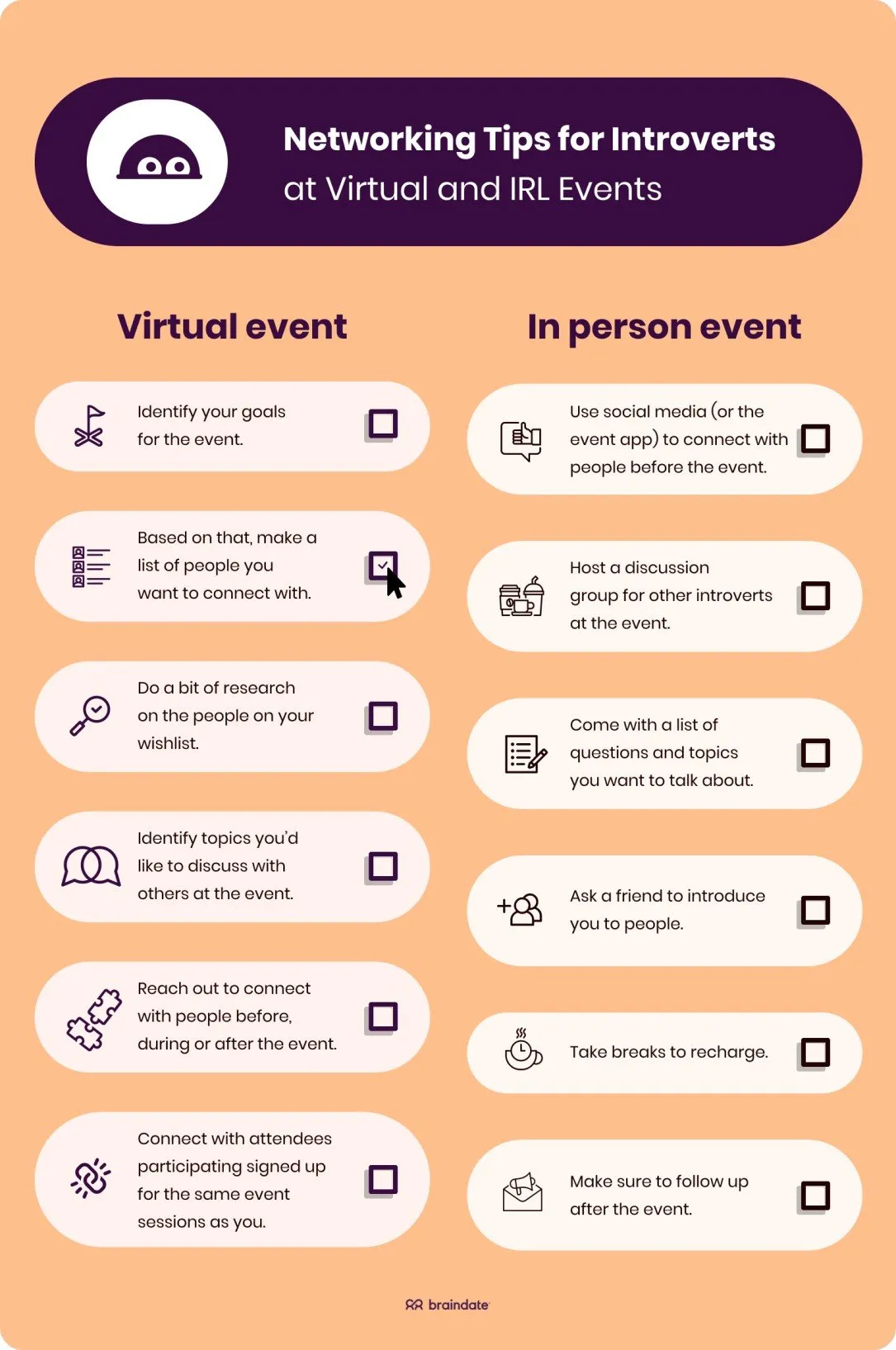
So what should one do to network if one is an introvert?
Networking can be particularly challenging for introverted individuals who may feel uncomfortable in social situations or large groups. However, introverts possess unique strengths that can be advantageous in networking scenarios:
Introverts often excel in one-on-one conversations where they can build deeper connections without the pressure of large group dynamics. Focus on initiating meaningful conversations with individuals rather than trying to connect with everyone at once.
Before attending networking events or meetings, prepare a few talking points or questions to help ease anxiety during interactions. Having a plan can make conversations feel more structured and less daunting.
Social media platforms like LinkedIn offer excellent opportunities for introverts to connect with others without the pressure of face-to-face interactions. Introverts can take their time crafting thoughtful messages and engaging with content online.
Seek out smaller networking events or workshops where the atmosphere may feel less overwhelming than larger conferences or gatherings. Smaller settings often facilitate more intimate conversations.
Introverts are often great listeners—use this strength to your advantage when networking! Engage actively by asking open-ended questions and showing genuine interest in what others have to say.
Practical Tips for Effective Networking
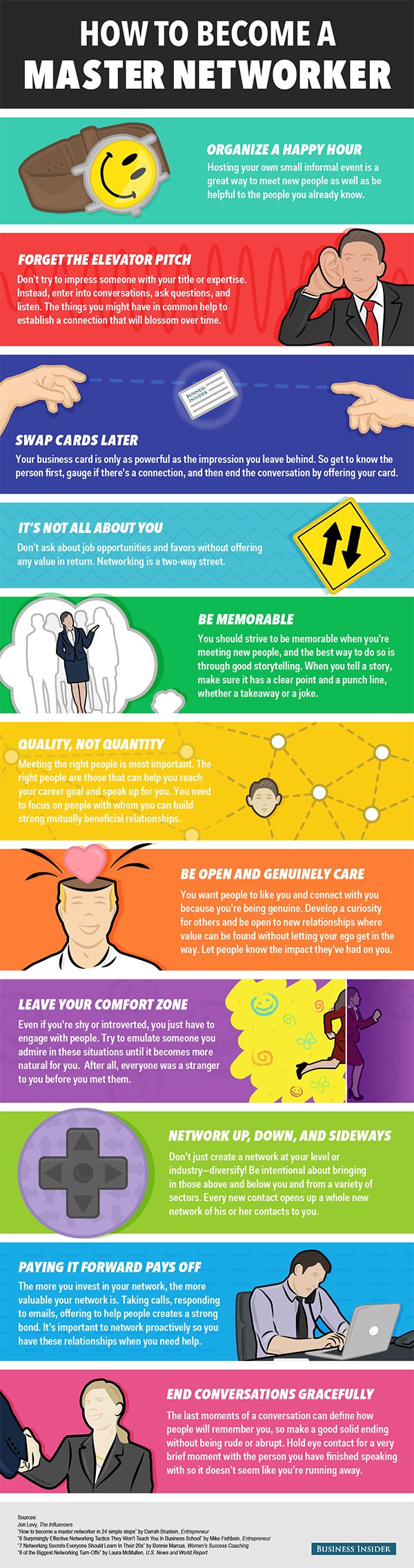
- Set clear goals: Before attending any networking event or meeting someone new, set clear goals for what one hopes to achieve from the interaction—whether it’s gaining insights into a specific industry or finding potential mentors.
- Be authentic: Authenticity is key when building relationships; people appreciate genuine interactions over forced small talk. Be yourself and let your personality shine through during conversations.
- Follow up after meetings: After meeting someone new, make sure to follow up with a thank-you email or message expressing your appreciation for their time and insights shared during your conversation.
- Attend industry events regularly: Make it a habit to attend industry-related events regularly—this could include conferences, seminars, workshops, or local meetups related to your field of interest.
- Join professional organisations: Consider joining professional organisations relevant to your career interests; these groups often host networking events that provide excellent opportunities for connecting with like-minded individuals.
- Utilise social media wisely: Use platforms like LinkedIn strategically by sharing relevant content related to your field while also engaging with others’ posts through comments or shares—this helps build visibility within your network!
- Volunteer your time: Volunteering for causes related to your profession allows you not only to give back but also to meet people passionate about similar issues while expanding your network organically!
- Practice active listening: During conversations, focus on truly listening rather than thinking about what you’ll say next—this helps foster deeper connections while also providing valuable insights into others’ perspectives!
Networking is an essential skill that young adults must develop as they transition from university into their careers; it opens doors not only professionally but personally too! By understanding its importance—and implementing effective strategies—young professionals will position themselves favourably within competitive job markets while also cultivating meaningful relationships along the way!
Whether one is an introvert looking for ways to connect authentically or someone eager to expand their professional circle—remember that every interaction counts! Embrace opportunities presented through networking; after all—the people you meet today could very well shape your tomorrow!







 Memories and Such