
After having fun in Luzon (see part 1 and part 2), we move southwards to the island division of The Visayas.
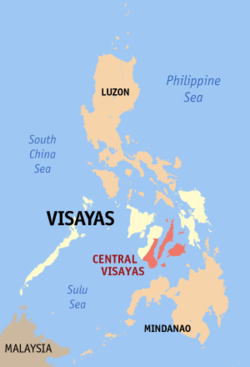
Set between Luzon in the north and Mindanao to the south, the Visayas region is characterized by being home to many, many islands; stunning white sand beaches and blooming corals are par for the course here. Nearly every part of the region has some fine beaches along its coasts, some fine diving areas including many coral reefs teeming with life, and some interesting historic buildings, mostly from the Spanish colonial period, in the cities and some towns. Most of the larger islands have mountains near the center, most of them volcanic in origin though few are active now
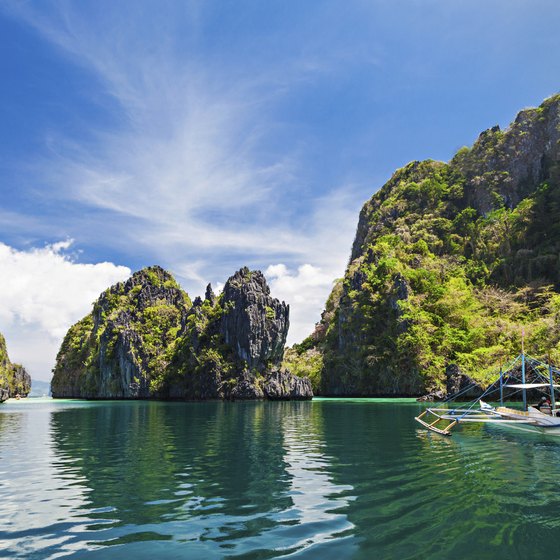
Eastern Visayas is where you’ll find the cosmopolitan Cebu City. Situated on the island of the same name, it’s the most important city in a region not known for its urban centers. Instead, nature abounds. Bohol, for example, is known for its picture-perfect Chocolate Hills – a landscape of relatively small, brown conical hills. Here is also where you’ll find easygoing beaches and coastal dive spots.
Western Visayas, Boracay, with its white beaches, resorts, and fiesta atmosphere, is a simultaneously lively and stunning place to visit. There’s also Romblon Island and Apo Island, with their world-class diving sites, and Malapascua – a tiny paradise island perfect for getting away from it all.

Cebu
Cebu is an island province in the Philippines, consisting of the main island itself and 167 surrounding islands. Its capital, Cebu city, nicknamed ‘The Queen City of the South’ is the oldest in the Philippines, and home to the nation’s second international airport. The city is a smaller but similarly busy version of Manila, with many of the same urban benefits of new, old, cutting edge and cultural. One advantage that Cebu has is Matcan island, featuring a premiere dive site that is a short drive from an international airport. Another diving gem, the island and resorts of Malapascua, is about a four hour drive to the port town of Maya, and then must be accessed by boat. It is well worth the trip, however, as it is often considered the number one dive site in the country. The Spanish came here to Cebu first via Mexico, and remade the place and its people in their image. Their influence can still be felt in the Basilica Minore de Santo Niño, where a glass-covered niche holds a precious statue of the Christ Child that commands countless devotees throughout Cebu. This devotion reaches its peak during the Sinulog Festival (pictured here) that takes place in the middle of January every year. The rest of the city overlays 21st-century modernity onto an older stratum of churches, ancient museum-lined streets like Calle Colon, and street food stops like Fuente Osmeña. The waters around Cebu are known for their biodiversity; famous dive spots around the area, like Sumilon Island and Moalboal, attract thousands of experienced divers every year. And you don’t even need a PADI certificate to experience the swim of a lifetime; the far-flung town of Oslob lets you snorkel with the whale sharks. Cebu’s southern side has a deluge of outdoor thrills, nature trips, beaches and waterfalls to keep a traveler busy for a week or even a couple of months. Beach lovers will be put into a state of euphoria with the clean and sparkling shorelines of Alcoy and Aloguinsan. Diving connoisseurs, meanwhile, will get a chance to meet and greet the friendly giants of Oslob as well as relish Moalboal’s kaleidoscopic marine life. Those who are on fond of extreme adventures will find their bliss by scaling the rocks and jumping off the cliffs and waterfalls in Badian. The fun, however, doesn’t stop there. Take a trip to the city of Carcar, and admire its old heritage houses and structures. While there, don’t forget to sample their well-known delicacies, such as the crispy chicharon and the ultra tasty lechon.
Camotes
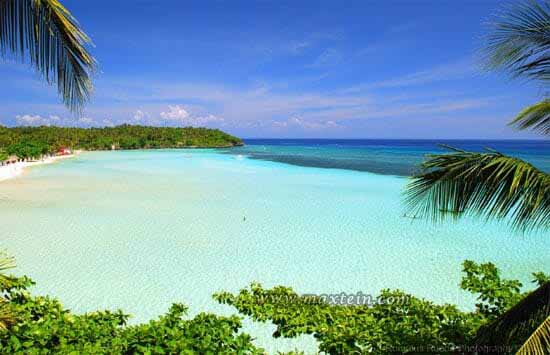
Want to get true taste of the laid-back island life in the Philippines? Head off the grid on the islands of Camotes – a couple of hours east of the city of Cebu. Just bring some extra cash since there are no ATMs on these places to visit in the Philippines.

Malapascua Island
A small island made up of quiet fishing villages, Malapascua Island is popular for its ideal diving spots and for being the only place in the world to see thresher sharks on a regular basis as well as manta rays and hammerheads. The other hidden gems here are the beautiful, sandy white beaches, crystal clear waters bordered by coconut trees and colorful coral gardens.

Boracay
If you’re in the Philippines to party, then head straight to Boracay. The island’s famous White Beach – its 2.5 miles of powdery white sand lined with a raucous collection of resorts, restaurants, bars and one shopping center known as “D’Mall” – reaches a massive party frenzy during Christmas, Holy Week and the International Labor Day weekend referred to by Filipinos as “LaBoracay”. Practically unknown and inaccessible prior to the 1980s, Boracay is now easily reached via plane and boat from around the Philippines and the rest of Southeast Asia. If you’re looking for something else to do than gulp down shots into the wee hours, Boracay obliges with plenty of other activities, from ATVing to parasailing to golf. In the low season between June to October, windsurfing fanatics take over the other coast’s Bulabog Beach, turning the skies above it into a flurry of color. Endless white sand beaches, colorful outrigger sailboat rides, and beautiful resorts grace this island that has been consistently in the top three beaches in the world by travel review sites. The most populous region of Boracay is the central part of White Beach, which has the most opportunities for food, adventure, shopping, and public merriment. Moving further away, more remote options are available, but they come with reduced amenities. Lodging ranges from budget shacks to high-end full-service resorts, but the white sand beaches, turquoise water, and romantic ambiance are open to all.

Bohol
The huge orange eyes and tiny fingers of the miniscule tarsier serve as the spokesmodel for the island of Bohol. Just a short trip from Cebu, this area is one of the few remaining homes for this tiny primate. Long known for the subtly erotic “Chocolate Hills”, the sleepy island of Bohol has managed to develop a travel reputation of its own that not even a massive earthquake could topple. The Chocolate Hills are unusual geological formations that consists of at least 1,268 individual mounds scattered throughout the interior of the island of Bohol. The almost symmetrical and same-sized formations range from 98 to 164 feet (30 to 50 meters) high and are covered in green grass. During the dry season the grass turns brown, hence the name. There is no consensus on how these giant mole hills were formed. One theory holds that the Chocolate Hills are the weathered rock formations of a kind of marine limestone on top of an impermeable layer of clay. The karst limestone that gave Bohol its Chocolate Hills also gave it its clean, winding rivers; its gorges made for ziplining and rappelling through; and the white-sand beaches of nearby Panglao. The unique geologic oddity of the chocolate hills serves as the second draw for the non-divers to the region. The unique mogul-like hills come with a legend of being formed by the rocks thrown by an angry giant. Most of the visitors to this region are, however, here to partake in the breathtaking dive opportunities that the region has to offer. It is the jumping off point for the marine reserves off of Pangalo and Pamlican islands.
Siquijor
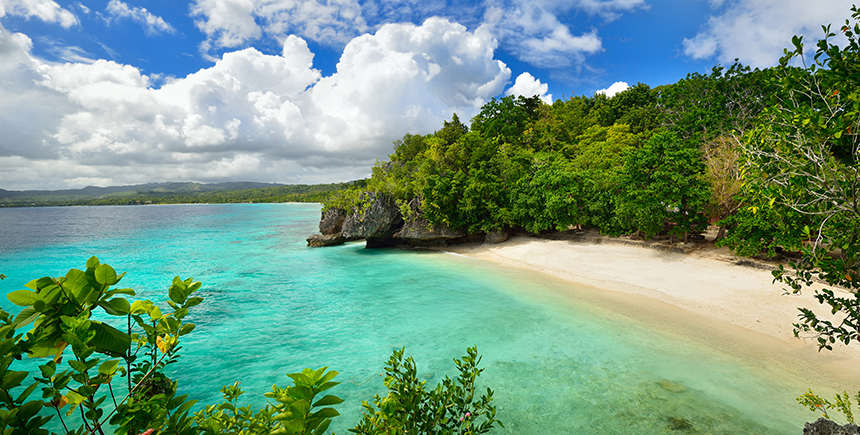
One of the last frontiers of the Philippines, the island of Siquijor benefits from gorgeous beaches, verdant jungle and a reputation for witchcraft. The beaches don’t have the crowds of Phuket or Boracay, but they’re amazing sights nonetheless: Kagusuan Beach and Paliton Beach offer white-sand swimming and excellent snorkeling with less beach touts to worry about. Other natural features abound on the island, such as the cascading Cambugahay Falls and the mysterious Llihan Cave. Siquijor’s culture remains devoutly Catholic with an occult underside. After visiting the 200-year-old coral churches like the San Isidro Labrador Church in Lazi, you can visit a local “mambabarang” (witch doctor) who can brew love potions and curses on demand.
Siquijor, dubbed as one the most mysterious places to visit in the Philippines, is a serene cove that is believed to be a breeding ground for witches, sorcerers and even mythical supernatural creatures. Although everyone knows that these rumors are not true, many still think that it is an island drenched in mystery and magic. Nevertheless, folks who come to this place will be mesmerized by the beauty of its waterfalls, parks and beaches like the Kagusuan Beach and Salagdoong Beach.

Samar
With tons of caves mapped and explore on this island, it’s no wonder extreme outdoor adventure junkies are calling Samar as the country’s caving capital. Langun Gobingob Caves – the country’s largest caving system, is found in Samar as well, specifically in Calbiga. This cave system is so huge that it can easily fit a trio of soccer fields. So, if you want to add a spice of adventure to your life in 2019, make it a point to include Samar on your places to visit in the Philippines this year.
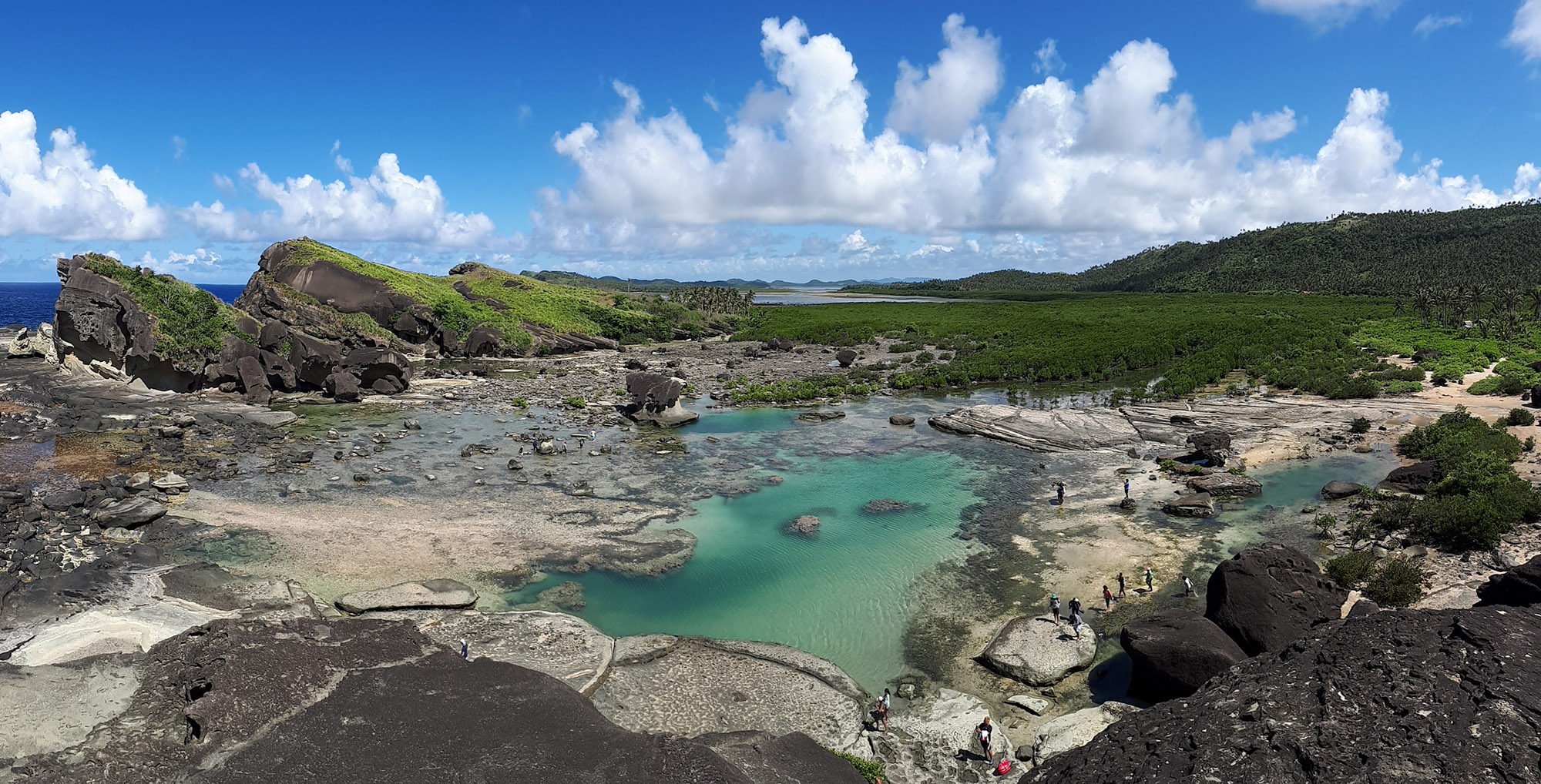
Northern Samar
Dramatic rock formations, cloistered coves, and untouched beaches await travelers who visit Northern Samar, which is one of the most undervalued gems and places to visit in the Philippines. Biri Island, the undisputed star in the province’s burgeoning tourism, will delight you with its incredibly beautiful and jaw-dropping rock formations. But, there’s more to Northern Samar than this beloved island. Try to discover the island’s neighbors, and you will surely be rewarded with heaps of wonderful surprises along the way.

Kalanggaman Island
Kalanggaman Island, the crown jewel of Leyte, is a supremely beautiful sand bar that is fast becoming one of most sought-after places to visit in the Philippines. In fact, it’s becoming so gorgeous that countless of international cruise ships would make a stopover on this long, immaculate white sand bar.

Manjuyod Sandbar
Manjuyod Sandbar isn’t dubbed as the “Maldives of the Philippines” for nothing. With clear waters and a stretch of majestic white sands, this enthralling sandbar will definitely make you feel that you are standing in one of the premier beach destinations in the world. Additionally, it has cottages that seem like they are floating on blue shallow waters, adding more flavor and Maldivian atmosphere to this sandbar. As an added plus, a visit here gives you an opportunity to spot a cluster of dolphins and whale sharks.

Iloilo City
For an unforgettable culinary experience in the Philipines, head to the city of Iloilo and appease your gastronomic cravings to a wide array sumptuous treats, including La Paz Batchoy and Pancit Molo. More than just a culinary paradise, this city is also drenched in history and culture, teeming with intricate historic sites, like Molo Church, Plaza Libertad, Museo Iloilo and Jaro Cathedral. Not to mention, it’s a gateway to another splendid beach destinations in the Philippines – Guimaras Island.
In the next blog post, we will explore Mindanao, the last island division of the Philippines
 Memories and Such

Pingback: Tripadvisor’s 2020 Trending Destinations | Memories and Such