
After the major cities in the state, it’s time to head for the hills. Tamil Nadu has some fabulous hill stations where you can go to relax your mind. Fantastic weather coupled with gorgeous views, these hill stations (some of them not so popular and so not very crowded) should be in your bucket list the next time you visit this state.
Ooty
The Queen of the Hills as Ooty or Udhagamandalam is known is the capital of the Nilgiris or ‘Blue Mountain’ district. A land of picturesque picnic spots & lakes, it was a popular summer and weekend getaway for the British during colonial days. It is situated at an altitude of 7,440 feet above sea level. Ooty Lake, Botanical Garden and Rose Garden are among the must include places in your Ooty tour packages.
Ooty was originally a tribal land occupied by the Todas along with other tribes. The Nilgiri territory came into possession of East India Company as part of the ceded lands, held by Tipu Sultan in 1799. In 1818, Wish and Kindersley, Assistant and Second Assistant to Collector of Coimbatore visited this spot and submitted their experience report to the Collector of Coimbatore John Sullivan. John Sullivan later began the construction of his bungalow at Dimbhatti the first European dwelling on the hills. Ooty served as the summer capital of the Madras Presidency and other small kingdoms, much visited by British during the colonial days. Its stunning beauty and splendid green deep valleys inspired the British to name it Queen of Hill Stations. Sullivan later developed the town and encouraged the establishment of tea, chinchona, and teak trees.
The establishment of numerous tea estates made Ooty famous. Lofty mountains, dense forest, sprawling grasslands and miles and miles of tea gardens greet the visitors on most routes.
Once regarded as the summer headquarters of the East India Company (and for a very good reason), Ooty, also known as Udagamandalam, is a hill station in Tamil Nadu which serves as a very popular tourist destination for anyone looking for a picturesque place to relax and unwind. Ooty is nestled amidst the Nilgiri hills at an altitude of 2,240 meters above sea level and enjoys a favourable climate all year round.
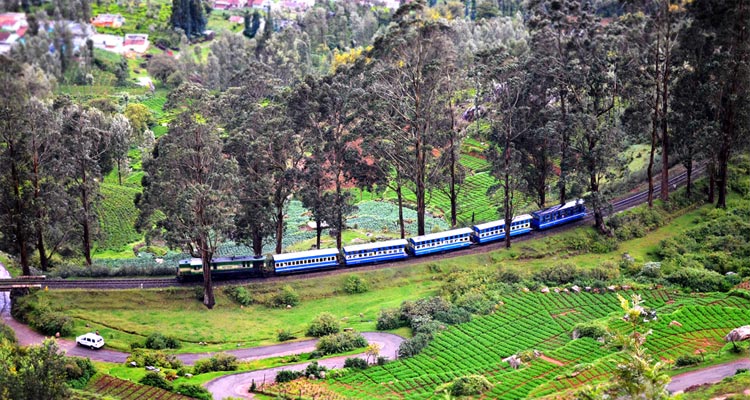
The toy train, known as Nilgiri Mountain Railway that runs from Mettupalayam to Ooty is a UNESCO World Heritage Site and a must be experienced. The train route wends its way through many hair-raising curves and fearful tunnels and chugs along beside deep ravines full of verdant vegetation, gurgling streams and tea gardens. The train route was developed by the British engineers in 1908, covering 42 kilometers length with 108 curves, 16 tunnels and 250 bridges. The Nilgiri Mountain Railways has the steepest track in all of Asia, and it is one of the best train rides you will ever have the chance of experiencing.
Apart from pleasant weather, Ooty Lake, Botanical Garden, Rose Garden, Wenlock Downs, Pine Forest, and Emerald Lake are the popular Ooty sightseeing places. The annual Tea and Tourism Festival (Jan) and Summer Festival (May) attract crowds in huge numbers.
The best time to visit this beautiful hill station is from October to June. In these months, the temperature remains somewhere around 25°C which offers a pleasant weather.
Kodaikanal
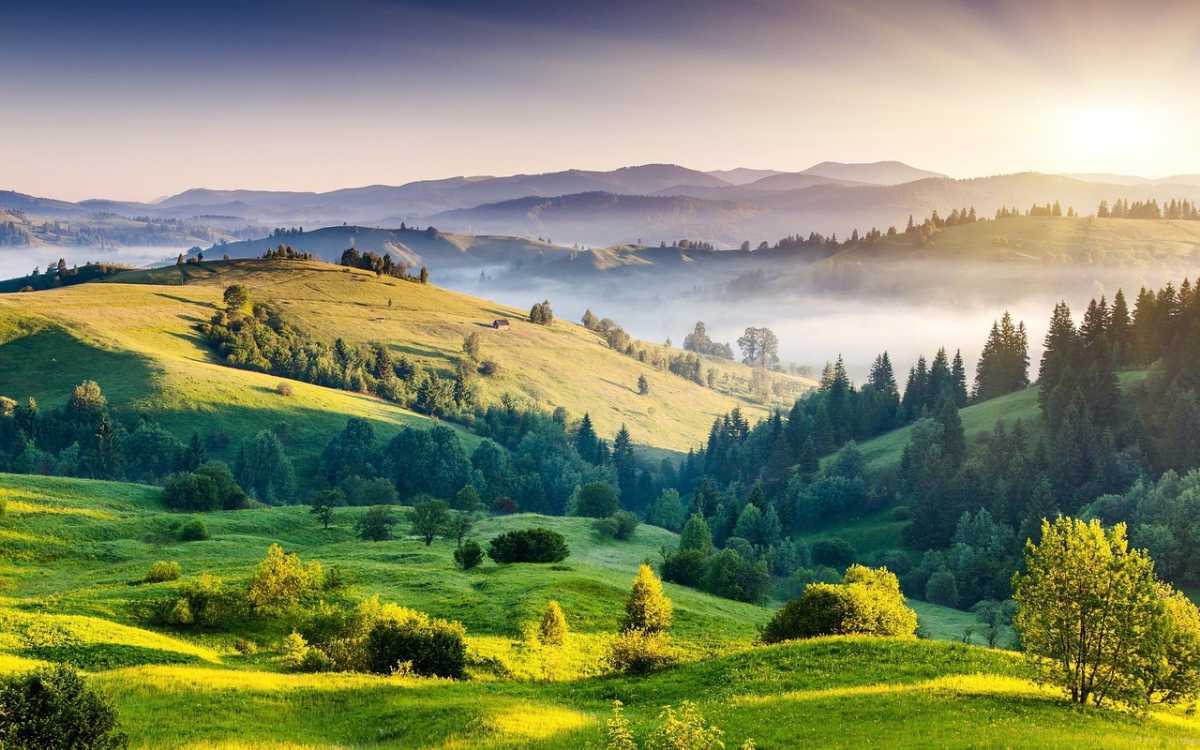
Often referred to as the ‘Princess of Hill stations’, Kodai as it is fondly called, is one of the popular places to visit in summer. It is situated at an altitude of about 7,000 feet on the southern tip of upper Palani hills.
The earliest residents of Kodaikanal were the Palaiyar tribal people. Modern Kodaikanal was established by American Christian missionaries and British bureaucrats in 1845, as a refuge from the high temperatures and tropical diseases of the plains. In the 20th century a few elite Indians started relocating to this enchanting hill station and it started becoming popular among nature lovers.
Kodaikanal is not as extensively commercialized like Ooty and it offers a pleasant experience to tourists with relatively less crowd. Apart from the pleasant weather, Kodaikanal has several tourist attractions like Kodai Lake, Bryant Park, Coaker’s Walk, Bear Shola Falls, Silver Cascade, Pillar Rocks, etc. The hills offer beautiful views all around, especially from the Coaker’s Walk.
The best time to visit Kodaikanal is April to June during the summer. Monsoon from September to October also offers a different experience.
Yercaud
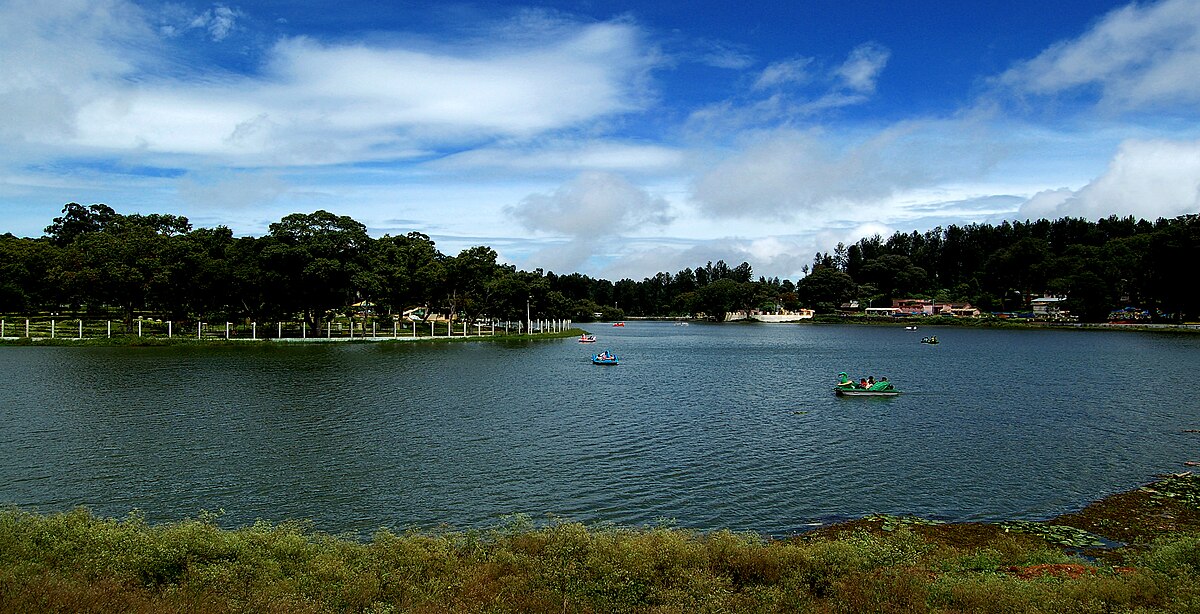
Located in the Shevaroy Hills of Tamil Nadu is another popular hill station, Yercaud. With the surrounding areas being dry, Yercaud provides a pleasant break with its greenery and pleasing weather. The greenery is part natural cover and part plantations.
Commonly called ‘Ooty of the Poor’, this region has a history dating back to the time of the British. Located at an altitude of 4970 feet, Yercaud is known for its vast expanses of coffee plantations. Oranges, coffee, pears, etc are grown in abundance here. The hill station is a popular travel destination in Tamil Nadu and offers various attractions ranging from viewpoints to various waterfalls. One of the many highlights is the summer festival that takes place in May. It is dedicated to Lord Servarayan, the supreme god of the ranges and gives visitors a glimpse into the rich heritage of this region.
Yercaud town got its name from the Yercaud Lake located at its centre. In Tamil, Yeri means lake and Kaadu means forest. Stone-age implements have been found from the ancient shrine located near Shevaroy Hills, which is about 5 km from the Yercaud Lake. Sir Thomas Munroe, the erstwhile governor of Madras Presidency in 1842 developed this place. David Cockburn, the Scottish collector of Salem district, between 1820 and 1829, was called the ‘Father of Yercaud’ because he helped in the development of the resources of the Shevaroy and for introducing the cultivation of coffee, pears and apple. The Tea plantation has been introduced in 1840s by Dr.Wallich on the property of G.F.Fischer.
Kalliyur Falls, Lady’s Seat point, Bear Cave, Emerald Cave and Pagoda Point are the highlights of this delightful hill station.
The best time to visit Yercaud is between October to June.
Coonoor
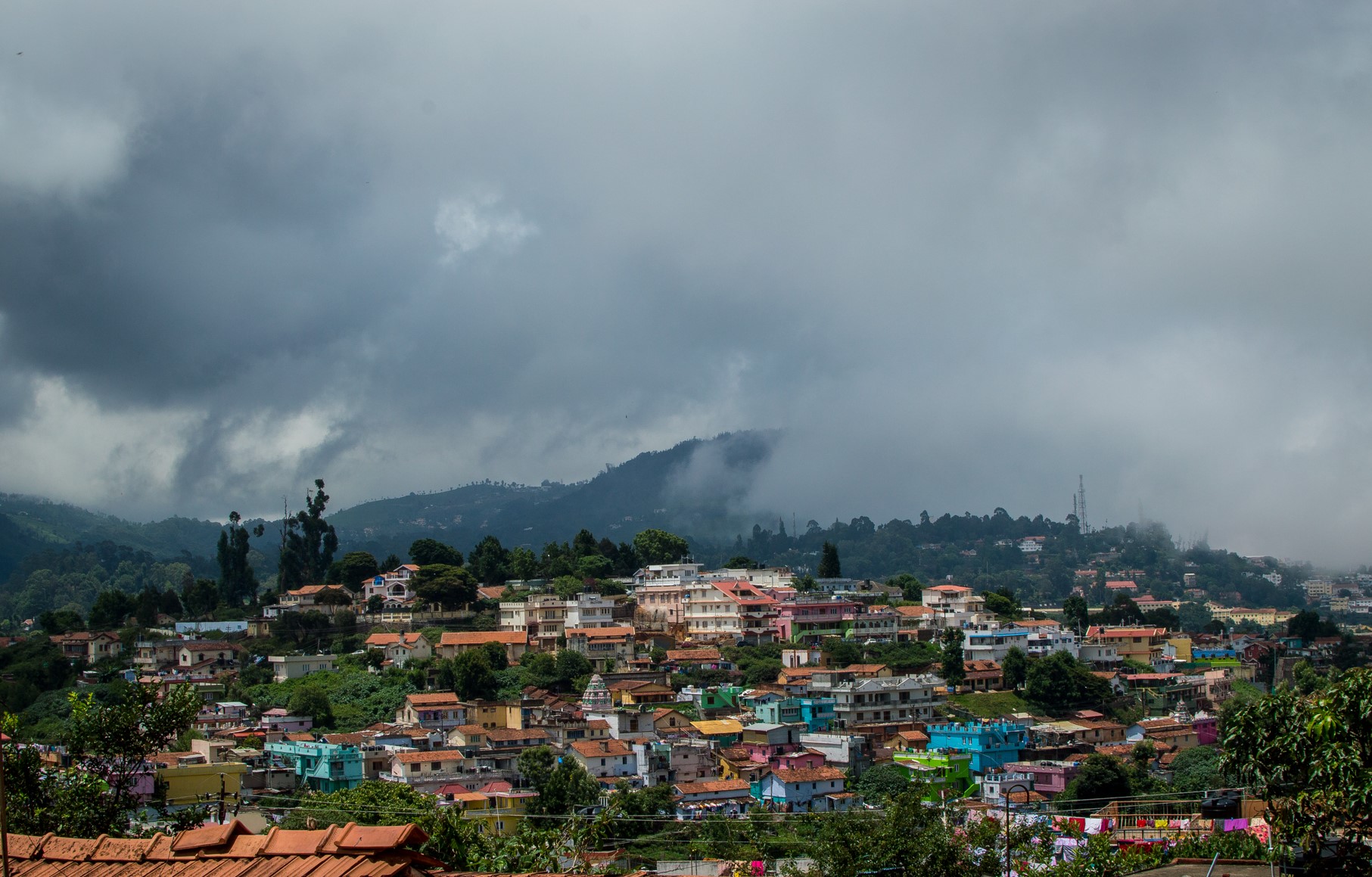
One of the most beautiful and serene hill stations you will come across in the country, Coonoor is the second largest hill station in the wonderful Nilgiri Hills of the Western Ghats. Located around 20 km from Ooty, at an altitude of 1,850 meters, Coonoor is beautiful with the many tea estates and long-winding roads. Old colonial bungalows in the tea estates add to the charm of Coonoor.
Make sure you visit Sim’s Park, Dolphin Nose lookout point, Ketti Valley, Hidden Valley and Lamb’s Rock when you are in Coonoor.
The best time to visit Coonoor is between October to March.
Yelagiri
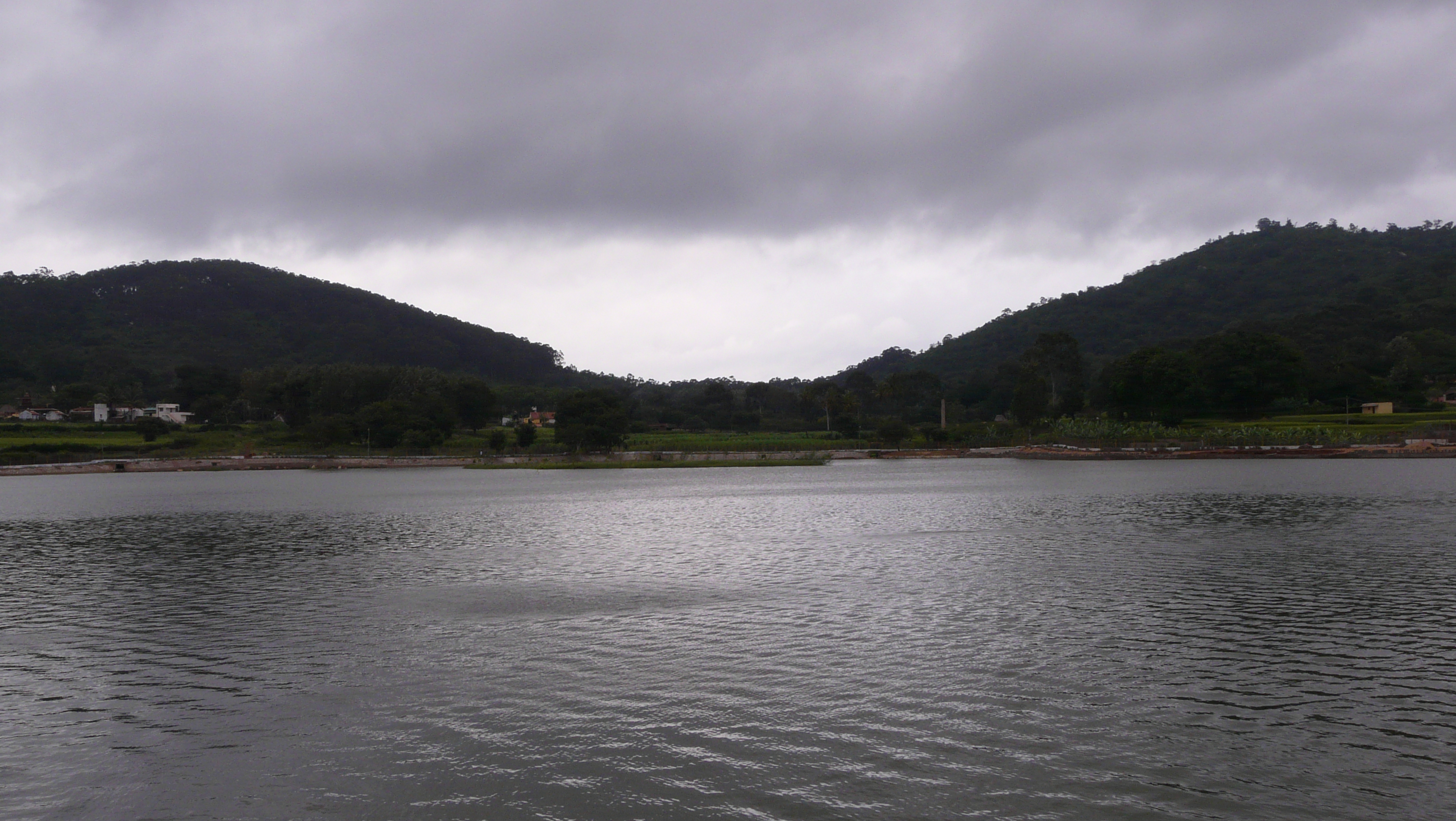
A quaint little hill station located in Vellore, Yelagiri is spread a little over 30 square kilometres, and at a height of over 1100 metres above sea level. The ideal destination for nature lovers, Yelagiri is a town that is completely off the beaten tourist trail, lending it a quieter and much more peaceful vibe compared to other more famous hill stations nearby. Originally belonging to the Zamindar family of Yelagiri, the hill station began to gain popularity since the colonial rule, when it was used by the British as a summer getaway. Ever since then, it has been one of the hidden gems of South India, replete with rocky hills and natural scenic beauty, making it the perfect place to take a break from the fast-paced city life.
Yelagiri is one of those typical, silent places that seem ordinary on the outside but are more and more startling as you discover it. It has all the features of a great hill station, be it sunset points or lakes and parks. But the beauty of Yelagiri lies in all the more that it has to offer. Being one of the lesser known hill-stations in Tamil Nadu, the place is rarely overcrowded. The surroundings are pristine and the forests are home to some rare species of flora and fauna. The honey that is locally available is considered to be one of the purest and tastiest varieties.
Yelagiri offers its tourists some beautiful places like the Jalagamparai falls, sweeping orchards and rose garden at its various nature parks, Punganur Lake, Swami Malai hills and the Velavan temple among others.
Yelagiri has a moderate climate therefore travelers love to visit the city all through the year. But still, the best season to visit Yelagiri is the months from November to February.
Bellikkal
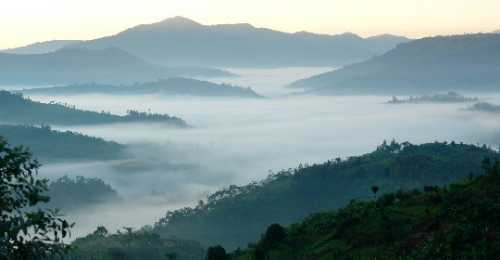
Bellikkal is one of those places where you can completely relax, without having to worry about a ‘to-do’ list for your vacations and yet experience mountains that will steal your breath away. Instead of having a hundred places to offer, it will take you by its beauty, calmness and serenity.
Bellikkal is a small village in the south of Sigur Plateau in Tamil Nadu. Located at an altitude of 5,500 feet or 1,700 meters, it is only around 15 km from Ooty, yet untouched commercially as yet. This small and elusive hill station is as beautiful as those in the Himalayas, and has yet managed to retain its old world charm.
The monsoon season between July to September is the best time to visit Bellikkal, however Bellikkal’s weather is always great and so this as yet undiscovered hill station can be visited all year round.
Bellikkal Lake, Bison Valley and Kalhatti Falls are the top tourist spots in Bellikkal.
 Memories and Such
Great post.
Thank you for commenting
Amazing Blog. If you ever visit india then you must visit The Solluna Resort
5 Star Luxury Resorts in Jim Corbett
Jungle safari in Corbett
5 star resort in jim Corbett
Corbett Resort Packages
Best Luxury Resorts in Corbett
Best Resort in Corbett
Thank you
Awesome. Please pass by my blog as well.
Thanks! Will definitely do so
Nice post
Thank you