Johor Bahru
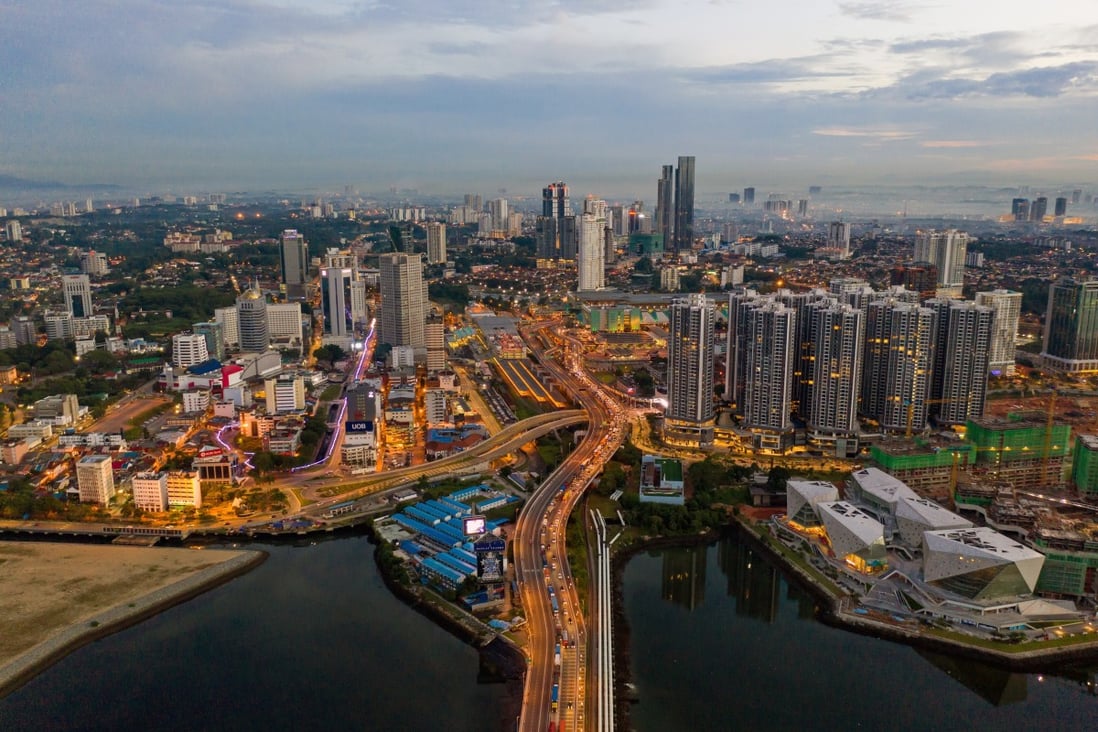
Colloquially referred to as JB, Johor Bahru is the capital city of the state of Johor. It is located at the southern end of Peninsular Malaysia, along the north bank of the Straits of Johor, opposite to Singapore and is adjacent to the city of Iskandar Puteri and Pasir Gudang, which together with their surrounding areas anchor Malaysia’s second largest urban agglomeration, Iskandar Malaysia.
The city was founded in 1855 as Tanjung Puteri when the Sultanate of Johor came under the influence of Temenggong Daeng Ibrahim. The area was renamed Johore Bahru in 1862 and became the capital of the Sultanate when the Sultanate administration centre was moved there from Telok Blangah, in southern Singapore.
Johor Bahru serves as one of the two land border connections on the Malaysian side between the countries of Singapore and Malaysia, the other being the Second Link that links Iskandar Puteri to Tuas. It is the busiest international border crossing in the world; its direct land link to Woodlands, Singapore through the causeway is a key economic driver of the border city.
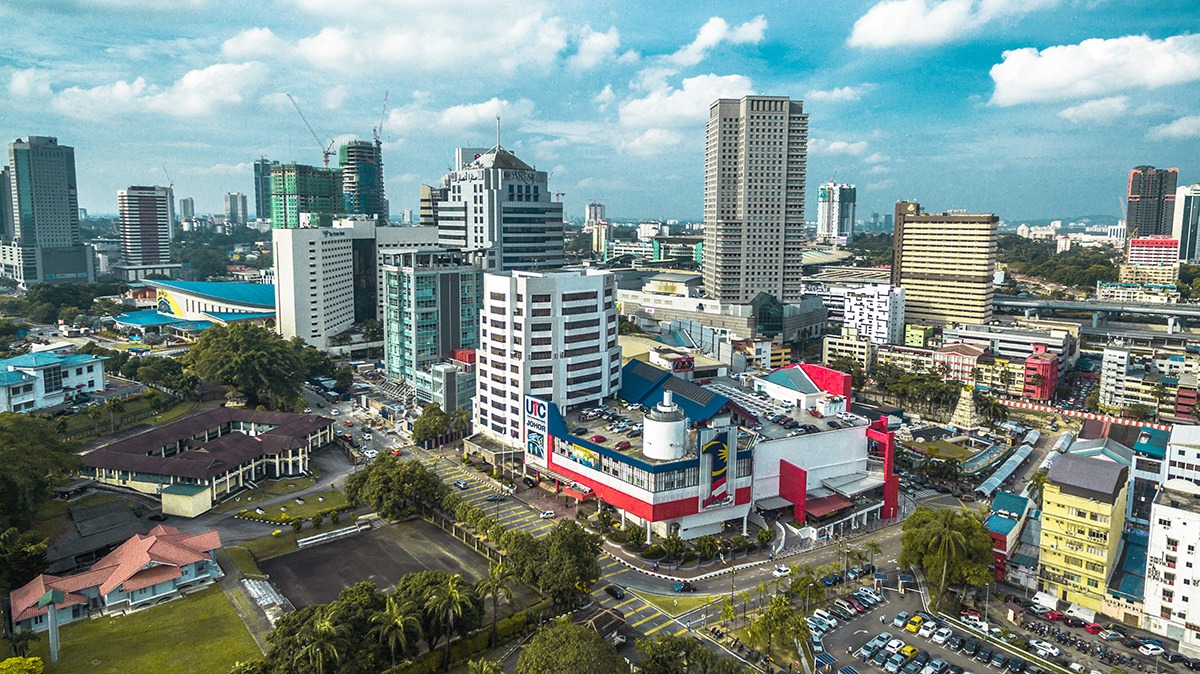
During the reign of Sultan Abu Bakar, there was further development and modernisation within the city; with the construction of administrative buildings, schools, religious buildings, and railways connecting to Woodlands in Singapore. Along with most of Southeast Asia, Japanese forces occupied Johor Bahru from 1942 to 1945 during the Pacific War. Johor Bahru became the cradle of Malay nationalism after the war and a major political party known as the United Malays National Organisation or UMNO was founded at the Istana Besar of Johor Bahru in 1946. After the formation of Malaysia in 1963, Johor Bahru retained its status as the state capital and was granted city status in 1994. Today, it is one of the most developed cities in the nation and currently serves as the financial centre and logistics hub of southern Malaysia.
The present area of Johor Bahru was originally known as Tanjung Puteri, and was a fishing village of the Malays. Temenggong Daeng Ibrahim then renamed Tanjung Puteri to Iskandar Puteri once he arrived in the area in 1858 after acquiring the territory from Sultan Ali; before it was renamed Johor Bahru by Sultan Abu Bakar following the Temenggong’s death. The suffix Bah(a)ru means new in Malay, normally written baru in standard spelling today but appearing with several variants in place names, such as Kota Bharu and Indonesian Pekanbaru. The British preferred to spell its name as Johore Bahru or Johore Bharu, but the current accepted western spelling is Johor Bahru, as Johore is only spelt Johor without the letter e at the end of the word in the Malay language. The city is also spelt Johor Baru or Johor Baharu.
The city was also once known as Little Swatow or Shantou by the Chinese community, as most of Johor Bahru’s Chinese residents are Teochew people whose ancestry can be traced back to Shantou. They arrived in the mid-19th century, during the reign of Temenggong Daeng Ibrahim. The city, however, is generally known in Chinese as Xinshan meaning New Mountain meaning territory or land, and the name New Mountain distinguished it from the Old Mountain or Jiushan once used to refer to Kranji and Sembawang in Singapore on the opposite side of the Straits of Johor, where the Chinese first cultivated pepper and gambier in plantations before the Chinese moved to the new land in Johor Bahru to create new plantations in 1855.

Popularly known as Sultan Ibrahim Building, Bangunan Sultan Ibrahim is the former state secretariat building. A blend of Western and Malaysian architecture, it was built between 1936 and 1939 and was one of the tallest buildings during pre-independence and is still regarded as a historical landmark in Johor Bahru. The building is named after the former Johor sultan, Sultan Ibrahim, after whom it is named. Sprawling over an area of 60,000 square feet, the government is planning to convert the building into a grand museum. Till the 1970s, it was the tallest building in Johor Bahru, after which it was beaten by the Merlin Tower. In the battle of the Japanese with the Singapore Sultanate, Bangunan Sultan Ibrahim was damaged, marks of which are still visible. Till 2015, the building was used for governmental purposes and is being converted into a museum now. Renowned for picturesque landscapes, marvellous architecture and photography, visitors need to ask for permission to explore the building. Take a stroll around to catch a glimpse of the Straits of Johor and the Singapore skyline. The building is open between 8 am to 5 pm and needs between 30 to 60 minutes to explore.

Istana Besar, also known as Grand Palace is the royal palace of the Sultan of Johor. The former residence of Sultan Abu Bakar, the main attraction here is the Royal Abu Bakar Museum housing a collection of royal heirlooms and artefacts. The stunning architecture of Istana Besar draws influence from Anglo-Malay architectural styles and gives a spectacular view of the Straits of Johor. The Royal Abu Bakar Museum is a living memory of the royal family that lived in the palace and houses a huge collection of interesting artefacts. The palace is open between 9 am and 5 pm and is closed on Fridays.

The Johor Bahru Old Chinese Temple is one of the oldest temples in Johor, located along Jalan Trus. Also known as the Old Temple, it functions as the worship place of 5 Chinese clans – the Hakka, Cantonese, Teochew, Hokkien and Hainan. Previously, these clans were rivals over land control issues. When Tian Hiok Nee, a Chinese religious leader, managed to bring about peace between them, he founded the Johor Bahru Old Chinese Temple. Hence, the temple is symbolic of peace and unity. A highlight feature of the temple is the Tien Gong incense pot placed at the entrance. A mini cultural centre located on the premise has historical relics on display. With authentic Chinese architecture and design, the temple has a red-and-white exterior and 3 praying halls. There are many bells donated by devotees hanging outside. The temple makes for a great Instagramable spot for photos and has a century-old bronze bell, plaque and the grand Tien Gong incense pot. The temple is located at a 10-minute walking distance from the JB Immigration Checkpoint and is a 5-minute walk away from the City Square Mall. The temple organises an annual Chingay parade in the first lunar month every year on a grand scale in January or February and attracts a crowd of over 3 million people. Also known as the Parade of Deities, the procession of the five deities worshipped in the temple is carried out through the city along with the devotees. With beats of drums and other traditional musical instruments, the parade is indeed a colourful celebration of religion. A lion dance performance is also organised in the parade with the celebrations lasting for four days. The temple is open between 7 am and 5 pm daily.

The Sultan Abu Bakar State Mosque is a famous places of worship because of its status as the state mosque of Johor. The mosque is located on top of a hill overlooking the Tebrau Straits and Singapore. The State mosque, as it is popularly called, is also listed as a protected heritage monument by the Department of Museums and Antiquities of Malaysia. Built in 1900, the mosque was under construction for eight years and is named after Sultan Abu Bakar, who ordered the construction of the mosque. Located in Jalan Gertak Merah, the 19th-century mosque follows the English Victorian style of architecture. The majestic shrine showcases influences from Moorish and Malay styles of architecture and has been constructed with materials imported from Turkey, Czechoslovakia, and Italy. It features four minarets that are created in Victorian Architecture, which are meant to resemble the clock tower in the Victorian Era. Visitors are greeted by the majestic archways at the entrance of the mosque. There is a grand prayer room with a capacity to accommodate 2000 worshippers at a time that is supported by giant Roman pillars. The interior of the mosque also features tall Victorian-style windows and has passages from the Quran engraved in them. The mosque allows non-muslims to enter the premises; however, visitors must respect the culture and wear the appropriate dress code. Visitors are recommended to dress modestly and shoes must be removed before entering the main prayer hall.

Constructed of glass and known locally as the glass temple, the Arulmigu Sri Rajakaliamman Glass Temple has about 300,000 multicoloured pieces of glass bejewelled with thousands of glass beads encircling various murals and sculptures of the Gods and Goddesses. Listed in the Malaysian Book of Records as the first and only glass temple in the country, the temple is worth visiting. Nearly ninety per cent of the temple is decked with 300,000 glass mosaics of red, yellow, green, blue, purple and white colour, with a crystal chandelier hanging from the ceiling. The main deity in the temple is Lord Shiva seated on a lotus. Near the roof, 10 gold-finished sculptures can be found that depict the message of the cycle of life – from birth, youth, adulthood, maturity and death. The temple is free for Malaysians, while others need to pay a RM 10 entrance fee. The temple is open between 7 to 10 am and then again between 1 and 5 pm.

A colourful and vibrant museum, the Chinese Heritage Museum showcases the history of Chinese immigrants in the state. It is a 3-storey building with a wide collection of Chinese souvenirs from the 14th century. Take a stroll through the museum and appreciate the beautiful Chinese porcelain ware, old coins, instruments and other artefacts. Know about the history, culture, occupations, carpentry skills, Chinese medicines, and even the age-old feng shui techniques used by the Chinese. Closed on Mondays, the museum is open between 9 am and 5 pm on Tuesdays to Saturdays. Entry fees at RM 5 for adults and RM 3 for a child.
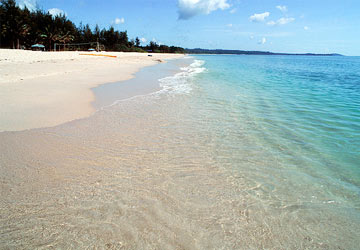
A picturesque beach about 75 km east of Johor Bahru, Desaru Beach is a 25-km stretch of sand that is clean and lined with tall casuarinas trees making the area perfect for photo opportunities. Visitors can enjoy a host of the usual beach activities such as swimming, boating and fishing in the waters of the South China Sea. The beach is also ideal for spending a quiet and relaxing day with a car park, barbecue pits and washrooms available for use. There are various small shacks selling snacks and beverages but people hoping to enjoy a good meal have to walk up to the nearest resort that houses some restaurants. Swimming is not too difficult in the placid waters but not advisable for novice swimmers to try to go too deep as there may be slops beneath the apparent clear water that may get entangled. The wind makes it possible to go surfing with the participants overjoyed at the prospect of skirting the waves and enjoying the experience due to the total lack of jellyfish and sharks infesting the water. There are canoes available for rent. The best time to visit is between April to October when the waves are high and the rain is considerably less. However, June to August is thought to be the season when the activities at the beach can be enjoyed to the fullest.

One of the largest recreational parks in Johor Bahru, Danga Bay nestles in the southern part of Iskandar Malaysia. It is situated along the straits of Johor sprawling over an area of 450 acres. It is the first recreational cum commercial hub in the city with a theme park, beautiful beachside, many shopping complexes and food hubs. Relax along the Danga Bay beach and enjoy mesmerizing views of the sunset sitting in the gazebos located around the beach. Swimming is not allowed, however, one can sunbathe here. Danga Bay has a petting zoo, the Danga World Petting Zoo where one can spot some endemic fauna species of lizards, tiger cubs, elephants, snakes, and lions. There is an animal show which takes place between 8:30 to 10 pm which is the highlight of the zoo. The zoo is open between 3 to 10:30 pm daily. At Danga Bay, one can also sail through the Johor River on a cruise while dining in a comfortable environment. The Danga Cruise accommodates 8-12 adults in a single ride and offers some delicious food options. It is priced at RM 10 for an adult and RM 5 for a child and the cruise is open from 8 pm onwards.

The Endau Rompin National Park is globally known for having some of the oldest rainforests in the world. This enormous tropical rainforest falls under the states of Pahang and Johor and is spread across an area of 870 sq km making it the second-largest national park in Peninsular Malaysia after Taman Negara and dates back 248 million years. The park takes its name from the Endau and Rompin rivers that flow through the park. Other rivers that flow through the park are the Segamat, Selai, and Jasin. There are two official entry points to the park: the Kampung Peta entrance located along the eastern boundary in Mersing District, and the Selai entrance at the southwestern boundary in Segamat District. During the monsoon season from November to March, the park is closed to the public. Fishing is banned from September till October during mating season.
The pristine water-laden jungles teem with animals, waterfalls and stunning views. The park’s lowlands harbour some unique varieties of wildlife and birds. Tourists usually visit the park through private tours but one can also book packages, through the park itself. Watch out for the Cream-coloured Giant Squirrel and Asian Elephants who travel in herds along the Jeram Panjang and other adventurous trails, fun activities and some very rare and endangered Malaysian species that cannot be spotted anywhere else. A permit of RM 10 is required for the trekking permit and insurance and a RM 20 conservation fee needs to be paid. Local guides have to be hired if one is going to trek to the waterfalls or stay overnight which will cost about RM 100 per day. The rainforest has three main entry locations. The Kampung Peta is situated in Mersing District along the eastern boundary in Johor East while the Selai is situated in Segamat District along the southwestern boundary in Johor West and the Taman Negeri Rompin entrance is from Pahang.
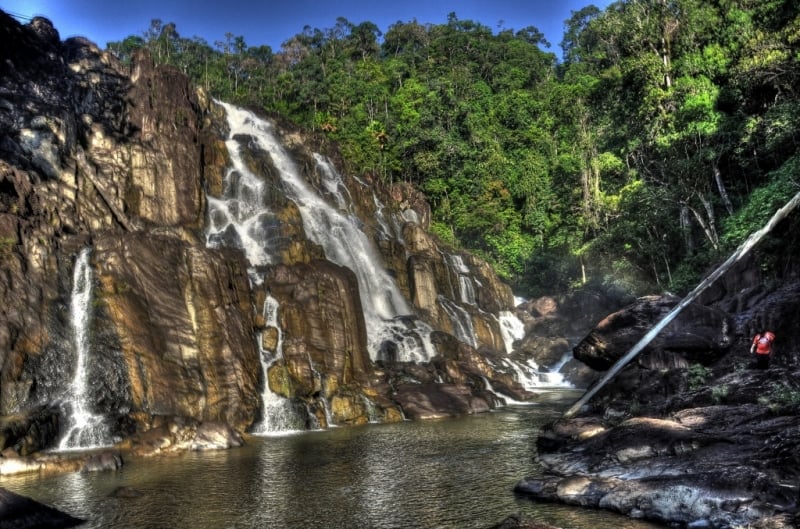
From the Kampung Peta East Entrance, the Buaya Sangkut Waterfall translates to the trapped crocodile is one of the finest waterfalls in the park. The crocodile-shaped rock formation embodies a beautiful 120-m waterfall and is a very popular tourist spot. The trek up to the area is, however, a little steep and stressful as most of it is angled at 60 degrees. The Upeh Guling Waterfall is a breathtaking sight with its free-flowing waterfall amidst the rocky structures created over hundreds of years with the pebbles it carried along the way. The sparkling sky and emerald pools make for a perfect spot for relaxation. Tasik Air Biru is a lake in the rainforest where one can enjoy a lovely dip in the deep beautiful crystal pools of blue water, as the name suggests. The clear water is enthralling to swim in on a warm sunny day. Kuala Jasin is a 40-minute boat ride from Kampung Peta and is a Fan Palm Forest which is a palm species that is endemic to Endau-Rompin. Other activities in the forest include visiting a Orang Asli village, fishing at Kampong Peta and climbing the hill at Janing Barat.
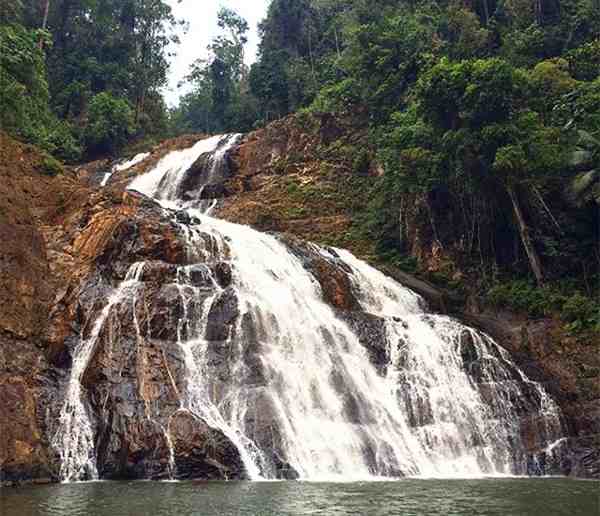
From the Selai entrance, one can visit the Takah Pandan, a captivating scenic waterfall and a water abseiling region with about 50 m of straight fall. The Takah Berangi waterfall cannot be accessed easily due to rough topographical terrain but is magical to witness. Takah Tinggi is easier to reach than the other waterfalls but takes a longer trek. The base of the waterfall is considered a fish sanctuary and so no fishing is allowed. Other activities included are a night safari and night trekking, adventure team building, water abseiling, jungle survival training, and hill-climbing at Gunong Tiong. The Jeram Panjang trekking is apt for travellers who like to have an easy trek. The 3.6 km trail stretches across the rainforest back and forth and is guided by a skilled trekker. The trail ends at a rapid stream and one can trek back to the base camp.
Endau Rompin is a protected rainforest and an IBA bird site that is home to about 250 species. Endau Rompin has a diverse flora with some very exotic and region-specific flora that can’t be seen anywhere else.

The Gunung Ledang National Park, with an area of 21,278 acres in western Johor, was established in 2005. It has various rivers and streams, waterfalls, diverse rainforests, pines, and sub-montane forests. The Tangkak Dam can also be seen from the park. Several trails for hiking are available, such as the Asahan Trail, Ayer Panas Trail, Jementah Trail and Lagenda Trail. The state’s only marine park, the Sultan Iskandar Park, is located off the east coast and is made up of 13 islands in six clusters, Aur, Besar, Pemanggil, Rawa, Sibu and Tinggi, with an area of more than 19,768 acres. In 2003, three wetlands in southern Johor comprising Kukup Island, Pulai River and Tanjung Piai were designated as Ramsar sites. Tanjung Piai covers an area of 1,300 acres of mangroves and another 988 acres of inter-tidal mudflats, Pulai River with 22,551 acres and Kukup Island with 1,599 acres surrounded by some 1,977 acres of mudflats. Pulai River became a seahorse sanctuary and hatchery as part of the state biodiversity masterplan since Johor’s waters are home to three of the eight seahorse species in Malaysia.
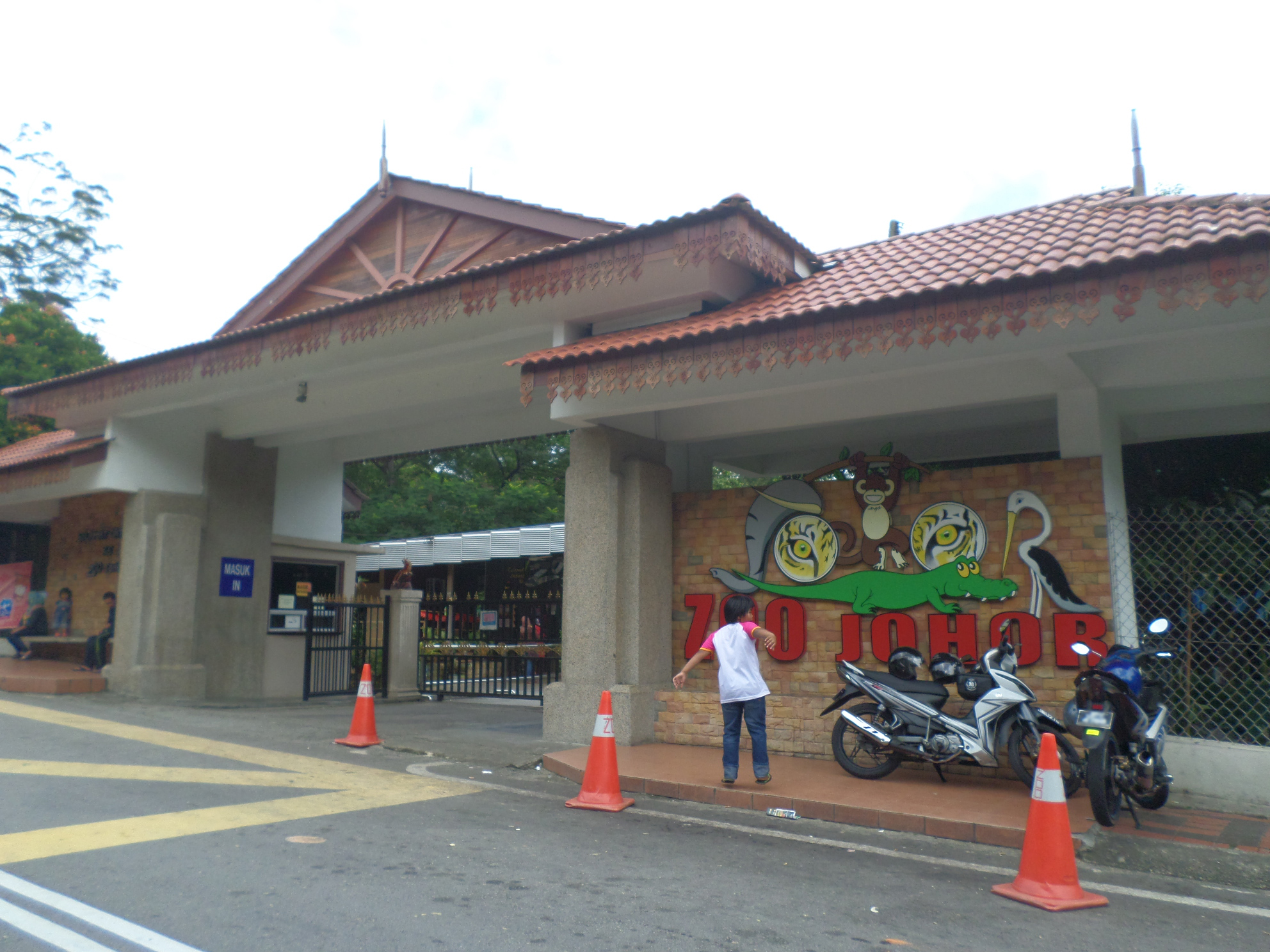
Formerly known as Kebun Binatang, Johor Zoo is one of the oldest zoos in Malaysia. The 5-hectare extended zoological park has hundreds of species of various birds and mammals and is a pleasant escapade for nature and wildlife enthusiasts. One can spot numerous endangered species of flamingos, lions, Asian elephants, crocodiles, gorillas and multi-coloured birds at the zoo which was established by Sultan Abu Bakar in 1928 as the first of its kind in Southeast Asia. Johor Zoo served its purpose as a private zoological garden to the royal family, which was later opened to the public in 1962. The zoo has a turf of green lungs in form of grasslands around the zoo, with beautiful benches around where one could use the facility as a picnic spot. The zoo has more than a hundred kinds of species of animals and birds along with a rare endangered species. The entrance to the zoo is adorned with a beautiful small lake surrounded by beautiful flora around it that houses countless birds. Paddle boats are available at RM 5 for a single paddle boat while horse riding can be enjoyed for RM 6 for 2-3 hours. Among other highlights, Johor Zoo also houses a photography corner in its premises, where one can take pictures with some of the animals of the zoo. The zoo is open from 8:30 am to 6 pm daily while the ticket counter closes at 5:30 pm. Entry fees at RM 2 for adults and RM 1 for children. Entry for toddlers and children between the ages of 0 to 2 years is free

Located in the heart of Iskander Puteri, LEGOLAND is Malaysia’s first international theme park. Also ranked as the sixth theme park across the globe. it boasts numerous thrilling rides, live shows and a host of other attractions. The major attractions at Legoland Malaysia include the LEGO-themed Water Park, the Theme Park and the stunning Sea Life. A LEGO-inspired hotel was also constructed in the middle of the park and it is the first of its kind in Southeast Asia.
Tickets to the theme park, water park and sea life is varied and the latest prices can be found at the Legoland Malaysia website (https://www.legoland.com.my/book-visit/admission-tickets-and-annual-passes).
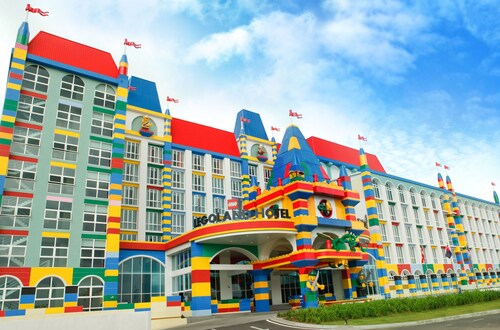
At the water park, most of the attractions are family-friendly and suitable for people of all ages. At the theme park, the rides are the heart of LEGOLAND with at least twenty rides for the children that will entertain them. At Miniland Legolandone can see LEGO models of all the iconic landmarks in Asia such as the Angor Wat Temple, Taj Mahal, Karaweik Hall, Brunei Mosque, Johor Majestic Palace, Putrajaya, Wat Arun and so on. Sea Life is the newest addition and opens one to a world of marine adventures featuring interactive displays and storytelling. Sea Life is regarded as the biggest aquarium brand across the globe that takes visitors to the depth of oceans and the exhibits are carefully crafted for the kids. The theme park and water park is open from 10 am to 6 pm while the sea life is open from 11 am to 7 pm.

Strategically located in the heart of Johor Bahru within the Komtar JBCC Complex, the Angry Birds Activity Park is an indoor Angry Birds-themed arena packed with interesting games and attractions. This state-of-the-art play arena sprawls across an area of 26,000 sq ft and allows children to unleash their imagination. The air-conditioned space with five unique zones is ideal for a fun-filled day with all your family members. Tickets are RM 75 per person while a family pass for 4 people costs RM 280. The tickets can be purchased online on the official website http://www.angrybirdsactivitypark.my/ of Angry Birds Activity Park.
The Danger Zone features a Space Drop Air Bag where the children get ample opportunities to jump off from a height onto a massive airbag. Another attraction is the Lazer Bird Scoot track that gives the ultimate adrenaline rush. The final attraction of this arena is the Air Bag Jump where the kids get to show off their jumping skills on a huge bag that is completely safe and specially designed for this purpose. Utopia is carefully crafted for kids who enjoy physical activities. It features Air Parkour Track, a parkour area where toddlers can swing from one block to the next. The Birds Wire Slack allows the kids to balance themselves and walk across a thin rope. There are three Anti-Gravity Trampolines for different age groups. A Giant Leap Foam Pit is also created where kids can jump into a foam pit after swinging with a rope. Another attraction is the Piggy Shooting Gallery where pigs can be shot with foam balls loaded in an air gun. Then there is the Spinning Time Machine where the toddlers can spin in a circular wheel. Other popular games include the Angry Birds Space Mini Stage, Birds Wire Slack and Laser Maze Space Ship. The Classic Arena takes the excitement to a whole new level. Here, people can ride karts and have fun amongst themselves in a massive indoor space. The karts come in two sizes, one for adults and the other for children. The Birds Nest Climbing Track is a massive playground that features slides and ropes to climb up. Kids can venture into the nest and play around with the eggs. South Beach is equipped with a big screen for playing the Angry Birds Video Game.
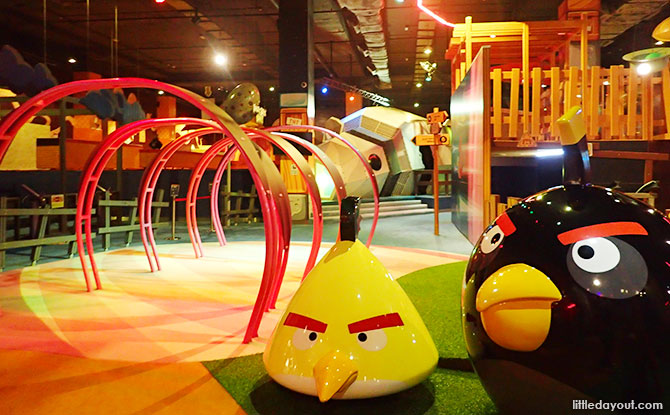
There is the Balance Bike Lagoon that features bikes with no pedals and toddlers can control it with the help of their legs. The CineMine is designed to enjoy fun Angry Birds cartoons. Other attractions include the Red Bird Sona and The Captain Black Birds Ship where children get to interact with one another and test their mental and physical agility. There is a lounge designed for the parents where they can chill and unwind in an air-conditioned area when their kids are busy playing in the other zones. This cosy lounge is properly illuminated and flaunts a simple decor with comfortable sofas and chairs. Red’s Jungle Run is the arena where all the fun begins. There is a designated play area with slides, nets and ropes where the children can slide and glide at their own will. The attractions include the Big Ending Slide, Red’s Jungle Run, Surfy and Chuck’s Obstacle Course.
Children below 11 years must visit with their parents or guardians 15 years or above. Most of the attractions in the park are accessible to everyone including guests with special needs. Chewing gums, smoking and consumption of alcohol are strictly prohibited while wheeled vehicles or baby strollers are not allowed in the park.
In the next part, let’s go and check out some other towns in Johor.
 Memories and Such