

Also known as Gurpurab, Guru Nanak Jayanti is one of the most significant festivals in Sikhism, celebrating the birth anniversary of Guru Nanak Dev Ji, the first Sikh Guru and the founder of Sikhism. This auspicious occasion is observed with great reverence and enthusiasm by Sikhs around the world, as it marks the beginning of a spiritual journey that emphasises equality, compassion, and devotion to God.
Guru Nanak Dev Ji was born on April 15, 1469, in the village of Talwandi, now known as Nankana Sahib, located in present-day Pakistan. He was born into a Hindu family to Mehta Kalu and Mata Tripta. From a young age, Nanak exhibited a deep spiritual inclination and a questioning mind. He often engaged in discussions about spirituality and the nature of God, which set him apart from his peers.
As a child, Nanak was known for his wisdom and compassion. He displayed a keen interest in religious matters and often questioned the rituals and practices of the time. His early experiences and observations of the social injustices around him laid the foundation for his later teachings.
At the age of 30, Guru Nanak experienced a profound spiritual awakening during a deep meditation by the river. It is said that he had a divine encounter with God, which transformed his life and led him to embrace a mission of spreading the message of oneness, love, and equality. After this experience, he began to travel extensively, sharing his teachings and engaging in dialogues with people of various faiths.

Guru Nanak’s travels took him to many regions, including India, Tibet, Sri Lanka, and the Middle East. He engaged with people from different backgrounds, promoting the idea of universal brotherhood and understanding. His teachings emphasised that there is only one God, and he rejected the rigid caste system and religious discrimination prevalent in society.
Guru Nanak’s teachings are encapsulated in the Guru Granth Sahib, the holy scripture of Sikhism, which contains hymns and verses that convey his spiritual insights. Some of the core principles of his teachings include the concept of “Ik Onkar,” meaning “There is one God.” He emphasised that God is formless and omnipresent, transcending all religions and beliefs. Guru Nanak Ji advocated for the equality of all individuals, regardless of caste, creed, or gender, and condemned social injustices and promoted the idea of treating everyone with respect and dignity. He also emphasised the importance of selfless service to humanity and believed that serving others is a way to serve God. Gur Nanak encouraged individuals to earn their livelihood through honest means and to share their wealth with those in need. He taught the significance of remembering God through prayer and meditation, which helps individuals connect with the divine and criticised blind rituals and superstitions, advocating for a direct and personal relationship with God.
Guru Nanak Ji spent the latter part of his life in Kartarpur, where he established a community that practiced his teachings. He appointed his disciple, Guru Angad Dev Ji, as his successor before passing away in 1539. His legacy continued through the subsequent Gurus, who further developed and spread the teachings of Sikhism. Guru Nanak’s teachings have left an indelible mark on the world, inspiring millions to embrace the values of love, compassion, and equality. His philosophy transcends religious boundaries and continues to resonate with people of all faiths.
Guru Nanak Jayanti is celebrated on the full moon day, Purnima, of the month of Kartik in the Hindu calendar, which typically falls in October or November in the Gregorian calendar. The festival commemorates the birth of Guru Nanak Dev Ji and serves as a reminder of his teachings and contributions to humanity. The celebration of Guru Nanak Jayanti has its roots in the Sikh tradition, where it is known as Gurpurab, meaning “the day of the Guru.” The festival is not only a religious observance but also a cultural celebration that brings together communities to honour the teachings of Guru Nanak.
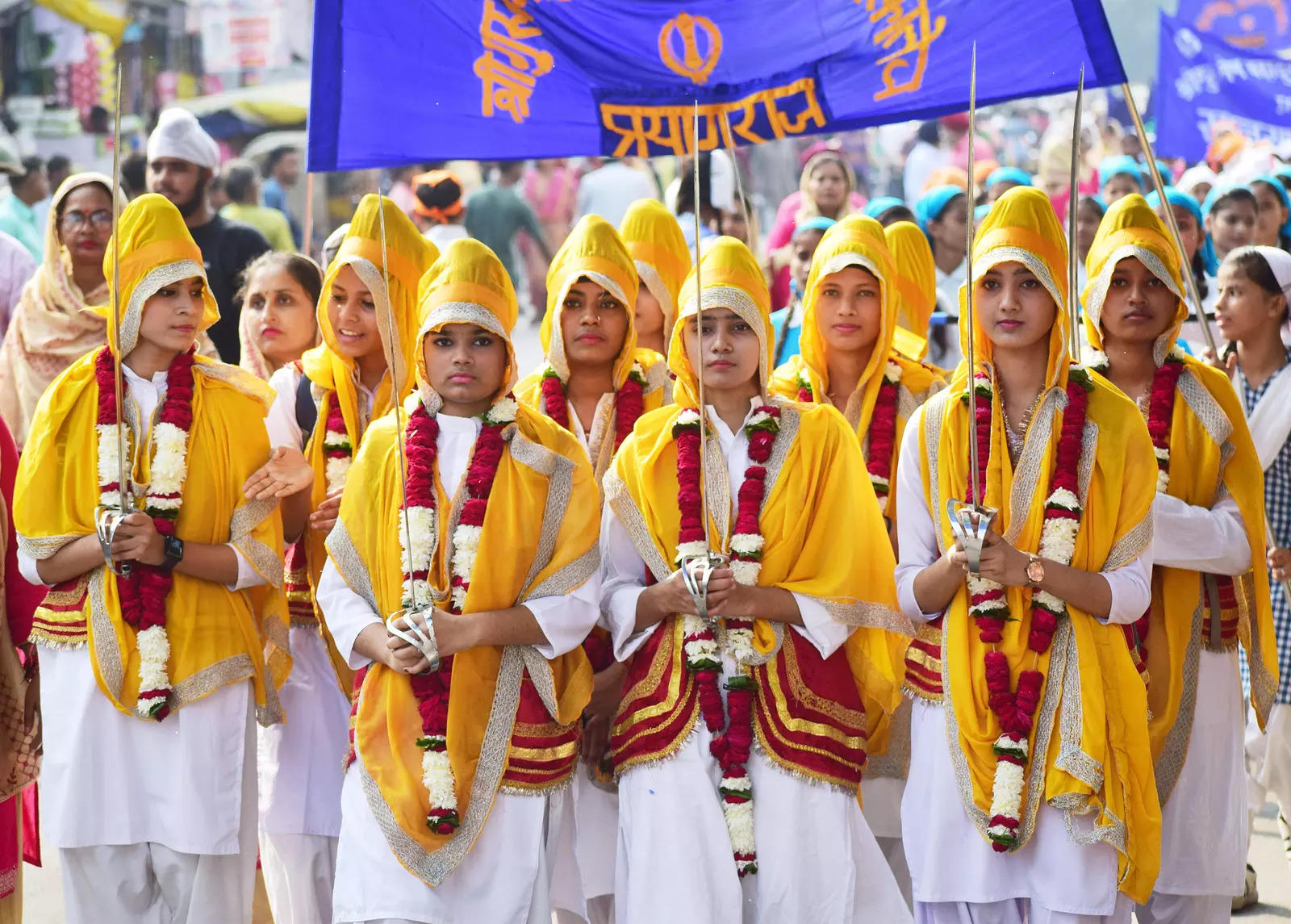
The first recorded celebration of Guru Nanak Jayanti took place in the early 19th century when the Sikh community began to formalise the observance of Gurpurab. Over the years, the celebrations have evolved, incorporating various customs and traditions that reflect the rich cultural heritage of Sikhism. The significance of Guru Nanak Jayanti extends beyond the Sikh community; it serves as a reminder of the universal values of love, tolerance, and equality that Guru Nanak championed. The day is marked by prayers, hymns, community service, and festive gatherings, creating a sense of unity and belonging among people.
Several myths and stories are associated with Guru Nanak Dev Ji, illustrating his wisdom, compassion, and spiritual insights. One of the most famous stories recounts Guru Nanak’s miraculous experience at the river. During his early years, he often meditated by the river. One day, he disappeared for three days, leading his family and friends to believe he had drowned. When he finally returned, he explained that he had been in the presence of God. This event marked the beginning of his spiritual journey and his commitment to spreading the message of oneness. During his travels, Guru Nanak encountered a group of Hindu and Muslim pilgrims arguing over their respective religions. To resolve their dispute, he invited them to a meal, emphasising that the divine is present in all people, regardless of their faith. This story highlights Guru Nanak’s commitment to promoting interfaith dialogue and understanding.
Guru Nanak’s concept of Langar or the community kitchen is rooted in his belief in equality and selfless service. One day, he was invited to a feast by a wealthy man who insisted on serving him lavishly. Instead of accepting the invitation, Guru Nanak chose to feed a group of hungry people instead. This act demonstrated his commitment to serving those in need and reinforced the idea that true wealth lies in sharing with others. Guru Nanak’s teachings often brought him into conflict with the ruling authorities. One notable incident involved his encounter with the Mughal Emperor, Babur. When Babur invaded India, he sought to intimidate Guru Nanak. However, Guru Nanak’s calm demeanor and profound insights left a lasting impression on the emperor, leading to a respectful dialogue. This story illustrates Guru Nanak’s ability to engage with those in power while remaining steadfast in his beliefs.
Guru Nanak’s final journey is marked by his visit to various places, spreading his teachings until his last breath. It is believed that he passed away in Kartarpur, where he had established a community. The story of his passing emphasises the continuity of his teachings and the importance of community in Sikhism.
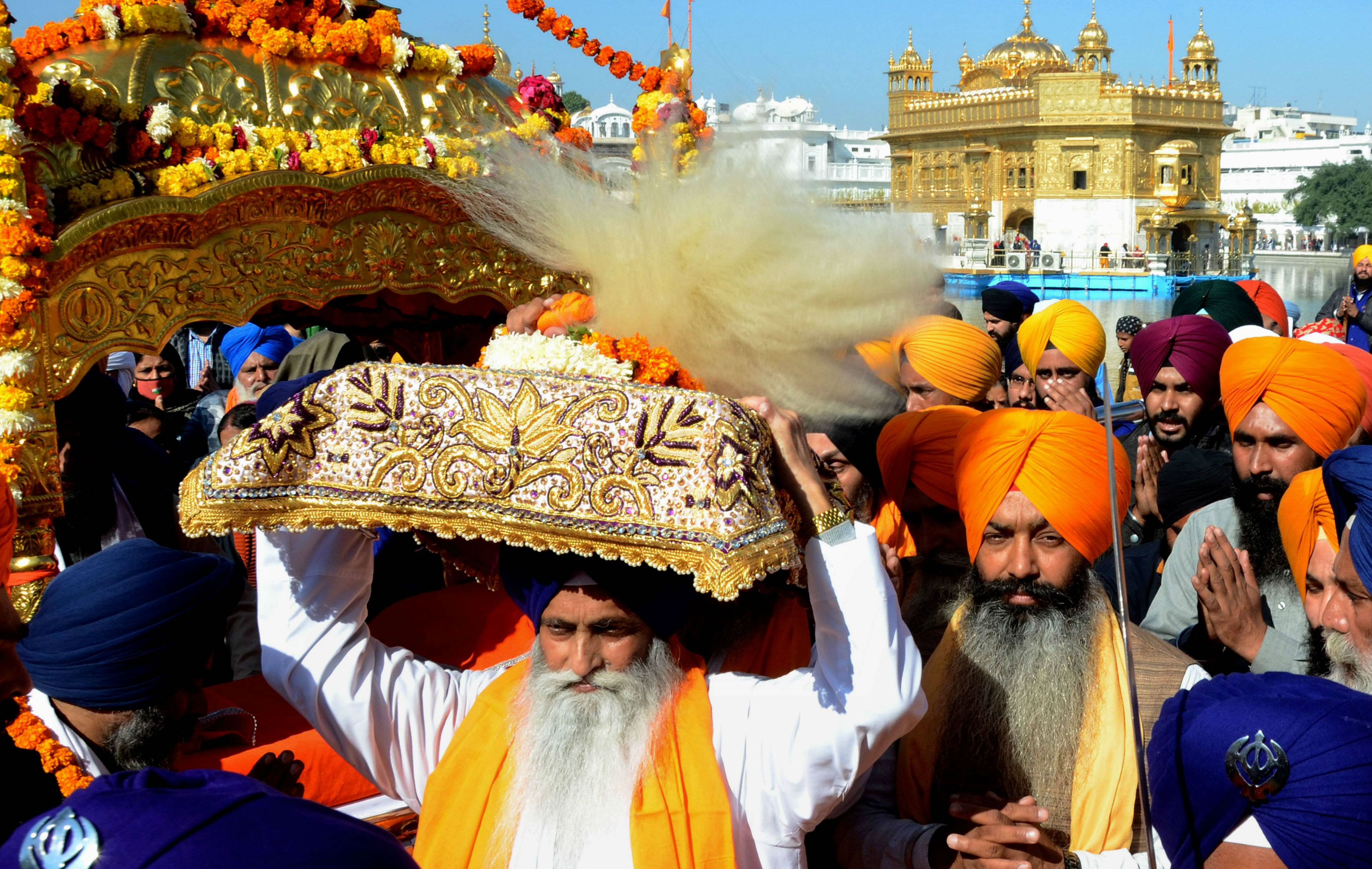
Guru Nanak Jayanti is celebrated with great fervor and devotion across the globe, particularly in India and among the Sikh diaspora. The celebrations typically span several days, culminating in a grand observance on the day of Gurpurab. In the days leading up to Guru Nanak Jayanti, many Gurudwaras, as Sikh temples are called, organise an Akhand Path, a continuous recitation of the Guru Granth Sahib, which lasts for 48 hours. This practice helps devotees immerse themselves in the teachings of Guru Nanak. Gurudwaras are adorned with flowers, lights, and colourful decorations in preparation for the celebrations. The atmosphere is filled with devotion and excitement as the community comes together to honour the Guru. Volunteers play a crucial role in organising events, preparing food for Langar, and ensuring that the celebrations run smoothly. The spirit of selfless service is at the heart of the preparations.
On Guru Nanak Jayanti, the day begins with early morning prayers and hymns or Asa-di-Var sung in Gurudwaras. Devotees gather to participate in the morning prayers, creating a sense of community and devotion. A day before Guru Nanak Jayanti, a Nagar Kirtan procession is held, led by the Panj Pyare or the Five Beloved Ones. The procession features the singing of hymns, the carrying of the Guru Granth Sahib in a palanquin, and the display of traditional martial arts. Participants often dress in traditional attire and carry the Nishan Sahib, the Sikh flag. One of the most significant aspects of the celebrations is the Langar, a community meal served to all attendees, regardless of caste, creed, or background. This practice embodies the principles of equality and selfless service promoted by Guru Nanak.
Throughout the day, devotees participate in Kirtan or devotional singing and recitation of Gurbani which are hymns from the Guru Granth Sahib. These spiritual practices create an atmosphere of devotion and reflection. Many Sikhs engage in community service on Guru Nanak Jayanti, helping those in need and contributing to charitable initiatives. This aligns with Guru Nanak’s teachings of selfless service and compassion. In addition to religious observances, cultural programs and performances may be organised to celebrate Sikh heritage. These may include traditional music, dance, and storytelling that highlight the teachings of Guru Nanak.
Guru Nanak Jayanti is celebrated not only in India but also by Sikh communities around the world. Major cities with significant Sikh populations host grand celebrations that attract thousands of participants. These events often include processions, community meals, and cultural performances that showcase the rich traditions of Sikhism.
Guru Nanak Jayanti is a profound celebration of the life and teachings of Guru Nanak Dev Ji, the founder of Sikhism. This festival serves as a reminder of the values of equality, compassion, and selfless service that Guru Nanak championed throughout his life. As communities come together to honour his legacy, they reinforce the importance of unity and understanding in a diverse world. As one reflects on his wisdom and principles, we are inspired to embody the spirit of service, love, and respect for all humanity.
 Memories and Such