
Janakpur
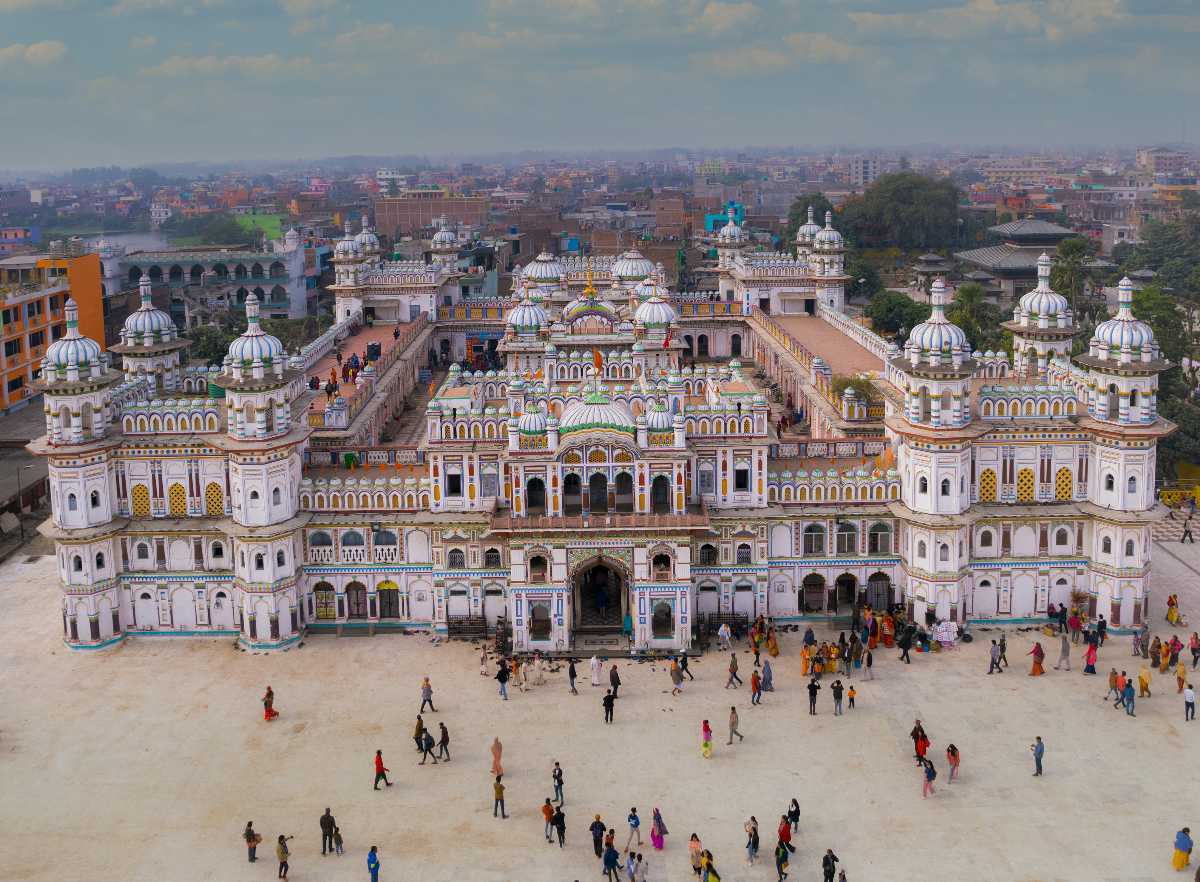
Janakpurdham or Janakpur is the capital city of the Madhesh Province and is the central hub for Maithili language, religion and cultural tourism in Nepal. One of the fastest developing cities of Nepal, Janakpur is the largest sub-metropolitan city in the country and is currently the fourth most densely populated city. Janakpur is located about 23 km away from the Bhitthamore border with India and Nepal Railways operates a train service between Janakpur and Jaynagar in Bihar, India.
The city was founded in the early 18th century but was retrospectively assigned as the location of the capital of the Videha kingdom although there is no archaeological evidence to support this. Janakpurdham, popularly known as Janakpur is named after the late King of Videha in Mithila region – Janaka. The rulers of the Videha kingdom were accorded the title Janaka, meaning father in Sanskrit, and this character is the best-known bearer of the same.
Accounts from ascetics, pandits, and bards indicate that Janakpur was founded in the early 18th century. The earliest description of Janakpur as a pilgrimage site dates to 1805. Earlier archaeological evidence of the presence of an ancient city has not been found and there is a lack of evidence to assign the modern-day city of Janakpur to the ancient capital of the Videha kingdom. Until the 1950s, Janakpur was a cluster of rural hamlets inhabited by farmers, artisans, priests, and clerks who worked for the monasteries that controlled the land. After the Independence Act in India, Janakpur expanded into a commercial centre and became the capital of the Dhanusa District in the 1960s.
Gautama Buddha and Vardhamana Mahavira, the 24th and final Tirthankara of the Jain religion are said to have lived in Janakpur. The region was an important centre for the history of Mithila during the first millennium. Following the Sugauli Treaty in 1816 between the Nepali rulers and the British East India Company, the northern part of ancient Mithila state, including Janakpur, became part of Nepal, while the southern part went into India.
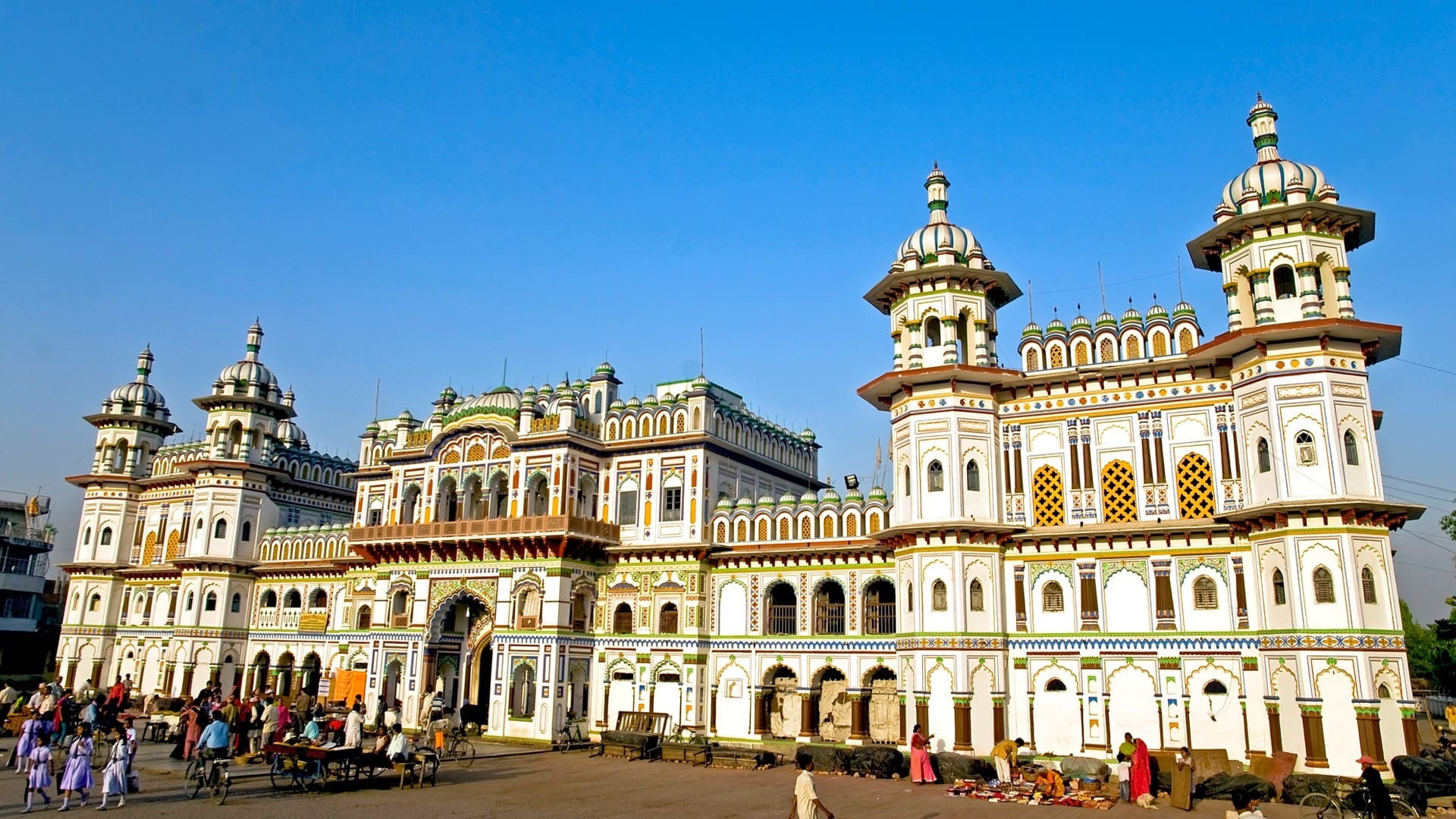
Dedicated to Goddess Sita, Janaki Mandir is the biggest temple in Nepal. It is constructed where Goddess Sita is said to have been born. The attraction is now considered a religiously important monument and a heritage site but is still an active temple for devotees. The Janaki Mandir is an example of the Hindu-Koiri Nepali style of architecture having a stunning white facade. The 3 storied temple is built entirely of stones and marble, while the 60 rooms inside are adorned with Nepali flag, engravings, paintings, beautiful lattice windows and turrets. Devotees predominantly throng the Janaki temple during auspicious occasions and festivals like the Ram Navami, Vivah Panchami, Dashain, Deepavali, and Holi from all around Nepal, Sri Lanka and India to worship the Goddess who is deemed an epitome of courage, purity, selflessness, dedication, loyalty and feminine virtues.
The temple was built by the Queen of Tikamgarh, Queen Vrisha Bhanu in 1910 and called the Nau Lakha Mandir. ‘Nau lakha’ translates into nine lakhs and has been derived from the fact that it took 900,000 Rupees to construct the temple at the time. The shrine is often associated with a well-known poet and saint, Sanyasi Shurkishordas, the founder of Janakpur. Shurkishordas is said to have preached the philosophy from Sita Upashinad most of his life. It is also believed that he found a golden statue of Goddess Sita at the site in 1657 which led to the faith that Sita lived here most of her life until she was married.

As one approaches the temple, one will get a clear view of the building which is in white with domes, pillars and verandas that resemble a palace. The temple is striking, a one-of-a-kind fusion of Hindu, Mughal and Koiri types of architecture made of white marble and occupying an area of over 4800 sq ft. To enter, one has to walk through the central 30-metre-high arched gate on the ground floor. As one proceeds, one will reach a courtyard with the sanctum sanctorum in the centre that houses a grand idol of Goddess Sita. There are a total of 60 chambers or rooms inside the temple complex that are adorned with intricate lattice windows, coloured glass, beautiful paintings and captivating carvings. There are also smaller shrines in the temple complex. These are called sannadhis and have idols of King Janak, Queen Sunaina, Lord Rama, another statue of Sita, Lakshmana, and Urmila.
After exploring the sanctum sanctorum, the sannadhis and the rooms, as one surveys the rest of the complex, one will find a collection of black stones behind the main shrine. These stones are called Saligrams, the sacred black stones that King Janaka used to worship. They are considered to be highly powerful and are mostly found in the houses of devotees who perform all the important rituals without fail. The temple priests allow visitors to offer prayers to these sacred stones and also share their knowledge about the saligrams, the shrine and the legend of Ramayana. The temple is open daily between 5:30 and 11 am and then again between 4 to 8:30 pm.

The Dolakha Bhimsen Mandir or Bhimeshwar Mandir is dedicated to Prince Bhim or Bhimsen. He was the second oldest Pandav brother from the epic, Mahabharata. The roofless temple houses a triangular idol made of rough stone. According to a legend, the idols resemble three different deities at different times of the day – Lord Bhim, Goddess Bhagawati and Lord Shiva.
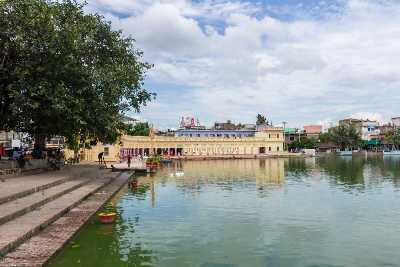
The Ratna Sagar Temple is dedicated to Lord Ram and is his consort Goddess Sita. The tall temple is surrounded by a magnificent garden and a sacred pond called Ratna Sagar. The temple is closed on Sundays and Mondays and is open from 10:30 am to 4 pm on Tuesday to Saturday. Nepalis can enter for free while foreigners need to pay NPR 1000.
Ram Mandir is one of the oldest temples in Janakpur built in the late 1700s by Amar Singh Thapa, a Gorkhali general. The architecture of the temple is the traditional pagoda-style like the other shrines in the region. The modestly quaint temple is flocked by pilgrims during the occasion of Ram Navami and Dashain. The temple is open daily from 6 am to 7 pm.
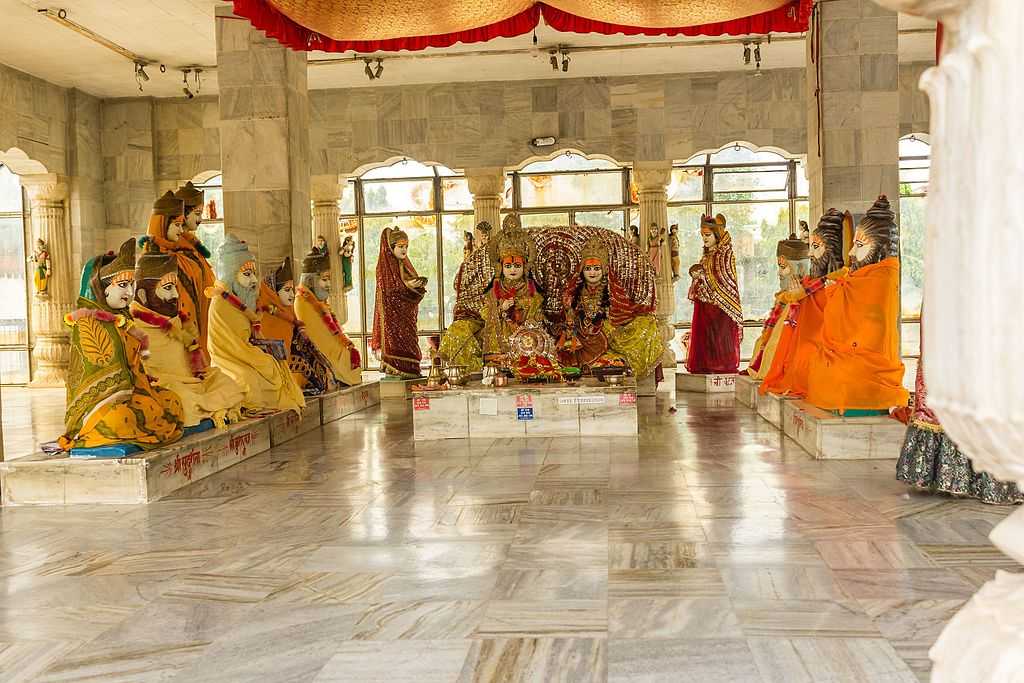
The Ram Sita Vivah Mandap is where Ram and Sita got married. The place is thronged by thousands of pilgrims on Vivah Panchami, usually celebrated on the fifth day of the Shukla Paksha or waxing phase of moon in November/December. The mandap is a gorgeous structure made of marble located in the southwest region of the Janaki Mandir. It resembles a part of a palace with sturdy pillars, elegant arches and stunning domes.
At the centre of the mandap, the legendary wedding ceremony is depicted. One can see idols of the couple, Goddess Sita and Lord Rama, sitting on a raised pedestal in the centre while some sages and their parents are seen seated on parallel pedestals facing each other. The idols are draped in colourful attire. Devotees can offer their prayers and sit in complete silence to soak in the tranquil vibe of the temple. The Mandap is open from 6 am to 7 pm daily.

Located close to Janak Mahal, Ganga Sagar is a huge lake that is considered to be sacred. It is considered to be one of the more important pools in Janakpur along with Dhanush Sagar. Close to the lake is the 70-year-old Ganga Sagar library which is frequented by locals who come here to read the newspapers after a morning spent at the lake.
Dhanush Sagar is a sacred tank located near the famous Ram Mandir. It is also the largest ceremonial tank in the city. Visitors can see several small shrines all around the perimeter and vendors selling flowers and other ritual objects. Taking a bath at the ghat is considered sacred by the devotees.

Rolwaling Valley, between the Everest and Langtang Himalaya ranges, is the toughest and most thrilling trekking trail in Nepal. The valley has an abundance of alpine lakes, hanging glaciers, moraines, high pastures, waterfalls and an imminent view of snowy peaks. Rich in varying flora and fauna, it is home to many endangered and globally threatened animals.

Jaleswar is a small municipality in Nepal named after the holy temple of Jaleshwarnath Mahadev, dedicated to Lord Shiva. The small town borders India with Bihar. During the months of Shravan in July and August, devotees from all over the world flock here to pay their respects to the Lord and his consort, Parvati. Since Jaleshwar revolves only around the Jaleshwarnath Temple, the transport facilities within the temple are quite functional and comprehensive.
Biratnagar
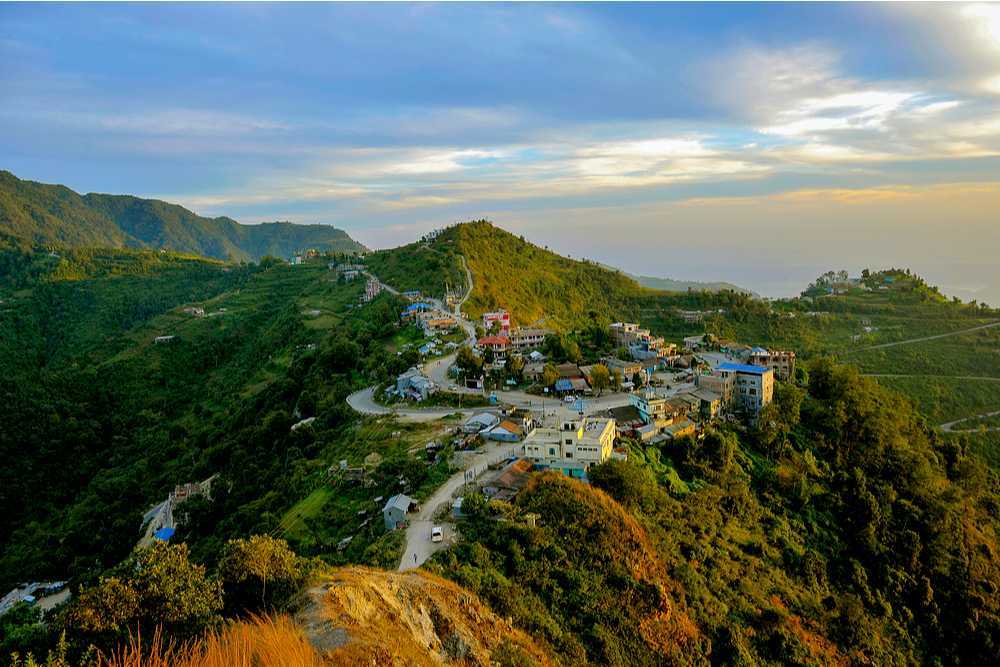
The economic centre of eastern Nepal, Biratnagar serves as the capital of the Koshi Province. With a Metropolitan Urban Agglomeration population of 244,750 as per the 2021 census, it is the largest city and fastest-growing city in the province and also the headquarters of the Morang district. It is located 399 km east of Kathmandu, and 6 km north of the bordering town of Jogbani in the Indian state of Bihar which is very well connected through Rani Path or the old highway and Koshi Path or the new highway. It is one of the major entry points into Nepal for businessmen and tourists visiting Nepal. The city is home to various large and medium-scale industries. Modern-day Biratnagar serves as an entry point to eastern Nepal as well as north-eastern India. It is the second Nepali city, after Janakpur, to have a connection with the Indian Railways and the only city other than Birgunj to operate an integrated check post (ICP) on the Indian border.
In 1914, Colonel Jit Bahadur Khatri, the then-district governor, laid the foundations of modern Biratnagar. The recorded history of Biratnagar dates back to the beginning of the 7th century when King Mung Mawrong Hang came to prominence in the terai lands of Limbuwan (present-day Sunsari, Morang, and Jhapa areas). He cleared much of the forest area in present-day Rangeli, east of Biratnagar, and built a town there. He named his Kingdom Morang after his name and rose to power. The old name of Biratnagar was Gograha Bazaar. The ruins of temples, palaces, and ponds are scattered in a vast area to the south of the current city, in Vedhyari, and Buddhanagar.
The town was named Biratnagar in 1919 by Keshar Shamsher Rana after the ruins of a palace, thought to be of King Virat. The kingdom of Virata mentioned in Mahabharata is however believed to be Viratnagar, located in present-day Rajasthan. King Virata was the king of the Matsya Kingdom, in whose court the Pandavas spent a year in concealment during their exile.
In Nepali, Birat refers to King Virata of the Matsya Kingdom and Nagar means a city. On 4 March 1947, the first anti-Rana movement in Nepal started in Biratnagar at the Biratnagar jute mills under the leadership of Girija Prasad Koirala and B. P. Koirala. This sparked a countrywide anti-Rana demonstration that eventually led to the abolishment of Rana rule in Nepal.

Baraha Chhetra is one of the most famous pilgrimage sites in Nepal. According to history, an evil demon known as Hiranyakashyapu was killed by Lord Vishnu here and that’s why this place is dedicated to Lord Vishnu. It is believed that the statues in this temple have been existing since the 5th century. There is also a stone in front of the temple that is said to predict whether you are sinful or not and people strongly believe in the sayings of the stone.
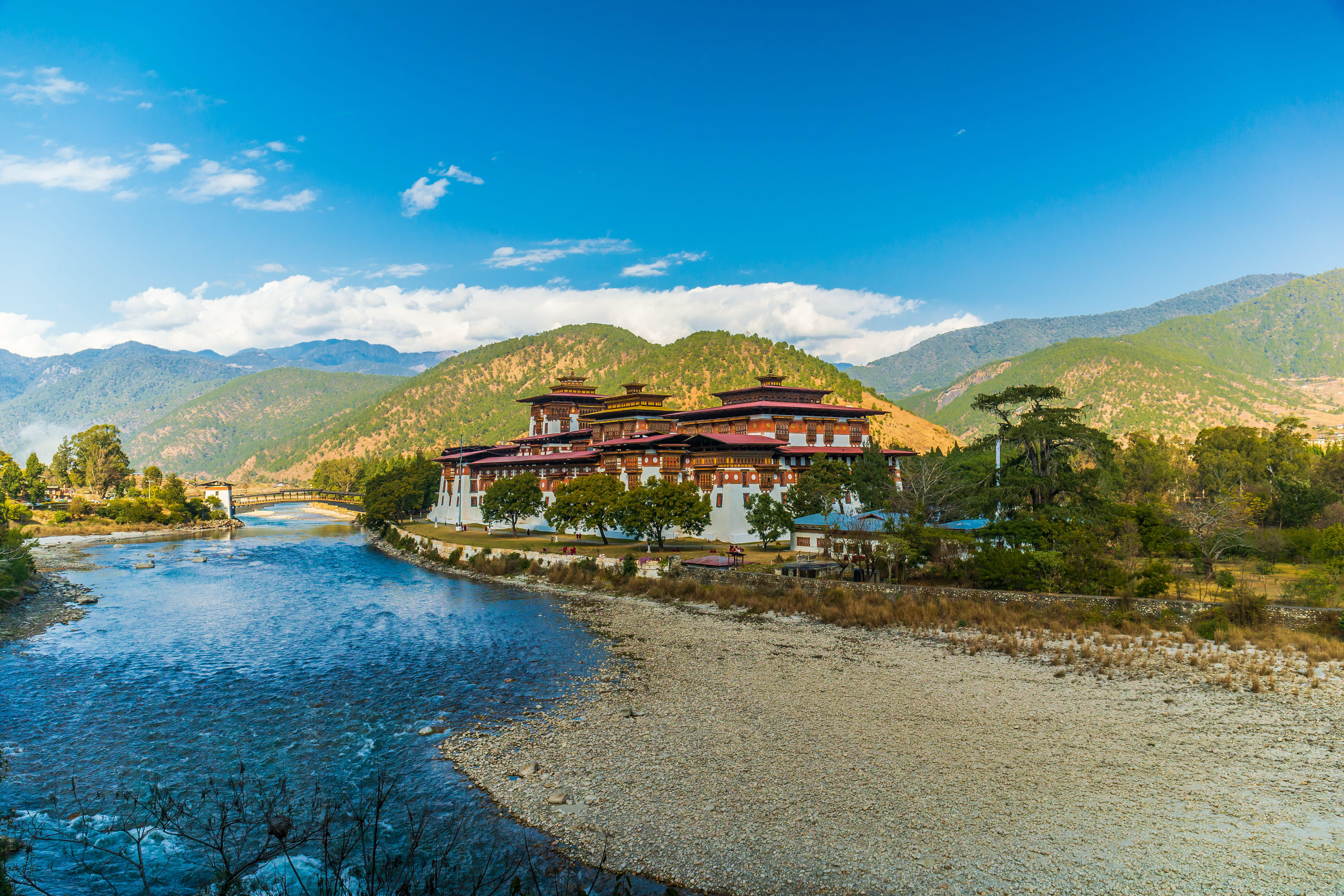
Dhankuta is known as the cleanest place in Nepal. If one is thinking about shopping in Nepal for reasonable prices, then Dhankuta is where they have to go. The forests of Tinjure, Milke and Jaljale are said to be one of the calmest and beautiful places on earth. The peaks of these forests offer stunning views of Mount Kanchenjunga, Mount Makalu and Mount Everest. The trails are completely covered with colourful flowers and more than 30 spices of Rhododendron are grown here. Lucky visitors can spot some rare birds such as the Daafe and the Serpent Eagle.
Started in 1936, the Jute Mills in Biratnagar is said to be the oldest in the country. It was noted to be the first registered company in Nepal. Biratnagar Jute Mills are considered to be one of the most important industries in the country as it was established after the orders of Juddha Shamsher, who was the Prime Minister of Nepal at that time.
Ilam is a beautiful hill station offering stunning views of the hills, complete with fog and mists. It is completely covered with tea plantations which make the tea in Ilam popular and delicious. Located 3636 m above sea level, Ilam is sometimes called Charkhol which means the area of four rivers: Jogmai, Puwamai, Mai, and Deaumai.
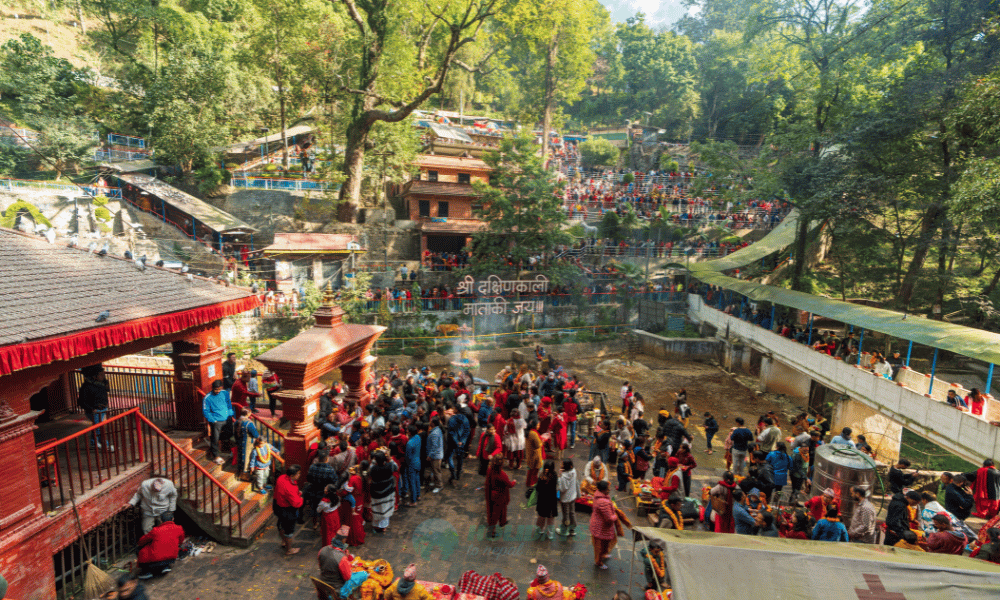
The Dakshin Kali Temple is dedicated to Goddess Kali, another incarnation of Goddess Parvati but always thirsty for blood. At the temple, known as the blood-soaked temple, devotees worship the goddess through animal sacrifices.
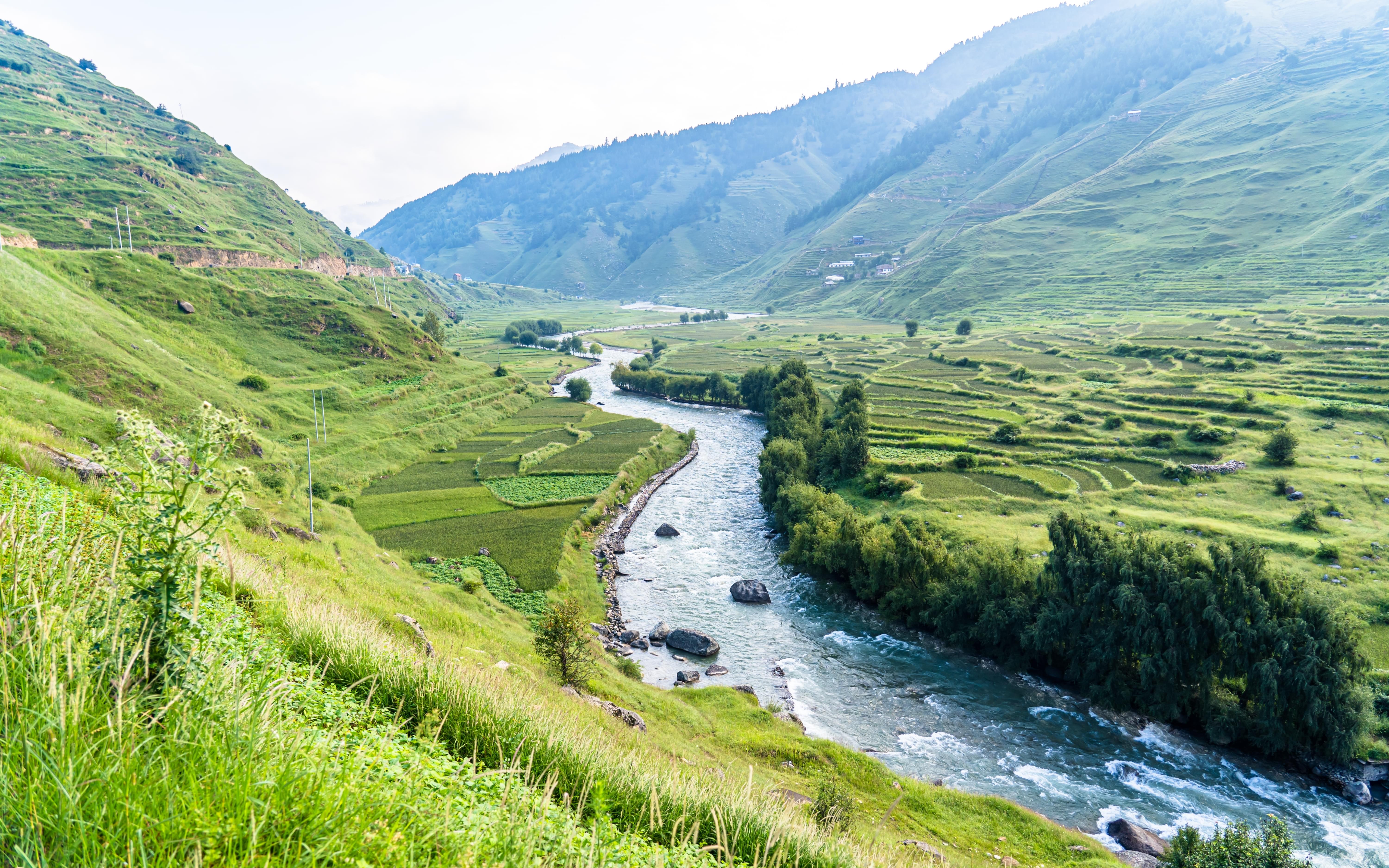
Located on the Northern slopes of the Himalayas and Southern slopes of Nepal, the Koshi River is considered to be holy and is worshipped. People believe that bathing in the Koshi River will clear their sins and allow them to go to heaven. The Koshi River is also a source of food for people living nearby as many species of fish and water animals can be found in this river.
Itahari
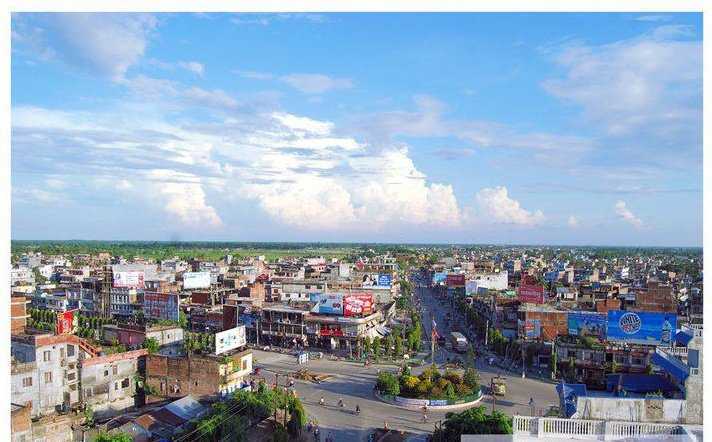
A sub-metropolitan city with seven municipalities, Itahari has recently evolved into a bustling transportation junction in eastern Nepal. The two main branches of the Nepal highway: the Mahendra Highway that runs from east to west and the Koshi Highway from north to south cross each other at Itahari, making the city a traffic nerve centre of Nepalese transportation. Established in 1997, Itahari was declared a metro city in 2014. Situated 25 km north of Biratnagar, Itahari is a junction point of the east-west Mahendra Highway and the north–south Koshi Highway.
Only a quarter of an hour’s drive away is one of Itahari’s major attraction sites – Taal Talaiya, meaning wetland in the local dialect. It is a charming ecological park, with lush greenery and crisscrossing roadways in between. The new art installations from an international sculpture art workshop in 2016 have left behind some masterpieces. There are around 55 such contemporary sculptures with one particularly haunting sculpture called the ‘Stone of Heart’ by an Israeli artist.
Ocean Park is a lovely and cheerful attraction for those who love the water, real or artificial. The place has an international-sized swimming pool for experts and veterans. Several other smaller pools, aided with fun and exciting features like a waterfall, fountains, water slides add to the allure of the attraction. Ocean Park plays Hindi, and English and occasionally Nepali music and it is a great place to let off some steam with your band of friends and enjoy a day out.
.jpg)
Budhikhola Ghat is a calm and quiet place, only a few minutes walk from the city centre. The Ghat or the water bank is where the Budhikhola Bridge connects Sunsari and Morang on two sides of the narrow muddy stream. There is not much water in the stream unless one goes during monsoons. The ghat is cemented with staircases and benches. There is a giant statue of Lord Shiva, along with some other idols.
Birgunj
Located close to Nepal’s border with India, Birgunj is a major point of entry for the Indian goods trade as well as goods coming in from Kolkata. Located in the Terai region, Birgunj is the second-largest city after Biratnagar and the sixth-most populated metropolis in Nepal. It lies about 135 km south of Kathmandu and a popular stopover for people undertaking treks in Nepal such as the Annapurna Base Camp and the surrounding mountains. Birgunj was established as a conglomerate of several villages in and around Gahawa Mai Temple which remains the epicentre of the town. The settlement was named after Nepal’s Prime Minister Rana Bir Shamsher, thus acquiring the name Birgunj. The ancient name of Birgunj was Gahawa but the 11th Rana Prime Minister of Nepal Bir Shamsher Jang Bahadur Rana changed it to Birgunj in 1897.

The Shri Gawaha Mai Temple shares a bit of history with Birgunj. Earlier, Birgunj was known as Gawaha in honour of the Shri Gawaha Mai Temple. Locals often visit this temple for good luck before opening their business. During the Chhath festival, Ghadiarwa Pokhari, a pretty pond surrounded by a garden, is visited by numerous people from different parts of the country. The Vishwa Buddha Vihar, located on the outskirts of the city is a local favourite. The vihar is shaped like a stupa and has engravings of the Buddha facing the cardinal directions. Vishwa is derived from the word vicchu-wa, which translates as a resting place for Bikshus or Buddhist monks and means a resting place. In ancient times, pilgrims stopped at Birgunj during their journey between Lumbini and Bodh Gaya in India. The Parsa National Park, located about 33 km from the city is known for its Royal Bengal tigers, Asian elephants, One-horned rhinoceros, common leopards, and various species of mammals, birds and reptiles. The city is popular for the Bindaswini Temple and its proximity to Arsa Wildlife Reserve & Chitwan National Park.
 Memories and Such