

Social media runs our lives more than we admit. It feels like the place to be if you want to know what’s happening with people. But the truth is that what we see there isn’t the whole story. It’s not real life. It’s the highlights, the best parts, carefully chosen and polished. That’s why it feels so dangerous. It tricks us into thinking everyone else is living better, happier, more exciting lives than we are.
We scroll through pictures of vacations, smiling couples, perfect homes, and celebrations. But we don’t see bills, fights, loneliness, or self-doubt. And because we don’t see those things, it’s easy to believe they don’t exist. That gap between what’s shown and what’s real is what makes social media such a mind game.
The Nature of the Highlight Reel
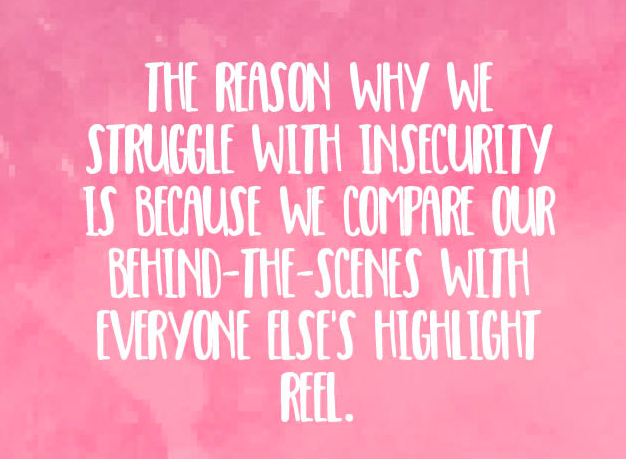
Think of a highlight reel in sports. A player’s best shots, biggest goals, or buzzer-beating scores. You don’t watch the missed shots, the mistakes, or the hours of practice. Social media works the same way. People show the most polished version of themselves. The good moments, not the daily grind.
Someone might post a picture of a romantic dinner, but not the argument that happened last week. A clip of their baby laughing, but not the sleepless nights or moments of frustration. The family holiday snaps, but not the stress of travelling.
This doesn’t mean people are lying. Most are just choosing what to share. But the result is the same. The feed looks like nonstop joy, success, beauty, and fun. The boring and painful moments are invisible. And because we see highlight after highlight, it shapes what we expect from life.
Comparison Is Unavoidable
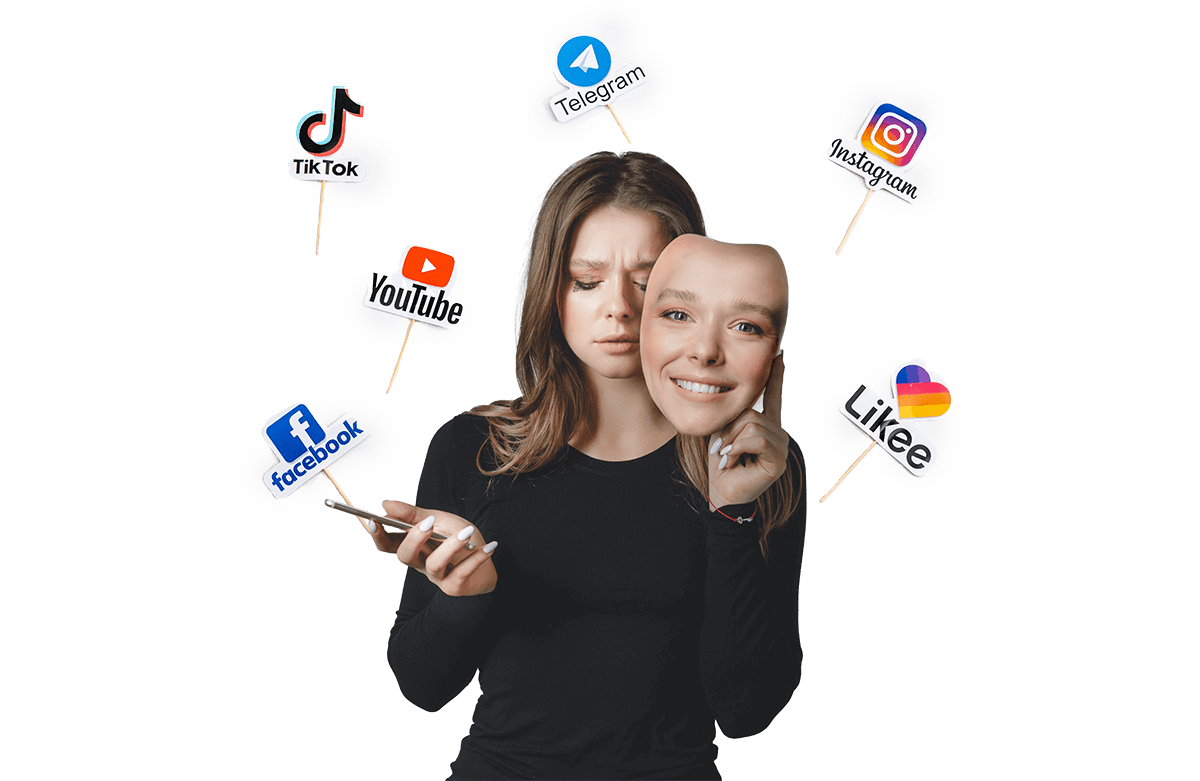
The biggest problem is that we can’t stop comparing. Even if we know in our heads that social media is curated, our feelings react differently. You see an old friend buying a house, and suddenly your apartment feels small. You see someone running marathons, and your walks around the block feel pathetic. The more you scroll, the more you feel like you’re behind.
We compare without meaning to. It just happens. And unlike TV or movies, which feel far away, social media feels personal. These are our friends, classmates, and coworkers. People our age, from our town, with the same opportunities. So their “highlight reel” feels like a challenge to our reality.

The Pressure to Perform
Seeing other people’s highlights doesn’t just make us compare; it also makes us want to perform. We start to think about our own posts as if they were a product. We edit photos, tweak captions, and pick the best angles. We want to look like we’re winning, too.
You might spend an hour editing a picture that captures a two-minute moment. Or post a smiling selfie even when you felt anxious that day. This isn’t always conscious. Sometimes it’s just a habit. We want others to think our lives are good, so we highlight the good parts. In that way, everyone is performing.
But performance comes with pressure. If you show only wins, you feel like you can’t show losses. If you always smile in photos, you feel like you can’t admit sadness. Slowly, your online self becomes a version of you that’s hard to live up to in real life.

Missing the Full Picture
When we only see highlights, we miss the messy reality. And in that gap, truth gets distorted.
Think about friendships. You might see your friend posting pictures of parties every weekend. You wonder why you weren’t invited. You think you’re left out. But maybe it was a cousin’s birthday or an office thing where they don’t actually know most people. You’re missing context.
Or careers. A coworker posts about getting promoted, but they don’t share the months of struggles or mistakes that came first. You just see the win, not the grind.
Even self-image suffers. People use filters and angles that make them look different from in person. When that’s all we see, it changes our idea of what’s normal or beautiful.
The biggest problem is forgetting that we’re not seeing the full movie, just the trailers.
Mental Health Struggles
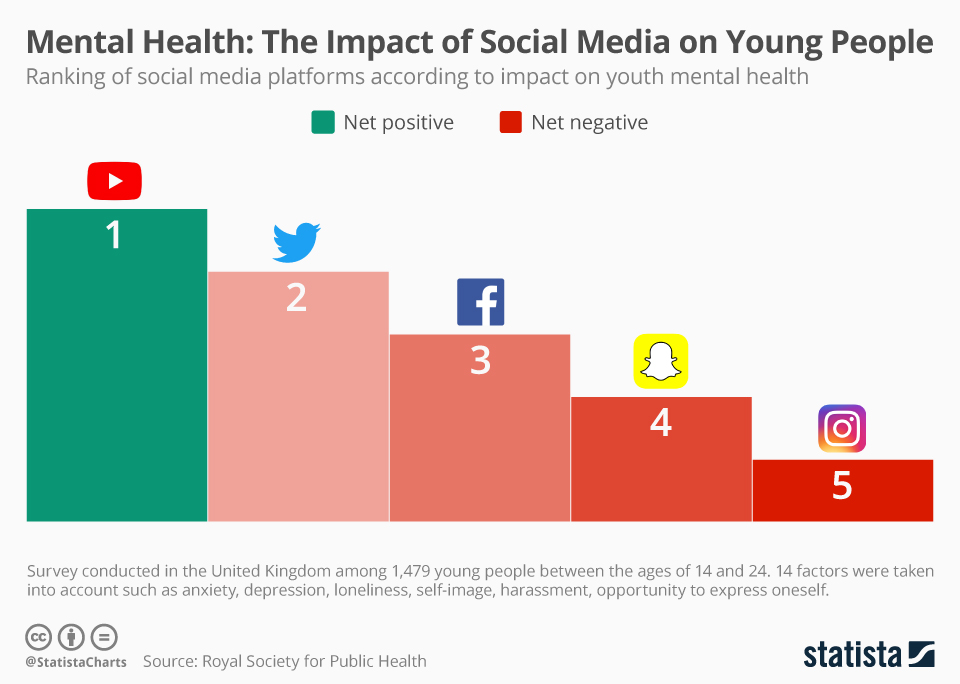
Scrolling through highlight reels has real mental health effects. Many people report feeling more anxious, more insecure, and lonelier after time on social media. Seeing other people’s joy can make our own problems feel bigger.
You might feel like everyone else is happier, more successful, or more loved. And when life feels hard, that contrast can be painful. Even if you know logically the truth is different, the feelings sink in. Your brain doesn’t shake it off so easily.
There’s also the addiction cycle. Likes, comments, and shares give little hits of dopamine. They feel good for a moment. So we keep posting. We keep checking. But the high fades quickly, leaving us wanting more. Meanwhile, when a post doesn’t get much engagement, it feels like rejection, even though it doesn’t really mean anything.
All of this makes social media feel both irresistible and draining.

Why We Keep Falling for It
So why do we keep buying into the highlight reel, even when we know it’s not real? The answer is simple: humans have always wanted to be seen in the best light.
Think back before Instagram. People have always shown their best selves. Dressing nicely for family portraits. Bragging to relatives about new jobs. Showing off clean living rooms when guests came over. Social media just amplifies that tendency.
It also plays on our natural curiosity. We want to know what’s going on with people we know. And once we open the door, we can’t help but judge, compare, and react. The problem isn’t new. Social media just puts it in our pocket 24/7.
Escaping the Illusion
The hard truth is you can’t control how other people post. You can only control how you respond. Here are a few ways to fight back against the illusion of the highlight reel:
- Remind yourself it’s not the whole story. Every post is a moment, not a full picture. Nobody’s life is perfect.
- Take breaks. Stepping away helps reset your mind. Even a short break can relieve the pressure.
- Set limits. Don’t scroll endlessly. Give yourself cut-off times.
- Unfollow or mute. If certain people’s posts always bring you down, take control of your feed.
- Focus on reality. Spend time with friends face-to-face. Notice the good in your own daily life, not just the online version.
- Be honest when you post. Share things that feel real, not just staged. It takes courage, but it can also feel freeing.

When Social Media Helps
It’s not all bad. Social media can connect people, spread awareness, and give support. It can be fun to see others’ moments, so long as you remember what they are: highlights, not daily reality.
It can help share ideas, art, and projects. It can also give people with small voices platforms they never had before. The issue isn’t the tool itself; it’s how we use it, and how we let it affect us.

Choosing Real Life First
At the end of the day, social media is a tool. It doesn’t have to define how you see yourself. The highlight reel is fine as long as you remember it’s edited. Real life is happening off-screen, in conversations, in messy days, in struggles, and in small victories nobody posts about.
Your own life, with its ups and downs, is worth more than any curated feed. The challenge is to believe that when scrolling tempts you to think otherwise.
Social media will keep showing highlights. That won’t change. What can change is how you see them. Don’t measure your behind-the-scenes against someone else’s best moments.
The highlight reel isn’t the truth. It’s just the surface. Look beyond it. Choose to live in the real story, not the filtered one.
 Memories and Such