Social media usually begins with a very small promise.
“I’ll just check for a minute.”
A minute sounds harmless. Yet anyone who has opened a social media app knows how elastic that minute can become. You open a platform to reply to a message or check an update. A video appears. Then another. Then another. Before long, half an hour has slipped past without much awareness of where it went.
Social media has become so woven into daily life that it no longer feels like technology. It feels like background infrastructure. It sits beside our morning coffee, accompanies us on train rides, and often becomes the last thing we see before sleep.
You can see this most clearly in public spaces. A train carriage full of people travelling together, yet each person is looking down at a small glowing screen. Occasionally, someone smiles at something on their phone or frowns at a comment, reacting to a world invisible to everyone else in the carriage. The physical journey continues, but everyone is briefly somewhere else.
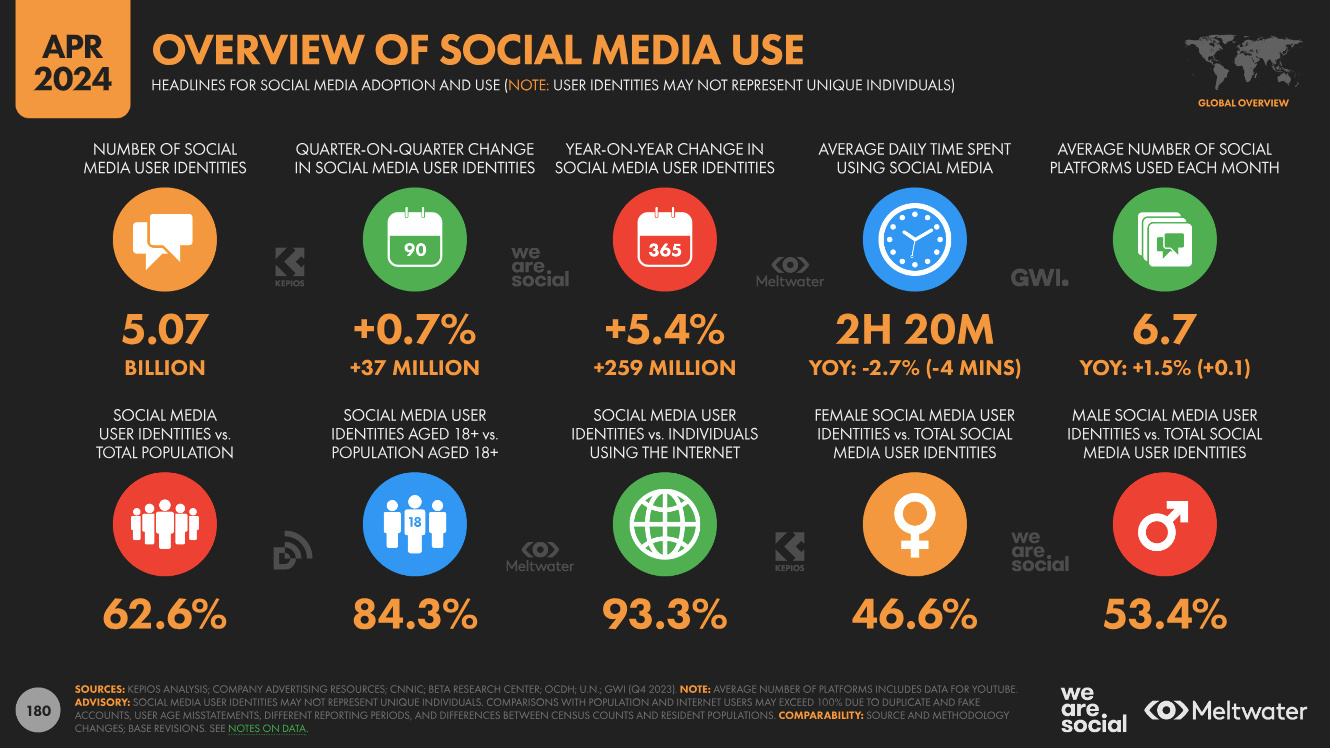
For some people, spending twelve to fifteen hours across different platforms is not an exaggeration but a typical day. Teenagers, working adults, parents at home, retirees; the pattern cuts across age and occupation.
So the question arises again and again. Is social media a yaay or a nay?
The answer rarely sits comfortably on either side. Social media can feel beneficial and exhausting within the same afternoon. It can expand our view of the world while quietly shrinking our attention. It can connect people across continents and yet leave individuals feeling oddly dissatisfied. Perhaps the real question is not whether social media itself is good or bad. The more interesting question is what it does to the habits of our minds and the rhythm of our days. Because the cost of social media is rarely measured in hours alone. It is measured in patterns.
Social media is not one thing
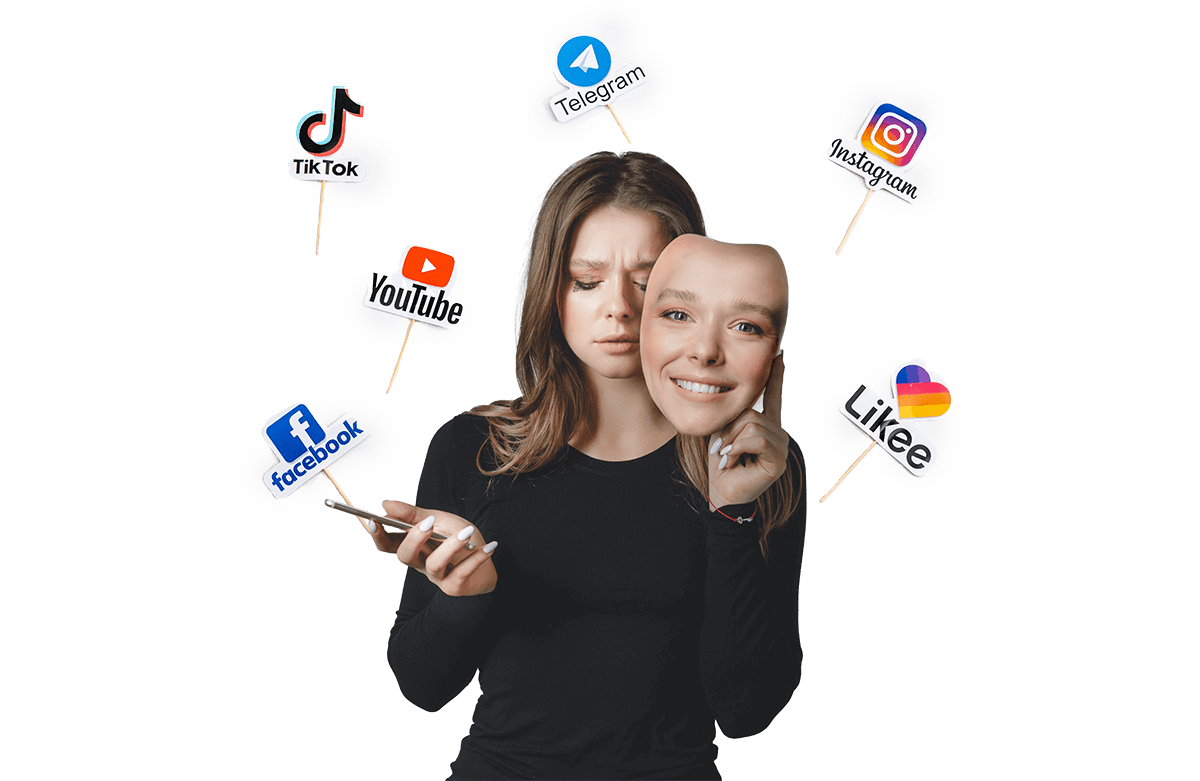
Discussions about social media often become unproductive because people treat it as a single entity. In reality, it performs several different roles at the same time. First, it is a communication tool. It allows people to exchange messages instantly, share photographs, and maintain contact with friends and family who live thousands of kilometres away. Second, it is an attention marketplace. Most platforms are free to use because attention itself has become the product. The longer users remain on the platform, the more advertisements they see and the more data is generated about their interests. Third, it functions as a mirror. Reactions in the form of likes, views, comments, and shares subtly shape how people present themselves and how they interpret their own lives.
When people argue that social media is simply a neutral tool, they usually focus only on the first role. That interpretation feels reassuring because it suggests that everything depends on personal discipline. But the marketplace and the mirror complicate matters. Markets are designed to hold attention, and mirrors inevitably change how we stand in front of them.
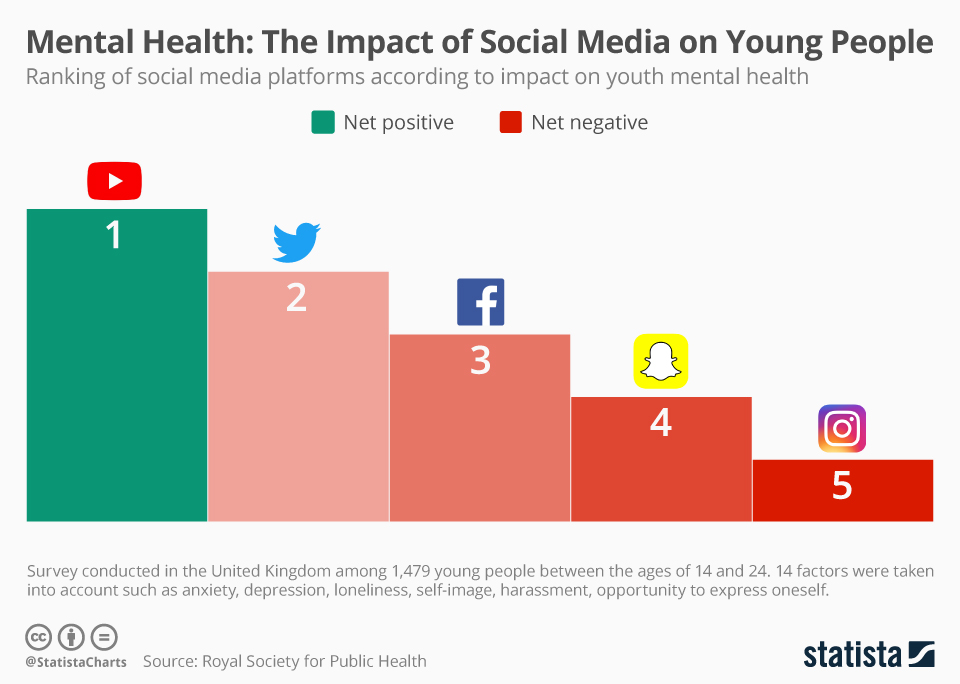
This is why two individuals can use the same platform and come away with completely different experiences. One person may discover new ideas, creative inspiration, and meaningful communities. Another may feel distracted, dissatisfied, and strangely tired. The platform remains the same. The internal experience does not.
Which raises a more interesting question: if the platform itself has not changed, why do some people leave it feeling energised while others leave it feeling strangely depleted?

The genuine “yaay”
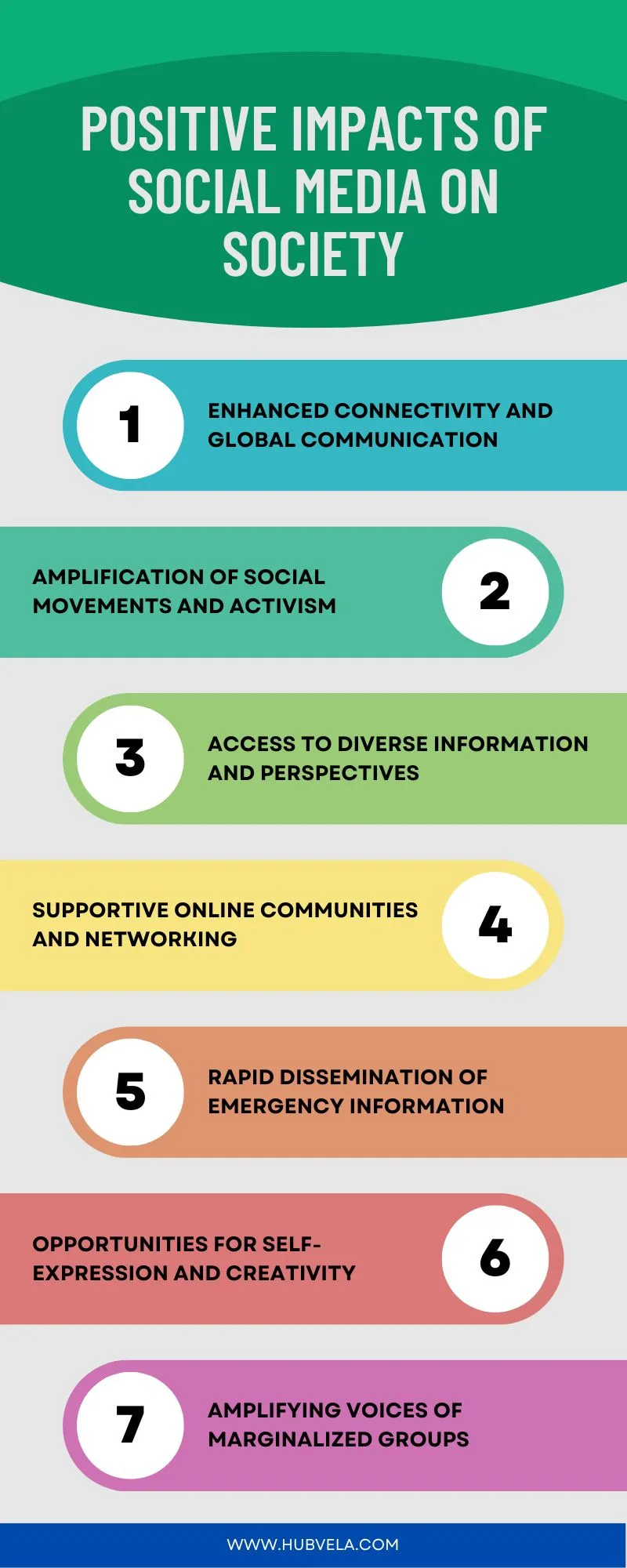
Before criticising social media, it is worth recognising what it has genuinely improved. One clear benefit is connection. Families and friendships today often stretch across different countries and time zones. Social media allows daily life to travel across those distances. A photograph of a meal, a short video from a celebration, a quick update about work or school. Individually, these moments seem small, yet together they keep relationships alive.
Another benefit is access to knowledge. Cooking tutorials, photography tips, language lessons, book discussions, and professional advice. While the internet certainly contains unreliable information, it has also created unprecedented access to learning. There is also the possibility of creative expression. In previous decades, many people needed publishers, editors, or institutions to share their work. Today, an individual can write, photograph, film, design, or teach directly online.
Perhaps most interesting of all is the ability to see lives different from our own. Social media exposes people to cultures, experiences, professions, and perspectives that might otherwise remain invisible. A single feed can contain a scientist explaining a concept, a chef demonstrating a recipe, a traveller documenting a city, an artist sharing a sketch, and an ordinary individual reflecting on daily life. At its best, social media expands the visible world. Yet benefits alone rarely tell the full story of any technology.

The tension behind the screen
The difficulty appears when we examine how social media platforms are designed. These platforms are not simply neutral meeting spaces. They are businesses built around engagement. Their success depends on keeping users active for as long as possible. Features such as endless scrolling, autoplay videos, personalised recommendations, and notifications are not accidental. They exist because they are effective at holding attention. This creates a subtle tension between the user and the platform.
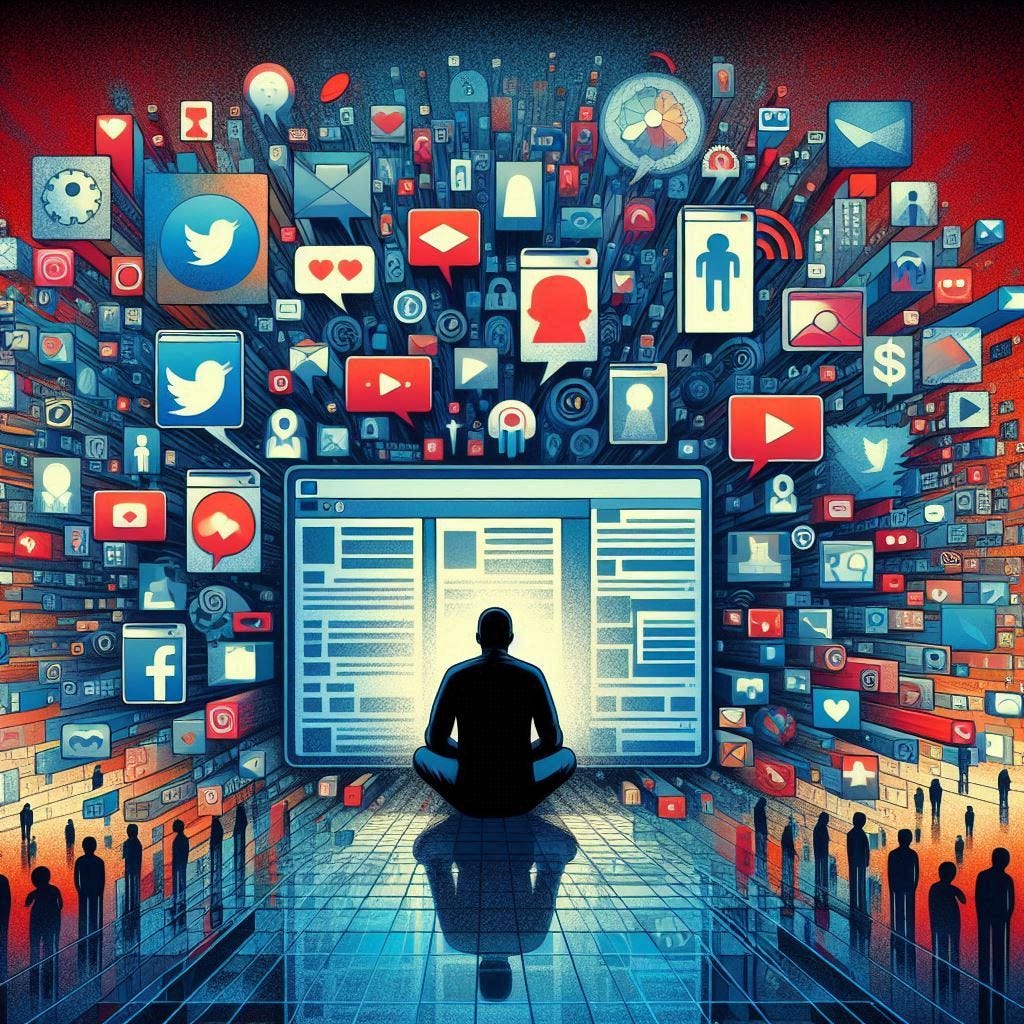
You may open an app to relax for a few minutes. The platform, however, is designed to keep you slightly stimulated. Calm users tend to close the app. Stimulated users tend to continue scrolling. Over time, this produces a particular mental rhythm. One emotional reaction quickly replaces another. Amusement becomes irritation. Curiosity becomes outrage. Inspiration becomes comparison. Nothing lasts very long, yet the stream never stops. The strange result is that a person may spend hours on social media and still feel as if nothing meaningful happened during that time.
Attention: the quiet currency of modern life
For most of human history, attention was shaped largely by the physical world. A person’s focus moved between work, conversation, reading, rest, and observation of the environment around them. These rhythms were imperfect but relatively stable. The digital age changed that balance. Today, attention has become something that companies actively compete for.
In economic terms, attention is now a form of currency. Every notification, recommendation, autoplay video, or suggested post is part of a larger system designed to keep that currency circulating within the platform. The longer attention remains there, the more valuable it becomes. This does not necessarily mean the system is malicious. It simply means it is designed with a particular objective.
The difficulty arises because human attention is limited. When it becomes scattered across hundreds of small fragments throughout the day, the mind rarely has the opportunity to settle into deeper forms of thought.
A long conversation.
A challenging book.
A quiet walk without interruption.
In earlier generations, people worried about how they spent their money. Today it may be just as important to notice how we spend our attention. And wherever attention settles, life slowly follows.

Does social media affect the brain?
The possibility that social media might influence the brain is frequently debated. Some claim that it permanently damages attention. Others dismiss such concerns completely.
The truth sits somewhere in between.
Researchers studying heavy social media use have observed links with differences in brain systems related to reward and impulse control. These systems influence how people respond to immediate gratification and how easily attention shifts between tasks.
However, scientists remain cautious about claiming direct cause and effect. It is difficult to determine whether social media creates these patterns or whether individuals with certain tendencies are more likely to use platforms heavily.
What is clearer are the everyday consequences. Late-night scrolling often reduces sleep. Frequent notifications interrupt concentration. Emotional content can create rapid shifts in mood. The more realistic concern is not permanent damage but habit formation.
The brain becomes efficient at whatever it practises. When people spend long periods moving rapidly between short pieces of content, slower activities such as reading or reflective thinking can begin to feel unusually demanding. Fortunately, habits can change. When interruptions decrease, and attention is given longer stretches of focus, the mind gradually readjusts.
The quiet costs people often overlook
The effects of social media rarely appear dramatically. Instead, they accumulate quietly. Sleep tends to suffer first. A few extra minutes of scrolling before bed gradually become an hour. Fatigue follows the next day. Attention becomes fragmented. When phones are checked repeatedly, the mind learns to expect interruption even during quiet moments.
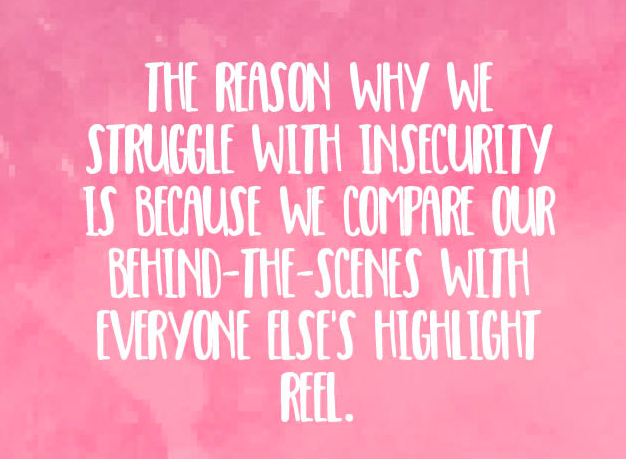
Comparison increases subtly. Social media displays carefully selected highlights from other people’s lives. Repeated exposure to these moments can create unrealistic expectations of everyday life. Relaxation becomes confused with distraction. Many people believe scrolling helps them unwind, yet it often leaves them mentally restless rather than calm.
At this point, it may be worth asking a small question. “When was the last time you closed a social media app and felt quietly satisfied rather than slightly restless?”

Returning to choice
Completely abandoning social media is one possible response, but for most people, it is unrealistic. These platforms are now woven into work, communication, and culture. A more practical response is to treat social media as a relationship that requires boundaries.
One helpful step is distinguishing active use from passive use. Active use involves sending messages, sharing ideas, or intentionally seeking information. Passive use involves scrolling without a clear purpose. Reducing unnecessary notifications also helps restore control. When the phone stops constantly interrupting attention, the mind regains longer stretches of focus. Some people also choose to keep parts of their lives deliberately offline. Not every experience needs to be shared. Private moments often carry a different kind of meaning. The question is no longer whether social media exists in our lives, but whether we remain awake to how it shapes them.
So, yaay or nay?
Perhaps the question should not be answered once but revisited regularly. When social media helps us stay close to people we care about, it deserves a quiet yaay. When it introduces new ideas, perspectives, and creativity, another yaay. But when it replaces sleep, fragments attention, or leaves us feeling strangely dissatisfied after hours of scrolling, that may be the moment for a gentle nay.
Technology rarely arrives as purely helpful or purely harmful. More often it becomes what our habits allow it to become. Which brings us back to that small moment. You pick up your phone to check something quickly. A message, perhaps. A notification. This time you pause before the second swipe. Not because social media is entirely good or entirely bad, but because you have remembered something easy to forget.
Your attention is valuable. And how you spend it quietly becomes the shape of your life.