

Starting university, landing your first internship, or prepping for an entry-level job will make you think a lot about interviews. Yes, you need to prepare your answers, dress appropriately, and arrive on time. But what happens when you’re in the room and something feels off? If adulting is about making smarter moves, spotting trouble before it starts is critical.
What are interview red flags? Interview red flags are warning signs that something’s wrong with the job, the manager, or the company itself. Think of these as early signals: tiny clues that can mean disappointment, a toxic boss, or bad work culture down the line. Red flags can show up even before you sit down; sometimes, they’re hidden in how people treat you or what they say about the job or company. The biggest problem? Most people see something odd but ignore it, hoping things will improve. That’s risky.

The usual suspects: Common red flags
The list seems endless, but some warning signs recur frequently. Here’s what to look out for:
- First, watch for disorganised scheduling. Did the interview get moved three times? Did you wait ages in reception with no explanation? Did no one send a calendar invite or confirm the meeting time? If an employer can’t manage the basics, things may be even messier once you’re hired. A company that’s serious about filling a role treats you with respect and keeps its process clear.
- Second, check for questionable communication. Did the interviewer turn up late or seem to have no clue who you were? Did people dodge questions or give vague answers? When folks avoid discussing roles, work hours, or pay, that’s a red flag. If they’re hiding stuff now, it could be worse later.
- Third, pay close attention to bait-and-switch tactics. This is when the job described at first suddenly changes, or you’re shown an offer with weird clauses: a 2-year non-compete, broad duties, or responsibilities you said you wouldn’t handle. If what’s discussed at the interview doesn’t match what’s written in the offer letter or contract, step back and reconsider.
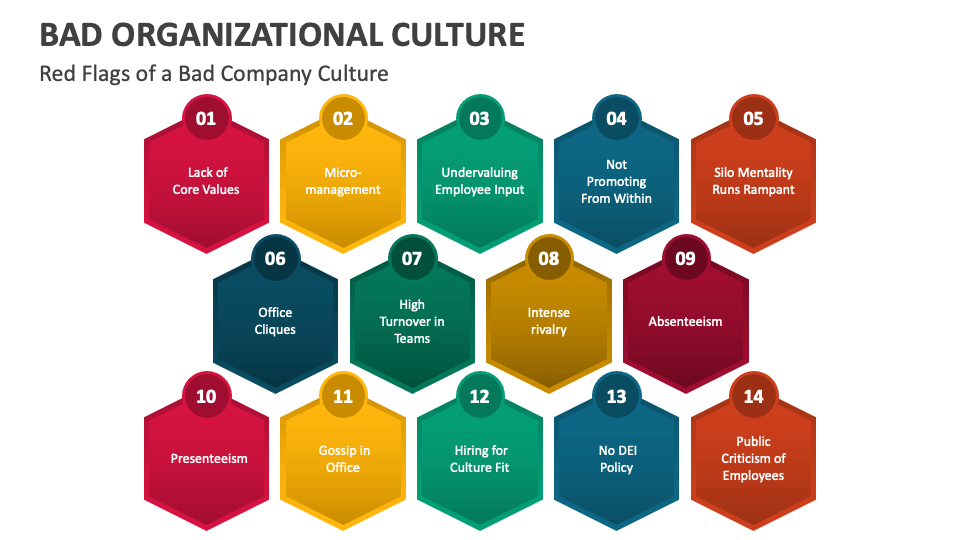
- Fourth, be wary of high turnover. If you ask how long people stay, and the answer is short, or if they’re always hiring for the same position, something’s wrong. Constant churn means people can’t wait to escape. You don’t want to join a sinking ship.
- Fifth, notice forced “family” vibes. When an interviewer keeps stressing, “We’re all family here,” or “Everyone wears many hats,” ask yourself, are they setting up unclear expectations? Sometimes this is code for poor boundaries, unpaid overtime, or covering for chaos. Don’t assume friendliness equals safety; sometimes it’s a way of hiding problems.
- One more: dodgy contracts or requirements. If you get handed documents with requirements that seem extreme, like broad non-compete or exclusive work agreements, walk away. If you sign, you could be trapped in ways you won’t see until it’s too late.
Red flags from the interviewer’s behaviour
Focus on the interviewer. They’re giving away more than they realise. If they interrupt you, dominate the conversation, or never ask about your interests, it tells you how they lead. If someone regularly talks over you or fails to listen, they probably aren’t kind or collaborative once you’re on the team.
How do they talk about past employees? “Our last hire didn’t make it.” Or, “We’ve had some loyalty issues.” The blame game means trouble. People who criticise former staff are likely the real problem.
Do they answer your questions, or dodge them to sell a dream? When you ask about team culture or work-life balance, listen for clear, honest answers. If they seem uncomfortable, stall, or sound rehearsed, that might mean the environment is rough and they know it.
Are they transparent about the role? If answers change halfway through or they contradict themselves, something’s off. Maybe they don’t know the job well, or worse, they’re hiding a real problem and hoping you won’t see it.
Company and culture red flags
Beyond one bad boss, the company’s bigger picture matters. If you go to the office and the vibe is tense, people look unhappy, or no one welcomes you, don’t ignore that feeling. A toxic work environment can ruin your enthusiasm and health. If there’s a lack of diversity or inclusion, notice it. All-male, all-female, or all-one-background teams may hint at narrow-minded hiring or workplace bias.
Ask about development, promotions, or how feedback works. Vague answers about growth or lack of a clear process signal you might get stuck doing the same thing for years. Companies that value employees invest in them. If they don’t, it’s a waste of your energy and time.
If they mention wild parties, “work hard, play hard,” or expect long hours with little say, check yourself. Is this the culture for you, or just a setup for burnout? Not all youthful, energetic workplaces are safe; they can be breeding grounds for unpaid overtime and little reward.

The “too good to be true” offer
Sometimes, you get dazzled with perks: high salary, crazy benefits, fancy office, and smooth promises. Step back. What aren’t they telling you? If things seem perfect but details are hidden, the real problems may only show up after you sign the contract. What matters is transparency. If someone offers loads of money but can’t define your job responsibilities, explain career growth, or stick to their word, ask yourself why. Companies desperate to fill roles will promise anything. Your first job shouldn’t be a gamble. Find out the truth before you start.
What to do when you spot red flags
- It’s easy to freeze when you see a red flag. Fear of missing out or being too picky gets in your head. But ignoring warning signs rarely pays off. Here’s what you should do:
- Stop and reflect. Don’t say yes on the spot. Go home and sleep on it. Gut feelings exist for a reason. If something felt wrong, trust that.
- Ask follow-up questions. Push for clarity. “Can I get that offer in writing?” Or, “Can you walk me through a typical day?” If the answers stay vague or sentiments shift, you’ve got your answer.
- Research the company. Look up reviews on public boards, talk to current or former employees, and check if their reputation matches their pitch. Don’t just trust the words said in the room.
- Never rush. If a company pressures you to accept an offer right now, walk away. Pressure-filled offers rarely end well. Good places want you to make informed choices.
- If you spot sketchy contract clauses, take them to a trusted mentor or professional before signing. You can always decline an offer if the terms are bad. Saying “no” is better than fighting legal battles later.
- If the company gets angry when you ask for more information, step back. A good employer welcomes questions.
- Finally, remind yourself: not all jobs are worth it. Walking away is an option. It won’t ruin your career. If anything, it opens space for something better.

When is a red flag not a dealbreaker? Not every red flag means you should run. People make mistakes; sometimes an interviewer forgets your name or stumbles over a question. That’s not sinister. Small hiccups, bad days, or nerves don’t indict the whole company. If a company delays interviews but communicates well and apologises, maybe they’re just busy. If someone’s late once but explains transparently, it might not be a pattern. The key is seeing if issues repeat or grow worse when you push for clarity.
And not every weird vibe is a disaster. Some high-performing companies are chaotic but give you room to grow. Judge by patterns, not one-off moments. But don’t rationalise big problems. If the job changes on paper, if terms are dodgy, or if the people seem toxic, don’t convince yourself you can fix things. Trust your judgment.

Challenge your logic and avoid false optimism. It’s tempting to focus on the positives and ignore the warnings. You want your first job, you need money, and you might get blinded by hope. But optimism, unchecked, makes you easy to fool. Challenge yourself: Are you ignoring issues because of desperation? Are you excusing bad behaviour because of salary or title? Write down the reasons you want the job, along with the warnings you’ve noticed. See which side carries more weight. Spotting red flags is a skill. It takes practice and courage. The more you train your mind to see both the good and the bad, the better off you’ll be.
Alternative perspectives: Should you ever take a risk? Sometimes, you have few options: bills must be paid, you need work experience, or you’ve been job hunting for months. If you have to take a role with red flags, set a clear exit plan. Know what you want to get from the job (skills, experience, connections), and be ready to move when things get ugly.
Protect your time and energy. Give yourself permission to leave if promises are broken. And never sign contracts that feel unsafe. But don’t forget, every choice teaches you something. Even if a job turns out terrible, you can learn what fields, cultures, or practices aren’t for you. But challenge yourself not to repeat old mistakes.

Why does this matter? Adulting is about making smart choices, even when they’re uncomfortable. It’s about setting boundaries, trusting your instincts, asking the awkward questions, and knowing when to walk away. Spotting interview red flags may mean you lose a job offer, but it protects your sanity and future. Don’t let fear drive your decisions. Stay honest, ask the hard questions, and value your time. Every career move is a chance to get closer to what you truly want, not just run from what you fear. And above all: trust yourself.

