

Stepping into adulthood means more than just paying your own bills and cooking your meals. It means facing risks you once ignored or didn’t understand, like what happens if you fall sick or have an accident and can’t work. That’s where insurance comes in. But insurance is confusing. It seems like a complicated set of policies, legal jargon, and never-ending choices. Add to that Singapore’s unique healthcare and insurance landscape, and it’s easy to either overbuy or skip insurance altogether. Neither is ideal.
At its core, insurance is a safety net, a way to share the financial load of unexpected problems with many people so no one person bears the full cost alone. You pay a regular fee called a premium. In return, the insurance company promises to cover certain costs or pay a sum if bad things happen.

Sounds simple? Yet, many young adults assume:
- Insurance is just another way for companies to take your money.
- Buying more insurance always means better protection.
- Insurance is only necessary once you have dependents or big assets.
These beliefs are misleading. Insurance is a tool. Like any tool, it works best when chosen for the right job and used wisely.
Singapore’s healthcare system is highly subsidised and structured. Every citizen and permanent resident has MediShield Life, a basic national health insurance that helps cover large hospital bills. But MediShield Life isn’t enough for most real-world scenarios:
It covers only public hospital stays in subsidized wards (C to B2 class). If you want to stay in better wards or private hospitals, you’ll need additional coverage. The government encourages personal responsibility through schemes like MediSave and CareShield Life, which help with healthcare and long-term disability but have limitations.
Because of this setup, many Singaporeans get additional private insurance plans to top up their basic coverage and protect themselves against gaps.
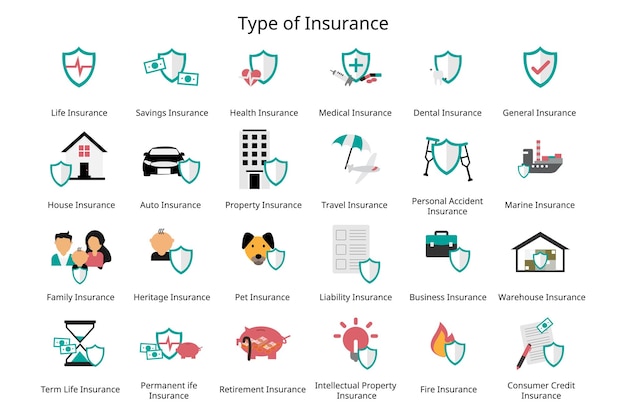
Here are the insurance types you should consider seriously in Singapore, with a practical lens on what each does and doesn’t cover.
Health Insurance
Often underestimated, health insurance is crucial. Basic coverage like MediShield Life provides a starting point but won’t cover everything. If you expect to use private healthcare or want better than basic wards, a private Integrated Shield Plan (IP) is important. But think twice: Do you really need an expensive plan covering private hospitals you might never visit? Can you afford the premiums long-term, especially if you have no serious health issues now? The truth is, health insurance is about risk management: buying peace of mind rather than betting on something going wrong.
Life Insurance
Life insurance pays a lump sum to your beneficiaries when you die or become permanently disabled. This sounds like something to think about only when you have a family, but what if you have debts or want to leave a financial legacy? Term life insurance is usually the better buy for young adults: it costs less and covers you for a fixed period. Whole life insurance lasts your whole life but can be expensive and confusing with cash value features many don’t need. Be clear about why you want life insurance. Without dependents or large debts, it might not be urgent.
Critical Illness Insurance
Singaporeans face rising risks of critical illnesses like cancer and heart disease. Critical illness plans pay you a lump sum on diagnosis, which can help with treatment costs or lost income. But beware fancy riders that add costs without clear benefit. Ask if early-stage coverage or multiple claims are covered because treatments now vary widely from patient to patient. Critical illness insurance fills a gap that neither health nor life insurance covers fully. Prioritising this depends on your family history and financial resilience.

Personal Accident Insurance
This covers accidents resulting in injury, disability, or death. It’s usually cheaper than health or life insurance and gives some financial buffer if you’re hurt in a mishap. If you’re active or work in higher-risk jobs, this coverage can be valuable. But it won’t cover illnesses or routine healthcare needs, so it’s an add-on, not a replacement.
Disability and Income Protection
As you grow older, disability insurance (like Singapore’s CareShield Life) ensures you’re supported if you can’t perform daily tasks. Income protection helps if illness or injury stops you from working temporarily. These are less common for young adults but worth knowing about as you plan longer-term.
A trap many fall into is thinking more insurance equals better protection. That’s not true. Overinsurance wastes money on unneeded coverage. Underinsurance leaves you vulnerable to financial shocks. Find your balance. Assess your risks honestly. Build a basic portfolio starting with health and term life insurance. Add critical illness or personal accident cover if your budget and needs allow. Review your insurance regularly as your life changes.

So how much should you spend on insurance? Experts often suggest spending 5-10% of your income on insurance, but this varies widely. Young adults with minimal responsibilities may spend less initially, focusing on essential health and accident coverage. Be skeptical of aggressive upselling or complex products promising cash value or investment returns hidden in insurance.
Insurance is a tool, not a burden. Insurance prevents financial disasters but won’t make you rich. Think of it as a necessary cost for life’s unpredictable hits. Educate yourself on what you really need, make decisions based on your situation, and revisit your choices as you age. Everyone’s insurance needs differ. There’s no one-size-fits-all policy in Singapore or elsewhere. But understanding the basics and the local healthcare context helps you take control rather than feeling overwhelmed.

