

Also known as the Hundred Drums Festival, the Wangala festival is one of the most significant and colourful celebrations of the Garo tribe in Meghalaya. This post-harvest festival marks the end of the agricultural year. It is a thanksgiving ceremony for Misi Saljong, also known as Pattigipa Ra’rongipa or the Great Giver, the sun god of fertility. The Wangala festival is a vibrant display of Garo culture, traditions, and their deep connection to nature and agriculture.
The Wangala festival has its roots in the ancient agricultural practices and beliefs of the Garo people. The Garos, one of the major tribes of Meghalaya, are known for their matrilineal society and strong connection to the land. Agriculture has been the primary occupation of the Garos for centuries, and their festivals and rituals are closely tied to the agricultural cycle.
The exact origin of the Wangala festival is lost in the mists of time, but it is believed to have been celebrated for many generations. The festival’s name, “Wangala,” is derived from the Garo word “wanna,” which means celebration. It is a time when the community comes together to express gratitude for a bountiful harvest and to seek blessings for the coming year.
Historically, the Wangala festival was celebrated independently in every Garo village. Each village would have its dates and duration for the festival, which could last anywhere from a few days to a week. However, in recent times, efforts have been made to organise a centralised Wangala celebration to showcase Garo culture to a wider audience and preserve their traditions.
The Wangala festival is deeply rooted in Garo mythology and their traditional belief system. At the festival’s heart is the worship of Misi Saljong, the sun god, believed to be the provider of good harvests and prosperity. According to Garo mythology, Misi Saljong taught the Garo people the art of agriculture. He showed them how to clear the land, sow seeds, and harvest crops. The Garos believe that it is through Misi Saljong’s blessings that they receive abundant harvests. The Wangala festival is their way to express gratitude to this benevolent deity and to seek his continued favour. Another important mythological figure in the Wangala festival is Goera, the goddess of agriculture. Goera is believed to be the protector of crops and is often invoked alongside Misi Saljong during the festival rituals.
The Garos also believe in various nature spirits that inhabit the forests, rivers, and mountains. These spirits are thought to play a role in the success of their agricultural endeavors. During the Wangala festival, offerings are made to these spirits to appease them and ensure their cooperation in the coming agricultural year.
One of the myths associated with the Wangala festival tells of a time when the Garo people faced a severe drought. The crops were failing, and the community was on the brink of starvation. The village elders gathered to perform rituals and prayers to Misi Saljong. According to the legend, Misi Saljong appeared to them in a dream and instructed them to perform a dance with drums and to make offerings of rice beer. When the villagers followed these instructions, rain began to fall, and their crops were saved. This myth is said to be the origin of the drum dance that is now central to the Wangala celebrations.
The preparations for the Wangala festival begin well in advance of the actual celebration. As the harvest season nears its end, the village elders come together to decide on the dates for the festival. Traditionally, the festival is held in November, but the exact dates can vary depending on the completion of the harvest and other local factors. Once the dates are set, the entire community gets involved in the preparations.
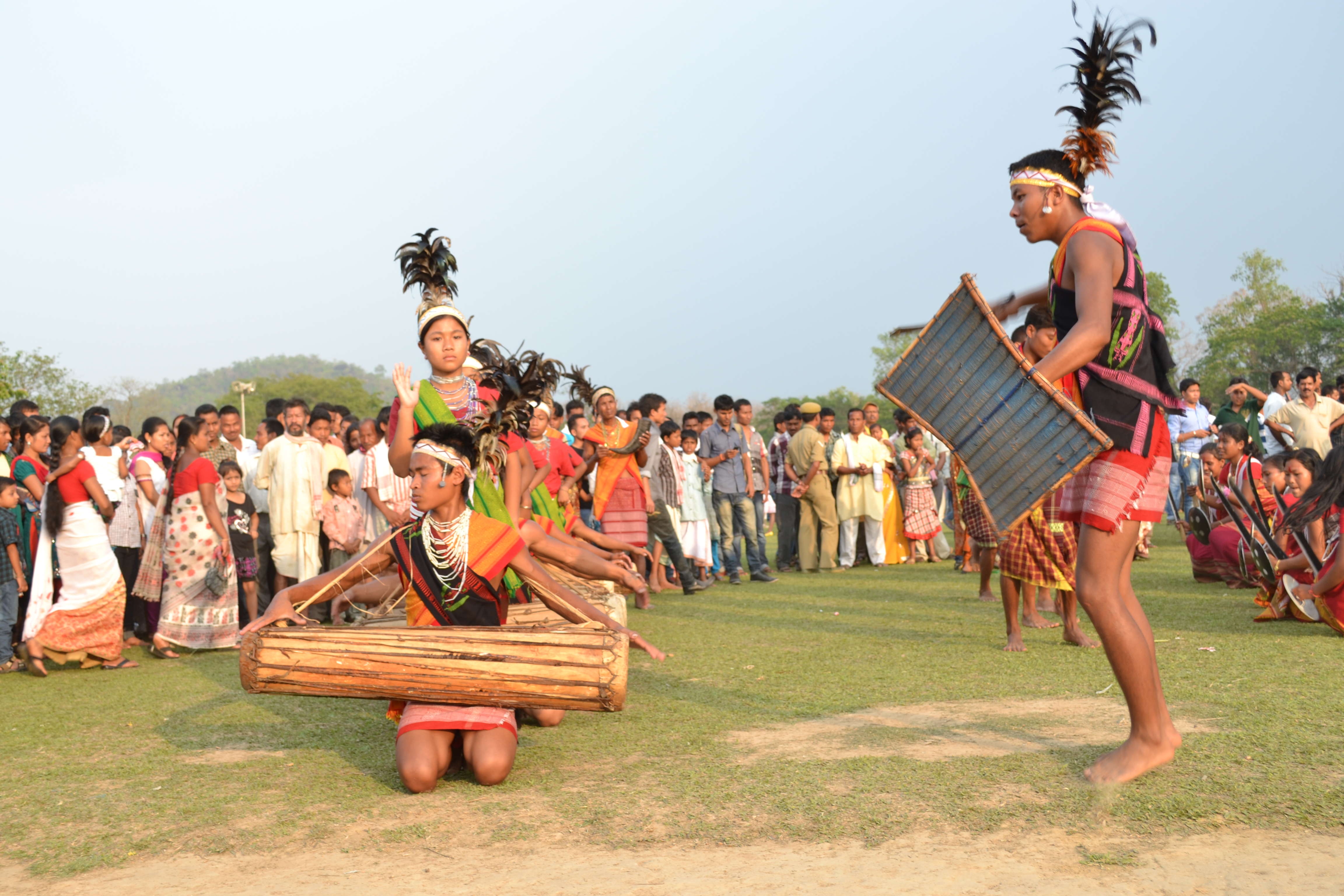
One of the most important preparations is the brewing of rice beer, known as “chu” in the Garo language. Rice beer plays a significant role in Garo rituals and celebrations. The brewing process begins several weeks before the festival to ensure that the beer is properly fermented by the time of the celebration. The Garos take great pride in their traditional clothing, and the Wangala festival is an occasion to showcase their finest attire. Women prepare colourful wraparound skirts called dakmanda and blouses kutchi. Men ready their traditional dhotis and vests. Special attention is given to the headdresses, often adorned with feathers and hornbill beaks.
The festival’s alternative name, “Hundred Drums Festival,” highlights the importance of drums in the celebration. Skilled craftsmen in the village work on repairing old drums and making new ones. The primary drum used in the Wangala festival is the “dama,” a long, cylindrical drum made from hollowed-out tree trunks and animal hide. The entire village undergoes a thorough cleaning in preparation for the festival. Houses are repaired and whitewashed. The central area where the main celebrations will take place is cleared and decorated with bamboo structures, flowers, and leaves.
A significant amount of time is spent preparing food for the festival. Large quantities of rice, meat, and vegetables are readied for the communal feasts that will take place during the celebration. In the weeks leading up to the festival, the community, especially the youth, practice the traditional dances and songs that will be performed during the Wangala.
The Wangala festival typically lasts two to three days, although in some villages, it can extend up to a week. The celebration is a mix of solemn rituals and joyous festivities. The first day of the festival is known as Salgittal or Salgittoa, which means “thanksgiving.” This day is marked by several important rituals. The festival begins with the village priest, the “Kamal,” performing an invocation ceremony. The Kamal offers prayers to Misi Saljong and other nature spirits, seeking their blessings for the community. The first fruits of the harvest are offered to Misi Saljong. This typically includes newly harvested rice, vegetables, and fruits. The offering is made on a special altar set up for the occasion. In some villages, a ceremonial sacrifice of a rooster or a goat may be performed. This is done to appease the spirits and ensure their continued favour. The Nokma or village chief and other important members of the community are anointed with rice powder mixed with water. This symbolises purification and preparation for the festivities to come. A sacred fire is lit, which will be kept burning throughout the festival. This fire symbolises the presence of Misi Saljong among the people.
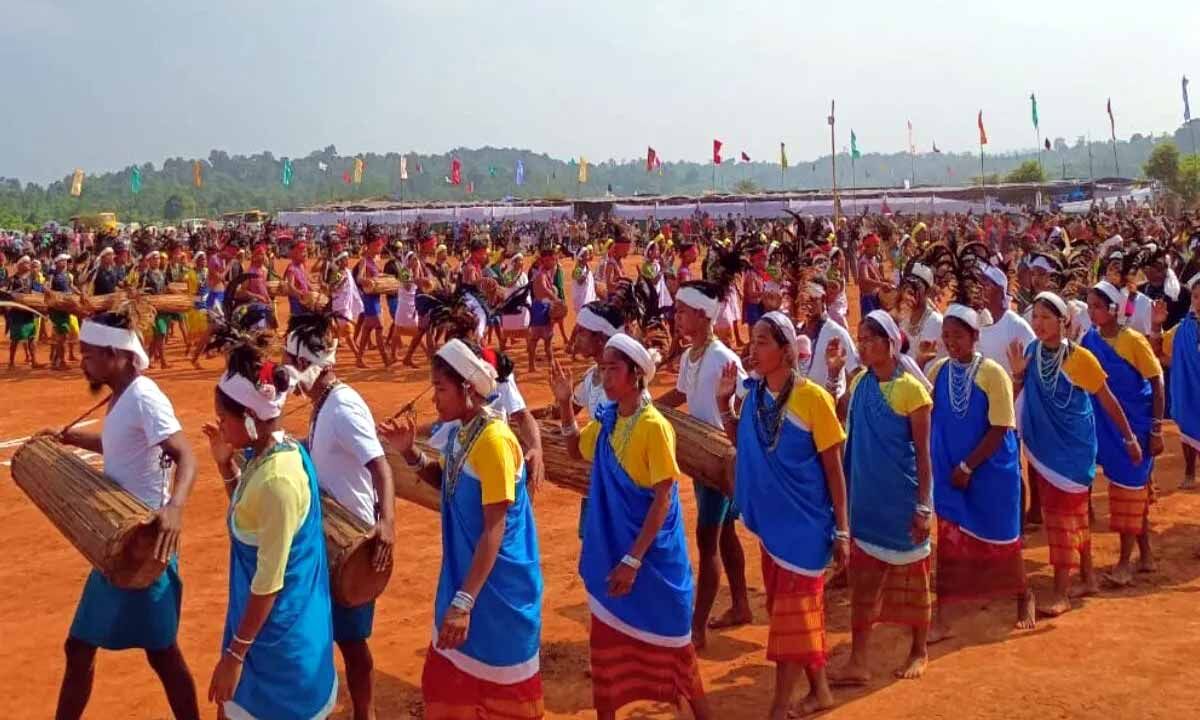
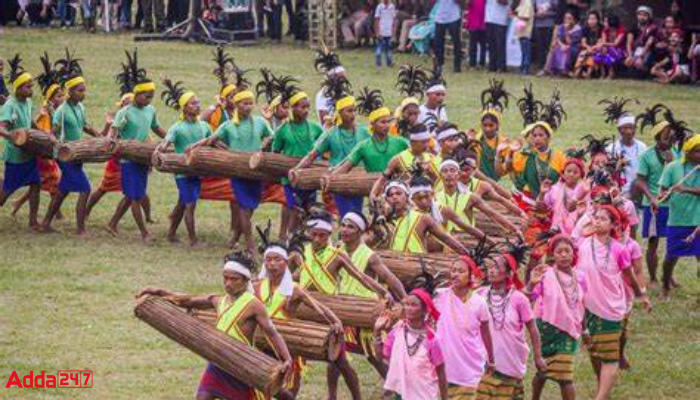
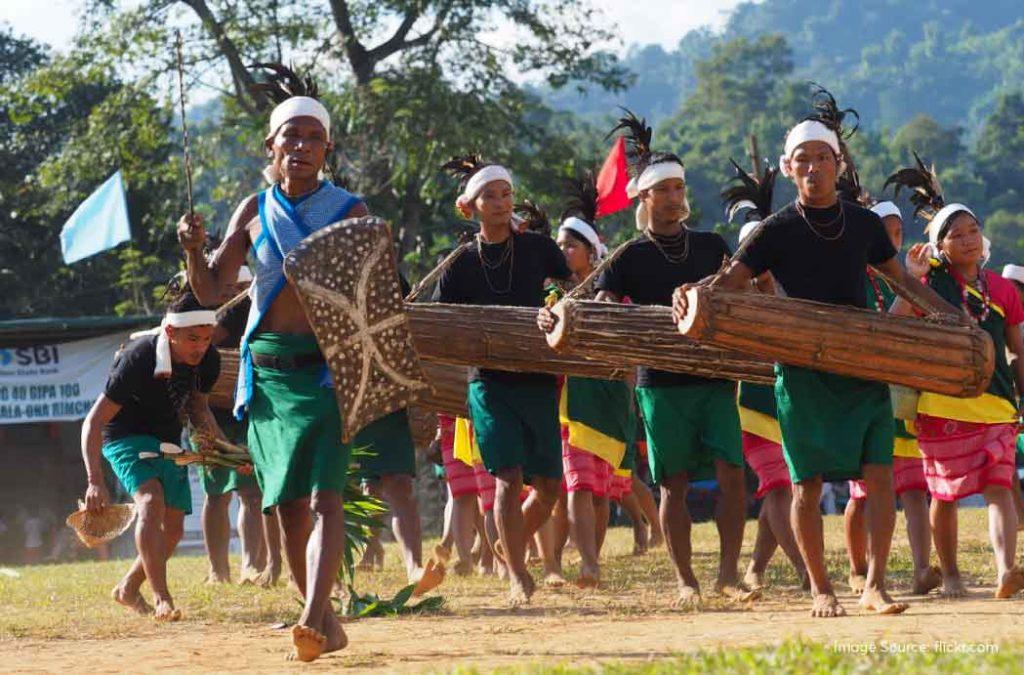
The second day, known as Kakkat or Kakket, is the main day of celebration. This is when the most iconic events of the Wangala festival take place. The day begins with the Rugala ceremony, where Nokma and his wife lead a procession to the central festival ground. They carry a basket of rice, which symbolises the community’s harvest. The highlight of the festival is the Wangala dance. Dancers, dressed in colourful traditional attire, form lines with men and women alternating. They dance to the rhythmic beat of drums, bamboo clappers, and gongs. The dance movements mimic various agricultural activities such as sowing, weeding, and harvesting. This is where the festival gets its alternative name. A hundred or more drums are played simultaneously, creating a thunderous and mesmerising rhythm. The sound of the drums is believed to reach Misi Saljong, carrying the community’s prayers and gratitude. A grand feast is held where the community comes together to share food and rice beer. This feast symbolises the abundance of the harvest and the spirit of community sharing. Various traditional games and sports are organised, including wrestling, tug-of-war, and archery competitions.
The final day of the festival is typically reserved for concluding rituals. The Kamal leads the community in offering final thanksgiving prayers to Misi Saljong and other deities. The sacred fire lit on the first day is ceremonially extinguished, marking the end of the festival. The community elders bless the younger generation, wishing them prosperity and good fortune for the coming year. In some villages, there are rituals to bid farewell to the spirits and deities, thanking them for their presence during the festival.

Music and dance are integral to the Wangala festival. The most important musical instruments used during the celebration include the Dama, a long, cylindrical drum that gives the festival its “Hundred Drums” moniker; the Nagra, a smaller drum used to provide counterpoint rhythms; the Gong which is used to provide additional rhythmic elements; and Bamboo Clappers which provides a distinctive clacking sound that complements the drums. The Wangala dance is a complex performance that tells the story of the agricultural cycle. The dancers move in synchronised patterns, their movements representing different farming activities. Swaying movements represent the swaying of rice plants in the wind while stomping feet mimic the act of threshing rice and hand movements show the sowing of seeds and the harvesting of crops. The dance is performed in lines, with men and women alternating. As the dance progresses, the tempo of the music increases, and the movements become more energetic, culminating in a joyous celebration of the harvest.
Food plays a central role in the Wangala festival. The celebration is an opportunity for the community to come together and share in the abundance of the harvest. Some traditional dishes served during the festival include Wak Pura, a dish made from pork and bamboo shoots, Nakham Bitchi, a chicken curry cooked with special herbs, Pura which are various types of smoked meat, Minil Songa, a dish made from fish and local vegetables, and Pitha which are rice cakes often served as dessert. Rice, being the main crop, features prominently in all meals. It is often served with various meat and vegetable side dishes. The traditional rice beer, “chu,” is essential to the celebration. It is consumed during the feasts and used in various rituals as an offering to the deities.
The Wangala festival holds immense social and cultural significance for the Garo community. The festival brings the entire community together, strengthening social bonds and reinforcing a sense of shared identity. Through the rituals, dances, and music, the festival helps in preserving and passing down Garo cultural traditions to younger generations. The festival marks the end of the agricultural year and the beginning of a new cycle, helping to structure the community’s annual activities. Today, the festival has become a tourist attraction, bringing economic benefits to the region. The festival’s focus on nature worship and agricultural cycles helps maintain an awareness of environmental issues among the community.
While the Wangala festival remains an important part of Garo culture, it faces several challenges in the modern era. As more young Garos move to cities for education and employment, there’s a risk of losing touch with traditional practices. The spread of Christianity among the Garo community has led to changes in how the festival is perceived and celebrated. There are concerns that the increasing tourism around the festival might lead to its commercialisation, potentially diluting its cultural significance. Changes in agricultural practices and environmental conditions pose challenges to the traditional agricultural cycle that the festival celebrates. Despite these challenges, the Wangala festival has shown remarkable resilience and adaptability.
In recent years, there have been concerted efforts to preserve and promote the festival. While individual villages still celebrate Wangala, there are now also centralised celebrations organized by cultural organizations and the state government. These larger events help in showcasing Garo culture to a wider audience. Efforts are being made to document the rituals, songs, and dances associated with the festival to ensure their preservation. Schools and colleges in the Garo Hills region often organise programs to educate students about the significance of Wangala and other traditional festivals. The festival is now promoted as a cultural tourism event, attracting visitors from across India and abroad. While this brings economic benefits, care is taken to maintain the festival’s authenticity. Some communities have adapted certain aspects of the festival to align with changing religious beliefs while still maintaining its core cultural significance.
The Wangala festival is more than just a harvest celebration; it is a vibrant expression of Garo culture, spirituality, and connection to the land. Through its colorful dances, rhythmic music, traditional attire, and communal feasts, Wangala offers a window into the rich cultural heritage of the Garo people.
As the festival continues to evolve in the face of modern challenges, it remains a testament to the resilience and adaptability of indigenous cultures. The Wangala festival serves as a reminder of the importance of preserving cultural traditions while also embracing change.






 Memories and Such