In My Hands Today…

The Whole Foods Diet: The Lifesaving Plan for Health and Longevity – John Mackey, Alona Pulde, Matthew Lederman

The Whole Foods Diet simplifies the huge body of science, research, and advice that is available today and reveals the undeniable consensus: a whole foods, plant-based diet is the optimum diet for health and longevity.

Standing on the shoulders of the Whole Foods Market brand and featuring an accessible 28-day program, delicious recipes, inspirational success stories, and a guilt-free approach to plant-based eating, The Whole Foods Diet is a life-affirming invitation to become a Whole Foodie: someone who loves to eat, loves to live, and loves to nourish themselves with nature’s bounty.

If Whole Foods Market is “shorthand for a food revolution” (The New Yorker), then The Whole Foods Diet will give that revolution its bible – the unequivocal truth about what to eat for a long, healthy, disease-free life.

World Book and Copyright Day

Celebrated annually on April 23, World Book and Copyright Day is a significant occasion dedicated to promoting the enjoyment of books and reading. This date holds special meaning in the literary world, as it marks the anniversaries of the deaths of renowned authors such as William Shakespeare, Miguel de Cervantes, and Inca Garcilaso de la Vega. Established by UNESCO in 1995, the day encourages people worldwide to access books and honour the contributions of authors and publishers to culture and society.

The celebration encompasses various activities aimed at fostering a love for literature and advocating for the protection of intellectual property rights. In 2025, World Book and Copyright Day will carry a unique theme that intertwines literature with the United Nations’ Sustainable Development Goals (SDGs), emphasising books’ vital role in achieving educational and social objectives.

One of the primary reasons World Book and Copyright Day is important is its role in promoting reading, particularly among younger generations. The day encourages individuals to explore literature in various forms, fostering a love for books and storytelling. By engaging people in reading activities, the day aims to enhance imagination, creativity, and critical thinking skills, which are essential for personal development and lifelong learning.

Another crucial aspect of World Book and Copyright Day is its focus on copyright protection. The event raises awareness about the importance of copyright laws that safeguard the rights of authors and publishers. These laws ensure that creators receive fair compensation for their work, encouraging them to continue producing literature that enriches society. By emphasising the need for copyright protection, the day advocates for a vibrant literary landscape where creativity can flourish without fear of exploitation.

The theme for World Book and Copyright Day 2025 focuses on the intersection of literature and sustainable development. It aims to highlight how literature can contribute to various SDGs. Literature is fundamental in promoting lifelong learning opportunities. The day will feature sessions discussing how books can enhance education systems globally. The celebration will spotlight works amplifying women’s voices, showcasing literature’s role in advocating gender equality. Books are powerful tools for addressing social inequalities. Events will highlight authors and narratives that challenge societal disparities. Literary expressions often reflect themes of peace and justice. The day will explore how literature influences global institutions and governance. In addition to these themes, workshops will be organised to delve into the importance of copyright in a digital age, emphasising how protecting intellectual property rights is crucial for sustainable growth in the literary sector.

World Book and Copyright Day is not merely a celebration of literature; it serves as a platform to discuss how books can drive action towards achieving sustainable development. Integrating SDGs into the celebrations reflects a broader understanding of literature’s impact on society. By promoting reading, UNESCO aims to foster a culture that values knowledge sharing, creativity, and diversity.

In conjunction with World Book and Copyright Day, UNESCO has designated Rio de Janeiro, Brazil, as the World Book Capital for 2025. This recognition follows previous capitals such as Accra (2023) and Strasbourg (2024). Rio de Janeiro is celebrated for its rich literary heritage and its commitment to promoting reading among diverse populations.

Rio de Janeiro’s selection as World Book Capital is significant for several reasons. The city boasts a vibrant literary scene that reflects its diverse culture. It has produced numerous influential writers who have shaped Brazilian literature. Rio de Janeiro has outlined a comprehensive action plan aimed at promoting literacy, education, and sustainable publishing. This plan includes initiatives targeting young people and leveraging digital technologies to engage readers. The city’s project aims to affect social change by addressing issues such as poverty eradication through literacy programs. By fostering a reading culture, Rio de Janeiro seeks to create sustainable economic benefits aligned with the UN’s Sustainable Development Goals.

Throughout the year, Rio de Janeiro will host a series of events designed to promote books and reading across all age groups. These activities will include literary festivals and celebrations featuring local authors, readings, book signings, and discussions on literary topics; educational programes and initiatives aimed at schools to encourage reading among students through workshops and interactive sessions; and community engagement and programmes designed to reach underserved communities, ensuring equitable access to books and literacy resources. By implementing these initiatives, Rio de Janeiro aims to inspire other cities around the world to recognise the importance of fostering a culture of reading.

World Book and Copyright Day serves as an essential reminder of the power of literature in shaping societies. Today it is clear that books are more than just sources of entertainment; they are vital tools for education, advocacy, and social change. The designation of Rio de Janeiro as World Book Capital underscores the city’s commitment to promoting literacy while celebrating its rich literary heritage. By engaging communities through various activities throughout the year, Rio de Janeiro will exemplify how cities can harness the transformative power of books to create inclusive societies.

Adulting 101: The Importance of Learning Essential Cooking Skills

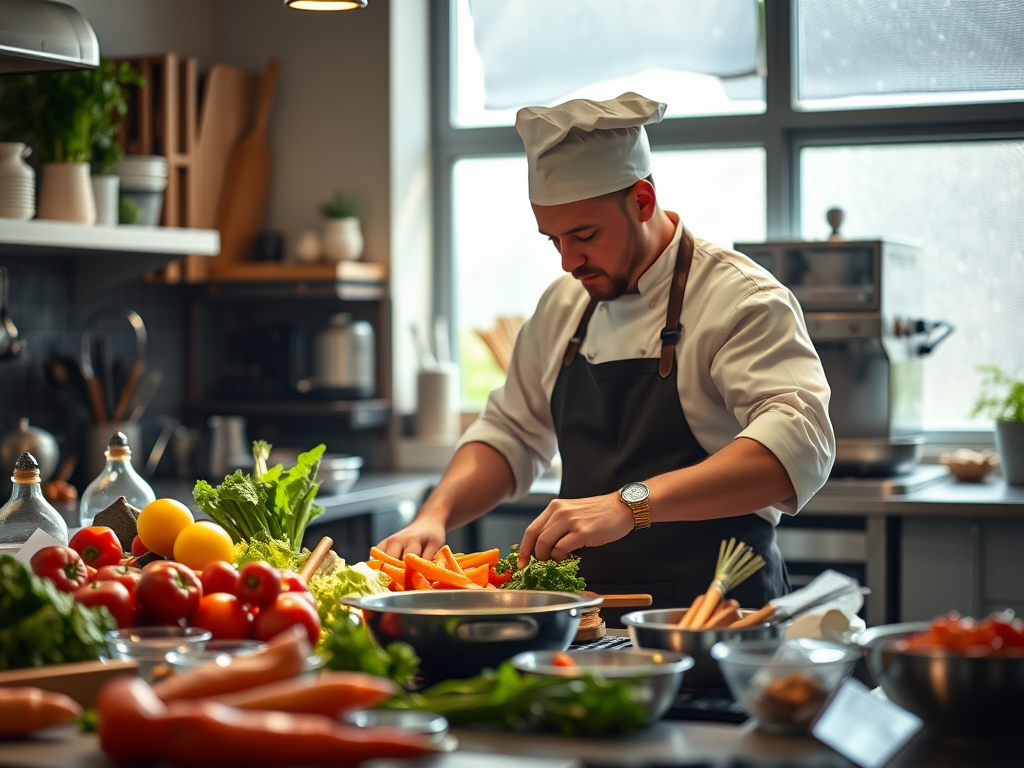
As young adults embark on their journey toward independence, one of the most vital skills they can acquire is cooking. While it may seem daunting at first, learning essential cooking skills is not only practical but also empowering.

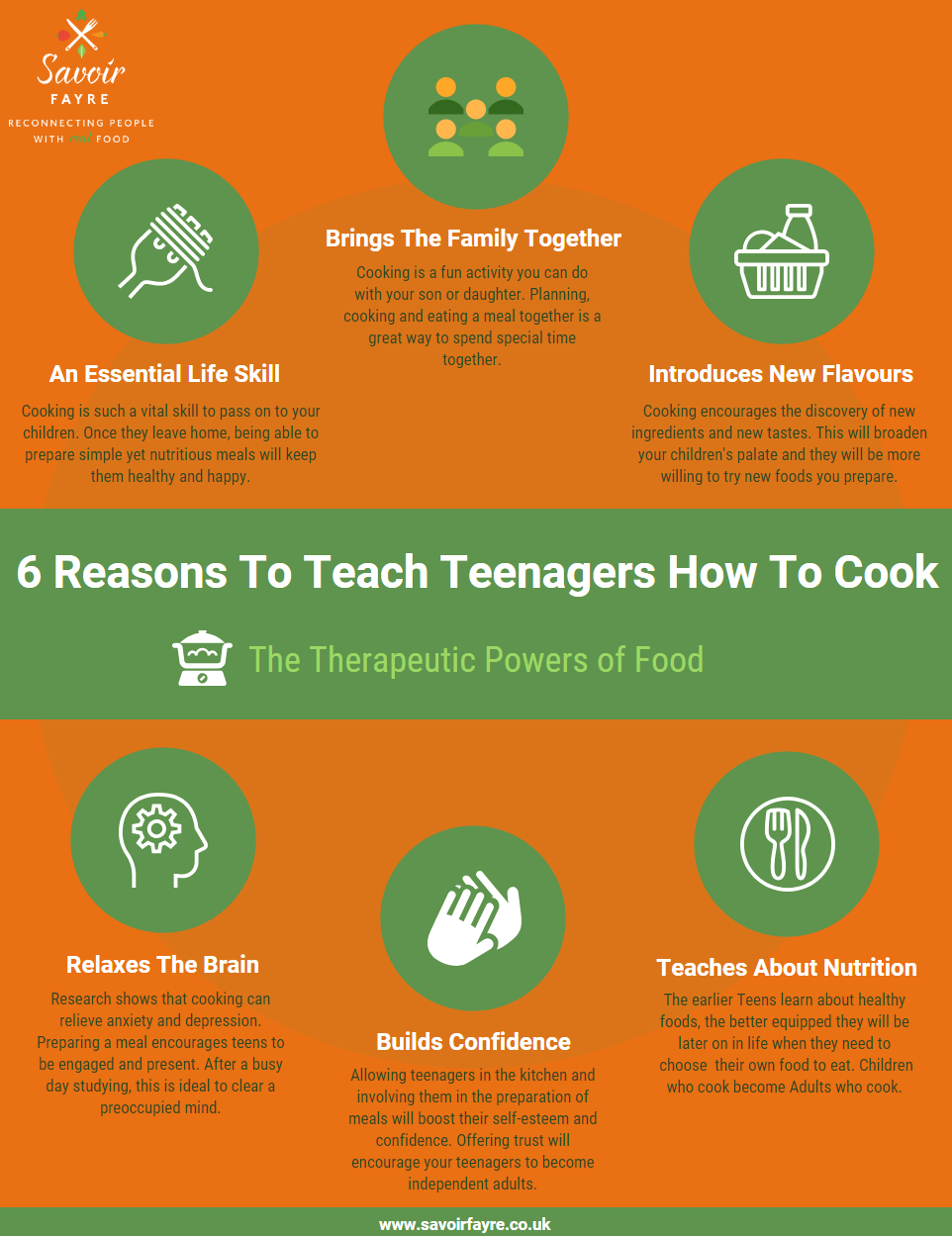
One of the primary benefits of learning to cook is the ability to prepare healthier meals. When one cooks at home, they have complete control over the ingredients they use, allowing them to make healthier choices. Cooking at home encourages the use of fresh vegetables, lean proteins, and whole grains, which contribute to a balanced diet. Preparing one’s meals allows one to manage portion sizes more effectively than pre-packaged or restaurant meals. By cooking for oneself, one can limit one’s intake of processed foods that are often high in unhealthy fats, sugars, and sodium.

Eating out or relying on convenience foods can quickly drain one’s budget. Learning to cook can lead to significant savings. Cooking at home is generally less expensive than dining out. By purchasing ingredients in bulk and preparing meals oneself, one can save money over time. Learning to cook allows one to prepare meals in advance, reducing the temptation to order takeout when one is busy or tired.

Cooking is a fundamental life skill that fosters independence. Knowing how to cook means one won’t have to rely on others for meals or resort to unhealthy takeout options. Mastering cooking skills enhances one’s confidence in the kitchen and empowers one to try new recipes and techniques.

Cooking can be a social activity that strengthens relationships. Preparing meals with friends or family creates opportunities for bonding and shared experiences. Being able to cook allows one to host dinner parties or gatherings, fostering connections with others.

Cooking is an art form that allows for creativity. The kitchen is a place where one can experiment with flavours and techniques, allowing for personal expression through food. Learning to cook opens doors to exploring various cuisines and culinary traditions from around the world.

Cooking is an essential life skill that everyone should possess. Knowing how to prepare one’s own meals is crucial for daily living and maintaining a healthy lifestyle. As young adults transition into adulthood, cooking skills will be valuable as they take on responsibilities like managing a household or caring for a family.

How Young Adults Can Learn Essential Cooking Skills
Learning to cook may seem overwhelming at first, but there are numerous resources and strategies available for young adults looking to develop their culinary skills.

  • Start with simple recipes: Beginning with simple recipes helps build confidence in the kitchen. Choose easy dishes and start with recipes that have fewer ingredients and straightforward techniques. Gradually increase the complexity of the recipes as one gains confidence and moves on to more complex recipes that incorporate different cooking techniques.
  • Watch cooking tutorials: Visual learning can be incredibly beneficial when it comes to cooking. Explore YouTube channels dedicated to cooking tutorials. Depending on the cuisine one is trying, there are multitudes of channels available with easy to complex recipes. Watching cooking shows can provide inspiration and teach valuable techniques while entertaining.
  • Take a cooking class: Participating in a cooking class can provide valuable hands-on experience. Many local community centres or culinary schools offer beginner cooking classes where one can learn essential skills in a supportive environment. One can also consider enrolling in online cooking courses that provide structured lessons and access to professional chefs.
  • Practice regularly: Like any skill, practice is key when it comes to cooking. Cook frequently and make it a habit to cook several times a week to build skills and confidence over time. Experiment with ingredients and explore new flavours and techniques.
  • Utilise cookbooks: Cookbooks are valuable resources for learning how to cook. Look for cookbooks aimed at beginners that provide clear instructions and helpful tips. Organise recipes based on skill level or type of dish, like appetisers and main courses for easy reference as one builds one’s repertoire.
  • Join a cooking community: Connecting with others who share one’s interest in cooking can enhance the learning experience. One can join online communities or social media groups focused on cooking where members share tips, recipes, and experiences, or look out for local meetups or events centred around cooking where one can meet fellow food enthusiasts.
Source

Tips and tricks for learning essential cooking skills
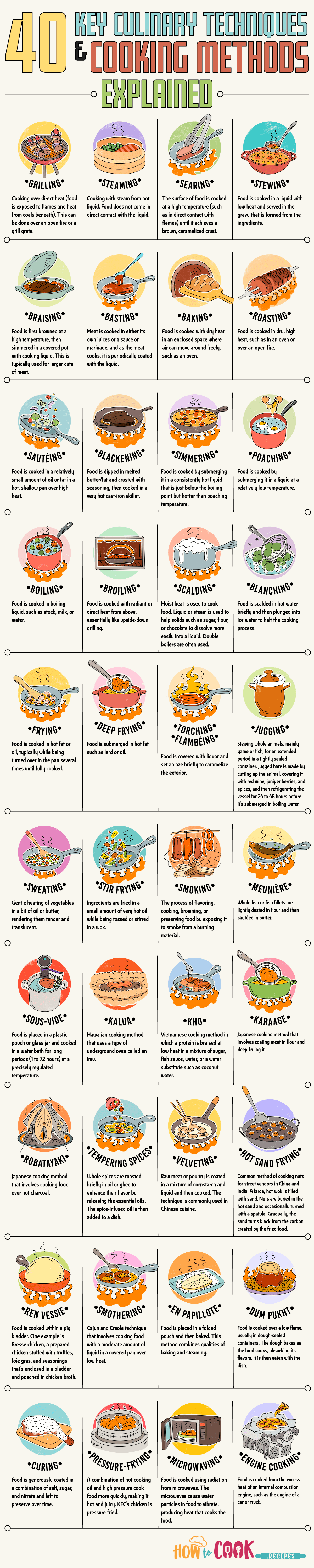
Some practical tips and tricks that young adults can use as they embark on their culinary journey would include mastering basic techniques and focusing on fundamental cooking techniques that will provide a solid foundation. One should learn how to properly chop, slice, dice, and mince ingredients; effective knife skills will improve efficiency in the kitchen. One must familiarise oneself with various cooking methods such as boiling, sautéing, roasting, baking, grilling, and steaming. Understanding these techniques will help adapt recipes based on what is available.

A well-organised kitchen makes cooking more enjoyable. Practice “mise en place,” which means having all the ingredients prepped and ready before starting to cook. This makes the process smoother and less stressful. Ensure essential tools like cutting boards, knives, pots, pans, measuring cups, and spoons are easily accessible during meal prep.

Before starting any recipe, read the recipe thoroughly to understand the steps and know what’s involved before diving into preparation. Gather all necessary ingredients before beginning to prevent mid-cooking surprises.

Taste as you go. Tasting throughout the cooking process helps develop the palate. Tasting dishes while preparing them allows one to adjust seasoning levels according to their preferences. Experiment with different spices and herbs; understanding how flavours work together will enhance one’s cooking skills.

Don’t fear mistakes; mistakes are part of the learning process. If a dish doesn’t turn out as expected, analyse what went wrong rather than getting discouraged; this helps improve future attempts. Experimentation is key, so don’t be afraid to try new things! Cooking should be fun—embrace creativity in the kitchen!

Invest in quality tools, as having the right tools makes a difference. Invest in quality kitchen tools such as sharp knives, sturdy cutting boards, pots/pans of various sizes (non-stick options are great), measuring cups/spoons, etc.

Make cooking an enjoyable experience rather than a chore. Invite friends or family members over for a fun group cooking night; sharing experiences makes it more enjoyable!

Learning essential cooking skills is an invaluable investment that pays off throughout life—offering benefits ranging from healthier eating habits and financial savings to increased independence! By starting small with simple recipes while gradually building confidence through practice, young adults can transform themselves into capable cooks who enjoy creating delicious meals!

Remember—it’s not just about mastering recipes; it’s about understanding techniques & developing creativity within the kitchen! Embrace mistakes along the way as opportunities for growth rather than setbacks—after all, the joy of cooking lies not only in what we create but also in how we learn & evolve through each experience!

So grab those pots & pans—get ready for an exciting culinary adventure ahead! With time & dedication, you’ll soon find yourself whipping up delightful dishes while impressing friends & family alike! Happy Cooking!

International Day of Persons with Disabilities

International Day of Persons with Disabilities is a globally recognized observance dedicated to promoting the rights and well-being of persons with disabilities. The day was established by the United Nations General Assembly in 1992 to promote understanding of disability issues and mobilise support for the dignity, rights, and well-being of persons with disabilities. It also aims to increase awareness of the benefits of integrating persons with disabilities in every aspect of political, social, economic, and cultural life. The date chosen for this observance, December 3rd, holds no specific historical significance.

The establishment of IDPD in 1992 came at a time when disability rights were gaining increased attention on the global stage. This period saw a shift in how disability was perceived, moving from a medical model that focused on individual impairments to a social model that emphasised societal barriers and discrimination.

The International Day of Persons with Disabilities serves several important purposes. The day helps educate the public about disability issues, challenges stereotypes and promoting understanding. It provides a platform for disability rights advocates to push for policy changes and improved accessibility. IDPD celebrates the achievements and contributions of persons with disabilities to society and emphasises the importance of creating an inclusive society where persons with disabilities can participate fully and unites governments, organisations, and individuals worldwide in promoting disability rights.

The theme for International Day of Persons with Disabilities 2024 is “Transformative Solutions for Inclusive Development: The Role of Innovation in Fuelling an Accessible and Equitable World”. This theme emphasises the importance of innovation in creating a more inclusive and equitable world for people with disabilities. It focuses on several key areas, including technological innovation, which explores how new technologies can improve accessibility and independence for persons with disabilities, social innovation, which includes developing new approaches to social inclusion and community participation, policy innovation, which encourages innovative policies and legislation that promote disability rights and inclusion, and economic innovation, which creates new opportunities for economic empowerment and employment for persons with disabilities.

The theme aligns with the broader goals of the United Nations’ 2030 Agenda for Sustainable Development, which pledges to “leave no one behind.” It emphasises that innovation is crucial for achieving the Sustainable Development Goals (SDGs) in a way that is inclusive of people with disabilities.

To fully appreciate the importance of IDPD, it’s crucial to understand what disability means and the various types of disabilities that exist. The World Health Organisation or WHO, defines disability as an umbrella term, covering impairments, activity limitations, and participation restrictions. An impairment is a problem in body function or structure; an activity limitation is a difficulty encountered by an individual in executing a task or action; and a participation restriction is a problem experienced by an individual in involvement in life situations.

Disabilities can be broadly categorised into several types. Physical disabilities affect a person’s mobility or dexterity. Examples include spinal cord injuries, muscular dystrophy, and amputations. Sensory disabilities affect one or more senses. They include visual impairments, hearing impairments, and sensory processing disorders. Intellectual disabilities affect a person’s ability to learn at an expected level and function in daily life. Down syndrome is an example. Psychiatric disabilities include mental health conditions such as depression, anxiety disorders, and schizophrenia. Neurological disabilities affect the nervous system. Examples include epilepsy, multiple sclerosis, and Parkinson’s disease. Learning disabilities are those that affect a person’s ability to interpret what they see and hear or to link information from different parts of the brain. Dyslexia is an example. Lastly, invisible disabilities are not immediately apparent but can significantly impact a person’s life. They include chronic pain conditions and some mental health disorders. It’s important to note that many people may experience multiple disabilities, and the impact of a disability can vary greatly from person to person.

Understanding the scale of disability worldwide helps to contextualise the importance of IDPD. According to the World Health Organization, over 1 billion people, or about 15% of the world’s population, live with some form of disability, between 110-190 million adults have significant difficulties in functioning and the rates of disability are increasing due to an ageing population and increases in chronic health conditions. Persons with disabilities are more likely to experience adverse socioeconomic outcomes such as less education, poorer health outcomes, lower levels of employment, and higher poverty rates. These statistics underscore the need for continued efforts to promote disability rights and inclusion, which IDPD helps to spotlight.

The United Nations has played a crucial role in advancing disability rights globally. Key UN initiatives include the Convention on the Rights of Persons with Disabilities (CRPD), adopted in 2006. The CRPD is an international human rights treaty intended to protect the rights and dignity of persons with disabilities. It promotes, protects, and ensures the full enjoyment of human rights by persons with disabilities and ensures that they enjoy full equality under the law.

The United Nations Disability Inclusion Strategy was launched in June 2019 and provides the foundation for sustainable and transformative progress on disability inclusion through all pillars of the work of the United Nations. It seeks to raise the UN’s standards and performance on disability inclusion across its programs and operations.

The 2030 Agenda for Sustainable Development pledges to “leave no one behind,” including people with disabilities. Several SDGs explicitly reference disability, including those related to education, employment, inequality reduction, and sustainable cities].

Despite progress in disability rights, people with disabilities continue to face numerous challenges. Negative attitudes and misconceptions about disability persist in many societies. Inaccessible buildings, transportation, and public spaces limit participation and independence. Lack of accessible information and communication technologies can exclude persons with disabilities from various aspects of life. Many children with disabilities do not have access to inclusive education. Persons with disabilities often face higher unemployment rates and lower wages. Persons with disabilities may face barriers in accessing quality healthcare. There’s a strong link between disability and poverty, with each potentially leading to or exacerbating the other. Persons with disabilities may face barriers to voting or running for office. IDPD helps to highlight these challenges and promote solutions.

Some innovative approaches to disability inclusion may include advanced prosthetics, screen readers, speech recognition software, and other technologies enhancing independence and accessibility. A universal design approach to create products, environments, and systems that are usable by all people to the greatest extent possible without adaptation. Inclusive Education Technologies including digital learning platforms with built-in accessibility features making education more inclusive. Smart Cities with urban planning that incorporates accessibility from the ground up, including smart traffic systems and accessible public transportation. AI is used to develop more sophisticated assistive devices and to improve accessibility in digital spaces with these technologies used for rehabilitation, skills training, and to create more inclusive experiences. Innovative approaches to flexible working, job carving, and supported employment are opening up new opportunities and disability-led innovation where persons with disabilities lead innovation efforts, ensuring solutions meet real needs.

Governments play a crucial role in promoting disability rights and inclusion. Key areas of focus include enacting and enforcing laws that protect the rights of persons with disabilities, such as anti-discrimination legislation; developing and implementing standards for physical and digital accessibility; promoting inclusive education systems that accommodate students with diverse needs; implementing policies to increase employment opportunities for persons with disabilities, such as quota systems or tax incentives for employers; ensuring healthcare systems are accessible and meet the specific needs of persons with disabilities; providing adequate social protection measures for persons with disabilities; improving disability data collection to inform policy-making; and popularising government-led campaigns to raise public awareness about disability issues.

The International Day of Persons with Disabilities serves as a powerful reminder of the ongoing need to promote the rights and well-being of persons with disabilities. Today it’s clear that innovation will play a crucial role in creating a more accessible and equitable world. However, technology alone is not enough. True inclusion requires a shift in societal attitudes, robust policy frameworks, and the active participation of persons with disabilities in all aspects of life. IDPD provides an annual opportunity to reflect on progress made, challenges remaining, and to renew our commitment to building a world that values and includes all its diverse members.

It’s crucial to remember that disability rights are human rights. By working together, governments, civil society, the private sector, and individuals can create a world where all people, regardless of ability, can fully participate and contribute to society. This is not just beneficial for people with disabilities but for society as a whole.