Sacred Stones, Spaces, and Stories: Ashtavinayaka Part 9

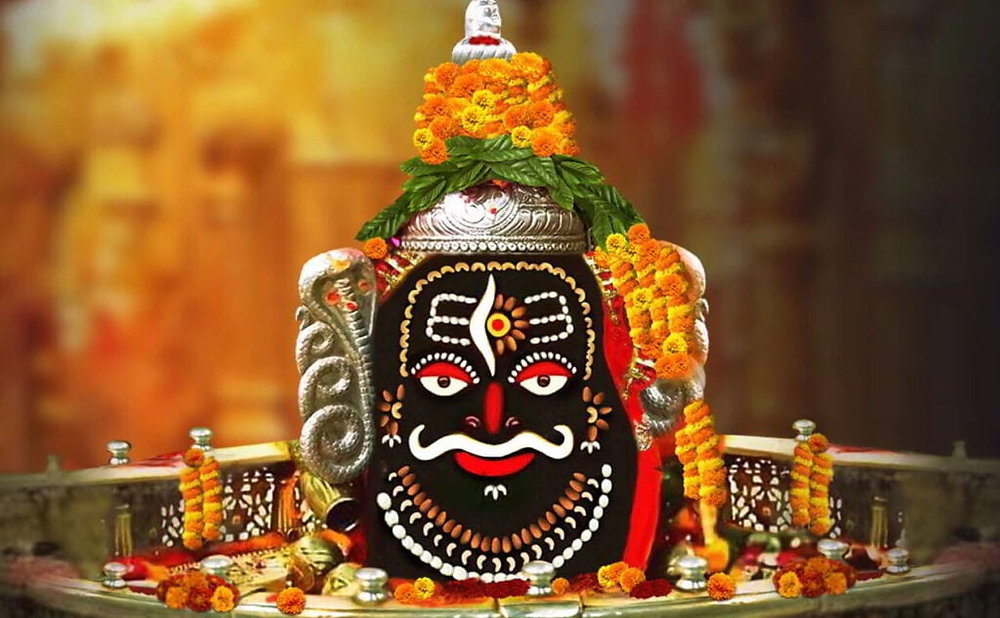
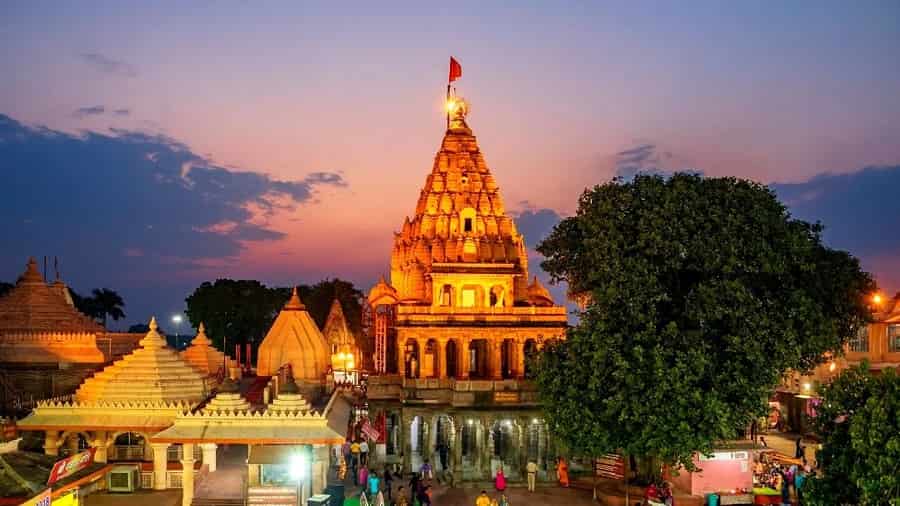
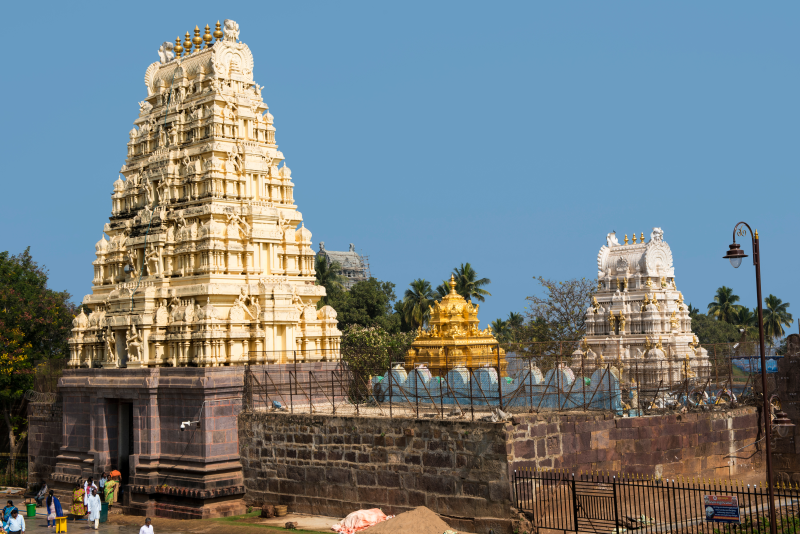
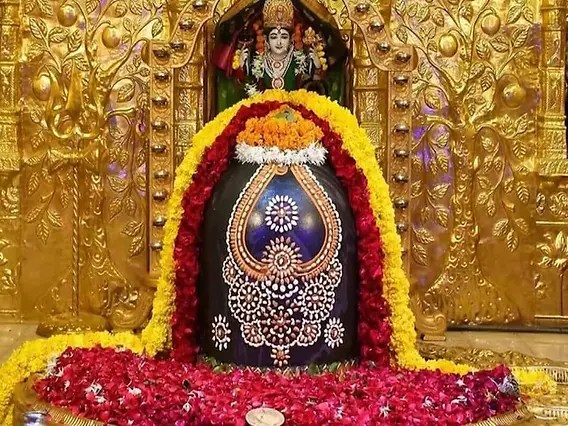
Rising from the fertile plains of the Pune district, the Mahaganapati Temple at Ranjangaon stands as the culminating jewel of Maharashtra’s Ashtavinayak pilgrimage. Revered as the seat of Mahaganapati, the “Great Ganesha”, this temple is steeped in legend, history, and architectural grandeur. Here, Lord Ganesha is worshipped in his most potent form, invoked even by Lord Shiva himself in the cosmic battle against the demon Tripurasura. For centuries, devotees and warriors alike have sought Mahaganapati’s blessings, making Ranjangaon not just a spiritual destination but a living testament to the enduring power of faith and myth.

Ranjangaon is a tranquil village located about 50 km from Pune, along the Pune-Ahmednagar highway. The temple’s strategic location made it a favoured stop for Maratha chieftains and pilgrims journeying through the Deccan. Today, it is the eighth and final stop for those completing the revered Ashtavinayak Yatra, a circuit of eight self-manifested Ganesha temples across Maharashtra.

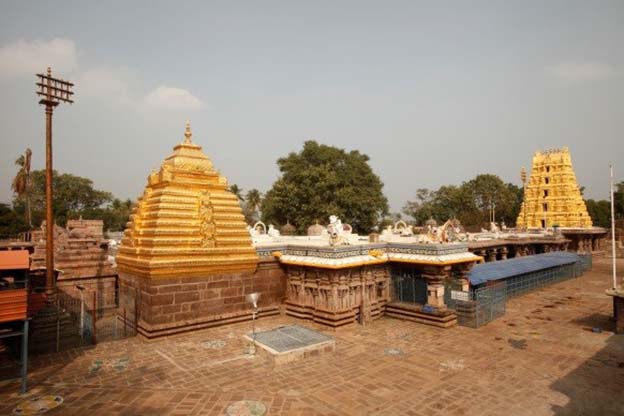
Historical records and the temple’s stone pillars suggest that the Mahaganapati Temple was originally constructed in the 9th or 10th century, with significant enhancements during the Peshwa era. Shrimant Madhavrao I, the Peshwa ruler, was a devout worshipper who regularly visited the temple before heading to battle. He built a stone sanctum around the idol and created a special cellar to safeguard the deity during times of turmoil. The temple’s hall and surrounding apartments, or owaris, were commissioned by Sardar Kibe, Sardar Pawar, and Sardar Shinde, prominent nobles of the time. In modern times, the temple’s Nagarkhana, or drum house, above the entrance, was inaugurated by Chief Minister Manohar Joshi in 1997, reflecting ongoing reverence and restoration.

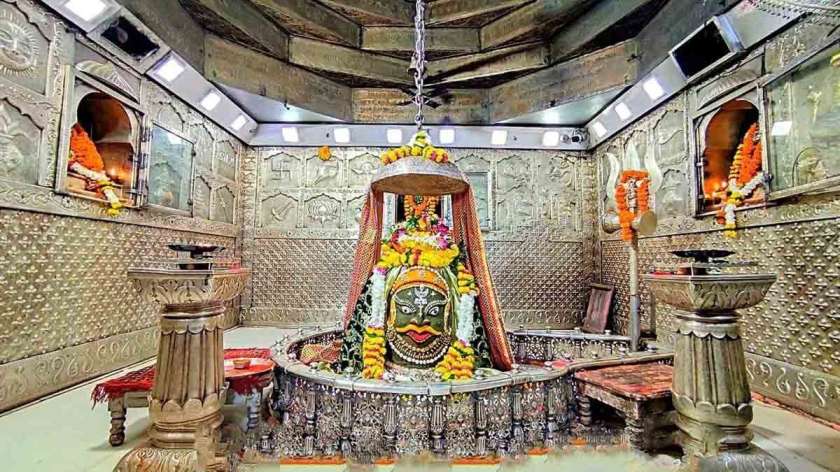
The temple boasts a massive and ornate entrance gate, flanked by two imposing dwarapalas, or gatekeepers, visible from the main road. The temple is ingeniously constructed so that during Dakshinayana, the sun’s southern movement, the rays of the rising sun fall directly on the main idol in the sanctum, a marvel of ancient engineering. The drum house above the entrance is used during festivals and processions, adding to the temple’s festive aura. The sanctum houses the swayambhu, or self-manifested idol, of Mahaganapati, seated on a lotus and accompanied by his consorts, Riddhi and Siddhi. Local tradition holds that the original idol, known as “Mahotkat,” is hidden in a basement and is said to have ten trunks and twenty arms, though the visible idol is more conventional in form.

The temple’s enduring myth centres on the cosmic battle between good and evil, with Mahaganapati as the divine catalyst. According to legend, the esteemed sage Grutsamad once sneezed, and from this act, a boy named Tripurasura was born. Tripurasura, raised with spiritual wisdom, learned the Ganesh mantra from his father and performed severe penance to Lord Ganesha. Pleased, Ganesha granted him a boon: Tripurasura would become the most powerful being in the universe and could only be defeated by Lord Shiva, after which he would attain liberation.

Empowered by this boon, Tripurasura’s pride grew unchecked. He conquered the underworld, the heavens, and even threatened the gods themselves. Lord Brahma hid in a lotus, and Lord Vishnu retreated to the cosmic ocean, unable to withstand Tripurasura’s might. Desperate, the gods turned to sage Narada, who advised them to worship Lord Ganesha. Ganesha, taking the form of a Brahmin, approached Tripurasura and offered to create three flying chariots that could only be destroyed by Shiva. In exchange, he asked for the Chintamani jewel from Kailash. When Tripurasura demanded the jewel, Lord Shiva refused, leading to a fierce battle.

Despite his power, Shiva could not defeat Tripurasura. Realising his mistake in not honouring Ganesha first, Shiva paused and recited the Shadaakshar Mantra to invoke Ganesha. Blessed with a special beejmantra, or seed mantra, Shiva was finally able to destroy Tripurasura with a single arrow]. This victory was possible only after seeking Ganesha’s grace, emphasising the deity’s role as the remover of all obstacles, even for the gods!

The site where Shiva invoked Ganesha and achieved victory became Ranjangaon, and the form of Ganesha worshipped here is known as Mahaganapati or Tripurarivade Mahaganapati, the destroyer of Tripurasura.

The idol at Ranjangaon is revered as one of the most powerful forms of Ganesha. Mahaganapati is depicted seated on a lotus, flanked by his consorts Riddhi, or prosperity, and Siddhi, or spiritual power. The idol is Swayambhu, believed to have emerged naturally from the earth. In some traditions, the idol is described as “Mahotkat,” possessing ten trunks and twenty arms, though it is more commonly seen with eight, ten, or twelve arms.. The idol’s serene yet commanding presence embodies both the gentle and formidable aspects of the deity.

Each day, the idol is ritually bathed with water, milk, and fragrant substances, accompanied by the chanting of Vedic mantras. Morning and evening aartis are performed with lamps, bells, and devotional songs, filling the temple with a vibrant spiritual energy. Offerings of modaks, coconut, and flowers are made to the deity, and prasad is distributed to devotees as a blessing.

Sahastravartan is an elaborate ritual that involves the recitation of Ganesha’s names or mantras a thousand times, seeking his blessings for the removal of obstacles and the fulfilment of wishes. The Satyavinayak Pooja is a special worship performed for significant life events or to fulfil vows. During the Bhadrapada festival, devotees perform “Lotangan”, which means rolling their bodies in prostration along the path to the temple as an act of surrender and devotion.

Unlike many other villages, the people of Ranjangaon do not bring Ganesha idols into their homes during Ganesh Chaturthi. Instead, the entire community gathers at the Mahaganapati Temple for collective worship, reinforcing the temple’s role as the spiritual heart of the region.

Ganesh Chaturthi is celebrated with immense fervour at Ranjangaon. The temple is adorned with flowers and lights, and special rituals, abhisheks, and aartis are performed. On the fifth day of the festival, a grand feast called a mahabhog is offered to the deity, and the idol is taken in a flower-bedecked palkhi, or palanquin procession, around the temple grounds. Wrestling matches and cultural events are also organised, drawing large crowds from nearby villages.

A unique sixth-day celebration during Bhadrapada sees devotees flocking to the temple, performing special rituals, and participating in communal festivities. The atmosphere is one of joy, devotion, and unity.

The Mahaganapati Temple is more than a place of worship; it is a symbol of the triumph of wisdom and humility over pride and chaos. The legend of Tripurasura underscores the importance of invoking Ganesha before any new undertaking, a tradition now embedded in Hindu practice. The temple’s sun-aligned architecture, powerful idol, and living rituals all reinforce the message that with faith, even the greatest obstacles can be overcome.

Ranjangaon is the eighth and final stop in the Ashtavinayak circuit, making it the spiritual culmination of the pilgrimage. Pilgrims often report a sense of completion and fulfilment upon receiving Mahaganapati’s blessings, believing that their prayers and efforts throughout the yatra have been acknowledged and rewarded.

After Ranjangaon, pilgrims go back to the Moreshwar Temple to complete the Ashtavinayak circuit. And with that visit, they complete the pilgrimage. This circuit is something I have wanted to do for a while, given that the circuit is in my home state, and it is a pilgrimage for my ishtadev! I will do this sooner rather than later; that’s my promise to myself.

Short Story: The Silver Lighter

The Bangkok heat clung to everything, even at seven in the evening on Christmas Eve. Sophie wiped sweat from her forehead as she navigated through the crowded Chatuchak Weekend Market, her sister Emma trailing behind, camera in hand.

“This is mental,” Emma laughed, dodging a motorbike taxi. “Christmas in thirty-five degrees. Mum would have a fit seeing us in shorts and tank tops right now.”

Sophie smiled, fingering the small silver lighter in her pocket. Their grandfather’s lighter—the one thing she’d insisted on bringing to Thailand, despite Emma’s protests about unnecessary baggage. The engraved initials “J.H” caught the light from the market stalls as she turned it over in her palm.

They’d planned this trip for months. Two weeks in Thailand, escaping the dreary December rain of Manchester, escaping the first Christmas without their grandfather. The old man had been obsessed with travel stories, filling their childhood with tales of places he’d never quite managed to visit himself.

“Look at this,” Emma called, holding up a Buddha statue made of recycled glass. “Grandpa Joe would have loved this market. All these little treasures.”

Sophie nodded, but her throat felt tight. That’s exactly what he would have said—little treasures. He’d collected them from the few places he had managed to reach: a wooden spoon from Scotland, a pressed flower from Ireland, and a smooth stone from Wales. His mantelpiece had been a museum of modest adventures.

They bought Pad Thai from a street vendor and found a plastic table under string lights. The familiar ache of missing their grandfather settled between them as they ate in comfortable silence. Around them, Thai families laughed and ate together, children running between the stalls with sticky fingers and bright smiles.

“I keep expecting him to text me,” Emma said quietly. “Asking for photos, you know? Making me describe everything in detail.”

Sophie pulled out the lighter, setting it on the table between their steaming plates. The silver caught the warm glow of the market lights.

“I brought this because… I thought maybe I’d leave it somewhere. Like, scatter his ashes or something symbolic.” She gave a small laugh. “Stupid, really. It’s just a lighter.”

Emma reached across and touched the worn metal. “It’s not stupid. Remember how he always carried it? Even after he quit smoking twenty years ago.”

“Emergency fire,” they said in unison, mimicking their grandfather’s gravelly voice. He’d claimed you never knew when you might need to start a campfire or light someone’s way in the dark.

A group of Thai teenagers at the next table burst into laughter, and one of them, a girl about Emma’s age with bright pink hair, caught Sophie’s eye and smiled. Before Sophie could think too much about it, she found herself walking over.

“Excuse me,” she said in careful English. “My sister and I are here for Christmas. We’re from England. Do you… Would you like to share our table? It’s Christmas Eve.”

The pink-haired girl’s eyes lit up. “Oh! Yes, please!” Her friends gathered around, chattering in rapid Thai mixed with English. Their names tumbled out: Nim, Ploy, Bank, and Kao.

Soon, both tables were pushed together, and the teenagers were helping Sophie and Emma order more food, teaching them to say “Merry Christmas” in Thai: “Suk San Wan Christmas.” The lighter sat forgotten on the table as stories were shared through a mixture of languages, Google Translate, and lots of gesturing.

Nim, the pink-haired girl, was studying in Bangkok but was originally from a small village north of the city. She was spending Christmas Eve at the market because she couldn’t afford to travel home until New Year’s.

“Family is very important,” she said, her English careful but warm. “But sometimes… friends are family too, yes?”

Emma and Sophie exchanged glances. Their grandfather had always said that chosen family could be just as precious as blood family.

As the evening wore on, Bank produced a small Bluetooth speaker and played a mix of Thai pop and Christmas songs. When “White Christmas” came on, Nim giggled and pointed at Sophie and Emma.

“You miss white Christmas?” she asked.

“Actually,” Sophie said, surprising herself, “I think I prefer this. The warmth, the food, the…” she gestured around the table, “the people.”

Ploy noticed the lighter then, picking it up carefully. “Very beautiful,” she said.

Sophie found herself explaining about their grandfather, about the trip they’d taken in his memory, and about how she’d planned to leave the lighter somewhere meaningful. As she spoke, she realised the ache in her chest had softened somehow.

“But you know,” she continued, looking around the table at their new friends, “I think he would have loved this. This exact moment.”

Emma nodded, tears in her eyes. “He always said the best souvenirs were the people you met.”

When midnight approached, they all walked to a nearby temple where families had gathered for late-night Christmas prayers, Buddhist families celebrating the Christian holiday with the same spirit of love and togetherness that transcended specific traditions.

Standing there under the temple lights, surrounded by the gentle murmur of prayers in Thai and the warm presence of both strangers and new friends, Sophie made a decision. She pulled out her grandfather’s lighter and handed it to Nim.

“I’d like you to have this,” she said. “My grandfather would have wanted it to travel, to see the world he never got to explore.”

Nim’s eyes widened. “I cannot… this is too precious.”

“Please,” Sophie insisted. “Promise me you’ll carry it somewhere beautiful. Light someone’s way.”

Nim held the lighter reverently, then smiled. “I promise. Emergency fire, yes?”

“Emergency fire,” Sophie laughed, and Emma joined in.

As they exchanged contact information and promised to stay in touch, Sophie realised that this Christmas, sweat-drenched and thousands of miles from home, felt more full of joy and connection than any she could remember. Their grandfather’s lighter was beginning a new adventure, and somehow, so were they.

Walking back through the quieter streets to their hostel, Emma took Sophie’s hand.

“I think Grandpa Joe got his Christmas wish after all,” Emma said.

“What’s that?”

“He always wanted to travel the world and meet interesting people. I think he just did.”

Sophie squeezed her sister’s hand and looked up at the Bangkok sky, where no snow would fall, but where the warmth of human connection felt like the most perfect Christmas gift imaginable.

Sacred Stones, Spaces, and Stories: Ashtavinayaka Part 8

Renowned as the “Remover of Obstacles,” the Vighneshwar Temple at Ozar lies on the banks of the Kukadi River. Here, Lord Ganesha is worshipped as Vighneshwar or Vighnahar, the vanquisher of Vighnasura, the demon of obstacles, making Ozar a beacon for those seeking the removal of life’s impediments and the fulfilment of their aspirations.

Ozar is a small town in the Pune district, about 85 km from Pune city and near the famed Lenyadri caves. The temple’s riverside location, close to the Yedagaon dam, and its proximity to the Lenyadri shrine and Shivneri Fort imbue the site with a sense of history and natural beauty. The approach to the temple is marked by a fortified stone gateway, flanked by deep malas, or lamp towers, and meditation rooms.

The lore of Vighneshwar Temple is rooted in ancient scriptures such as the Mudgala Purana, Skanda Purana, and Vinayaka Purana and is central to its spiritual identity. Once, King Abhinandana performed a grand sacrifice but neglected to offer due respect to Indra, the king of gods. Feeling slighted, Indra commanded Kala (time/death) to disrupt the sacrifice. Kala assumed the form of the demon Vighnasura, “the demon of obstacles,” and not only destroyed the ritual but unleashed havoc across the universe, creating impediments in the virtuous deeds and sacrifices of sages and mortals alike.

Distressed by the chaos, the sages sought help from Brahma, or Shiva in some versions, who advised them to worship Lord Ganesha. Responding to their prayers, Ganesha confronted Vighnasura. Realising he could not defeat the divine child, Vighnasura surrendered and promised to desist from troubling those who invoked Ganesha’s name. In some retellings, Vighnasura became Ganesha’s attendant, tasked with testing the devotion of those who neglected his worship.

To commemorate this cosmic victory, the sages consecrated an idol of Ganesha as Vighneshwar at Ozar. From that day, it was decreed that obstacles, or Vighnas, would only trouble those who failed to honour Ganesha, cementing his role as the universal remover of obstacles.

The Vighneshwar Temple’s historical prominence is closely linked to the Maratha Peshwas. After the victorious Battle of Vasai or Bacaim in 1739, Chimaji Appa, the younger brother and military commander of Peshwa Baji Rao I, renovated the temple and adorned its shikhara, or spire, with gold as an offering of gratitude for his triumph. The temple underwent further restoration in 1967 under the guidance of Appa Shastri Joshi, a devoted follower of Ganesha.

The Vighneshwar Temple exemplifies classic Hindu temple architecture, blending grandeur with spiritual symbolism. The temple faces east, welcoming the rising sun and symbolising new beginnings. It is set within a large, walled courtyard with a prominent gateway, flanked by two massive stone Dwarapalas, or gatekeepers, and adorned with bas-reliefs of musicians. Two large deepmalas, or lamp towers, stand near the entrance, and small meditation rooms on either side offer spaces for contemplation. The temple features three intricately carved entrances, with the eastern gate serving as the main access point. The first hall houses an image of Dhundiraj Ganesha, while the second contains a white marble statue of Mushika, Ganesha’s mouse vehicle. The temple walls are decorated with vibrant murals and sculptures depicting scenes from Ganesha’s legends and the Ashtavinayak pilgrimage. The sanctum’s shikhara is covered in gold foil, a legacy of Chimaji Appa’s offering.

The presiding deity is a swayambhu, or self-manifested idol, naturally formed as an elephant-faced stone. The idol faces east, with its trunk turned to the left, and is covered in indoor, or vermilion. The eyes are set with emeralds, and diamonds adorn the forehead and navel. Brass images of Ganesha’s consorts, Riddhi and Siddhi, flank the main idol, symbolising prosperity and spiritual power.

The temple opens early, and devotees offer flowers, durva grass, and modaks to the deity. Ritual bathing of the idol is performed, especially on auspicious days. Morning and evening aartis are conducted with great devotion, accompanied by the ringing of bells and the chanting of hymns. Circumambulation, or pradakshina, of the sanctum is a common practice, with devotees seeking the removal of obstacles from their lives. On Sankashti Chaturthi, the fourth day after the full moon, special pujas and offerings are made, drawing large crowds of devotees.

The deepmalas are lit during festivals, creating a mesmerising spectacle of light that symbolises the victory of knowledge over ignorance. The marble statue of Mushika is also worshipped, as he is considered Ganesha’s loyal vehicle and a symbol of humility and service.

Ganesh Chaturthi or Bhadrapada Shuddha Chaturthi, is the most important festival at Ozar. The temple is adorned with flowers and lights, and thousands of devotees gather for special abhisheks, aartis, and processions. The atmosphere is charged with devotion, music, and communal harmony.

Other major festivals include Tripuri Pournima, the full moon in the month of Kartik and Magh Chaturthi in January or February, when fairs are organised and the temple becomes a hub of religious and cultural activities.

Vighneshwar’s legend is a powerful reminder that obstacles are an inevitable part of life, but with faith and devotion, they can be overcome. The temple’s rituals, architecture, and festivals all reinforce the message that invoking Ganesha brings clarity, strength, and the removal of impediments.

Ozar is traditionally the seventh temple visited on the Ashtavinayak pilgrimage, though many pilgrims visit it fifth for convenience. The temple’s association with the defeat of Vighnasura makes it a crucial stop for those seeking to complete the spiritual circuit and receive Ganesha’s blessings.

The temple stands as a radiant beacon of faith, resilience, and triumph over adversity. Its legends speak of cosmic battles and divine grace; its architecture embodies the grandeur and serenity of Hindu sacred spaces; its rituals and festivals unite communities in celebration and prayer.

Weaponised Incompetence: The Art of Avoidance

Incompetence, at its core, refers to the inability to perform tasks effectively due to a lack of skill, knowledge, or aptitude. While genuine incompetence stems from legitimate shortcomings, weaponised incompetence is a manipulative behavior where individuals feign inability to avoid responsibility or shift burdens onto others. This tactic can lead to frustration, resentment, and imbalances in relationships and workplaces.

Incompetence is broadly defined as the inability to perform tasks or fulfill responsibilities effectively. It manifests in various forms across different domains: Administrative incompetence refers to dysfunctional behaviours that hinder organisational goals, while legal incompetence is the inability of individuals to make decisions due to mental impairment, and military incompetence is the failures in judgment or execution within military operations. Social ineptitude is the struggle with interpersonal skills or social interactions. Incompetence may arise from a lack of training, experience, or aptitude. However, when incompetence is intentionally feigned for personal gain or avoidance of responsibility, it becomes weaponised.

What is weaponised incompetence? Weaponised incompetence, also known as strategic incompetence, involves pretending to be incapable of performing tasks or intentionally doing them poorly to evade responsibility. This behavior often results in others taking over the task to ensure it is completed properly.

Key characteristics of weaponised incompetence include intentional underperformance, where one deliberately does tasks poorly or claims ignorance; manipulation, which is the shifting of responsibilities onto others through feigned inability; and imbalance, which creates unequal dynamics where one person bears an unfair workload.

Examples of weaponised incompetence include a partner consistently claiming they are “bad” at household chores like laundry or cooking, forcing the other person to take over, or a coworker who avoids group responsibilities by showing up unprepared or delegating their tasks under the guise of incompetence.

Why do people weaponise incompetence? Weaponised incompetence is often driven by psychological motives and personal dynamics. Understanding these underlying factors can help address the behaviour effectively.

Psychological motives include a desire for control whereby by feigning incompetence, individuals manipulate others into taking over tasks, maintaining control over how responsibilities are distributed. There is also a fear of failure where some people avoid tasks due to anxiety about performing poorly or being exposed as inadequate. Some individuals also need validation by creating dependency through perceived incompetence that ensures others seek their assistance, feeding their need for attention and affirmation.

In situational factors, when responsibility is avoided, weaponised incompetence allows individuals to shirk unpleasant tasks while ensuring they are completed by someone else. Power dynamics also play a role, as weaponised incompetence can reinforce existing imbalances in relationships or workplaces with unequal power structures.

Weaponised incompetence can have far-reaching consequences in personal relationships and professional settings. In relationships, romantic partnerships, or family dynamics, weaponised incompetence leads to emotional distress and resentment. Over time, it undermines trust and respect between partners. For example, one partner consistently avoids shared responsibilities like childcare or household chores, and the other partner feels burdened by the disproportionate workload.

Weaponised incompetence disrupts teamwork and productivity in workplaces and professional environments. It often manifests as poor contributions to group projects, delegating tasks under pretenses, and consistently underperforming while expecting others to compensate. These behaviours create frustration among colleagues and may hinder career growth for those forced to pick up the slack.

So, what are the strategies for addressing weaponised incompetence? When faced with weaponised incompetence, individuals can employ various strategies tailored to their specific situations. General approaches include recognising the manipulation by identifying patterns of feigned incompetence and acknowledging its impact on workload or emotional well-being. They also include setting boundaries, clearly defining expectations, and refusing to take over responsibilities unnecessarily. Finally, they can communicate effectively by using “I” statements to express feelings and encourage constructive dialogues about sharing tasks equitably.

In personal relationships, addressing weaponised incompetence in relationships requires patience and open communication. Frame conversations around teamwork, and instead of blaming your partner, discuss how both parties can contribute equally and highlight the importance of shared responsibilities for a healthy relationship. Offer support without enabling, and if your partner genuinely struggles with certain tasks, offer guidance or teach them how to improve. Avoid stepping in every time they underperform; let them face the consequences of their actions. If weaponised incompetence persists despite efforts to address it, consider counseling or therapy as a neutral space for resolving conflicts.

In workplaces, dealing with weaponised incompetence at work requires assertiveness and collaboration. Document patterns and keep records of instances where coworkers feign inability or fail to contribute effectively. Use this documentation when addressing the issue with supervisors or HR. Delegate tasks strategically and assign responsibilities clearly, and ensure accountability for completion. Avoid taking over tasks unless necessary. Foster a culture of accountability by encouraging teamwork by emphasising shared goals and mutual respect and advocating for policies that reward effort and penalise consistent underperformance.

When dealing with weaponized incompetence, prioritise your mental health. Practice mindfulness to manage frustration, seek support from friends or colleagues who understand your situation, and focus on maintaining balance in your own responsibilities without overextending yourself.

Weaponised incompetence is a subtle yet impactful form of manipulation that can strain relationships and hinder productivity in workplaces. By understanding its motivations and effects, individuals can develop strategies to address this behaviour effectively. Tackling weaponised incompetence requires patience and assertiveness, whether through boundary-setting, communication, or professional intervention. Ultimately, fostering personal and professional environments that value accountability and teamwork can mitigate the prevalence of this manipulative tactic. Recognising the signs early on empowers individuals to protect their well-being while promoting fairness in shared responsibilities.

Adulting 101: How to Create a Personal Development Plan

Personal development is a lifelong journey, one that enables individuals to grow, improve skills, and achieve their goals. For young adults navigating the complexities of life, creating a structured personal development plan (PDP) can be a powerful tool to bring clarity, focus, and motivation to their aspirations.

What is a Personal Development Plan (PDP)? A Personal Development Plan or PDP is a structured framework that outlines an individual’s goals and the steps needed to achieve those goals. It serves as a roadmap for personal growth and helps individuals focus on self-improvement in various areas of life, such as career, education, relationships, health, and emotional well-being.

Key components of a PDP include:

  • Self-assessment is all about understanding yourself: your strengths, weaknesses, values, and aspirations. This is the foundation of a PDP.
  • Goal setting, which includes identifying clear, actionable goals you want to achieve in the short, medium, or long term.
  • An action plan, which is the specific steps or strategies needed to achieve your goals, including deadlines and milestones.
  • Progress tracking is regularly reviewing your progress to ensure you remain on course.
  • Reflection and adjustments that are making necessary changes to your plan as your priorities evolve.

Why is a personal development plan important? Creating a personal development plan offers numerous benefits.

  • Clarity and focus: A PDP helps you clarify your goals and align your actions with your values. It provides focus, enabling you to channel your time and energy into meaningful pursuits.
  • Improved self-awareness: Through self-assessment, you gain a deeper understanding of your strengths, weaknesses, and areas for growth, which is key to personal and professional success.
  • Motivation and accountability: A structured plan keeps you motivated by breaking down larger goals into manageable steps. Regular reviews hold you accountable for your progress.
  • Skill development: A PDP encourages continuous learning by helping you identify the skills you need to develop to achieve your goals.
  • Enhanced problem-solving: By reflecting on challenges and successes within your plan, you develop better critical thinking and problem-solving skills.
  • Better decision-making: A PDP empowers you to make decisions that align with your values, priorities, and long-term aspirations.
  • Balance and growth: It encourages a balanced approach to life, fostering growth in various aspects—career, relationships, health, and personal fulfillment.

So how does one create a personal development plan?

Conduct a self-assessment:
Before setting goals, take time to understand yourself. Self-awareness is the cornerstone of a successful PDP. Reflect on your strengths and weaknesses and identify your strengths: what you’re good at and what energises you. Simultaneously, acknowledge areas where you can improve. Think about what others frequently praise you for, like creativity, organisation, or leadership. Identify challenges or recurring struggles like time management or communication skills.

Define your values, as your values represent what’s important to you in life. Defining these will guide your goals and decisions. Ask yourself what brings you fulfillment and what principles you live by. Assess the different aspects of your life and use a holistic approach by evaluating them. These could include areas such as career, education, health and fitness, relationships, emotional well-being, financial health, and hobbies and passions. A tool like the “Wheel of Life” can help you visualise and assess your satisfaction in each area.

Set clear and actionable goals:
Once you’ve completed your self-assessment, it’s time to define your goals. These goals should be aligned with your values and areas for improvement. Use the SMART framework to ensure your goals are effective. The SMART criteria can be defined as:
Specific, which clearly defines what you want to achieve.
Measurable, where you include metrics to track your progress.
Achievable, which includes setting goals that are realistic and within your reach.
Relevant, which aligns goals with your values, priorities, and aspirations.
Time-bound assignments that assigns deadlines to create urgency.

For example, instead of “I want to improve my fitness,” set a SMART goal like, “I will work out for 30 minutes, five days a week, for the next three months to improve my stamina.”

Organise your goals into categories. Short-term goals, which are immediate in the next one to six months, are immediate actions or quick wins, such as reading a specific book or attending a workshop. Medium-term goals, which are between six months and two years, are meant for milestones that contribute to long-term aspirations, such as completing a certification or saving for a vacation. Long-term goals, which are goals you work for in the long term for over two years, are meant for big achievements that require sustained effort, such as changing careers or buying a home.

Create an action plan:
An action plan outlines the specific steps you need to take to achieve your goals. Break down goals into tasks and start by dividing each goal into smaller, actionable steps. This makes goals more manageable and reduces the overwhelm. Set deadlines and milestones and assign a timeline to each task and establish milestones to track progress. Identify resources and determine the resources you need, such as books, courses, or online tools, mentors or coaches; and financial resources.

Track and monitor your progress:
Reviewing your progress regularly ensures you stay on track and adapt to changing circumstances. Schedule regular check-ins and set aside time weekly or monthly to evaluate your progress. Ask yourself questions like, What have I accomplished? What challenges am I facing? And what adjustments do I need to make? Celebrate milestones and acknowledge and celebrate small wins to stay motivated and build momentum.

Reflect and Adjust:
Life is dynamic, and your PDP should be flexible enough to adapt to new circumstances, priorities, or goals. Reflect on lessons learned. Regularly reflect on what’s working and what isn’t. Ask yourself what you have learned so far and if your goals are still aligned with your values. Revise your plan if needed, and modify your goals, timelines, or action steps to better fit your evolving priorities.

Some tips to stay motivated and committed to your personal development plan:

  • Start small: Focus on a few key goals rather than trying to achieve everything at once.
  • Find an accountability partner: Share your goals with a trusted friend, colleague, or mentor who can hold you accountable and provide encouragement.
  • Visualise your success: Imagine yourself achieving your goals. Visualisation can inspire you to take action and stay committed.
  • Create a reward system: Reward yourself for completing tasks or achieving milestones, such as treating yourself to your favorite activity or meal.
  • Manage time effectively: Use time management tools like to-do lists, calendars, or apps to stay organised and prioritise tasks.

Some common pitfalls and how to overcome them

  • Setting unrealistic goals: Break larger goals into smaller, achievable steps to avoid feeling overwhelmed.
  • Procrastination: Combat procrastination by using techniques like the Pomodoro Technique (25-minute work intervals) to stay focused.
  • Loss of motivation: Revisit your “why” or the reasons behind your goals to rekindle motivation.
  • Fear of failure: Embrace failure as a learning opportunity rather than a setback. Reflect on what went wrong and how to improve.

Creating a personal development plan is an empowering step toward achieving your full potential. By taking the time to assess your current situation, set clear goals, and create actionable steps, you can navigate life with purpose, focus, and confidence. Remember, the journey of personal growth is unique to everyone—start small, stay consistent, and adjust as needed. With commitment and effort, you’ll be well on your way to building the life you envision for yourself.