In My Hands Today…

A Fort of Nine Towers: An Afghan Family Story – Qais Akbar Omar
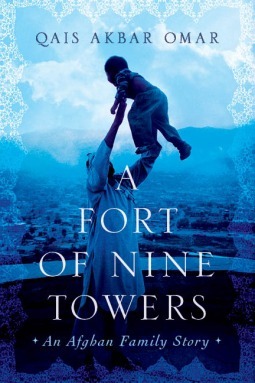
Qais Akbar Omar was born in Kabul in a time of relative peace. Until he was 7, he lived with his father, a high school physics teacher, and mother, a bank manager, in the spacious, garden-filled compound his grandfather had built. Noisy with the laughter of his cousins (with whom they lived in the typical Afghan style), fragrant with the scent of roses and apple blossoms, and rich in shady, tucked-away spots where Qais and his grandfather sat and read, home was the idyllic centre of their quiet, comfortable life.

But in the wake of the Russian withdrawal and the bloody civil conflict that erupted, his family was forced to flee and take refuge in the legendary Fort of Nine Towers, a centuries-old palace in the hills on the far side of Kabul. On a perilous trip home, Omar and his father were kidnapped, narrowly escaping, and the family fled again, his parents leading their 6 children on a remarkable, sometimes wondrous journey. Hiding inside the famous giant Bamiyan Buddhas sculpture, and among Kurchi herders, Omar cobbles together an education, learning the beautiful art of carpet-weaving from a deaf mute girl, which will become the family’s means of support. Against a backdrop of uncertainty, violence and absurdity, young Qais Omar weaves together a story–and a self–that is complex, colourful, and profound.
In My Hands Today…

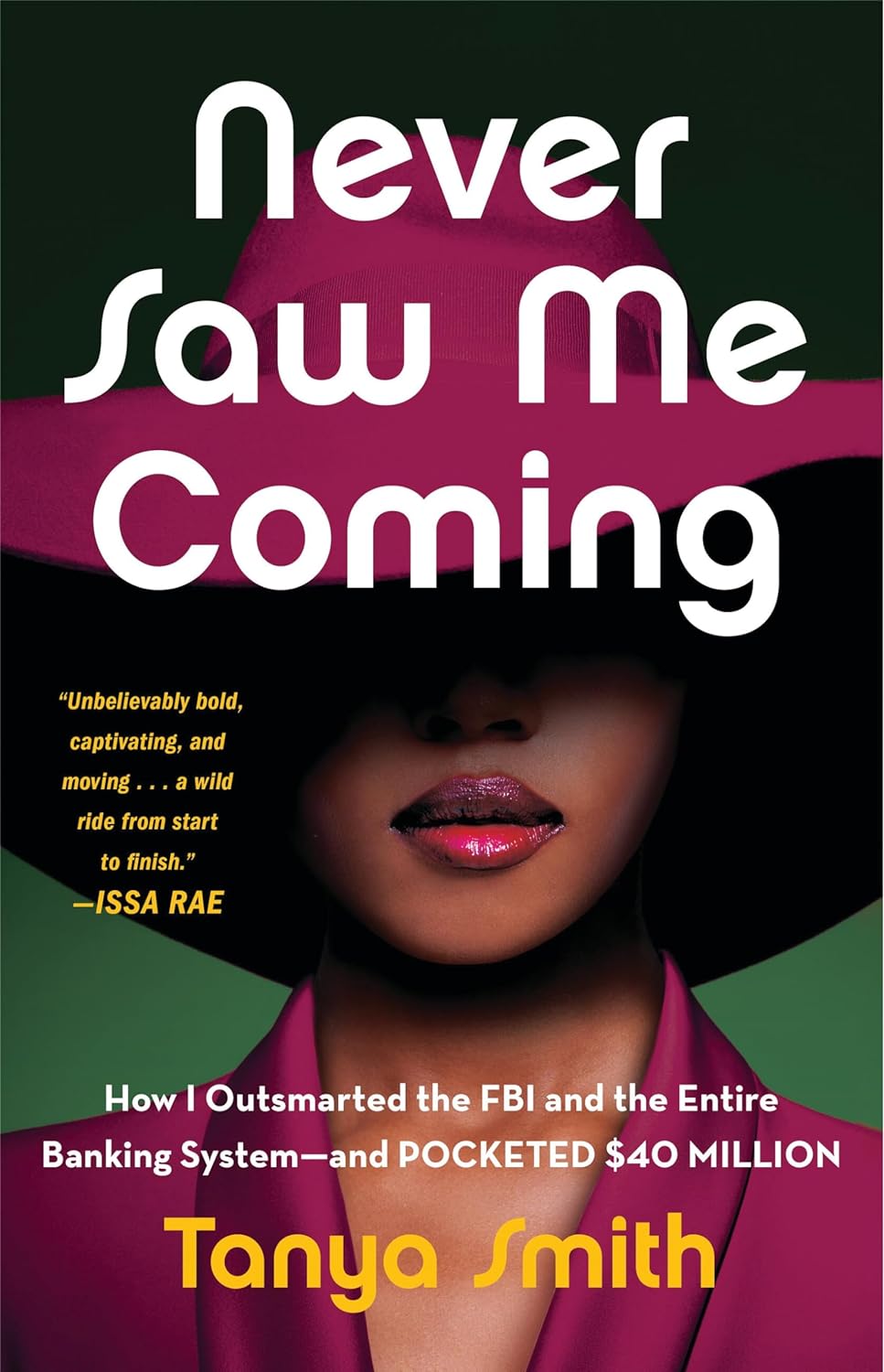
Never Saw Me Coming: How I Outsmarted the FBI and the Entire Banking System—and Pocketed $40 Million – Tanya Smith

Tanya Smith fancied herself a folk hero, a kind of Robin Hood, using her powers of persuasion to buck the system and help the poor and needy.

It started innocently enough, with calls to celebrities’ houses with her teenage twin sister. Soon, Tanya realised she could convince utility companies to amend the balances of her friends, relatives and neighbours, clearing their overdue electricity bills with a single phone call. Eventually, as she tested the limits and realized she could get past any gatekeeper, she started to want the actual money herself.

By the time she was 18, Tanya had ‘confiscated’ some $40 million in cash and commodities from US banks, using hacked wire transfers. It didn’t take long before the FBI was on her tail. But when interviewing her, they made clear that they were using her to get to the person actually running things – clearly, she wasn’t smart enough to do this on her own (Black people she was told, rob people, they don’t hack computers).

Thus began a cat and mouse game with the authorities that would drive her to unthinkable limits, breaking the hearts of her parents, putting Tanya’s life in jeopardy, and costing her custody of two children before finally sending her to Federal prison (where she escaped twice) with the longest sentence ever given for a white-collar crime.

In the spirit of true crime narratives like Catch Me If You Can, Molly’s Game, and Ben Mezrich’s Bringing Down the House, Never Saw Me Coming is a gripping caper, but it’s also the deeply personal journey of a young Black woman finding her way in a world that underestimated her brilliance.

In My Hands Today…

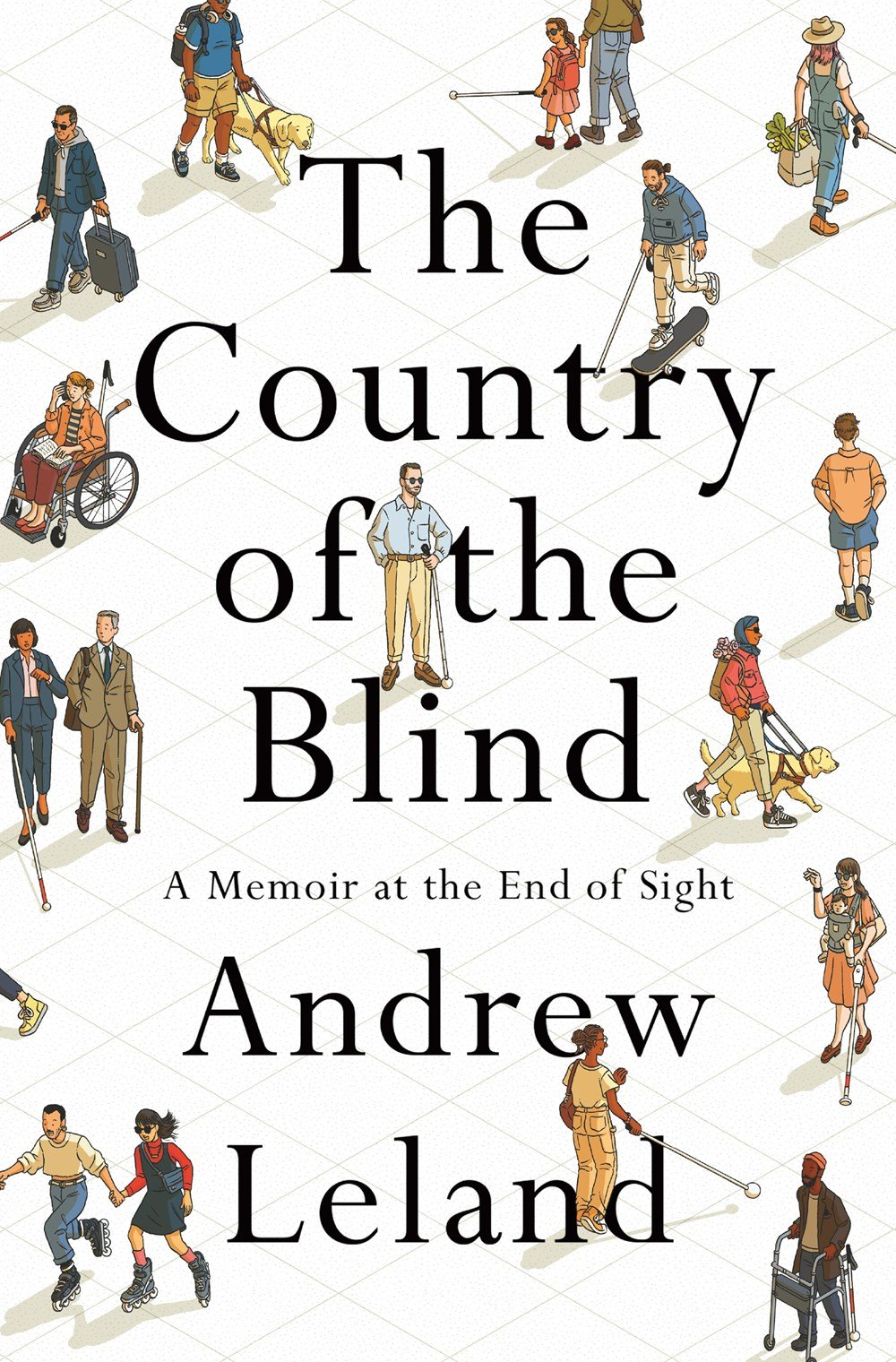
The Country of the Blind: A Memoir at the End of Sight – Andrew Leland

We meet Andrew Leland as he’s suspended in the liminal state of the soon-to-be he’s midway through his life with retinitis pigmentosa, a condition that ushers those who live with it from sightedness to blindness over years, even decades. He grew up with full vision, but starting in his teenage years, his sight began to degrade from the outside in, such that he now sees the world as if through a narrow tube. Soon—but without knowing exactly when—he will likely have no vision left.

Full of apprehension but also dogged curiosity, Leland embarks on a sweeping exploration of the state of being that awaits not only the physical experience of blindness but also its language, politics, and customs. He negotiates his changing relationships with his wife and son, and with his own sense of self, as he moves from his mainstream, “typical” life to one with a disability. Part memoir, part historical and cultural investigation, The Country of the Blind represents Leland’s determination not to merely survive this transition but to grow from it—to seek out and revel in that which makes blindness enlightening.

Thought-provoking and brimming with warmth and humor, The Country of the Blind is a deeply personal and intellectually exhilarating tour of a way of being that most of us have never paused to consider—and from which we have much to learn.

In My Hands Today…

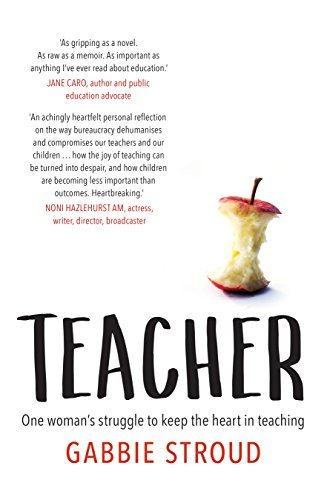
Teacher – Gabbie Stroud

Watching children learn is a beautiful and extraordinary experience. Their bodies transform, reflecting inner changes. Teeth fall out. Knees scab. Freckles multiply. Throughout the year they grow in endless ways and I can almost see their self-esteem rising, their confidence soaring, their small bodies now empowered. Given wings.

They fall in love with learning.

It is a kind of magic, a kind of loving, a kind of art.

It is teaching.

Just teaching.

Just what I do.

What I did.

Past tense.

In 2014, Gabrielle Stroud was a very dedicated teacher with over a decade of experience. Months later, she resigned in frustration and despair when she realised that the Naplan-test education model was stopping her from doing the very thing she was best teaching individual children according to their needs and talents. Her ground-breaking essay ‘Teaching Australia’ in the Feb 2016 Griffith Review outlined her experiences and provoked a huge response from former and current teachers around the world. That essay lifted the lid on a scandal that is yet to properly break – that our education system is unfair to our children and destroying their teachers.

In a powerful memoir inspired by her original essay, Gabrielle tells the full how she came to teaching, what makes a great teacher, what our kids need from their teachers, and what it was that finally broke her. A brilliant and heart-breaking memoir that cuts to the heart of a vital matter of national importance.

In My Hands Today…

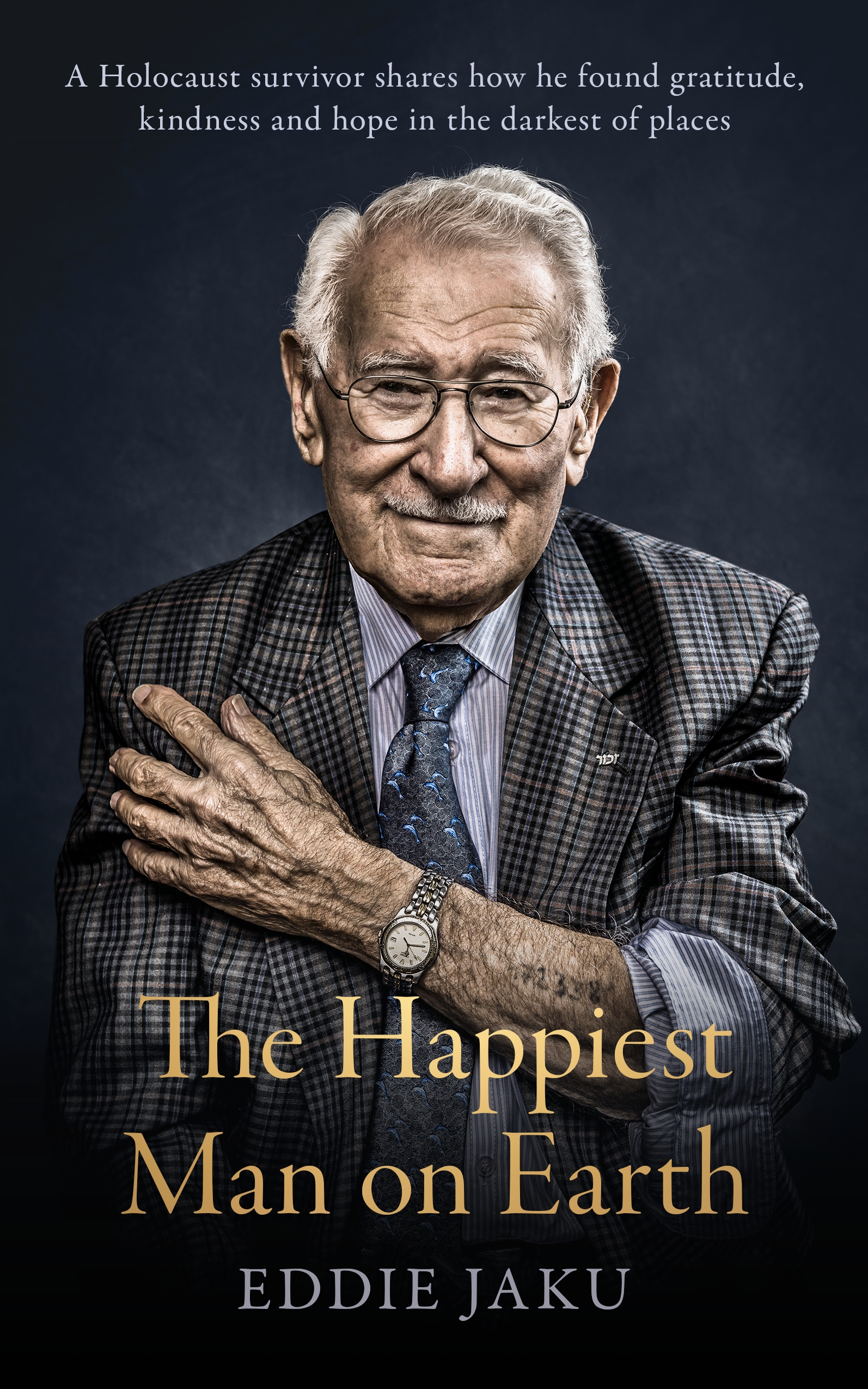
The Happiest Man on Earth – Eddie Jaku

Life can be beautiful if you make it beautiful. It is up to you.

Eddie Jaku always considered himself a German first, a Jew second. He was proud of his country. But all of that changed in November 1938, when he was beaten, arrested and taken to a concentration camp.

Over the next seven years, Eddie faced unimaginable horrors every day, first in Buchenwald, then in Auschwitz, then on a Nazi death march. He lost family, friends, his country.

Because he survived, Eddie made the vow to smile every day. He pays tribute to those who were lost by telling his story, sharing his wisdom and living his best possible life. He now believes he is the ‘happiest man on earth’.

Published as Eddie turns 100, this is a powerful, heartbreaking and ultimately hopeful memoir of how happiness can be found even in the darkest of times.