
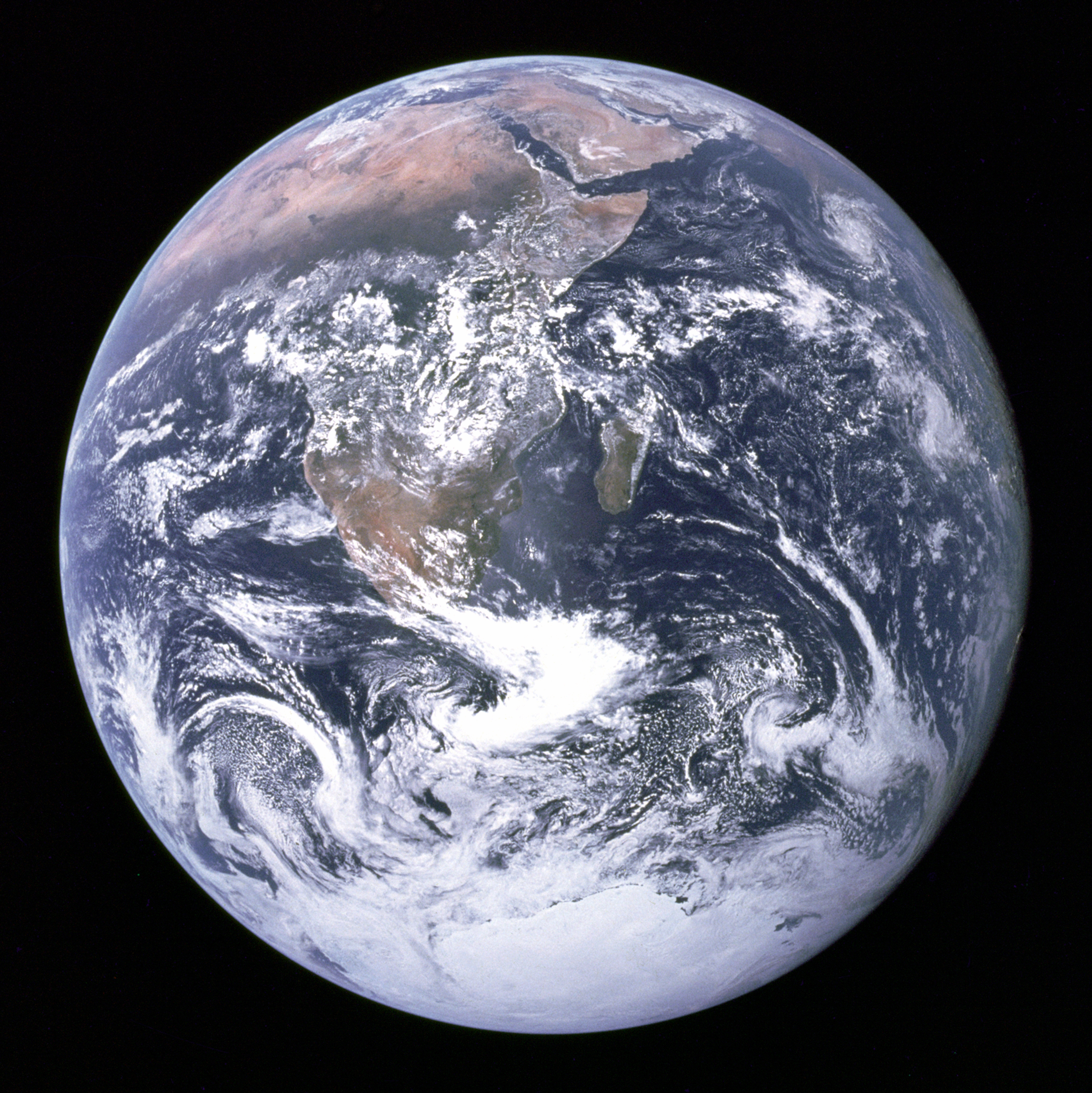
Earth Overshoot Day, an annual marker calculated by the Global Footprint Network (GFN), represents the date when humanity’s demand for Earth’s ecological resources exceeds what the planet can regenerate in that year. First observed in 2006, this day underscores the accelerating imbalance between human consumption and planetary boundaries.
Earth Overshoot Day emerged from the collaborative efforts of Andrew Simms, a researcher at the UK-based New Economics Foundation, and Mathis Wackernagel, co-founder of the Global Footprint Network. Their goal was to translate complex ecological data into a tangible metric to raise public awareness. Using the Ecological Footprint framework, which compares humanity’s resource demand like carbon emissions, and food production, against Earth’s biocapacity (e.g., forest regeneration, fisheries renewal), the GFN identifies the point each year when human activities outpace nature’s ability to recover. By framing ecological overshoot as a “budget deficit,” the initiative urges governments, businesses, and individuals to adopt sustainable practices.

The calculation of Earth Overshoot Day hinges on a simple ratio: dividing Earth’s annual biocapacity by humanity’s ecological footprint and multiplying the result by 365 days. Biocapacity measures the regenerative capacity of ecosystems, such as forests absorbing CO₂ or fisheries replenishing stocks, while the ecological footprint quantifies human demand for resources like cropland, timber, and fossil fuels. Disparities between nations are stark: high-consumption countries like the U.S. exhaust their share of resources within months, whereas others, such as Indonesia, operate within their biocapacity limits. This imbalance highlights the role of overconsumption in wealthy nations as a primary driver of global overshoot.
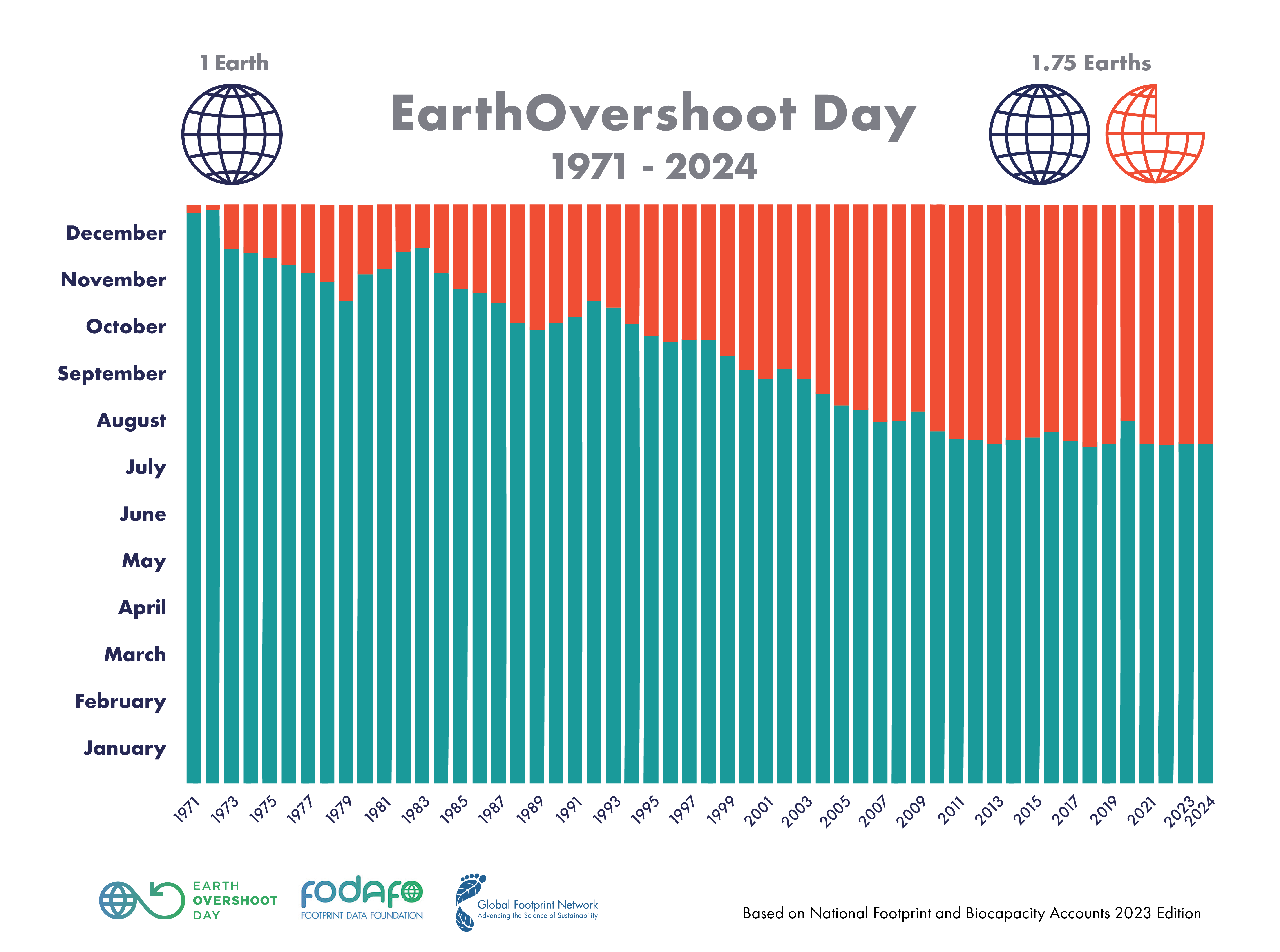
In the early 1970s, humanity’s resource use aligned with Earth’s regenerative capacity, with Overshoot Day falling in late December. However, rapid industrialization, population growth, and rising per capita consumption accelerated the date. By 2000, it had shifted to October 1, and by 2023, to August 2. Temporary delays, such as the 2020 date (August 22), resulted from reduced economic activity during COVID-19 lockdowns, illustrating how systemic changes in energy use and transportation can impact the timeline. Yet, such short-term shifts are unsustainable, emphasising the need for deliberate, long-term solutions.
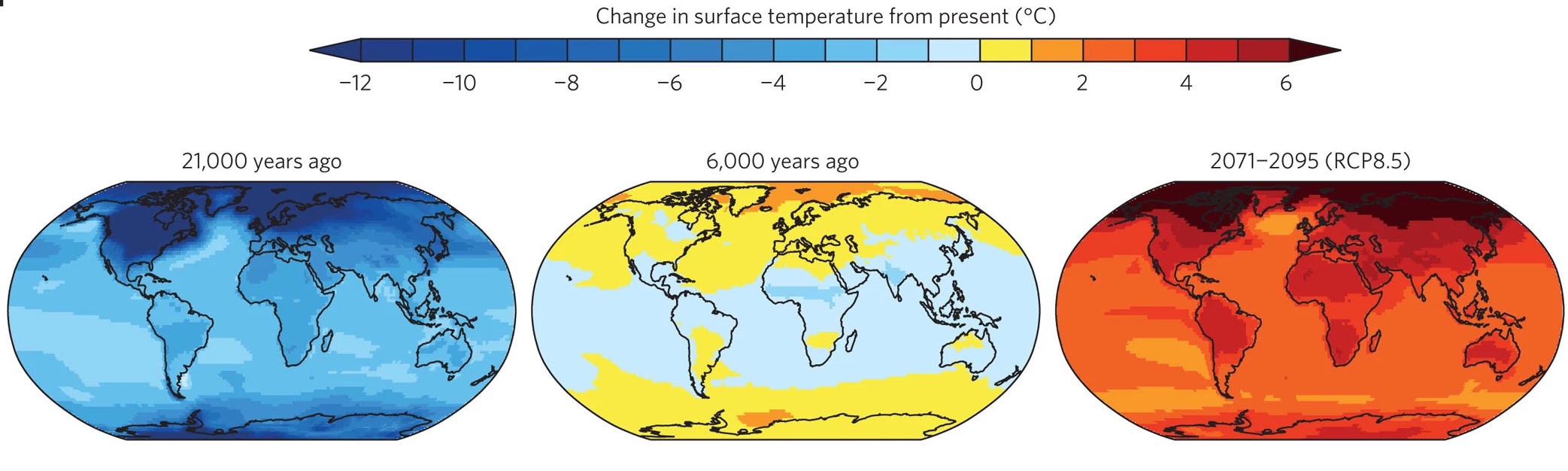
The primary driver of overshoot is humanity’s carbon footprint, accounting for 60% of the global ecological deficit. Fossil fuel emissions far exceed the planet’s capacity to absorb CO₂, exacerbating climate change. Population growth, tripling since 1950, intensifies demand for food, energy, and goods, while overconsumption in affluent nations widens the gap. For instance, the average American consumes resources at a rate 30 times higher than a citizen of a low-income country. Additional factors include deforestation (10 million hectares lost annually), industrial agriculture (responsible for 70% of freshwater use), and overfishing (34% of fish stocks depleted). Together, these practices degrade ecosystems and undermine Earth’s ability to sustain life.
Ecological overshoot has cascading effects. Biodiversity loss is accelerating, with wildlife populations declining by 69% since 1970, according to the World Wildlife Fund. Climate change fuels extreme weather events, displacing communities and destabilizing economies. Resource depletion, such as collapsing fisheries or degraded soils, threatens food security, while competition for scarce resources exacerbates social inequality. Vulnerable populations, particularly in the Global South, bear the brunt of these impacts, despite contributing minimally to the crisis.
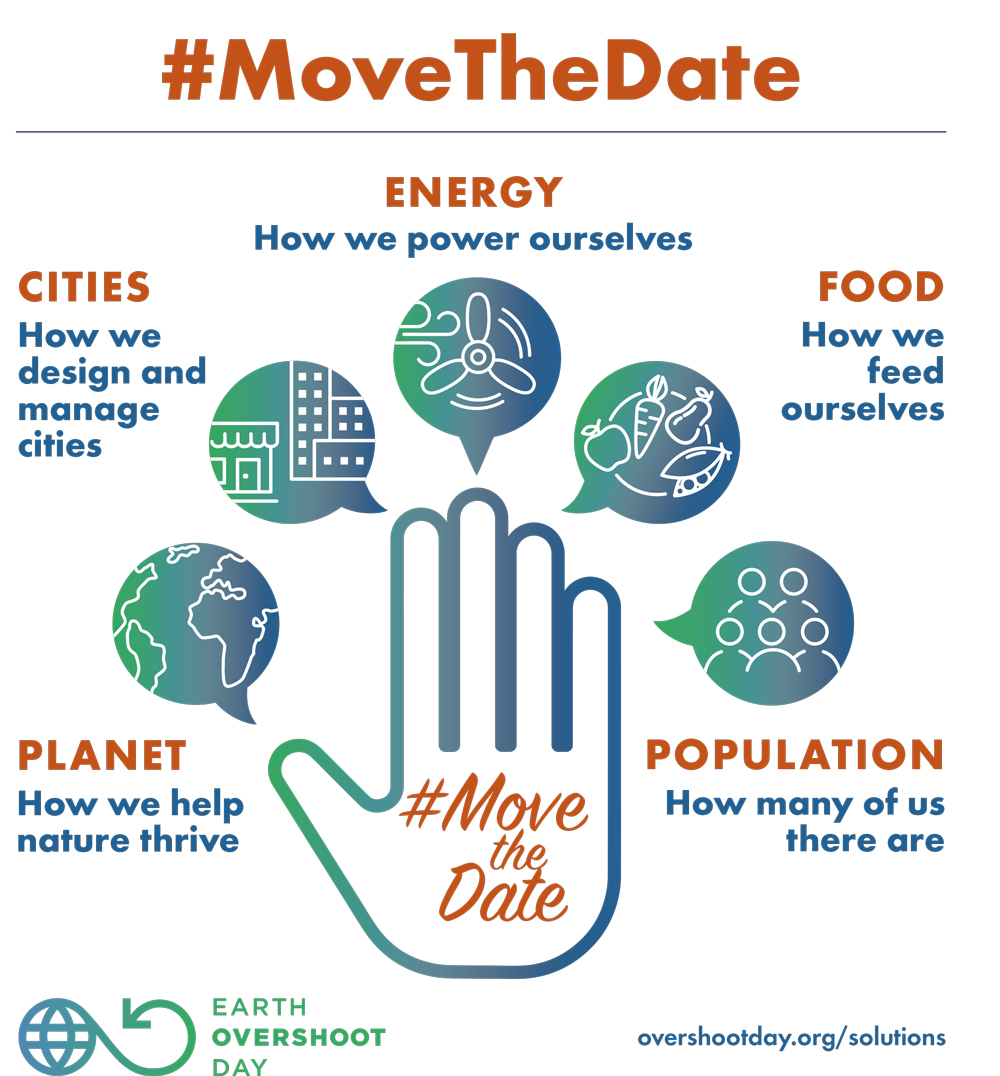
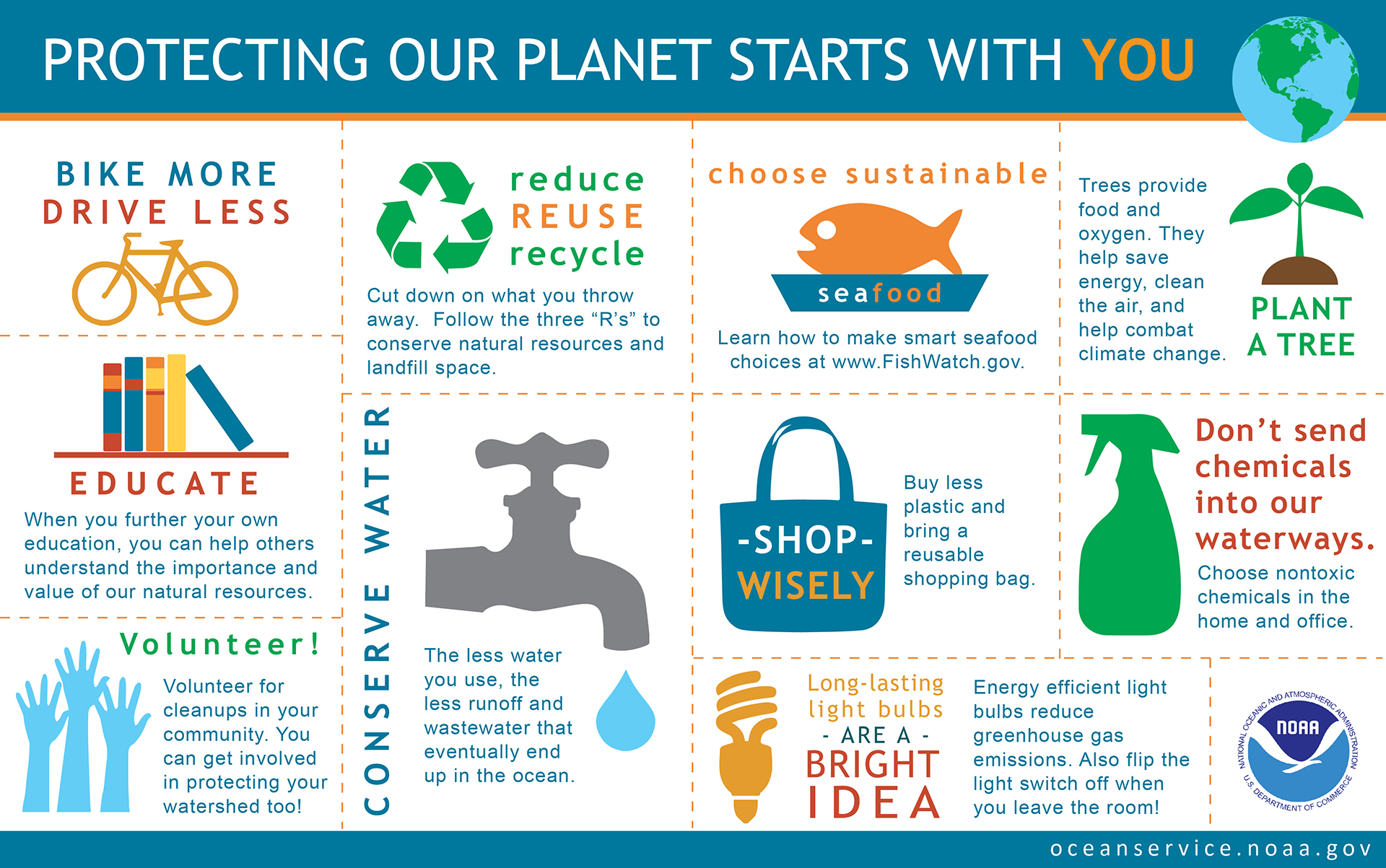
The Global Footprint Network’s #MoveTheDate campaign promotes solutions to push Overshoot Day backward. Transitioning to renewable energy could delay the date by 21 days, while adopting plant-based diets and reducing food waste could add 13 days. Circular economy models, which prioritise recycling and reusing materials, minimise waste and extraction. Urban planning innovations, such as green infrastructure and public transit, reduce cities’ ecological footprints. Policy interventions like carbon pricing, conservation incentives, and international agreements like the Paris Accord, are equally critical. Costa Rica exemplifies progress, generating 98% of its electricity from renewables and doubling forest cover since 1980.
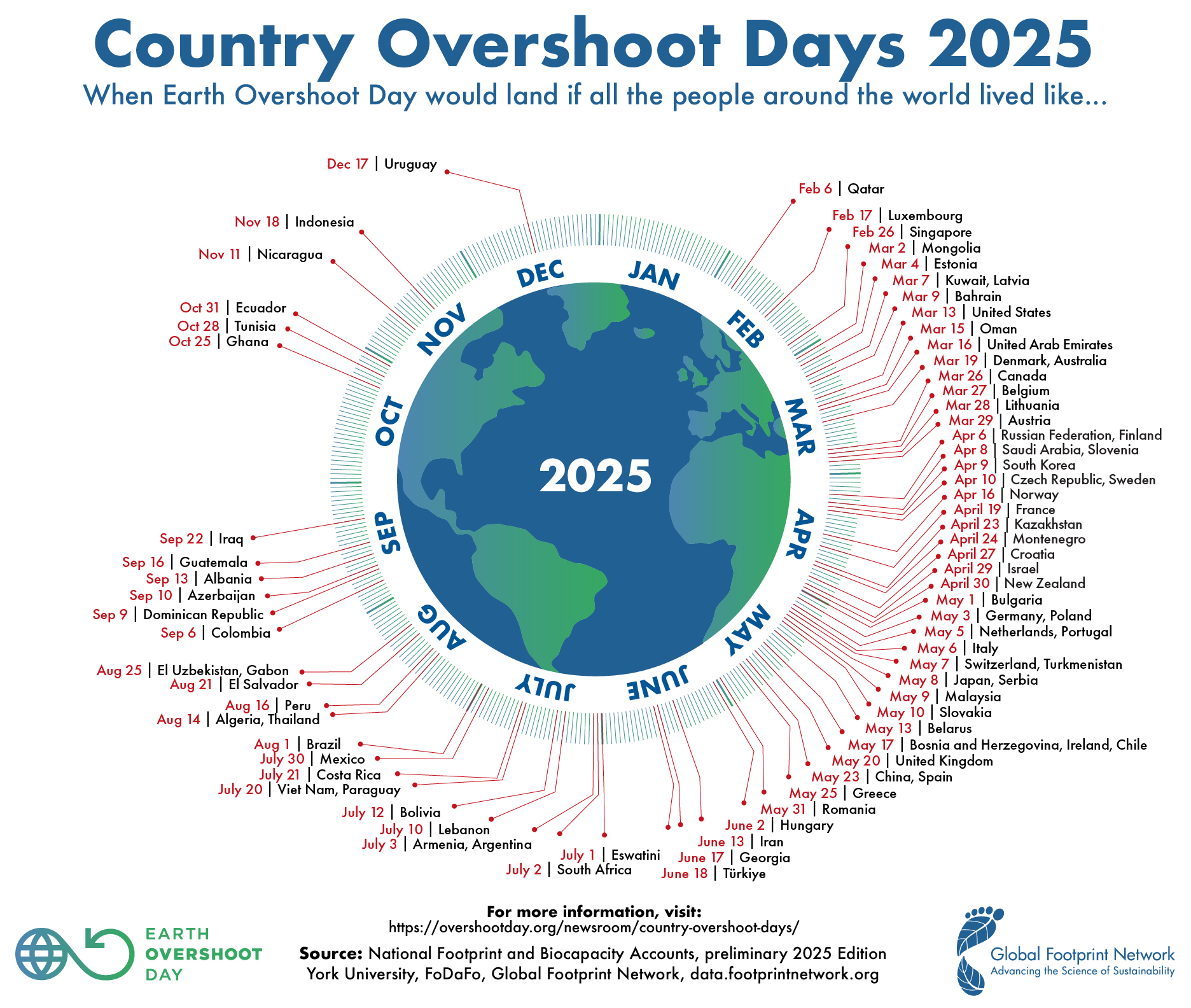
Country Overshoot Day, a national counterpart to Earth Overshoot Day, reveals the disparities in resource consumption between countries by calculating the date each would exhaust Earth’s annual ecological budget if global populations mirrored their residents’ lifestyles. Using the Global Footprint Network’s formula, comparing a nation’s per capita ecological footprint to global biocapacity, these dates range starkly: affluent nations like Qatar and the U.S. overshoot by February and March, respectively, while lower-income countries such as Indonesia and Jamaica often stay within planetary limits until December. High-income nations’ early dates stem from fossil fuel dependence, resource-intensive diets, and consumerism, with the U.S. footprint alone demanding five Earths if universalised. Such overconsumption drives climate change, resource depletion, and land degradation, disproportionately harming vulnerable regions least responsible for the crisis. Solutions include transitioning to renewables like Denmark’s 50% wind-powered grid, adopting circular economies, and enacting policies like carbon taxes. However, equity remains central: wealthy nations must reduce their footprints to leave ecological space for developing countries to meet basic needs. Country Overshoot Days underscore the urgency of aligning national policies with planetary boundaries to ensure a just, sustainable future.
Earth Overshoot Day serves as both a warning and a call to action. While the advancing date reflects humanity’s unsustainable trajectory, it also underscores the potential for change. By prioritizing renewable energy, sustainable consumption, and equitable policies, societies can realign with planetary boundaries. The challenge is monumental, but as initiatives like Costa Rica’s reforestation demonstrate, progress is achievable. Collective action, from grassroots advocacy to global policy, holds the key to moving the date and securing a livable future.






 Memories and Such