Earth Day 2026: Small Steps, Lasting Change

Every year, on April 22, the world pauses to honour the only home we’ve ever known: Mother Earth. It’s a day when the planet’s beauty, fragility, and resilience come together in a single reminder: that we share a collective responsibility for its care. As we approach Earth Day 2026, there’s a renewed urgency to rethink our choices and realign our actions with the world we inhabit.

The question is simple, yet profound: what does it mean to live gently on this Earth?

The first Earth Day was held in 1970, a time of political unrest, oil spills, polluted cities, and rising awareness of the environmental toll of industrial progress. It began with the vision of Senator Gaylord Nelson, who wanted to channel the energy of the student anti-war movement into environmental activism.

What started as a nationwide “teach-in” across the United States became a massive grassroots movement. More than 20 million people took to the streets to demand clean air, clean water, and a livable planet. That moment sparked the creation of the U.S. Environmental Protection Agency (EPA) and major environmental laws like the Clean Air Act and Clean Water Act.

By 1990, Earth Day had gone global. Over 140 countries participated, and environmental issues became part of mainstream international discourse. Today, more than a billion people across 190+ nations mark Earth Day in some form; from schoolchildren planting saplings to global corporations pledging carbon neutrality. Earth Day is now the largest secular civic event in the world, a powerful testament to what collective awareness can achieve.

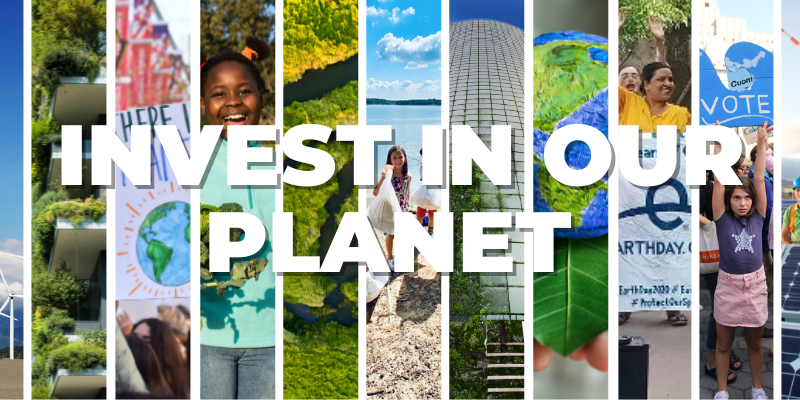
Each year, Earthday.org announces a global theme that unites efforts around a shared goal. Recent years have brought messages like Invest in Our Planet and Planet vs. Plastics.

If the last few years have taught us anything, it’s that climate change isn’t an abstract threat; it’s happening right now. From intense heatwaves to melting glaciers, from droughts to floods, the Earth’s rhythm is shifting. Yet, amid the chaos, hope endures. Across the world, innovators, scientists, and ordinary citizens are rewriting the story of sustainability, one conscious act at a time.

Fifty-six years after the first Earth Day, humanity stands at a crossroads. On one hand, we’ve made progress that once seemed impossible. Renewable energy like solar, wind, and hydro, now powers more homes than ever before. Countries like Denmark and Costa Rica are leading the way toward carbon neutrality. Electric vehicles have gone from niche luxury to mainstream transport. Cities are reimagining themselves as green, walkable spaces.

On the other hand, the challenges remain stark. Global temperatures continue to rise. Forests are shrinking. The oceans are warming and acidifying. Plastics have invaded even the deepest marine trenches. Species are disappearing before we’ve even had a chance to name them.

But Earth Day 2026 isn’t about despair, it’s about possibility. Because every problem, no matter how vast, carries within it the seed of change.

When we think of saving the planet, it’s easy to imagine that the work lies in the hands of governments or corporations. But the truth is, change begins with each of us. Our daily choices, how we consume, travel, eat, and dispose, ripple outward in ways we rarely see.

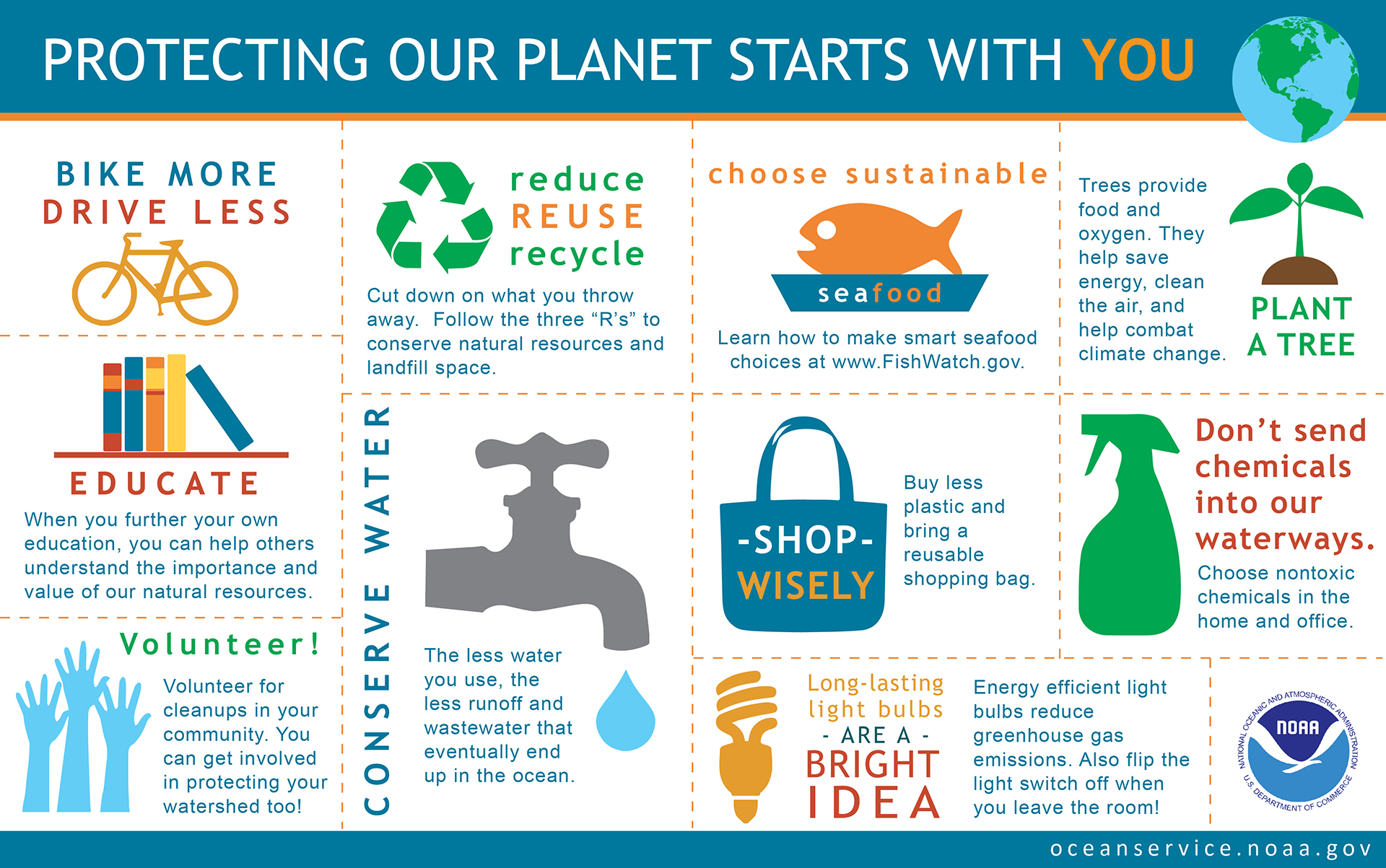
Here are small, sustainable actions that, when multiplied across millions, can lead to lasting impact.

At Home: Simple, Sustainable Swaps
Reduce, Reuse, Repair: Before buying new, ask if you can fix or repurpose what you have.
Compost your kitchen waste: Turn food scraps into nutrient-rich soil instead of sending them to landfills.
Mind your electricity: Switch off unused lights, unplug idle devices, and choose energy-efficient appliances.
Shop local and seasonal: Support farmers’ markets and reduce the carbon footprint of imported goods.
Ditch single-use plastics: Carry your own bottle, straw, and cloth bag. It’s such a small act, yet deeply symbolic of responsibility.

At Work: Greening Your Routine
Go paperless where possible: embrace digital receipts, notes, and reports.
Host green meetings, reduce printed agendas, opt for reusable mugs, and minimise travel through virtual calls.
Encourage team challenges like carpool days or plastic-free weeks.
Be an advocate: small office initiatives can grow into company-wide culture shifts.

In the Community: Collective Effort
Participate in a clean-up drive or a tree-planting event in your area.
Volunteer for local environmental NGOs or school eco-clubs.
Donate gently used items rather than discarding them.
Share your sustainability stories, awareness spreads through connection.

Online: Responsible Advocacy
The digital space can be both a tool and a trap. Misinformation spreads fast, so share verified sources and positive stories.
Follow credible environmental voices.
Support eco-conscious brands, artists, and initiatives.
Use your social platforms not for fear, but for inspiration and education.

Every small step counts. As author Anne-Marie Bonneau beautifully said, “We don’t need a handful of people doing zero waste perfectly. We need millions of people doing it imperfectly.”

At its heart, Earth Day is not just about activism; it’s about mindfulness. It asks us to slow down, to pay attention, and to live with intention. Think of the times you’ve stood at a beach and felt the tide wash over your feet, or walked through a forest and breathed in the scent of earth after rain. That connection, silent yet profound, reminds us of how deeply intertwined we are with nature. When we live mindfully, sustainability becomes more than a checklist. It becomes a way of honouring life itself.

Today, pause and step outside. Look up at the sky, notice how the clouds drift without effort. Feel the breeze brush past you. Remember, this air, this light, this moment, is a gift shared by all living things. The Earth asks for so little in return. Only that we tread gently.

Earth Day

Tomorrow is Earth Day, an annual observance celebrated each year to raise awareness and take action for the protection and preservation of our planet. This year is the 53rd edition that the day has been celebrated.

In the past few decades, our planet has been facing numerous environmental challenges such as climate change, pollution, deforestation, and species extinction. These issues have become increasingly pressing and have underscored the importance of taking action to restore the health and balance of our planet.

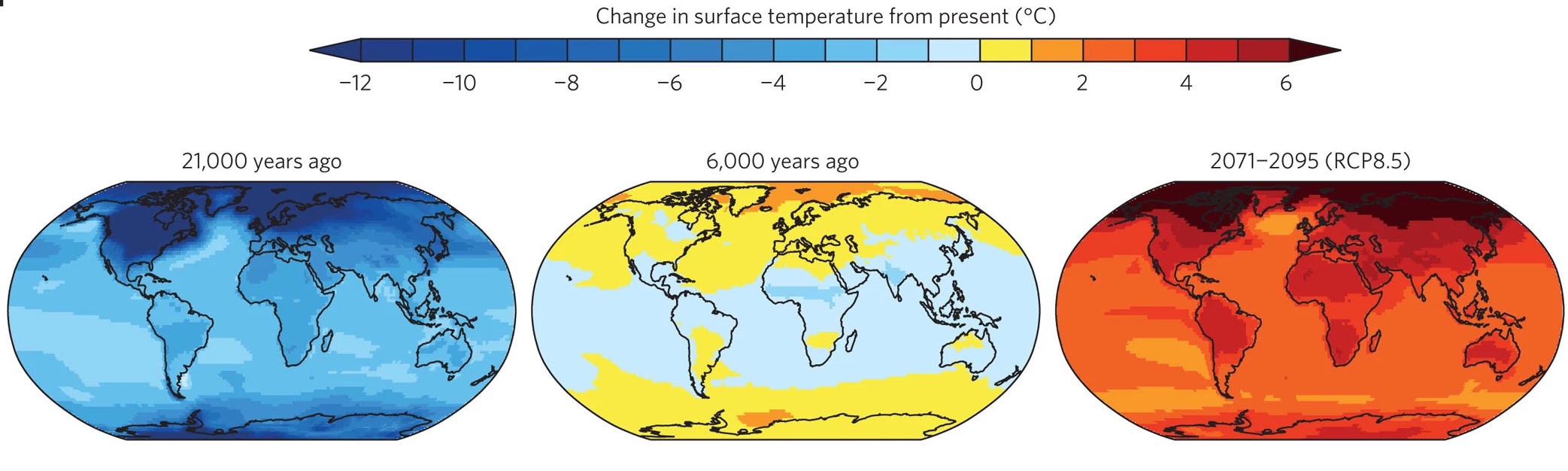
Climate change is one of the most significant environmental challenges facing our planet. The average temperature of the earth has been increasing steadily over the past few decades, resulting in melting ice caps, rising sea levels, and extreme weather conditions. The burning of fossil fuels, deforestation, and other human activities are the primary drivers of climate change. To mitigate its impact, it is crucial that we reduce our carbon footprint, shift to renewable energy sources, and implement more sustainable practices in our daily lives.

Another pressing environmental issue is pollution. Air, water, and soil pollution are all having a significant impact on the health of our planet. Air pollution caused by human activities such as the burning of fossil fuels, industrial processes, and transportation, can result in respiratory problems, heart disease, and even cancer. Water pollution caused by industrial waste and agricultural runoff is also a major concern, as it can harm aquatic life and disrupt ecosystems. Soil pollution caused by the use of pesticides and fertilizers can also have a devastating impact on the health of our planet.

Deforestation is another significant environmental challenge. Forests are critical to the health of our planet, as they absorb carbon dioxide and produce oxygen. However, deforestation for commercial and agricultural purposes is leading to a rapid loss of forest cover, which can result in soil erosion, loss of biodiversity, and decreased water quality. Species extinction is a major environmental issue. As the human population continues to grow, we are putting increasing pressure on the planet’s natural resources and habitats. This is leading to the loss of wildlife and plant species, which can have a ripple effect on entire ecosystems.

To restore our earth, we must take action at both the individual and collective levels. Some of the steps that we can take to make a positive impact include reducing, reusing, and recycling, using renewable energy, supporting sustainable agriculture, conserving water, protecting wildlife and planting trees.

The theme for Earth Day 2023 is Restore Our Earth. This theme emphasises the need for global action to address and mitigate the pressing environmental issues facing our planet. It is a call to action to take steps towards restoring the health and balance of the earth and its ecosystems. This theme recognises that our planet is facing multiple environmental challenges, such as climate change, pollution, deforestation, and species extinction, which are all having a significant impact on the earth’s health. These issues have become increasingly pressing, and we must take action now to restore the planet’s balance and health.

The theme encourages individuals, organisations, and governments to take concrete steps towards mitigating environmental challenges and to work towards restoring the health of the earth’s ecosystems. This includes reducing carbon emissions, shifting to renewable energy sources, implementing sustainable practices, and preserving natural habitats and biodiversity. The theme also highlights the importance of taking action to address the environmental challenges facing our planet and to work towards restoring its health and balance. It is a call to action for everyone to do their part in protecting and preserving our planet for future generations.

Earth Day is an opportunity for us to reflect on the impact that we are having on our planet and to take action to restore its health. By taking these simple steps, we can work together to create a more sustainable future for our planet and future generations. By reducing our impact on the environment, we can help ensure a healthy and sustainable future for our planet and all of its inhabitants.

Earth Day

Human beings live on planet Earth and it is our sacred duty to preserve our planet for our future generations. The connection that we have to nature, plants, and the land is integral to our health and all that we are. Earth Day, celebrated tomorrow on 22 April each year reminds us to take care of our planet, whether it’s cleaning up litter, planting more trees, recycling and repurposing, or going on a walk in a green space amidst the wildflowers.

Earth Day 2021 will mark the 51st anniversary of celebrating this day which was first organised in 1970 in the USA. Dealing with dangerously serious issues concerning toxic drinking water, air pollution, and the effects of pesticides, an impressive 20 million Americans—10% of the population—ventured outdoors and protested together. Today, Earth Day is marked by more than a billion people every year as a day of action to change human behaviour and create global, national and local policy changes. As of the 2020 Earth Day celebrations, 1 Billion individuals have been mobilised for action every Earth Day with more than 190 countries engaged in this cause.

With the largest global crisis of our generation currently on, it has become clear how important it is to think ahead of the next crisis. Climate change, species loss, pandemics and massive natural disasters might define the future, unless we do something now.

The theme for the 2021 edition of Earth Day is Restore our Earth. The theme is based on the emerging concept that rejects the idea that our only options to save the planet are to mitigate or adapt to the impacts of climate change and other environmental damage. Scientists, non-governmental organizations, business, and governments worldwide now are looking at natural system processes and emerging green technologies to restore the world’s ecosystems and forests, conserve and rebuild soils, improve farming practices, restore wildlife populations and rid the world’s oceans of plastics. While the world waits for global political and business leaders to take decisive action to reduce carbon emissions, natural processes including reforestation and soil conservation can store massive amounts of carbon while restoring biodiversity, clean water and air and rebalancing ecological systems. Restoration is pragmatic and necessary to reduce climate change.

Restoration also brings hope, itself an important ingredient in the age of COVID-19. The impacts of the pandemic have illustrated with painful clarity that the planet faces two crises and they are connected: global environmental degradation and its connection to our health. Deforestation, wildlife trade, air and water pollution, human diets, climate change and other issues have all fed into a breakdown of our natural systems, leading to new and fatal diseases, such as the current pandemic, and a breakdown of the global economy.

Everyone of us can celebrate the day. With restrictions in place in many countries, the activities we can do need not be just physical, they can also be virtual. You could perhaps, plant a garden or add some green to your home like a small herb garden which is easy to grow and maintain. You could also take a walk while social distancing and discover green spaces closeby and learn about the plants and animals indigenous to your area. Learn about recycling and upcycling as well as shop sustainable brands online and see how you can save the environment. While at home, we can also watch documentaries about the earth which will increase our knowledge about this beautiful planet we call home. And lastly, we can also take virtual field trips which many national parks and other outdoor places organise. This way, you don’t travel and increase your carbon footprint!

So how do you plan on celebrating and commemorating Earth Day?