

Tomorrow is Earth Day, an annual observance celebrated each year to raise awareness and take action for the protection and preservation of our planet. This year is the 53rd edition that the day has been celebrated.
In the past few decades, our planet has been facing numerous environmental challenges such as climate change, pollution, deforestation, and species extinction. These issues have become increasingly pressing and have underscored the importance of taking action to restore the health and balance of our planet.
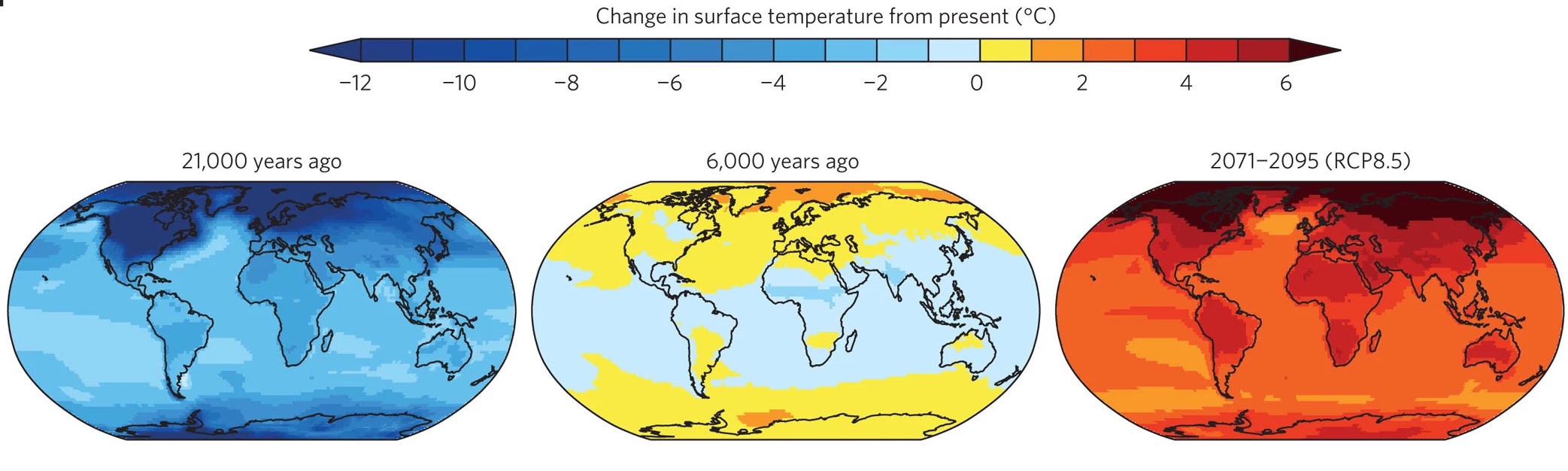
Climate change is one of the most significant environmental challenges facing our planet. The average temperature of the earth has been increasing steadily over the past few decades, resulting in melting ice caps, rising sea levels, and extreme weather conditions. The burning of fossil fuels, deforestation, and other human activities are the primary drivers of climate change. To mitigate its impact, it is crucial that we reduce our carbon footprint, shift to renewable energy sources, and implement more sustainable practices in our daily lives.
Another pressing environmental issue is pollution. Air, water, and soil pollution are all having a significant impact on the health of our planet. Air pollution caused by human activities such as the burning of fossil fuels, industrial processes, and transportation, can result in respiratory problems, heart disease, and even cancer. Water pollution caused by industrial waste and agricultural runoff is also a major concern, as it can harm aquatic life and disrupt ecosystems. Soil pollution caused by the use of pesticides and fertilizers can also have a devastating impact on the health of our planet.
Deforestation is another significant environmental challenge. Forests are critical to the health of our planet, as they absorb carbon dioxide and produce oxygen. However, deforestation for commercial and agricultural purposes is leading to a rapid loss of forest cover, which can result in soil erosion, loss of biodiversity, and decreased water quality. Species extinction is a major environmental issue. As the human population continues to grow, we are putting increasing pressure on the planet’s natural resources and habitats. This is leading to the loss of wildlife and plant species, which can have a ripple effect on entire ecosystems.
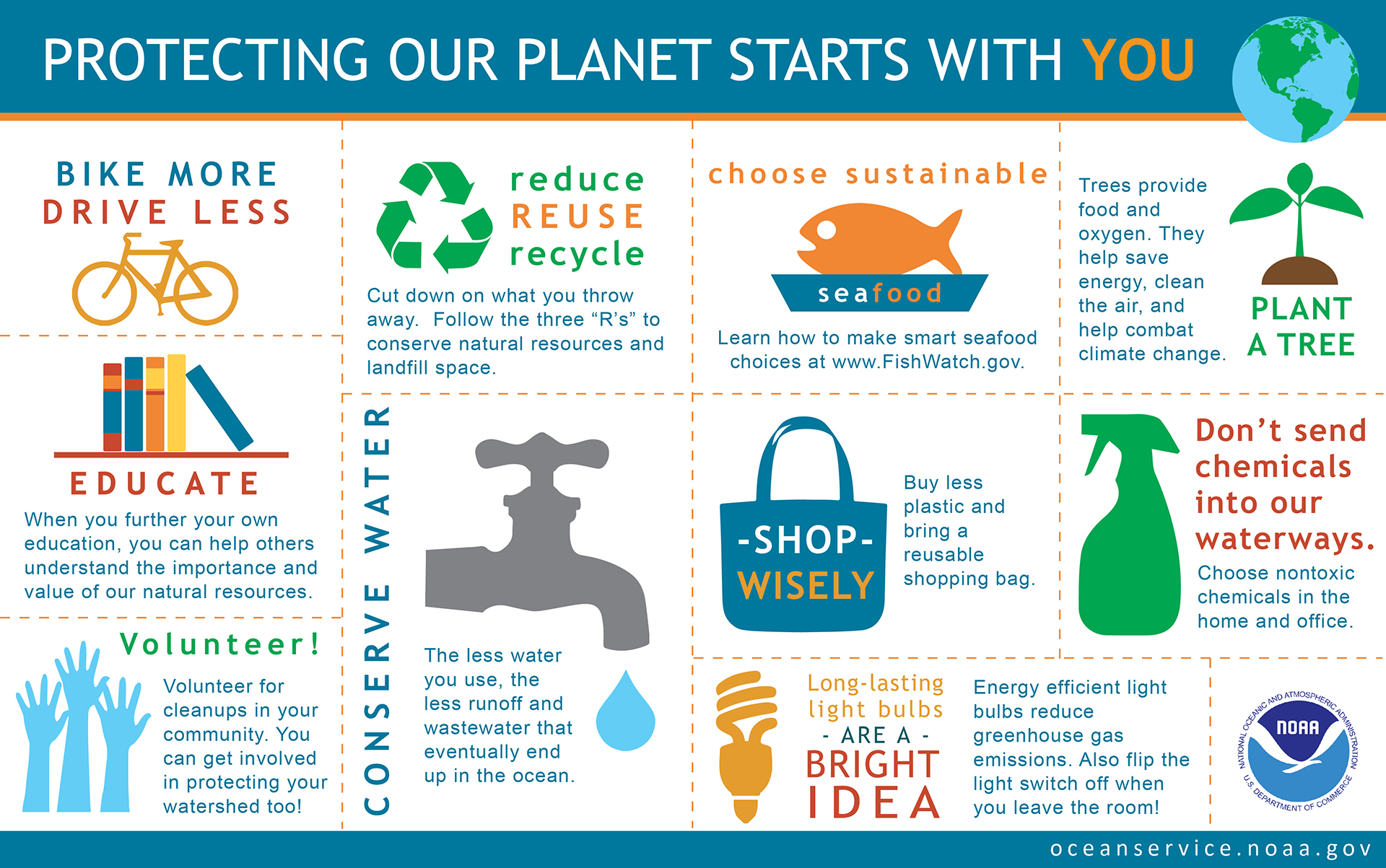
To restore our earth, we must take action at both the individual and collective levels. Some of the steps that we can take to make a positive impact include reducing, reusing, and recycling, using renewable energy, supporting sustainable agriculture, conserving water, protecting wildlife and planting trees.
The theme for Earth Day 2023 is Restore Our Earth. This theme emphasises the need for global action to address and mitigate the pressing environmental issues facing our planet. It is a call to action to take steps towards restoring the health and balance of the earth and its ecosystems. This theme recognises that our planet is facing multiple environmental challenges, such as climate change, pollution, deforestation, and species extinction, which are all having a significant impact on the earth’s health. These issues have become increasingly pressing, and we must take action now to restore the planet’s balance and health.
The theme encourages individuals, organisations, and governments to take concrete steps towards mitigating environmental challenges and to work towards restoring the health of the earth’s ecosystems. This includes reducing carbon emissions, shifting to renewable energy sources, implementing sustainable practices, and preserving natural habitats and biodiversity. The theme also highlights the importance of taking action to address the environmental challenges facing our planet and to work towards restoring its health and balance. It is a call to action for everyone to do their part in protecting and preserving our planet for future generations.
Earth Day is an opportunity for us to reflect on the impact that we are having on our planet and to take action to restore its health. By taking these simple steps, we can work together to create a more sustainable future for our planet and future generations. By reducing our impact on the environment, we can help ensure a healthy and sustainable future for our planet and all of its inhabitants.


 Memories and Such