Festivals of India: Jaisalmer Desert Festival

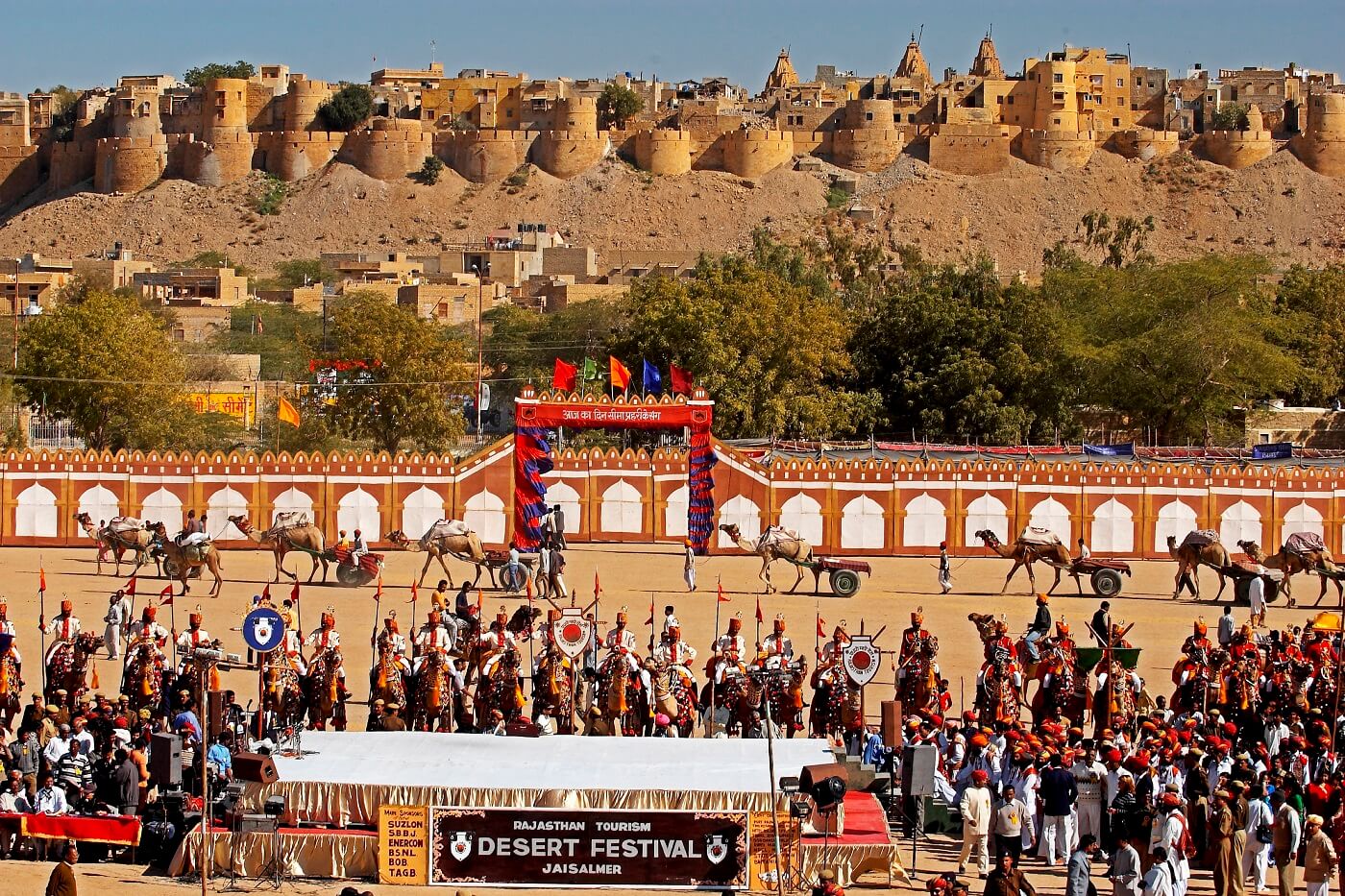
An annual festival that takes place in the heart of the Thar Desert, the Jaisalmer Desert Festival is a mesmerising celebration that transports one to a world where time stands still and the desert comes alive with the vibrant spirit of Rajasthan.

Nestled on the westernmost frontier of India, Jaisalmer is a city like no other. Its honey-coloured fort, rising majestically from the desert floor, earns it the moniker Golden City. As the gateway to the Thar Desert, Jaisalmer has a rich history steeped in tales of valour, trade, and the sands. The Desert Festival is held every year during the Hindu month of Magh, three days before the full moon. The festival is celebrated in the dunes of Sam, about 42 km from the city.

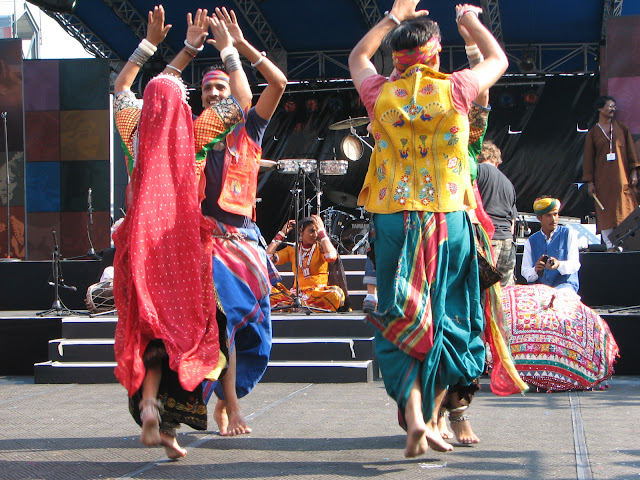
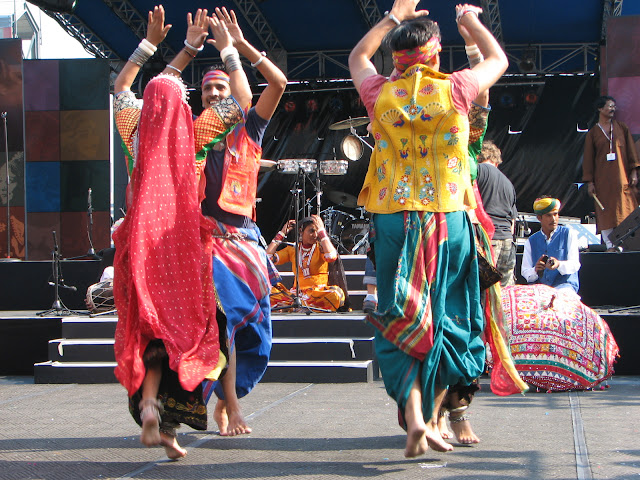
The Desert Festival kicks off with a regal procession through the narrow lanes of Jaisalmer. Bedecked camels, adorned with traditional finery, lead the way, followed by local musicians, dancers, and colourfully dressed locals. The rhythmic beats of folk music and the twirl of traditional dancers create an enchanting symphony that resonates across the dunes. From the energetic Kalbeliya dance to the soulful tunes of Manganiyar musicians, every performance reflects the vibrancy and diversity of Rajasthan’s artistic legacy.

The undulating dunes surrounding Jaisalmer set the stage for one of the festival’s highlights—the Camel Safari. Visitors can embark on a journey into the heart of the Thar Desert, accompanied by skilled guides who regale them with tales of desert life. The surreal landscape, shifting hues with the changing light, creates a canvas of unparalleled beauty.

One of the most anticipated events is the Battle of the Bands—a showcase of traditional Rajasthani music. Local musicians engage in friendly competition, captivating audiences with their skilful performances on instruments like the dholak, sarangi, and khartaal.

In a nod to the region’s proud heritage, the festival hosts a lively moustache competition. Men from far and wide showcase their elaborate facial hair in categories that celebrate the artistry and individuality of Rajasthani moustaches. It’s a spirited contest that adds a touch of whimsy to the cultural festivities.

Turbans, or pagris, are an integral part of Rajasthani attire, symbolising honour and pride. The turban-tying competition invites participants to showcase their skill in creating elaborate headgear. Each turban tells a story, with colours and styles representing a wearer’s community, occupation, or personal history.

The narrow lanes of Jaisalmer come alive with street performances, puppet shows, and magic acts. The vibrant bazaars, adorned with traditional crafts and textiles, become a playground for artists, capturing the imaginations of locals and visitors alike.

No festival is complete without a culinary journey, and the Desert Festival is no exception. Visitors are treated to a feast of Rajasthani delicacies, each dish a testament to the region’s rich culinary heritage. From the aromatic Dal Baati Churma to the indulgent Ghevar, the festival is a gastronomic adventure that tantalises the taste buds.
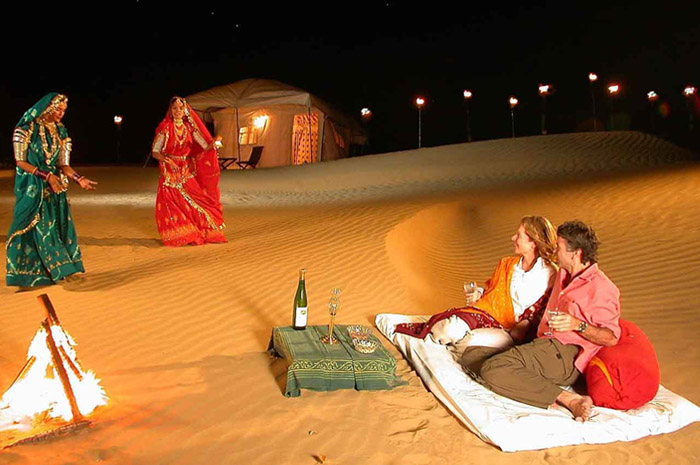
Beyond the festivities, the Desert Festival offers a unique opportunity to experience the desert lifestyle. Traditional desert camps, known as ‘khudde,’ provide a glimpse into the daily lives of desert dwellers. Visitors can participate in workshops on traditional crafts, learn the art of tie-dyeing, and engage with local artisans, creating memories that extend beyond the festival’s vibrant days.

For photography enthusiasts, the Jaisalmer Desert Festival is a visual feast. The stark beauty of the desert, juxtaposed with the riot of colours from traditional attire and festivities, creates a surreal panorama. Sunrise and sunset over the dunes offer photographers a canvas to capture the changing hues of the landscape.

The Desert Festival attracts a significant influx of visitors. Planning accommodations and travel well in advance ensures a seamless experience amid the festivities. The desert sun can be intense. Sunscreen, hats, and sunglasses are essential to staying protected while exploring the dunes and attending outdoor events. Jaisalmer’s cobbled streets and the sandy dunes require comfortable footwear. Whether exploring the city or venturing into the desert, sturdy shoes are a must. Respect local customs and traditions. Seek permission before photographing people, especially during religious ceremonies or private moments. The desert climate can be dehydrating. Carry a reusable water bottle to stay hydrated, especially during camel safaris and outdoor events.

After being at the Desert Festival in Jaisalmer, visitors take back with them memories etched in the sands of time. The vibrant tapestry of culture, music, and camaraderie experienced amid the Thar Desert is not merely a festival; it is an experience of a lifetime. A journey that transcends time echoes the folk music, the vibrant hues of turbans, and the enchanting dance of the desert winds that linger long after the festival tents come down and visitors have gone back to their humdrum lives.
Festivals of India: Marleshwar Yatra Sangameshawar

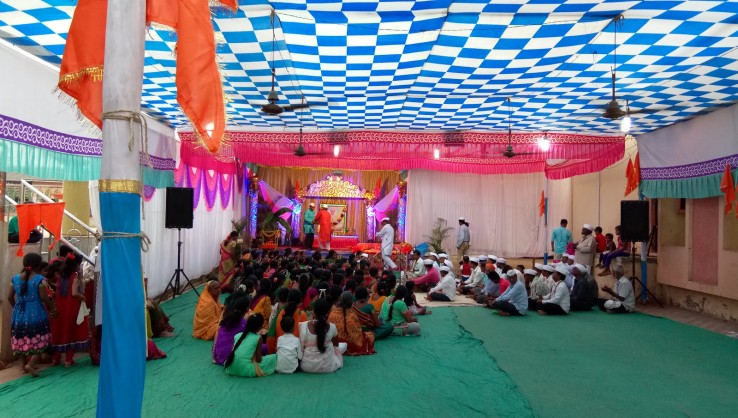
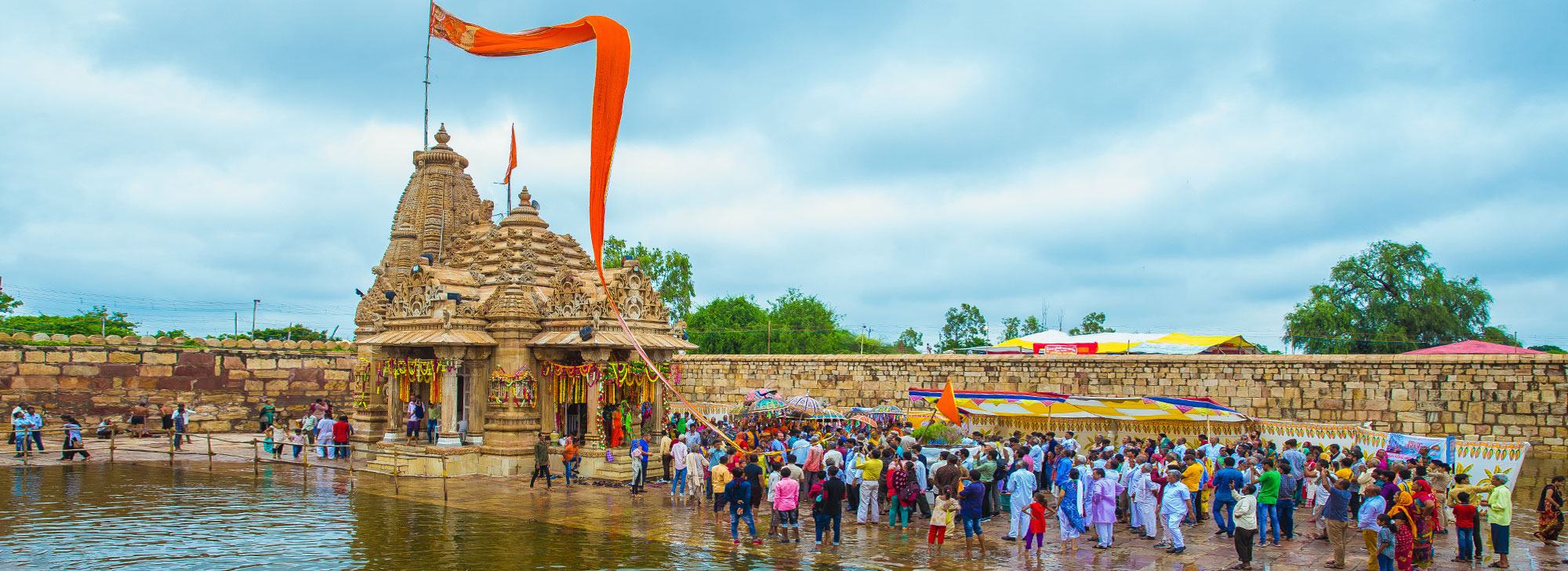
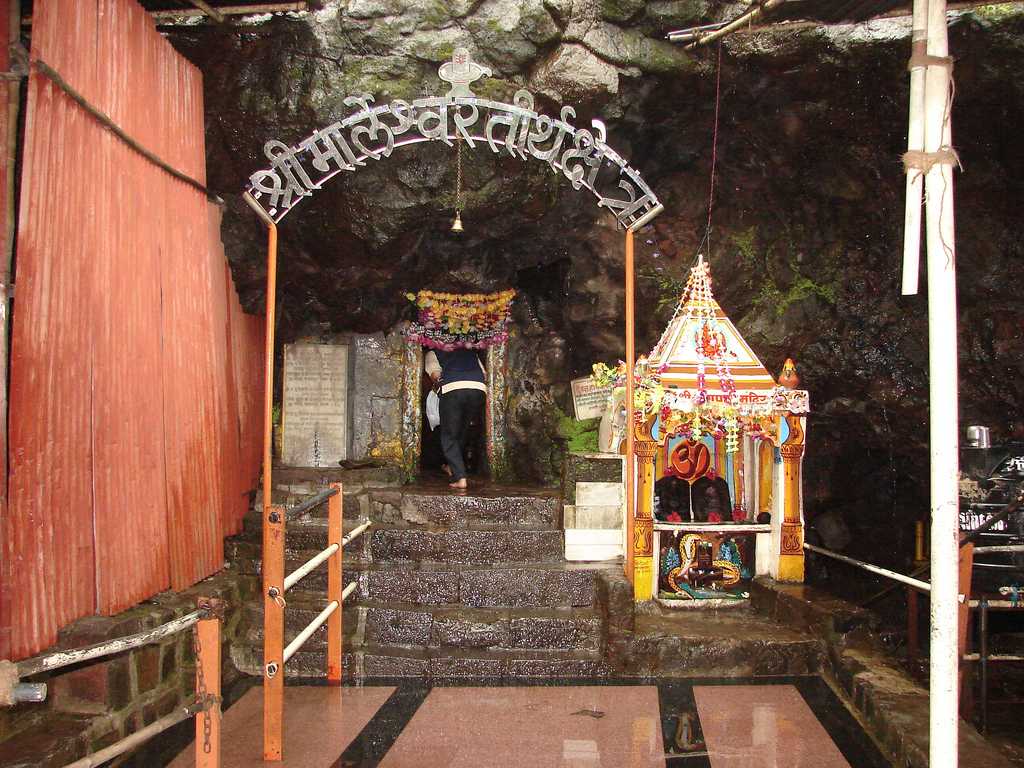
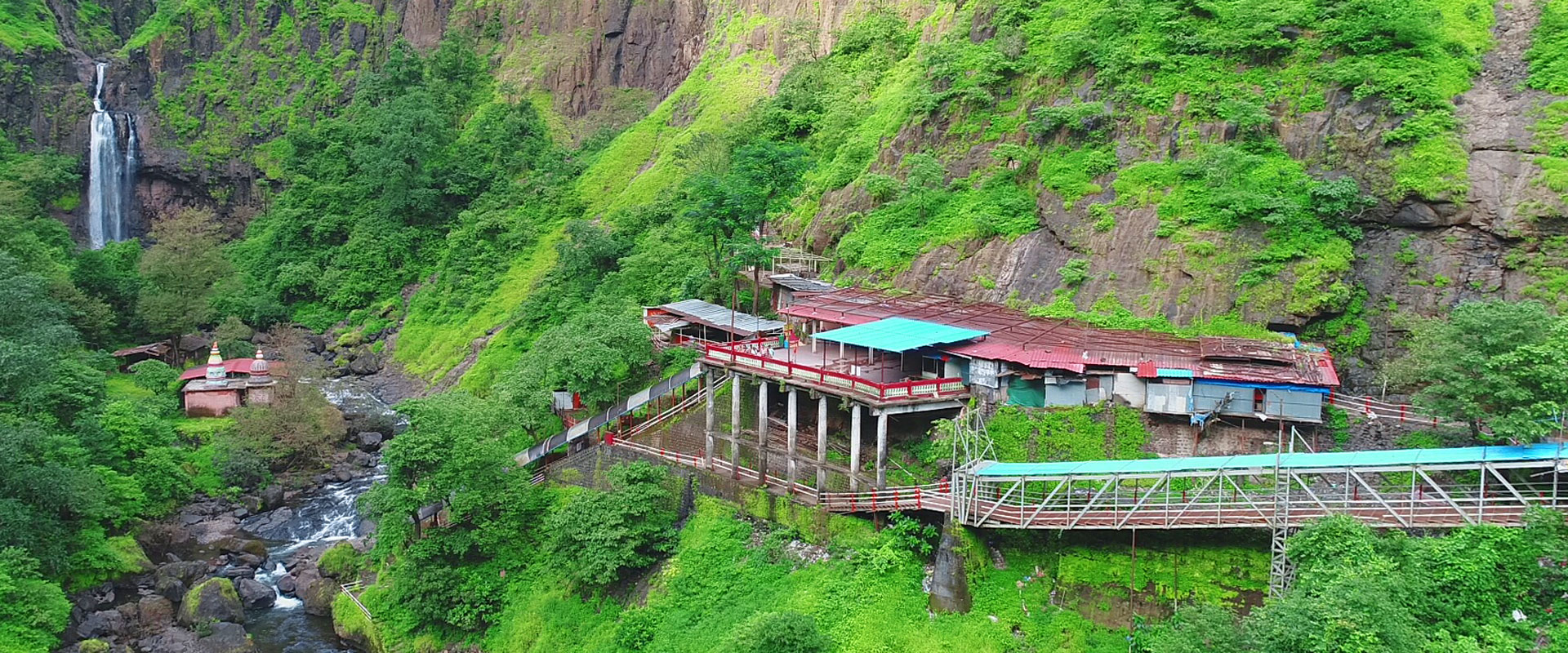
Nestled amidst the emerald embrace of the Sahyadri Mountains in Maharashtra, India, lies the ancient cave temple of Marleshwar, a hallowed sanctuary dedicated to Lord Shiva. The Marleshwar Yatra Sangameshwar is a unique pilgrimage that converges at the sacred confluence of the Marleshwar and Sangameshwar rivers. Located in Sangameshwar in Ratnagiri in the state of Maharashtra, the temple has 300–400 steps, which need to be climbed to reach the cave where the temple is located and has a small viewing platform from which the magnificent Dhareshwar Waterfalls can be admired. Surrounded by the Sahyadri range and the Dhareshwar Waterfalls, the temple has treacherous yet exhilarating pathways and its natural environment makes it a nature lover’s getaway destination. Marleshwar’s name may have been inspired by Maral village.

Every year on the day of Makarsankranti, on January 15, the temple witnesses the marriage of Marleshwar and Girijadevi. This two-day festival, steeped in myth and vibrant tradition, celebrates the divine union of Lord Marleshwar, or Lord Shiva and Goddess Girija Devi, or Goddess Parvati. In a tapestry woven with threads of faith, folklore, and the raw beauty of nature, the celebration draws thousands of devotees from across the country.

Legend has it that Marleshwar is associated with the sage Parashurama, an avatar of Lord Vishnu. Devotees believe that Parashurama, in search of penance and solitude, created the Marleshwar Linga at this location. The Sangameshwar River, a tributary of the Shastri, flows nearby, adding to the spiritual aura of the site.

The legend behind the yatra is as captivating as the landscape itself. It’s said that Lord Shiva, disguised as a hunter, fell in love with a beautiful cowherd named Girija. Impressed by his strength and unwavering resolve, Girija’s father, King Daksha, agreed to their marriage on the condition that Shiva complete a series of arduous tasks. Undeterred, Shiva conquered each challenge, and the sacred union was blessed.

The Marleshwar Yatra celebrates this divine marriage, with the temple becoming a symbol of their eternal bond. The cave itself, formed by a natural spring, adds a mystical touch to the experience. The ancient carvings and sculptures adorn the walls, whispering stories of faith and devotion, while the gentle flow of the spring water creates a soothing ambience.

The most unusual phenomenon related to the Marleshwar Temple, which also makes it extremely popular among pilgrims, is the presence of cobra snakes in the temple complex. It is widely believed that Lord Shiva lived here with these snakes. Legend says that these snakes are harmless and do not bite the visiting pilgrims and one can even touch them if they want to. So far, there have been no reports or incidents involving the snakes, and this occurrence makes the temple extremely renowned among devotees. The sighting of these cobras has, however, reduced drastically over the past few years because tourists tend to annoy or scare away the snakes.

The Yatra transcends a mere religious event; it’s a vibrant explosion of colours, music, and cultural immersion. The air thrums with devotional chants and the rhythmic beats of drums. Devotees adorned in their finest attire offer prayers and seek blessings from the deities. The surrounding fairground comes alive with a kaleidoscope of stalls selling traditional handicrafts, sweets, and souvenirs. Cultural performances like dance dramas depicting the story of Shiva and Parvati add to the festive spirit, filling the atmosphere with captivating narratives. There are also fairs on Mahashivratri and Tripuri Poornima.

The journey to Marleshwar itself is an adventure in its own right. Nestled amidst verdant forests and cascading waterfalls, the path to the temple winds its way through breathtaking scenery. The air is crisp and invigorating, and the sounds of nature create a symphony of their own. The trek to the cave temple, although challenging, is a rewarding one, offering panoramic vistas of the surrounding Konkan region. For those seeking a deeper connection with nature, the yatra provides an opportunity to explore the surrounding beauty. The cascading Dhareshwar waterfall, a short distance from the temple, offers a refreshing respite. Adventure enthusiasts can trek further to explore nearby forts and ancient caves, each whispering tales of a bygone era.

Central to the Marleshwar Yatra Sangameshwar is the unwavering faith and devotion of the pilgrims. The act of undertaking this pilgrimage is not merely a tradition; it is an expression of deep-rooted belief and commitment to spiritual growth. Pilgrims approach the yatra with humility, surrendering to the divine forces that guide their journey.

While the Marleshwar Yatra Sangameshwar embodies the timeless traditions of Maharashtra, it is not immune to the challenges of the modern era. Environmental conservation, infrastructural development, and the preservation of cultural authenticity pose complex challenges. Efforts are underway to strike a balance between preserving the sanctity of the pilgrimage and adapting to the needs of the contemporary world. Conservation initiatives, awareness campaigns, and community involvement play crucial roles in ensuring the sustainable continuation of this sacred tradition.

For those who undertake the yatra, it is a transformative experience—a journey that transcends the physical and delves into the spiritual. The Marleshwar Yatra Sangameshwar is more than a pilgrimage; it is a celebration of faith, community, and the timeless connection between humans and the sacred landscapes they traverse.

Festivals of India: International Sand Art Festival

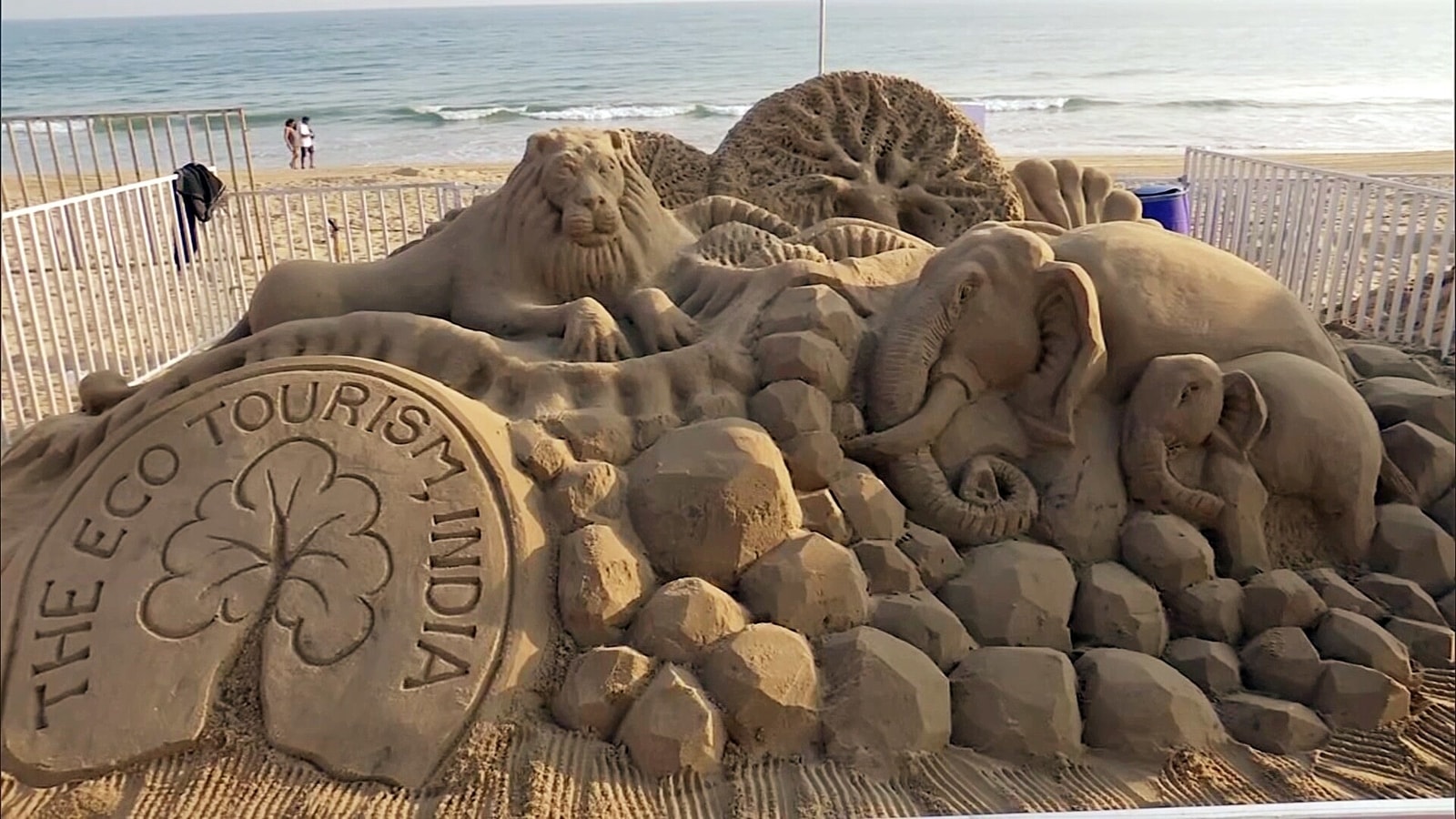
The International Sand Art Festival, held annually from November 24 to December 1, in Odisha, is a testament to the boundless creativity of artists who craft delicate sculptures from the most humble of materials—sand. This unique festival, which takes place on the shores of Chandrabhaga Beach in Konark, has been captivating the hearts of visitors and art enthusiasts from around the world since its inception. This annual event transforms ordinary grains of sand into magnificent masterpieces of creativity and imagination.

The festival is set against a stunning backdrop—Chandrabhaga Beach. Known for its pristine beauty and tranquil ambience, this beach, nestled in the coastal town of Konark with its golden sands, provides the perfect canvas for the artists’ sand sculptures to come to life.

At the heart of the International Sand Art Festival lies the legacy of one man, Sudarsan Pattnaik. A renowned sand artist hailing from Odisha, Pattnaik has not only earned international acclaim for his sand sculptures but has also been a driving force behind the festival’s inception and continued success.

The International Sand Art Festival began as a modest local event in Puri, Odisha, in the early 1990s, primarily showcasing the talents of Sudarsan Pattnaik and his students. Over the years, it grew in stature, attracting sand artists from India and beyond. In 2011, the festival found its current home on Chandrabhaga Beach, offering artists a larger canvas and a stunning coastal backdrop.

Each year, the festival adopts a specific theme, guiding artists to create sculptures that resonate with the chosen motif. Themes have ranged from environmental conservation to cultural heritage, and artists draw inspiration from a wide array of sources.

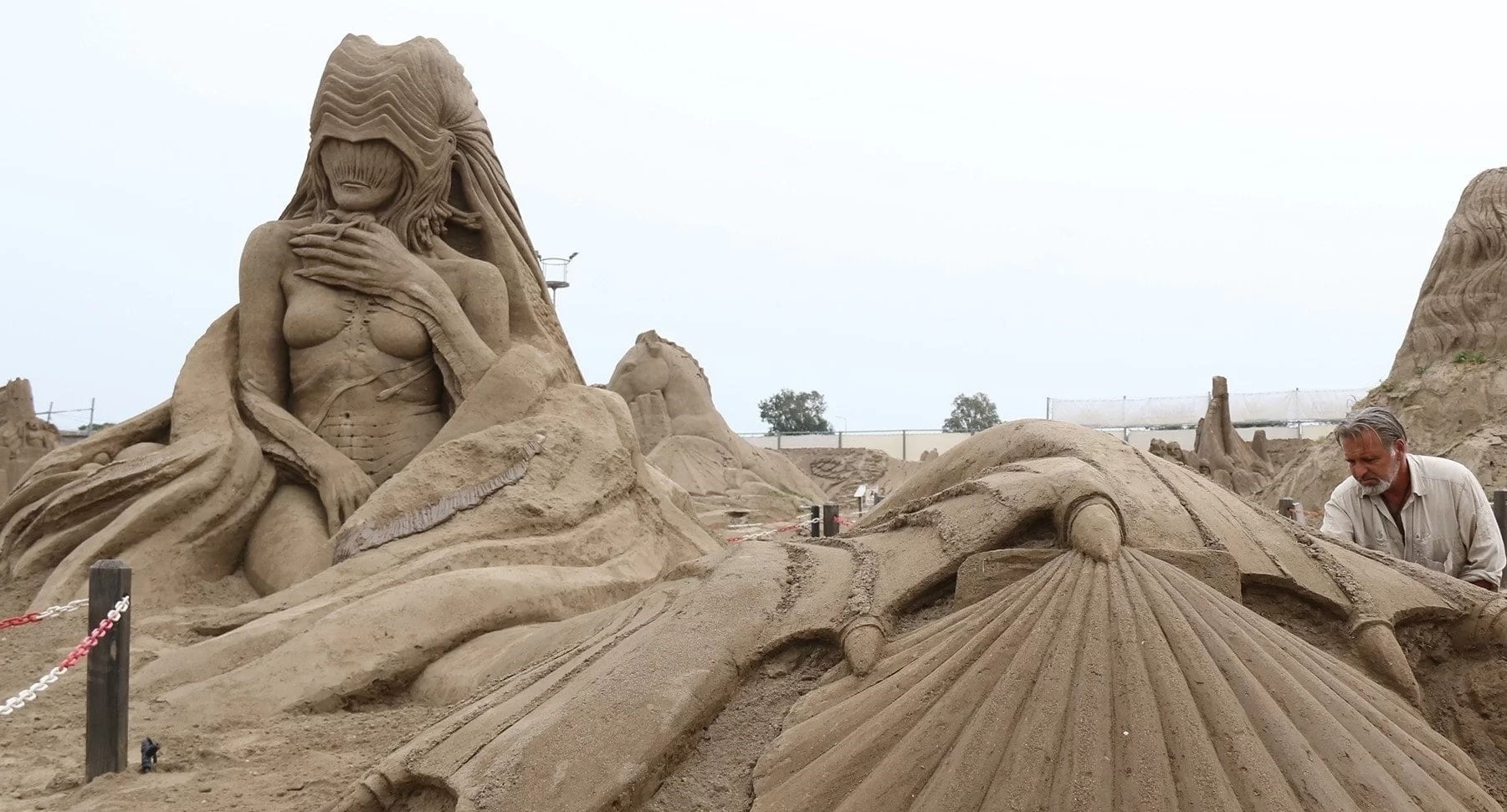
Artists begin with an empty patch of sand, meticulously sculpting their visions using only sand and water. The delicate nature of the medium demands precision and patience, as sculptors must work quickly before the sand dries. The festival showcases a diverse range of sculptures, from intricate figurines and lifelike portraits to towering structures that seem to defy gravity. The level of detail that artists achieve with grains of sand is nothing short of awe-inspiring. Alongside local talents like Sudarsan Pattnaik, the festival often attracts renowned sand artists from around the world. Their participation adds an international flair to the event, fostering cross-cultural exchange and artistic collaboration.

In 2023, the International Sand Art Festival will embrace the theme of “Celebrating Cultural Heritage.” This theme invites artists to explore and depict the rich tapestry of cultural diversity that defines India and the world. Through their sand sculptures, artists pay homage to the traditions, rituals, and artistic expressions that have shaped our collective heritage.

The theme highlights the importance of preserving and celebrating cultural heritage in a rapidly changing world. It serves as a reminder that our past informs our present and shapes our future. By showcasing the cultural heritage of different regions and communities, the festival encourages dialogue and understanding among people from diverse backgrounds. It fosters an appreciation for the beauty of our shared human heritage. Sand art transcends language barriers, allowing artists to communicate complex cultural narratives through their sculptures. It demonstrates the power of art to convey messages and emotions across cultures. The theme inspires artists and visitors alike to reflect on the significance of their cultural backgrounds and the contributions of diverse cultures to our global society.

The festival plays a pivotal role in promoting art and culture, not only in Odisha but on a global scale. It showcases the immense artistic talent of sand sculptors and fosters an appreciation for the arts. The festival draws tourists from all over the world, benefiting the local economy and supporting tourism-related businesses in Odisha. It serves as a platform for cultural exchange, allowing artists from different parts of India and the world to come together, share their perspectives, and learn from one another. The festival engages the local community in various ways, from providing opportunities for local artisans to showcase their crafts to offering art workshops for children.

The International Sand Art Festival, with its mesmerizing sculptures and cultural celebrations, reminds us of the power of art to bridge divides, celebrate diversity, and inspire generations. In the delicate grains of sand sculpted into intricate forms, we find not only beauty but also a profound message – that creativity knows no bounds and that cultural heritage is a treasure to be cherished and shared.

Festivals of India: Mysuru Dasara

Karnataka’s state festival or Nadahabba, the Dasara festival in Mysore is a 10-day festival, starting with the nine nights of Navaratri and the last day being Vijayadashami or Dasara. The festival is observed on the tenth day in the Hindu calendar month of Ashvina, which typically falls in the Gregorian months of September and October. The 10-day extravaganza marks the triumph of good over evil and pays homage to the goddess Chamundeshwari, the presiding deity of Mysuru.

Dasara, Navratri and Vijayadashami was the day in Hindu mythology when Goddess Chamundeshwari or Goddess Durga killed the demon Mahishasura, whose slaying by the Goddess gave the city its name of Mysuru. The Mysuru tradition celebrates the warriors and the state fighting for the good during this festival, ritually worshipping and displaying the state sword, weapons, elephants, and horses along with the Hindu Devi goddess in her warrior form, predominantly as well as the Vishnu avatar of Lord Rama. The origins of the Dasara festival can be traced back to ancient Hindu mythology, specifically the great epic, Ramayana. It is believed that Lord Rama, the seventh avatar of Lord Vishnu, worshipped the goddess Durga before embarking on his journey to rescue his wife, Sita, from the demon king Ravana. In commemoration of the divine blessings bestowed upon him, Lord Rama emerged victorious on the day of Vijayadashami, the tenth day of the festival. The ceremonies and a major procession are traditionally presided by the king of Mysuru.

The Dasara festivities began with the Vijayanagar kings as early as the 14th or 15th century and played a historical role in the 14th-century Vijayanagara Empire, where it was called Mahanavami and the festivities are shown in the relief artwork of the outer wall of the Hazara Rama temple of Hampi. The Italian traveller Niccolò de’ Conti described the festival’s intensity and importance as a grandeur religious and martial event with royal support. The event revered Durga as the warrior goddess or Chamundeshwari and hosted athletic competitions, singing and dancing, fireworks, a pageantry military parade and charitable giving to the public.

After the fall of the Vijayanagar to the Deccan Sultanates, these Hindu celebrations came to an end under Muslim rulers. The Wodeyars of Mysore formed a kingdom in Southern parts of the Vijayanagara Empire and continued the Mahanavami or Dasara festival celebration, a tradition started initially by Raja Wodeyar I in mid-September 1610 at Srirangapatna. The city of Mysuru has a long tradition of celebrating the Dasara festival with grandeur and pomp. The Dasara festival in Mysuru completed its 409th anniversary in 2019. Over the centuries, the Dasara festival evolved and assimilated various regional customs and traditions, ultimately becoming an essential part of Mysuru’s cultural identity. The festival showcases the city’s rich heritage and its reverence for its ruling family, the Wadiyars, who have played a pivotal role in preserving and promoting the festival’s grandeur.

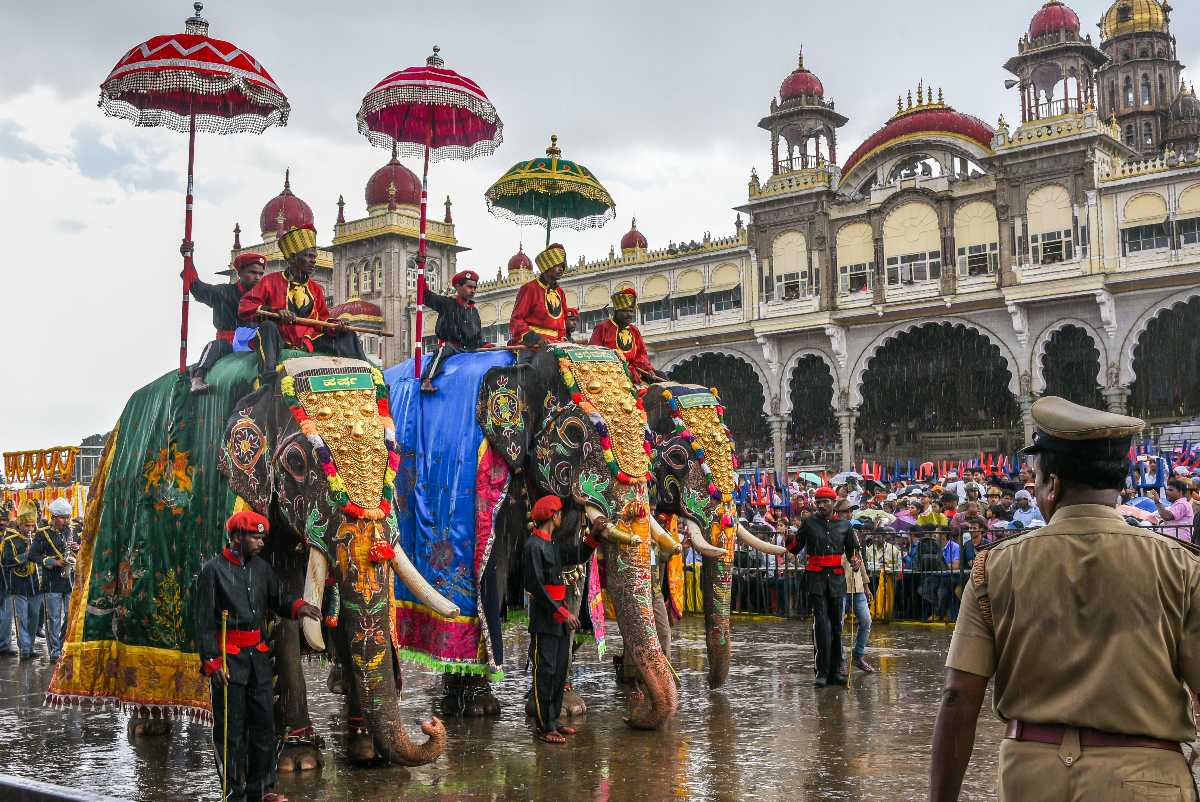
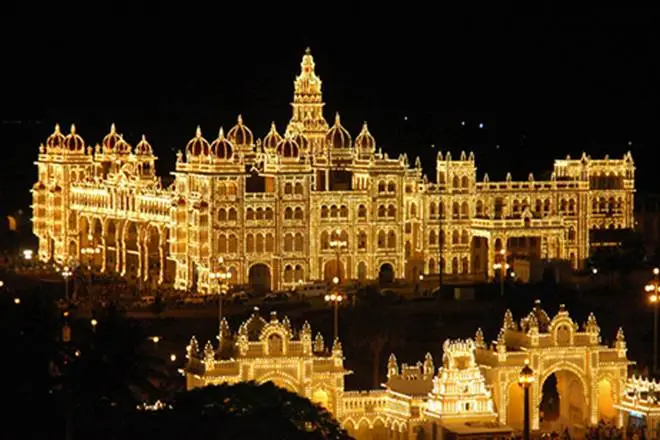
The festival is the jewel in the city’s crown and the entire city springs into action. Adorned with colourful lights and decorations, the iconic Mysuru Palace, a masterpiece of Indo-Saracenic architecture, takes centre stage as it is beautifully illuminated with nearly 100,000 light bulbs from 7 to 10 pm on all days of the festival, presenting a breathtaking sight. The Nadahabba is inaugurated with great fanfare at the Mysuru Palace by the current scion of the royal family. Dressed in traditional regal attire, the Wadiyars carry the golden idol of the goddess Chamundeshwari in a magnificent procession, accompanied by traditional music, dance, and the beats of ceremonial drums. The spirit of the festival is infectious as locals and visitors alike gather to witness this majestic spectacle. The intricate floral rangoli, known as Rangoli Patha, adorn the palace grounds, and the aromatic fragrance of flowers fills the air, adding to the festive ambience. Various cultural and religious programs highlighting the dance, music and culture of the State of Karnataka are performed in front of the illuminated Palace.

The heart of Dasara lies in the nine nights of Navaratri, a time to celebrate the various forms of the divine goddess. Mysuru becomes a cultural haven during this period, with vibrant performances of classical music, dance, and folk arts taking place at various venues across the city.

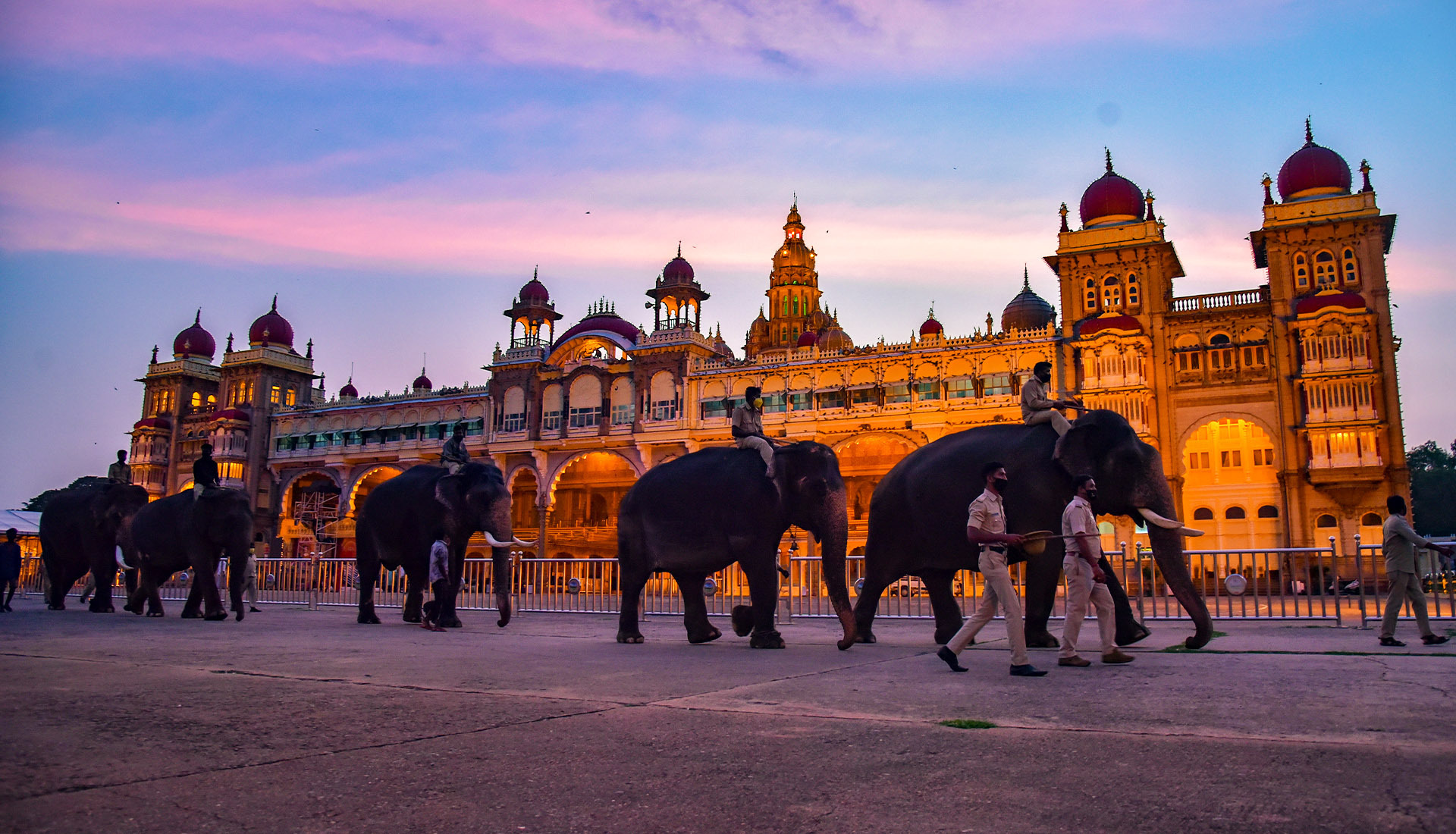
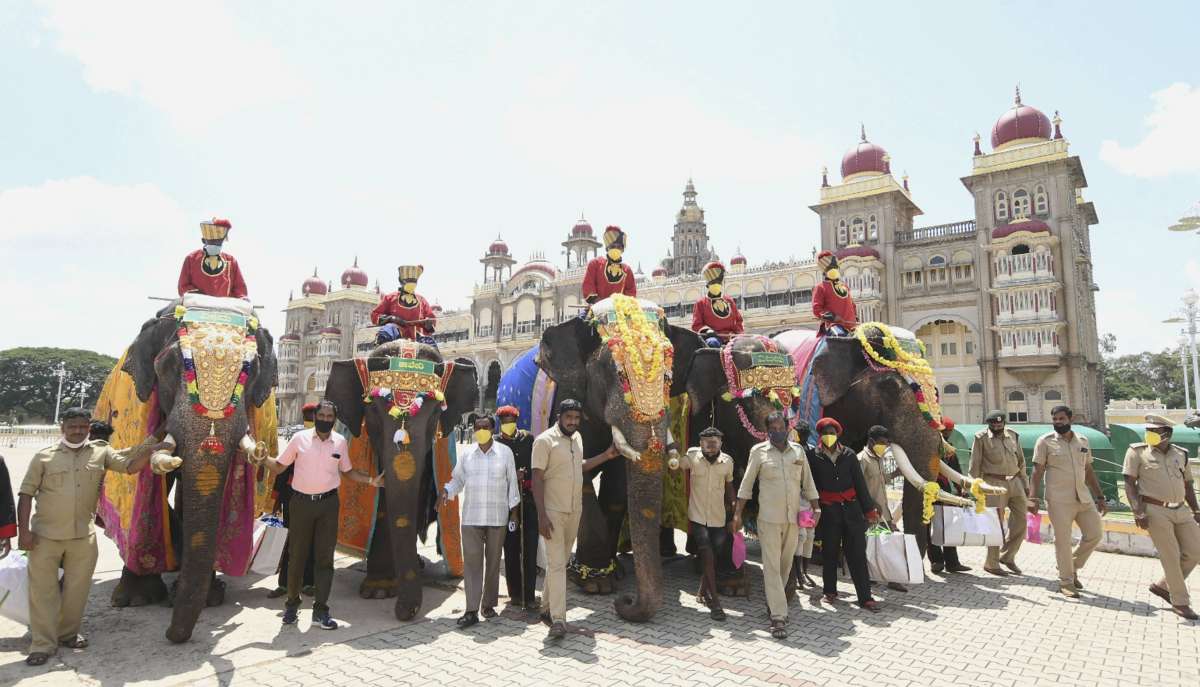
The grand finale of the Dasara festival is the Vijayadashami procession, a regal pageantry that captivates all. The streets of Mysuru come alive with an unending sea of spectators, eagerly awaiting the arrival of the adorned elephant carrying the idol of goddess Chamundeshwari. The traditional Dasara procession, locally known as Jumboo Savari is held on the streets of Mysuru. The main attraction of this procession is the idol of the Goddess Chamundeshwari which is placed on a golden mantapa, made out of 750 kg of gold on the top of a decorated elephant. This idol is worshipped by the royal couple and other invitees before it is taken around in the procession. Colourful tableaux, dance groups, music bands, decorated elephants, horses and camels form a part of the procession which starts from the Mysore Palace and culminates at a place called Bannimantap where the Banni tree or Prosopis spicigera is worshipped.

According to a legend from the Mahabharata, the banni tree was used by the Pandavas to hide their weapons during their one-year period of Agnatavasa where they had to live incognito. Before undertaking any warfare, the kings traditionally worshipped this tree to help them emerge victorious in war. The Dasara festivities would culminate on the night of Vijayadashami with an event held on the grounds at Bannimantap called Panjina Kavayatthu or the torch-light parade.

The procession features beautifully decorated tableaux showcasing the city’s rich history and mythological stories. Folk dancers, performers, and cultural troupes from across the state add a vibrant touch to the procession, reiterating Karnataka’s diverse cultural heritage. The procession culminates with a breathtaking display of traditional music and fireworks, illuminating the night sky and leaving spectators in awe. After the Jamboo Savari, a torchlight parade takes place in the evening at the Bannimantap Parade Grounds.

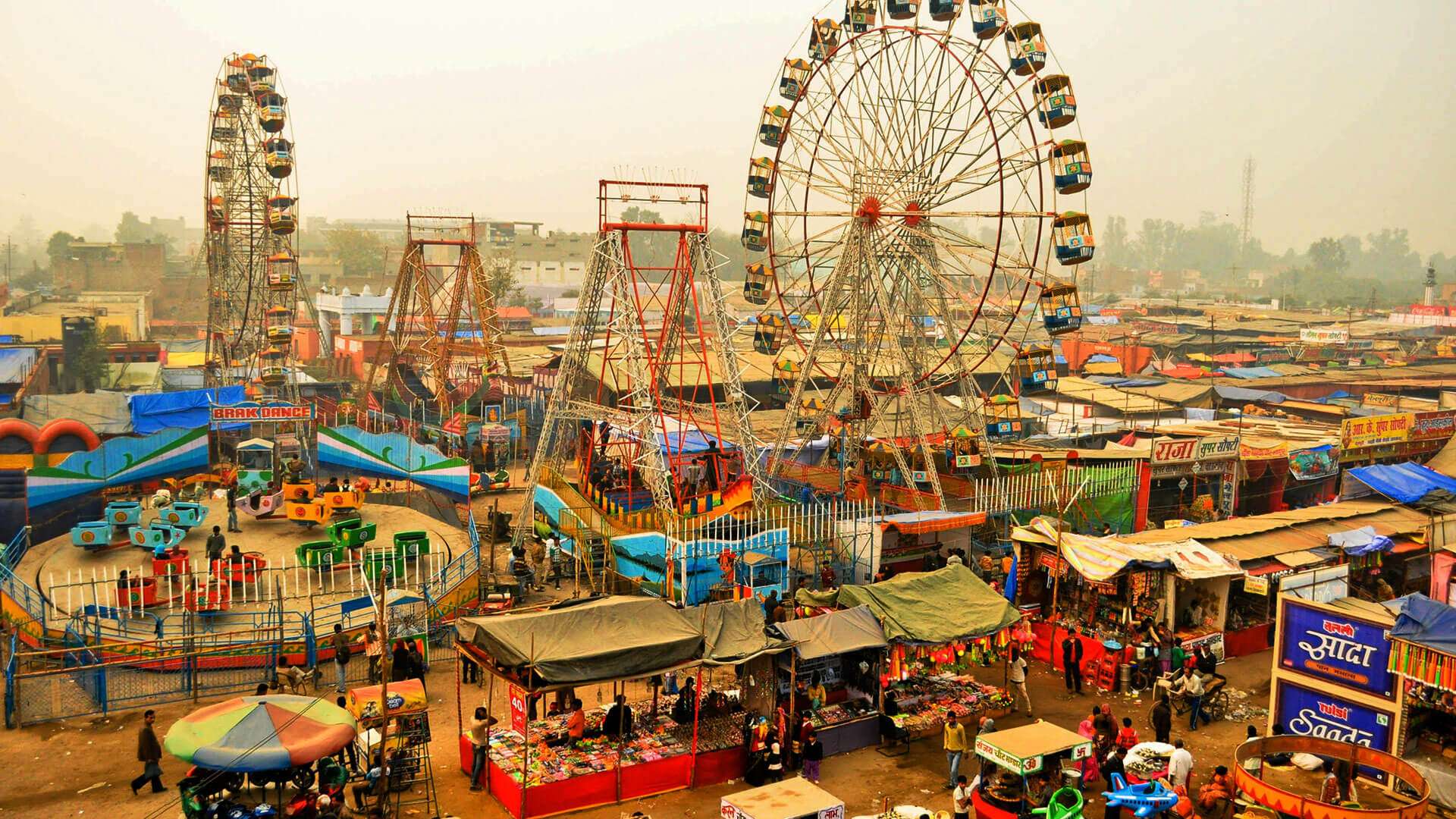
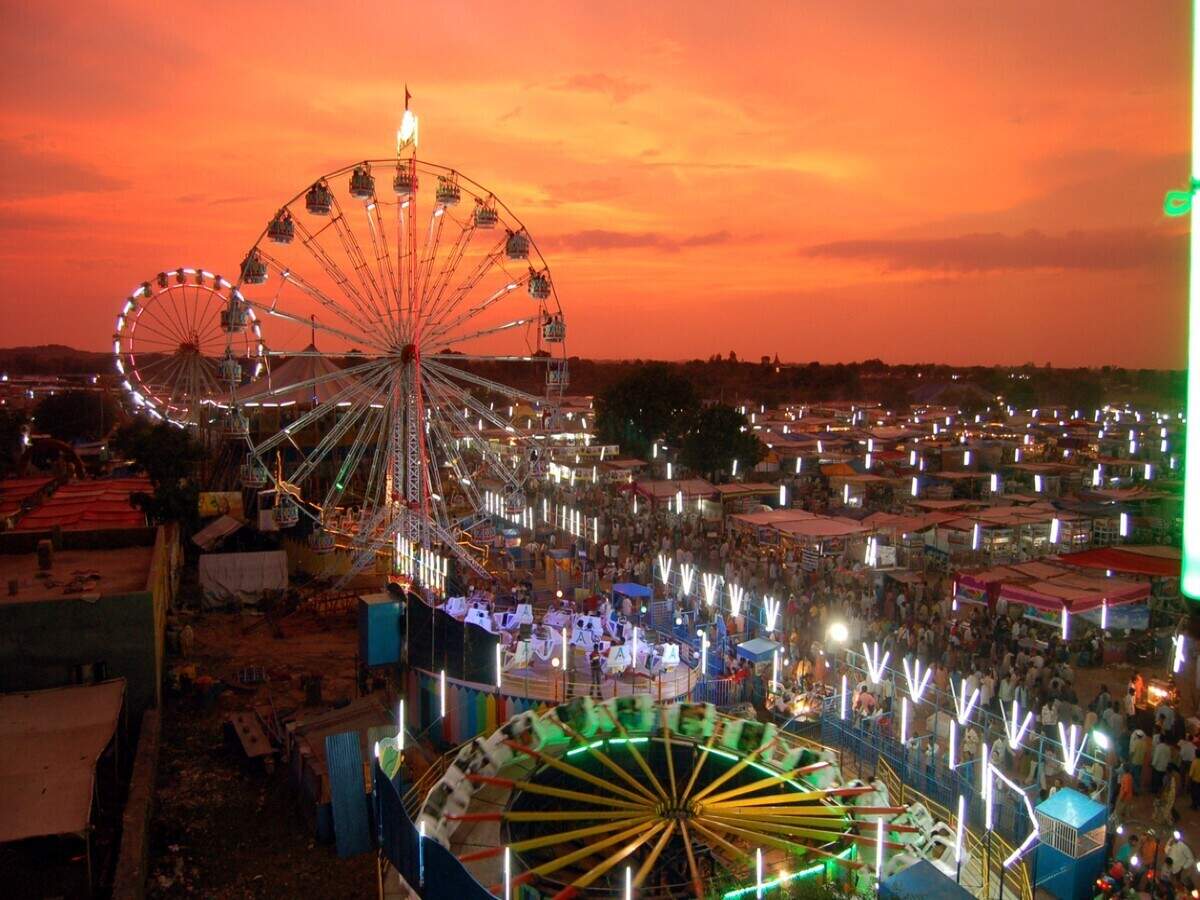
The famous Mysuru Dasara Exhibition, held in the exhibition grounds opposite the Mysore Palace is a major highlight, where a carnival-like atmosphere enthrals visitors with thrilling rides, games, and mouthwatering street food. Local artisans and craftsmen showcase their talents in the exhibition, adding a touch of traditional artistry to the festivities. The exhibition was started by the Maharaja of Mysore, Chamaraja Wodeyar X in 1880 with the sole aim of introducing timely developments to the people of Mysore. The task of holding the exhibition is now entrusted to the Karnataka Exhibition Authority or KEA. This exhibition starts during Dasara and goes on till December. A play area containing attractions like a Ferris wheel is also present to provide entertainment and various Governmental agencies set up stalls to signify the achievements and projects that they have undertaken.

The Dasara Sports Meet, reminiscent of the days of the Maharajas, draws enthusiastic participants and spectators alike. The traditional sport of Kusti or wrestling and other indigenous games and races bring back the nostalgic charm of a bygone era and attract wrestlers from all around India. On all the 10 days of Dasara, various music and dance concerts are held in auditoriums around Mysore city. Musicians and dance groups from all over India are invited to perform on this occasion.

The Dasara procession has faced increasing pressure from activists and campaigners to end its controversial use of elephants. Procession elephants, as well as their handlers known as mahouts, have died from several shocking incidents over the years. In 2018, leaked footage from the elephants’ training ground showed an elephant swaying in distress. International press labelled the video heartbreaking and reported on how the elephants must undergo two months of rigorous training to perform in the procession.

Dasara in Mysuru is not just a festival; it is a testament to the city’s deep-rooted heritage and the enduring spirit of its people. It is festivals like this, that help us to cherish and preserve our cultural legacies for generations to come.

Festivals of India: Tarnetar Mela

One of the best things about India is that there are so many colourful festivals one can witness and be a part of. several colourful and grand festivities. One of the many vibrant, but relatively unknown festivals is the annual Tarnetar Mela which takes place in Sundernagar in the western state of Gujarat. A tiny village about 56 km from Sundernagar, about 76 km from Rajkot and about 176 km from Ahmedabad, the village comes alive during the festival.

Being Saurashtra’s most important fair, the Tarnetar Mela is attended by more than 50,000 people, including the Kolis, Rabaris, Bharwads, Khants, Kanbis, Kathis, Charans, Harijans and the Desh-rabaris. The festival has its roots in the epic Mahabharata, specifically Draupadi’s swayamvar. Swayamvar is a type of marriage mentioned in Hindu history where a woman chose a man as her husband from a group of suitors. The word comes from Sanskrit where Svayam means self and vara means groom. At Draupadi’s swayamvar, the Pandava prince Arjun performed the difficult task of piercing the eye of a rotating fish with an arrow, by only looking at its reflection in the water, after which he won the heart and hand of Draupadi.

The festival’s tradition is believed to have begun about 200 or 250 years ago and is held on the grounds of the temple of Triniteshwar Mahadev, which means the three-eyed God. The old temple that used to stand in Tarnetar is now in ruins, but a new one was built by the Gaekwads of Vadodara in the 19th century during the Solanki era and is now the focal point of the festival. It stands on the bank of a rivulet and opens into a beautiful kund or pond. Inside the temple, there is a Brahma Kund, a Shiva Kund, and a Vishnu Kund and it is believed that taking a plunge in these three water reservoirs is equivalent to taking a dip in the waters of the holy Ganges.

Fast forwarding to today, the three-day festival falls in the Bhadarva Sud or during August and September. This year the festival will take place between 18 to 20 September. The festival is a celebration of tribal Gujarat’s folk dance, music, costume and arts and is centred around young tribal men and women seeking marriage partners.

The Tarnetar Mela covers a large part of the Tarnetar village with a huge number of stalls put up to sell beautiful local handicrafts unavailable elsewhere, along with ethnic jewellery, statues of deities and traditional attire with tiny mirrors embroidered into the clothing. There are also merry-go-round rides, photography stalls, magic shows and tattoo artists who attract a large variety of visitors.

Rabari women from Zalawad, which is close to Tarnetar perform the famous circular folk dance called rahado. Their marital status is indicated clearly by their costumes; a black zimi or skirt means she is married. But if a woman is wearing a red zimi, it means she has not yet tied the knot and is probably seeking a husband. The potential husbands seeking brides are elegantly dressed in colourful dhotis, artistically designed waistcoats and a head-cloth twisted at an angle, moving about the fairground at Tarnetar with striking umbrellas, advertising the bachelorhood they are keen to relinquish.

The Kolis of Saurashtra initiated the custom of embroidering umbrellas, which are exquisitely elaborate in terms of embellishments. The embroidery of each is unique and rises from the edges to the top, with beadwork and patchwork in the design as well. Small colourful handkerchiefs are attached all around the edge, to attract further attention. These men spend over a year embroidering their umbrellas. They intend to entice the girls with their art, clothes, and headgear and impress them so that they can propose to them for marriage. It is not surprising that, before the fair is over, they usually meet the lady of their choice.

At the heart of the Tarnetar Mela lies a unique and heartwarming tradition — the swayamvar. This ancient matchmaking ritual allows young, unmarried women to choose their life partners from a group of eligible bachelors. Eligible men from various communities gather, each hoping to find their soulmate among the bevvy of beautiful women. It’s a sight to behold as the women circulate among the men, engaging in cheerful banter and trying to find a connection that transcends words. As modern influences blend seamlessly with tradition, young participants have the freedom to exchange phone numbers, engage in conversations, and even meet their potential life partners accompanied by their families.

As the dancers surge in waves of circular movement, the incessant throbbing of the drums keeps them moving in unison, and the drum beats continue throughout the day even as the dancers change from one group to the next. Many kinds of folk dances are performed; by far the most popular is the raas, in which dancers hold sticks to clack against those of other dancers. As many as one to two hundred women perform rasadas in a single circle, to the beats of four drums at a time and the tunes ofjodia pavas or the double flutes. One can also see people break out into a spontaneous hudo. Amidst the festivities, the Tarnetar Mela also champions essential social causes. Various NGOs and organisations set up stalls to raise awareness about health, education, and women’s empowerment.

There is music in the air with many bhajan mandalis or music groups and sadhus or holy men singing religious songs, accompanied by folk instruments. But even for those not interested in finding a spouse, the romance and excitement in the air are captivating, and every year the fair seems only to grow in popularity, attracting visitors and tourists from Gujarat, elsewhere in India, and even abroad. At the fair, the many colourful costumes, glittering ornaments and free-spirited movements of folk dances, all combine to create a memorable scene. This is the vibrancy of India that mesmerises visitors and makes them come back.