Festivals of India: Halla Mohalla

A Sikh festival that celebrates the martial spirit and bravery of the Khalsa, the community of initiated Sikhs, Halla Mohalla was started by the tenth Sikh Guru, Guru Gobind Singh, in the 17th century, as a way of training his soldiers and showcasing their skills. The festival is held every year in Anandpur Sahib, Punjab, where the Khalsa was founded. It coincides with the Hindu festival of Holi but has a distinct identity and meaning.

The Halla Mohalla festival traces its origins to the 17th century, during the time of Guru Gobind Singh, the tenth Sikh Guru. In response to prevailing social and political challenges, Guru Gobind Singh envisioned the festival as a platform to foster unity, resilience, and martial spirit among his followers. The term “Halla Mohalla” translates to “mock fight” or “mock battle,” reflecting the festival’s emphasis on martial arts, military exercises, and mock battles as a means of promoting physical fitness, discipline, and preparedness among Sikhs.

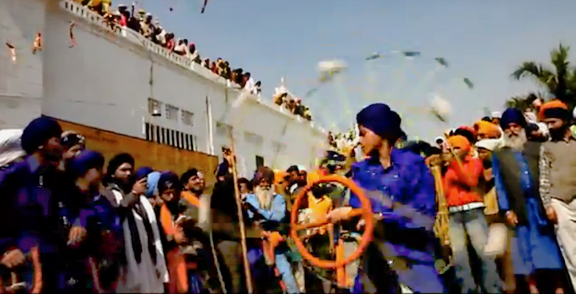
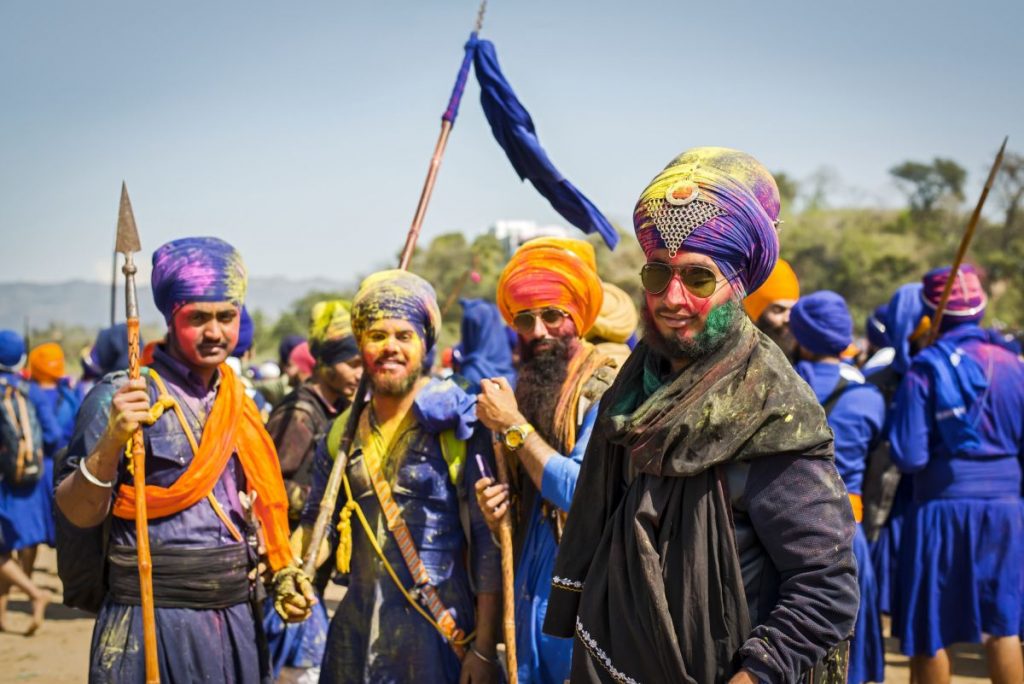
The main attractions of Halla Mohalla are the mock battles, the display of weapons, horseback riding, and the martial arts. The participants, called Nihangs, wear traditional blue robes and turbans and carry swords, daggers, spears, and rifles. They perform feats of agility, strength, and courage, such as breaking bricks with their hands, riding two horses at once, or throwing a spear from a moving horse. They also recite poems and hymns in praise of the Guru and the Khalsa.
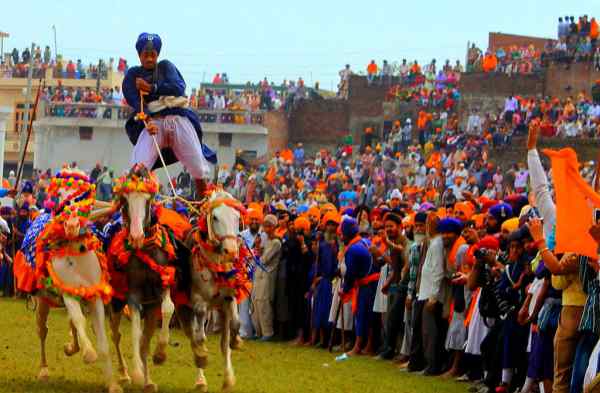
Central to the Halla Mohalla festival are the awe-inspiring displays of Sikh martial arts, or Gatka, showcasing the agility, strength, and precision of Sikh warriors as they engage in mock battles and intricate swordplay. The festival kicks off with grand processions and parades, featuring Nihang Sikhs adorned in colourful attire, elaborate turbans, and ceremonial weapons, symbolizing the valour and chivalry of the Sikh warrior tradition.

Halla Mohalla takes place immediately after Holi, the Hindu festival of colours, often coinciding with or following the day after. Unlike Holi’s playful colour-throwing, Halla Mohalla focuses on martial displays, reflecting the Sikh tradition of being warriors and readiness for defence. It celebrates the formation of the Khalsa, a community of committed Sikhs, upholding principles like equality, service, and justice.

Amidst the festivities, Halla Mohalla also offers devotees an opportunity for spiritual reflection and enlightenment, with religious discourses, prayers, and kirtan or devotional music sessions held at gurdwaras, the Sikh temples throughout Anandpur Sahib. They also take part in the langar, the communal kitchen, where free food is served to everyone, regardless of caste, creed, or religion. The festival promotes the values of equality, service, and brotherhood among the Sikhs and society.
Anandpur Sahib, the birthplace of the Khalsa, serves as the epicentre of Halla Mohalla festivities, with pilgrims and devotees flocking to the sacred city to pay homage to Sikh tradition and heritage. At the heart of Halla Mohalla lies the sprawling Akhara complex, where Sikhs gather to engage in martial arts training, physical exercises, and spiritual rituals under the guidance of seasoned Nihang warriors. The festival is also marked by acts of seva, or selfless service and community feasts, where devotees come together to prepare and share the langar, or free communal meals, as a symbol of equality, unity, and solidarity.

Nihangs, also known as Akalis, are an esteemed order of Sikh warriors with a rich history dating back to the early days of Sikh military history. Nihangs are part of an armed warrior order within Sikhism, known for their distinctive blue attire and proficiency in martial arts. They played a crucial role in the military history of the Sikhs, often celebrated for their victories despite being outnumbered. Nihangs embody the spirit of fearlessness, commitment to justice, and readiness for martyrdom as taught by the Sikh Gurus. They are seen as the protectors of Sikh gurdwaras and the upholders of the faith, especially during times of conflict. Today, Nihangs also have a ceremonial role, representing the martial heritage and the spiritual ethos of the Sikh community. Nihangs hold a special place in Sikhism, symbolizing the courage, resilience, and unwavering dedication to the principles laid down by the Sikh Gurus. They are a reminder of the Sikh tradition of saint soldiers, committed to both spiritual and temporal duties.
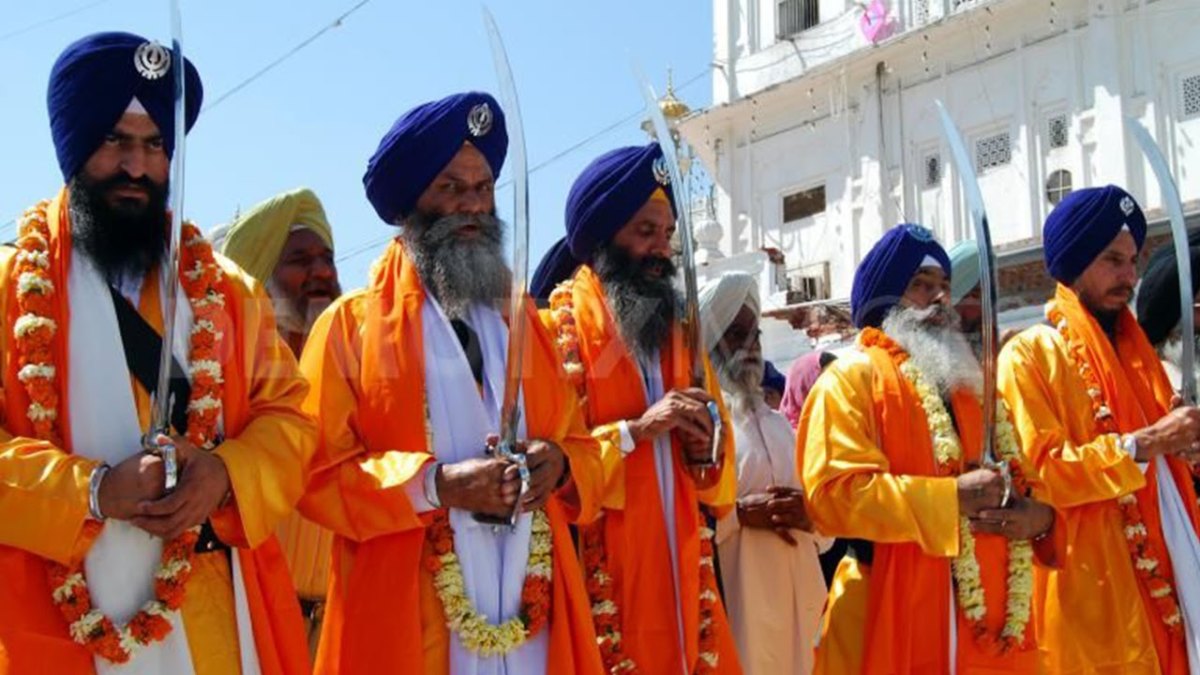
For Sikhs around the world, Halla Mohalla serves as a time to reaffirm their commitment to the core principles of Sikhism: equality, justice, compassion, and service to humanity. The festival inspires future generations of Sikhs to embrace their heritage, uphold their traditions, and embody the spirit of courage, resilience, and compassion that defines the Sikh faith.

In an era of rapid change and globalisation, Halla Mohalla serves as a symbol of cultural resilience, preserving the rich heritage and identity of the Sikh community for generations to come. The festival also promotes interfaith understanding and dialogue, inviting people of all backgrounds to partake in the festivities and experience the richness and diversity of Sikh culture and tradition.

In the kaleidoscope of festivals that adorn India’s cultural landscape, Halla Mohalla shines as a beacon of Sikh valour, spirituality, and tradition. As pilgrims and devotees converge upon Anandpur Sahib to partake in the festivities, they are reminded of the timeless values of courage, compassion, and community that lie at the heart of the Sikh faith.
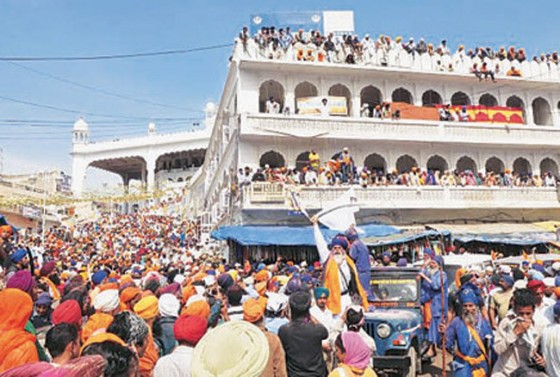
In a world marked by division and discord, Halla Mohalla stands as a testament to the power of unity, solidarity, and shared humanity. As we celebrate this cherished festival, let us embrace its message of peace, tolerance, and brotherhood, and strive to build a world where diversity is celebrated, differences are respected, and all people are treated with dignity and respect.
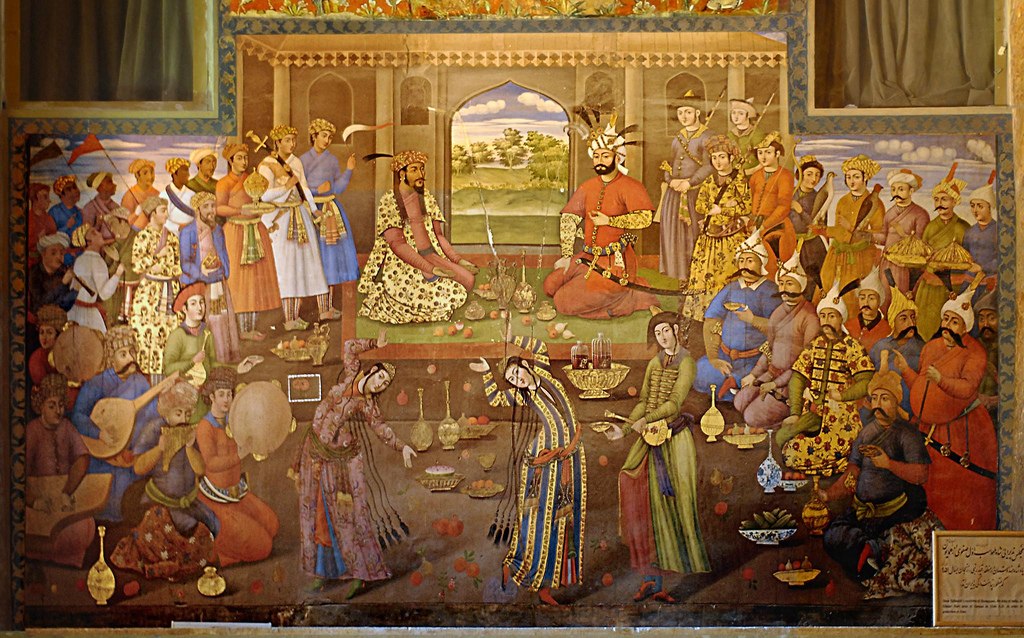
International Day of Nowruz

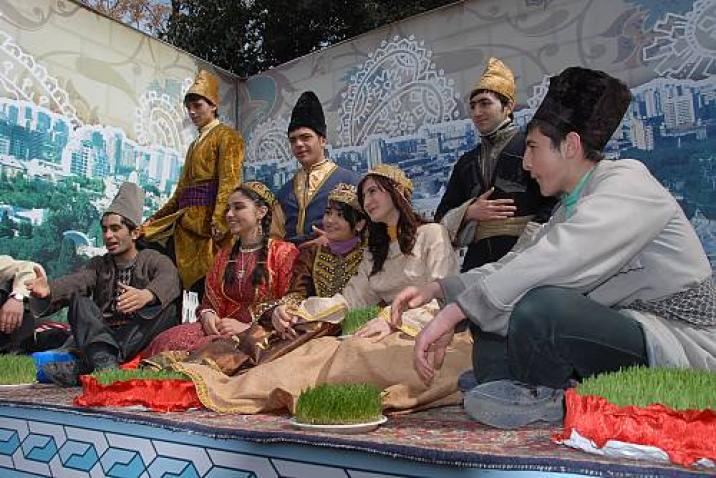
Tomorrow is the International Day of Nowroz, a celebration of the first day of spring and the new year in the Solar Hijri calendar, which is based on the astronomical vernal equinox. It is observed by more than 300 million people around the world, especially in Iran and the Persian diaspora, as well as in Central Asia, the Caucasus, the Balkans, and South Asia. It has been celebrated for over 3,000 years and has its roots in the ancient Iranian religion of Zoroastrianism, which viewed the arrival of spring as a victory of light over darkness.

The Solar Hijri calendar is a solar calendar that is used in Iran and Afghanistan. It is based on the astronomical observation of the March equinox, which marks the beginning of the new year, called Nowruz. The calendar has 12 months, with the first six months having 31 days, the next five having 30 days, and the last month having 29 or 30 days depending on the leap year. The calendar counts the years from the migration of the Islamic prophet Muhammad in 622 CE, but it is not related to the Islamic Hijri calendar, which is a lunar calendar. The Solar Hijri calendar is also known as the Persian calendar, the Iranian calendar, and the SH calendar.

The history of Nowruz is very ancient and rich. Nowruz which means a new day in Persian, is the celebration of the first day of spring and the new year in the Solar Hijri calendar, which is based on the astronomical vernal equinox. Nowruz survived the Islamic conquest of Persia in the seventh century and the decline of Zoroastrianism’s popularity, and it spread across the globe through the diaspora of Persian people throughout history. It is also a holy day for Zoroastrians, Baháʼís, and some Muslim communities.

The International Day of Nowroz was proclaimed by the United Nations General Assembly in 2010, at the initiative of several countries that share this holiday, to promote the values of peace, solidarity, reconciliation, neighbourliness, and mutual respect among peoples and communities. It is also inscribed on the UNESCO Representative List of the Intangible Cultural Heritage of Humanity, as a cultural tradition observed by numerous peoples.

The 2024 theme of the International Day of Nowroz is “To protect the planet and live in harmony with nature”. This theme reflects the message of the UN Secretary-General António Guterres, who urged the world to choose hope and compassion, embrace the opportunities that lie ahead, and work together to build a more peaceful, more sustainable and more inclusive world for all. He also highlighted the importance of celebrating humanity’s rich cultural heritage and diversity and being guided by the values of peace, dialogue and solidarity.

The theme also resonates with the spirit of Nowruz, which means “new day” in Persian and symbolises the renewal of nature and life. Celebrating Nowruz means the affirmation of life in harmony with nature, awareness of the inseparable link between constructive labour and natural cycles of renewal, and a solicitous and respectful attitude towards natural sources of life.

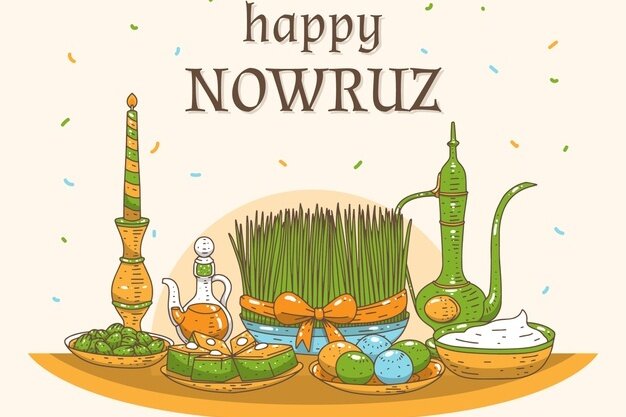
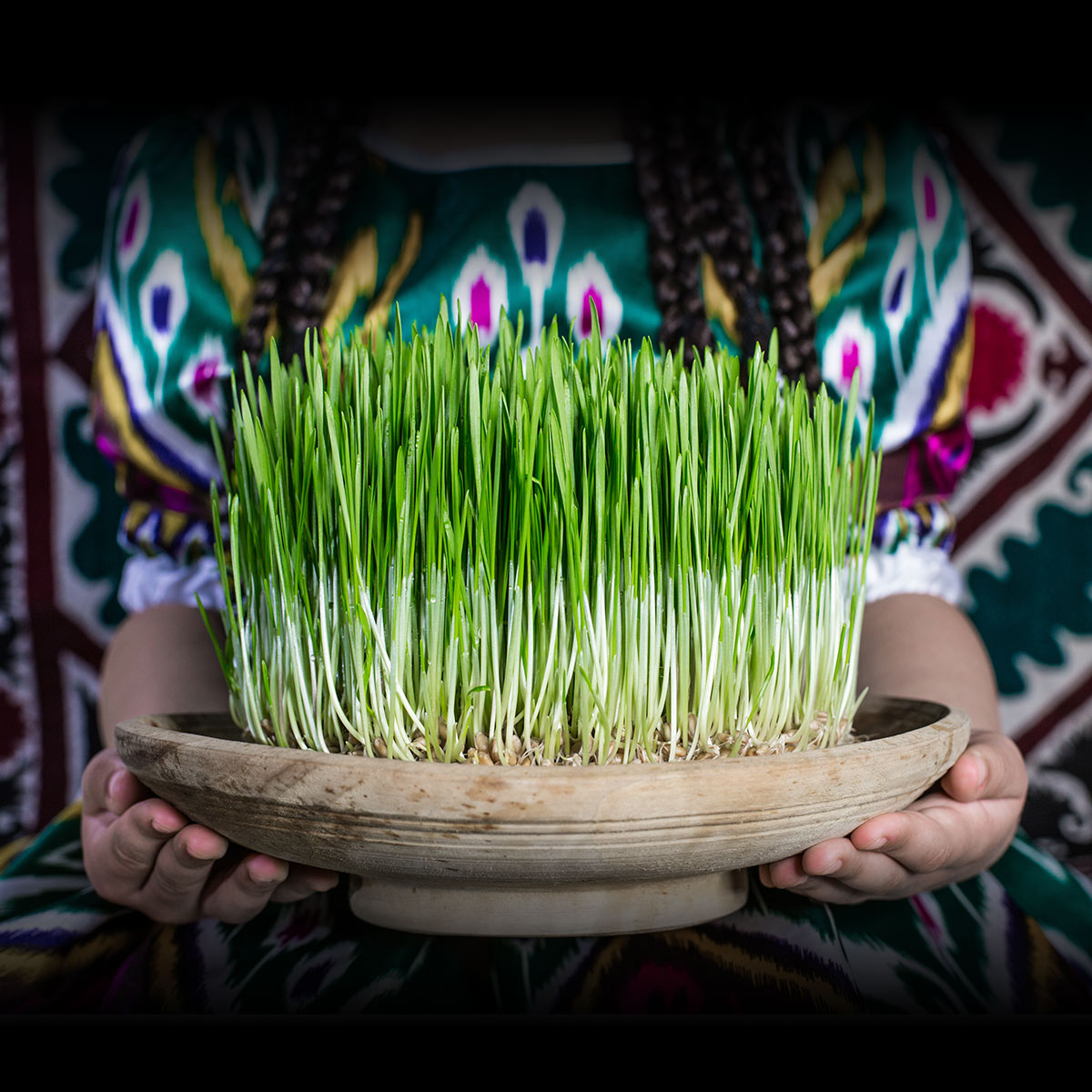
Some of the traditions and rituals of Nowruz include preparing for the holiday by cleaning the house, buying new clothes, and visiting family and friends. The haft-seen table is also set up. This is a display of seven symbolic items that start with the letter “s” in Farsi, such as seed sprouts, garlic, apple, vinegar, sumac, and a pudding made of sprouted wheat. The table may also include other items, such as a mirror, eggs, coins, candles, a book of poetry, and a Koran. Charshanbe Suri, which is the last Wednesday before Nowruz, is celebrated by jumping over fire, banging spoons on doors, and visiting cemeteries. These activities are meant to scare away bad luck, bring happiness, and honour the dead. Gifts are exchanged, especially for children, and charity is given to the poor and needy. Celebrants enjoy a special meal with loved ones, usually consisting of rice, fish, herbs, and other dishes and participate in various festivities, such as music, dance, sports, games, and nature outings. The 13th of Nowruz, known as Sizdah Bedar is celebrated by spending the day outdoors, picnicking, and throwing away the seed sprouts from the haft-seen table. This is believed to ward off evil and bring good fortune.

Different countries celebrate Nowruz in their way. In Iran, people light up the streets and skies for Chaharshanbe Suri, or Red Celebration, in honour of fire, an element Zoroastrians believe to be a symbol of purity. They also set up a haft-seen table, which is a display of seven symbolic items that start with the letter “s” in Farsi, such as seed sprouts, garlic, apple, vinegar, sumac, and a pudding made of sprouted wheat. In Azerbaijan, people celebrate Novruz by making bonfires and jumping over them, which is believed to burn away the troubles of the past year. They also visit the graves of their ancestors, plant trees, and cook special dishes, such as samani halva, a sweet paste made from wheat germ and nuts. In Afghanistan, people celebrate Nowroz by flying kites, playing games, and watching buzkashi, a traditional sport involving horsemen competing for a goat carcass. They also prepare a special dish called haft mewa, which is a mixture of seven dried fruits and nuts soaked in water. In Central Asia, people celebrate Nawruz by wearing new clothes, visiting relatives and friends, and exchanging gifts. They also enjoy various festivities, such as music, dance, sports, and nature outings. Some of the traditional foods include sumalak, a porridge made from wheat sprouts and flour, and naan, a flatbread baked in a clay oven. In Kurdish regions, people celebrate Newroz by wearing colourful clothes, dancing in circles, and singing folk songs. They also light bonfires and jump over them, symbolising the resistance and freedom of the Kurdish people. Some of the traditional foods include dolma, stuffed grape leaves, and kofta, minced meatballs.

Nowruz is a celebration of life, hope, and renewal that transcends borders, religions, and cultures. It is a reminder of our common humanity and our shared responsibility to care for our planet and each other. As the world faces unprecedented challenges and uncertainties, Nowruz offers us a message of hope and resilience. It invites us to appreciate the beauty of nature, the diversity of cultures, and the bonds of friendship. It also urges us to reflect on our actions, our values, and our goals. It is a time to express our love and gratitude to our families and friends and to extend our generosity and compassion to those in need. Let us join the millions of people around the world who celebrate Nowruz, and let us share the blessings of this new day.

Festivals of India: Chapchar Kut Festival

Deeply rooted in Mizo culture, the Chapchar Kut Festival has an origin story dating back centuries. Rooted in centuries-old customs and folklore, this annual extravaganza captivates the senses with its colourful pageantry, lively performances, and spirit of camaraderie.

The festival traces its origins to ancient times when the Mizo tribespeople celebrated the arrival of spring and the onset of the agricultural season. As the winter frost receded and the land bloomed with new life, communities gathered to give thanks for the bountiful harvest and seek blessings for the year ahead.

The festival began around 1450–1700 in the village of Suaipui. The festival apparently originated when the hunters came back to the village empty-handed. To make up for the disappointment, the village chief proposed an impromptu feast with rice, beer and meat. Since then, every year, the festival has been repeated in the village of Suaipui and gradually spread to other villages. Thus, the Chapchar Kut was born—a celebration of resilience and community spirit. The festival originally served as a thanksgiving to the gods because during the clearing of forests on hill slopes for jhum cultivation or the shifting of agriculture, the people needed divine protection. Chapchar Kut marked the end of this arduous process, and the Mizo community expressed gratitude for their safety.

Chapchar Kut was first revived in 1962 on a grand scale in Aizawl; however, it was discouraged when it was felt that it did not adhere to Christian values and rekindled pre-Christian cultural practices like the drinking of rice beer. However, it was revived once again in 1973 on a mass scale, sans animistic practice and the Cheraw dance. Even the church, which had been critical of the festival, no longer objected to the festival as it felt that traditional culture was disappearing. Chapchar Kut is now held annually in the month of March. People dance, perform skits, and play musical instruments to celebrate their beloved festival, with the aim of fostering camaraderie among the people.

In the early days, Chapchar Kut was a lively affair with plenty of drinking and eating. Young men and women danced through the night, celebrating life and unity, with women adorning themselves in traditional attire, including the Vakiria, a traditional Mizo shawl. The Chai dance traces its origins to this festival. Today, Chapchar Kut aligns with the drying period for trees and bamboo felled during jhum cultivation. The festival provides a well-deserved break for shifting cultivators.

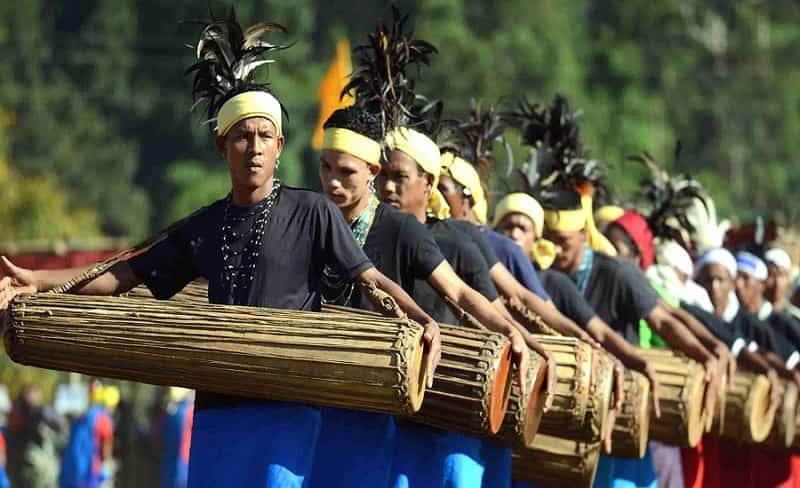
The Chapchar Kut Festival is marked by meticulous preparations and elaborate rituals that reflect the rich cultural tapestry of Mizoram. Weeks in advance, communities come together to clean and decorate their villages, weaving intricate patterns of bamboo and banana leaves to adorn their homes and public spaces. The festival provides an opportunity for Mizo men and women to showcase their traditional attire and finery, with vibrant costumes and elaborate headdresses adding to the spectacle of the occasion. From intricately woven shawls to ornate jewellery adorned with semi-precious stones, every garment tells a story of craftsmanship and cultural pride. Central to the Chapchar Kut Festival is the pulsating rhythm of music and dance, as performers take to the stage to showcase their talent and skill. Traditional instruments such as the khuang or the drum, the tuium or the flute, and the dawte or the gong set the beat for energetic performances that captivate audiences and evoke the spirit of celebration and joy.

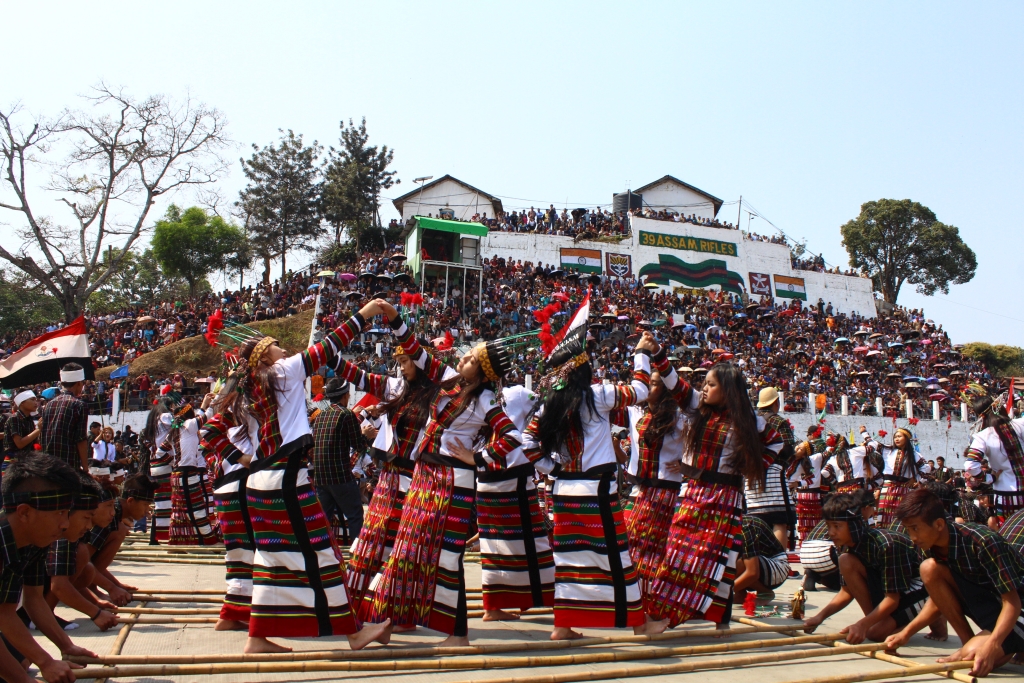
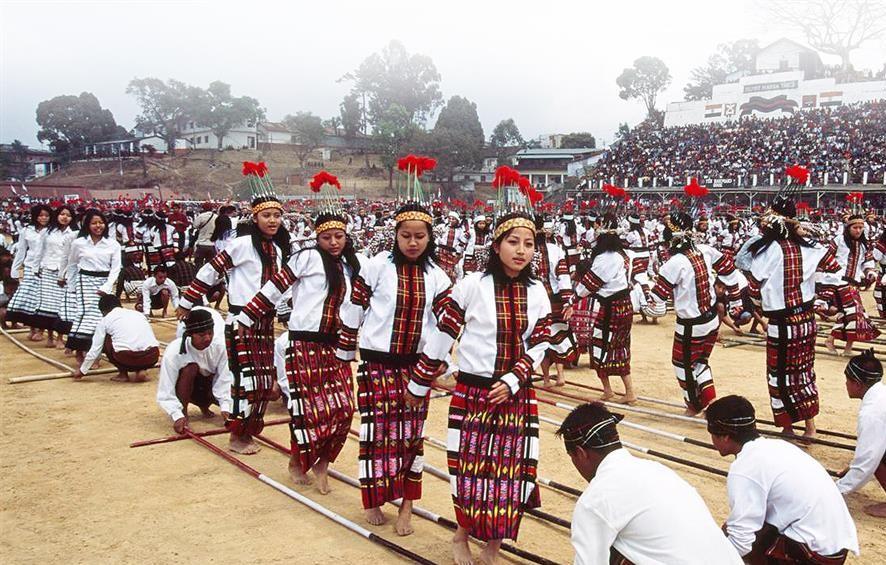
Key activities of the festival include the Chhawnghnawh, a pre-Christian custom where boiled eggs are playfully stuffed into each other’s mouths. The Cheraw dance takes centre stage, accompanied by other traditional dances like the Khuallam, the Chheihlam, and the Chai. The Chapchar Kut Run, a spirited race celebrating physical fitness, is also held during the festival. As a nod to the Mizo heritage, traditional games and a costume parade is the highlights of the festival.

A highlight of the Chapchar Kut Festival is the Thangchhuah or traditional bamboo dance, where men and women form intricate patterns and formations as they dance to the rhythmic beat of drums and gongs. The dance symbolizes unity, harmony, and collective endeavour—a reflection of the communal spirit that defines Mizo culture. Food plays a central role in Chapchar Kut celebrations, with elaborate feasts and communal meals bringing families and communities together in a spirit of camaraderie and conviviality. Traditional delicacies such as bai, a rice-based dish, vawksa rep, smoked meat, and sa-um, fermented bamboo shoot, are prepared with love and shared with neighbours and guests.

As part of the festival festivities, cultural exhibitions, and competitions are organized to showcase the diverse traditions and talents of the Mizo people. From traditional crafts and artwork to indigenous games and sports, these events provide a platform for artisans, performers, and athletes to showcase their skills and creativity.

While the Chapchar Kut Festival remains deeply rooted in tradition, it also reflects the evolving dynamics of contemporary Mizoram. Today, the festival serves as a catalyst for community engagement, social cohesion, and intergenerational dialogue, fostering a sense of belonging and pride among Mizo youth and elders alike.

In recent years, the Chapchar Kut Festival has emerged as a major tourist attraction, drawing visitors from across India and around the world to experience the vibrant colours, sights, and sounds of Mizoram’s cultural extravaganza. The festival offers a unique opportunity for cultural exchange and mutual understanding, as visitors immerse themselves in the customs and traditions of the Mizo people.

As Mizoram grapples with environmental challenges such as deforestation and climate change, efforts are underway to integrate principles of sustainability and conservation into the Chapchar Kut Festival. Initiatives such as tree planting drives, waste management programs, and eco-friendly practices aim to minimize the festival’s ecological footprint while preserving the natural beauty and biodiversity of the region.

Lantern Festival: The Fifteenth Day of the Lunar New Year Festivities

The Lunar New Year is the most important festival in the Chinese calendar. Also known as the Chinese New Year, this festival celebrates the beginning of a new year on the traditional lunisolar Chinese calendar. In Chinese, the festival is commonly referred to as the Spring Festival as the spring season in the lunisolar calendar traditionally starts with lichun, the first of the twenty-four solar terms which the festival celebrates around this time. of the Chinese New Year. Marking the end of winter and the beginning of the spring season, observances traditionally take place from Chinese New Year’s Eve, the evening preceding the first day of the year, to the Lantern Festival, held on the 15th day of the year. The first day of the Lunar New Year begins on the new moon that appears between 21 January and 20 February.

The Lunar New Year is one of the most important holidays in Chinese culture and has influenced similar celebrations in other cultures, such as the Losar of Tibet, the Tết of Vietnam, the Korean New Year, and the Ryukyu New Year.

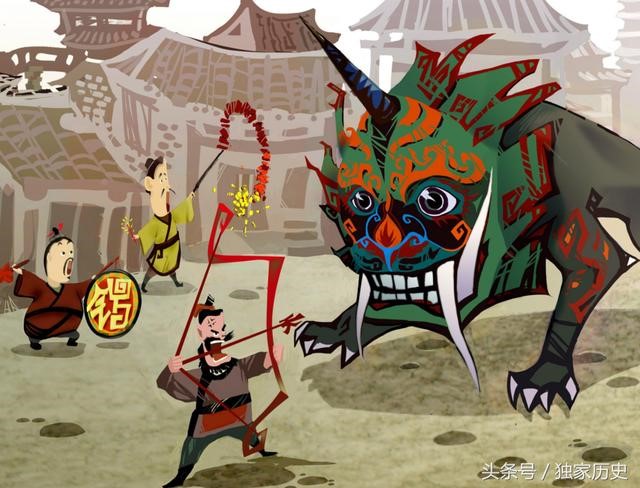
According to legend, the Chinese New Year started with a mythical beast called the Nian, a beast that lives under the sea or in the mountains during the annual Spring Festival. The Nian would eat villagers, especially children, in the middle of the night. One year, all the villagers decided to hide from the beast. An older man appeared before the villagers went into hiding and said that he would stay the night and would get revenge on the Nian. The old man put red papers up and set off firecrackers. The day after, the villagers came back to their town and saw that nothing had been destroyed. They assumed that the old man was a deity who came to save them. The villagers then understood that Yanhuang had discovered that the Nian was afraid of the colour red and loud noises. Then the tradition grew when New Year was approaching, and the villagers would wear red clothes, hang red lanterns, and red spring scrolls on windows and doors and use firecrackers and drums to frighten away the Nian. From then on, Nian never came to the village again. The Nian was eventually captured by Hongjun Laozu, an ancient Taoist monk.

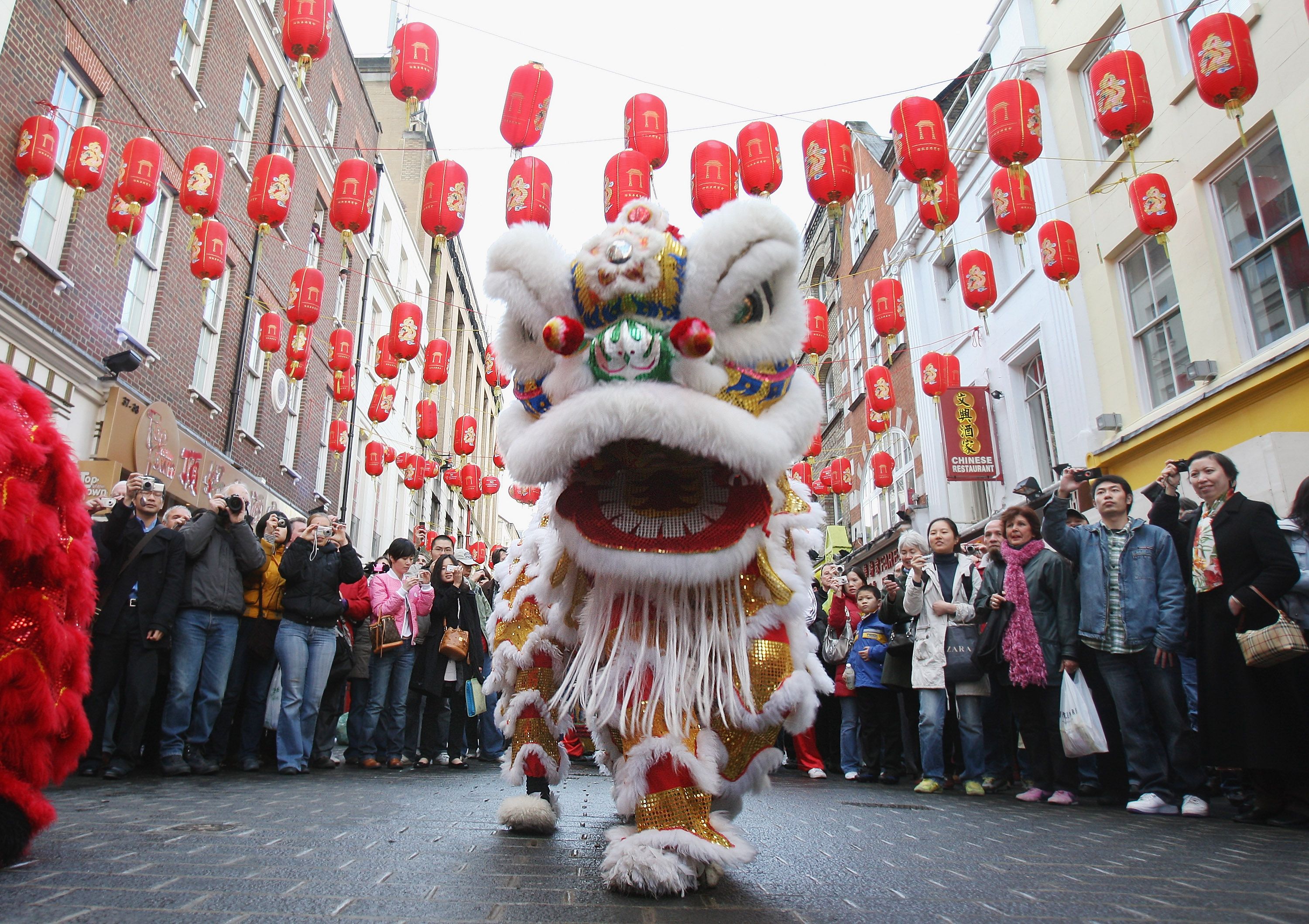
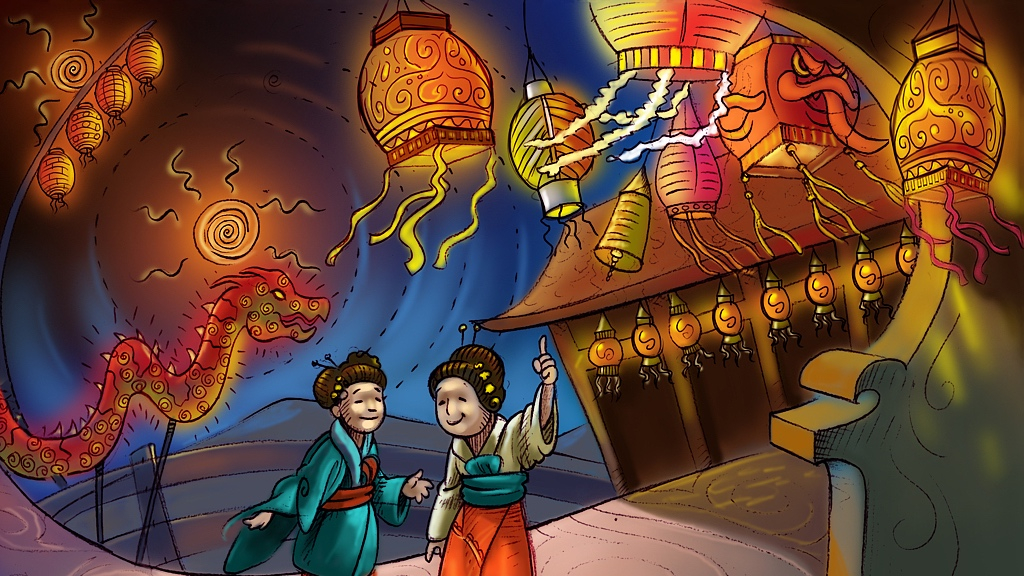
The fifteenth day of the new year is celebrated as the Lantern Festival, also known as the Yuanxiao Festival, the Shangyuan Festival, and Chap Goh Meh. Rice dumplings, or tangyuan, a sweet glutinous rice ball brewed in a soup, are eaten this day. Candles are lit outside houses as a way to guide wayward spirits home. Families may walk the streets carrying lanterns, which sometimes have riddles attached to or written on them as a tradition. This day often marks the end of the Chinese New Year festivities.

In China and Malaysia, this day is celebrated by individuals seeking a romantic partner, akin to Valentine’s Day. Nowadays, single women write their contact numbers on mandarin oranges and throw them in a river or a lake after which single men collect the oranges and eat them. The taste is an indication of their possible love: sweet represents a good fate while sour represents a bad fate. In Singapore, chap goh mei is also a day where single ladies wishing for husbands throw oranges, red dates and longans into the Singapore River.

Another reunion dinner is held with lanterns and oranges being a large part of the celebrations. It is also referred to as dengjie or lantern festival due to a tradition that originated during the Tang Dynasty involving the lighting of lanterns on this day. The Lantern Festival marks the final day of the traditional Chinese New Year celebrations. As early as the Western Han dynasty, between 206 BC and 25 AD, it had become a festival with great significance.

During the Lantern Festival, children go out at night carrying paper lanterns and solve riddles on the lanterns. In ancient times, the lanterns were fairly simple, and only the emperor and noblemen had large ornate ones. In modern times, lanterns have been embellished with many complex designs. The lanterns are almost always red to symbolise good fortune.

There are several beliefs about the origin of the Lantern Festival. However, its roots trace back more than 2,000 years and are popularly linked to the reign of Emperor Wen of the Han dynasty. Emperor Ming, an advocate of Buddhism, noticed that Buddhist monks would light lanterns in temples on the fifteenth day of the first lunar month. As a result, he ordered all households, temples and the imperial palace to light lanterns on that evening. From there it developed into a folk custom. Another likely origin is the celebration of the declining darkness of winter and the community’s ability to move about at night with human-made light, namely, lanterns. During the Han dynasty, the festival was connected to Ti Yin, the deity of the North Star.

There is one legend that states that it was a time to worship Taiyi, the God of Heaven in ancient times. The belief was that Taiyi controlled the destiny of the human world. He had sixteen dragons at his beck and call and he decided when to inflict drought, storms, famine or pestilence upon human beings. Beginning with Qin Shi Huang, the first emperor of China, all the emperors ordered splendid ceremonies each year. The emperor would ask Taiyi to bring favourable weather and good health to him and his people. Another legend associates the Lantern Festival with Taoism. Tianguan is the Taoist deity responsible for good fortune. His birthday falls on the fifteenth day of the first lunar month. It is said that Tianguan likes all types of entertainment, so followers prepare various kinds of activities during which they pray for good fortune. Yet another legend associates the Lantern Festival with the worship of the lunar goddess Chang’e, who is said to reside on the moon with her companion, the jade rabbit. According to folklore, on the 15th day of the first lunar month, Chang’e descends to Earth to bestow blessings upon those who honour her with offerings of lanterns, fruits, and sweet treats.

Another legend associates the Lantern Festival with an ancient warrior named Lan Moon, who led a rebellion against the tyrannical king in ancient China. He was killed in the storming of the city and the successful rebels commemorated the festival in his name. Yet another common legend dealing with the origins of the Lantern Festival speaks of a beautiful crane that flew down to earth from heaven. After it landed on earth it was hunted and killed by some villagers. This angered the Jade Emperor in heaven because the crane was his favourite. So, he planned a storm of fire to destroy the village on the fifteenth lunar day. The Jade Emperor’s daughter warned the inhabitants of her father’s plan to destroy their village. The village was in turmoil because nobody knew how they could escape their imminent destruction. However, a wise man from another village suggested that every family should hang red lanterns around their houses, set up bonfires on the streets, and explode firecrackers on the fourteenth, fifteenth, and sixteenth lunar days. This would give the village the appearance of being on fire to the Jade Emperor. On the fifteenth lunar day, troops sent down from heaven whose mission was to destroy the village saw that the village was already ablaze, and returned to heaven to report to the Jade Emperor. Satisfied, the Jade Emperor decided not to burn down the village. From that day on, people celebrate the anniversary on the fifteenth lunar day every year by carrying lanterns on the streets and exploding firecrackers and fireworks.

Another legend about the origins of the Lantern Festival involves a maid named Yuan-Xiao. In the Han dynasty, Dongfang Shuo was a favourite adviser of the emperor. One winter day, he went to the garden and heard a little girl crying and getting ready to jump into a well to commit suicide. Shuo stopped her and asked why. She said she was Yuan-Xiao, a maid in the emperor’s palace and that she never had a chance to see her family since she started working there. If she could not have the chance to show her filial piety in this life, she would rather die. Shuo promised to find a way to reunite her with her family. Shuo left the palace and set up a fortune-telling stall on the street. Due to his reputation, many people asked for their fortunes to be told but everyone got the same prediction – a calamitous fire on the fifteenth lunar day. The rumour spread quickly. Everyone was worried about the future so they asked Dongfang Shuo for help.

Dongfang Shuo said that on the thirteenth lunar day, the God of Fire would send a fairy in red riding a black horse to burn down the city. When people saw the fairy they should ask for her mercy. On that day, Yuan-Xiao pretended to be the red fairy. When people asked for her help, she said that she had a copy of a decree from the God of Fire that should be taken to the emperor. After she left, people went to the palace to show the emperor the decree which stated that the capital city would burn down on the fifteenth. When the emperor asked Dongfang Shuo for advice, the latter said that the God of Fire liked to eat tangyuan which are sweet dumplings. Yuan-Xiao should cook tangyuan on the fifteenth lunar day and the emperor should order every house to prepare tangyuan to worship the God of Fire at the same time. Also, every house in the city should hang a red lantern and explode firecrackers. Lastly, everyone in the palace and people outside the city should carry their lanterns on the street to watch the lantern decorations and fireworks. The Jade Emperor would be deceived and everyone would avoid the disastrous fire.

The emperor happily followed the plan. Lanterns were everywhere in the capital city on the night of the fifteenth lunar day and people were walking on the street and there were noisy firecrackers. It looked as if the entire city was on fire. Yuan-Xiao’s parents went into the palace to watch the lantern decorations and were reunited with their daughter. The emperor decreed that people should do the same thing every year. Since Yuan-Xiao cooked the best tangyuan, people called the day the Yuan-Xiao Festival.

As the lanterns cast their radiant glow upon the world, the Lantern Festival serves as a beacon of hope, renewal, and cultural pride. Across continents and generations, people come together to celebrate the triumph of light over darkness, unity over division, and joy over adversity.

Festivals of India: Jaisalmer Desert Festival

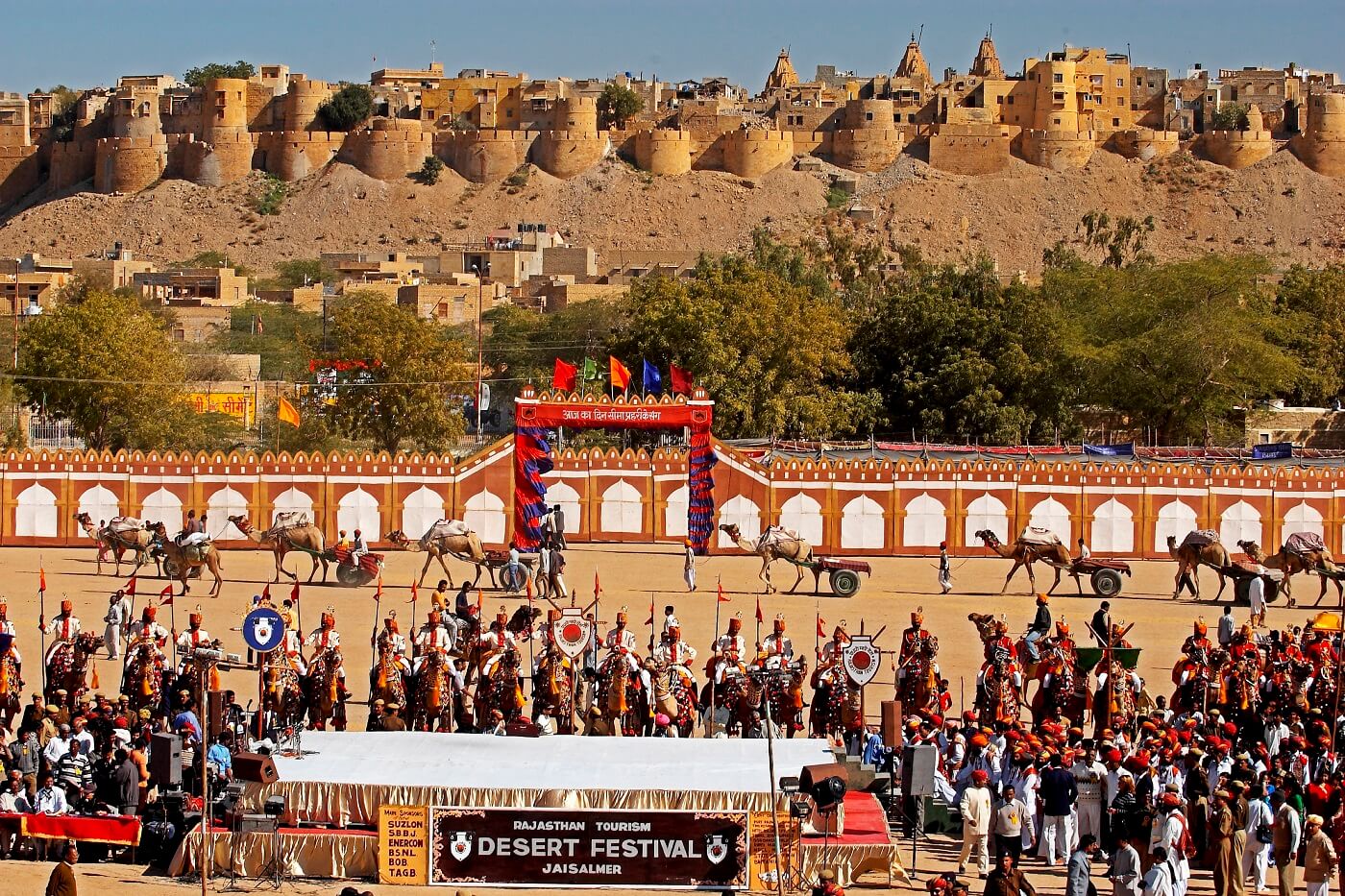
An annual festival that takes place in the heart of the Thar Desert, the Jaisalmer Desert Festival is a mesmerising celebration that transports one to a world where time stands still and the desert comes alive with the vibrant spirit of Rajasthan.

Nestled on the westernmost frontier of India, Jaisalmer is a city like no other. Its honey-coloured fort, rising majestically from the desert floor, earns it the moniker Golden City. As the gateway to the Thar Desert, Jaisalmer has a rich history steeped in tales of valour, trade, and the sands. The Desert Festival is held every year during the Hindu month of Magh, three days before the full moon. The festival is celebrated in the dunes of Sam, about 42 km from the city.

The Desert Festival kicks off with a regal procession through the narrow lanes of Jaisalmer. Bedecked camels, adorned with traditional finery, lead the way, followed by local musicians, dancers, and colourfully dressed locals. The rhythmic beats of folk music and the twirl of traditional dancers create an enchanting symphony that resonates across the dunes. From the energetic Kalbeliya dance to the soulful tunes of Manganiyar musicians, every performance reflects the vibrancy and diversity of Rajasthan’s artistic legacy.

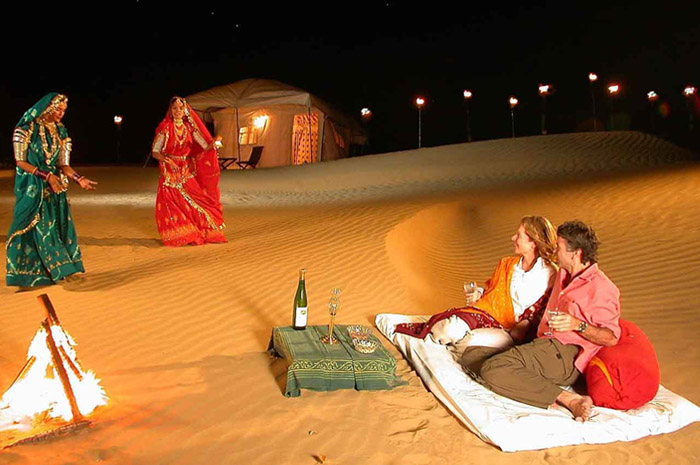
The undulating dunes surrounding Jaisalmer set the stage for one of the festival’s highlights—the Camel Safari. Visitors can embark on a journey into the heart of the Thar Desert, accompanied by skilled guides who regale them with tales of desert life. The surreal landscape, shifting hues with the changing light, creates a canvas of unparalleled beauty.

One of the most anticipated events is the Battle of the Bands—a showcase of traditional Rajasthani music. Local musicians engage in friendly competition, captivating audiences with their skilful performances on instruments like the dholak, sarangi, and khartaal.

In a nod to the region’s proud heritage, the festival hosts a lively moustache competition. Men from far and wide showcase their elaborate facial hair in categories that celebrate the artistry and individuality of Rajasthani moustaches. It’s a spirited contest that adds a touch of whimsy to the cultural festivities.

Turbans, or pagris, are an integral part of Rajasthani attire, symbolising honour and pride. The turban-tying competition invites participants to showcase their skill in creating elaborate headgear. Each turban tells a story, with colours and styles representing a wearer’s community, occupation, or personal history.

The narrow lanes of Jaisalmer come alive with street performances, puppet shows, and magic acts. The vibrant bazaars, adorned with traditional crafts and textiles, become a playground for artists, capturing the imaginations of locals and visitors alike.

No festival is complete without a culinary journey, and the Desert Festival is no exception. Visitors are treated to a feast of Rajasthani delicacies, each dish a testament to the region’s rich culinary heritage. From the aromatic Dal Baati Churma to the indulgent Ghevar, the festival is a gastronomic adventure that tantalises the taste buds.

Beyond the festivities, the Desert Festival offers a unique opportunity to experience the desert lifestyle. Traditional desert camps, known as ‘khudde,’ provide a glimpse into the daily lives of desert dwellers. Visitors can participate in workshops on traditional crafts, learn the art of tie-dyeing, and engage with local artisans, creating memories that extend beyond the festival’s vibrant days.

For photography enthusiasts, the Jaisalmer Desert Festival is a visual feast. The stark beauty of the desert, juxtaposed with the riot of colours from traditional attire and festivities, creates a surreal panorama. Sunrise and sunset over the dunes offer photographers a canvas to capture the changing hues of the landscape.

The Desert Festival attracts a significant influx of visitors. Planning accommodations and travel well in advance ensures a seamless experience amid the festivities. The desert sun can be intense. Sunscreen, hats, and sunglasses are essential to staying protected while exploring the dunes and attending outdoor events. Jaisalmer’s cobbled streets and the sandy dunes require comfortable footwear. Whether exploring the city or venturing into the desert, sturdy shoes are a must. Respect local customs and traditions. Seek permission before photographing people, especially during religious ceremonies or private moments. The desert climate can be dehydrating. Carry a reusable water bottle to stay hydrated, especially during camel safaris and outdoor events.

After being at the Desert Festival in Jaisalmer, visitors take back with them memories etched in the sands of time. The vibrant tapestry of culture, music, and camaraderie experienced amid the Thar Desert is not merely a festival; it is an experience of a lifetime. A journey that transcends time echoes the folk music, the vibrant hues of turbans, and the enchanting dance of the desert winds that linger long after the festival tents come down and visitors have gone back to their humdrum lives.