In My Hands Today…

Cellar Rat: My Life in the Restaurant Underbelly – Hannah Selinger

What happens when a career you love doesn’t love you back?

As Hannah Selinger will tell you, to be a good restaurant employee is to be invisible. At the height of her career as a server and then sommelier at some of New York’s most famed dining institutions, Selinger was the hand that folded your napkin while you were in the bathroom, the employee silently slipping into the night through a side door after serving meals worth more than her rent.

During her tenure, Selinger rubbed shoulders with David Chang, Bobby Flay, Johnny Iuzzini, and countless other food celebrities of the early 2000’s. Her position allowed her access to a life she never expected; the lavish parties, the tasting courses, the wildly expensive wines – the rare world we see romanticized in countless movies and television shows. But the thing about being invisible is that people forget you’re there, and most act differently when they think no one is looking.

In Cellar Rat, Selinger chronicles her rise and fall in the restaurant business, beginning with the gritty hometown pub where she fell in love with the industry and ending with her final post serving celebrities at the Hampton’s classic Nick & Tony’s. In between, readers will join Selinger on her emotional journey as she learns the joys of fine fine dining, the allure and danger of power, and what it takes to walk away from a career you love when it no longer serves you.
Recipes: Bengali Cholar Dal

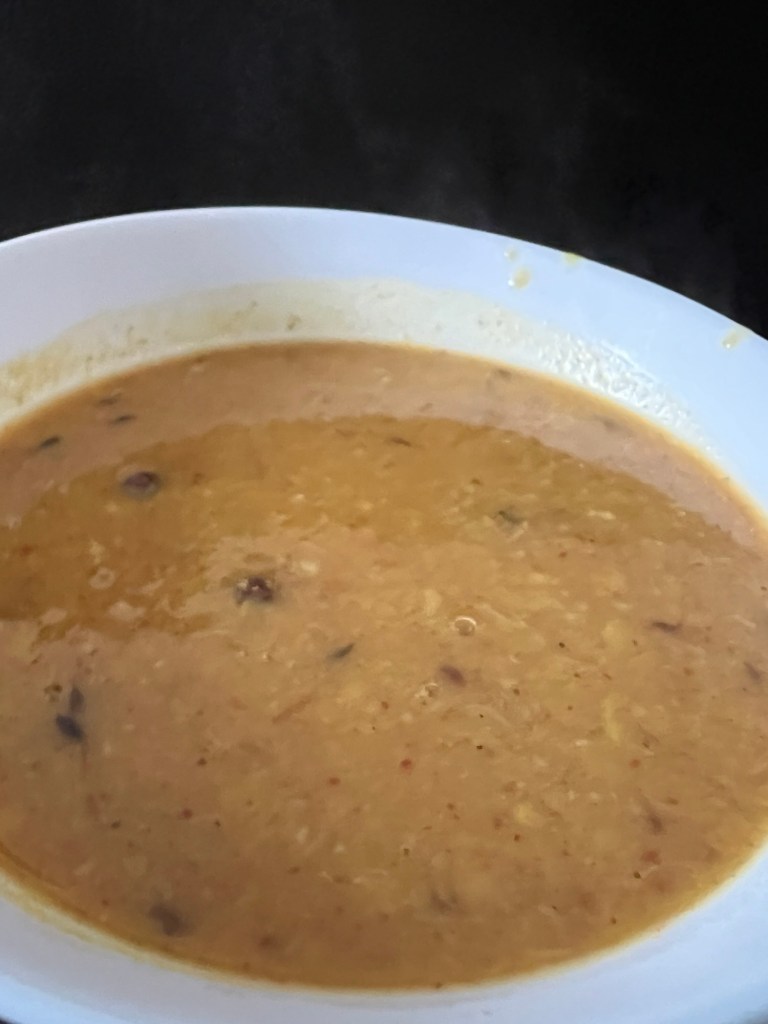
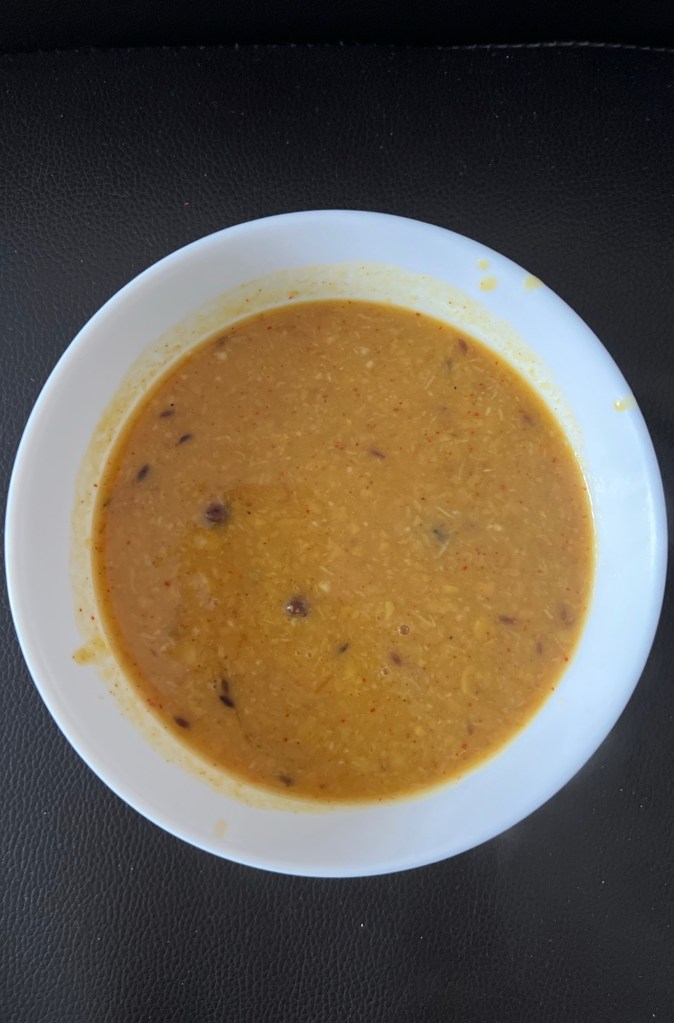
“Like a savoury payasam!” This was the verdict from my family when they tasted my Bengali Cholar Dal. I saw this recipe in a reel some months back and it had been in the back of my mind to make it one day. Well, that day happened to be earlier this month.

Cholar Dal is a classic Bengali dish made from chana dal or split Bengal gram and is often served with luchi which is a deep-fried Bengali bread or steamed rice during festivals and special occasions. The dal is part of celebration food and is served during festivals like Durga Puja, weddings, and other joyous occasions. Unlike everyday dals, this dish is slightly sweet and aromatic, reflecting Bengal’s love for a balance of flavours. Some legends say that Bengali zamindars, aka landowners and royals, used to enjoy cholar dal with luchi as a rich breakfast or during grand feasts. The use of ghee, coconut, and dry fruits indicates its origins in aristocratic kitchens, where meals were meant to be luxurious and flavourful.

The dal is a great source of plant-based protein, making it ideal for vegetarians. Because it is rich in fibre, it helps with digestion, promotes gut health, and aids in weight management. Its low glycemic index helps regulate blood sugar, making it suitable for diabetics. The dal is packed with iron & folate and so supports red blood cell production and prevents anemia. Finally, it helps lower cholesterol levels and supports cardiovascular health.

Bengali Cholar Dal

Ingredients

For the dal

  • 1 cup chana dal or Bengal gram
  • 3 cups water
  • ½ tsp turmeric powder
  • 1 tsp salt

For the tempering

  • 2 tbsp mustard oil or ghee
  • 1 tsp cumin seeds
  • 1 bay leaf
  • 1-inch cinnamon stick
  • 2 green cardamoms
  • 2 cloves
  • 1 dried red chilli
  • ½ teaspoon asafoetida or Hing

Other ingredients

  • 2 tbsp grated fresh coconut
  • 2 tbsp raisins
  • 1 tsp ginger paste
  • ½ tsp red chilli powder
  • ½ tsp garam masala
  • ½ tsp sugar or jaggery
  • ½ tsp roasted cumin powder
  • 1-2 green chillies
  • Finely chopped coriander leaves to garnish
  • Water to adjust for consistency
  • Method:
  • Wash chana dal thoroughly and soak it for 30 minutes to one hour in hot water to reduce cooking time.
  • Drain the water and pressure cook it with 3 cups of water, turmeric, and salt for 3-4 whistles or until soft but not mushy.
  • Mash lightly with the back of a spoon, keeping some texture intact. Set aside.
  • Heat mustard oil or ghee in a pan.
  • Once hot, add cumin seeds, bay leaf, cinnamon, cardamom, cloves, dried red chilli, and asafoetida. Sauté until fragrant.
  • Add grated coconut and sauté for 1-2 minutes until it turns golden.
  • Add ginger paste and sauté for a few seconds.
  • Stir in red chilli powder, jaggery, and raisins. Let it cook for a minute.
  • Pour the cooked chana dal into the pan and mix well. Adjust water for desired consistency.
  • Simmer for 5-7 minutes, stirring occasionally.
  • Add garam masala and roasted cumin powder, mix well, and turn off the heat.
  • Garnish with fresh coriander leaves and serve hot with luchi, puri, or rice.

In My Hands Today…

Your Body in Balance: The New Science of Food, Hormones, and Health – Neal D. Barnard

This nationally bestselling book explains the shocking new science of how hormones are wreaking havoc on the body, and the delicious solution that improves health, reduces pain, and even helps to shed weight.

Hidden in everyday foods are the causes of a surprising range of health problems: infertility, menstrual cramps, weight gain, hair loss, breast and prostate cancer, hot flashes, and much more. All of these conditions have one thing in common: they are fueled by hormones that are hiding in foods or are influenced by the foods we eat.

Your Body in Balance provides step-by-step guidance for understanding what’s at the root of your suffering-and what you can do to feel better fast. Few people realize that a simple food prescription can help you tackle all these and more by gently restoring your hormone balance, with benefits rivaling medications. Neal Barnard, MD, a leading authority on nutrition and health, offers insight into how dietary changes can alleviate years of stress, pain, and illness. What’s more, he also provides delicious and easy-to-make hormone-balancing recipes, including Cauliflower Buffalo Chowder, Kung Pao Lettuce Wraps, Butternut Breakfast Tacos, Mediterranean Croquettes, Apple Pie Nachos, and Brownie Batter Hummus.

Your Body in Balance gives new hope for people struggling with health issues. Thousands of people have already reclaimed their lives and their health through the strategic dietary changes described in this book. Whether you’re looking to treat a specific ailment or are in search of better overall health, Dr. Neal Barnard provides an easy pathway toward pain relief, weight control, and a lifetime of good health.

Recipes: Methi Malai Mattar Pulao

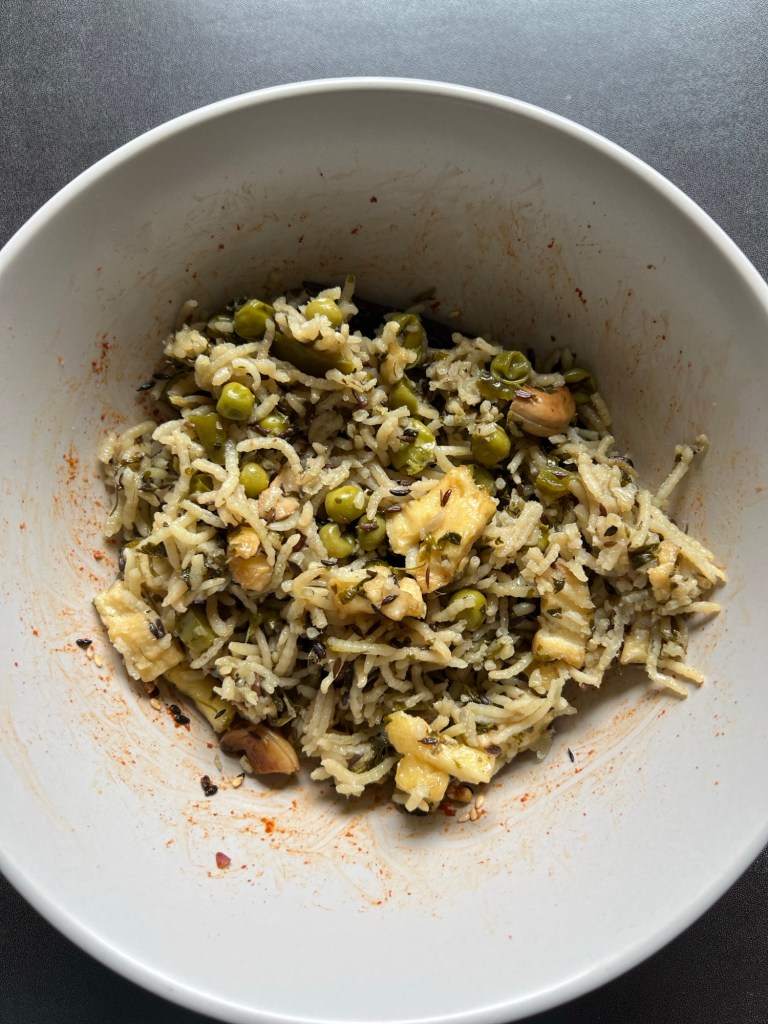
For those who watch this space regularly, you would know how much I love one pot meals. Just put everything together in a rice cooker or pan and let it do its thing. Today’s recipe is my spin on the classic and creamy methi malai mattar. It’s a quick recipe and perfect for those days when you don’t want to spend time in the kitchen and also makes a great addition to someone’s lunchbox.

I didn’t have fresh methi, so I used dried methi or kasuri methi, but if you have fresh methi, go ahead and the recipe will be even tastier.

Methi Malai Mattar Pulao

Ingredients:

  • 1 cup basmati rice
  • 1 small onion, sliced
  • ½ cup fresh or frozen peas
  • ½ cup fresh or frozen paneer, cut into bite-sized pieces
  • 2 tbsp kasuri methi (if using fresh methi, use ½ cup)
  • 2 green chillies, slit
  • 1-inch piece of ginger, peeled and cut into strips
  • 2 tbsp ghee
  • 1 tsp cumin seeds
  • 1 medium-sized dried bay leaf
  • 3-4 cloves
  • 3-4 cardamom
  • 1 piece cinnamon
  • Salt to taste
  • 2 cups water

Method:

  • Wash the basmati rice well a few times and soak it for at least 30 minutes. Keep aside.
  • In a pan, heat the ghee, and when the ghee is warm, put in the cumin seeds and let the seeds pop.
  • Then add in the bay leaf, cloves, cardamom, and cinnamon and stir for a couple of seconds.
  • Add the sliced onions and sauté till the onions become translucent and start browning.
  • Then add the peas and sauté for a bit before adding the paneer pieces.
  • Now crush the kasuri methi in the palms of your hands and sprinkle it over the peas and paneer. If you are using fresh methi, chop it into small pieces and add it to the pan now.
  • Drain the rice, add it to the pan, and sauté for a minute.
  • Season the pulao with salt. My rule of thumb is about 1 tsp of salt per cup of rice, but salt as per your discretion.
  • If you are using a rice cooker, add the contents of the pan to the rice cooker and add 2 cups of water. Switch on and cook until done.
  • If continuing on the pan, add the water, lower the flame to medium-low, and cook covered until the rice is completely cooked. Depending on the rice used, you may want to add more water.
  • Once the rice is done in both the rice cooker and the pan, let it sit for at least 10 minutes before opening it.
  • Fluff the rice with a spoon and serve hot with a raita and some chips or crisps.

In My Hands Today…

You Suck at Cooking: The Absurdly Practical Guide to Sucking Slightly Less at Making Food – You Suck at Cooking

Do you crave food all the time? Do you think you might want to eat again in the future? Do you suck at cooking? Inspired by the wildly popular YouTube channel, these 60+ recipes will help you suck slightly less

You already know the creator of the YouTube show You Suck at Cooking by his well-manicured hands and mysterious voice, and now you’ll know him for this equally well-manicured and mysterious tome. It contains more than sixty recipes for beginner cooks and noobs alike, in addition to hundreds of paragraphs and sentences, as well as photos and drawings.

You’ll learn to cook with unintimidating ingredients in dishes like Broccoli Cheddar Quiche Cupcake Muffin-Type Things, Eddie’s Roasted Red Pepper Dip (while also learning all about Eddie’s sad, sad life), Jalapeno Chicken, and also other stuff. In addition, there are cooking tips that can be applied not only to the very recipes in this book, but also to recipes outside of this book, and to all other areas of your life (with mixed results).

In the end, you just might suck slightly less at cooking.*

*Results not guaranteed