In My Hands Today…

If You Can’t Take the Heat: Tales of Food, Feminism, and Fury – Geraldine DeRuiter

When celebrity chef Mario Batali sent out an apology letter for the sexual harassment allegations made against him, he had the gall to include a recipe—for cinnamon rolls, of all things. Geraldine DeRuiter decided to make the recipe, making food journalism history along with it. Her subsequent essay, with its scathing commentary about the pervasiveness of misogyny in the food world, would be read millions of times, lauded by industry luminaries from Martha Stewart to The New York Times restaurant critic Pete Wells—and it would land DeRuiter in the middle of a media firestorm. She found herself on the receiving end of dozens of threats when all she wanted to do was make something to eat (and okay, maybe also take down the patriarchy).

In If You Can’t Take the Heat, DeRuiter shares stories about her shockingly true, painfully funny (and sometimes just painful) adventures in gastronomy. We’ll learn how she finally got a grip on her debilitating anxiety by emergency meal–planning for the apocalypse. (“You are probably deeply worried that in times of desperation I would eat your pets. And yes, I absolutely would.”) Or how she learned to embrace her hanger. (“Because women can be a lot of things, but we can’t be angry. Or president, apparently.”) And how she inadvertently caused another international incident with a negative restaurant review. (She made it on to the homepage of The New York Times’s website! And got more death threats!)

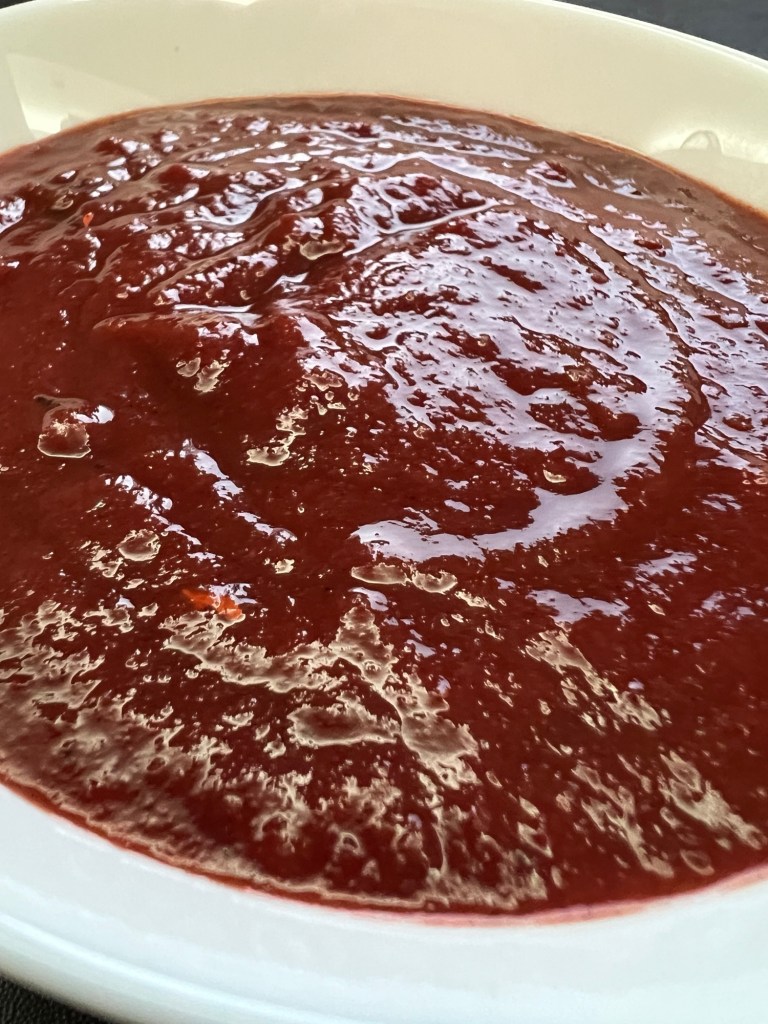
Recipes: Cashewnut or Kaju Curry

Famous in the coastal areas of Maharashtra, Goa, and Karnataka, Kaju or Cashewnut Curry, is a rich and creamy curry that is so delicious. I saw someone eating this curry in a video some months ago and have been wanting to make it ever since. I finally got the opportunity recently and here’s my version.

Kaju Curry

Ingredients:

  • 1 cup whole cashew nuts
  • 2 medium-sized onions, chopped
  • 4-5 medium-sized tomatoes, chopped
  • 6-8 cloves garlic
  • 1 inch piece of ginger
  • 3 dried red chillies
  • inch piece of cinnamon
  • 3 cloves
  • star anise
  • 2 bell peppers (any colour), chopped into big pieces
  • 1 cup low-fat milk (optional)
  • 1 tsp cumin seeds
  • ¼ tsp turmeric powder
  • 2-3 tsp red chilli powder
  • ½ tsp garam masala powder
  • 1 tsp jaggery powder
  • 1 tbsp kasuri methi
  • Salt to taste
  • 2-3 tbsp ghee
  • 2-3 tbsp butter

Method:

  • Take 1 tsp ghee and butter in a pan and let the butter melt. Once the butter melts, add the cashew nuts and stir continuously until the cashews become golden brown. Remove and keep aside.
  • Add some more ghee and butter and saute the chopped bell peppers till they are slightly cooked, but retain their crispness. Remove and keep aside.
  • In the same pan, add one more tsp of ghee and butter, add in the cumin seeds and let them pop. Once they pop, add in the dry whole spices – dried red chillies, cinnamon, cloves and star anise and stir for a couple of seconds each before adding in the next spice.
  • Then add in the chopped ginger and garlic and stir for a few seconds, add in the chopped onions and stir well.
  • Add in 1 tsp salt, stir well and let the onions lightly brown and become translucent. Remove and keep aside.
  • When the onions are cool, blend into a smooth paste and keep aside.
  • Remove the paste from the blender and in the same blender, take about 12-15 fried cashews and blend into a powder. Add the tomatoes and blend the cashew powder and tomatoes into a smooth paste. Keep aside.
  • In the same pan, pour the remaining ghee and butter and once the butter melts, add in the onion paste and stir continuously, not letting the paste burn or stick to the bottom of the pan.
  • Once the onion paste has cooked and started to reduce, add in the tomato-cashew paste and stir well.
  • Add in the dry spices – turmeric powder, red chilli powder, jaggery powder, garam masala, and salt, if needed and continue stirring. You may pop a lid on the pan and the tomato mixture may start splattering.
  • Crush the Kasuri methi in the palm of your hand and sprinkle it on the gravy.
  • Add in the bell peppers and cashew nuts. Stir well. Add 1-2 cups of milk and water to bring it to the consistency you desire. Let it come to a rolling boil.
  • Switch off the gas and add finely chopped coriander leaves to garnish.
  • Serve hot with rice or any Indian flatbread.

Recipes: Dal Makhni

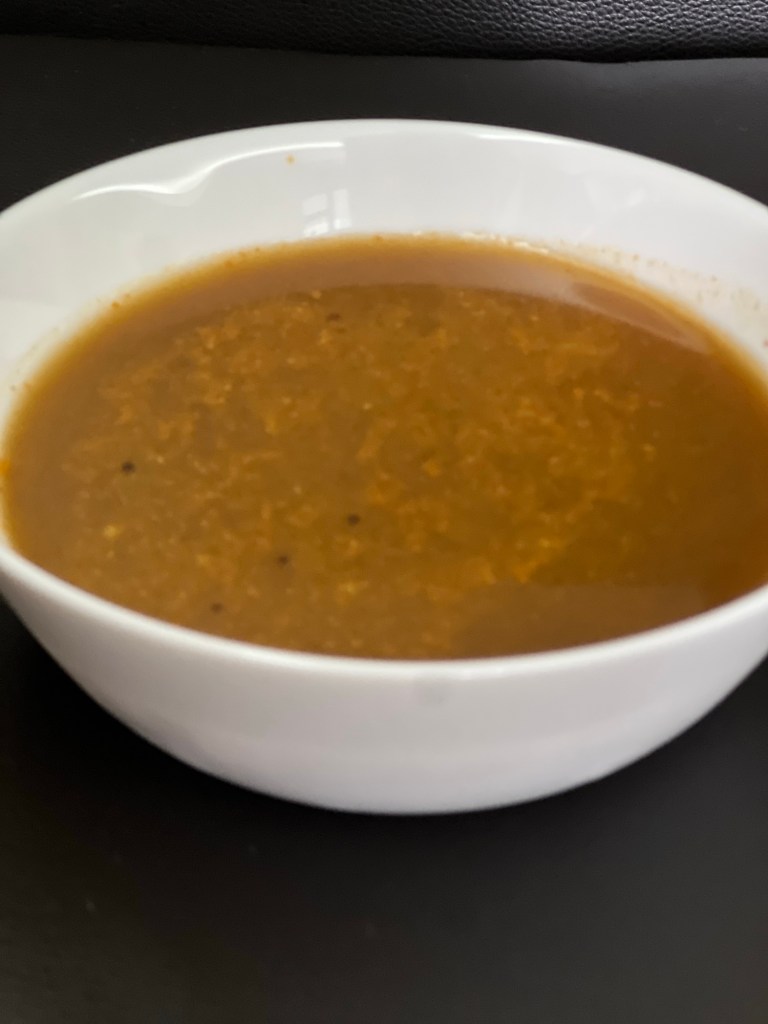
A quintessential staple in every Punjabi restaurant, Dal Makhani is known for its rich and creamy texture. The dish has its roots in the Punjab region of the Indian subcontinent and was created by Kundan Lal Gujral and Kundan Lal Jaggi, who were Punjabi Hindu migrants from Peshawar. They are also credited with inventing the famous butter chicken.

The dish is a modern variation of traditional lentil dishes, made with urad dal or black lentils and other pulses, and is known for its rich buttery and creamy content. The name Dal Makhni comes from Dal, meaning lentils, and Makhni, meaning buttery. It’s a testament to the culinary innovation that occurred during the post-partition era, as these chefs sought to create a vegetarian dish that would complement their already popular Butter Chicken. This recipe comes from my helper, R, who comes from Punjab.

Dal Makhni

Ingredients:

  • 1 cup whole black lentils or urad dal
  • ¼ cup kidney beans or rajma
  • 4 cups water for pressure cooking
  • 2 tbsp ghee or butter
  • 1 tbsp oil
  • 1 tsp cumin seeds
  • 1 large onion, finely chopped
  • 2 large tomatoes, pureed
  • 1 tbsp ginger-garlic paste
  • 2 green chillies, slit lengthwise
  • ½ tsp turmeric powder
  • 1 tsp Kashmiri red chilli powder
  • 1 tsp coriander powder
  • ½ tsp garam masala
  • ½ cup fresh cream
  • Salt to taste
  • Finely chopped fresh coriander leaves for garnish

Method:

  • Rinse the whole urad dal and rajma thoroughly under running water. Soak them together in enough water for at least 6–8 hours or overnight.
  • Drain the soaked lentils and beans and transfer them to a pressure cooker. Add 4 cups of water and a pinch of salt. Pressure cook for about 6-7 whistles on medium-high heat, or until the lentils and beans are soft and well cooked.
  • Once cooked, mash the lentils and beans slightly using the back of a spoon or a potato masher. Set aside.
  • Heat ghee or butter along with oil in a deep pan or kadai over medium heat. Add cumin seeds and let them splutter.
  • Add finely chopped onions and sauté until they turn golden brown.
  • Stir in ginger-garlic paste and green chillies. Sauté for a couple of minutes until the raw aroma disappears.
  • Add the tomato puree and cook until the mixture thickens and the oil starts to separate from the sides.
  • Add turmeric powder, red chilli powder, coriander powder, and garam masala. Mix well and cook for a few more minutes.
  • Pour in the cooked lentils and beans, along with any remaining water from the pressure cooker. Mix everything.
  • Adjust the consistency by adding water if necessary. Bring the mixture to a gentle simmer.
  • Add fresh cream and salt to taste. Stir well to combine.
  • Let the Dal Makhani simmer on low heat for about 20–30 minutes, stirring occasionally. This helps to blend the flavours and thicken the gravy.
  • Once the desired consistency is achieved, garnish with fresh coriander leaves.

Serve hot with steamed rice, naan, or roti for a delicious and comforting meal.

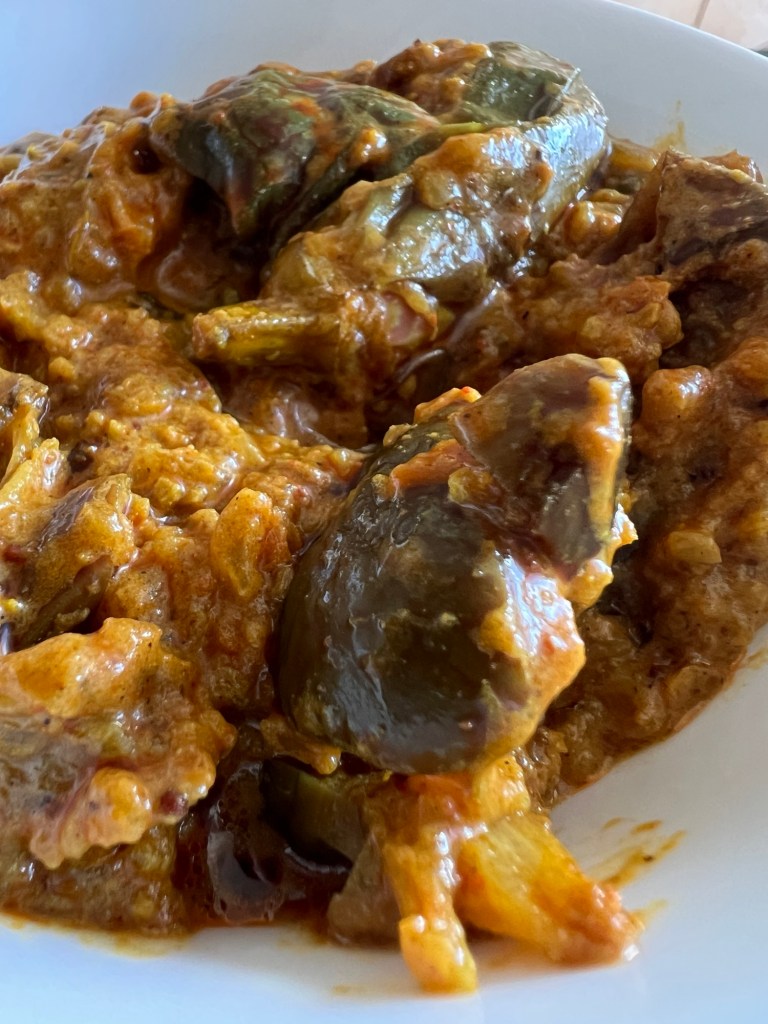
Recipes: Vegetable Alleppey Curry

A couple of months back, we went to this fusion restaurant to celebrate S’ birthday. This restaurant took traditional South Indian recipes and presented them in a contemporary format, which was very interesting. One of the recipes, we had was Alleppey Curry. I loved it and immediately tried to replicate it.

Alleppey Curry originates from the coastal town of Alleppey or Alappuzha, in Kerala. Known for its backwaters and vibrant culinary scene, Alleppey is celebrated for this curry’s unique blend of local spices and coconut-based gravies. This curry typically features an assortment of fresh vegetables, often including carrots, beans, potatoes, and peas, cooked in a coconut milk-based sauce. It’s frequently served with rice, appam, which are rice pancakes, or parotta, offering a delicious and wholesome vegetarian option.

Now, I don’t like the smell and taste of coconut milk, so instead of using that, I used freshly grated coconut and blended it with some spices to make the sauce. So here’s how I made it.

Vegetable Alleppey Curry

Ingredients:

  • 2 cups mixed vegetables, chopped into medium-sized pieces. I used a mixture of carrots, beans, potatoes, cauliflower, broccoli, and peas
  • 2 raw mangoes, peeled and chopped into medium-sized pieces
  • ½ cup freshly grated coconut
  • 5-6 dried red chillies
  • 1 tsp cumin seeds
  • 1 tsp oil or ghee
  • 1 tsp mustard seeds
  • ¼ tsp turmeric powder
  • Salt to taste
  • 5-6 curry leaves

Method:

  • In a blender, blend the coconut, dried red chillies, cumin seeds and ¼ of the chopped mangoes into a fine paste. Keep aside.
  • In another pan, add the chopped vegetables and the remaining raw mango pieces. some salt and turmeric powder and cook until about 80% done. Heat the oil and when it warms, add the mustard seeds and let them splutter. Then add the curry leaves, pour the tempering into the curry and cover immediately to trap the flavours.
  • Serve hot with rice.

Recipes: Apple Halwa

Happy New Year! Here’s wishing every one of you a year that’s filled with love, hope, happiness and positivity!

And to start the new year, here’s a sweet dish that I made some time ago. I had many apples at home, which would all start to go bad at the same time. So instead of requesting everyone to eat them, I decided to make apple halwa with some of them. It was delicious and is something I will make again when I am craving something sweet.

Apple Halwa

Ingredients:

  • 3 medium-sized red apples
  • 1.5 tbsp ghee
  • ¼ cup + 2 tbsp sugar, brown sugar, or jaggery
  • ½ tsp ground cinnamon
  • 2 tbsp raisins
  • 10–12 almonds and cashew nuts

Method:

  • Peel and grate the apples and set them aside.
  • Finely chop the almonds and cashew nuts.
  • Heat the ghee in a pan over medium heat.
  • Add the chopped nuts and once they are brown, remove them from the pan with a slotted spoon and keep them in a kitchen towel until later.
  • Add the grated apples and cook, stirring occasionally, until softened and most of the liquid has evaporated. This should take about 7 to 8 minutes.
  • Add the sugar or jaggery and mix well.
  • Once the sugar or jaggery has melted into the apple, add the cinnamon and continue cooking, stirring constantly, until the mixture thickens and pulls away from the sides of the pan, which should take about 5–7 minutes more.
  • If the apples are sour, you may need to add more sweetener to taste and adjust the sweetness if needed.
  • Add the raisins, almonds and cashew nuts, keeping some aside to garnish and mix well.
  • Serve warm, garnished with chopped nuts.

Notes:

  • Use any variety of red apples you like, but sweet and crisp apples will work best.
  • For a smoother texture, the apples can be blended after cooking before adding them back to the pan.
  • This halwa can be stored in an airtight container in the refrigerator for up to 3 days.