In My Hands Today…

Masala Lab : The Science of Indian Cooking – Krish Ashok

Ever wondered why your grandmother threw a teabag into the pressure cooker while boiling chickpeas or why she measured using the knuckle of her index finger? Why does a counter-intuitive pinch of salt make your kheer more intensely flavourful? What is the Maillard reaction, and what does it have to do with fenugreek? What does your high school chemistry knowledge, or what you remember of it, have to do with perfectly browning your onions?

Masala Lab by Krish Ashok is a science nerd’s exploration of Indian cooking with the ultimate aim of making the reader a better cook and turning the kitchen into a joyful, creative playground for culinary experimentation. Just like memorizing an equation might have helped you pass an exam but not become a chemist, following a recipe without knowing its rationale can be a suboptimal way of learning how to cook.

Exhaustively tested and researched, and with a curious and engaging approach to food, Krish Ashok puts together the one book the Indian kitchen definitely needs, proving along the way that your grandmother was right all along.

Recipes: Methi Malai Mattar Paneer

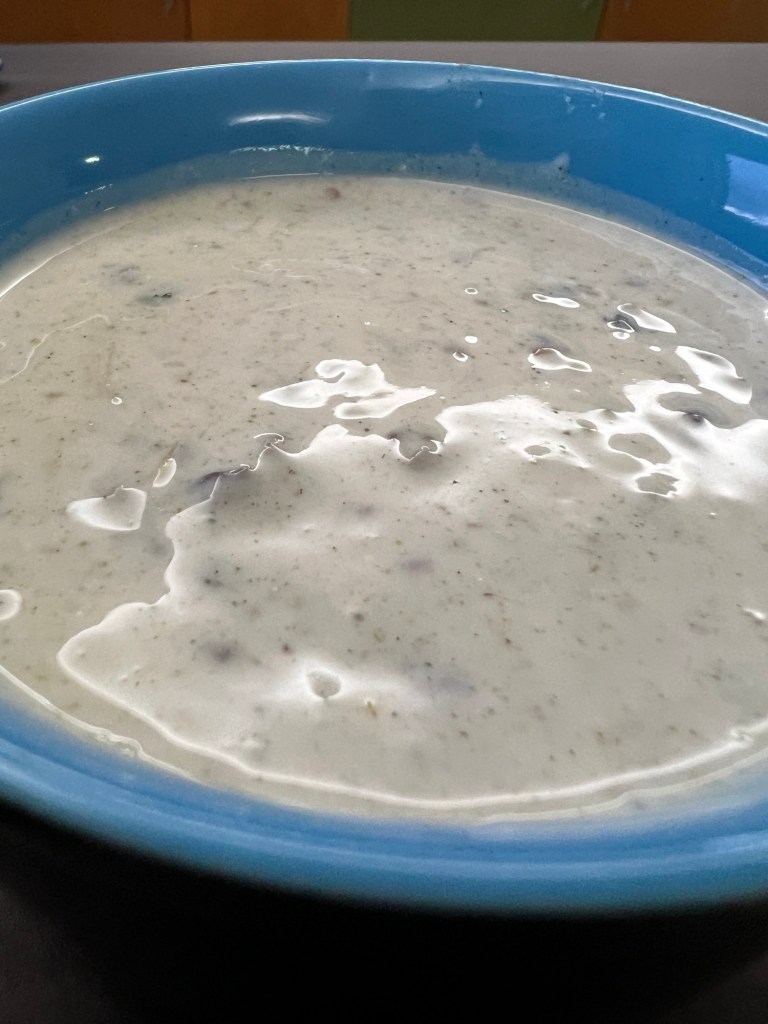
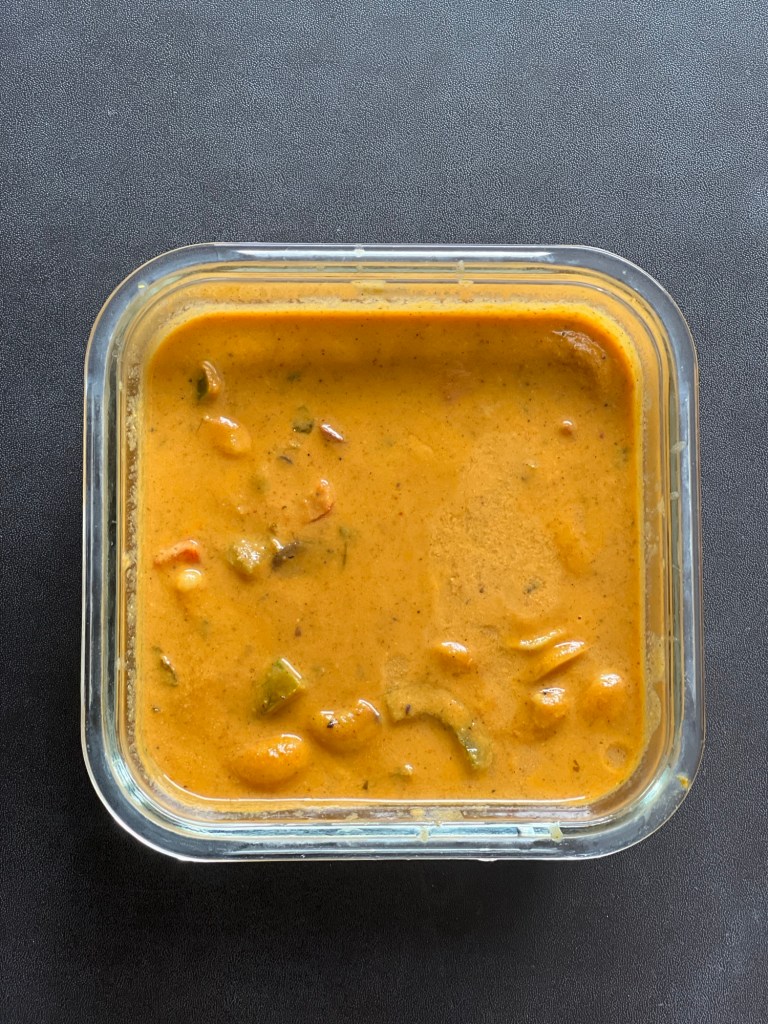
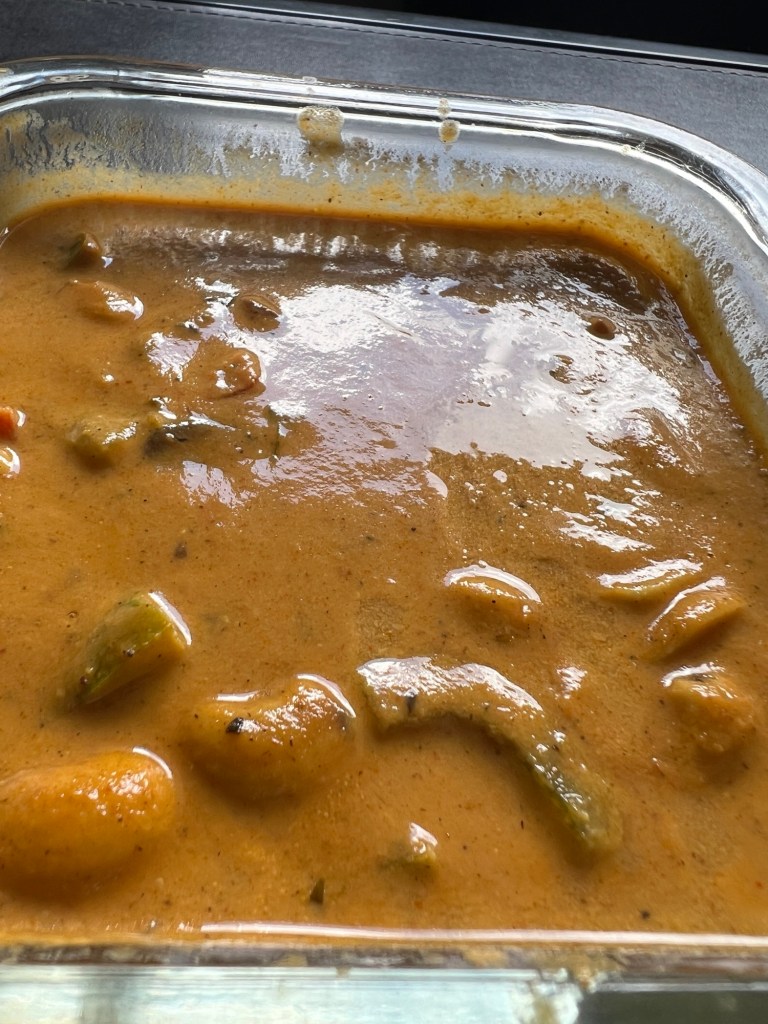
A restaurant staple, Methi Malai Matar is a popular North Indian dish known for its creamy texture and delightful combination of fenugreek leaves, or methi, green peas, or mattar, Indian cottage cheese, or paneer and a rich cream-based gravy. Its origin can be traced back to the Indian state of Punjab, where rich and indulgent dishes are prevalent due to the region’s farming and dairy culture. The dish gained popularity over time due to its exquisite flavor profile, combining the slight bitterness of methi with the sweetness of green peas and the richness of cream. I had made this sometime earlier in the year and forgot about it until I chanced upon the photo while clearing my phone’s photo gallery.

Methi Malai Mattar Paneer

Ingredients:

  • 2 cups fresh fenugreek leaves or methi, washed and finely chopped
  • 1 cup green peas, fresh or frozen
  • 200 gm paneer, cubed
  • 2 large onions, finely chopped
  • 2 tomatoes, finely chopped
  • ½ cup fresh cream or yoghurt.
  • 2 tbsp oil or ghee
  • 1 tsp cumin seeds
  • 1 tsp ginger-garlic paste
  • ½ tsp turmeric powder
  • 1 tsp red chilli powder (more or less according to your spice preference)
  • 1 tsp coriander powder
  • ½ tsp garam masala
  • 2 tbsp kasuri methi
  • Salt to taste
  • Water, as needed
  • Finely chopped fresh coriander leaves to garnish

Method:

  • Heat oil or ghee in a pan or kadai over medium heat. Add cumin seeds and let them splutter.
  • Add finely chopped onions and sauté until they turn translucent and golden brown.
  • Stir in ginger-garlic paste and sauté for a couple of minutes until the raw aroma disappears.
  • Add the finely chopped tomatoes and cook until they become soft and the oil starts to separate from the mixture.
  • Add the turmeric powder, red chilli powder, coriander powder, and salt. Mix well and cook for a few more minutes to blend the spices.
  • Add the chopped methi or fenugreek leaves to the pan and sauté for 5-7 minutes until they wilt and become tender. Stir occasionally.
  • Once the methi leaves are cooked, add green peas and paneer cubes to the mixture. Mix gently to combine the ingredients.
  • Pour in the fresh cream or yoghurt and stir well. If you prefer a creamier consistency, you can adjust the quantity of cream or yoghurt to your liking.
  • Add water as needed to achieve your desired gravy consistency. Cover the pan and let the curry simmer for 5-7 minutes to allow the flavours to meld together.
  • Sprinkle garam masala over the curry and give it a final stir.
  • Garnish with finely chopped chopped coriander leaves.

Serve hot with rice or rotis.

Note: You can use cashew paste as a dairy-free alternative and even in the recipe above to make it creamier or for a special occasion.

Recipes: Chana Dal Sundal

During the festival of Navaratri, I usually make something as an offering or prasadam to the goddess every day. In previous years, I have also made a sweet to go along with the sundal, but this year, because I have to go to work in the morning, I have been making only sundals as an offering.

Chana Dal Sundal is made from split chickpeas or chana dal which is healthy and protein-rich. And the best part about sundals is that you can make it in under 10 minutes, which is such a time saver when you are rushing in the morning!

Chana Dal Sundal

Ingredients:

  • 1 cup chana dal or split chickpeas
  • 2 tbsp oil or ghee
  • ½ tsp mustard seeds
  • ½ tsp split urad dal
  • ¼ tsp asafoetida
  • 2-3 dried red chillies, broken into pieces
  • 10-12 curry leaves, torn
  • 2 tbsp grated coconut, fresh or desiccated
  • Lemon juice to taste
  • Salt to taste
  • Coriander leaves to garnish

Method:

  • Wash the chana dal thoroughly under running water, and then soak it in 2 cups of water for 2-3 hours. After soaking, drain the water and set the chana dal aside.
  • Cook the chana dal with fresh water and a pinch of salt until it is just cooked. We don’t want it cooked like a dal, just until a piece can get crushed between your thumb and index finger.
  • Heat oil in a pan or kadai over medium heat.
  • Add mustard seeds and let them splutter. Then add urad dal, asafoetida, dried red chillies, and curry leaves. Sauté for a minute until the spices release their aroma.
  • Add the cooked chana dal and salt to the pan. Stir well to coat the dal with the tempered spices.
  • Reduce the heat to low and cook the chana dal, stirring frequently, for about 5 minutes.
  • Add the grated coconut and stir well.
  • Turn off the heat, drizzle with lemon juice and stir well.
  • Garnish with coriander leaves and serve hot or cold.

Other Navaratri Sundal recipes: Green Moong Sundal, Green Peas Sundal, Peanut Sundal, Sweet Corn Sundal, Chickpea Sundal

In My Hands Today…

Stalin’s Wine Cellar – John Baker and Nick Place

In the late 1990s, John Baker was known as a purveyor of quality rare and old wines. Always entrepreneurial and up for adventure, he was the perfect person for an occasional business partner to approach with a mysterious wine list that was foreign to anything John, or his second-in-command, Kevin Hopko, had ever come across.

The list was discovered to be a comprehensive catalogue of the wine collection of Nicholas II, the last Tsar of Russia. The wine had become the property of the state after the Russian Revolution of 1918, during which Nicholas and his entire family were executed. Now owned by Stalin, the wine was discreetly removed to a remote Georgian winery when Stalin was concerned the advancing Nazi army might overrun Russia, and inevitably loot artefacts and treasures. Half a century later, the wine was rumoured to be hidden underground and off any known map.

John and Kevin embarked on an audacious, colourful and potentially dangerous journey to Georgia to discover if the wines actually existed; if the bottles were authentic and whether the entire collection could be bought and transported to a major London auction house for sale.

Stalin’s Wine Cellar is a wild, sometimes rough ride in the glamorous world of high-end wine. From Double Bay Sydney to Tbilisi Georgia, via the streets of Paris, the vineyards of Bordeaux and iconic Château d’Yquem. A multimillion dollar cellar and a breathtaking collection of wine (and one very expensive broken bottle) is the elusive treasure. The cast of characters include Stalin, Hitler, Tsar Nicholas II and a motley bunch of Georgian businessmen/cowboys toting handguns, in the early days of Russian business development that led to the world of Putin and oligarchs.

Recipes: Sev Tamatar ki Sabzi or Sev Tameta nu Shaak

For viewers of Tarak Mehta ka Ulta Chashmah, this recipe will be a familiar one. I ate this a long time ago when I was in school and then used to hear about it in shows and online. I was chatting with a friend the other day and she mentioned she had recently made the dish and I had cravings to make it. This is a fairly easy dish to make and from start to end, will not take more than 20-30 minutes, depending on the quantity you are making.

From the heartlands of Gujarat, this sabzi blends the sweetness and tartness of tomatoes with the crunch of savoury sev. Legend has it that the recipe originated in the kitchen of a Gujarati household, where the homemaker sought to create a delightful dish using the bounty of tomatoes from her garden. Faced with an abundant harvest, she combined tomatoes, spices, and a handful of sev to fashion a dish that was an instant hit with her family and the recipe soon spread like wildfire across the state. Today, this dish is a staple in Gujarati households, for its taste and ease of making from ingredients commonly found in an Indian kitchen. And because this does not use onions or garlic, this can be made even on festive days when you won’t use these ingredients. So let’s start making this yummy dish.

Sev Tameta nu Shaak or Sev Tamatar ki Sabzi

Ingredients:

  • 3 large ripe tomatoes, finely chopped
  • 1 cup sev or fried gram flour vermicelli
  • 2 tbsp oil
  • 1 tsp mustard seeds
  • 1 tsp cumin seeds
  • ¼ tsp asafoetida
  • 1 tbsp ginger and green chilli paste
  • ½ tsp turmeric powder
  • 1 tsp red chilli powder (adjust to taste)
  • 1 tsp coriander powder
  • 1 tsp cumin powder
  • Salt to taste
  • 2 tbsp jaggery or sugar
  • 1 cup water
  • Fresh coriander leaves to garnish

Method:

  • Heat oil in a pan over medium heat. Add mustard seeds, cumin seeds and asafoetida, letting them sizzle for a few seconds.
  • Then add the ginger and chilli paste and let it cook for a few seconds.
  • Add the finely chopped tomatoes to the pan and cook until they turn soft and mushy, stirring occasionally.
  • Reduce the heat to low and add turmeric powder, red chilli powder, coriander powder, cumin powder, and salt. Mix well and cook for 2-3 minutes.
  • Pour in the water and add jaggery or sugar. Stir until the jaggery dissolves completely.
  • Allow the curry to simmer on low heat for 5-7 minutes, allowing the flavours to meld together.
  • Add half the sev to the tomatoes and gently mix to coat the sev with the sauce.
  • Turn off the heat and garnish with fresh coriander leaves.
  • Just before serving, add the balance sev, so that there is still a crunch to the dish and serve hot with roti.

Notes: Don’t use the nylon sev used for bhelpuri and other chaat, instead use the thicker ones. This will mean that the sev does not dissolve in the sabzi and there is a bite. I also like to keep some sev separate so that as you dish it up, you add it as a garnish.