In My Hands Today…

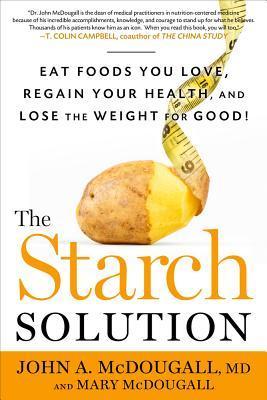
The Starch Solution: Eat the Foods You Love, Regain Your Health, and Lose the Weight for Good! – John A. McDougall, Mary McDougall

From Atkins to Dukan, the fear-mongering about carbs over the past few decades has reached a fever pitch; the mere mention of a starch-heavy food is enough to trigger a cavalcade of shame and longing.

In The Starch Solution, bestselling diet doctor and board-certified internist John A. McDougall, MD, and his kitchen-savvy wife, Mary, turn the notion that starch is bad for you on its head. The Starch Solution is based on a simple swap: fueling your body primarily with carbohydrates rather than proteins and fats. This will help you lose weight and prevent a variety of ills.

Fad diets come and go, but Dr. McDougall has been a proponent of the plant-based diet for decades, and his medical credibility is unassailable. He is one of the mainstay experts cited in the bestselling and now seminal China Study—called the “Grand Prix of epidemiology” by the New York Times. But what The China Study lacks is a plan.

Dr. McDougall grounds The Starch Solution in rigorous scientific fact and research, giving readers easy tools to implement these changes into their lifestyle with a 7-Day Quick Start Plan and 100 delicious recipes. This book includes testimonials from among the hundreds Dr. McDougall has received, including people who have lost more than 125 pounds in mere months as well as patients who have conquered lifethreatening illnesses such as diabetes and cardiac ailments.

In My Hands Today…

Tasting History: Explore the Past through 4,000 Years of Recipes – Max Miller, Ann Volkwein

What began as a passion project when Max Miller was furloughed during Covid-19 has become a viral YouTube sensation.

The Tasting History with Max Miller channel has thrilled food enthusiasts and history buffs alike as Miller recreates a dish from the past, often using historical recipes from vintage texts, but updated for modern kitchens as he tells stories behind the cuisine and culture.

From ancient Rome to Ming China to medieval Europe and beyond, Miller has collected the best-loved recipes from around the world and has shared them with his fans. Now, with beautiful photographs portraying the dishes and historical artwork throughout, Tasting History compiles over sixty dishes such as Tuh’ a red beet stew with leeks dating back to 1740 BC, deep-fried cheese balls with honey and poppy seeds, soul yeasted buns with currants from circa 1600, pumpkin a crustless pumpkin cheesecake with cinnamon and sugar on top from 1570, and much more.

Including the original recipe and Miller’s modern recreation, this cookbook is a must-have for any avid cook or history fan looking to experience delicious recipes from the past.

Recipes: Basil and Coriander Pesto

Over the past few years, I have been slowly getting GG & BB into the kitchen and teaching them simple recipes. This is so they can whip up something if there is a need. BB loves pasta, and so that has become his thing. He is the official pasta maker in our home, and recently he has started exploring making pesto from scratch. The below recipe is the result of his kitchen experiments. Quick to make, this vibrant pesto combines the aromatic flavours of basil and coriander, creating a versatile sauce perfect for pasta, sandwiches, marinades, or dressings. It’s quick to make and packed with nutrients.

Basil and Coriander Pesto

Ingredients:

  • 1 cup fresh basil leaves
  • 1 cup fresh coriander leaves
  • 3-4 garlic cloves
  • ½ cup cashewnuts and walnuts, lightly toasted
  • 2 tbsp (or to taste) lemon juice
  • ½ cup Parmesan cheese
  • Salt to taste
  • 2-3 tbsp Olive oil 
  • 2-3 tbsp (or more) water

Method:

  • Wash and dry the basil and coriander leaves thoroughly.
  • Lightly toast the nuts in a dry pan over medium heat for 2–3 minutes until fragrant.
  • Add basil, coriander, garlic, toasted nuts, lemon juice, salt, and black pepper to a food processor. Blend while slowly drizzling in olive oil until the mixture is smooth. Add water gradually to achieve your desired consistency.
  • Taste the pesto and adjust salt, lemon juice, or olive oil as needed.
  • Transfer to an airtight container and refrigerate for up to one week or freeze for up to one month.

In My Hands Today…

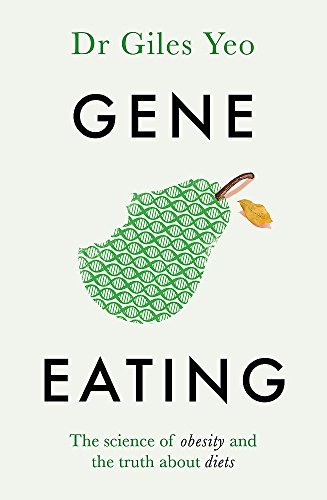
The Food Lab: Better Home Cooking Through Science – J. Kenji López-Alt

Ever wondered how to pan-fry a steak with a charred crust and an interior that’s perfectly medium-rare from edge to edge when you cut into it? How to make homemade mac ‘n’ cheese that is as satisfyingly gooey and velvety-smooth as the blue box stuff, but far tastier? How to roast a succulent, moist turkey (forget about brining!)—and use a foolproof method that works every time?

As Serious Eats’s culinary nerd-in-residence, J. Kenji López-Alt has pondered all these questions and more. In The Food Lab, Kenji focuses on the science behind beloved American dishes, delving into the interactions between heat, energy, and molecules that create great food. Kenji shows that often, conventional methods don’t work that well, and home cooks can achieve far better results using new—but simple—techniques. In hundreds of easy-to-make recipes with over 1,000 full-color images, you will find out how to make foolproof Hollandaise sauce in just two minutes, how to transform one simple tomato sauce into a half dozen dishes, how to make the crispiest, creamiest potato casserole ever conceived, and much more.

Recipes: Mixed Vegetable Moong Dal Pulao

A couple of months back, while doomscrolling, I came across a similar recipe and knew I had to try it. Last week, I finally had a chance to make this. Combining the goodness of whole moong dal and mixed vegetables, this pulao is wholesome, flavourful and protein-packed and is ideal for a school or office lunchbox.

Sprouted moong dal is often referred to as a superfood due to its exceptional nutritional profile. It is rich in nutrients as it contains essential vitamins like A, B, C, and E, as well as minerals like iron, potassium, magnesium, and zinc, as well as being high in protein and dietary fibre. Sprouting enhances enzyme activity, making it easier to digest compared to regular legumes. The high fibre content promotes gut health by preventing constipation. It is rich in potassium and magnesium, which help regulate blood pressure and antioxidants that reduce oxidative stress and inflammation linked to heart disease. Because of its low glycemic index, glucose is slowly released into the bloodstream, and thus it is beneficial for diabetics due to its ability to stabilise blood sugar levels. The high protein and fibre content promotes satiety and prevents overeating. Sprouted moong dal contains vitamin C and antioxidants that strengthen immune defenses while its antioxidants help combat free radicals that cause skin aging.

Mixed Vegetable Moong Dal Pulao

Ingredients:

  • 1 cup Basmati rice, washed and soaked for 30 minutes
  • 1 cup whole moong dal, soaked for 6-8 hours. Bonus points if the dal starts to sprout
  • 1 cup chopped mixed vegetables (I used carrots, peas and corn)
  • 1 medium-sized onion, sliced
  • 1 tsp ginger-green chilli paste
  • 2 tbsp finely chopped fresh coriander leaves
  • 10-12 cashew nuts
  • 1 bay leaf
  • 1-inch piece of cinnamon stick
  • 4-5 cloves
  • 4-5 cardamom pods
  • 1 tsp cumin seeds
  • Salt to taste
  • 2 tbsp ghee 
  • 2 cups water

Method:

  • If using whole green moong beans, soak them overnight or for 6-8 hours. Drain and leave them in a damp cloth for a day to sprout. Rinse the sprouts before use. If you are unable to sprout, just use the soaked and drained moong beans.
  • Soak the rice for 30 minutes
  • Heat ghee in a heavy-bottomed pan or pressure cooker.
  • Fry the cashew nuts until light brown and keep aside.
  • Add cumin seeds, bay leaf, cinnamon stick, cloves, and cardamom pods in the same ghee. Sauté until aromatic.
  • Add sliced onions and sauté until golden brown.
  • Stir in the ginger-green chilli paste and cook for a minute.
  • Add chopped mixed vegetables. Cook for 2-3 minutes
  • Add in the mixed vegetables and moong dal. Sauté for another minute.
  • Drain the soaked rice and add it to the pan. Gently mix with the vegetables.
  • Season with salt as needed.
  • If using a rice cooker, add the rice, moong dal, and vegetables to the rice cooker. Add in the fried cashew nuts and mix well. Now add in the 2 cups of water and cook until done. Let the pulao sit in the rice cooker for a while, then open and lightly fluff with a fork. 
  • If cooking it on the stove, pour in water and bring it to a boil. Cover with a lid and cook on low heat until the rice is done. Alternatively, you can pressure cook for one whistle. Let the pulao rest for a few minutes after cooking.
  • Garnish with fresh coriander leaves and serve hot with a raita of your choice.