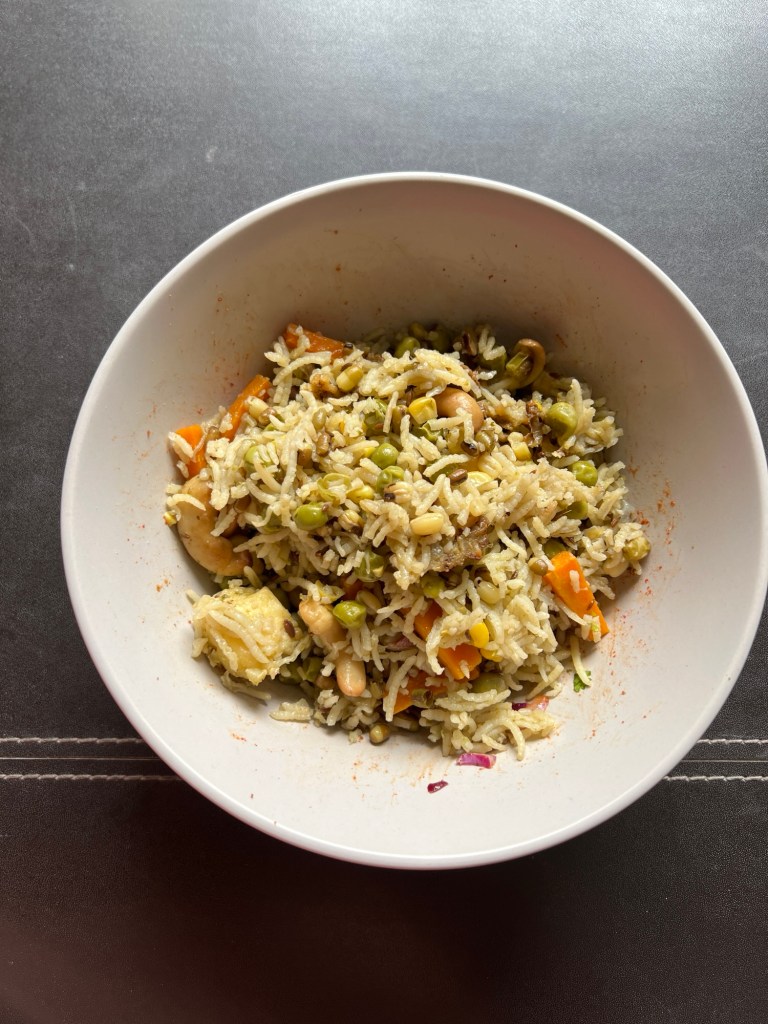
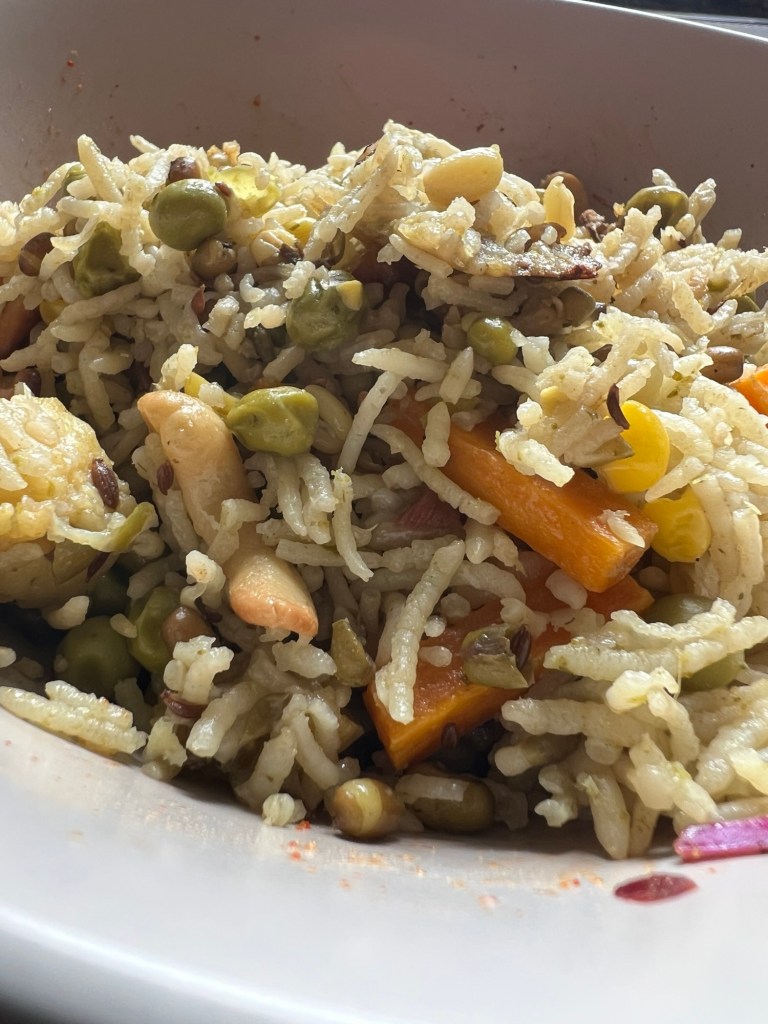
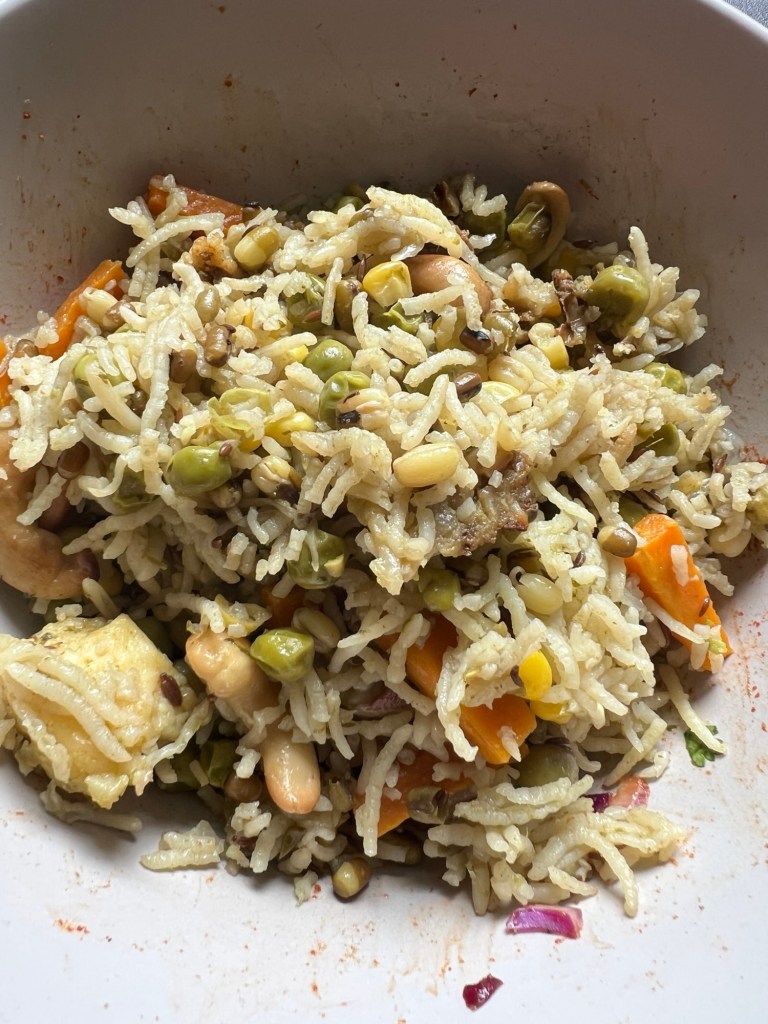
Recipes: Potato Podi Curry

A staple in Tamil Brahmin weddings, Potato Podi Curry, or Urulai Kizhangu Kara Curry, holds a special place in Tamil Brahmin cuisine. This flavourful and spicy potato curry is made without onions and garlic, making it suitable for festive occasions. 

Potato Podi Curry 

Ingredients:

For the potatoes:

  • 4-5 medium-sized potatoes
  • ¼ tsp turmeric powder
  • ¼ tsp asafoetida powder
  • Salt to taste
  • 1 tbsp chopped coriander leaves 
  • 1 tbsp oil
  • 2 tsp mustard seeds
  • 10-12 curry leaves

For the Podi Powder

  • 2 tbsp coriander seeds
  • 2 tbsp chana dal (split Bengal gram)
  • 2 tbsp urad dal
  • 2 tbsp fennel seeds
  • 2 tbsp black peppercorn
  • 2-3 tbsp Kashmiri chilli powder
  • ¼ tsp fenugreek seeds

Method:

  • Wash the potatoes thoroughly. This curry will have unpeeled potatoes, so make sure the potatoes are cleaned. 
  • Chop the potatoes into small, bite-sized pieces. Drop the potatoes in cold water to avoid oxidisation.
  • In the meantime, heat a small skillet and dry roast the ingredients for the podi powder one by one, until they are crisp. Keep aside and let them cool.
  • Once cool, grind the spices to a fine powder. Keep aside.
  • In a large saucepan, add about 4-5 cups of water, add ¼ tsp turmeric and some salt and once the water comes to a rolling boil, add the potatoes and cook the potatoes until they are about 80% done, stirring occasionally.
  • Check to see if the potatoes are done. This can be done by taking a piece and pressing it with your finger. If you can mash it with your fingers, it is cooked. At this point remove the potatoes from the saucepan, drain them and keep aside.
  • Heat about 2-3 tbsp oil in a large pan and once warm add in the mustard seeds. When the mustard seeds pop, add in the curry leaves and mix. 
  • Now add in the asafoetida powder and once that is mixed, add in the drained potatoes.  Season with salt.
  • Add the podi powder and Kashmiri red chilli and mix gently.
  • On a low flame let the potatoes finish cooking. This should take about 7-10 minutes. 
  • Serve the potato podi curry with any South Indian meal.

Sustainable Gastronomy Day

Sustainable Gastronomy Day, celebrated annually on June 18, is an initiative established by the United Nations to raise awareness about the importance of sustainable food practices. This day emphasises the role of gastronomy in promoting food security, preserving biodiversity, and fostering agricultural development. It serves as a platform to highlight how sustainable gastronomy can contribute to achieving sustainable development goals (SDGs) globally.

Sustainable gastronomy is a concept that intertwines culinary practices with environmental consciousness. It refers to food systems that prioritise local sourcing, seasonal ingredients, and traditional cooking methods. This approach not only minimises waste but also supports local economies and preserves cultural heritage.

Key elements of sustainable gastronomy include local sourcing and emphasising the use of ingredients that are grown or produced in the local area; seasonal eating by the encouragement of the consumption of foods that are in season, which reduces the carbon footprint associated with transportation, waste reduction by implementing practices that minimise food waste throughout the supply chain, and conserving biodiversity by supporting agricultural practices that protect diverse ecosystems and promote the conservation of local species.

The significance of sustainable gastronomy has become increasingly apparent in light of global challenges such as climate change, food insecurity, and biodiversity loss. By adopting sustainable culinary practices, individuals and communities can contribute to a healthier planet and a more equitable food system.

The relevance of sustainable gastronomy is underscored by several pressing global issues:

  • Food Security: An estimated one-third of all food produced globally is wasted, so sustainable gastronomy plays a vital role in addressing food security challenges. Reducing waste can help ensure that more food reaches those in need, thereby alleviating hunger.
  • Environmental Impact: The food production system is a significant contributor to greenhouse gas emissions, deforestation, and water pollution. Sustainable gastronomy encourages practices that mitigate these impacts, such as organic farming and responsible sourcing.
  • Cultural Heritage: Gastronomy is not just about food; it is a reflection of cultural identity and heritage. Sustainable gastronomy promotes the preservation of traditional cooking methods and local cuisines, fostering cultural diversity.
  • Health Benefits: Eating locally sourced and seasonal foods often leads to healthier diets rich in nutrients while reducing reliance on processed foods laden with preservatives.

Sustainable Gastronomy Day was officially established by the United Nations General Assembly on December 21, 2016. The first observance took place on June 18, 2017. This initiative was launched to recognise gastronomy as a form of cultural expression linked to the natural and cultural diversity of the planet. The day aims to promote awareness about how sustainable gastronomy can contribute to achieving various SDGs, including poverty reduction, health and well-being, responsible consumption, and climate action. The collaboration between organizations such as UNESCO and the Food and Agriculture Organization (FAO) ensures that Sustainable Gastronomy Day is observed globally with educational initiatives and events.

Looking ahead to 2025, the theme for Sustainable Gastronomy Day is “More Taste, Less Waste.” This theme emphasises the importance of flavour while promoting innovative approaches to reduce food waste within culinary practices. The initiative will encourage chefs, restaurants, and consumers to explore creative ways to utilise all parts of ingredients and minimise waste through thoughtful meal planning and preparation techniques. The theme aligns with ongoing efforts to highlight the economic and environmental benefits of reducing food waste while celebrating culinary creativity. Events such as Sustainable Gastronomy Restaurant Week will be part of this initiative, showcasing how chefs can offer delicious meals without compromising sustainability principles.

Sustainable Gastronomy Day reminds us of the interconnectedness between our food systems, cultural heritage, and environmental sustainability. By embracing sustainable gastronomic practices, we can contribute to a healthier planet while enjoying diverse culinary experiences.

Recipes: Vendakai Pachadi

Okra, also known as ladies finger, is a nutrient-dense vegetable that offers numerous health benefits. It is rich in vitamins A and C, antioxidants, and dietary fiber, making it an excellent choice for promoting overall health. The antioxidants found in okra help combat oxidative stress and may reduce the risk of chronic diseases such as cancer and heart disease. Additionally, okra is known for its potential to regulate blood sugar levels, making it beneficial for those managing diabetes. Its high fiber content supports digestive health and may aid in cholesterol management by binding to cholesterol during digestion.

Okra, Bhindi, or Ladies Finger Raita or Vendakkai Pachadi combines the health benefits of bhindi with yoghurt and coconut, creating a refreshing dish that supports gut health due to the probiotics in yoghurt. Adding coconut adds healthy fats and enhances the dish’s flavour profile. This pachadi serves as a delicious side dish and contributes to a balanced diet by incorporating essential nutrients from its ingredients, including calcium, magnesium, and vitamins that promote heart and bone health.

Vendakkai Pachadi 

Vendakkai Pachadi, or Okra/Bhindi/Ladies Finger Raita, is a traditional South Indian dish made with sautéed bhindi, yoghurt, and coconut. It’s a refreshing side dish that pairs well with rice and curries. 

Ingredients:

For the Pachadi:

  • 2 cups of ladies finger, chopped into thin rounds
  • 2 cups fresh thick yoghurt or curd
  • ½ cup fresh or frozen grated coconut
  • 1 tsp cumin seeds
  • 2-3 green chillies
  • Salt, to taste
  • 4-5 tbsp oil for sautéing

For the tempering:

  • 1 tsp oil
  •  ½ tsp mustard seeds
  •  ½ tsp urad dal 
  • 1-2 dry red chillies, broken into pieces
  •  A sprig of curry leaves

Method:

  • Wash the vendakkai thoroughly and pat dry to remove moisture, which helps avoid sliminess.
  • Cut them into thin rounds and keep them aside.
  • Heat 4-5 tbsp oil in a pan over medium heat.
  • Once the oil is hot, add the chopped bhindi and sauté in batches until they are crispy and golden brown. Each batch should take between 5-8 minutes. Once done, remove it from the heat and let it cool.
  • In a blender, combine the grated coconut, green chillies, cumin seeds and a pinch of salt. Blend until it becomes a smooth paste. If you need extra moisture while blending, add some of the yoghurt. 
  • In a mixing bowl, whisk the yoghurt until smooth. Add the coconut mixture to the yoghurt and mix well. Adjust salt to taste.
  • Once the sautéed okra has cooled down and you are ready to serve the dish, gently fold the crisp bhindi into the yoghurt-coconut mixture.
  • In a small pan, heat 1 tsp of oil and let it become warm. Add in the mustard seeds and urad dal; let them crackle.
  • Once they start to splutter, add the broken dry red chillies and curry leaves. Sauté for a few seconds until fragrant.
  • Pour the tempering over the prepared pachadi mixture and mix gently.
  • Serve chilled or at room temperature with steamed rice or as part of a larger meal.

Tips

  • Ensure that the vendakkai is well-dried before cutting to minimise sliminess during cooking.
  • Adjust the number of green chillies based on spice preferences.
  • This dish can be refrigerated for a couple of hours before serving for enhanced flavours. Just remember to add the crisp ladies fingers just before serving to ensure that the dish’s crispiness is kept.

Short Story: The Memory Basket

The sun streamed through the kitchen window, casting a warm glow on the sage green woven basket on the table. Aisha Tan stared at it, her heart heavy with memories. Just days ago, she had lost her beloved grandmother, Mei Ling, who had filled their home with laughter and the aroma of delicious food. The basket was all that remained of her culinary legacy.

Aisha gently lifted the lid, revealing a collection of handwritten recipes carefully penned in her grandmother’s elegant script. There were dishes from various cultures—Nasi Lemak, Char Kway Teow, Roti Canai, and even Indian curries like Chicken Rendang and Dhal Curry. Each recipe was a testament to the multicultural tapestry that defined Malaysia.

As she sifted through the recipes, Aisha felt a pang of longing. She had always loved cooking but had never taken the time to learn from her grandmother. Now, with Mei Ling gone, Aisha felt an urgency to reconnect with her roots and honour her grandmother’s memory. “I’ll do it,” she whispered to herself. “I’ll cook every dish in this basket.”

The following weekend, Aisha decided to start with Nasi Lemak, a dish that held special significance in her family. It was often served during family gatherings and celebrations. She gathered the ingredients—coconut milk, pandan leaves, rice, sambal, fried anchovies, peanuts, and boiled eggs. As she cooked, memories flooded—her grandmother teaching her how to prepare the dish while sharing stories of their family’s history. Aisha could almost hear Mei Ling’s voice guiding her through each step.

“Add just the right amount of coconut milk,” she remembered Mei Ling saying with a twinkle in her eye. “It’s what makes the rice fragrant.”

Once the dish was ready, Aisha plated it beautifully and sat down at the dining table. She closed her eyes and took a deep breath, savouring the aroma that filled the air. With each bite, she felt connected to her grandmother and their shared heritage. That evening, as she enjoyed her meal alone, Aisha realised that cooking was more than just preparing food; it was a way to keep memories alive—a bridge between generations.

Inspired by her first culinary adventure, Aisha decided to invite her estranged relatives over for dinner. It had been years since they had gathered as a family; disagreements and misunderstandings had driven them apart. But now, she felt it was time to mend those bonds.

She sent out invitations to her aunties and uncles, promising them an evening filled with nostalgia and delicious food. As the day approached, Aisha prepared an array of dishes from the basket—Char Kway Teow for starters and Chicken Rendang as the main course.

On the night of the gathering, Aisha decorated the dining table with flowers and candles to create a warm atmosphere. When her relatives arrived, there were initial awkward moments filled with hesitant smiles and polite greetings. But as they sat down to eat and shared stories about their childhoods—about Mei Ling’s cooking and family traditions—the atmosphere began to shift. Laughter filled the room as they reminisced about old times and shared their favourite memories of Aisha’s grandmother.

“Remember when Auntie May tried to make Nasi Lemak for the first time?” one uncle chuckled. “She forgot to add salt!” Aisha laughed along with them, feeling the warmth spread through her heart as she watched her family reconnect over food. It was then that she realised how powerful cooking could be—a way to heal wounds and bring people together.

Encouraged by the success of her family dinner, Aisha continued exploring other recipes in the basket. Each dish came with its own story—her grandmother’s experiences in different kitchens around Malaysia and beyond.

One weekend, she decided to try making Roti Canai from scratch. As she kneaded the dough and flipped it on the hot pan, she thought about how this simple bread brought together Indian influences in Malaysian cuisine. While preparing Roti Canai, Aisha remembered visiting Little India with Mei Ling as a child—the vibrant colours of saris in shop windows and the tantalizing scents wafting from street vendors selling delicious snacks. Those memories made her smile as she rolled out each piece of dough.

When she finally served it alongside spicy curry for dipping, Aisha felt accomplished. The flavours transported her back to those joyful moments spent with her grandmother exploring their heritage together.

As months passed by, filled with culinary experiments, Aisha discovered more than just recipes—she uncovered stories embedded within each dish reflecting cultural traditions passed down through generations!

One evening while preparing Laksa—a spicy noodle soup popular among Malaysians—Aisha stumbled upon an old photo album hidden beneath some cookbooks on a shelf! Curiosity piqued; she opened it, revealing faded pictures capturing moments from family gatherings long forgotten…

In one photo stood young Mei Ling, surrounded by relatives, smiling brightly, holding bowls filled with steaming Laksa! Another image showcased festive celebrations during Hari Raya, where everyone gathered around tables laden with various dishes showcasing diversity within Malaysian cuisine! A wave of nostalgia washed over Aisha as she flipped through pages filled with laughter, the joy reminding everyone present of the importance of cherishing bonds forged through shared meals celebrating life itself!

Determined not only to preserve these memories but also to honour the legacy left behind, Aisha decided to host another gathering, inviting everyone once again, ensuring that traditions lived on to inspire future generations to embrace journeys undertaken together, forging connections deeper than ever imagined possible…

On the day of the Hari Raya celebrations, excitement buzzed through Aisha’s home as relatives began arriving adorned in colourful traditional attire, filling the air with laughter and joy celebrating a reunion long overdue! This time, however, instead of simply serving dishes prepared from the basket inherited, Aisha encouraged each member to contribute their favourite recipes, to share stories behind them, reminding everyone present of the importance of preserving cultural heritage intertwined throughout lives lived long ago…

As they gathered around tables laden with food; aromas wafted through the air, creating a symphony of flavours and inviting everyone to partake in discovering that beauty lies within stories shared connecting generations past present future alike, reminding all hope remains alive even in darkest moments faced along the way…

“Let me tell you about my mother’s special recipe for Beef Rendang!” said Auntie May, excitedly recounting tales passed down through families, showcasing the significance behind every ingredient used within the dish, reminding everyone present of the importance of cherishing bonds formed across generations…

As festivities continued late into the night, Emma found herself reflecting upon the journey undertaken since inheriting the sage green woven basket filled with handwritten recipes from her beloved grandmother. Each dish prepared not only served the purpose of nourishing their bodies but also their souls, creating connection and bridging gaps formed over years lost amidst misunderstandings and estrangements experienced throughout life.

Feeling the warmth radiate throughout the room, filled with laughter and joy surrounding loved ones gathered close together and sharing moments cherished forevermore, Emma realized cooking wasn’t merely about food—it was about love, a legacy passed down, intertwining lives forevermore, reminding everyone present of the importance embracing change while honouring past ensuring light would always shine bright, illuminating hearts and souls alike, guiding them homeward bound forevermore…

With newfound purpose igniting spirit within, Emma vowed to continue honouring ancestors, ensuring stories lived on, inspiring future generations to embrace journeys undertaken together, forging connections deeper than ever imagined possible…

And so they stood together, united by purpose celebrating life, love, and resilience, knowing together they’d overcome challenges faced, paving the path forward, ensuring light would always shine bright, illuminating hearts and souls alike, guiding them homeward bound forevermore…

Recipes: Zafrani Pulao

Infused with the rich aroma of saffron and garnished with raisins, cashew nuts and almonds, Zafrani Pulao is perfect for special occasions. Saffron is known for its antioxidant properties, which can help combat oxidative stress in the body. It has also been linked to improved mood and may help alleviate symptoms of depression and anxiety. When garnished with nuts like almonds and cashews, Zafrani Pulao gains additional nutrients such as healthy fats, protein, vitamins, and minerals.

Ingredients:

  • 1 cup basmati rice
  • 2 cups water
  • ½ cup milk
  • 10-12 strands of saffron
  • 2 tbsp ghee (or oil for a vegan option)
  • 1 bay leaf
  • 2-3 green cardamom pods
  • 2-3 cloves
  • 1-inch cinnamon stick
  • Salt, to taste
  • 1 tbsp sugar (optional, adjust to taste)
  • 2-3 tbsp chopped nuts (cashews, almonds) and raisins for garnish 

Method:

  • Rinse the basmati rice under cold water until the water runs clear. Soak it in water for about 30 minutes. Drain and set aside.
  • In a small bowl, soak the saffron strands in warm milk for about 15 minutes. This will help release the colour and flavour of the saffron.
  • In a heavy-bottomed pot, heat ghee over medium heat. Add the chopped nuts and fry until golden brown. Remove and keep aside on a kitchen towel. Add the raisins in the same ghee and once they plump up, remove and keep with the nuts. 
  • In the same ghee, add the bay leaf, cardamom pods, cloves, and cinnamon stick. Sauté for a minute until fragrant.
  • Add the drained rice to the pot and sauté gently for 2-3 minutes to toast the rice slightly.
  • Add the salt and stir for a minute and then transfer to a rice cooker with the two cups of water. 
  • Cook until the rice is done. Switch off the rice cooker and let it sit for 20 minutes. After 20 minutes, open the rice cooker, and drizzle in the saffron milk, add the sugar if using and fluff the rice with a fork. Be gentle so as to keep the grains separate. Add in the fried nuts and raisins. 
  • If using the stovetop, after adding the salt, pour in 2 cups of water and bring it to a boil. 
  • Once boiling, reduce the heat to low, cover the pot with a lid, and let it simmer for about 15 minutes or until the rice is cooked and all the water is absorbed.
  • After the rice is cooked, gently fluff it with a fork. Drizzle the saffron-infused milk over the rice and add sugar if using. Mix gently to combine without breaking the grains. Add in the fried nuts and raisins and sprinkle over the pulao. 
  • Serve hot as a standalone dish or with your favourite curry or raita.