In My Hands Today…

Science Of Spice – Stuart Farrimond

Break new ground with this spice book like no other, from TV personality, food scientist and bestselling author, Dr Stuart Farrimond.

Taking the periodic table of spices as a starting point, explore the science behind the art of making incredible spice blends and how the flavour compounds within spices work together to create exciting layers of flavour and new sensations.

This is the perfect cookbook for curious cooks and adventurous foodies. Spice profiles – organised by their dominant flavour compound – showcase the world’s top spices, with recipe ideas, information on how to buy, use, and store, and more in-depth science to help you release the flavours and make your own spice connections.

There is also a selection of recipes using innovative spice blends, based on the new spice science, designed to brighten your palate and inspire your own culinary adventures. If you’ve ever wondered what to do with that unloved jar of sumac, why some spices taste stronger than others, or how to make your own personal garam masala, this inspirational guide has all the answers.

Explore the world’s best spices, be inspired to make your own new spice blends, and take your cooking to new heights. You’ll turn to this beautiful and unique book time and again – to explore and to innovate.

In My Hands Today…

Bite by Bite: Nourishments and Jamborees – Aimee Nezhukumatathil

In Bite by Bite, poet and essayist Aimee Nezhukumatathil explores the way food and drink evokes our associations and remembrances – a subtext or layering, a flavor tinged with joy, shame, exuberance, grief, desire, or nostalgia.

Here, Nezhukumatathil restores some of our astonishment and wonder about food through her encounter with a range of foods and food traditions. From shave ice to lumpia, mangoes to pecans, rambutan to vanilla, she investigates how food marks our experiences and identities; the boundaries between heritage and memory; and the ethics and environmental pressures around gathering and consuming food.

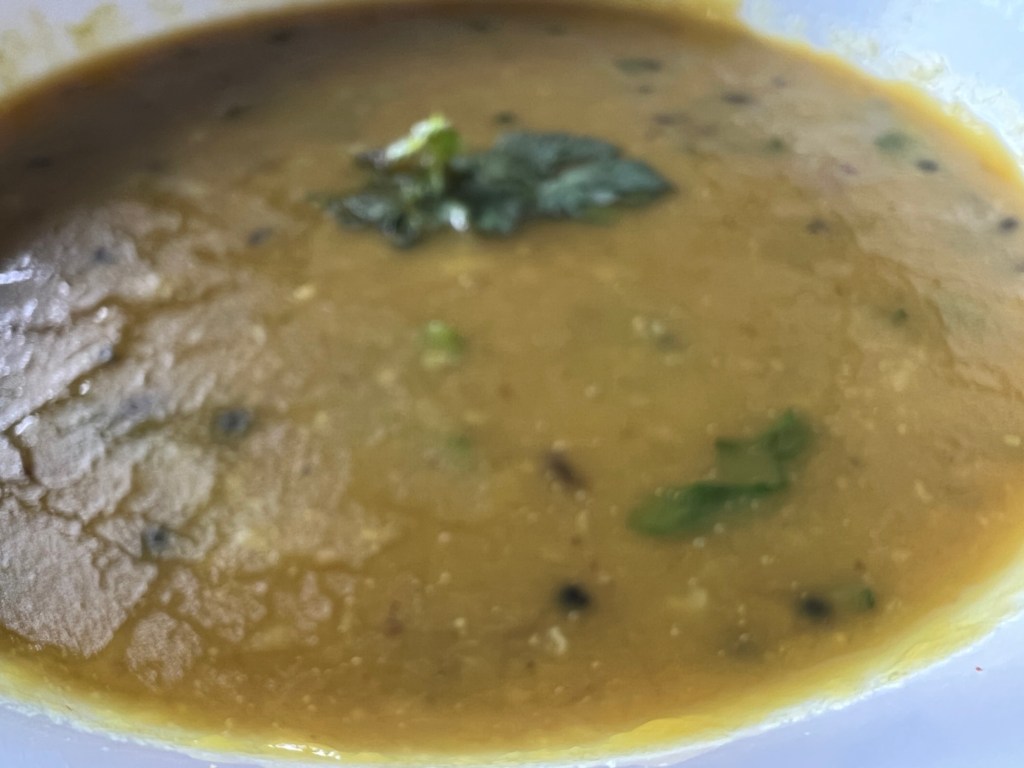
Recipes: Chincha Gul Amti

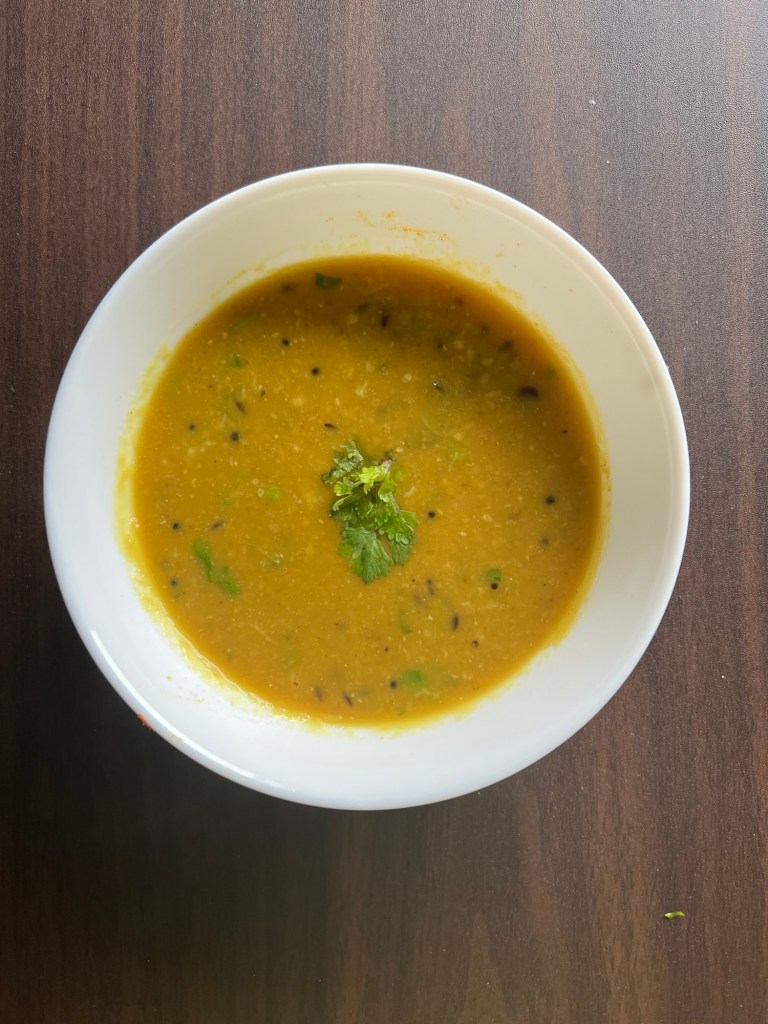
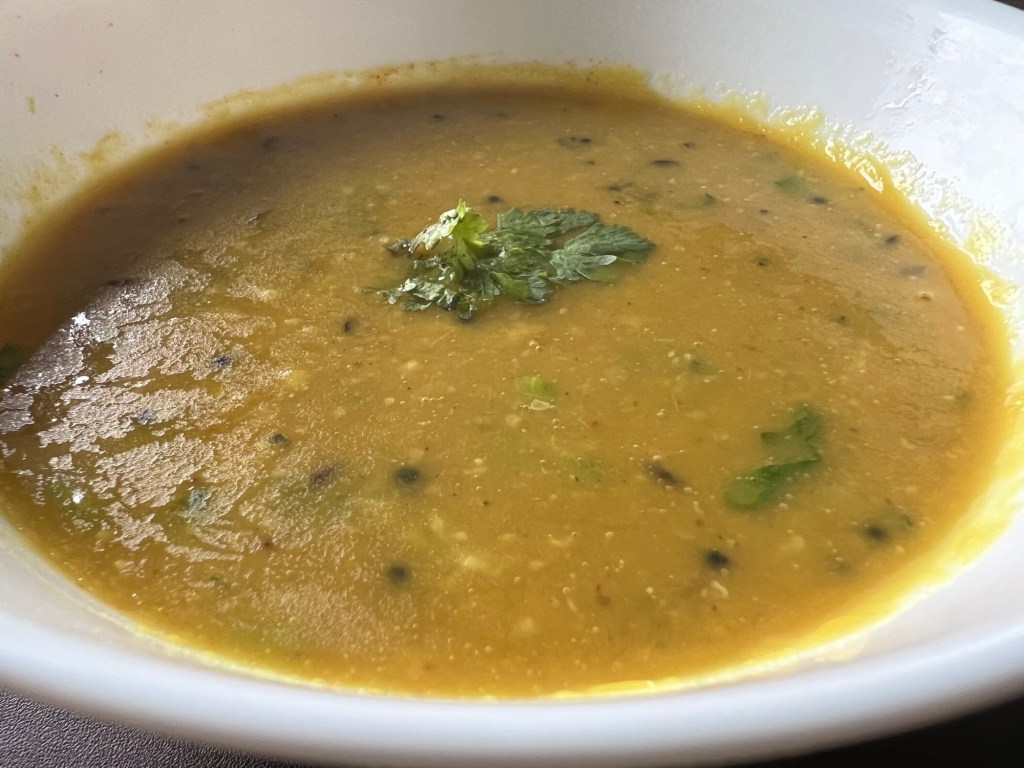
Known for its tangy and sweet flavour, Chincha Gul Amti is a traditional Maharashtrian dal made from tamarind or chincha and jaggery or gul. I got this recipe from one of the many recipe books I own (so old school, right). This version of the recipe includes coconut, which enhances the richness and texture of the dish, but you can opt to omit this if you don’t like the taste. 

Chincha Gul Amti

Ingredients:

  • 1 cup toor dal or pigeon pea lentils
  • 2 tbsp tamarind pulp or paste 
  • 2 tbsp jaggery powder
  • 2 tbsp grated coconut, either fresh or desiccated
  • 1 tbsp oil or ghee
  • ½ tsp mustard seeds
  • ½ tsp cumin seeds
  • ¼ tsp asafoetida 
  • 2 dried red chilies
  • 8-10 curry leaves
  • ½ tsp turmeric powder
  • 1 tsp red chili powder 
  • 1 tsp goda masala (optional) or garam masala
  • Salt to taste
  • Water as needed
  • Finely chopped coriander leaves to garnish

Method:

  • Wash the dal well and soak in hot water for 30 minutes. 
  • Then pressure cook the dal with 2-3 cups of water until soft. This should take around 3-4 whistles. Mash or whisk the cooked dal to a smooth paste and set it aside.
  • If using tamarind pulp, soak tamarind in warm water for about 10-15 minutes. Extract the tamarind pulp by squeezing the tamarind, and set it aside. 
  • If using rock jaggery, dissolve the jaggery in a small amount of water, ensuring no lumps, and set aside.
  • In a deep pan or kadai, heat the oil or ghee on medium heat. Add mustard seeds and cumin seeds, and let them splutter. Add asafoetida, dried red chilies, and curry leaves. Saute for a minute until fragrant.
  • Add turmeric powder, red chili powder, and goda or garam masala and stir for a few seconds. Then add the grated coconut and sauté for another 2-3 minutes until the coconut turns slightly golden.
  • Pour the cooked and mashed dal into the pan. Stir well and adjust the consistency by adding water as needed. Bring it to a gentle simmer.
  • Add the tamarind pulp or paste and jaggery to the simmering dal. Stir well to combine the sweet and tangy flavors. Cook for another 5-7 minutes, allowing the flavours to meld.
  • Add salt to taste and adjust the level of tamarind and jaggery according to your preference. If the amti is too thick, add a bit more water to achieve a medium consistency.
  • Once done, turn off the heat and garnish with freshly chopped coriander leaves.
  • Serve Chincha Gul Amti hot with steamed rice or roti.

Recipes: Sesame Seed Jaggery Sweet Powder

A couple of months back, I had to make a sweet offering quickly and didn’t have the time to make something elaborate, so I thought of this recipe, which is not only very quick to put together but also hardly takes any time, uses just two ingredients, and has health benefits.

Sesame seeds are a powerhouse of nutrients, packed with healthy fats, protein, and fibre, which support heart health and digestion. They are an excellent source of calcium, promoting strong bones and teeth, especially for those who may not consume dairy. Rich in antioxidants and anti-inflammatory properties, sesame seeds help protect the body against oxidative stress and chronic diseases. Their high magnesium content is beneficial for regulating blood pressure and maintaining cardiovascular health. Additionally, sesame seeds contain lignans and phytosterols, compounds known for their cholesterol-lowering effects.

The second ingredient, jaggery, a traditional unrefined sugar, is a natural sweetener rich in essential minerals like iron, magnesium, and potassium. It helps improve digestion by stimulating the secretion of digestive enzymes, making it beneficial after meals. Jaggery is known for its blood-purifying properties, which can help detoxify the liver and cleanse the respiratory tract. Its iron content makes it an excellent natural remedy for combating anemia and boosting energy levels. Jaggery is also a source of antioxidants, which help fight free radicals and boost overall immunity.

Sesame Seed Jaggery Sweet Powder

Ingredients:

  • ½ cup white sesame seeds
  • ½ cup brown jaggery

Method:

  • In a warm pan, dry roast the sesame seeds until they turn brown and start to pop. 
  • Transfer to a plate and let it cool.
  • If using rock jaggery, powder the jaggery to ½ cup and keep aside.
  • Once the sesame seeds are cool, pulse the seeds in a mixer. Just one or two pulses should be enough. 
  • Remove the sesame seed powder to a mixing bowl and if using powdered jaggery, add that and mix well.
  • If using rock jaggery, powder the jaggery first and then pulse the sesame seeds. 
  • Mix well and transfer to a moisture-free container. This should last well for a week or so outside.

In My Hands Today…

How Not to Die: Discover the Foods Scientifically Proven to Prevent and Reverse Disease – Michael Greger, Gene Stone

The vast majority of premature deaths can be prevented through simple changes in diet and lifestyle. In How Not to Die, Dr. Michael Greger, the internationally-renowned nutrition expert, physician, and founder of NutritionFacts.org, examines the fifteen top causes of premature death in America — heart disease, various cancers, diabetes, Parkinson’s, high blood pressure, and more — and explains how nutritional and lifestyle interventions can sometimes trump prescription pills and other pharmaceutical and surgical approaches, freeing us to live healthier lives.

The simple truth is that most doctors are good at treating acute illnesses but bad at preventing chronic disease. The fifteen leading causes of death claim the lives of 1.6 million Americans annually. This doesn’t have to be the case. By following Dr. Greger’s advice, all of it backed up by strong scientific evidence, you will learn which foods to eat and which lifestyle changes to make to live longer.

History of prostate cancer in your family? Put down that glass of milk and add flaxseed to your diet whenever you can. Have high blood pressure? Hibiscus tea can work better than a leading hypertensive drug-and without the side effects. Fighting off liver disease? Drinking coffee can reduce liver inflammation. Battling breast cancer? Consuming soy is associated with prolonged survival. Worried about heart disease (the number 1 killer in the United States)? Switch to a whole-food, plant-based diet, which has been repeatedly shown not just to prevent the disease but often stop it in its tracks.

In addition to showing what to eat to help treat the top fifteen causes of death, How Not to Die includes Dr. Greger’s Daily Dozen — a checklist of the twelve foods we should consume every day. Full of practical, actionable advice and surprising, cutting edge nutritional science, these doctor’s orders are just what we need to live longer, healthier lives.