
In this part, we look at some of the smaller and possibly lesser known towns in Himachal.
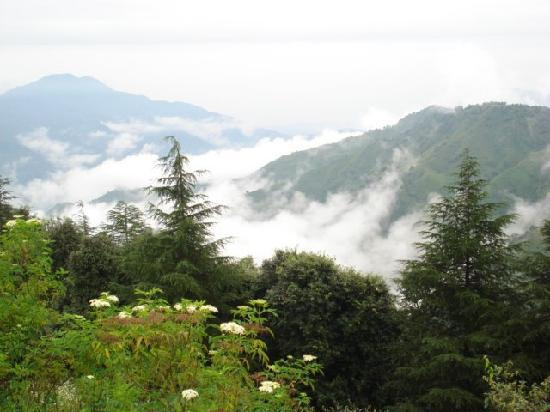
Chail
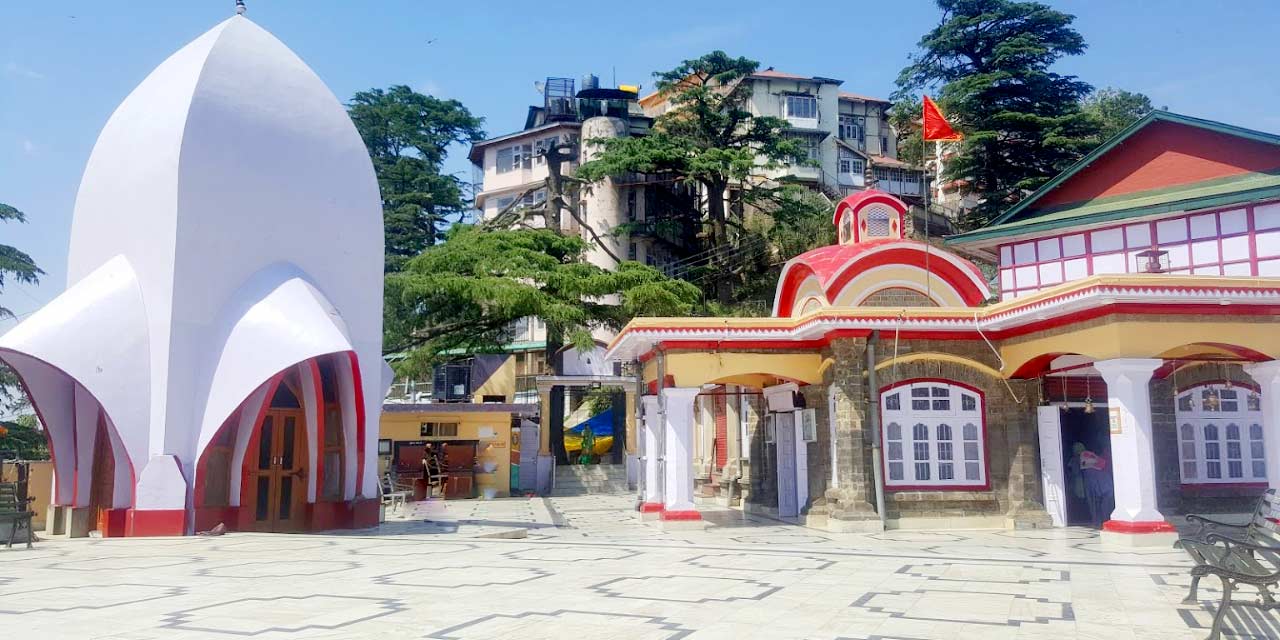
Located 45 km south of the state capital of Shimla, Chail is known for its salubrious beauty and virgin forests. In 1891, when the Maharaja Rajendra of Patiala incurred the rage of Lord Kitchener, he was denied entry into the Indian summer capital of Shimla. This incensed the Maharaja and he vowed to build a new summer retreat for himself and so he built Chail from stratch in defience. The Chail Palace, built as a summer retreat for the Maharaja of Patiala is well known for its architecture. The cricket ground and polo ground built at an altitude of 2,444 m and owned by erstwhile royal family of Patiala is the world’s highest cricket ground. Chail is also frequented by hikers as it offers wonderful views of the lower Himalayas. After accession to the Indian Union, Maharaja of Patiala donated most of his buildings to Chail Military School and the Government of India.A dainty little village based on the hill river of Ashwin, between Chail and Solan, Sadhupul has a small bridge atop the river which is the highlight of the hamlet and a popular picnic spot. Nestled in the heart of the beautiful city, the Palace Hotel is situated in the middle of 75 acres of exquisite lawns and gardens. The palace is covered with royal furniture, captivating log huts, charming cottages, thick forests, a private orchard where one can go for a quiet walk around the hotel admiring the beautiful nature or visit what is known as the lover’s hill nearby. The hotel is open from 9 am to 10 pm and has an entry fee of INR 100 per person. Previously a hunters’ reserve for the royal family, the Chail Wildlife Sanctuary was declared a wildlife sanctuary by the government in 1976. The sanctuary has a myriad species of birds and animals including the Indian Munjtac, Leopard, Wild Boar, Garal among many others as well as Sambhar, Red Jungle Fowl, Kakkar. The best time to visit for the sanctuary is from March, and all the way to October. The Kali temple is a popular religious spot in Chail and is also known for some breath-taking views. The Sidh Baba ka Mandir was was built by Maharaja Bhupender Singh when a saint visited him in his dream and told him about the place being his place of meditation and then a temple constructed here. The perfect time to visit Chail is during the summer season from April to June when the climate is very pleasant with the average temperature of 20 degrees Celsius. The winter season from October to March remains chilly and is a heaven for the snow lovers.

Solan
Located on the Punjab-Himachal Border, and the largest municipal council of the state, Solan lies on the lower ranges of the Himalayas on the Shivalik range and is more of an industrial town. Also known as the mushroom city of India due the vast mushroom farming as well as the location of the Directorate of Mushroom Research (DMR) situated at Chambaghat and the city of Red Gold, due to the bulk production of tomatoes in the area. Solan is named after the Hindu goddess Shoolini Devi in whose name every year in June, a fair venerating the goddess is held and was the capital of the erstwhile princely state of Baghat. The history of Solan goes back to the era of Pandavas. According to local folklore, the Pandavas lived here during their exile. In 1815 British won Baghat state, now Solan from the Gurkhas, with the Gurkha or Arki Fort still standing tall on a mountain near Solan. A beautiful city, Solan has ancient temples and monasteries that attract hundreds of visitors.
The Majathal Sanctuary is spread across an area of 55,670 sq km and this this wildlife sanctuary is a forested area with a wide variety of flora and fauna. A lot of endangered species can be found here, including the Cheer Pheasant. Other species of animals in this sanctuary are Gorals, Goats and many unique varieties of birds. Accommodation in the form of jungle houses are also available inside the sanctuary itself.
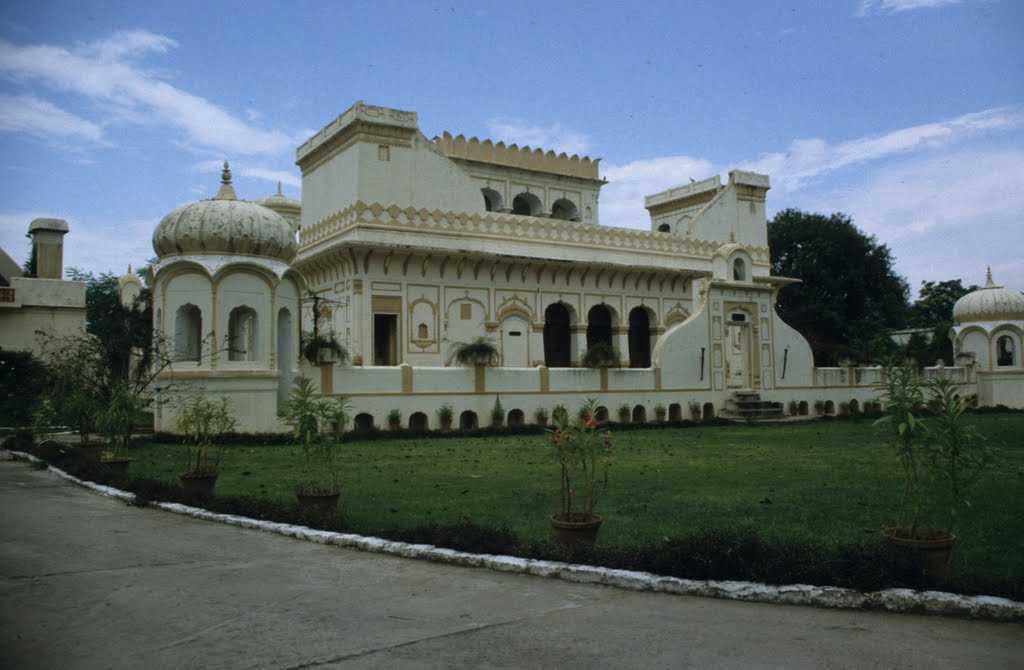
The Nalagarh Fort is a famous heritage hotel built in 1421 at the foothills of the Himalayas. Situated in the middle of lush greenery over a vast 20-acre property, combined with modern amenities, it serves as an ideal getaway for a weekend getaway with a fantastic view of the Shivalik Hills. Built in the mughal style of architecture in five levels, the majestic fort has now been converted into a hotel. The conference hall of the fort known as Diwan-E-Khas was built by Raja Sansar Chand in 1618 AD.
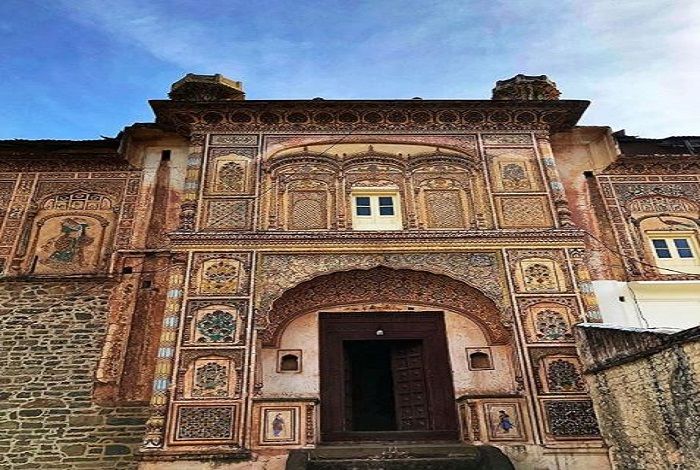
The Kuthar Fort which is said to be around 800 years old, is the oldest historical monument in the region and is spread over a large area with a number fresh-water springs. A walk around this ancient structure showcases a few more monuments such as the Gurkha fort and more.
Dagshai or Daag-e-shahi is the oldest cantonment town in Solan district perched on top of a hill 5,689 feet above sea level. The township’s foundation was laid down by the East India Company in 1847 and also includes a prison which is today converted into a jail museum. From some of these places, one can view the entire Panchkula and Chandigarh lights at night. According to legend, the name Dagshai has been derived from the word Daag-e-Shahi, because during the reign of the mughals, a permanent royal mark known as Daag-e-Shahi was put with a hot iron on the forehead of criminals and they were then sent to the Dagshai village.
One of the oldest breweries in the country, the Solan brewery started in 1855 and has been converted into a distillery today. Started by an Englishman Edward Dyer as Dyer Breweries, it is now run by Mohan Meaking Ltd and is located very close to the Solan railway station.

The Shoolini Temple dedicated to Goddess Shoolini is one of the oldest temples in the region which hosts an annual fair in the month of June which is celebrated with much grandeur and vibrance. The Menri Monastery is one of the oldest monasteries in India, which houses a large statue of Lord Shenrab Mibo. The monastery showcases performances of the Cham and Bon dances during the new year which is the best time to visit the monastery.
The Darlaghat is a wildlife sanctuary housing a number of wildlife species like the leopards, black bears, sambars and barking deers. It is located on the Shimla-Bilaspur road with a number of eco treks are also conducted by the state tourism.
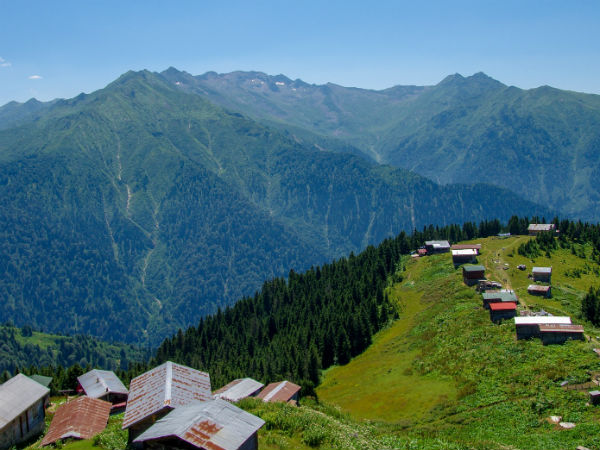
Barog
An destination which is a combination of scenic beauty and pre-colonial history and ancient myth, Barog is like Shimla, but without the capital’s hustle and crowds. Situated at a height of about 1560 m, Barog offers countless pockets of nature where one can trek, relax, click pictures, and enjoy the scenic view with family and friends. The Choor Chandini peak, at an altitude of about 3650 m above sea level is a favourite among trekkers. The name of the peak derives from how the mountain appears to have silver bangles all over it on moonlit nights. About a distance of 16 kms from Barog lies the ridge of Karol with a famous temple on the top, but the landmark especially popular among tourists is a cave called the Pandava cave. Legend has it that the Pandava brothers resided in these caves for a few days, which is said to be longest of its kind in the state. Established in 1969 by Abbott Luntog Tengpai Nyima, the Dolanji Bon Monastery is a haven for Tibetan culture in Barog. Set up as a small cultural heritage site at its inception, this monastery has now developed to house 120 monks and is famous for performances of the Bon dances during the New Year.

Nahan
A perfect romantic getaway lying among the Shivalik range overlooking lush green fields, Nahan has a chequered past. Founded by Raja Karan Prakash in 1621 as a capital of the erstwhile princely state of Sirmour, it is believed that the town derives its name from a sage named Nahar who lived where the town stands today. According to another version, the town gets its name from when the king who was trying to kill a lion was stopped by a saint named Baba Banwari Das who told the king, Nahar which means don’t kill. The quaint town today, is dotted with gardens, temples and a manmade lake. Located at an altitude of 932 m, Nahan is a used as a base for visits to the surrounding areas.
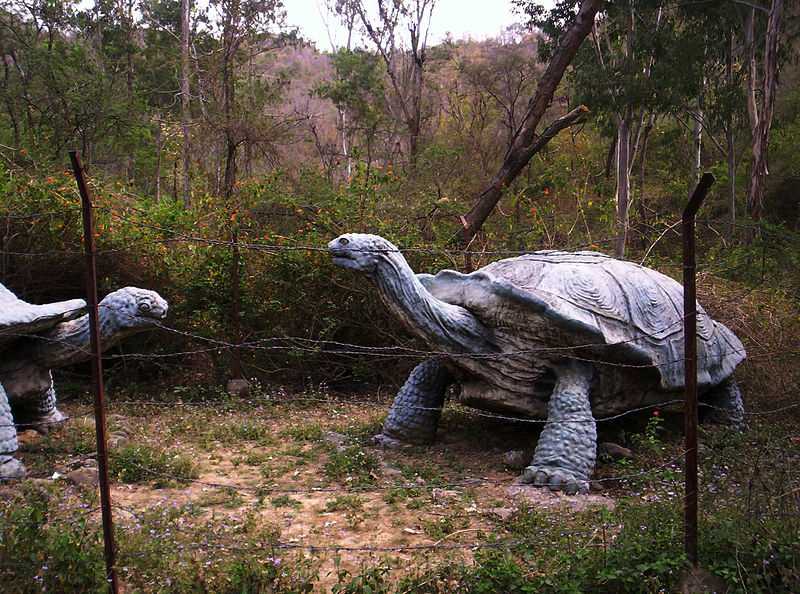
The Suketi Fossil Park, also known as the Shivalik Fossil Park, is the first in Asia to be situated on the same site where the fossils were unearthed, and has a collection of vertebrate fossils and skeletons that date back to the prehistoric times, and have been recovered from the upper and middle Siwaliks geological formations of sandstones and clay at Suketi. Established on 23 March in 1974 by the Geological Survey of India, in association with the Himachal Pradesh government, the fossil park is named after the Suketi village, where the park is located. The primary objective behind the establishment of this park was to preserve the site and the fossils that were found here and to protect the fossils from being extracted and vandalised. The park is open from 9:30 am to 5 pm and is closed on Tuesdays.
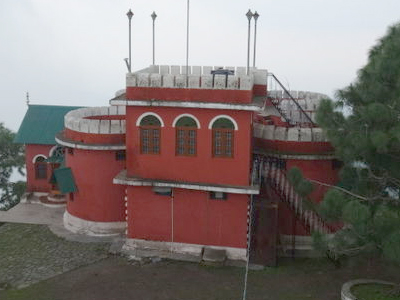
The Jaitak fort built by the Gurkha leader Ranjor Singh Thapa in 1810, is situated on the top of the Jaitak hills and is constructed using the materials recovered from Nahan fort after it was ransacked and destroyed. The Jaggannath Temple is a major attraction of the town and was built by Raja Budh Prakash in 1681. Dedicated to Lord Neel Madhav, this temple is constructed on the same line of architecture of original temple in Puri, Odisha. The Trilokpur temple, almost 23 km away from Nahan was built by Raja Dip Prakash in 1573 and is devoted to goddess Mahamaya Bala Sundri. Millions of pilgrims from northern India visit this temple during the Navratri festival in October and April when a fair is held. The Dhaula Kuan is packed with numerous orchards housing plants of citrus fruits and mango trees and there is a fruit canning factory nearby. Apart from sprawling orchards, one will also find a Kastasan Devi temple close by which was built by Raja Jagat Singh who defeated the army of Rustam Qadir Rohilla and represents the victory in the battle. Rani Tal is a nature’s treat that is also known for its royal past. This place with its calm and serene surroundings is ideal for picnic while enjoying a boat ride in lake. Once a retreat for the royal family, today this lake bound by lush green lawns with a temple located near the lake devoted to Lord Shiva. The Jamu Peak offers splendid views of Renuka Lake from the top and is located almost 8 km from the lake and houses a small temple where it is believed that sage Jamadagni meditated. The Simbalwada Wildlife Sanctuary is home to various migratory birds and wild animals and consists of sal forests and lush green grassland with meandering streams in this natural part of Shivaliks. Sambhar, Chittal, Goral red jungle fowl, Partridges barking deer and wild boar are some of the birds and animals found here.
Sirmour
Also known as the Peach bowl of India, Sirmour is untouched by industrialisation and offers visitors picturesque landscapes, rocky hills to trek, serene lakes and beautifully built temples. Situated at an elevation of 3,646 meters, Churdhar is a beautiful place where according to myth, in the Ramayana, this is where Lord Hanuman came to find herbs for the severely injured Lakshmana and later carried the whole hill. The Renuka lake in Nahan is a located at an elevation of 672 m and is the largest lake in the state surrounded by green trees and hills. Sunrises and sunsets here are stunning here. Located near the pristine and clear Renuka Lake, Renukaji is a popular pilgrim spot also housing a gaming sanctuary and a wildlife reserve and is famous for the festival that is celebrated during Kartika Ekadashi. The Habban valley houses many temples built by the Rajput rulers including the Shirgul Devta temple, the Palu Devta temple and the Tokro Tibba Kali temple. Haripur Dhar
is a popular mountain for trekking at an altitude of 2687 m with a temple dedicated to Maa Bhangayani called Maa Bhangayani temple at the top as well as a fort. Bhureshwar Mahadev is where according to myth is where Lord Shiva and Goddess Parvati saw the famous war of Kurukshetra in the epic of Mahabharata from here. This place is visited by a lot of Pilgrims and tourists because of this famous myth. This place is full of lush green trees and hills. Located around the Renuka lake is the Renuka Wildlife Park where a variety of animals and birds such as the Asiatic lions, lion tailed macaques, Indian antelopes, red-jungle fowls, chitals, sambars, peacocks and black-pheasants can be found. There is a mini zoo also in the sanctuary which has provision for trekking, lion safaris and boating as well as tourist accommodations and cafeterias.
Paonta Sahib
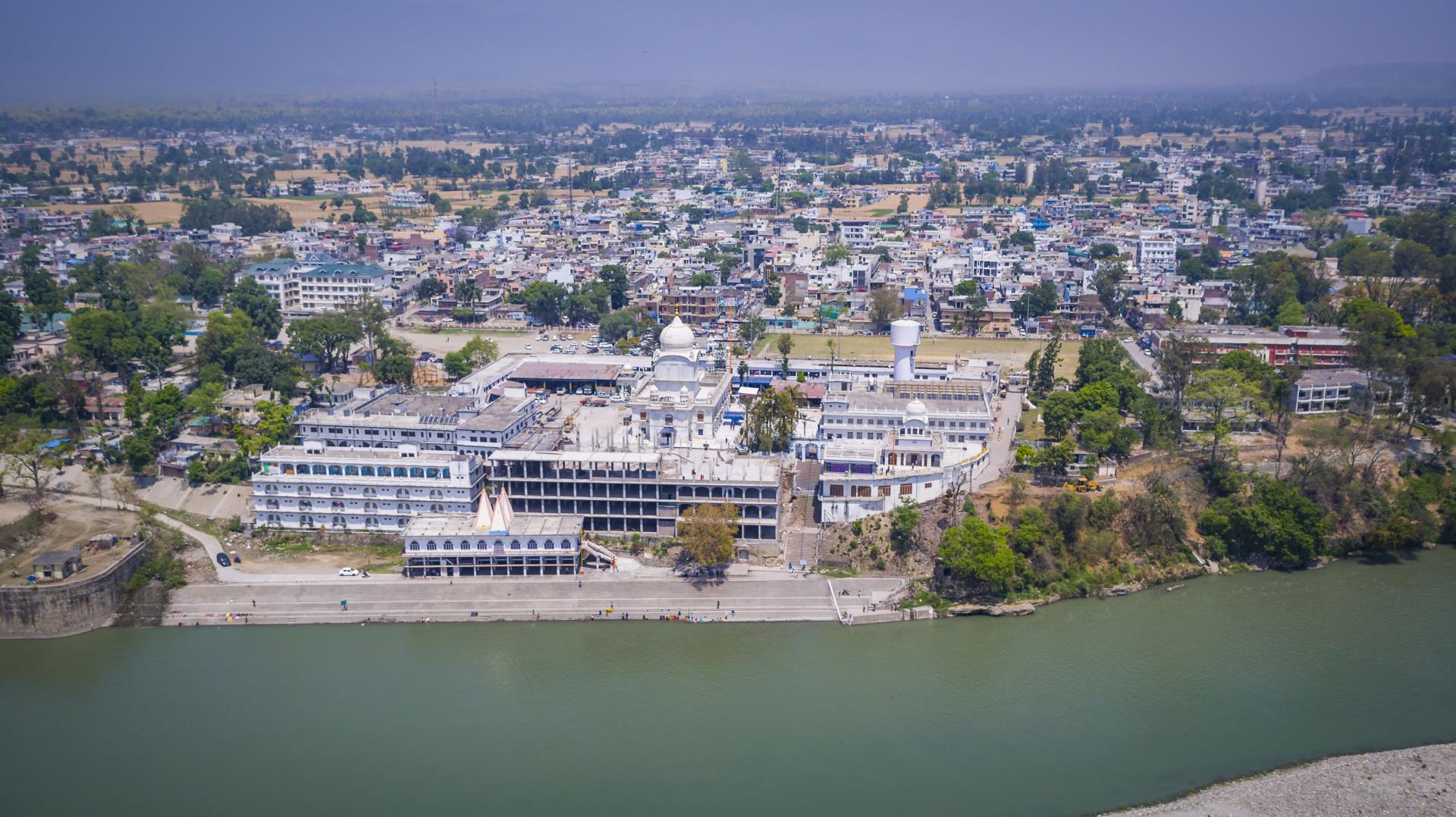
A vibrant, industrial town Paonta Sahib, on the banks of the Yamuna river which forms the boundary between the states of Himachal Pradesh and Uttarakhand, was founded by the Sikh Guru, Guru Gobind Singh Ji. The Gurudwara Paonta Sahib has linkages to the tenth Sikh Guru, Guru Gobind Singh and the Sikh leader Banda Singh Bahadur. Its original name was Paontika and in the Hindi language, Paon means feet and tika means became a stable. It is believed that Guru Gobind Singh and his horse stopped at this place, and he decided to stay here, living here for four and a half years, having never stayed so long at any other place in his entire life. He wrote many Sikh religious books during the stay and then moved to Anandpur Sahib to establish the Khalsa Panth. The Gurudwara houses a museum containing antiques and weapons used by Guru Gobind Singh. Paonta Sahib is the birthplace of Ajit Singh, the eldest son Of Guru Gobind Singh. In his memoirs, Guru Gobind Singh Ji has described his time in the city as the happiest years of his life where he witnessed amusements of various kinds. The place where the Gurdwara now stands is where Guru Ji stayed with his family. The gurdwara also has a museum with Guru Ji’s war antiques and other weapons. The Palki on which the religious Sikh text, Guru Granth Sahib Ji is kept, is made of pure gold.
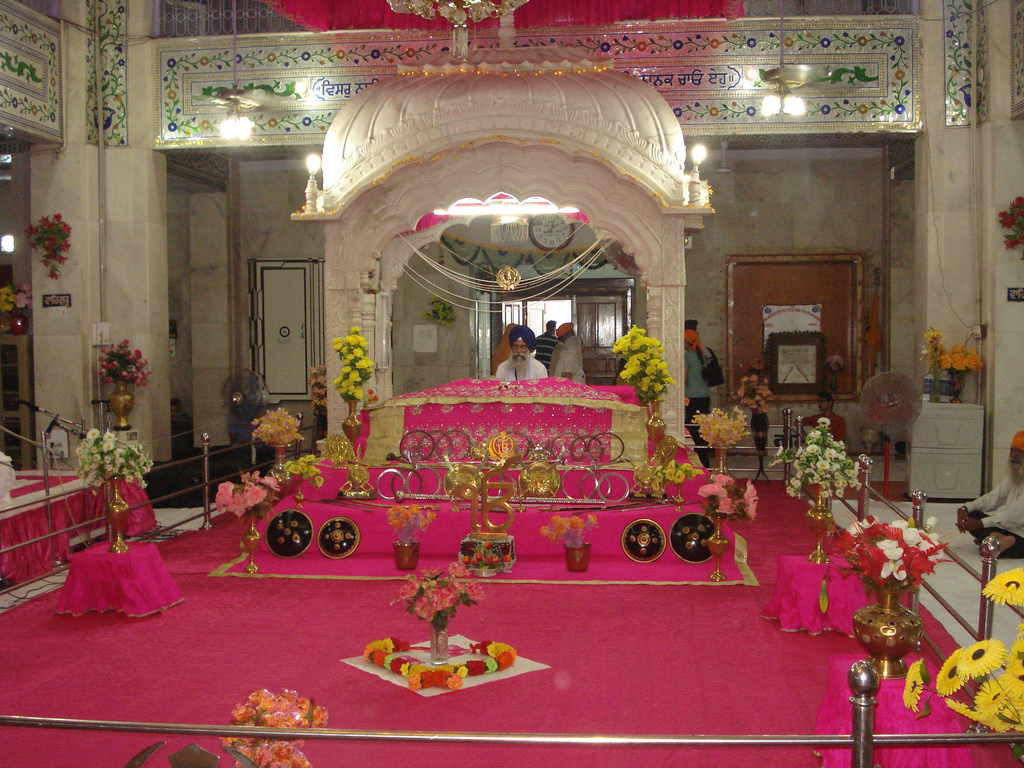
The Gurudwara Paonta Sahib is a sacred shrine for the adherents of the Sikh faith. There are cultural events and reading held on its premises during the evenings and houses a museum which displays the several antiques and weaponry that Shri Guru Gobind Singh used during his stay over here. The Assan Lake is a picturesque lake offering a wide array of recreational activities like rowing, boating and paddling with adventure sports like water skiing and hovercraft rides also available and restaurants on the lakeside premises that offer a broad spectrum of cuisines.
Shoghi
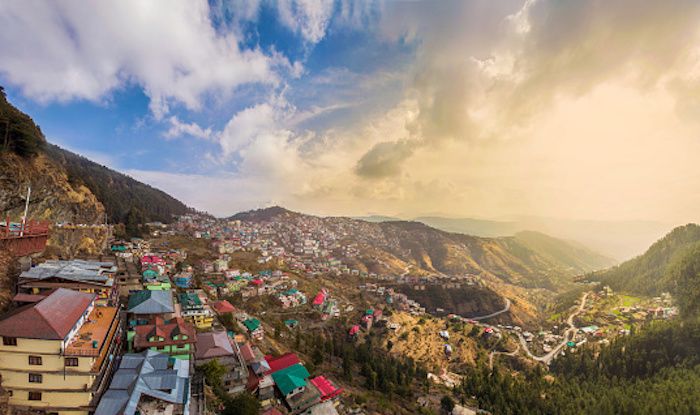
A hidden gem just 13 km southwest of Shimla, Shogi is the perfect counterpoint to the crowds in Shimla. This small town offers visitors everything, from attractive old temples to adrenaline-teasing activities and its famous fruit made products. And amazing weather throughout the year, perfect accommodation facilities and just right surrounding to rejuvenate the mind and soul, all contributes to make the perfect holiday. A quiet and peaceful spot, Kandaghat is a lovely weekend getaway nestled amidst the Himalayas, offering great views of green valleys and high mountains, all this without the crowds. It is said that the sun here paints a brilliant picture twice every day during sunrise and sunset, with an otherwise a brilliant blue sky, free from smoke and pollution. Kandaghat lies on the way to Chail and is equidistant from Chail and Shimla. Shoghi is known as a city of temples and the Tara Devi temple, considered to be 250 years old is situated on the top of the Tara Parvat or hill. Devoted to the Tibetan Buddhists Goddess Tara, she is believed to be one of the nine sisters of Goddess Durga with the idol of the deity in wood as it is believed to be brought by the Sen dynasty from West Bengal. The Hanuman temple is dedicated to Lord Hanuman is also fondly referred to as the Shri Sankat Mochan Temple with the temple walls adorned with paintings that narrate significant stories from Hindu mythology. At almost 150 years old, the Kali temple is situated 8500 ft above the sea level on the top of Jakhoo Hills. Dedicated to Goddess Kali, one can also find the idols of Goddess Chandi and Shyamala in the temple complex. The Viceregal Lodge is a perfect place for history lovers. Built in 1888, this six story building constructed in the Scottish Baronial style once served as the residence of Lord Dufferin, the British Viceroy of India. Today, this lodge houses several articles and pictures reminding visitors of India’s colonial past and is popularly known as the Rashtrapati Niwas. The Pabbar Valley, an enchanting valley of the Pabbar river is located in the belt that cuts through the Chanshal Mountain Range with apple orchards, majestic mountains, lush green meadows, dense oak & deodar forests. The valley terrain also is quite an attraction for adventure seekers with the densely covered slopes of the mountains providing for exciting trails waiting to be explored. The river Pabbar that forms the valley has crystal clear waters that come from the glacial ice of the Chandan Nahan Glacier located high in the snow-capped mountains surrounding the picturesque valley. Its vast stretch begins in the southern region of Kinnaur and extends to the boundaries of Uttarakhand before it connects to the river Tons and then drains into the river Yamuna. Pabbar, is also called a tributary of River Tons and the river is also considered a famous spot for fishing and angling, home to several species of fish like trout, goonch and the golden mahseer.
Kasauli
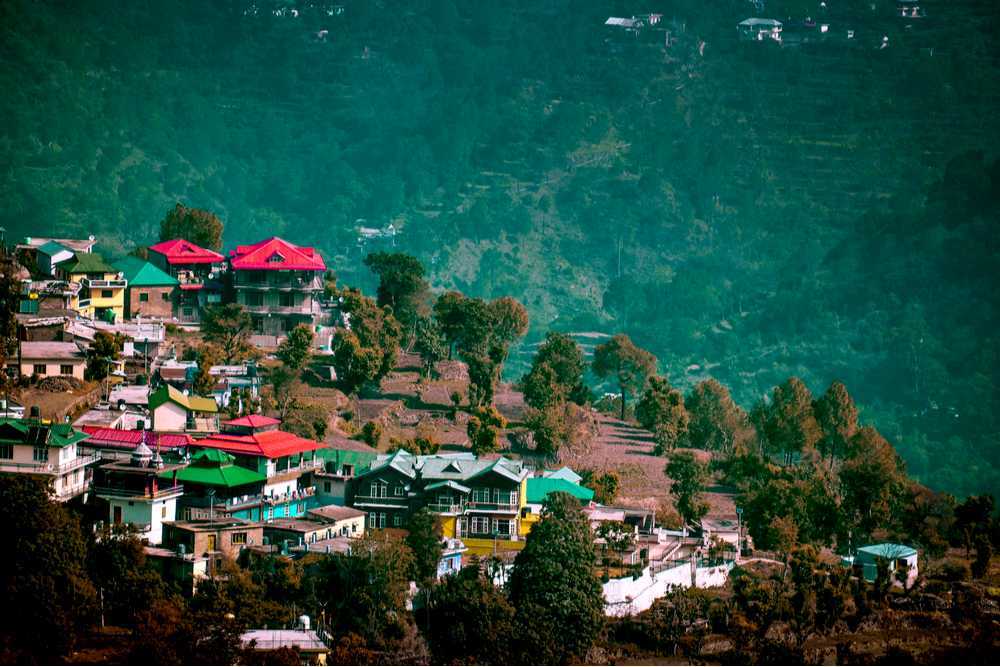
A hilly cantonment town, Kasauli is located on the southwestern part of the state between Chandigarh and Shimla and is on the relatively lower edges of Himalayas. Established by the British in 1842 as a colonial hill station, Kasauli is nestled amidst beautiful woody forests of pines, herbs and cedar trees with lavish Victorian buildings which speak volumes of its glorious past. Mainly known for its accessibility from Chandigarh and Delhi, Kasauli is all about the serene environment and a major attraction for trekkers and campers.
Kasauli’s Monkey point is the highest point of the town and has a small temple dedicated to Lord Hanuman with some scenic views. From here, one can have a bird’s eye view of the nearby cities of Chandigarh, Kalka, and Panchkula from this point as well as the mighty Sutlej river which can be seen coursing its way through the mountains. Local legend dictates that while fetching the Sanjeevani herb for Laxman, Lord Hanuman’s foot touched this spot. The top of the hill is shaped like a foot and Tapp’s Nose was the name given to this unusual shape. The fresh mountain breeze coupled with the reverberating sounds of temple bells is something that should not be missed. Monkey Point is open from 9 am to 5 pm and has no entry fee.
Sunset Point is a popular yet very quiet spot to enjoy sunset with pine-laid landscapes, valleys and sceneries. Nearby is a trail or a path known as the Lover’s Lane which is a quiet walk through the valleys and some of Kasauli’s most calm and breath-taking sceneries. It is preferable to leave the area before its gets dark or late in the evening, as it tends to be a rather off-beat place with not to many facilities.
Gilbert Trail is an easy hike of 1.5 km which starts from Kasauli Club and ends at the Air Force Station, close to Sunset Point. The path is wide in the strat and gets narrow after a while and the trail is known for its views and different species of birds.
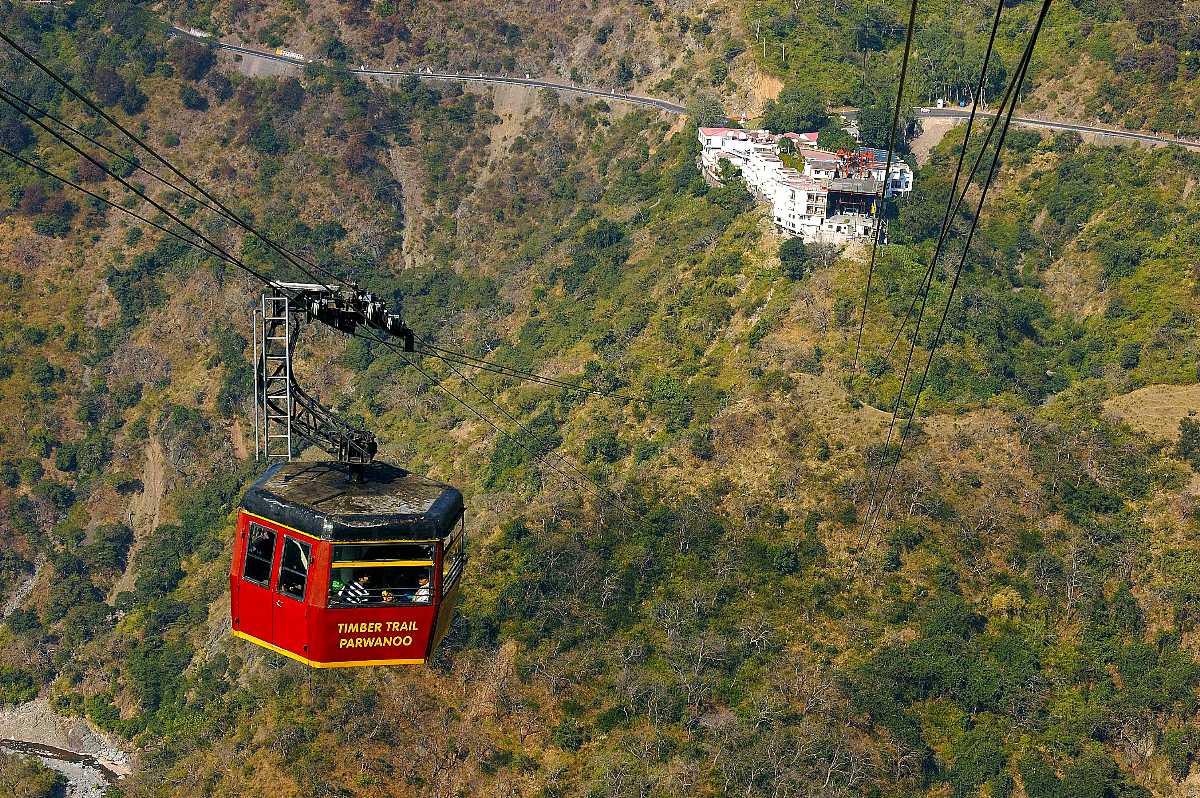
Timber Trail is an emerald beauty with its many pine and coniferous trees. One of the most sought-after destinations around the Parwanoo area, this trail is a favourite among the backpacker and student community. Well within the city and yet away from it still, the trail is the perfect place to seek serenity within the hustle bustle of the town. The view from the Timber Trail is breathtaking and is popular for its ropeway rides, a thrilling experience. The deep gorges right below the ropeway gives one an incredible adrenaline rush even without moving the feet! The ropeway covers a distance of about 1.8 km and costs INR 770 per person for a two-way ride. The ropeway provides a spectacular bird’s eye view of the entire town of Kasauli and should not be missed at all!

The Gorkha Fort is for people who are fascinated by the past and with history. The Gorkha Fort which is situated on a small hill known as Subathu is 16 km from Parwanoo and is believed to be founded by the Gurkha Army Chief Amar Singh Thapa to fight the British, but is in ruins today.

The Sri Baba Balak Nath temple is dedicated to Baba Balak Nath, an ardent follower of Lord Shiva. The belief surrounding this temple is that if childless couples come and pray here they will be blessed with children. The Kali Mata temple is an ancient temple situated 2 km from Parwanoo which is dedicated to Goddess Kali and is beleievd to have been visited by the Pandavas during their exile. The Shri Balaji temple is another ancient Hindu temple located in Parwanoo in a small village Bhairo ka Ser. This temple was buried in the earth until it was excavated in 1988 and since then the temple attracts tourists in large numbers.
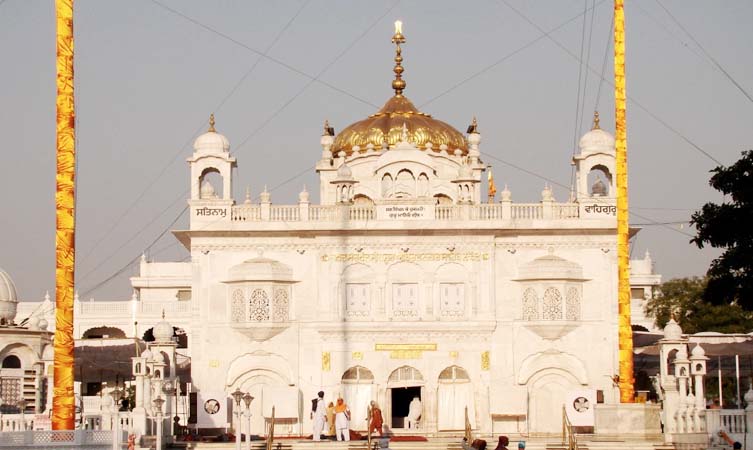
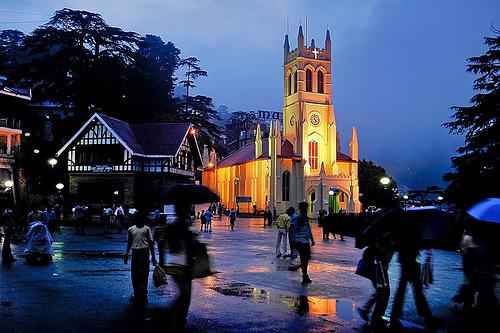
The Gurudwara Shri Guru Nanakji is an important religious center and other than daily prayers and programmes, a special programme is held on the Sundays. The Gurudwara also offers accommodation facilities. Built in the year 1923 by the British, architecture of the Baptist Church is influenced by a blend of Indian and Victorian styles. The church was damaged by a fire in 2008 and all internal furnishings destroyed. Located in the centre of the city with the vibrant Mall road built around it, the Anglican Christ Church is a popular tourist spot constructed in 1853 and was built in the Gothic style of architecture. The church has beautiful Italian and Spanish stained glass windows depicting Christ, Mary, Saint Barnabas and Saint Francis and is a beautiful interlude.

Arki
A small town locally known for its 18th century fort, Arki is an off-beat destination that offers a unique blend of art, culture and heritage. Situated amidst the Shivalik hills, Arki is one of the smallest towns in the region and means a sunny place. Arki is famous the Arki Fort, the Luturu Mahadev temple and the Jakholy Devi temple. The majority of the architecture in Arki shows a blend of the Mughal and Rajasthani architectural styles.
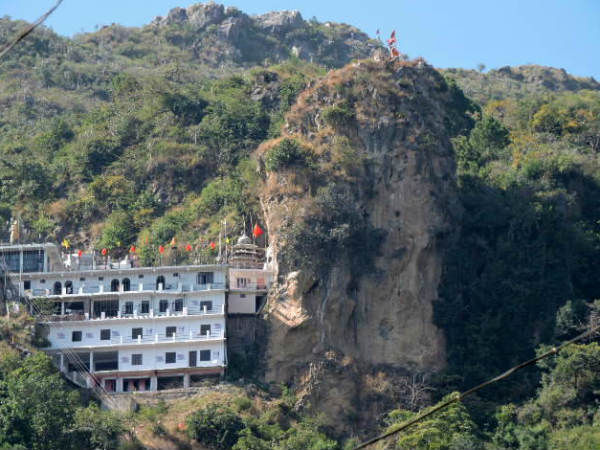
The Arki Fort was built by Rana Prithvi Singh and today turned into a heritage hotel. With a history of bloodshed, the fort has witnessed battles where the Gurkhas displayed great valour and bravery. This fort was built with a blend of Rajput and Mughal styles of architecture and is also influenced by Rajasthani aesthetics. Adorned with beautiful paintings which speak volumes of the Pahari style of art, the Arki Fort is a must visit place while in Arki. The Diwan-i-Khaas or the Audience Hall was bBuilt by Ram Shara Singh, and is a glorious building which houses paintings and frescos of myriad styles like the Rajasthani, Kullu, Kangra and Arki forms of art. The Arki Palace located on the western part of the Himalayas, houses countless paintings, frescos, sculptures, arms and artifacts and is known for the wall painting of Kalidasa’s Kumarasambhava as well as many imprints of the Baghal dynasty. Visitors should browse through the frescos done in the Arki Kalam style as well as paintings based on folklores and inscriptions from Puranas. From the palace, one can get a view of the entire city.

Situated atop a hillock in the most rugged and inhospitable of terrains, the Luturu Mahadev Temple is dedicated to Lord Shiva and was built by the Raja of Bhagal in the year 1621. It is said that the King had a dream that Lord Shiva himself asked him to build the temple. The architecture of this temple is influenced by the Shikhara Style. Also constructed in the Shikhara style, the Bhadrakali Temple is dedicated to Goddess Kali and is considered to be one of the Shaktipeeths in the state. A 1000-year old temple, the Laxminarayan Temple is one of the very few temples which were not destroyed by the invading Muslims during the medieval period. Dedicated to Lord Vishnu, Goddess Lakshmi and Narasimhan, this temple adorns beautiful sculptures and figurines which boast of artistic finesse. A cave temple, the Shakhni Mahadev temple is dedicated to Lord Shiva and built in accordance to the Shikhara style of architecture with views of the upper ranges of Himalayas. Dedicated to the Goddess Durga in the Shikara style, the Durga Temple is a hub of much color and festivity during the Navratri festival when an annual fair is organised by the temple.

Nalagarh
Also known as the Gateway to Himachal Pradesh, Nalagarh is known for its abundant greenery, serenity and beautiful views of the Shivalik hills. An emerging industrial town, the place is dotted with ruins of many forts which include fortifications of Chamba, Surajupur, Ramharh and Malaon. The Fort of Nalagarh was built in 1421 during the reign of Raja Bikram Chand on a hillock at the foothills of the mighty Himalayas and affords a panoramic view of the Shivalik hills beyond the Sirsa river which gave the erstwhile state its name. Today it is a heritage hotel which serves as an ideal getaway for the weekend clubbed with a fantastic view of the Shivalik Hills. It is situated in a vast 20-acre property adorned with forests, orchards and beautifully landscaped lawns. As one walks through the tallest door in the country, ambling past ancient sundials, bending to look inside a massive well or an unused tunnel, it would bring them back in time at the Ramgarh Fort. Built by Raja Ram Chander, the fort is located at the hilltop having the Shivalik range as a back drop. It is also a heritage hotel around an hour’s drive from Nalagarh.
Dadasiba
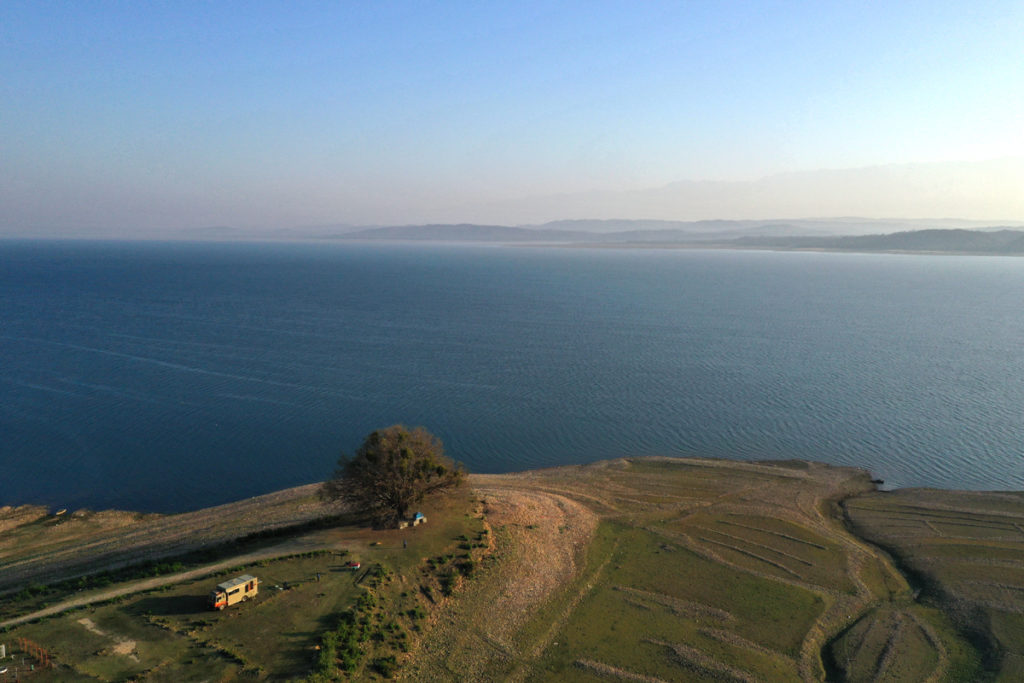
Dadasiba is an idyllic village in the Kangra district in Himachal Pradesh. Tourists often plan a visit to the Dadasiba temple during April, May and June to see the architectural jewel that was built throughout 18 years by Raja Ram Singh. To avoid visiting annual pilgrimage all the way to Mathura as an ardent follower of Krishna, Raja Ram Singh constructed a Radha Krishna temple in his kingdom of Dadasiba. The mural on the inside of the temple showcase the king’s rich taste in beauty and grandeur.

Bilaspur
India’s first planned hill station, Bilaspur is famous for its forts and Gobind Sagar lake, a man-made reservoir considered the lifeline of the district which provides water to the Bhakra Nangal Dam. The Bhakra Nangal Dam across the Satluj River stores up to 9.34 billion cubic meters of water. Called the New Temple of Resurgent India, by India’s first Prime Minister, Jawaharlal Nehru, the dam attracts a significant number of tourists from all over the country. Together with the Nangal Dam, the dams are called the Bhakra Nangal Dam which are multi purpose dams and one of the highest gravity dams in the world. The Gobindsagar reservoir created by the dam is the third largest reservoir in India and holds water in right ways and prevents the fields from being damaged during monsoons. For security reasons visitors to Bhakra Nangal were banned in 2009. The dam is open from 8 am to 3:20 pm. The Koldam Dam, built on Satluj river is located about 18 km from Bilaspur and draws engineering buffs because of the massive engineering marvel it is. The dam is surrounded by natural landscapes and is often preferred by picnickers for a quick escape. A top view of the massive dam is a breathtaking sight and the abundance of natural beauty of the location and the massive engineering marvel must be explored. The Gobind Sagar Lake with its scenic views of rolling hills and plains overlooking the azure blue tint of the man-made reservoir is an alluring sight. The gigantic reservoir is formed on the Sutlej river by the Bhakra Dam and is the third largest reservoir in the country. The dam gates are closed before sunset for safety concerns, although the lake can be visited anytime through different routes. There are temples that lie below the water and only rise when the water level receeds. 28 temples were submerged as a result of Bhakara Dam Reservoir out of which 12 are of great importance belonging to the 8th and 19th centuries. The Kandraur Bridge on the Sutlej river was once the highest bridge in Asia and at a height of 80 meters, is still one of the highest in the world. The bridge is surrounded by limestone rocks and the river below is in maximum verve during the summers, due to the water from the melting of Himalayan glaciers.
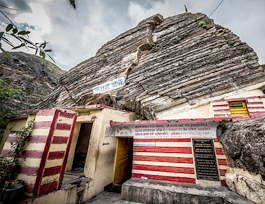
A cave on the banks of the Sutlej rivee where the author of the epic, the Mahabharata, Rishi Ved Vyas spent time in penance. The Vyas Cave is situated at a height of 610 m and lies on the left bank of Sutlej and grant the town it’s name which was earlier known as Vyaspur. The Laxmi Narayan Mandir dedicated to Goddess Lakshmi and her consort Lord Vishnu is constructed according to the Shikhara Shaily type of architecture and is a pristine white temple. The stately temple has beautiful idols of Lord Vishnu and Goddess Lakshmi as well as idols of Lord Shiva, Goddess Durga, Lord Ranganath and Baba Bangali. The entire structure is made of white marble, and door frames are coloured brick red. For ventilation, it has rectangular jali-work that is consistently found all around the walls of the temple. The temple is open between 6 am to 7 pm daily. The Markandeya Rishi temple is dedicated to Markandeya Rishi and is located 20 km from Bilaspur. The deity is considered to be extremely powerful and has a spring nearby which is considered to be holy as it is said to have medicinal properties. The idol of the deity is a unique feature of the temple as devotees believe Rishi Markandeya can cure them of many physical and medical ailments with many childless couples visiting the temple to offer their prayers in the hopes of having a child. A dip in the holy spring is also said to cure infertility along with many other diseases. The temple is open from 6 am to 7 pm daily. The Sri Naina Devi Ji temple is situated on a hilltop at a height of 1219 m above sea level and built by Raja Bir Chand in the 8th century. The temple was constructed on a triangular hillock and is considered one of the 52 Shakti Peeths. The most widespread story associated with the temple is that Goddess Sati burnt herself alive in a Yagna, which distressed Lord Shiva who then picked the corpse of Sati on his shoulder and started his Taandav dance. This horrified all deities in the heaven as this could lead to a holocaust who then urged Lord Vishnu to unleash his Chakra that cut the Sati’s body into 51 pieces. The Shri Naina Devi Temple is the place where eyes of Sati fell, hence the name, Sri Naina Devi Ji. The Nahar Singh Dhaulra is a temple dedicated to Baba Nahar Singh and holds his wooden slippers. The temple holds town fairs on Tuesdays from mid May to mid June.
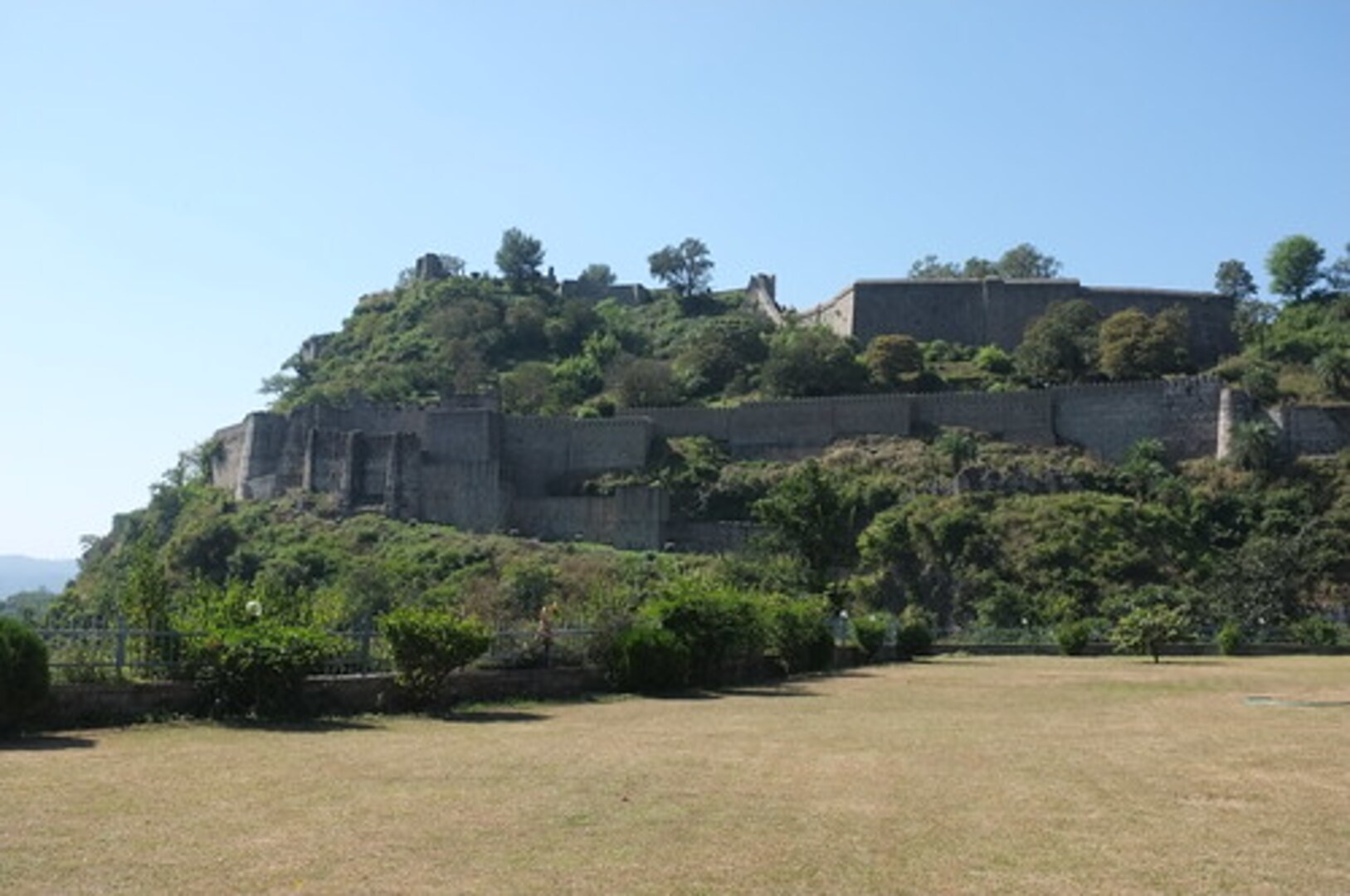
Bachhretu Fort is an ancient fort that was built in the 14th century during the reign of the king of Bilaspur, Raja Ratan Chand. Once a magnificent structure, it is now in ruins. Some of the walls stand at about the same height they were built in and are a characteristic feature of the fort. This property now comes under the Archaeological Survey of India and has been open to the public. The ruins of Bachhretu Fort lie at an elevation of 3000 feet above sea level. The views of the surrounding hills and the serene Gobind Sagar Lake is best viewed from the fort. The premise also has a temple dedicated to Asht Bhuja, the Goddess with eight arms. Idols of some more deities can also be seen inside the temple. The Kahlur Fort or Kot-Kahlur built about 3600 feet above sea level was initially was known as Kahlur, a princely state during the British era. The fort served as a palace for the King of Bilaspur, Raja Bir Chand who ruled between 697 and 730. Made entirely made of stone, the fort is open from 8 am to 5 pm with views from the top of the fort just mind-stirring. The Tiun and Sriun Forts are located on two different mountain peaks facing each other. Tiun Fort is located on the Tiun range of hills while the Sriun Fort is located on the eastern side of the Tiun range. What remains today are just the ruins, but the fortifications are still considered to be having immense historical importance. The Tiun Fort spreads over an area of 14 hectares on the hilltop, and the structure is said to be 10 metres tall. The Sriun Fort is a structure entirely made of stones. Locals believe that the stones from the fort cannot be used to build any other house as it brings bad luck. The location of the forts makes them one of the best sites to view the sunrises and sunsets. It is advised to visit the forts between sunrise and sunset. The Bahadurpur Fort was once a majestic fort but is in remains today.

Dalhousie
Also called the Little Switzerland of India, the tiny town of Dalhousie is called a paradise boasting of an old-world charm, mesmerising natural landscapes, pine-clad valleys, flower-bedecked meadows, fast-flowing rivers and magnificent misty mountains. A favourite summer destination of the British, the Scottish and Victorian architecture in the town transports one to a pollution-free environment in the lap of nature situated on five hills at an elevation of 1,970 m above sea level. Dalhousie was named after The Earl of Dalhousie, the then British Governor-General of India who established this as a summer retreat.

Surrounded by a cover of fresh, green pine and deodar trees, Panchpula is a waterfall and a popular picnic spot best known for trekking and its marvellous, cascading beauty. Five streams come together to form this waterfall, and Panchpula’s main stream supplies water to many areas of Dalhousie. The main stream originates from the northern side of Dain Kund and is a sight for sore eyes. A samadhi or monument is built near Panchpula in the memory of Sardar Ajit Singh, the uncle of Saheed Bhagat Singh, who breathed his last here. This fall is best enjoyed during the monsoons, when the water gushes down the falls and the surroundings leave you stupefied. A great place for photography, Panchpula is the base for many treks in the area with the most popular one being the one from Panchpula to Dainkund Peak. The falls are open between 9 am to 6 pm.
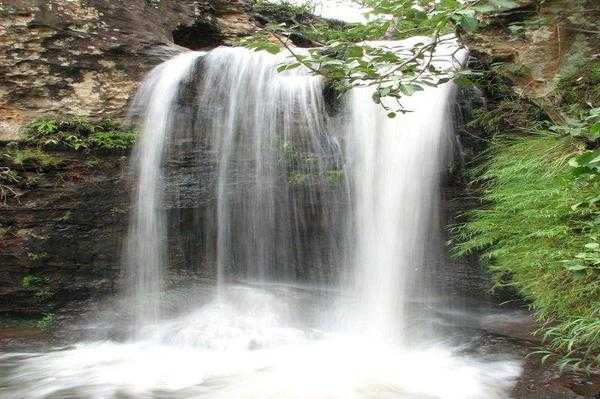
The stunning Satdhara Falls is surrounded by fantastic views of the Chamba valley, with snow-covered ranges and fresh, green pine and deodar trees. Satdhara means seven springs and this waterfall brings together the waters of seven springs with their meeting point at 2036 m above sea level. The water here is said to contain mica, which has medicinal properties and can cure skin diseases. One can also opt to trek to the Satdhara Falls through the wilderness with soft breezes rustling trees and leaves. Sunsets from the falls are splendid.
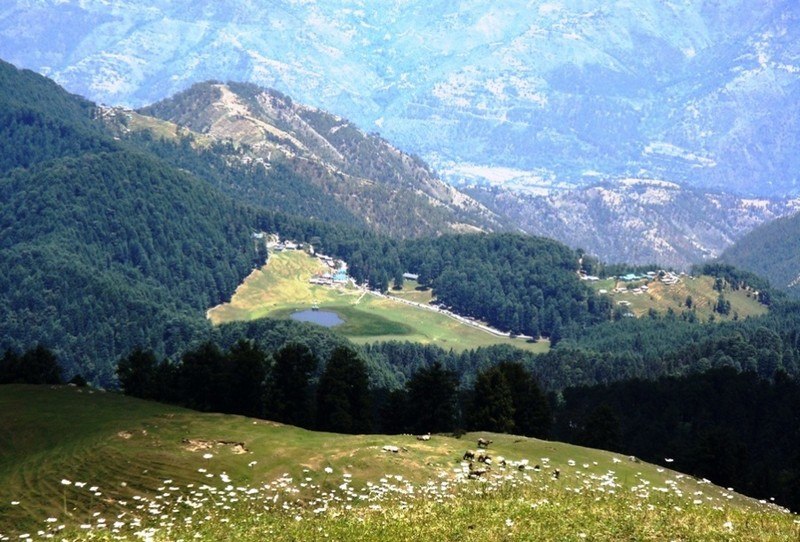
Also known as the Singing Hill, the Dainkund Peak is perched at an elevation of 2755 m above sea level and is the highest point in Dalhousie. Because of this, the peak offers a bird’s eye view of the verdant valleys and mountains with tall Deodar trees and colourful flower valleys. As one makes their way upwards, they can hear the gentle breeze passing through the trees making a musical sound. The scenic charm of the Khajjar lake and the picturesque view of the mud houses amidst lush greenery is a treat to the eyes. The Pholani Devi temple is a restful interlude at the peak. The 4.5 km trail to the peak is an easy to moderate level trek as one passes through lush green fir and deodar forests of Dalhousie. The ascent to the peak begins after crossing Lakkar Mandi. The Dainkund Peak trek takes one along a beautiful ridge which offers panoramic views of spectacular valleys and snow-clad mountains. It is believed to have been the favourite hangout spot for some witches and hence the name Dain Kund which translates to Witch’s Pond.
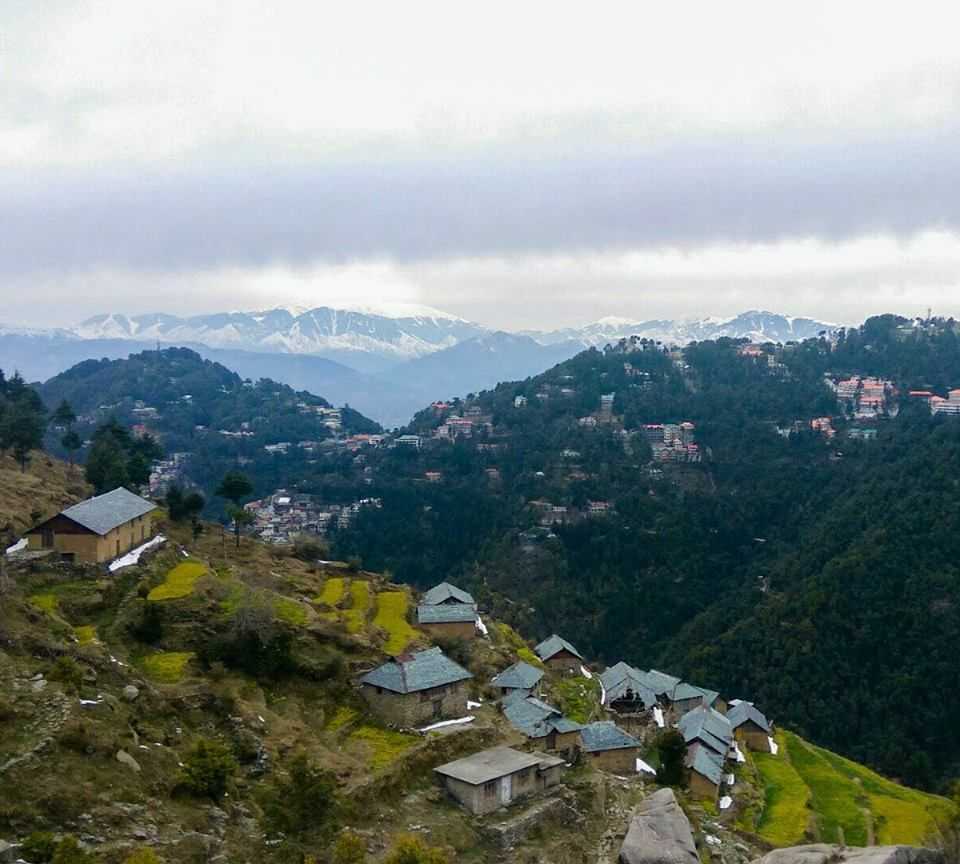
Ganji Pahari is a scenic hill located at a distance of 5 kilometres from Dalhousie. The name Ganji Pahari was derived because of the complete absence of flora on the hill with Ganji meaning bald and Pahari meaning Hill in the local language. The natural landscape makes it an exciting trekking trail and its accessibility also makes Ganji Pahari a favourite picnic spot. During winters, the same terrain is covered in a thick coat of snow, and the panoramic view it offers is just breathtaking. A trip to Ganji Pahari can also be accompanied by a guide who can be hired from Dalhousie and is one of the best ways to explore the place instead of wandering around clueless. The brilliant colours reflecting from the landscape surrounding the hill is mesmerising at any time of the day, but the misty sunsets and sunrises are the best features to see from Ganji Pahari. The trek to Ganji Pahari begins from Dalhousie and trekkers walk through the town before taking the route to Panchpula. At a point in Panchpula, the trekking trail goes through a rugged and uneven route till the top of the hill. This climb is about 6 km and offers beautiful views of the landscape.

Sach Pass is a mountain pass that runs over the Pir Panjal Mountain range, at the height of 4500 m and connects Dalhousie with the Chamba and Pangi Valleys. At a distance of 150 km from Dalhousie, it is one of the most difficult passes to cross in North India. The pass plays an important role in the region as it is the shortest route to Killar and has helped reduce the travel distance between Pathankot and Leh and so is the preferred route for locals to reach the Chamba or Pangi valleys, and is a famous point for trekking from Dalhousie.

Bakrota Hills, also known as Upper Bakrota, is the highest area in Dalhousie and is circled by a road called Bakrota walk which leads to Khajjiar. With a handful of estates here, the area does not have too much to attract tourists but is ideal for strolls and to look around and enjoy scenic views. The area is surrounded by deodar trees and hills all around.
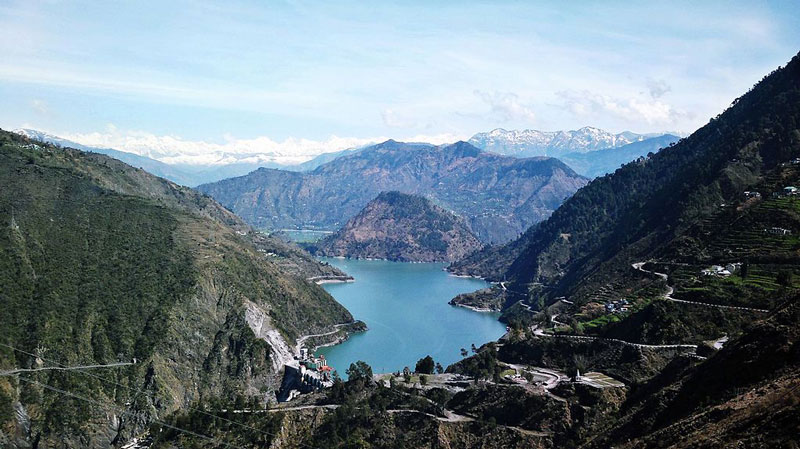
Located near Dalhousie, the Chamera Lake is the man-made reservoir for the Chamba Dam. The lake and the dam are complementary to each other and add to the view. During monsoons, the flooding of river Ravi causes the Chamera to look like a miniature but majestic version of the Arabian Sea and is a popular picnic spot and boating location. At 763 m above sea level, one can explore the lake on a speed boat or a rowboat.

Named after the freedom fighter Subhash Chandra Bose, Subhash Baoli is a perennial spring which has medicinal properties and is believed to have cured the freedom fighter of his ill health. Located 1 km from Gandhi Chowk in Dalhousie, this serene spot is visited by locals and visitors alike who come to enjoy the natural beauty, with the expanded views of the snow-dusted mountains in the distance. Situated near these springs is a beautiful waterfall which flows into a glacial stream. The Rock Garden is a beautiful garden and a popular picnic spot which also has several adventure sports available in the area including zip lining etc.

Garam Sadak is a road in Dalhousie connecting Gandhi Chowk and Subhash Chowk offering scenic vistas of the valley below. Lined with tall trees and green vegetation, taking a walk on this scenic road is one of the most touristy things to do in Dalhousie. One can also be able to see beautiful Tibetan Rock Paintings adorning the walls of the road on the side.

Built in 1863, the St John’s Church is the oldest church in Dalhousie and a favourite amongst photographers because of the steady mix of beauty and history. A library neighbours the church, where one can find a lot of book about the town’s history. The Sunday Service performed here is attended by the locals and tourists alike. The interior of the church is adorned with stunning glass paintings of St John the Baptist along with St Peter. The church is open between 7 am and 7 pm daily.

The Chamunda Devi Temple dedicated to Goddess Kali is said to have been where Goddess Ambika killed the demons Munda and Chanda. The deity is kept wrapped in a red cloth, sacred and untouched by the visitors and offers beautiful views.






 Memories and Such

