Sacred Stones, Spaces and Stories: Shakti Peethas Part 1

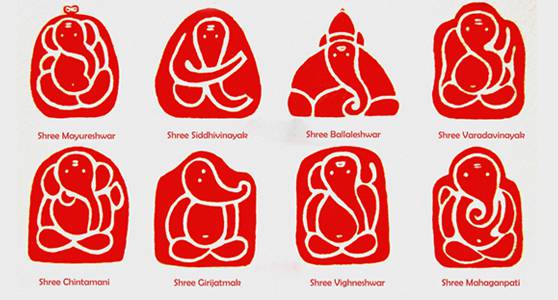
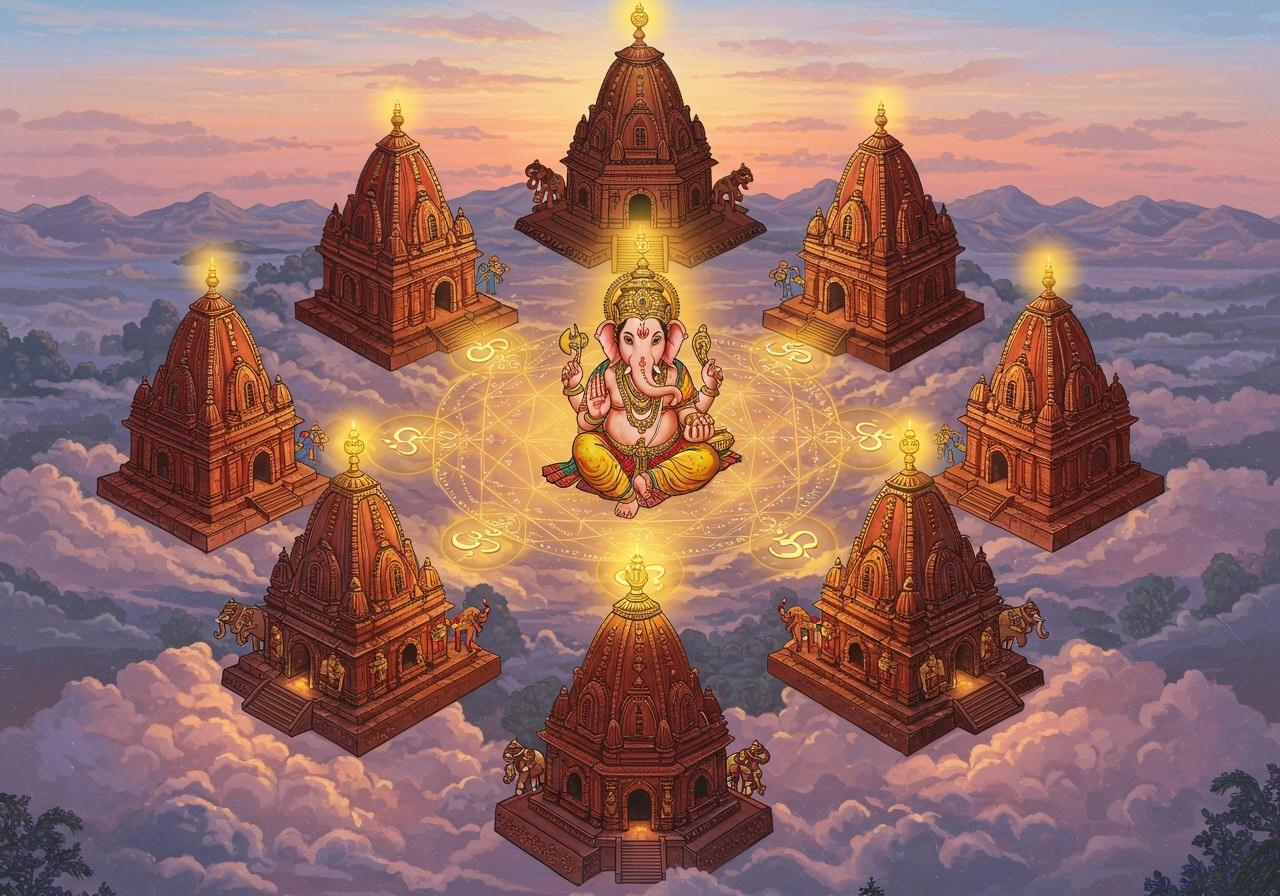
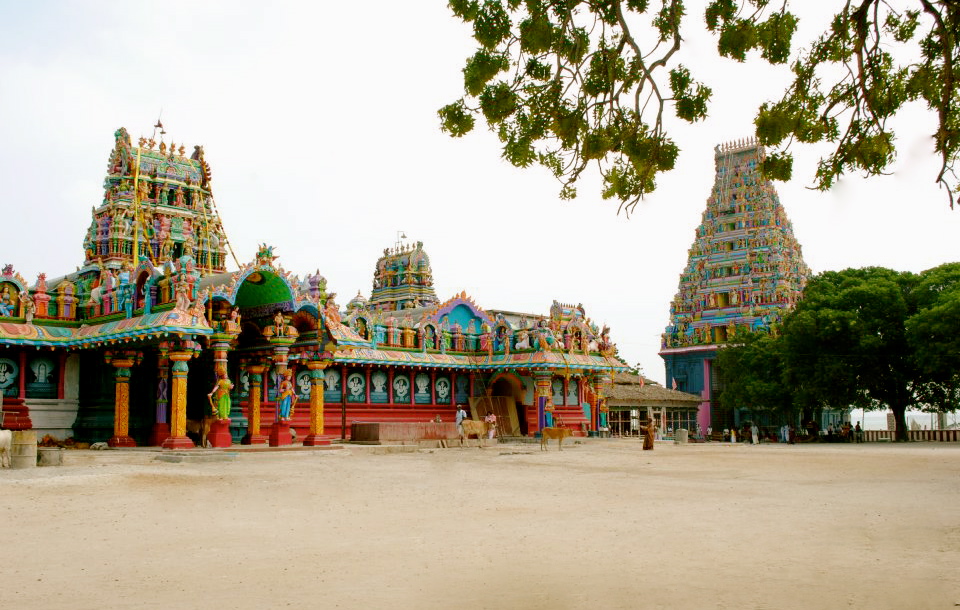
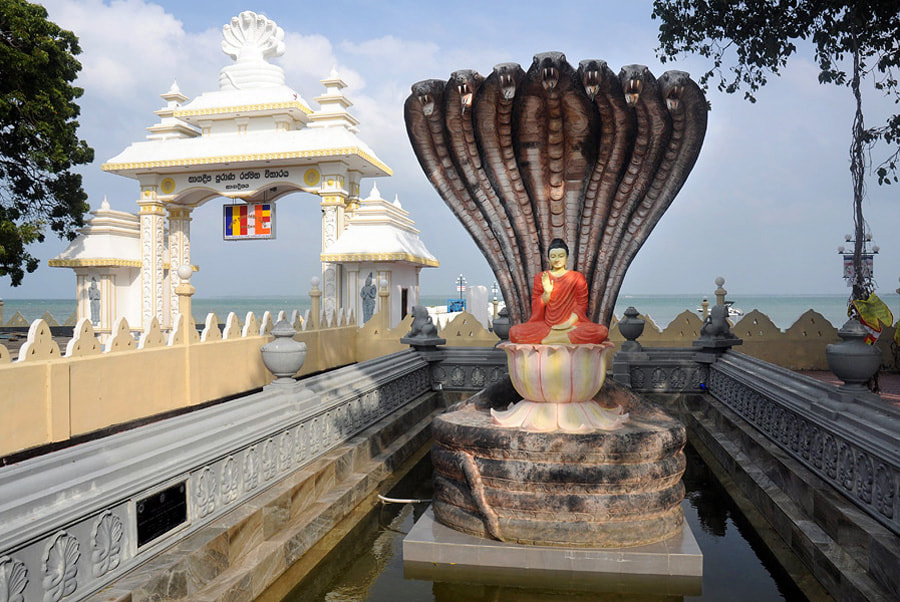
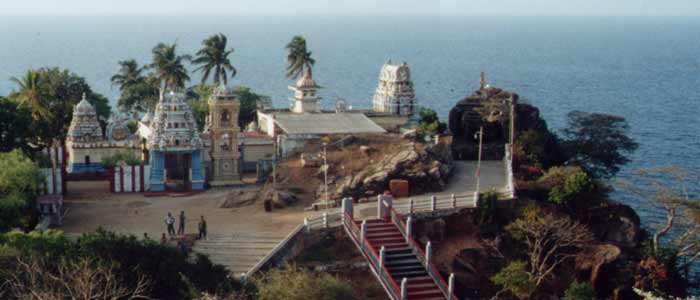
For the past few months, I have been increasingly interested in Hinduism. I’ve been praying more and learning more about my culture, and so a natural offshoot of this was becoming more interested in the different temples and their stories. As I started learning more, I thought I should share it with everyone, hence this new series. This series, which I will call Sacred Stones, Spaces, and Stories, will dive deeper into the various temples across the subcontinent. I will start with the Shaktipeeths dedicated to the Mother Goddess. We can learn more about the Divya Desams, Vaishnava temples of great significance, the Jyotirlingas, dedicated to Lord Shiva, as well as the Ashtavinayaks, temples for Lord Ganesha. Follow me on this journey as we learn more about the incredible temples and the stories behind them. I will upload a new post every Friday starting next week about one or more temples. Today, let’s learn more about Shaktipeeths.

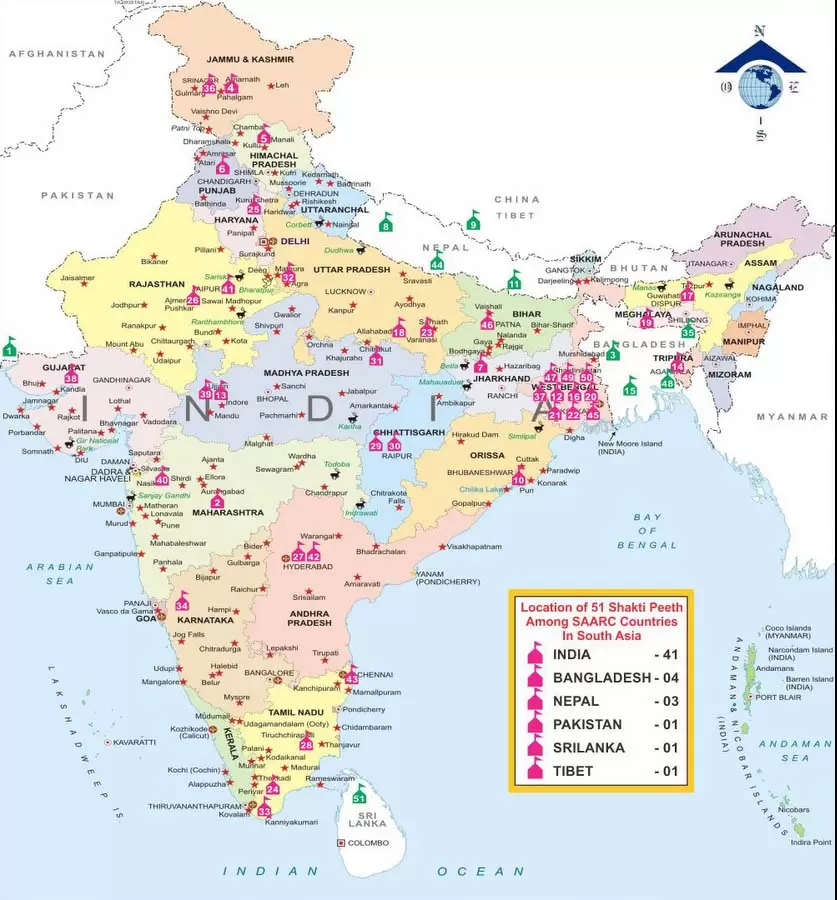
Shakti Peethas are sacred sites in Hinduism dedicated to the worship of Goddess Shakti, the divine feminine power. These temples hold immense spiritual significance and are scattered across the Indian subcontinent, including parts of Bangladesh, Nepal, and Pakistan. The origin of these temples is deeply rooted in Hindu mythology, particularly in the tragic tale of Goddess Sati and Lord Shiva.

The story behind the creation of Shakti Peethas is one of the most poignant and significant in Hindu mythology. It revolves around Goddess Sati, the first consort of Lord Shiva, and her father, King Daksha. Sati, daughter of King Daksha, was married to Lord Shiva against her father’s wishes. Daksha, disapproving of this union, organised a grand yajna or sacrificial ritual but deliberately excluded Sati and Shiva from the invitation. Despite Shiva’s advice, Sati decided to attend the yajna, determined to uphold her husband’s honour.

At the yajna, Daksha publicly insulted Lord Shiva, which Sati could not bear. In a supreme act of devotion and protest, Sati invoked her yogic powers and immolated herself in the sacrificial fire. This act of self-sacrifice had profound cosmic repercussions and forms the crux of the Shaktipeetha origin story.

Upon learning of Sati’s death, Lord Shiva was overcome with grief and rage. He created two fearsome deities, Virabhadra and Bhadrakali, who wreaked havoc at Daksha’s yajna. Shiva then took up Sati’s charred body and began to perform the Tandava, the cosmic dance of destruction, across the universe. As Shiva’s dance threatened to unravel the cosmic order, the other gods appealed to Lord Vishnu to intervene. Using his divine discus, the Sudarshana Chakra, Vishnu dismembered Sati’s body into multiple pieces. These pieces fell to earth at various locations, each becoming a sacred Shakti Peetha.

Each Shakti Peetha is believed to embody a particular form of the Goddess Shakti, representing different aspects of her divine power. These sites are not just temples but are considered to be living manifestations of the Goddess herself. The exact number of Shakti Peethas is a matter of debate among different Hindu texts. Various Puranas mention 51, 52, 64, or even 108 Shakti Peethas. However, 51 is the most commonly accepted number. These sacred sites are spread across the Indian subcontinent, with some located in present-day Bangladesh, Nepal, and Pakistan.

Among the Shakti Peethas, four are considered to be of paramount importance and are known as the Adi Shakti Peethas. These are the Kamakhya Temple in Assam, associated with Sati’s yoni or vagina; the Kalighat Temple in Kolkata, associated with Sati’s face; the Tara Tarini Temple in Behrampur, Odisha, associated with Sati’s chest; and the Bimala Temple in Puri, associated with Sati’s feet. These four sites are believed to be the most potent in terms of spiritual energy and are highly revered by devotees.

Shakti Peethas are not merely places of worship; they represent the fundamental concept of Shakti or divine feminine energy in Hinduism. They are considered sources of immense spiritual power and are believed to fulfil the desires of devotees who visit them with true devotion.

At each Shakti Peetha, the Goddess is worshipped in a specific form, often accompanied by a form of Bhairava, a manifestation of Lord Shiva. The worship practices can vary from one Peetha to another, but they generally involve offerings, prayers, and sometimes elaborate rituals.

Visiting the Shakti Peethas is considered a significant pilgrimage in Hinduism. Many devotees undertake arduous journeys to visit these sites, believing that such pilgrimages can lead to spiritual enlightenment, fulfilment of wishes, and liberation from the cycle of birth and death.

Many Shakti Peethas have faced challenges over the centuries, including invasions, natural disasters, and the ravages of time. Some, like those in Bangladesh, have witnessed heroic efforts by devotees to protect and preserve them. Efforts are ongoing to restore and maintain these ancient temples. Many have undergone renovations to preserve their architectural beauty while maintaining their spiritual essence. However, the challenge lies in balancing modernisation with the preservation of the temples’ historical and spiritual integrity.

Shakti Peethas are not just religious sites but also repositories of art, architecture, and cultural heritage. They often feature intricate carvings, sculptures, and architectural styles that reflect the artistic traditions of their respective regions. In the contemporary era, Shakti Peethas continue to be centres of faith and pilgrimage. They attract millions of devotees annually and play a significant role in the spiritual and cultural life of Hindus. Many Shakti Peethas have become important tourist destinations, contributing to the local economy. This has led to the development of infrastructure around these sites, making them more accessible to pilgrims and tourists alike. Some Shakti Peethas have evolved into spiritual retreats and yoga centres, offering programmes that blend traditional practices with modern wellness approaches. This evolution reflects the adaptability of these ancient sites to contemporary spiritual needs.

As we explore these Shakti Peethas, we delve into a world where myth and reality intertwine, where ancient stories come alive through stone and ritual, and where the divine feminine is celebrated in all her power and glory. These temples serve as bridges between the earthly and the divine, offering seekers a chance to connect with the primordial energy of creation. As we continue this series on Hindu temples, the Shakti Peethas serve as a profound starting point, setting the stage for an exploration of the rich and diverse world of Hindu sacred architecture and spirituality. These temples, with their deep-rooted legends and living traditions, offer a window into the heart of Hindu philosophy and practice, inviting us to discover the divine in the world around us and within ourselves. So let’s start on our journey of exploration.

In My Hands Today…

Mahabharata Unravelled: Lesser-Known Facets of a Well-Known History – Ami Ganatra

Millennia have passed since the dharma yudhha of the cousins shook the land of Bharata. But this history of our ancestors continues to fascinate us. Even today, we have passionate discussions about the people and their actions in the epic, fervidly defending our favourites and denouncing others. The number of works on the Mahabharata-adaptations, retellings and fiction-that still get written is a testimony to its enduring relevance.

While the general storyline is largely known, a lot of questions and myths prevail, such as-What was the geographical extent of the war? Did Drona actually refuse to take on Karna as his disciple? What were Draupadi’s responsibilities as the queen of Indraprastha? Did she ever mock Duryodhana? Were the women in the time of the Mahabharata meek and submissive? What were the names of the war formations during the time? What role did the sons of the Pandavas play? Does the south of India feature at all in the Mahabharata? What happened after the war? These and many other intriguing questions continue to mystify the contemporary reader.

Author Ami Ganatra debunks myths, quashes popular notions and offers insights into such aspects not commonly known or erroneously known, based solely on facts as narrated in Vyasa’s Mahabharata from generally accepted authentic sources. For a history of such prominence and influence as the Mahabharata, it is important to get the story right. So pick this book up, sit back and unveil the lesser-known facts and truths about the great epic.

Adhika Masa: A spiritual month to align oneself to the Divine

In Hinduism, the lunar calendar plays a significant role in determining auspicious times for various rituals, festivals, and ceremonies. While most lunar calendars consist of 12 months, occasionally, an extra month called the Adhik Masa is added to align the lunar and solar calendars. In 2023, after a gap of 19 years, this extra month returns from 18 July to 16 August.

Also known as Purushottam Maas or Mala Masa, the Adhik Maas is a rare additional month that occurs in the Hindu calendar to adjust the discrepancy between the lunar and solar cycles. This intercalary month, approximately 30 days long, is considered highly auspicious and is believed to be under the special blessings of Lord Vishnu, the preserver of the universe. The adhika-masa is an extra lunar month added to the solar calendar every three years so that the lunar and the solar years are synchronised, along with the agricultural cycle and seasons. Adhika refers to the Sanskrit word for additional or extra, while masa means month.

According to the mythology, all the gods refused to become the master of this month due to it supposedly being dirty, then the month prayed to Lord Vishnu, who pleased with the prayer of the month, gave his name to this month, and so the month is known as Purushottam Maas. Lord Vishnu gave the boon to this month that any devotee who worships Lord Shiva during this month does religious work, listens to the Bhagwat Katha, and donates to charity during this month, will get the never-ending virtue.

When the Sun does not at all transit into a new rāshi or zodiac sign which is 30 degrees sidereal zodiac, but simply keeps moving within a rāshi in a lunar month before a new moon, then that lunar month will be named according to the first upcoming transit. It will also take the epithet adhika or extra. The transition of the Sun from one rāshi to the next is called Sankranti. The next month will be labelled according to its transit as usual and will get the epithet nija or original or shuddha or clean. The terms Pratham or first Chaitra and Dvitiya or second Chaitra may also be used.

An extra month, or adhika-masa, falls every 32.5 months on average. The solar year is made up of 365 days and about 6 hours, and the lunar year is made up of 354 days. This causes a gap of 11 days, 1 hour, 31 minutes and 12 seconds between the lunar and the solar years. As this gap accumulates each year, it approximates 2.7 years to one month. No adhika-masa falls during the months of Margashirsha to Magha or November/December to about January/February. An adhika-masa during the month of Kartika or October/November is extremely rare, but in the 250 years between 1901 to 2150, it occurred once, in 1963. The Moon takes about 27.3 days to make one complete orbit around the Earth. The Earth orbits around the Sun once every 365.2422 days. The Earth and the Moon, in 27.3 days, have moved as a system about 1/12 of the way around the Sun. This means that from one full moon to the next full moon, the Moon must travel 2.2 extra days before it appears again as a full moon due to the curve of the Earth’s orbit around the Sun. This creates a variance of 10.87 days a year between a lunar year and a solar year. And so, to compensate for this difference, the additional month is added after every 32.5 months on average.

Adhik Masa is dedicated to Lord Vishnu, and devotees observe this month with great devotion and reverence. Lord Vishnu is believed to be more accessible and responsive during this time, making it an ideal period for intensifying spiritual practices such as meditation, prayer, and reading sacred scriptures. The month is also considered a sacred opportunity to cleanse oneself of accumulated karmic debts. Devotees engage in acts of charity, self-discipline, and selfless service, seeking to purify their souls and seek forgiveness for any past wrongdoings. By engaging in these virtuous acts, individuals aim to elevate their spiritual consciousness and bring about positive transformation in their lives.

During Adhik Masa, specific rituals and observances are followed to appease Lord Vishnu. Devotees often perform pujas which are ritualistic worship, and offer prayers to the deity. Fasting, particularly on Ekadashi, the eleventh day of each fortnight, holds great significance during this month. Observing fasts is believed to enhance spiritual growth and foster self-control and discipline.

Many devotees undertake pilgrimages to holy places associated with Lord Vishnu during Adhik Masa. Places like Badrinath, Jagannath Puri, and Rameswaram are particularly popular destinations during this auspicious month. These pilgrimages allow individuals to immerse themselves in a spiritually charged atmosphere, fostering a deeper connection with the divine. Regarded to be a holy month, many people perform the adhika masa vrata. People engage in practices such as mala japas, pradakshinas, pilgrimages, scriptural reading, and parayanas. During adhika-masa, people perform various types of religious rituals such as keeping fast, recitation of religious scriptures, mantras, and prayers, and performing various types of puja and havan. Vratas or fasts of various durations, including for the full day, half day, weekly, fortnight, and full month are often undertaken. The vratas may be complete fasting with liquids only or without liquids, fasting with fruits only or keeping fast with vegetarian food, as the individual can tolerate. It is said that the persons performing good deeds or satkarma in this month conquer their senses and they come out of the cycle of rebirth. This month is often regarded to be inauspicious, where the performance of rites such as weddings do not take place. It also serves as a compensatory period for adherents who had previously neglected their religious duties.

A month-long mela or fair is celebrated in Machhegaun village in Nepal during adhika-masa. It is believed that one can wash away all his sins by taking a bath in the pond at Machhenarayan temple. Specific festivals such as Dussehra or Deepavali are not marked during this month. In the Beed district of Maharashtra, there is a small village called Purushottampuri, where there is a temple dedicated to Lord Purushottam, a regional form of Krishna. Every adhika-masa, there is a big fair, and thousands of people come from various places to invoke the blessings of the deity.

Adhik Masa offers a unique opportunity to deepen one’s devotion and connection with the divine. By engaging in daily spiritual practices and rituals, individuals can experience a heightened sense of spirituality and devotion. Regular prayer, chanting of mantras, and meditation can help cultivate a deeper connection with Lord Vishnu and nurture a sense of inner peace and tranquillity. The month encourages devotees to engage in self-reflection and introspection and provides an ideal time to assess one’s spiritual progress, identify areas for improvement, and set new goals for personal growth. Through introspection, individuals can gain clarity, overcome obstacles, and strengthen their resolve to lead a more righteous and virtuous life. Adhik Masa is an opportune time to delve into the study of sacred texts and scriptures. Devotees can spend time reading spiritual literature, participating in satsangs which are spiritual discourses, and attending religious lectures to expand their understanding of the teachings and principles of Lord Vishnu. This knowledge serves as a guiding light in one’s spiritual journey. The Adhik Masa is considered a season of giving and selflessness. Devotees actively participate in acts of charity and service, extending kindness and compassion to the less fortunate. By contributing to the welfare of others, individuals can not only alleviate the sufferings of those in need but also cultivate a sense of gratitude and humility.

So do try and spend time deepening your devotion, engaging in self-reflection, and immersing in sacred rituals and practices. The return of Adhik Masa after a gap of 19 years serves as a powerful reminder of the importance of aligning oneself with the divine and seeking spiritual elevation. May this Adhik Masa bring blessings, peace, and spiritual upliftment to everyone.

In My Hands Today…

Being Different: An Indian Challenge to Western Universalism – Rajiv Malhotra

India is more than a nation state. It is also a unique civilization with philosophies and cosmologies that are markedly distinct from the dominant culture of our times – the West. India’s spiritual traditions spring from dharma which has no exact equivalent in western frameworks. Unfortunately, in the rush to celebrate the growing popularity of India on the world stage, its civilizational matrix is being digested into western universalism, thereby diluting its distinctiveness and potential.

This book addresses the challenge of direct and honest engagement on differences, by reversing the gaze, repositioning India from being the observed to the observer and looking at the West from the dharmic point of view. In doing so it challenges many hitherto unexamined beliefs that both sides hold about themselves and each other. It highlights that unique historical revelations are the basis for western religions, as opposed to dharma’s emphasis on self-realization in the body here and now. It describes the integral unity that underpins dharma’s metaphysics and contrasts this with western thought and history as a synthetic unity. The west’s anxiety over difference and fixation for order runs in contrast with the creative role of chaos in dharma. The book critiques fashionable reductive translations and argues for preserving certain non-translatable words of Sanskrit. It concludes with a rebuttal against western claims of universalism and recommends a multi-civilizational worldview.

The discussions and debate within the book employ the venerable tradition of purva-paksha, an ancient dharmic technique where a debater must first authentically understand in the opponent’s perspective, test the merits of that point of view and only then engage in debate using his own position. Purva-paksha encourages individuals to become truly knowledgeable about all perspectives, to approach the other side with respect and to forego the desire to simply win the contest. Purva-paksha also demands that all sides be willing to embrace the shifts in thinking, disruptive and controversial as they may be, that emerge from such a dialectical process.

Festivals of India: Adi Shankaracharya Jayanti

Today’s topic is not exactly a festival which is celebrated in India, but given that it is the birth anniversary of the man who is credited with consolidating the Advaita Vedanta doctrine and reviving it at a time when Sanatana Dharma or Hindusim and the Hindu culture was on a decline, I thought it is something we all, but especially practicing Hindus should celebrate, even if it is as a small private prayer.

Yesterday was the 1232nd birth anniversary of Adi Shankaracharya, who is credited with consolidating the doctrine of Advaita Vedanta and with unifying and establishing the main currents of thought in Hinduism. You could call him the founder of the religion, but that’s not entirely right as Hinduism is more a way of life rather than an organised religion and has been around for centuries before him. Adi Shankaracharya Jayanti is observed on Panchami Tithi during Shukla Paksha of Vaishakha month which falls between April and May each year.

While there is no really consensus on where and when he was born, most scholars and historians agree as do the oldest biographies written about him, that he was born in what is today the southern Indian state of Kerala, in a village named Kaladi which is sometimes spelt as Kalady, Kalati or Karati to Nambudiri Brahmin parents in 788. His parents, Shivaguru and Aryamba, were an aged, childless, couple who led a devout life of service to the poor. They named their child Shankara, meaning “giver of prosperity”. A legend associated with Adi Shankaracharya considers him an incarnation of Lord Shiva himself, who had appeared in Aryamba’s dream and promised to take birth as her child. This could also be the reason for his name, which is one of the names of Lord Shiva. His father died while Shankara was very young and so his upanayanam or thread ceremony, the initiation into student-life, had to be delayed due to the death of his father, and was then performed by his mother. He was someone who was attracted to the life of Sannyasa or being a hermit from early childhood which his mother naturally disapproved.

A story, found in all biographies, describe Shankara at age eight going to a river with his mother, Sivataraka, to bathe, and where he is caught by a crocodile. Shankara called out to his mother to give him permission to become a Sannyasin or else the crocodile will kill him. The mother agrees, Shankara is freed and leaves his home for education. He reaches a Saivite sanctuary along a river in a north-central state of India, and becomes the disciple of a teacher named Govinda Bhagavatpada. The various stories about him then diverge in the details about the first meeting between Shankara and his Guru, where they met, as well as what happened later. Several texts suggest Shankara’s schooling with Govindapada happened along the river Narmada in Omkareshwar, in present day Madhya Pradesh, which a few place it along river Ganges in Kashi or Varanasi as well as Badari which is now Badrinath up in the Himalayas in present day Uttarakhand. It is said that Lord Vishnu visited Shankara at Badrinath and asked him to make a statue of the deity on the Alaknanda River. Today, this temple is popular as the Badrinarayan Temple.

The biographies vary in their description of where he went, who he met and debated and many other details of his life. Most mention Shankara studying the Vedas, Upanishads and Brahmasutra with Govindapada, and Shankara authoring several key works in his youth, while he was studying with his teacher. It is with his teacher Govinda, that Shankara studied Gaudapadiya Karika, as Govinda was himself taught by Gaudapada. Most also mention a meeting with scholars of the Mimamsa school of Hinduism namely Kumarila and Prabhakara, as well as Mandana and various Buddhists, in Shastrarth which is an Indian tradition of public philosophical debates attended by large number of people and sometimes with royalty. After this, the biographies about Shankara vary significantly. Different and widely inconsistent accounts of his life include diverse journeys, pilgrimages, public debates, installation of yantras and lingas, as well as the founding of monastic centers in north, east, west and south India. Most biographies mention that Shankara traveled widely within India, from Gujarat to Bengal and from Tamil Nadu to Kashmir and participating in public philosophical debates with different orthodox schools of Hindu philosophy, as well as heterodox traditions such as Buddhists, Jains, Arhatas, Saugatas, and Carvakas. During his tours, he is credited with starting several Matha or monasteries and ten monastic orders in different parts of India are generally attributed to Shankara’s travel-inspired Sannyasin schools, each with Advaita notions, of which four have continued in his tradition: Bharati in Sringeri, Karnataka, Saraswati in Kanchipuram, Tamil Nadu and Tirtha and Asramin in Dwarka, Gujarat. Other monasteries that record Shankara’s visit include Giri, Puri, Vana, Aranya, Parvata and Sagara – all names traceable to Ashrama system in Hinduism and Vedic literature.

Adi Shankara’s works are the foundation of Advaita Vedanta school of Hinduism and his masterpiece of commentary is the Brahmasutrabhasya which is literally, the commentary on the Brahma Sutra, a fundamental text of the Vedanta school of Hinduism. The term Advaita refers to its idea that the true self, Atman, is the same as the highest metaphysical reality of the universe, Brahman. Advaita Vedanta is the oldest extant sub-school of Vedanta, which is one of the six orthodox or astika Hindu philosophies or darsanas tracing its roots back to the first century BC.

The word Advaita is a composite of two Sanskrit words – the prefix “A” which has similar meaning of english prefix “Non” and “Dvaita” which means ‘Duality’ or ‘Dualism’. The word Vedanta is a compostion of the two Sanskrit words, the word Veda referring to the whole corpus of vedic texts, and the other word “Anta” meaning ‘End’. The meaning of Vedanta can be summed up as “the end of the vedas” or “the ultimate knowledge of the vedas”.

Adi Shankarachrya has an unparallelled status in the tradition of Advaita Vedanta. He travelled all over India to help restore the study of the Vedas. His teachings and tradition form the basis of Smartism and have influenced Sant Mat lineages. He introduced the Pancayatana form of worship, which is the simultaneous worship of five deities – Ganesha, Surya, Vishnu, Shiva and Devi. Adi Shankaracharya explained that all deities were but different forms of the one Brahman, the invisible Supreme Being.

Adi Shankara is regarded as the founder of the Dasanami Sampradaya of Hindu monasticism and Ṣaṇmata of the Smarta tradition. He unified the theistic sects into a common framework of Shanmata system. Advaita Vedanta is, at least in the west, primarily known as a philosophical system. But it is also a tradition of renunciation.

Adi Sankarachatya organised the Hindu monks of these ten sects or Dasanami Sampradaya under four Maṭhas or monasteries, one in each direction in India with the headquarters at Dwaraka. Gujarat west, Jagannatha Puri in Odisha in the east, Sringeri in Karnataka in the south and Badrikashrama or as it’s called today, Badrinath in Uttarakhand in the north. Each math was headed by one of his four main disciples, who each continue the Vedanta Sampradaya. The mathas which he built exist until today, and preserve the teachings and influence of Shankara. My family is follows the advaita form of Hindusim and I have written about the Sringeri Sarada Peetham Matha which we follow. We also follow the Yajur veda philosophy, which I think a majority of at least Tamil Brahmins follow (there are exceptions) which is falls under the Sringeri Sarada Peetham.

Despite historical links with Shaivism, advaita is not a Shaiva sect, instead advaitins are non-sectarian, and they advocate worship of the Lords Shiva and Vishnu equally with that of the other deities of Hinduism, like Shakti, Ganapati and others.

Adi Sankara is commonly believed to have died aged 32, at Kedarnath in the northern Indian state of Uttarakhand, in the foothills of the Himalayas in 820. Texts say that he was last seen by his disciples behind the Kedarnath temple, walking in the Himalayas until he was not traced. Some texts locate his death in alternate locations such as Kanchipuram in Tamil Nadu and somewhere in his home state of Kerala.