
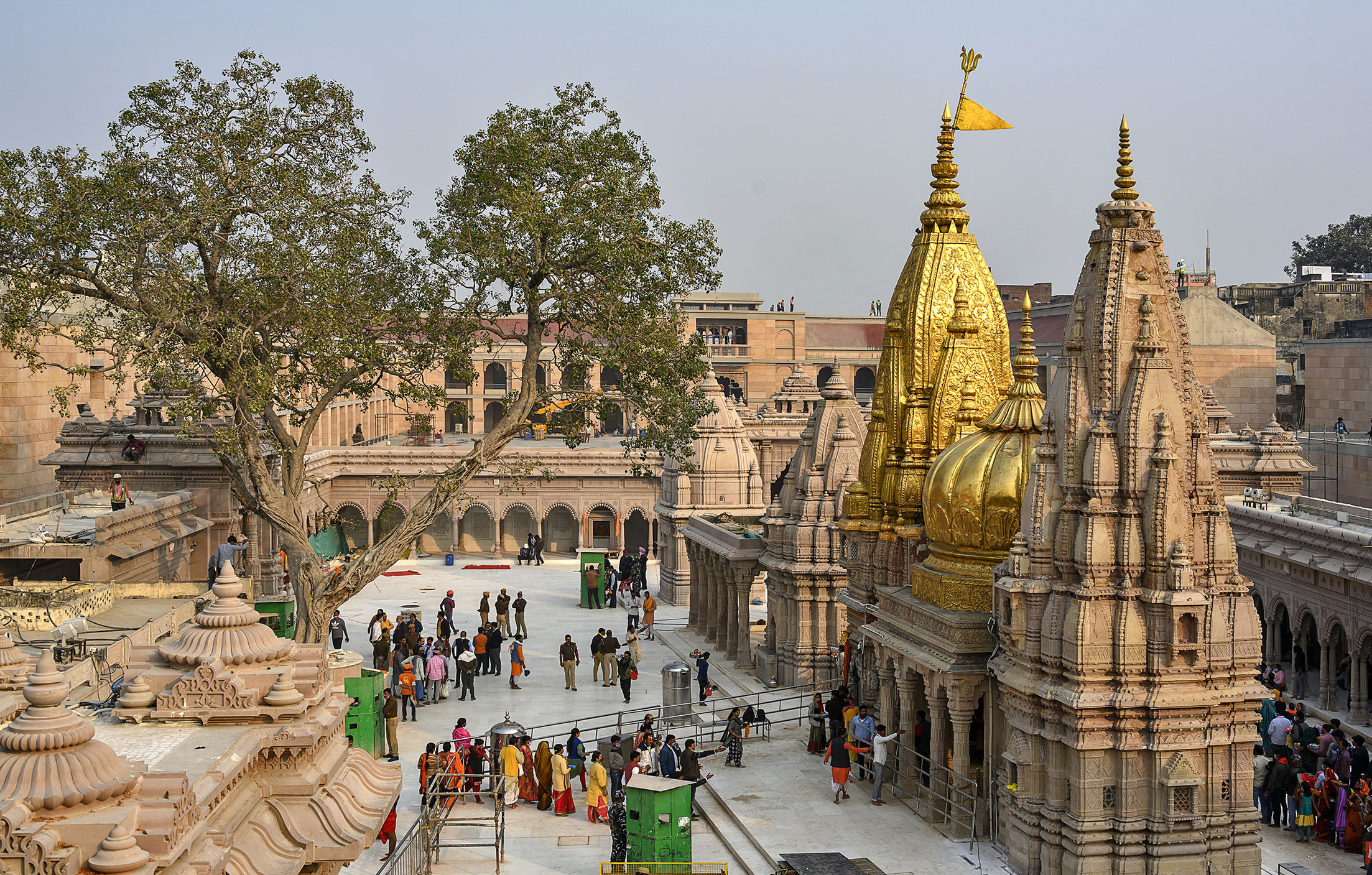
Nestled on the western bank of the sacred River Ganga, in the ancient city of Varanasi, or Kashi, stands the illustrious Kashi Vishwanath Temple, one of the twelve Jyotirlingas of Lord Shiva and the spiritual heart of India’s Sanatan tradition. Revered also as the Golden Temple, it is a focal point of worship, legend, and liberation for millions of Hindus. As Vishwanath, the Lord of the Universe, Lord Shiva is believed to grant moksha, or spiritual emancipation, to anyone who worships here, elevating the temple and city as a central axis between earthly existence and cosmic consciousness.
The mythos surrounding Kashi Vishwanath Temple is grand, profound, and universally resonant. The core myth traces back to the primordial dispute between Brahma, the creator, and Vishnu, the preserver, over their supremacy in the cosmos. Shiva intervened by manifesting as an infinite pillar of light, a Jyotirlinga at Kashi, challenging both gods to find its beginning and end. Vishnu transformed into Varaha or boar to search below, while Brahma, in the form of a swan, soared above. Vishnu admitted his inability to locate the pillar’s roots, but Brahma falsely claimed he had found the summit.
Angered by the deceit, Shiva punished Brahma by cutting off his fifth head and decreed that Brahma would never be worshipped. In contrast, Vishnu’s truthfulness was rewarded with eternal reverence. Shiva then divided his cosmic light among twelve sacred locations, today’s Jyotirlingas, with Kashi Vishwanath as one of the most luminous. The temple thus stands not just as a shrine, but as the very boundary between divine truth, cosmic radiance, and the ultimate liberation, moksha.
Legend declares that Shiva himself chose Kashi as his eternal abode. When Goddess Parvati’s mother expressed concern for Shiva’s humble dwellings, arrangements were made for Shiva’s permanent residence at Kashi, through boons given to king Divodas and the Brahmin Aunikumbha.
Another tale, integral to Varanasi, involves Maa Annapurna, Goddess of Nourishment. When a crisis of hunger struck Kashi, Shiva petitioned Annapurna to remain in the city, guaranteeing none would go unfed. Her adjacent temple ensures food as prasad, symbolising the fusion of material and spiritual sustenance for all who come to Kashi.
Kashi is said to be older than legend itself. The Skanda Purana’s Kashi Khand segment mentions the Vishwanath shrine, tying it to the city’s founding myths. Throughout history, Kashi Vishwanath Temple has endured relentless cycles of destruction and rebirth. Some traditions attribute the earliest temple to King Harishchandra or Vikramaditya. The temple was destroyed by Qutb-ud-din Aibak’s forces in 1194, rebuilt and demolished in the succeeding centuries by Iltutmish, Sikander Lodhi, and others. It is believed that Raja Man Singh I rebuilt the temple, but subsequent Mughal rulers razed it repeatedly, notably Aurangzeb who built the Gyanvapi mosque on the site in the 17th century. In 1780, Maharani Ahilya Bai Holkar of Indore resurrected Kashi Vishwanath Temple at its present location, restoring it as the heart of Varanasi’s sacred geography. The temple’s turbulent history, enduring destruction for faith, and rebirth with devotion mirror Shiva’s own cosmic dance.
From the 19th century onward, further adornments were made. Maharaja Ranjit Singh of Punjab donated 1 ton of gold, giving the temple its famous golden spires. The Rana of Nepal gifted the massive stone statue of the Nandi bull, now a temple icon.
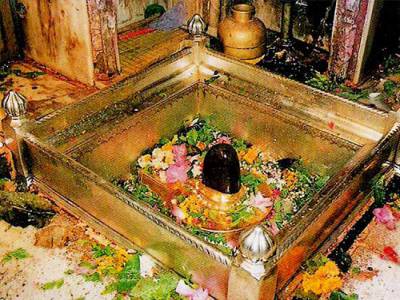
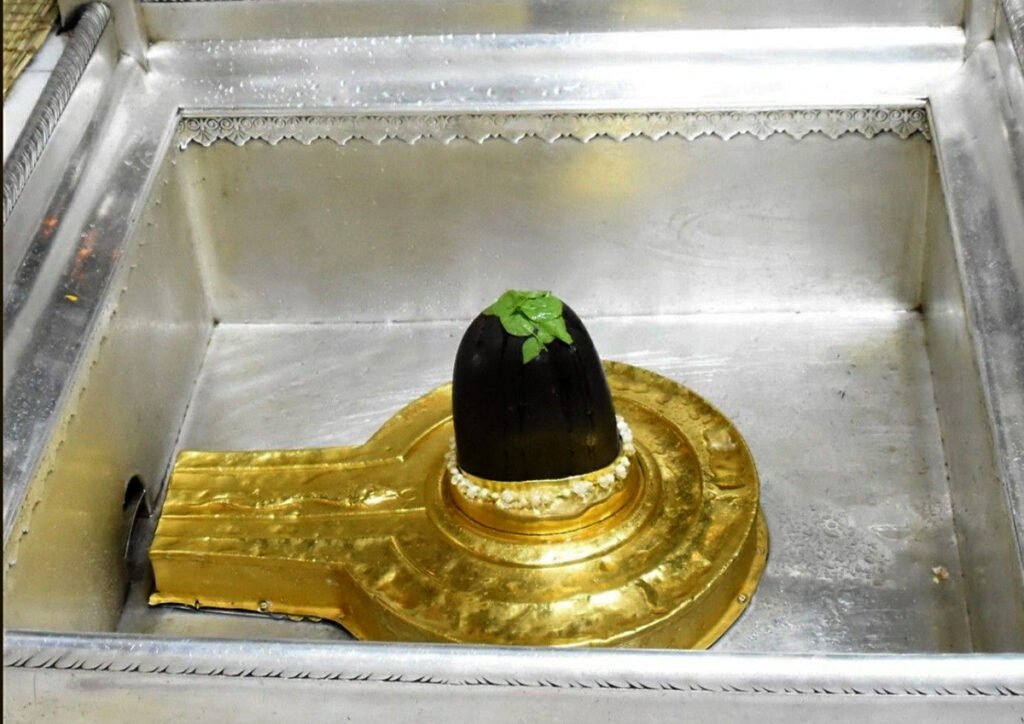
Kashi Vishwanath Temple’s design blends ancient style with distinctive regional creativity. The temple is built in classic Nagara style, with a quadrangular layout and multiple golden shikharas crowned at the summit. The garbhagriha houses the Shivalinga, ensconced in silver and tangible spiritual energy. The temple complex comprises several smaller shrines dedicated to various gods and goddesses, including Kaal Bhairav, Kartikeya, Vishnu, Avimukteshwara, and Annapurna. Silver doors, golden domes, and marble courtyards reflect centuries of patronage. The seven-foot-tall Nandi gifted by Nepal stands sentinel to the sanctum, symbolising patience and devotion.
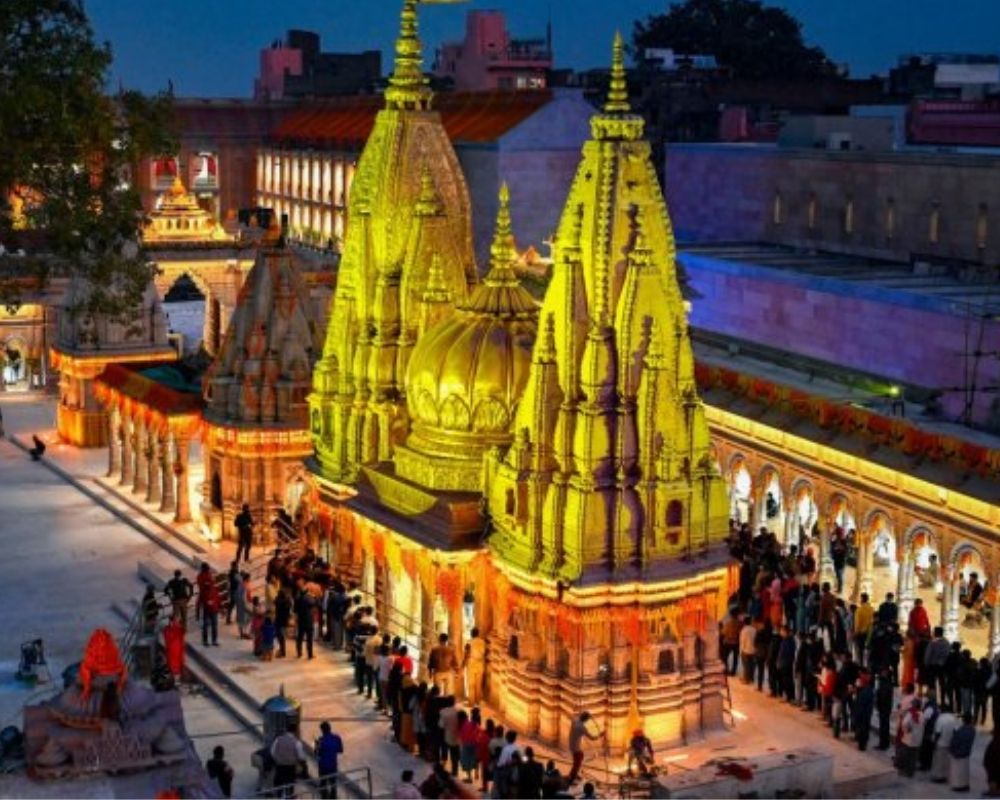
Kashi Vishwanath pulsates with daily rituals, monthly observances, and continuous worship. Each day, the linga is ritually bathed in Ganga water, milk, honey, and flowers; devotees recite the Rudram and sing bhajans. The “Mangala Aarti” at dawn and the “Shayan Aarti” at dusk are transformative, involving hundreds of devotees, bells, conches, and fiery lamps. Bilva leaves, sandalwood paste, sweets, and silk are traditional offerings; food as prasad is often given at the nearby Annapurna Temple. Mahashivaratri is celebrated with unparalleled enthusiasm; the city comes alive with processions, all-night vigils, music, fasting, and prayers. The temple is also at the centre of Dev Deepawali, Kartik Purnima, and Shravan Somvar, drawing millions for ritual worship. The city’s many ghats and smaller temples contribute to the worship cycle, making Shiva’s presence omnipresent in Varanasi. Local families, Brahmin priests, and temple trusts collaborate to maintain traditions and ensure inclusivity for all castes and communities.
Pilgrimage to Kashi Vishwanath is considered an essential spiritual milestone within Sanatan Dharma. Varanasi is served by extensive rail, air, and road networks, its spiritual magnetism attracting seekers nationwide and globally. The temple, situated in Varanasi’s narrow lanes, is accessed on foot or via cycle rickshaws, amid vibrant bazaars, ghats, and flower markets. Pilgrims witness the confluence of life and liberation: chants at the ghats, sadhus in saffron, temples, and bustling stalls. Dharamshalas, guesthouses, and ashrams provide accommodation and guidance throughout the city.
Countless stories fill pilgrim lore: miraculous recoveries, visions in dreams, fulfilled wishes, liberation at death. The spiritual atmosphere of Varanasi is universally reaffirmed by generations who arrive seeking transformation, peace, and moksha.
Kashi Vishwanath Temple is not merely a site of worship but a cosmic cultural engine for India and the world. Ancient Sanskrit texts and regional literature extol Shiva and Kashi as points of supreme radiance. Bhajans, ragas, and devotional music echo in temple halls and city lanes, inspiring legends of Shiva’s power and grace. Paintings, sculptures, and handicrafts propagate the iconography of the temple and the city throughout India’s spiritual landscape.
Kashi Vishwanath is woven into the fabric of Varanasi’s civic, cultural, and social identity. It stands as a symbol of enduring spiritual values, communal harmony, and resilience. From Mahatma Gandhi’s visits to modern poets, Kashi remains India’s mystical heart, a living source of artistic and philosophical renewal.
Administered by the Shri Kashi Vishwanath Temple Trust, the temple has embraced modernisation while safeguarding tradition. Digital entry, security, guided tours, and the celebrated Kashi Vishwanath Corridor have revitalised access and the pilgrim experience. Conservation efforts have stabilised the ancient structure, protecting both tangible and intangible heritage. Millions flood the temple during major festivals and round-the-year visits, boosting spiritual tourism and local prosperity. Pilgrims hail from all corners of India and the diaspora, including international tourists and spiritual seekers across traditions. Interfaith leaders and secular visitors are welcome, adding to the city’s cosmopolitan spirit.
Kashi Vishwanath Temple remains the radiant jewel in the crown of Varanasi, embodying cosmic union, daily worship, liberation, and resilience. Through centuries of upheaval, its Jyotirlinga has shone as Shiva’s abode of eternal light and truth. For those who walk its hallowed halls, the journey is not only a pilgrimage, but a passage through history, myth, and the unfathomable mystery of the divine, a cosmic invitation to dissolve into the sacredness at the heart of existence.
 Memories and Such