
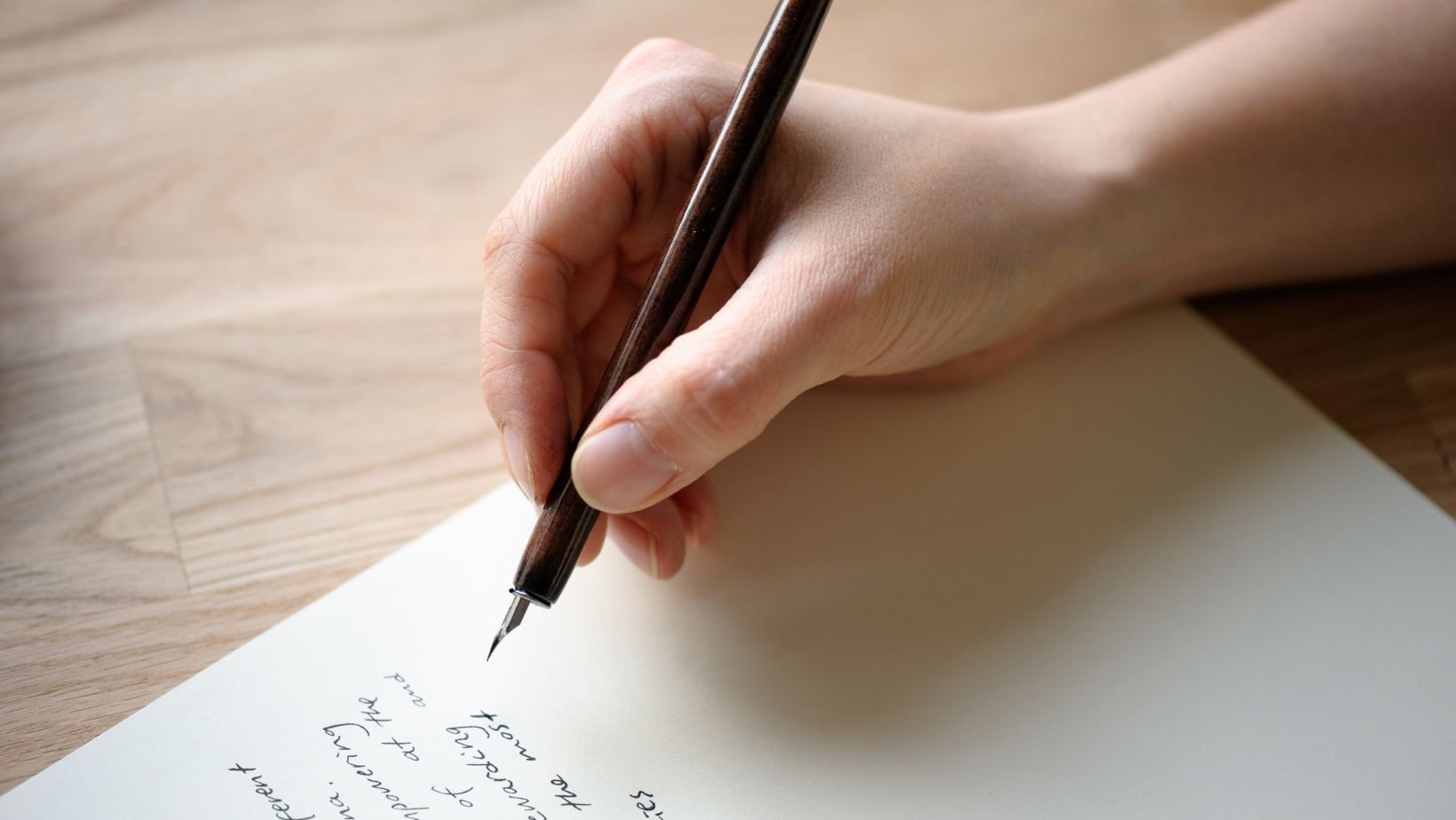
When was the last time you either wrote a letter to someone or received a letter from someone? I haven’t received one or written one in decades. The only letters I receive these days are bills or notices. But this is the digital age where everyone connects with others online or virtually.
The practice of letter writing dates back to ancient civilisations. The earliest known letters were written on clay tablets in Mesopotamia around 2500 BCE. These early communications were primarily administrative or commercial in nature. As societies evolved, so did the form and function of letters. In ancient Rome, letters became a vital tool for personal communication among the elite. Figures like Cicero and Pliny the Younger wrote extensively, using letters to convey thoughts, share news, and maintain relationships across distances. The invention of the printing press in the 15th century further revolutionized letter writing by making writing materials more accessible.
The 18th and 19th centuries marked the golden age of letter writing. This period saw a flourishing of epistolary literature, where novels were crafted in letter form, allowing authors to explore characters’ inner thoughts and emotions intimately. Famous works such as Mary Shelley’s “Frankenstein” and Bram Stoker’s “Dracula” utilised this format effectively.
During this time, letters became essential for maintaining long-distance relationships. People would pour their hearts into beautifully crafted missives, often adorned with elaborate stationery. The art of penmanship was highly regarded, with individuals taking pride in their handwriting styles.

The advent of the internet and mobile technology has drastically altered how we communicate. Emails emerged in the 1990s as a faster alternative to traditional mail, quickly gaining popularity for both personal and professional correspondence. Social media platforms further accelerated this shift by enabling real-time communication. As a result, the frequency of letter writing has diminished significantly. The convenience of texting and emailing has led many to view letter writing as outdated or unnecessarily time-consuming. The fast-paced nature of modern life has also contributed to a decline in letter writing. People often prioritise efficiency over thoughtfulness; quick messages have replaced carefully considered letters. The younger generations who have grown up with digital communication may not fully appreciate the emotional depth that a handwritten letter can convey.
Growing up, my grandfather, tatha was a prolific letter writer and maintained correspondence with many relatives and friends across India and the world. Tatha was very old school, a product of colonial education and a very proper person. He is the sort of person who would dress up for meals and would insist on the proper mealtime etiquette at all times. From the time my sister and I were toddlers, he would insist on speaking with us only in English and that too in proper British English. That is why both of us have a fairly good grasp of the language.

My earliest memories are of him pounding away letters to family and friends on his typewriter. In those days, domestic letters would come as a blue inland letter. Very rarely, you would see people writing on paper and sending it in an envelope. And you had to write within the space provided. The postman would come to our home in the early afternoon and as soon as he received a letter, he would read it and if it was also meant for my grandmother, ammama, he would share it with her and then start composing a reply on his typewriter. This would be repeated for every letter he received. He would not take more than 24 hours to reply and would have a ready stock of inland letters, paper, envelopes and stamps. This continued even after he retired and moved to Bangalore. From Bangalore, we also became the recipient of regular letters from him and ammama.
My mother was the letter writer in our family and would reply to tatha and ammama with my sister and me writing a few lines at the end, squeezing in as much as we could in the meagre space we got. She is the oldest of four sisters and when we were young, two of her sisters lived in the Middle East. So her correspondence with her sisters was through aerogrammes, Also known as an air letter, an aerogramme was a lightweight, foldable, gummed paper that functioned as both the letter and the envelope. Again, you had to write within the space provided and squeeze in everything you wanted to share with them. Some people even added physical photos inside the aerogramme.
I too had a period when I wrote a lot of letters. That was my penpal phase when I used to correspond with a few people across the country. That lasted perhaps for about six months when I was about 17-18 and whittled down to one penpal to whom I wrote until both of us got married. I recently reconnected with her and it was good to go back to old friendships. Of course, today we talk on Whatsapp, and sometimes I miss getting special paper and envelopes and sitting down to write a long letter to her telling her all about what happened in life since the last letter. Ah, memories!
After reading this post, if you have the urge to write a letter to someone, remember that writing letters can also provide therapeutic benefits. The act of putting pen to paper allows one to articulate their thoughts and feelings more deeply than they might in a text message or email. This process can be particularly beneficial during times of stress or grief, offering an outlet for reflection and emotional processing. Studies have shown that expressive writing can improve mental health by reducing anxiety and enhancing overall well-being. Crafting letters, whether to loved ones or even to oneself, can serve as a form of self-care that promotes mindfulness and emotional clarity.
In our fast-paced digital world, the lost art of letter writing offers an opportunity for deeper connections and meaningful communication. While technology continues to shape how we interact, embracing handwritten correspondence allows us to slow down and reflect on our thoughts and emotions.
 Memories and Such