
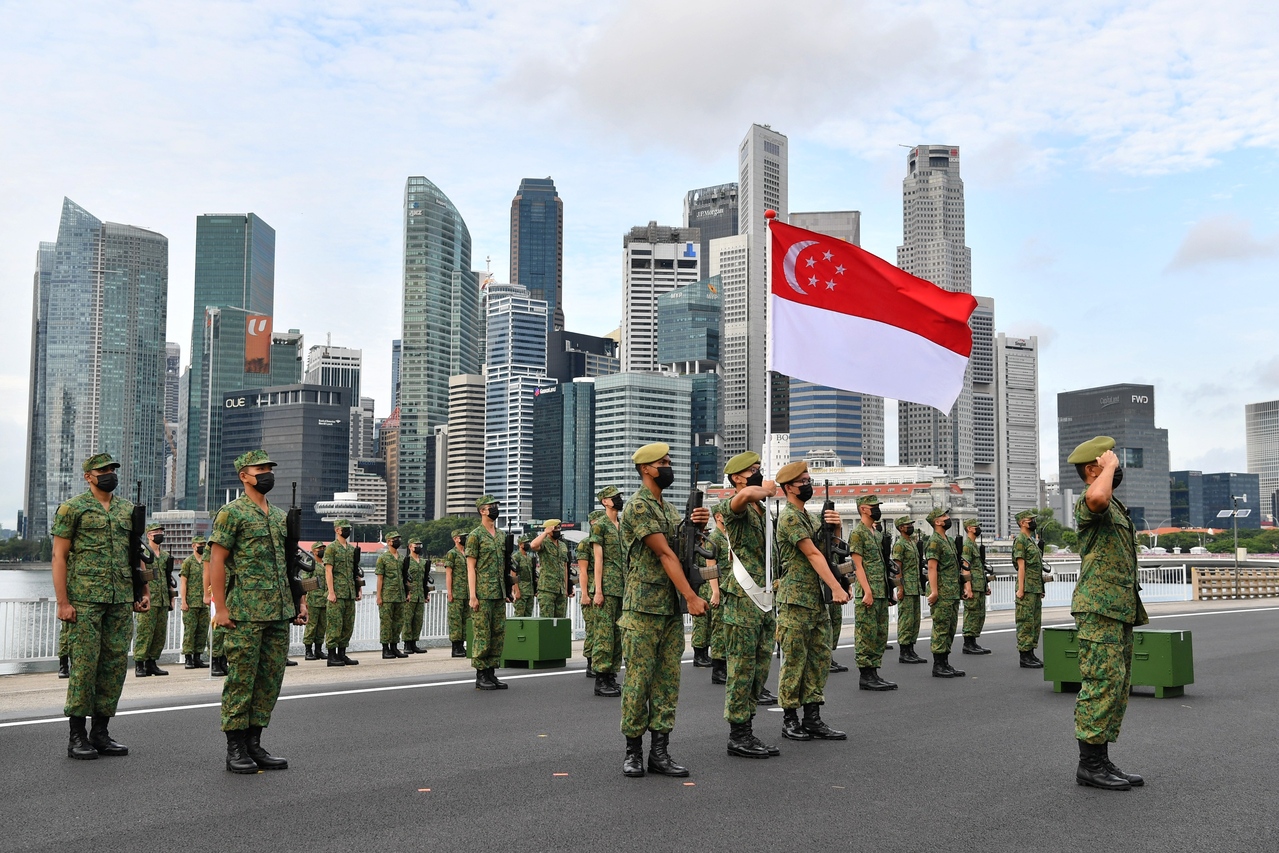
If you’re reading this, chances are you’re a parent with a son about to enlist, or you’re someone who just wants to understand what National Service really looks like behind the uniforms, the acronyms and the countless rumours floating around online. When my son enlisted, I searched desperately for honest, grounded stories. I wanted to know what he might feel, how he might cope, and what camp life really looked like. Most of what I found was either too dramatic or too vague to be helpful.
So now that he’s completed his two years and had a largely positive, growth-filled experience, I wanted to put together the article I wish someone had written for me. To write this, I sat down with BB and asked him everything. What helped, what scared him, what changed him and what he wishes every parent knew. His answers shaped this entire piece.
Pre Enlistment
In the days leading up to enlistment, he told me he felt both nervous and excited. Not exactly a surprise, but hearing it in his own words reminded me that at 18 or 19, or even 20, big emotions show up quietly. He said he didn’t have strong expectations about NS, which is probably the healthiest way to enter something everyone has an opinion about.
His main worries were simple but real: Would he adapt? Would the physical demands overwhelm him? Would he cope?
I remember worrying about the same things, except with the added layer of parental imagination. The truth is, adapting to NS is almost universal; boys who start out unsure usually settle in within days. And while the physical training is demanding, the system is designed to condition them, not break them. He didn’t have a list of items he regretted packing or wished he knew beforehand, a reminder that sometimes parents over-prepare while the boys just take things as they come.
Enlistment Day
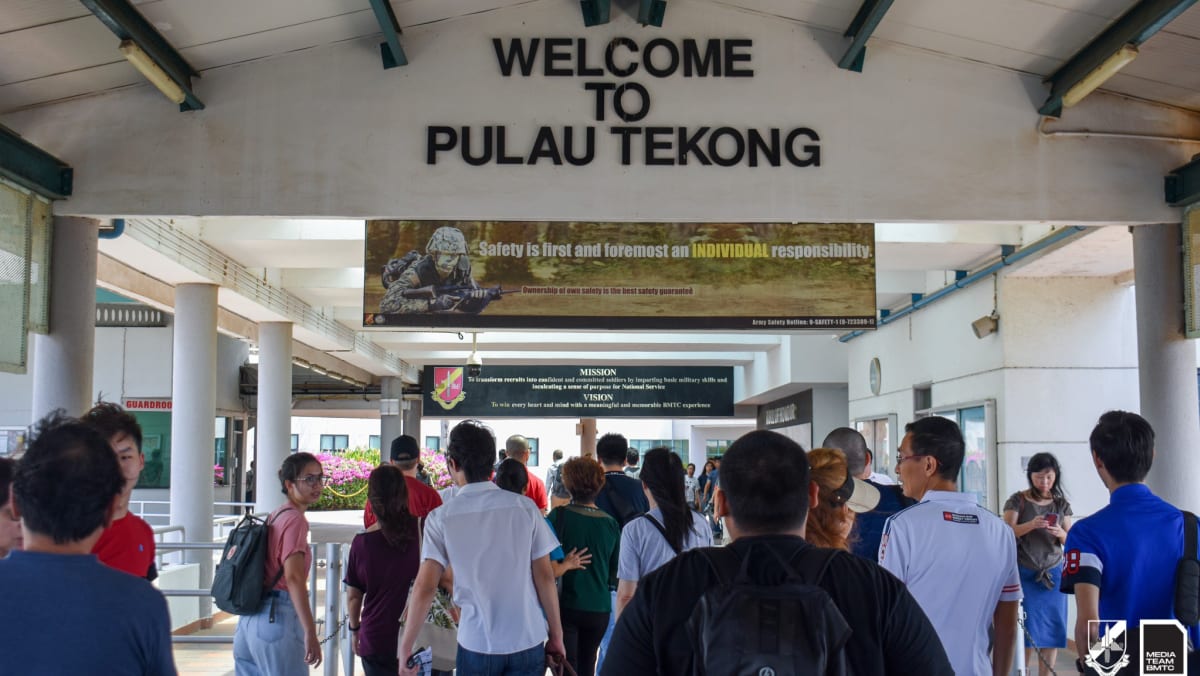
Every parent I’ve spoken to remembers enlistment day like a blur. The neat queues, the happy-sad families, the brisk announcements. My son doesn’t remember much of the briefing, except that when we said goodbye, he felt a small sadness knowing he wouldn’t see us for about two weeks. Those first hours shocked him in a good way. He said he didn’t expect to connect so quickly with the guys around him. Within a few hours, he had discovered how much they all had in common. It’s funny, they go in strangers, but almost instantly they form their own tribe.
Basic Military Training
I thought he would talk endlessly about the physical strain, the field camp, the discipline, the new routines. But what stood out most was how tiring the constant physical training became, especially around the halfway mark.
What surprised him? How easily he adapted to the daily schedule. The structure, the routine, the predictability, iit all became normal quickly. What helped him cope, he said, was the reminder that BMT was only a small part of NS. This perspective made the tough moments manageable. As a parent, this was something I wish someone had told me, most boys don’t crumble under pressure; they adjust faster than we expect.
His commanders also played a huge role. He described them as encouraging, present, and willing to spend time with the recruits after hours, even when they didn’t have to. Often, the people make or break BMT, and he was lucky to be surrounded by leaders who cared.
If he had to choose three words to describe BMT, he picked: Fun. Exhausting. Interesting. Honestly, I don’t think anyone can summarise it better.
Vocation
When he first received his posting as an Armour Technician, he admitted he felt a bit apprehensive. He had read online that the experience could be tough. The internet isn’t always kind, and NS forums are a special beast of their own.
But once training began, everything shifted. The pace was slower, the trainers were patient, and safety was emphasised even more strongly. And the environment felt more focused and hands-on.
He enjoyed the practical work, even when it was physically demanding. Working inside and around armoured vehicles isn’t the glamorous part of the army, but it’s the backbone. He described days spent using a wide variety of tools, coordinating tasks with his team and making sure maintenance was done properly, not just quickly. What surprised him most was how tiring it could be to work inside vehicles for long periods. It’s cramped, it’s warm, and it requires focus. But he liked being part of something technical and tangible.
The regulars he worked with left a strong impression on him. Not because they were strict, but because they were hardworking, committed and often stayed back to meet deadlines even when the NSF guys could book out. He saw responsibility up close, not as an idea, but as a lived example.
Growth You Don’t Notice Until You Do
One of my favourite parts of our conversation was when he told me that NS made him more confident working with others. He described moments on the train home, looking at younger boys in school uniforms and quietly realising how much he had changed. He had become more independent, more assertive, more willing to take responsibility. Parents often hear these words thrown around, but there’s something different when it comes from your own child. You realise NS didn’t just take time, it gave something back.
Routine, Mental Health and the Quiet Rhythm of NS Life
I thought he might talk about burnout or emotional fatigue, but his description sounded surprisingly balanced. The long days were manageable because there were breaks. The monotony was broken by conversations with friends. When he felt overwhelmed, rest helped more than anything: rest after work, rest on weekends, rest during book-outs.
He said the thing he missed most was the freedom to be with family and friends. That tug between camp life and home life is something every NSF feels. And yes, weekend book-outs were “quite important”, which is teenage understatement for “absolutely essential for sanity.”
The Social Side
He described the workshop culture as relaxed but responsible. A soft balance between humour and deadlines. He felt supported by peers and sergeants alike, and he never felt left out, something many parents quietly worry about.
On boring or long days, they passed the time talking about random things or just resting together in the office. It reminded me that joy in NS is simple: conversation, shared struggles, inside jokes and the comfort of knowing someone else understands exactly what you’re going through.
Safety, Workload and What Parents Really Want to Know
Like most parents, I worried about safety. He reassured me that open reporting was taken seriously. If something looked unsafe, they said it, and people listened. He also won a couple of awards for safety, which he was quite proud of.
Some maintenance work could get stressful, especially tasks involving heavy tools like sledgehammers, but that stress came from the nature of the job, not from negligence or pressure.
He also said something every parent needs to hear: The workload is far less than people imagine. Preventive maintenance keeps things running smoothly, and the Hollywood image of “army life = nonstop chaos” is largely inaccurate.
His biggest takeaway? NS isn’t just being a foot soldier. There are countless roles, each with depth, skill and purpose.
Operation Wallaby
Operation Wallaby was one of the highlights of his NS journey. It’s the kind of overseas exercise most boys talk about for years. He described it as a final test of everything they’d learned, tiring, hectic and packed with more vehicles than usual, but manageable with good time management.
It was also the longest period he’d ever spent away from home. That distance, that independence, that daily grind in a foreign setting, it shapes them in ways small daily routines never can.
The Bigger Picture
When I asked him what NS ultimately gave him, he said it gave him stability and a chance to mature. The experience was worth two years, and he would redo his vocational training in a heartbeat because it was fun and informative.
For a teenager enlisting soon, he had simple advice: “Go with the flow and make your own fun”. Straightforward, but spot-on.
For parents, his message was even more comforting: “Your children are extremely well taken care of, and they’ll come out more mature”. That is exactly the reassurance I had wished for two years ago.
Operationally Ready NSMan
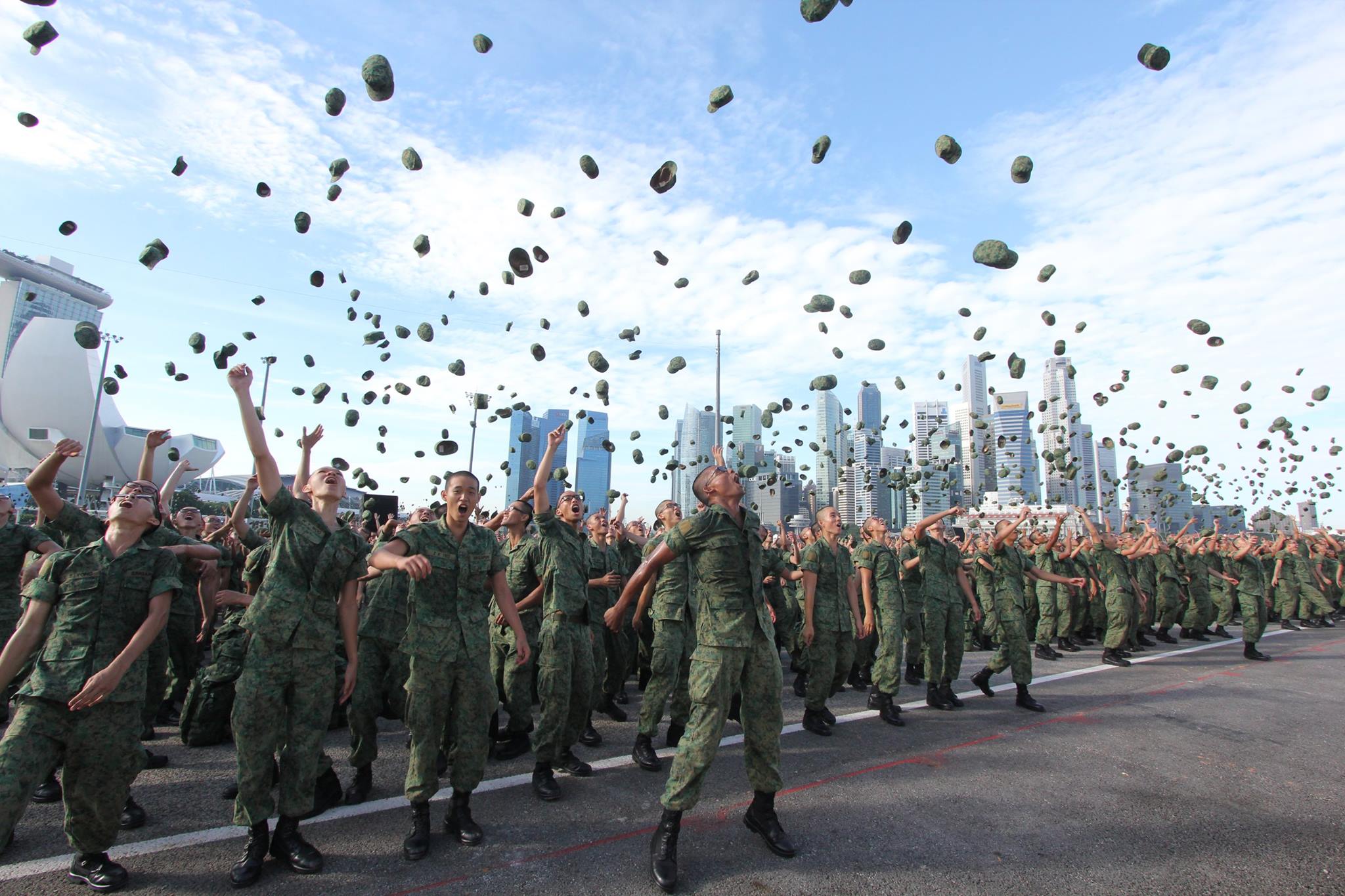
The day he completed his service, he felt both relieved and a little sad. No one tells you that ORD can feel bittersweet, yes, it’s freedom, but it’s also the end of a shared chapter with people who saw you at your best, worst and sweatiest.
Post-ORD life feels lighter. No more 8–10 hour camp days. No more last-minute tasks. But he secretly misses the interactions with his fellow NSFs. What doesn’t he miss? BMT. One round was enough.
He believes NS will help him in future group work and professional settings. He’s more assertive now and more comfortable collaborating, skills that matter everywhere.
So, What Should Parents Take Away From This?
If you’re preparing to send your son off to NS, here’s what I wish someone had told me:
- They adapt faster than you expect. Even the quietest, gentlest boys find their footing.
- The commanders truly care. BB’s experience was filled with supportive leaders who treated him with respect.
- Camp life isn’t as intimidating as it sounds. Most days are structured, calm and manageable.
- They grow in ways you only notice later. Independence and confidence don’t appear overnight; they build slowly and steadily.
- Weekends matter. A lot. Not just for rest, but for emotional grounding.
- They come out stronger, steadier and more self-aware. And they often surprise themselves.
Closing Thoughts
National Service is a shared journey, not just for the boys, but for families too. As parents, we’ll worry, we’ll search for answers, and we’ll imagine the worst. But more often than not, our sons will come out of NS kinder, more disciplined and more capable than when they went in. My son’s experience wasn’t dramatic or traumatic. It was steady, meaningful, human and ultimately positive. And that’s exactly the kind of story I want other parents to find when they start Googling late at night, wondering what lies ahead.
 Memories and Such