Dry Promotions: A Nuanced Balancing Act

In the last few weeks, we have been hearing about this phenomenon on various platforms. In the intricate ballet of the corporate world, few manoeuvres spark as much debate as dry promotion. Unlike traditional promotions that come hand-in-hand with a salary increase, dry promotions denote an elevation in job title, responsibilities, or status without a corresponding financial reward.

Dry promotions present a seemingly paradoxical situation: recognition without reward. While some dismiss it as a disingenuous tactic, others argue its potential as a valuable stepping stone or strategic tool. So, is the dry promotion a demotivating dead end or a gateway to greater opportunities? The answer, as with most things in life, lies in the intricate dance of understanding its complexities and navigating its challenges effectively.

So why is dry promotion being discussed so much these days? Several factors contribute to this phenomenon. In competitive economic landscapes, budget constraints can limit salary increases. Companies may prioritise hiring top talent or investing in other areas, temporarily putting salary hikes on hold. Dry promotions can be strategic tools for talent development. They offer opportunities for individuals to take on new responsibilities, acquire skills, and demonstrate leadership potential, paving the way for future financial rewards. Dry promotions can act as stepping stones within the organisational hierarchy. By assigning increased responsibilities without immediate salary bumps, companies can groom promising individuals for senior positions while ensuring existing salaries remain competitive. Some dry promotions arise from temporary situations like restructuring or mergers. Companies may delay financial adjustments until the dust settles, offering recognition and new roles in the meantime.

While the concept of a promotion without a raise might raise eyebrows, it’s important to approach it with nuance. There are both potential benefits and drawbacks to consider. Dry promotions offer valuable opportunities for learning and growth. Taking on new challenges expands skillsets, enhances leadership qualities, and builds an impressive resume. Stepping into a bigger role increases visibility within the organisation, leading to greater recognition and potentially paving the way for future promotions with financial rewards. Employers may opt for dry promotions as a strategic move to contain costs while recognising and rewarding employees for their contributions. In times of budget constraints, offering non-monetary advancements allows organizations to acknowledge exceptional performance without immediately impacting the bottom line.

For individuals seeking specific career changes or advancement within a particular department, a dry promotion can serve as a strategic foot in the door, positioning them for future opportunities within that area. In some cases, the recognition and increased responsibility associated with a dry promotion can boost morale and employee engagement, especially when paired with clear communication and future advancement plans. Dry promotions can serve as a tool for professional development, providing employees with opportunities to enhance their skills, broaden their experience, and prepare for higher-level roles. This approach aligns with the philosophy that career progression is not solely defined by financial gains but also by the acquisition of diverse skills and experiences. The elevation in job titles and responsibilities can enhance their marketability and open doors to future career opportunities, even if the immediate financial gains are not realized.
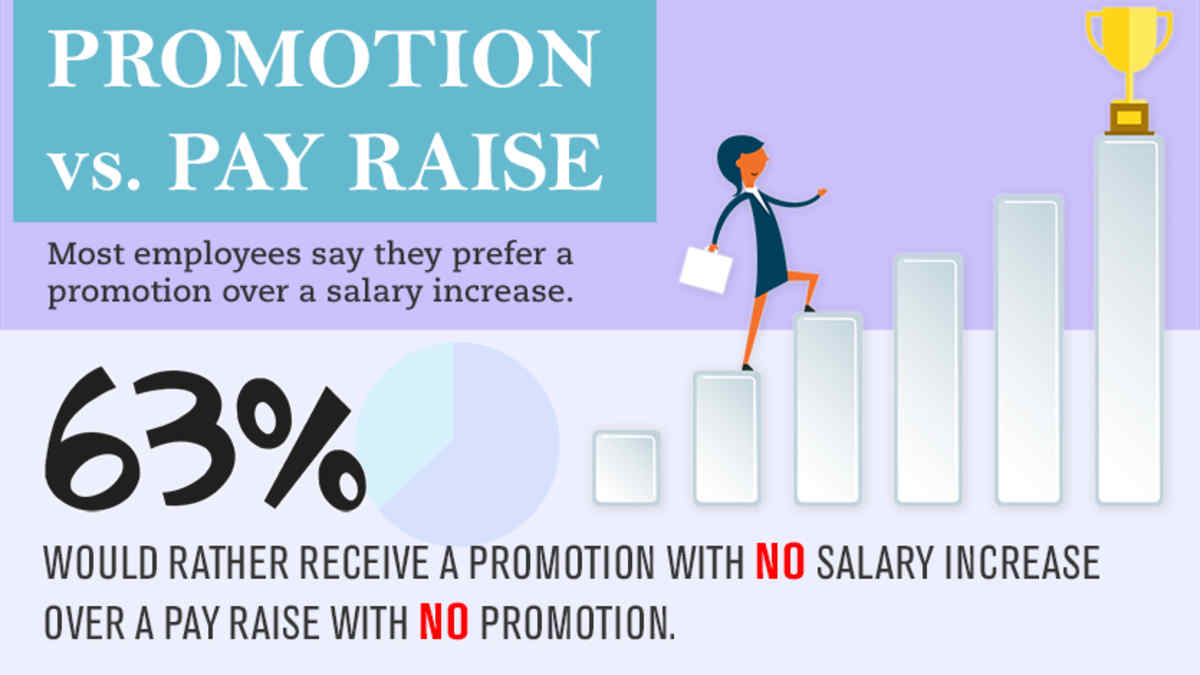
However, if poorly handled, dry promotions can create feelings of resentment and demotivation. Employees may view it as a broken promise or a lack of appreciation, leading to decreased productivity and increased turnover. Offering dry promotions without a corresponding salary increase may pose a risk to employee retention. Talented individuals, especially those with sought-after skills, may be enticed by external opportunities that offer both professional growth and financial rewards. Depending on individual financial situations, the lack of a salary increase can create significant financial strain. This can be particularly detrimental for lower-income employees, potentially leading to decreased job satisfaction and increased stress. Companies must manage expectations effectively. Offering a dry promotion without a clear roadmap for future financial rewards can fuel frustration and resentment if those expectations aren’t met. The market value of an employee’s skills and experience may not be adequately reflected in their compensation package, potentially hindering their ability to negotiate competitive salaries in the job market. This consideration is particularly relevant when employees explore external career opportunities. This can be a costly loss for companies that have invested in their development.

The success of a dry promotion hinges on effective communication, strategic implementation, and transparency. Here are some key factors for navigating this nuanced concept:

  • Clear Communication: Companies must be transparent about the reasons behind the dry promotion, outlining the rationale, potential benefits, and future salary adjustment plans. Employers should emphasise the value placed on professional growth and the organisation’s commitment to long-term employee development. Open communication fosters trust and prevents misunderstandings.
  • Focus on Development: Dry promotions should be presented as opportunities for learning and growth, not just additional workload. Companies should provide support and resources for skill development and career advancement.
  • Setting Expectations: A clear timeline for future salary adjustments or promotion possibilities is crucial to managing expectations and maintaining employee morale. Ambiguity breeds frustration, so be forthright in your communication.
  • Individual Considerations: Not all employees react to dry promotions the same way. Companies should be sensitive to individual situations and financial constraints, potentially offering alternative forms of compensation or support in the interim. Understanding the diverse needs of the workforce is essential.
  • Performance Metrics: Linking dry promotions to clear performance metrics helps in objectively assessing employee contributions. By establishing transparent criteria, employers can ensure that promotions are merit-based and aligned with organizational goals.
  • Career Path Planning: Organisations should actively engage in career path planning with employees, providing a roadmap for future progression. This involves outlining the steps required for transitioning from a dry promotion to a role with increased financial compensation.
  • Monitoring and Feedback: The impact of dry promotions should be monitored and feedback should be actively sought. This allows companies to identify potential concerns and adjust their approach for future instances.

A dry promotion is not inherently good or bad; it’s a nuanced tool that requires careful consideration and thoughtful implementation. While this practice can be a strategic tool for employers to acknowledge and reward excellence, it also necessitates a thoughtful and transparent approach.

Companies must understand the motivations behind them, employ transparent communication, prioritize employee development, and manage expectations effectively. For employees, understanding the potential benefits and navigating the challenges while advocating for their needs is crucial. By fostering open communication, aligning promotions with performance metrics, and maintaining a comprehensive approach to compensation and benefits, both employers and employees can navigate the intricacies of dry promotions effectively. Ultimately, the success of dry promotions hinges on the ability of organisations to create a work environment that values both the professional and financial dimensions of employee growth. As the business landscape continues to evolve, the judicious use of dry promotions may well become a strategic lever for organisations seeking to balance fiscal responsibility with the imperatives of talent retention and development.

Friends in the workplace – Yes or No

Friendships are beautiful and a good friend with whom you can vent and share problems and who listens without judging is invaluable. A workplace on the other hand is one which for many is fraught with pitfalls and because it’s a place where we spend the majority of our time, having a friend there may be good. But is having a work buddy something that one cultivates? Given the time we spend at work, it is inevitable that some sort of friendships at work will be formed.

It’s very natural to look for friends at work, and it’s necessary for professional success. Since we spend most of our time at work, and if we don’t like the people we work with, getting through the day becomes even more difficult. Happier and more productive days will happen if we enjoy the company of our colleagues. Workplace friends improve the good days and make the poor ones bearable. While being social at work will help raise morale and satisfaction, one must also set limits with friendly colleagues.

There’s a lot of evidence that workplace friendships fulfil a basic human need for companionship, and are necessary to some degree. Research has found that it can even fuel greater job satisfaction: In a survey of more than 195,600 employees in the U.S., Gallup found that 20% of them said they had a best friend at work. This was also the group that reported being most engaged and committed to their jobs. But workplace friendships can be tricky, especially between managers and employees, or senior and junior employees. In that scenario, there’s always going to be a power dynamic in play.

While being social can help boost morale and happiness on the job, one needs to set boundaries. Instead of striving for friendships at work, it’s better to be friendly with coworkers, according to some experts who say that ith professional relationships, one can grab coffee or lunch, but not necessarily invite them home for a barbecue or special family events.

Today’s workplace is different from a few years ago with remote work and social distancing making workplace interactions more difficult. Without meeting colleagues and co-working face-to-face, having close friendships will be slim and making work friends will mean an extra effort.

Having a good friend at work one can confide in and commiserate with can be a blessing and while work friendships can be a boon, they can also be a bust. The truth is that many of the work friends we have will end when the job ends. You may keep in touch for a couple of years or so, but over time, you tend to drift apart, because the biggest binder between the two, the company or organisation no longer exists. But there may be a few work friends who transcend the organisation to become true friends, but this is rare and quite far between.

A 2014 Globoforce survey found that people with workplace friendships are nearly three times more likely to say that they love their companies and two times less likely to be poached by another company. But in the throes of a new work friendship, sometimes it’s easier to forget that a work friend is a colleague first and a friend second. So one has to be a bit more careful about what is shared with them as it may come to bite you from behind.

So if you are making work friends or have friends in the workplace, here are some tips on how to deal with them.

Be mindful of oversharing – You may have to share personal information to make friends at work, but you should proceed with more caution than you would for non-work friendships. Remember to always keep it professional and respectful. Share on a need to know basis and be vague. Don’t be dismissive also but keep it professional. Sharing needs to be very nuanced and balanced because on one hand, forging deeper, more intimate relationships requires self-disclosure and vulnerability; on the other hand, if a work friendship spirals downward, the person can use personal or sensitive information against you. Whatever one shares with work friends, make sure you never dislose information that can create animosity, that is stigmatized, or that could get you fired.

Be mindful of the office hierarchy – Be very careful and know that at the end of the day, your boss or your manager is still in charge. Even if your workplace is very laid-back and your manager your age or even younger, they are still the boss and enforce workplace standards. You can be friendly with your manager or someone who manages but be careful about how your friendship affects your professional relationship and how it may be perceived by coworkers. Make sure that others don’t worry that there’s favouritism at play no matter how equitable things are.

Be mindful about confidentiality – You need to be careful about sharing anything with work friends that you’d like to keep secret from your boss. Even if a colleague assures you of their confidentiality, they may and in most cases will reveal your information if someone asks them or if they have a bone to pick with you at a later stage. Before sharing something with a coworker, ask yourself how much would you want others to know and only share what can be freely shared with everyone. And don’t ever write down anything that you don’t want to be saved for posterity. Remember, what happens on the internet, stays in the internet.

Be mindful about resolving disagreements – In every friendship, disagreements happen, but one should not let personal disagreement mess up professional relationships. Having negative relationships with co-workers is a huge predictor of quitting a job and these relationships can be distracting and de-motivating. So if a work friendship is on the rocks, handle it as calmly and professionally as possible, so you can either salvage the friendship or move on calmly, so it doesn’t impact your work life. Identify the source of the conflict and resolve it professionally. Do not spread gossip or rumors, do not try to get coworkers on your side, or cast your friend in a negative light with a supervisor.

Now that we’ve established how to deal with workplace friendships, let’s see what are their benefits. The benefits of work friends go far beyond having someone who is always willing to loan you their stapler. Research shows that employees who get super close with their co-workers are happier at work, more engaged, better with clients, do better work, and are less injury-prone. A Gallup reports that those without a best friend in the workplace have just a 1-in-12 chance of being engaged. When you find the right balance between personal and professional, you reap the rewards of friendships at work.

Finding a colleague you can be close with means having a go-to person to ask for advice and help. It can be less intimidating to ask a colleague for assistance than to run to your boss every time a minor issue crops up. This is an easy way to reduce the learning curve and get up to speed quickly in a new role. It also means having someone to chat with during the day. Companionship makes the work day pass faster. Having a friend you can gab with means you’ll even look forward to coming to the office. A work friend also increases a greater knowledge of the business and opportunities. If either of you leaves your job, you can be a reference to the other. Also, when both of you move on to different roles, your friendship can progress like a natural friendship, and/or you can keep an eye out for opportunities for one another.

Having friends at work can increase job satisfaction, performance, and productivity, research shows. But it should be treated with care and not become too close with colleagues. According to Gallup, getting a job BFF is one of the most significant factors in employee engagement and satisfaction. There is a concrete link between having a best friend at work, and the effort employees expend in their job. Those who have a best friend at work are seven times as likely to be engaged in their jobs, are better at engaging customers, produce higher quality work, have higher well-being, and are less likely to get injured on the job. Women who strongly agree they have a best friend at work are more than twice as likely to be engaged compared with the women who say otherwise.

According to Gallup, women who firmly believe they have a best friend at work are less likely to be actively searching for or monitoring job openings, are more associated with their colleagues, respect what is expected of them, and trust their honesty and ethics and are less likely to record a negative daytime experience, such as workplace stress or feeling tired.

Linkedin said having a friend at work boosts employee satisfaction, employee motivation, and productivity, particularly among your younger employees the ages between 18 and 24 as socialising and friendships are critical for moving up the career ladder, according to 1/3 of Millennials. They also found out that 51% of staff maintain contact with former coworkers, resulting in boomerang employees or increased turnover in poor environments.

When you form friendships with colleagues outside of your immediate teams or department, it pens up to sides of the business you wouldn’t normally be able to access. This can help create a more comprehensive understanding of what the company is working towards, and how other departments operate, reveal some of the organisation’s pain points, and help an organisation’s people grow by learning about and appreciating each other’s experiences.

Unfortunately, not everyone wants to be friends with their coworkers, especially in super-competitive work environments. Some people will use even the slightest tidbit of information to get ahead, so before you begin to share important or personal details with someone, make sure you trust them implicitly. Similarly, social media is not an aspect of your life that you should share with everyone. While in the beginning stages of any work relationship or collaboration, you may not want to give a person access to your Facebook or Twitter pages. You should connect with colleagues on LinkedIn, however. The site was built for professional affiliations, so it would be more than wise to add a colleague, but hold off on giving colleagues access to any site that may house personal or social information. Oversharing details of your personal life and finances can come back to haunt you. Sharing personal details with a colleague who you thought had your back can also damage your career prospects if those details are used against you. Many companies are hierarchical, and when it comes to promotions or project assignments, close friendships can sometimes cause friction.

Friendships at work get even trickier for managers and their subordinates. Managers would not want to make it seem like they are giving one person an advantage or a pass for bad behaviour. Being considered too close with a coworker can reflect negatively on you if your friend isn’t viewed in high regard. You may be tarred by association and hurt assignment and project prospects, or prevent you from being included in confidential news if your peers fear it might be leaked to an untrusted colleague. When a work friend starts venting out too much, you run the risk of getting stuck in a negative cycle. Co-ruminating is the process by which friends repeatedly go over a difficult event or emotion. It brings us together and increases friendship satisfaction, but also decreases well being, kicks up a level of depression and anxiety. You need to watch out for that.”

Employee retention is more critical than ever. Another pandemic side effect has been what analysts call the Great Resignation, which in August 2021 saw 4.3 million workers quit their jobs. Even as the unemployment rate starts to even out, worker attitudes have shifted, and money isn’t enough to keep employees anymore.

Having friends at work can be the bright spot of your workday—as long as you take the proper precautions. Making friends at work is easy, and mostly good for you. Compartmentalising life into work and not-work is stressful and potentially unhealthy in the long term. By managing friendships in a professional setting properly, one can have more fun at work, learn to relax a little, and begin to learn things about themselves and the organisation they’re a part of.

What are your thoughts on having friends at work? Is it a yay or a nay? I’d love to hear from you, so please comment below.

The Good and the Bad: Boss Edition

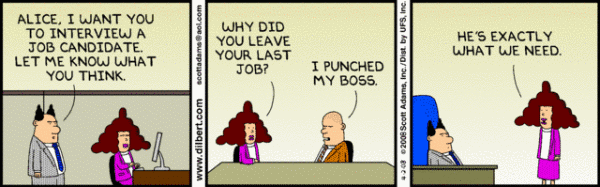
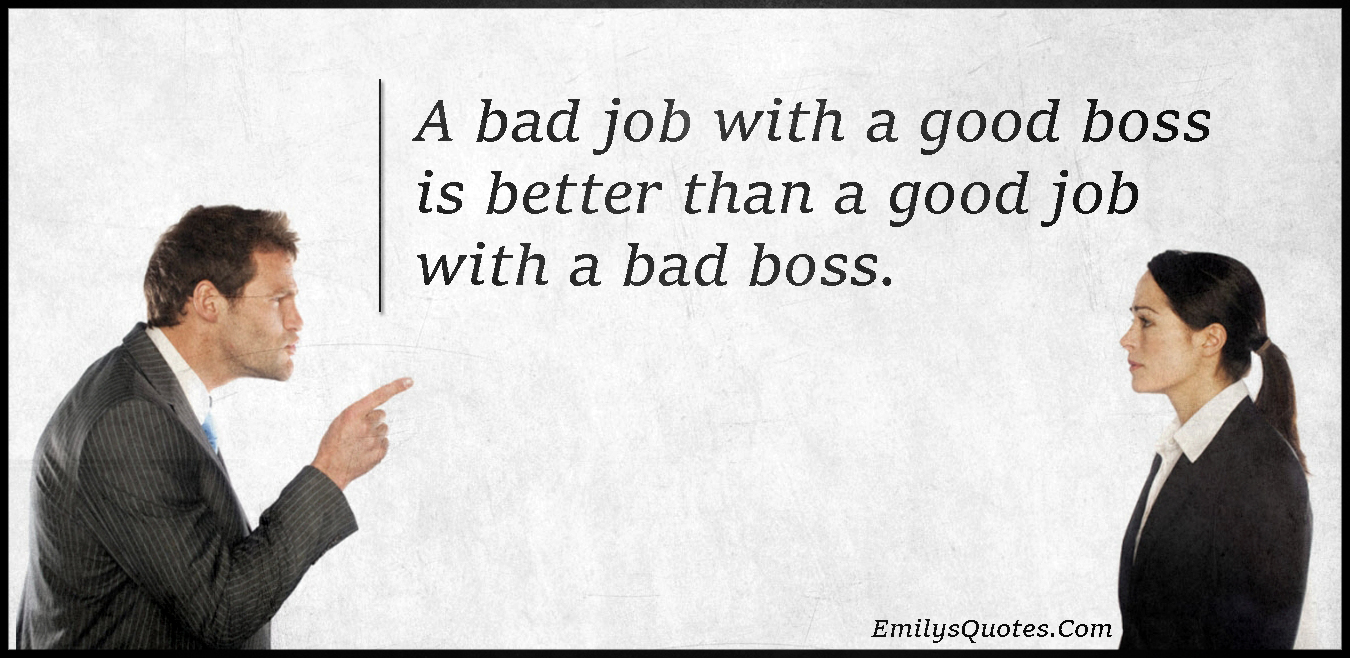
It is often said people don’t leave bad organisations, but leave bad bosses. And this is so true. When coworkers get together, stories are bandied about bosses and rarely are good managers discussed, but the spotlight is mostly on bad bosses. Many bosses fall into the bad boss category because they fail to provide clear direction, regular feedback, recognition for contributions, and a strategic framework of goals that enable their employees to see their progress. These kinds of bad bosses are what are called generic bad bosses because all employees need these types of support and feedback, and they suffer when they don’t receive it.

I’ve had my fair share of bosses, both good and bad. In my first job, we were a very young team, all of us fresh out of school and in our first jobs. The company was also a fairly young one, but the management were not very young, they had about a decade plus experience and you could probably call them middle management. While we didn’t really really report to them, they oversaw our work. My expectations with managers and bosses are most likely influenced by how they interacted with us. They were friendly and fair and had an open office policy. But one thing really stands out for me and is something that has been a sort of guiding principle for me all these years.

The office was a split office, with us in the ground floor and the managers and finance people in level 2. Officially the office would end at 5:30 pm and at 6 pm, one of the bosses, lets call him D would come down to go back home and if he saw us around, we would have to have a good reason why we were still around. 90% of the time, we were around, because we were hanging out with each other. Except for one, none of us were married and had no responsibilities, so there was no pressure to get out of the office and go home.

When D saw us hanging around, not leaving the office, he would ask us why were still there and used to say something like this. I am paraphrasing this, but he would say that if you are staying late because you have too much work, then there could be two reasons for this. One because you have too much on your plate or two because you have not finished your work in the scheduled hours of work. In both cases, we should have a talk, because if you have too much work, then we need to figure out how to reduce your workload and if it’s the second reason, then we also need to talk about why you are not able to finish your work on time. This is something that has always resonated with me and I have always tried to be as productive as possible while at work and leave on time as much as possible.

Another manager who made an impact in my life was someone who was my manager for the longest period of time. I was also in this organisation the longest, for almost a decade and of the multiple managers whom I reported to, this one was the one I reported to the longest. He was fair, but had his faults, the biggest of which was playing favourites. While I was not a favourite, I was also on his dislike list and so I escaped some of the worst things he said to others. From him I learnt how not to play favourites, especially when hiring people for the organisation and to not enable them so much they they believed to be above all others. He used to catch up with us every time he passed through Singapore but died a few years back.  

The third manager was someone whom I reported to for less than a couple of years, but he was a peer in terms of age. A very supportive manager, he gave me more responsibilities when he saw I could handle them and also credit where it is due. I learnt a lot from him, especially on how to manage people as he was someone who was friendly with everyone and even learnt some of the finer points of office politics from him. Unfortunately after about two years of reporting to him, he was transferred to a different country, but we are still in touch.

The last manager I was to talk about was the most toxic one. I have written about this person previously and even today, years after I left the organisation, I still have nightmares about how they used to literally torture me there. I can now think about them without my heart palpitating and getting stressed out, but it took me many years to get there.

Bosses are just like people, there are good ones and bad ones. A good boss or manager will set clear expectations from their subordinates, coach and give feedback, is inclusive and recognises efforts made by those reporting to him, knows his reportees, especially their talents and what they are good at and most importantly is there for them and takes a stand when it is needed.

A bad boss on the other hand, is everthing but what a good boss is. A boss is the umbilical cord that connects employees to an organisation, and if that cord is damaged, the employees will eventually leave. So if you are one of the lucky employees who has a great boss, don’t take that relationship for granted and show your boss how much you appreciate them.