

Port Dickson
A beach resort and the second largest urban area in Negeri Sembilan after Seremban, Port Dickson is named after the British officer, John Frederick Dickson in 1989 and is a favourite weekend getaway for those from Seremban, Port Klang and Kuala Lumpur and even Singapore. The town is known for its high-end hotel establishments, army bases, pristine beaches facing the Strait of Malacca, and a lot more.
The town used to produce charcoal and therefore was called Arang which in Malay means charcoal. There used to be a carbon mine at the first mile of the coast road which was named Jalan Pantai, but was later developed as a small port by the British during the Straits Settlement period. Port Dickson was also known as Tanjung which means a Cape in Malay, alluding to the town centre’s location on a small peninsula. The oldest shophouses were the four situated presently at Jalan Lama.
Historically what is today Port Dickson and nearby Lukut were then part of the Luak of Kelang, one of the original nine chiefdoms or luaks that formed the first iteration of Negeri Sembilan in 1773. By the early 1800s, it was then part of Selangor. On 30 July 1880, a meeting was held in Singapore between Sultan Abdul Samad, then Sultan of Selangor, Raja Bot, the ruler of Lukut district, Dato’ Kelana of Sungai Ujong as well as the British, in which Selangor ceded the district of Lukut to Sungai Ujong which later became the modern-day Negeri Sembilan.
Tin ore was plentiful in Lukut, an area within the Port Dickson district, during the 1820s, and it attracted Chinese immigrant miners. The British considered the area to have great potential as a harbour and it was intended to supersede the port in Pengkalan Kempas. The officer in charge was named Dickson, and the town was named Port Dickson after him. Others claim that Sir John Frederick Dickson, colonial secretary, and a senior official of the Federated Malay States founded Port Dickson and Pulau Arang in 1889. Soon Port Dickson evolved into a busy trading centre and railways were constructed to facilitate the growth and development of the town. Although Port Dickson experienced rapid development, its beaches are fairly well preserved.
Port Dickson, as a resort town, thrives primarily on tourism, but other sectors also contribute to the town’s economic growth. Along with Seremban, Port Dickson is part of the 1530 sq km Malaysia Vision Valley, a growth corridor initiated by the state government which aims to develop the western half of Negeri Sembilan to complement the existing development in the neighbouring Klang Valley and the Greater Kuala Lumpur area. Port Dickson has two refineries which make significant contributions to the local economy.
A former mining town, most attractions in Port Dickson are concentrated around the coast – the beautiful beaches of Pantai Cahaya Negeri, Tanjung Tuan, Teluk Kemang, Saujana, and Bagan Pinang present a host of adventures and fun for families and adrenaline junkies. The 18 km long beach from Tanjung Gemuk to Tanjung Tuan is a holiday destination for locals, especially those who come from the Klang Valley. Many Singaporeans have invested in holiday homes in and around Port Dickson and over the years, many hotels and resorts were opened to capitalise on the tourist draw. In the 1990s, Port Dickson boomed with new hotels and resorts being planned and constructed. Due to the Asian financial crisis of 1997, however, many of these projects stalled, leaving many unfinished buildings scattered along the Port Dickson coastline. While some of these half-constructed resorts are still abandoned, with the improving economy of the 2000s, many of the projects were eventually revived and completed.

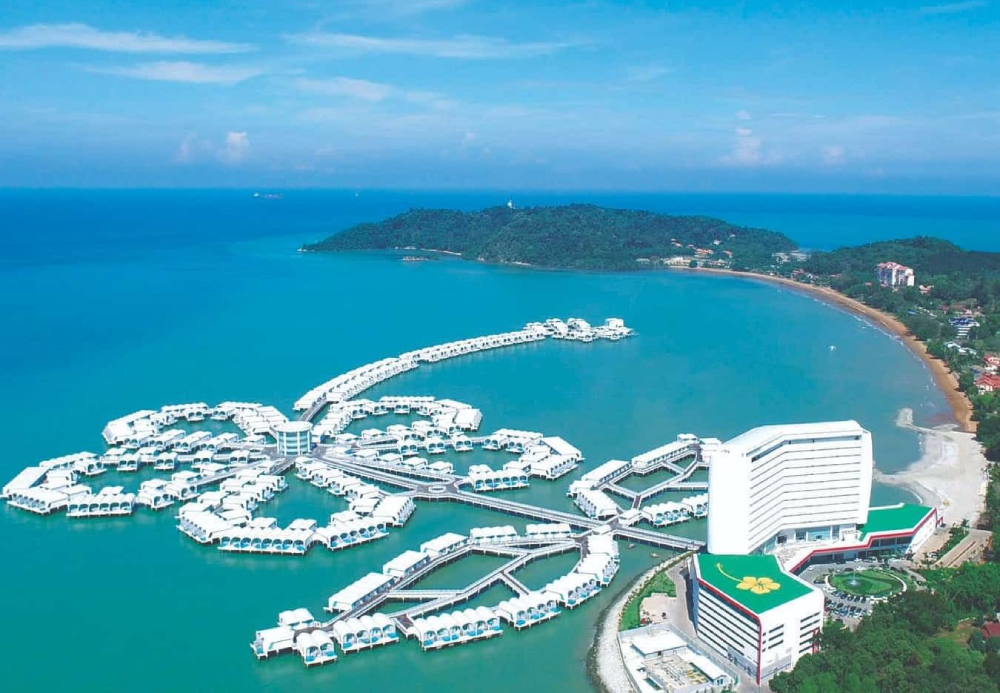
The newer five-star Admiral Marina & Leisure Club has good dock facilities for yacht travellers, sailboats and luxury cruisers and is a transit point for racing sailboats joining the Raja Muda Selangor International Regatta, the Royal Langkawi International Regatta and Thailand’s Phuket Kings Cup regattas.
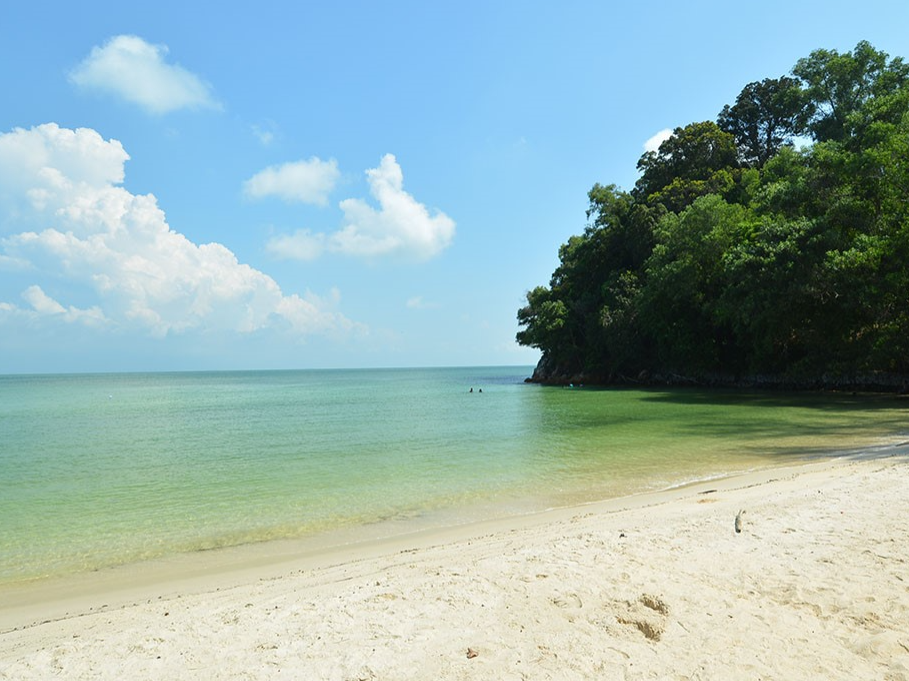
Lying about 17 km south of Port Dickson right before Cape Rachado, the Blue Lagoon is a compact yet quite popular beach in the area. Locally referred to as Tanjung Biru, the beach is surrounded by a dense cover of hills and vegetation which makes the beach stand apart. Due to its proximity to the Tanjung Tuan Forest Reserve, wildlife sightings especially migratory birds, monkeys and squirrels are a common sight in this region. The water at the beach remains calm and is shallow which makes it safe for kids to play around in. This also makes for a great location for water sports. Hidden under the beach water lie several coral reefs which add to the ambience of the beach and are an attraction for divers. Blue Lagoon Beach also accommodates several market stalls, food vendors and a hawker centre which make it a great picnic spot. The best time to visit the beach is on a weekday between 10 am and 5 pm.
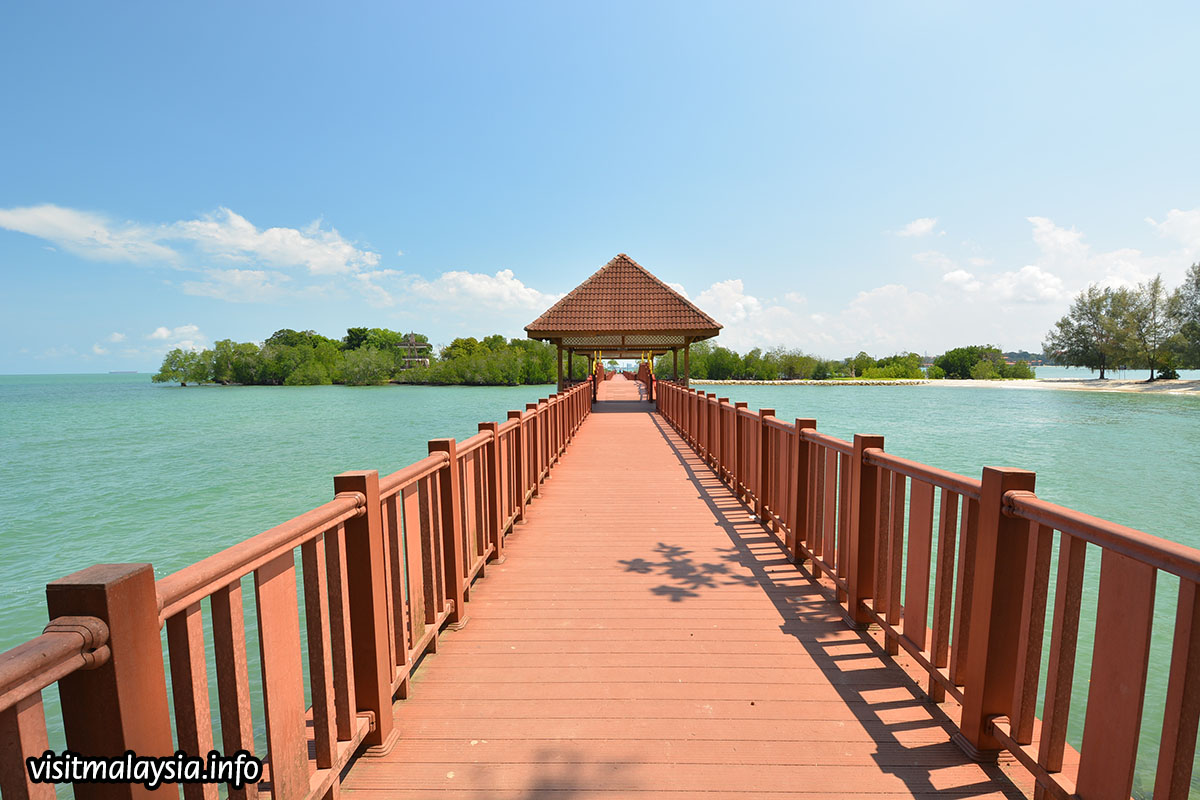
Located on a coastal strip between the 5th and 6th mile of Port Dickson, about 8 km away, Cahaya Negeri or Pantai Cahaya Negeri is a white-sandy gleaming beach. This shimmering beach features an artificial cape with a recreational park that accommodates some soothing picnic spots. This crowd-pleasing venue is quite popular for its phenomenal sunset views. There is a beautiful wooden bridge called Lover’s Bridge constructed on the eastern edge of the beach’s entrance which is a wonderful spot to take photographs and the bridge leads you to Pulau Burung or Bird Island a coastal mangrove area. On this island, there’s a wonderful watchtower which offers a jaw-dropping view of the coastline of Port Dickson. Activities like camping, hiking, water sports, boating, fishing, and barbeques can be done at the beach. There are public toilets available here which charge between 50 sen to RM 1.

Located on the 7th mile of the Port Dickson coastal road, Wan Loong Chinese Temple is a Buddhist Chinese Temple. Wan Loong means the Dragon of the Clouds and has been built to honour several deities including the Monkey King and Kuan Yin or the Goddess of Mercy. The temple has an aesthetic colourful appeal with its traditional architecture comprising carved Chinese motifs and dragons. The fortress wall of the temple and the pools full of colourful fishes and a giant turtle are its exclusive features. There is a tortoise in the temple pond which is believed to bring good luck when visitors touch it. It is recommended to visit the Wan Loong Temple between 9 am and 1 on to avoid excessive crowds.

Sri Anjaneyar Temple is a temple dedicated to the monkey god, Lord Hanuman and is quite famous owing to the mystical stories attached to it. It’s believed that the Hanuman statue placed in the shrine had itself turned its head to face the town of Rameswaram in Tamil Nadu in India. The head-shifting occurrence is said to have happened in 1996 when a foreign photographer was clicking pictures of the shrine. And when he returned to click some more shots, he was shocked to see the change in the position of the idol’s head. Some believe that due to the strong bond that Lord Hanuman shared with Lord Ram, the idol turned its head towards Rameswaram. According to others, the idol turned its head because Lord Hanuman was against the meat and alcohol that was originally offered in the temple. The temple is open daily, from 7:30 to 9 am and then again between 7:30 to 9 pm.
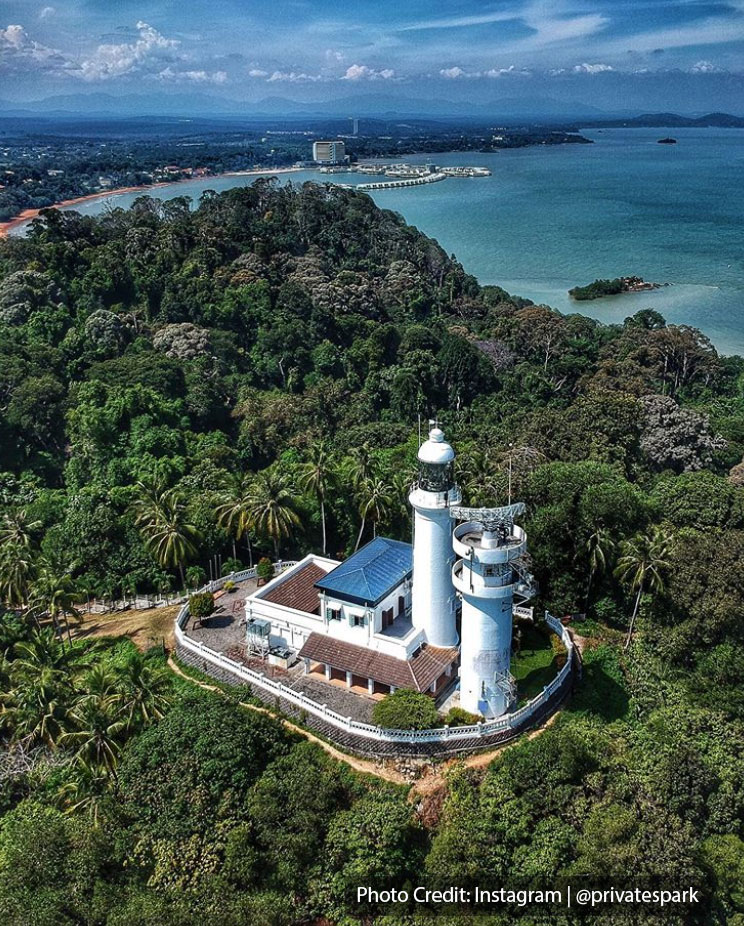
Cape Rachado is an enclave of the state of Malacca about 18 km from Port Dickson. It is the Portuguese name for Tanjung Tuan and is the only coastal forest in Malaysia. Cape Rachado was declared a permanent forest reserve by the Forest Department of Melaka in 1921 and was also gazetted as an International Bird Area and a Wildlife Sanctuary. The forest reserve attracts bird watchers from all over and is visited by more than 300,000 migratory birds and more than 177 species of flora. It is well known for its iconic Cape Rachado Lighthouse. It’s a great place for visitors who want to experience the evergreen forest and the beautiful ocean in the same place. The Cape Rachado Lighthouse was built by the Portuguese in 1511 and was used to guide ships along the Straits of Melaka. It was rebuilt in 1863 and offers a spectacular view of the sea and the Straits of Melaka. With a height of 24 meters, the masonry tower is accessible only by foot and is located in an enclosed woodland, which makes it a perfect spot for bird watching. March would be the ideal time to visit Cape Rachado as the Raptors Watch takes place during this time of the year. The morning hours of the day are usually the ideal time to visit the place as it’s cooler. There is an entry fee of RM 1 to access the place.

The Lukut Fort and Museum is a historical recreational site in Port Dickson. The fort was built in 1847 by Raja Jumaat and is in ruins today. Its antiquities are displayed in the Lukut Museum which was built in 1999. Located 6 km from Port Dickson, the Lukut Fort and Museum is now a recreational historical site with a park and gazebos maintained by the government. The entrance is free to the fort and museum. The museum is situated in a former bungalow of a district officer. This double-storey building has 4 galleries housing artefacts relating to the local history dating back to the tin mining era, culture and traditions. One of the artefacts on display includes a Portuguese bronze canon from a shipwreck during the Battle of Cape Rachado. Other displays include pottery shards, stoneware plates, porcelain belonging to the Qing Dynasty and clay floor tiles. Gallery C & D are temporary exhibition galleries displaying exhibits relating to different themes every year. The fort and museum are open between 9 am and 6 pm and entrance is free.
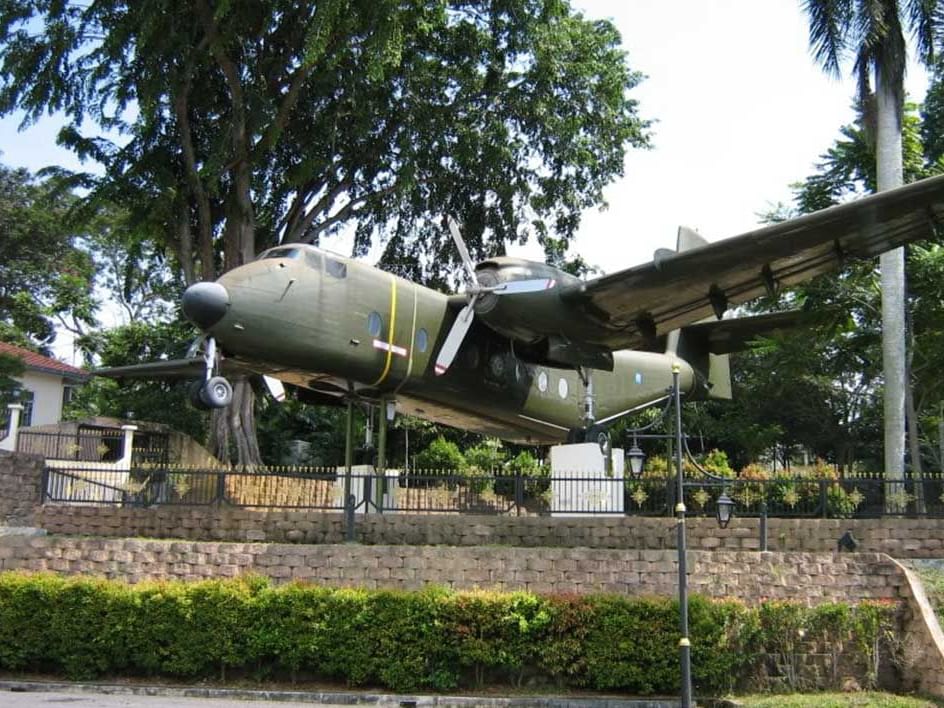
Set in two old army buildings, the Port Dickson Army Museum is dedicated to Malaysian army artefacts. Also known as Muzium Tentera Darat, it houses 9 galleries along with outdoor exhibits that trace the army from the 16th century Melaka Sultanate to the British era. One very interesting exhibit is the CPM or the Communist Party of Malaya Tunnel which has been recreated underground similar to the one used by the bandits who conducted all their activities here during the Emergency. There’s a collection of various military aircraft and helicopters, armoured vehicles, field guns, artillery pieces and a steam locomotive on display here. Another gallery focuses on the modern army and its UN peacekeeping missions. The museum has a cafe, a souvenir shop, toilets and a surau as well. The museum has free entry fees and is open between 9:30 am and 6 pm.
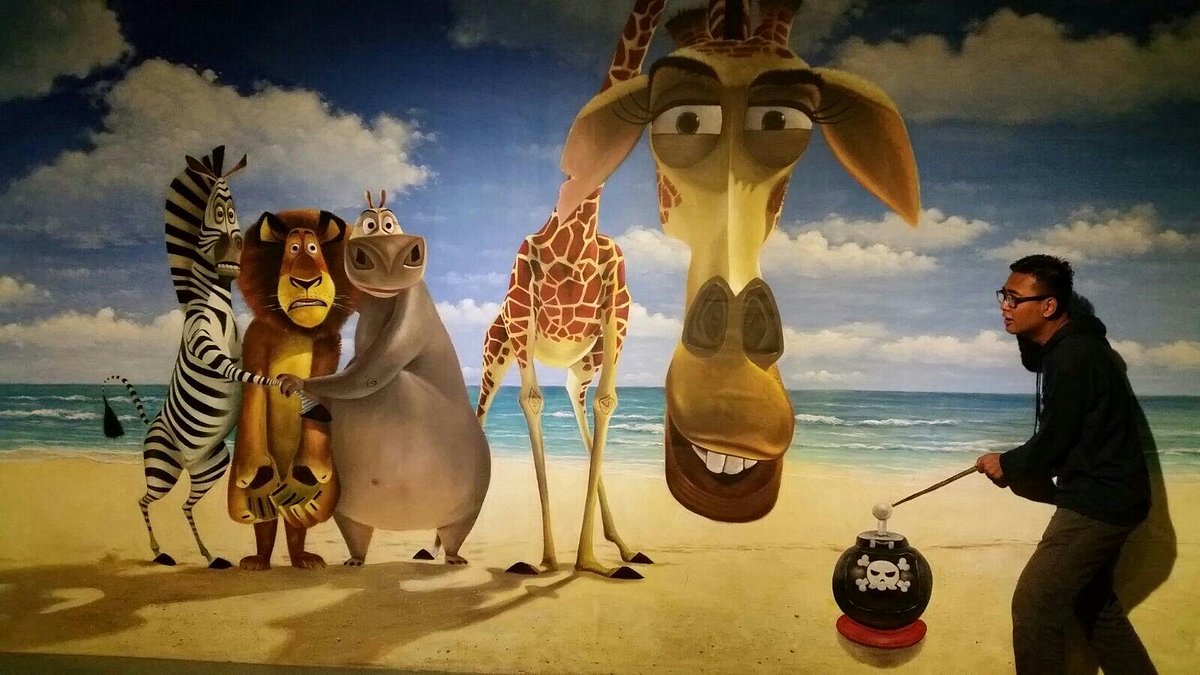
Home to paintings and optical illusions, the Alive 3D Art Gallery leaves visitors amused and enthralled. The paintings are three-dimensional which let the people be a part of the painting. The paintings are divided into five zones. The Wild West Cowboy Indoor Theme Park is a must-visit if one is planning to go to the gallery. The gallery is open from 11 am to 10 am on weekdays and Sundays and from 10 am to 11 pm on Saturdays. The Wild West Cowboy Theme Park is open from 12 noon to 10 pm on weekdays, 10 am to 11 pm on Saturdays and 10 am to 10 pm on Sundays and Public holidays. It is closed on Tuesdays unless it is Malaysia School Holiday or Public Holiday.

The Teluk Kemang Observatory, also known as the Baitul Hilal Complex is a modern space observatory and is one of the most reputed observatories in the region and boasts of an extensive collection of sophisticated telescopes. The observatory provides a jaw-dropping view of the Straits of Melaka and is a perfect setting for stargazing. It is a popular place for astronomical gatherings and observations. One of its telescopes, a 24-inch spectacular beauty was purchased for RM 2 million and is well known for its accurate observations. The view from the telescope is dependent on the weather and the night sky, however, visitors can even see Saturn or Jupiter on a clear day. The observatory is open between 3 and 5 pm and again between 10:30 pm and midnight.

Pusat Ikan Hiasan is a fish centre located at the northern end of Port Dickson in Teluk Kemang. The centre boasts a wide diversity of fish species and also acts as a breeding and conservation centre for marine life. It is famous for its sea turtles on display and traces their lifecycle from hatchlings to adulthood. The port is being managed by the Department of Fisheries and also holds an incubator site for commercial coral reef entrepreneurs. The market is open from 8:30 am to 4:30 pm on weekdays and is closed for a prayer break on Fridays between 12:15 and 2:45 pm. On weekends it is open from 10 am to 4 pm.
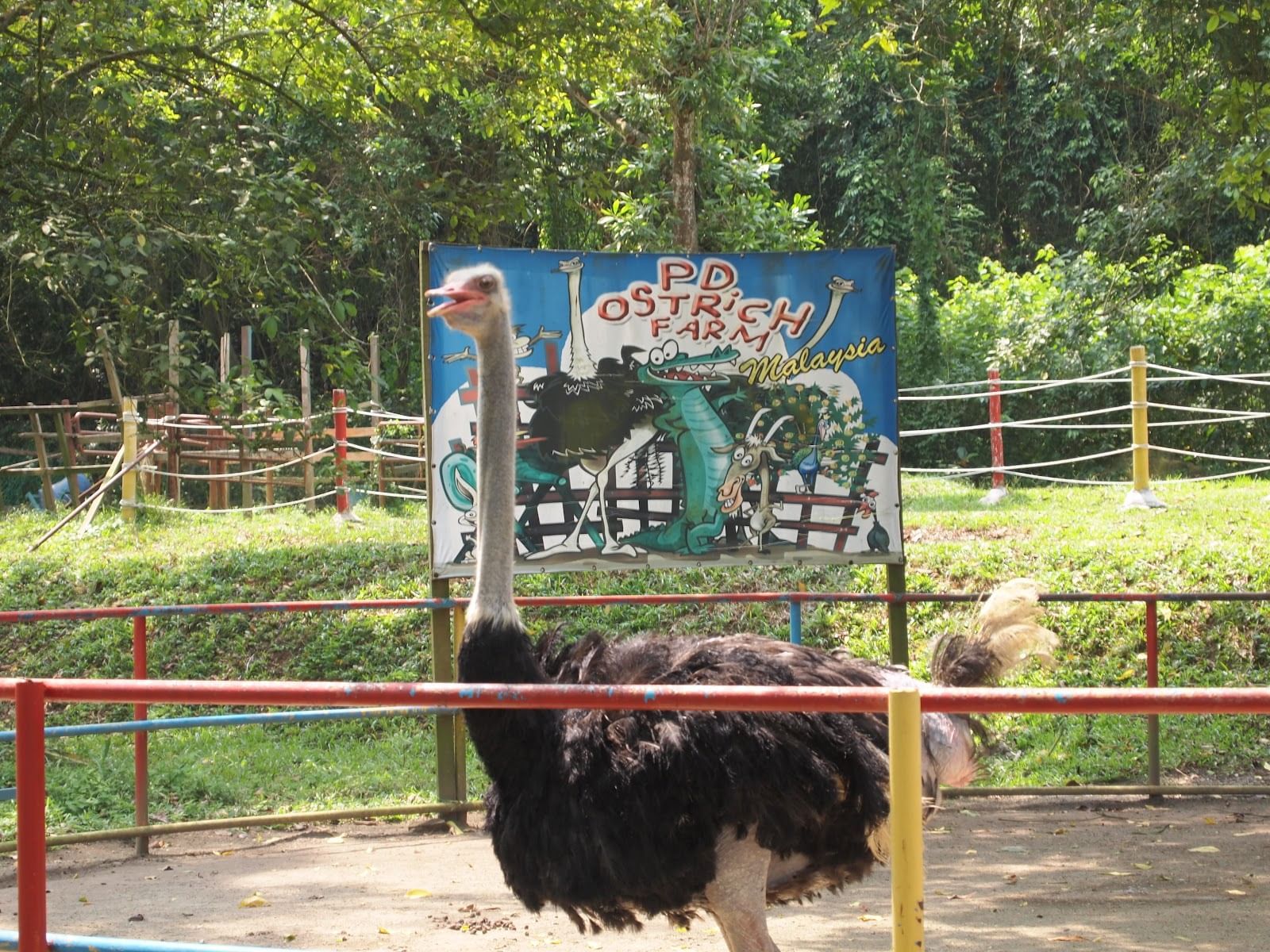
The PD Ostrich Show Farm is an ostrich farm popular for ostrich and pony rides. The show farm offers activities like petting and feeding ostriches, rabbits, horses, peacocks and guinea pigs and learning interesting facts about ostriches. Children particularly have a wonderful time at the PD Ostrich Show Farm where they get to run around rabbits and enjoy ostrich rides. The show farm has a cafeteria where one can enjoy the signature Ostrich Satay. It is open between 9 am and 6 pm every day. Entry fees are RM 15 for Malaysian adults and RM 10 for children who are Malaysian. For foreigners, adults pay RM 20 while children pay RM 10.

Kuala Pilah
Kuala Pilah lies 40 km east of Seremban. The charm of this old valley town lies in its Chinese shophouses surrounded by traditional Malay village houses built on stilts. The countryside is a breath of fresh air with clear fresh water from Mount Angsi. A wonderful dragon fruit cultivation can also be seen here with beautiful kampongs and paddy fields on the way. Kuala Pilah is also known for its Minangkabau houses with a sloping buffalo horn roofline. There are rows of small shopping outlets in the newer and central suburbs.

Located in Johol, the Batu Maloi Cave is a 2.4-kilometre-long talus cave made up of fallen boulders of granite with a river flowing through it. It is said to be the longest granite cave in Malaysia and is popular among cavers. The Ulu Bendul Recreation is one of the most popular tourist attractions in Kuala Pilah. It is situated in the Angsi Forest Reserve, compartments 45 and 52 and is about 16 km away from Seremban. The site was established in 1972 and is a fun spot to hike and trek in the jungle paths. The Martin Lister Memorial, an arch designed in Chinese fashion, was established in 1901. It is a historical site that one can visit to pay respects and commemorate the Late Martin Lister who was killed for his efforts to end the violence and conflict of the secret Chinese societies that tortured Chinese migrants. The Sikh Gurudwara Sahib and the Sri Kanthasamy Temple as well as the Masjid India are places of worship in the town.
 Memories and Such