Recipes: Traditional South Indian Summer Coolers – Panakam

It’s been really hot these days here in Singapore and the week before last, when the festival of Ram Navami came around, I was really happy to make this traditional cooler as an offering to the Lord. This along with another summer drink called Neer Mor is traditionally offered as neividhyam or offering.

As I’ve previously mentioned, Ram Navami almost always came during the fag end of our annual exams back in India and was never really celebrated with pomp in our home, but my mum always used to make these coolers, which as a child, I rarely appreciated. As an adult, I love this drink and look for opportunities to make it.

The ingredients in this no cook drink probably are there for a reason. In the summer months, it is excessively hot in South India and each of these ingredients are meant to reintroduce sugar and hydrate you. Panakam brings down body heat and helps in preventing the human body from chicken pox in the summer. Jaggery purifies the blood, and is rich in iron, magnesium and anti-oxidants. Cardamom and ginger aid digestion, while lemon is rich in Vitamin-C and B-complex.

Panakam

Ingredients:

  • 1 cup chopped jaggery
  • 4 cups cold water
  • 1/4 cup lemon juice
  • 1/4 tsp cardamom powder
  • 2-3 cardamom pods
  • 1/2 tsp dry ginger powder (saunth)
  • 1/2 tsp julienned ginger (optional)
  • 1/2 to 1 tsp rock or pink Himalayan salt

Method:

  • Finely chop the jaggery and keep it in a large pan. Pour around 1 cup of medium warm water into the jaggery and let the jaggery melt.
  • If you feel that the jaggery has impurities, then strain the melted jaggery into a jug.
  • To the strained jaggery, add the remaining ingredients and then pour in the cold water.
  • You can play around with the ingredients, adding more or less, depending on your taste.
  • Serve cold. This really hits the spot on a warm summer day.

Notes:

  • Do not substitute jaggery for sugar. At a pinch, perhaps palm sugar may work, but the taste would not be the same as the panakam made with jaggery.
  • Use the darkest coloured jaggery you can find, because the colour of the drink is completely dependent on the colour of the jaggery used.

Mixed Vegetables in a Creamy Tomato Yoghurt Sauce

Last weekend, I was desperate to find something to make, but all ideas seemed to have dried up. So I started cooking, thinking inspiration will come along the way. I started making my gravy dish with zero idea of how it will turn out. This was literally my kitchen experiment. And I must say, this dish exceeded all expectations (which was fairly low to begin with, actually!). It was this mild but creamy dish which was at the same time, slightly tart with a hint of spiciness at the back of the throat. All in all, this recipe is a definte keeper. And the best part, it’s fairly easy (for an Indian dish) to put together.

Mixed Vegetables in a Creamy Tomato Yoghurt Sauce

Ingredients:

  • 2 cups mixed vegetables, chopped into small bite-sized pieces (I used broccoli, cauliflower, carrots, potatoes and green peas, but you could play around with what you have in the fridge)
  • 1/2 cup paneer, chopped to same size as the vegetables
  • 2 medium sized onions
  • 2 medium sized tomatoes
  • 1 tsp white sesame seeds
  • 1/2 tsp carom seeds
  • 1 tsp fennel seeds
  • 1 tbsp kasuri methi
  • 10 pieces of cashewnuts
  • 5-6 fresh red chillies
  • 1.5 inch piece of ginger, peeled and chopped
  • 1 bulb garlic, peeled
  • 1/2 cup plain yoghurt
  • 1 tsp cumin seeds
  • 1/4 tsp turmeric powder
  • 1/2 to 1 tsp garam masala powder
  • 1 tbsp oil
  • Salt to taste
  • 3 tbsp Coriander leaves, chopped to garnish

Method:

  • Heat the oil in a pan and when warm, add the cumin seeds. When the seeds pop, add the turmeric powder and stir for a couple of seconds.
  • Then add the chopped vegetables and cook covered, until almost cooked.
  • In the meantime, blend the ginger, garlic, red chillies, onions, tomatoes, cashewnuts, sesame seeds, carom seeds and fennel seeds into a smooth paste.
  • When the vegetables are almost cooked, add in the chopped paneer and stir to cover. Add salt to taste.
  • Then add the blended paste and mix well.
  • In the same blender, blend the yoghurt smoothly with water if needed and add this to the gravy.
  • Add water if needed to thin the gravy to the consistency you want.
  • Add the garam masala powder and stir well.
  • Crush the kasuri methi in your palms and sprinkle in the gravy.
  • Let it simmer on a medium-low flame for about five minutes.
  • Garnish with coriander leaves and serve hot with rice or any Indian flatbread of your choice
  • You could also add fresh cream along with the beaten yoghurt to increase the creaminess and richness to this recipe, especially if you are planning to make this for a dinner party.

Recipes: Dal Akbari

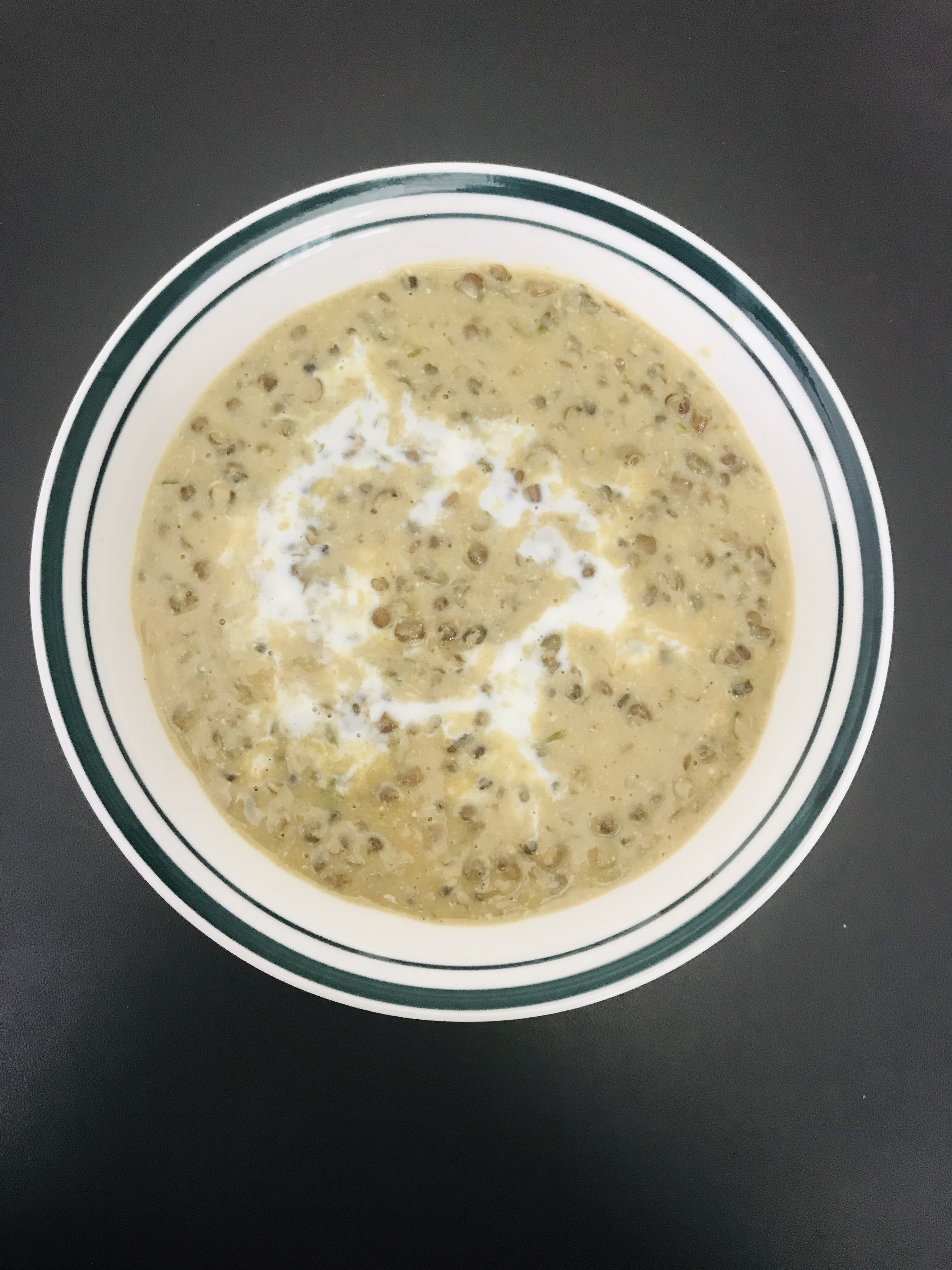
I first heard of this dish in a television drama where one character cooks a feast and one of the dishes was Dal Akbari. The name really intrigued me and I went online searching for the recipe. I found a recipe, which I bookmarked to make one day. This dish is most likely from the Mughal courts.

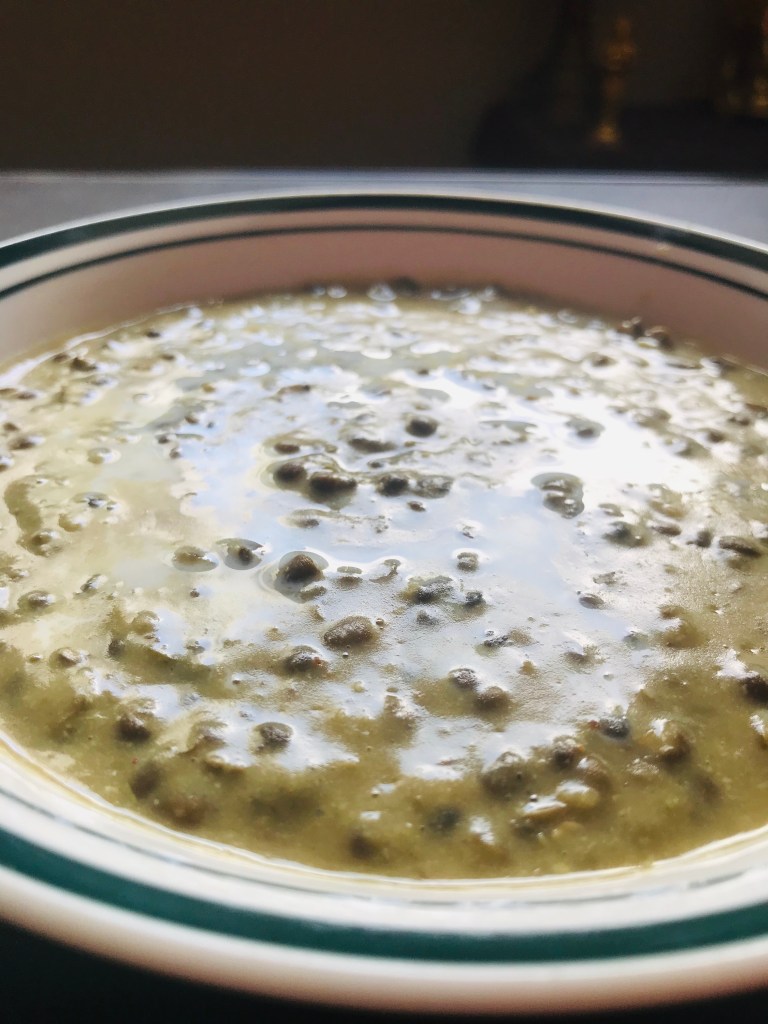
That one day came last week when I tried this dish. The dish didn’t look very appealing, but was very tasty. It didn’t take very long to cook, just the soaking time for the dal is quite long.

Dal Akbari

Ingredients:

  • 1 cup whole black urad dal (black lentils), soaked in water for 8 hours or overnight
  • 1/2 cup yoghurt, well beaten
  • 1 tsp cumin seeds
  • 1 tsp grated ginger
  • 1 tbsp dry mango powder (amchur powder)
  • 1 -2 tsp garam masala powder
  • 2 dashes nutmeg powder
  • 2 tbsp ghee or oil
  • Salt to taste
  • 2 tbsp finely chopped Coriander leaves to garnish

Method:

  • Wash the soaked urad dal and cook it in a pressure cooker till it is soft and mushy. Beat well and keep aside.
  • If using the stove to cook it, then cook it, stirring occasionally till it is soft and mushy. Keep aside.
  • Heat the ghee or oil in a pan and when the fat warms, add the cumin seeds and let them splutter.
  • Next, add the grated ginger and stir for a few seconds.
  • Then quickly add the well beaten yoghurt and some salt to stabilse the yoghurt and on a medium low flame, let the yoghurt come to a nice rolling boil. Keep stirring constantly to ensure that the yoghurt does not curdle.
  • When the yoghurt starts to leave the sides of the pan, add the dry spices – dry mango powder, nutmeg powder, salt and garam masala powder. You can also add red chilli powder if you like your dal spicy.
  • Pour the cooked dal over this and stir well to mix. Check for seasoning and add what is missing.
  • Garmish with coriander leaves and serve hot with rice or Indian flatbread.

Note: This recipe will also work well with the addition of fresh cooking cream. If you plan to add it, add it just before you add the yoghurt.

Recipes: Vegetable Jalfrezi

This ubiquitous dish found in most restaurant menus has its origin in colonial British India. The word Jalfrezi comes from the Bengali word jhālpharezī, which can be broken down jhāl meaning spicy food in Bengali and parhezī means suitable for a diet in Persian. Jalfrezi is usually prepared by stir-frying ingredients, a technique introduced to the region by Chinese cuisine.

I’ve never made Jalfrezi before and tried it one evening for dinner. This dish is not in a gravy form and could be best described as semi-wet. Since this is not a gravy dish, I decided to have rotis or Indian flatbread to go with it. If you want to have it with rice, either make it slightly more watery or pair it with any dal.

Vegetable Jalfrezi

Ingredients:

  • 1/4 cup cauliflower florets
  • 1/4 cup carrots, chopped lengthwise into 1.5-inch sticks
  • 1/4 cup potatoes, chopped lengthwise into 1.5-inch sticks
  • 1/4 cup frozen peas
  • 1/2 cup paneer, chopped lengthwise into 1.5-inch sticks
  • 1 large green bell pepper sliced lengthwise into 1.5-inch sticks
  • 1 garlic
  • 1-inch piece of ginger
  • 2 medium sized tomatoes, chopped roughly
  • 2-3 green or red chillies
  • 3 medium-sized onions
  • 1/4 tsp turmeric powder
  • 1 tsp red chilli powder
  • 1 tsp cumin powder
  • 1 tsp coriander powder
  • 1 tsp kasuri methi
  • 1 tbsp butter
  • 1 tbsp oil
  • Salt to taste

Method:

  • Chop two onions roughly and keep aside. Cut the balance onion into two and slice the two halves into thin slices and keep aside.
  • In a blender, blend together the chopped onions, tomatoes, ginger, garlic and chillies into a fine and smooth paste and keep aside.
  • Heat the oil in a pan and lightly fry the paneer till they become slightly brown. Remove with a slotted spoon and drain on a kitchen tissue and keep aside.
  • In the same pan, add the butter and add the chopped vegetables and stir fry on high heat for around 5 minutes, stirring continuously till the vegetables are almost cooked, but still crunchy. Remove from the pan using a slotted spoon and keep aside.
  • Now add the sliced onions and stir fry till the onions become translucent. Then pour in the blended paste and stir well. Let it come to a rolling boil.
  • Add the spices – turmeric powder, red chilli powder, cumin powder and coriander powder plus salt and mix well. Let it boil until the oil separates. We don’t want the gravy to be thin, so let it boil down until you can just coat the vegetables.
  • Then add the stir-fried vegetables and the paneer and give it a quick stir to coat the vegetables with the gravy evenly. At this point, you need to have a semi-wet kind of gravy, more dry than wet actually.
  • Check for seasoning and add the kasuri methi after crushing it with your palms to release the oils.
  • Garnish with coriander leaves and serve hot with rotis or any kind of Indian flatbread.

We really loved this dish and this is a keeper for sure! I would also use beans, baby corn and even mushrooms in the future.

Recipes: Mixed Vegetable Korma

Korma, Kurma or Qorma has its roots in Mughlai cuisine tracing its history back to the 16th century and consists of meat or vegetables braised with yoghurt or cream, coupled with water and spices to produce a thick sauce or glaze.

Various regions in the Indian subcontinent have made it their own and though it started life as a meat dish, it has vegetarian versions also, one of which I made a few days back for our Sunday lunch.

My recipe is a simplified version and is fairly easy to make. It took me around 45 minutes from start to finish to make this dish.

Mixed Vegetable Korma

Ingredients:

  • 2 cups mixed vegetables (I used a combination of carrots, potatoes, broccoli and peas. You can also add cauliflower, spinach and cabbage)
  • 1 cup frozen paneer, soaked in hot water for 30-40 minutes
  • 2 medium-sized onions
  • 2 medium-sized tomatoes
  • 4-6 almonds
  • 4-6 fresh red chillies (you can use green chillies if you don’t have red chillies)
  • 1 pod of garlic (10-12 cloves)
  • 1-inch piece of ginger
  • 1 tsp of red chilli powder
  • 1 tsp cumin powder
  • 1 tsp coriander powder
  • 1 tsp Kasuri methi
  • 1/2 tsp turmeric powder
  • 1-2 tsp garam masala powder
  • 1 tsp cumin seeds
  • 1/2 to 3/4 cup thick beaten yoghurt
  • 2 tbsp oil
  • Salt to taste

Method:

  • Heat 1 tbsp oil in a pan and when the oil warms, add in the chopped vegetables plus 1/4 tsp turmeric powder and cook until it is 80% cooked. When cooked, remove from the pan and keep aside.
  • In a blender, blend to a fine paste the onions, tomatoes, ginger, garlic, red chillies and almonds and keep aside.
  • In the same pan you used to cook the vegetables, heat the remaining oil and when the oil is warm, add the cumin seeds. When the seeds pop, pour in the blended tomato paste and let it cook. When the paste starts to bubble, add the dry spices – red chilli powder, turmeric powder, cumin powder, coriander powder and salt and let it cook till the paste starts to reduce and oil starts to come out from the sides.
  • At this point add the semi-cooked vegetables and stir well. Let it come to a rolling boil. You can add some water, but be careful not to water down the gravy too much.
  • Reduce the flame to a low medium and pour in the beaten yoghurt. The yoghurt should be very smooth otherwise it may curdle. The presence of the masalas and the ginger garlic paste does not allow it to curdle, but keep stirring on a low flame so that it is not allowed to curdle.
  • Chop the paneer (optional) and add to the gravy. I prefer to chop the paneer to the same size as that of my vegetables, but you can choose to keep it as you brought it.
  • Check for seasoning and crush the Kasuri methi in the palms of your hands and season the gravy with it.
  • Serve hot garnished with coriander leaves.
  • This goes very well with Indian flatbreads or rice. I served it with a simple jeera rice.