Sacred Stones, Spaces, and Stories: Jyotirlingas Part 9 – Trimbakeshwar Temple

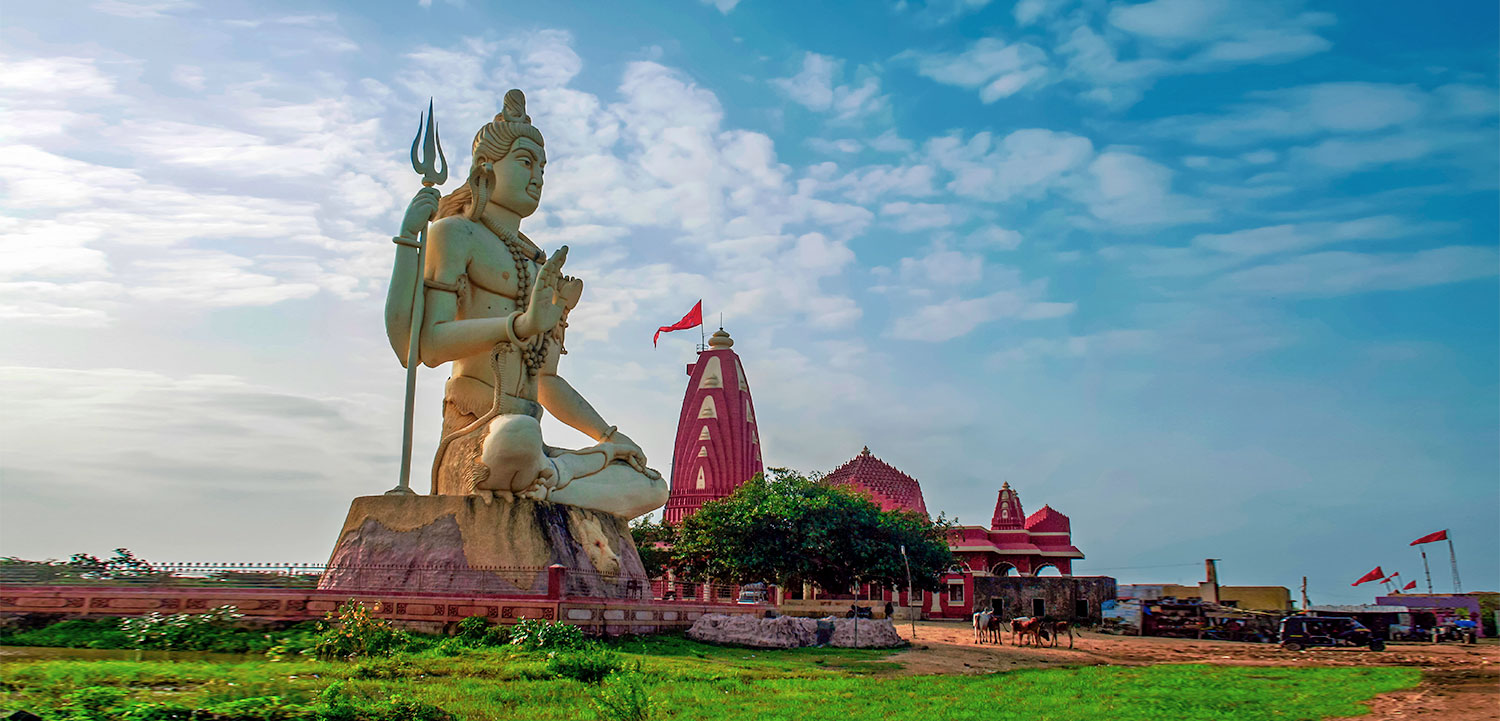
Located in the holy town of Trimbak, near Nashik, the Trimbakeshwar Temple in Maharashtra is one of the twelve revered Jyotirlingas of Lord Shiva. Unlike others, this temple’s lingam uniquely features three faces, embodying the Hindu Trinity: Brahma, the Creator; Vishnu, the Preserver; and Shiva, the Destroyer, symbolising the cyclical nature of existence and cosmic balance. Situated near the sacred Brahmagiri hills, the temple also marks the origin point of the sacred Godavari River, India’s second-longest river and a vital lifeline for millions. The Trimbakeshwar Temple combines architectural grandeur, profound mythology, and spiritual potency, drawing devotees not only seeking moksha but also healing and liberation from ancestral sins.

Trimbakeshwar Temple’s mythology is closely intertwined with cosmic balance, penance, and divine grace. According to the Shiva Purana and other scriptures, a celestial dispute arose between Brahma and Vishnu over supremacy. Shiva intervened by appearing as an infinite pillar, or linga of light, challenging them to find its beginning or end. Brahma, taking the form of a swan, lied that he had found the top, while Vishnu, as a boar, admitted defeat in searching below. Enraged, Shiva severed Brahma’s fifth head and decreed he would never be worshipped widely. Shiva then manifested as the three-faced Jyotirlinga here at Trimbak, symbolising the unity of creator, preserver, and destroyer, an eternal trinity in a single form, embodying the cosmos itself.

The epic Padma Purana recounts the story of Sage Gautama and his wife, Ahalya, living near the Brahmagiri range. To absolve Gautama’s sin of accidentally killing a cow, Shiva granted him a boon by releasing the heavenly Ganga at Brahmagiri, which took the earth form as the Godavari River, a life-giving force to the region. Devotees believe the water from Godavari holds the purifying power of Ganga itself.

Trimbakeshwar uniquely hosts several rare and potent rituals like Narayan Nagbali and Kalsarpa Shanti, designed to remove curses and ancestral afflictions. The temple is thus not only a place of worship but also a cultural hub for spiritual healing, fostering communal and familial renewal.

Trimbakeshwar Temple’s origins trace back several centuries, combining mythic legacy with documented history. Though mythology situates the Jyotirlinga here since cosmic times, the earliest structural evidence dates from the medieval period, potentially around the 2nd millennium CE, with successive rulers enhancing the temple. The present structure was mainly built by Balaji Baji Rao, aka Nana Saheb Peshwa, between 1755 and 1786 CE. Using black basalt stone typical of the Hemadpanthi architectural style, Nana Saheb rebuilt the temple in grand form, inscribing his legacy on one of Maharashtra’s holiest sites.

During the British era, an unfortunate theft led to the disappearance of the famous Nassak diamond that once adorned the lingam’s crown. The diamond’s history intertwines with colonial conquest and Indian royal heritage but remains a subject of fascination.

Trimbakeshwar Temple is a classical example of Hemadpanthi architecture, characterised by its simplicity, robustness, and refined stone craftsmanship. The temple structure is primarily basalt stone, durable against time and monsoon. The sanctum houses the three-faced Jyotirlinga with faces toward east (Brahma), north (Vishnu), and south (Shiva). Multiple mandapas (pillared halls) and prakara (boundary walls) enable the flow of devotees and rituals. The temple features intricate carvings on pillars and ceilings depicting scenes from Shiva’s legends and Hindu cosmology. A large number of smaller shrines within the compound honour related deities like Ganesha, Kartikeya, and Annapurna. Located near the Brahmagiri hills, the source of the Godavari River, the temple’s environment reflects sanctity and serenity, with the surrounding landscape playing a pivotal role in the temple’s spiritual ambiance.

Trimbakeshwar’s rituals are known for their depth and spiritual efficacy. The core ritual includes bathing the lingam with water, milk, honey, and other sanctified items, accompanied by Vedic chanting. Morning and evening lamp ceremonies infuse the temple with devotion and energy. Devotees bring bilva leaves, coconuts, sweets, and sacred threads for blessings and ancestral peace.

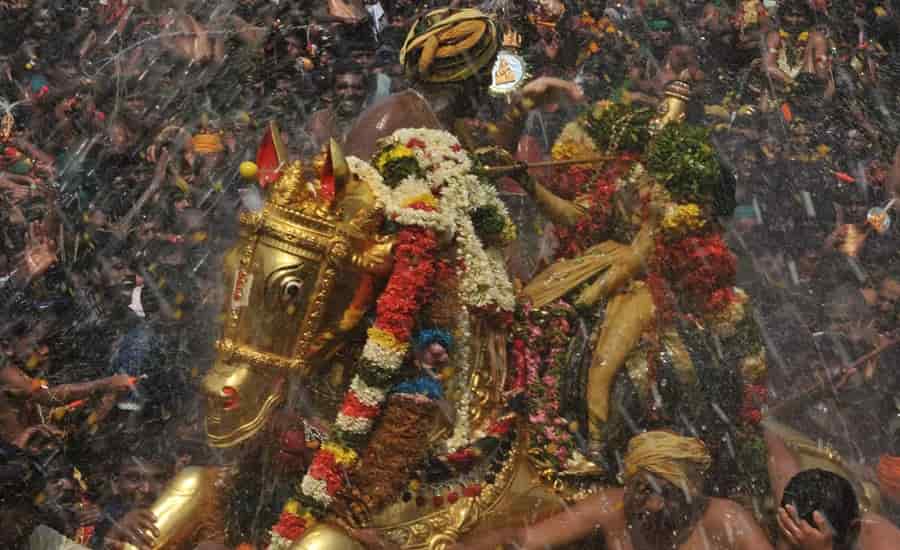
The Narayan Nagbali and Kalsarpa Shanti are special puja and rituals that address lingering curses and financial or familial troubles. The Tripindi Shraddha honours ancestors to ensure their peace. Local priests and family lineage priests guide these elaborate ceremonies. Mahashivaratri is celebrated with mass pilgrimages, fasting, music, and all-night prayers, while during the month of Shravan, devotees flock here especially on Mondays, considered highly auspicious for Shiva worship. Community participation is high, involving locals and pilgrims in ceremony preparation and hospitality.

Pilgrims undertaking the Trimbakeshwar yatra partake in both spiritual devotion and scenic beauty. The temple is about 30 km from Nashik; it is reachable by road, with ample transport options. Situated in a peaceful small town, the temple is accessible year-round, augmented by nearby spiritual sites and nature spots. Temples, dharamshalas, restaurants, and shops cater to pilgrims, creating a friendly and supportive atmosphere. The nearby Brahmagiri hills, with their natural springs and forests, enhance the pilgrimage’s contemplative quality. Many pilgrims report a palpable blend of serenity, inspiration, and sacred presence while visiting, especially near the Godavari’s source.

Trimbakeshwar resonates deeply in Maharashtra’s religious, literary, and cultural traditions. Manifested in Marathi and Sanskrit devotional songs praising Shiva and the Godavari. Local folklore integrates the temple’s legends into wider narratives. Festivals see congregations performing folk dances, bhajan singing, and dramatic retellings of Shiva’s feats. Local artisans produce temple souvenirs, sacred icons, and embroidered textiles inspired by temple motifs. The temple’s triadic symbolism influences Maharashtra’s religious art. The temple anchors Nashik district’s cultural life and spiritual identity, strengthening bonds across communities and generations.

Trimbakeshwar remains a living spiritual centre adapting to contemporary demands. The temple trust manages daily worship, festivals, upkeep, and visitor services. Digital registrations and pilgrimage facilitation enhance accessibility. Over the years, tourism and pilgrimage growth have been steadily rising with massive foot traffic, especially during auspicious periods. There have been attempts to integrate pilgrimage with ecotourism in the surrounding hill areas as well as the conservation of local heritage sites in the temple vicinity.

The Trimbakeshwar Temple stands as a unique confluence of divine triune power, mythic rivers, and architecture resonating through time. As an enduring beacon of the Jyotirlinga tradition and the source of the Godavari, it offers devotees a path to cosmic understanding and salvation. Through centuries of faith, ceremony, and story, Trimbakeshwar nurtures devotion within Maharashtra and beyond, inviting all to experience Shiva’s three-faced grace in the heart of the Sahyadri hills.

Sacred Stones, Spaces, and Stories: Jyotirlingas Part 8 –  Kashi Vishwanath Temple

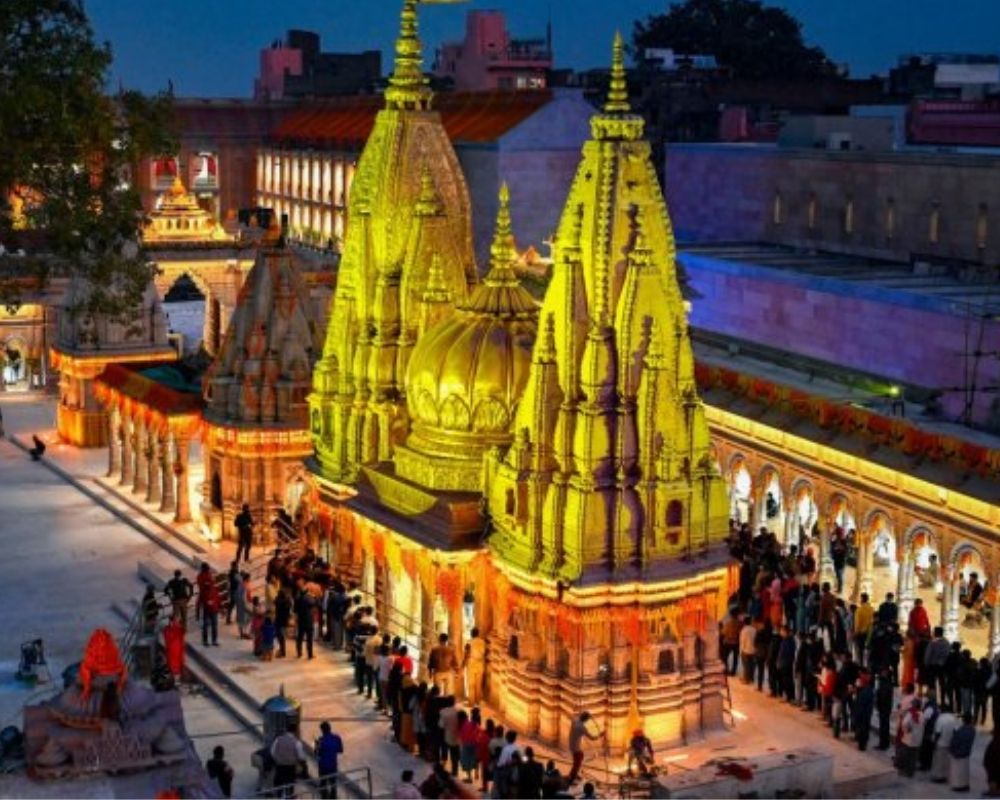
Nestled on the western bank of the sacred River Ganga, in the ancient city of Varanasi, or Kashi, stands the illustrious Kashi Vishwanath Temple, one of the twelve Jyotirlingas of Lord Shiva and the spiritual heart of India’s Sanatan tradition. Revered also as the Golden Temple, it is a focal point of worship, legend, and liberation for millions of Hindus. As Vishwanath, the Lord of the Universe, Lord Shiva is believed to grant moksha, or spiritual emancipation, to anyone who worships here, elevating the temple and city as a central axis between earthly existence and cosmic consciousness.

The mythos surrounding Kashi Vishwanath Temple is grand, profound, and universally resonant. The core myth traces back to the primordial dispute between Brahma, the creator, and Vishnu, the preserver, over their supremacy in the cosmos. Shiva intervened by manifesting as an infinite pillar of light, a Jyotirlinga at Kashi, challenging both gods to find its beginning and end. Vishnu transformed into Varaha or boar to search below, while Brahma, in the form of a swan, soared above. Vishnu admitted his inability to locate the pillar’s roots, but Brahma falsely claimed he had found the summit.

Angered by the deceit, Shiva punished Brahma by cutting off his fifth head and decreed that Brahma would never be worshipped. In contrast, Vishnu’s truthfulness was rewarded with eternal reverence. Shiva then divided his cosmic light among twelve sacred locations, today’s Jyotirlingas, with Kashi Vishwanath as one of the most luminous. The temple thus stands not just as a shrine, but as the very boundary between divine truth, cosmic radiance, and the ultimate liberation, moksha.

Legend declares that Shiva himself chose Kashi as his eternal abode. When Goddess Parvati’s mother expressed concern for Shiva’s humble dwellings, arrangements were made for Shiva’s permanent residence at Kashi, through boons given to king Divodas and the Brahmin Aunikumbha.

Another tale, integral to Varanasi, involves Maa Annapurna, Goddess of Nourishment. When a crisis of hunger struck Kashi, Shiva petitioned Annapurna to remain in the city, guaranteeing none would go unfed. Her adjacent temple ensures food as prasad, symbolising the fusion of material and spiritual sustenance for all who come to Kashi.

Kashi is said to be older than legend itself. The Skanda Purana’s Kashi Khand segment mentions the Vishwanath shrine, tying it to the city’s founding myths. Throughout history, Kashi Vishwanath Temple has endured relentless cycles of destruction and rebirth. Some traditions attribute the earliest temple to King Harishchandra or Vikramaditya. The temple was destroyed by Qutb-ud-din Aibak’s forces in 1194, rebuilt and demolished in the succeeding centuries by Iltutmish, Sikander Lodhi, and others. It is believed that Raja Man Singh I rebuilt the temple, but subsequent Mughal rulers razed it repeatedly, notably Aurangzeb who built the Gyanvapi mosque on the site in the 17th century. In 1780, Maharani Ahilya Bai Holkar of Indore resurrected Kashi Vishwanath Temple at its present location, restoring it as the heart of Varanasi’s sacred geography. The temple’s turbulent history, enduring destruction for faith, and rebirth with devotion mirror Shiva’s own cosmic dance.

From the 19th century onward, further adornments were made. Maharaja Ranjit Singh of Punjab donated 1 ton of gold, giving the temple its famous golden spires. The Rana of Nepal gifted the massive stone statue of the Nandi bull, now a temple icon.

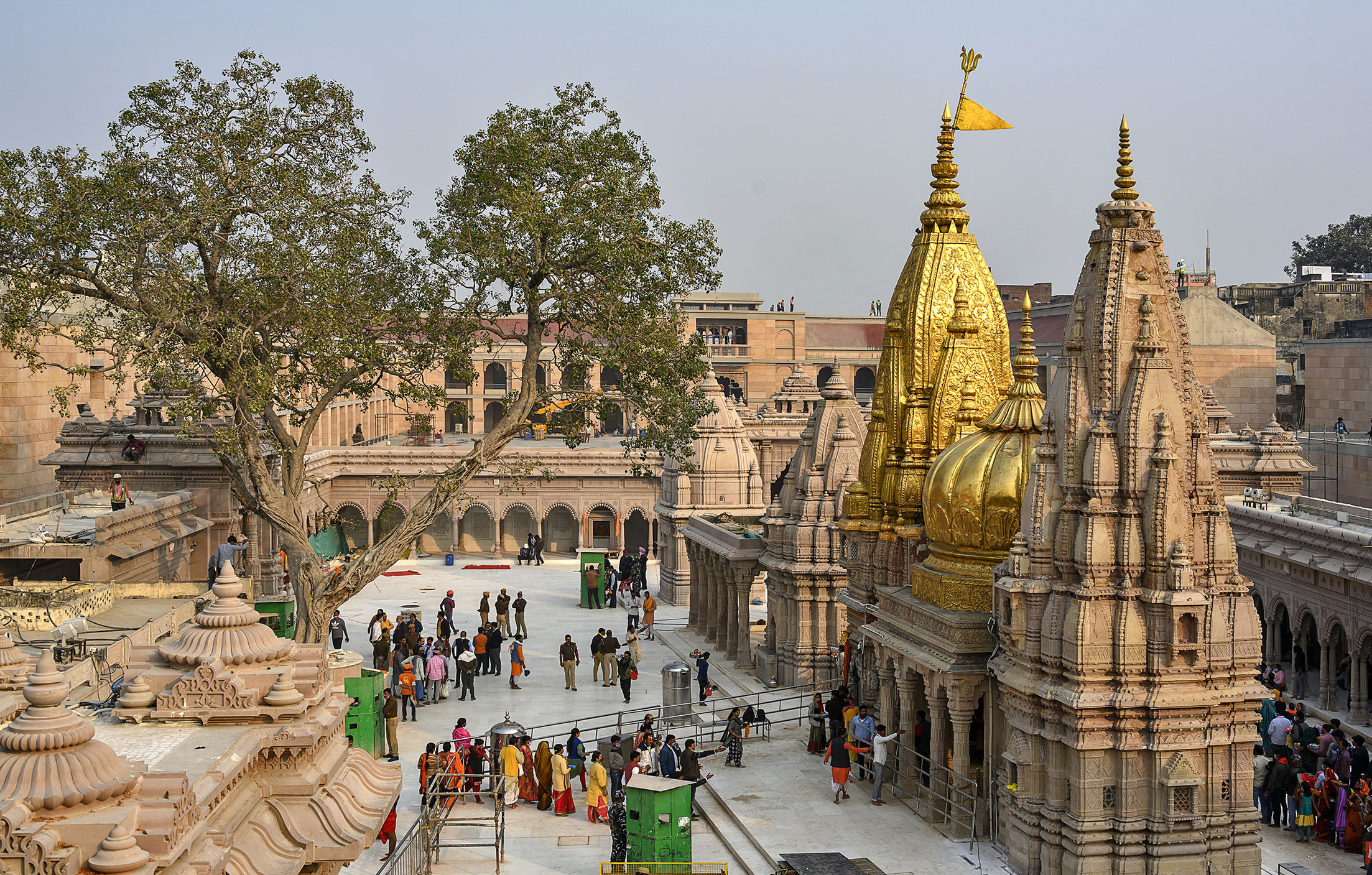
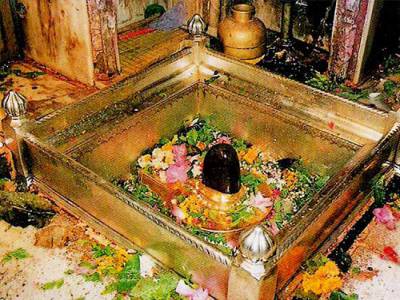
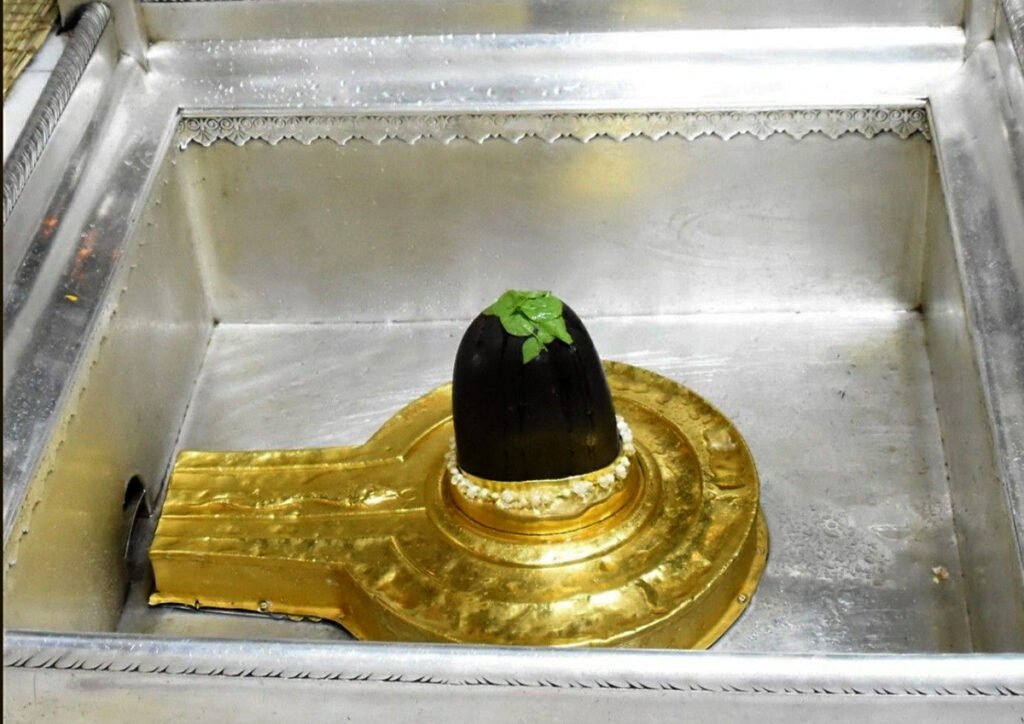
Kashi Vishwanath Temple’s design blends ancient style with distinctive regional creativity. The temple is built in classic Nagara style, with a quadrangular layout and multiple golden shikharas crowned at the summit. The garbhagriha houses the Shivalinga, ensconced in silver and tangible spiritual energy. The temple complex comprises several smaller shrines dedicated to various gods and goddesses, including Kaal Bhairav, Kartikeya, Vishnu, Avimukteshwara, and Annapurna. Silver doors, golden domes, and marble courtyards reflect centuries of patronage. The seven-foot-tall Nandi gifted by Nepal stands sentinel to the sanctum, symbolising patience and devotion.

Kashi Vishwanath pulsates with daily rituals, monthly observances, and continuous worship. Each day, the linga is ritually bathed in Ganga water, milk, honey, and flowers; devotees recite the Rudram and sing bhajans. The “Mangala Aarti” at dawn and the “Shayan Aarti” at dusk are transformative, involving hundreds of devotees, bells, conches, and fiery lamps. Bilva leaves, sandalwood paste, sweets, and silk are traditional offerings; food as prasad is often given at the nearby Annapurna Temple. Mahashivaratri is celebrated with unparalleled enthusiasm; the city comes alive with processions, all-night vigils, music, fasting, and prayers. The temple is also at the centre of Dev Deepawali, Kartik Purnima, and Shravan Somvar, drawing millions for ritual worship. The city’s many ghats and smaller temples contribute to the worship cycle, making Shiva’s presence omnipresent in Varanasi. Local families, Brahmin priests, and temple trusts collaborate to maintain traditions and ensure inclusivity for all castes and communities.

Pilgrimage to Kashi Vishwanath is considered an essential spiritual milestone within Sanatan Dharma. Varanasi is served by extensive rail, air, and road networks, its spiritual magnetism attracting seekers nationwide and globally. The temple, situated in Varanasi’s narrow lanes, is accessed on foot or via cycle rickshaws, amid vibrant bazaars, ghats, and flower markets. Pilgrims witness the confluence of life and liberation: chants at the ghats, sadhus in saffron, temples, and bustling stalls. Dharamshalas, guesthouses, and ashrams provide accommodation and guidance throughout the city.

Countless stories fill pilgrim lore: miraculous recoveries, visions in dreams, fulfilled wishes, liberation at death. The spiritual atmosphere of Varanasi is universally reaffirmed by generations who arrive seeking transformation, peace, and moksha.

Kashi Vishwanath Temple is not merely a site of worship but a cosmic cultural engine for India and the world. Ancient Sanskrit texts and regional literature extol Shiva and Kashi as points of supreme radiance. Bhajans, ragas, and devotional music echo in temple halls and city lanes, inspiring legends of Shiva’s power and grace. Paintings, sculptures, and handicrafts propagate the iconography of the temple and the city throughout India’s spiritual landscape.

Kashi Vishwanath is woven into the fabric of Varanasi’s civic, cultural, and social identity. It stands as a symbol of enduring spiritual values, communal harmony, and resilience. From Mahatma Gandhi’s visits to modern poets, Kashi remains India’s mystical heart, a living source of artistic and philosophical renewal.

Administered by the Shri Kashi Vishwanath Temple Trust, the temple has embraced modernisation while safeguarding tradition. Digital entry, security, guided tours, and the celebrated Kashi Vishwanath Corridor have revitalised access and the pilgrim experience. Conservation efforts have stabilised the ancient structure, protecting both tangible and intangible heritage. Millions flood the temple during major festivals and round-the-year visits, boosting spiritual tourism and local prosperity. Pilgrims hail from all corners of India and the diaspora, including international tourists and spiritual seekers across traditions. Interfaith leaders and secular visitors are welcome, adding to the city’s cosmopolitan spirit.

Kashi Vishwanath Temple remains the radiant jewel in the crown of Varanasi, embodying cosmic union, daily worship, liberation, and resilience. Through centuries of upheaval, its Jyotirlinga has shone as Shiva’s abode of eternal light and truth. For those who walk its hallowed halls, the journey is not only a pilgrimage, but a passage through history, myth, and the unfathomable mystery of the divine, a cosmic invitation to dissolve into the sacredness at the heart of existence.

Sacred Stones, Spaces, and Stories: Jyotirlingas Part 7 – Bhimashankar Temple

Nestled amidst the lush, undulating Sahyadri hills of Maharashtra, the Bhimashankar Temple stands as one of India’s twelve sacred Jyotirlingas dedicated to Lord Shiva. Located approximately 50 km northwest of Pune, deep within the Bhimashankar Wildlife Sanctuary, this ancient temple is renowned not only for its spiritual gravitas but also for the pristine natural beauty that surrounds it. As the supposed source of the Bhima River and a vital ecological zone, Bhimashankar merges myth, faith, and conservation. It continues to draw devotees, trekkers, nature enthusiasts, and seekers of peace, making it a place where the divine and natural worlds seamlessly blend.

Bhimashankar’s legends are epic, layered with tales of demon-kings, cosmic battles, and divine intervention. One widely revered legend narrates how Tripurasura, a powerful demon, performed severe penance in the dense Bhimashankar jungle seeking a boon of immortality from Shiva. Granted this wish on the condition of helping others, Tripurasura eventually succumbed to arrogance, wreaking havoc on humanity and the gods alike. The celestial beings beseeched Shiva, who, with the aid of Parvati in Ardhanarishwara form, destroyed Tripurasura in a fearsome battle. It is said that the sweat pouring from Shiva’s body after the long struggle led to the birth of the Bhima River, forever intertwining the region’s geography with its mythic past.

Another legend, with powerful moral undertones, recounts the story of Bhima, son of Kumbhakarna, the brother of Ravana. Infuriated after learning of his father’s death by Vishnu’s avatar Rama, Bhima performed intense penance and was granted enormous strength by Brahma. Bhima’s reign was oppressive: he imprisoned the pious King Kamrupeshwar and demanded worship. When Kamrupeshwar defied him, praying to Shiva instead, Bhima attempted to destroy the linga, only for Shiva to appear and obliterate him. At the request of gods and sages, Shiva remained at the site as the Bhimashankar Jyotirlinga.

Ancient texts also suggest Shiva’s battle not only rid the world of the demon Bhima but blessed the landscape itself. The Bhima River’s origin from Shiva’s exertions is regarded as a blessing to the region. Devotees connect river and shrine in daily worship, reinforcing an ecological ethos unique among Jyotirlinga sites.

Bhimashankar Temple is a tapestry of faith, history, and changing dynasties. References to Bhimashankar’s spiritual energy appear in the Shiva Purana, Uma Samhita, and later narratives. The earliest constructed shrine is believed to date to the 13th century, designed by the legendary Vishwakarma sculptors. Bhimashankar flourished under Maratha rulers, especially Nana Phadnavis in the 18th century, who built the sabhamandap or assembly hall and the shikhara or spire, renovating and expanding the temple complex. The Maratha king, Chhatrapati Shivaji Maharaj, endowed the temple, facilitating daily worship and festivals, maintaining its growing Hindu cultural importance.

Bhimashankar continued to weather turbulence, both natural and political, remaining a key spiritual hub for Maharashtra and neighbouring regions. In recent decades, increasing awareness of environmental preservation, as part of the Bhimashankar Sanctuary, has added a new dimension of stewardship.

The temple’s location within a dense forest, revered since ancient times as the Dakini Jungle, is unique among Jyotirlinga temples. Many legends centre not just on the temple but its wild surroundings, seen as extensions of Lord Shiva’s domain.

Bhimashankar’s temple architecture harmonises ancient forms, local design, and sacred symbolism. Built primarily in the Nagara style, which is the northern Indian temple architecture style, with influences of the Hemadpanthi style that is distinctive to the Deccan region. The temple is constructed on a high platform, accessed by steps, with a central garbhagriha, the sanctum, housing a swayambhu or self-manifested Shiva linga, exactly at the centre of the floor. The temple’s hallways, doorframes, and pillars showcase intricate carvings of gods, humans, natural motifs, and mythological episodes. The exterior spire or shikhara and assembly hall were expanded significantly by Nana Phadnavis.

Sculptures around the temple illustrate Lord Shiva’s life and exploits, divine beings, and flora and fauna of the Sahyadris. Scenes from Tripurasura’s battle are a highlight, reflecting devotion and artistry. A large stone Nandi, Lord Shiva’s vehicle, sits facing the linga, a common feature in Shiva temples. There is also a shrine dedicated to Shaneeshwara or Saturn, unique for Jyotirlingas, reflecting local traditions. Set in a forested plateau, the temple grounds often host rare wildlife such as the Malabar Giant Squirrel, with endemic flora enveloping the sanctum, blending spirituality and conservation.

The temple pulsates with daily worship and grand festivals. Each morning, the Jyotirlinga is ritually bathed with water, milk, ghee, and honey, while the air vibrates to Vedic chanting. Aartis mark every worship, with prasad distributed amongst devotees. Bilva leaves, flowers, and coconuts are traditional offerings. The origin of the Bhima River is commemorated; devotees offer prayers at riverbanks and temples alike. Shaneeshwara Puja is conducted with special offerings and prayers that reflect the temple’s additional planetary significance.

Mahashivaratri is the highlight of Bhimashankar’s ritual calendar, with night-long prayers, processions, and community feasts. The month of Shravan, the fourth lunar month, is especially auspicious for Shiva worship, and sees thousands of devotees, chanting, music, and community activities. Local festivals and fairs bring villagers, tribal communities, and urban devotees together for song, dance, and worship. Villagers, tribal groups, and local societies help maintain and decorate the shrine, celebrating local customs, preserving forests, and promoting hospitality.

The pilgrimage to Bhimashankar melds spiritual quest and nature’s adventure. From Pune, buses and cars take pilgrims to the base village; the final approach is a trek through thick forests, streams, and mountain paths, offering adventure and meditation. The route passes through the Bhimashankar Wildlife Sanctuary, home to rare plants, animals, and panoramic views, making travel a spiritual journey itself. Simple dharamshalas, eco-lodges, and homestays await visitors; local food markets and eateries offer Maharashtrian specialties. Guides, shopkeepers, and priests provide support, sustaining the region’s reputation for warmth and welcome. Many visitors report a palpable presence of divinity in the air, amplified by misty mountains, the sounds of forest creatures, and flowing river. Stories of prayers answered, healings, and peaceful meditation are widely recounted, strengthening Bhimashankar’s mystique.

Bhimashankar’s influence permeates regional and national culture. Pilgrimage songs, Marathi bhakti poetry, and folk tales narrate the myths of Tripurasura, the Bhima River, and Shiva’s miracles. Festivals feature local musicians, dancers, and storytellers; the temple’s stories inspire Marathi films, plays, and visual arts. Artisans craft icons, paintings, and handicrafts inspired by temple motifs. The local community views Bhimashankar not only as a religious centre, but as a symbol of ecological harmony and regional pride. Tribal communities near Bhimashankar celebrate unique rituals blending Hindu traditions with native forest lore. Efforts to preserve the Sahyadri ecosystem echo Shiva’s ancient protector role.

Management, tourism, and conservation shape Bhimashankar’s contemporary vibrancy. The temple is managed by a temple trust that coordinates daily worship, festival calendars, and facilities. Preservation initiatives balance ancient shrine care with sustainable tourism. Pilgrim numbers swell on weekends, festival days, and during Shravan, bringing new economic prosperity and resource strains. Eco-tourism, wildlife walks, and cultural programs support conservation and community development.

Efforts to repair and restore the historic temple continue, addressing wear from weather and growing crowds. Conservation of forest and river is a shared priority between officials, villagers, and devotees. Visitors converge from cities, villages, and abroad—devotees, trekkers, ecologists—reflecting Bhimashankar’s universal appeal.

Bhimashankar Temple stands as a beacon of myth, biodiversity, and spiritual power in Maharashtra’s Sahyadris. Its legends of Shiva’s triumphs, ecological blessings, and community resilience are carved in both stone and landscape. The temple’s enduring role in the Jyotirlinga circuit, its integration into the natural world, and its celebration of local identity mark it as a vital manifestation of India’s spiritual and ecological heritage, a sanctuary where legend, faith, and nature forever intermingle.

In My Hands Today…

Mahagatha – 100 Tales from the Puranas – Satyarth Nayak

Do you know the story where Brahma and Vishnu race against each other or where Shiva battles Krishna? Where Indra attempts foeticide or where Rama punishes a Shudra? Do you know about Maya Sita or Narada’s monkey face? Or why Surya falls from the sky or why Chandra commits adultery?

The Puranas of Hinduism are a universe of wisdom, embodying a fundamental quest for answers that makes them forever relevant. Now, for the first time, 100 of the greatest mythological tales from these ancient texts have been handpicked and compiled into an epic illustrated edition. Besides popular legends of devas, asuras, sages and kings, Satyarth Nayak has dug up lesser-known stories, like the one where Vishnu is beheaded or where Saraswati curses Lakshmi or where Harishchandra tricks Varuna. Nayak also recounts these 100 tales in a unique chronological format, beginning with Creation in Satya Yuga and ending with the advent of Kali Yuga. Using Puranic markers, he constructs a narrative that travels through the four yugas, offering continuous and organic action. In such a reading, it is revealed that these stories are not isolated events but linked to each other in the grand scheme of things. That every occurrence has a past and a future. A cause and effect. An interconnected cycle of karma and karma-phal.

Delving into the minds of gods, demons and humans alike, Mahagatha seeks a deeper understanding of their motivations. The timelessness of their impulses speaks across the aeons to readers of today. Written in lively prose with charming illustrations, these 100 tales will entertain and enlighten, and make you connect the dots of Hindu mythology like never before.

Sacred Stones, Spaces, and Stories: Jyotirlingas Part 6 – Kedarnath Temple

High in the daunting Garhwal Himalayas, at an elevation of about 3,583 meters, sits the ancient Kedarnath Temple, one of the most sacred and revered shrines of Lord Shiva in India. Located in Uttarakhand’s Rudraprayag district, on the banks of the Mandakini River, Kedarnath is esteemed as one of the twelve Jyotirlingas and the highest among them. The temple is also a cornerstone of the Char Dham Yatra, drawing devotees who brave both the natural and spiritual challenges of the Himalayan landscape. Its enigmatic remoteness, mythic past, and profound spiritual significance mark Kedarnath as a destination of transformation, penance, and awe.

The mythic tapestry of Kedarnath is richly woven with legendary episodes that combine cosmic drama and personal redemption. One of the most enduring legends links Kedarnath to the epic Mahabharata. After prevailing over the Kauravas, the Pandava brothers, burdened with the sin of killing their kin, journeyed in search of Lord Shiva to seek absolution. Shiva, unwilling to forgive them easily, disguised himself as a bull, Nandi, and eluded their pursuit, moving through the region now known as Kedar Khand. Bhima, the strongest Pandava, eventually recognized the bull and managed to seize it, but Shiva vanished into the ground, leaving his hump on the surface. This distinctive conical rock became the central lingam of Kedarnath Temple. The tale further describes how other parts of Shiva’s bull form appeared in Tungnath, Rudranath, Madhyamaheshwar, and Kalpeshwar, collectively comprising the Panch Kedar pilgrimage circuit. The episode showcases themes of challenging penance, divine play, and the possibility of redemption.

Another legend highlights the spiritual austerities of the twin sages Nara and Narayana, incarnations of Vishnu, who meditated at Kedarnath for centuries. Their sincere devotion pleased Shiva, who granted them his permanent abode there, affirming the temple’s transformative energy and its power to bestow spiritual merit. The Skanda Purana speaks of Shiva releasing the heavenly water from his matted hair at Kedarnath, further sanctifying the temple as a source of cosmic and earthly purity. Local belief also recalls Shiva himself performing penance at Kedarnath to absolve the sin of Brahma Hatya, the killing of a Brahmin, etching a narrative of redemption and transcendence into the landscape.

Kedarnath Temple endures at the crossroads of myth and history. Although the precise date of Kedarnath’s original construction remains a mystery, legend credits the Pandavas with building the temple after their encounter with Shiva. Historians suggest the present temple may date back over a thousand years, with the earliest reliable records emerging from the 8th century CE.

The 8th-century philosopher and reformer Adi Shankaracharya is believed to have re-established Kedarnath Temple, constructing the structure that stands to this day. His travels, spiritual activism, and temple restoration efforts were pivotal in reviving spiritual traditions across the Himalayas.

Kedarnath has faced the brunt of nature’s wrath, centuries of snow, earthquakes, avalanches, and floods tested its foundation. Remarkably, the temple survived a “mini ice age,” enduring under snow for up to 400 years. Most recently, in 2013, devastating floods nearly destroyed the surrounding town but left the temple largely intact, deepening the sense of divine protection and resilience associated with Kedarnath.

Regional kings, saints, and temple committees have played their parts in preserving Kedarnath through restoration, rebuilding, and ritual continuity. Inscriptions in Pali language and references in ancient texts reveal the temple’s stature as an epicentre of Himalayan worship.

Kedarnath’s architecture is as striking as its setting; solid, austere, and sublimely beautiful against the backdrop of snowy peaks. The temple is built of massive stone slabs, laid over a rectangular elevated platform. Its robust geometry reflects both its spiritual intent and the necessity to withstand severe climate extremes. Locally quarried grey stones handle the weight of snow and ice, lending strength and longevity. The holy garbhagriha, the inner sanctum, is accessed by broad, steep steps. The lingam, worshipped as a conical natural rock formation, lies at the heart of the temple; this form is unique, symbolising Lord Shiva’s hump. The inner sanctum walls are adorned with figures of deities and mythic scenes, connecting architecture to religious storytelling. The temple is fronted by a pillared hall and topped by a modest shikhara or spire, epitomising the Himalayan style found in the region’s sacred architecture, as also seen at Tungnath and Madhyamaheshwar. Despite its antiquity, the temple’s design reflects sophisticated understanding of structural engineering, surviving heavy snow, landslides, and earthquakes, with natural geological features incorporated to maximize stability.

Kedarnath’s spiritual rhythm pivots on daily worship, community celebrations, and seasonal rituals dictated by the Himalayan climate. Priests conduct abhisheka, bathing the lingam with water, milk, honey, and flowers amid Vedic chants. The use of naturally sourced Mandakini water is a distinct ritual feature. Devotees offer bilva leaves, rice, and sweets to the lingam, pray for penance and prosperity, and receive prasad as blessing. Due to its high altitude and heavy snowfall, the temple is open to worshippers only between late April and early November. In winter, the idol is ceremonially moved to Ukhimath, where worship continues.

Mahashivaratri is celebrated with great fervour, attracting thousands who participate in night-long vigils, fasting, and communal prayers. The annual opening and closing days are marked by grand ceremonies, music, and mass pilgrim gatherings. Kedarnath’s role as one of the four pillars of the Himalayan Char Dham Yatra, with Badrinath, Gangotri, and Yamunotri, makes its festival calendar integral to regional spiritual life. Community involvement is deep. Local families, priests, and committees organise rituals, maintain facilities, and celebrate cultural expressions with immense hospitality despite the challenging terrain.

Embarking on a pilgrimage to Kedarnath is considered a rite of passage and personal transformation. The journey typically begins at Gaurikund, accessible by road from Haridwar or Rishikesh. Pilgrims then undertake a 16 km trek amidst breathtaking Himalayan views, dense forests, and roaring rivers. Along the route, dharamshalas, camps, local stalls, and mountain guides support pilgrims. The atmosphere is charged with camaraderie, resilience, and shared devotion. Snow-capped peaks, tumultuous streams, wildflowers, and clear skies contribute to a sense of sublime tranquility. Many recount visions, mystical experiences, and moments of peace upon reaching the temple, its setting amplifies feelings of humility and awe. Stories of miraculous survival, especially after the 2013 flood, healing, and prayer fulfillment permeate local lore, reinforcing Kedarnath’s reputation as a place where the divine intervenes directly in human life.

Kedarnath’s influence is far-reaching, nourishing arts, literature, and regional identity. The temple’s legends echo in Sanskrit poetry, devotional songs, and folk tales throughout Uttarakhand and India. Spiritual narratives related to the Pandavas, the Himalayas, and Shiva are central to the region’s storytelling tradition. Musicians compose bhajans dedicated to Kedarnath, performed during big festivals and pilgrim gatherings. Paintings, sculptures, and photographs capture the majesty of Kedarnath, serving both as souvenirs and as artistic inspiration. The architecture itself, stark against the landscape, becomes a symbol of resilience and transcendence. Kedarnath is a pillar of Uttarakhand’s identity and culture. Its survival during natural disasters is seen as a testament to divine protection, forging strong community pride and spiritual confidence.

Today, Kedarnath is a dynamic intersection of spiritual tradition, environmental stewardship, and contemporary tourism. Overseen by the Shri Kedarnath Temple Committee, operations balance daily rituals, conservation, and pilgrim needs. Digital pilgrim registration, enhanced safety protocols, and infrastructural improvements cater to growing visitor numbers. Post-2013, extensive restoration and disaster management initiatives have stabilised the region and safeguarded the temple, collaborating with local, regional, and national agencies. Visitors include domestic and international devotees, trekkers, and spiritual aspirants. The site’s accessibility and amenities are continuously improved. Pilgrim counts swell each season, especially during festival times, fueling local economies and cultural renewal.

Mahashivaratri and Char Dham Yatra bring national attention, media coverage, and boost to regional tourism. Heritage walks, lectures, and spiritual camps enhance both traditional and modern pilgrimage experience.

The Kedarnath Temple stands at the confluence of myth, history, nature, and spirit, an enduring Jyotirlinga of Lord Shiva in the heart of the Himalayas. Its stories of the Pandavas, sages, and Adi Shankaracharya blend with its Himalayan grandeur to create a space transcending generations and boundaries. Through snow and storm, penance and prayer, Kedarnath continues to offer redemption, solace, and empowerment, illuminating the circuit of Jyotirlinga shrines and deepening India’s spiritual heritage.