
“Awareness is the first step toward balance.”

When you live with diabetes, you quickly learn that no two days are ever quite the same. Some mornings feel steady; others are unpredictable. For years, I managed this dance with the help of finger-prick tests: tiny, fleeting snapshots of my glucose that left me guessing about everything in between.
I had heard about the Freestyle Libre and to be honest, I resisted it for a while because while I hated the needle pricks, I also didn’t want a needle poked into my skin for two weeks. But during my trip to Europe, I decided that I will take the plunge and decided to give the sensor a try to see if it made any difference to my glucose levels and if it changed the way I understand my body.
The Freestyle Libre is a continuous glucose monitor (CGM) developed by Abbott. About the size of a two-dollar coin, it’s worn on the back of your upper arm and stays in place for up to 14 days. Instead of pricking your fingers multiple times a day, you simply scan the sensor using the LibreLink app on your phone (or a reader device). Each scan instantly shows your glucose reading, a trend arrow, and a graph of your recent levels. Behind the scenes, the sensor quietly measures glucose in the interstitial fluid, the fluid between your cells, capturing readings every few minutes, day and night. When you upload your data to LibreView, the accompanying analysis platform, you see beautifully detailed charts of your glucose patterns: your highs, lows, daily rhythms, and how often you stay within your target range. It’s like turning your health data into a living, breathing story.
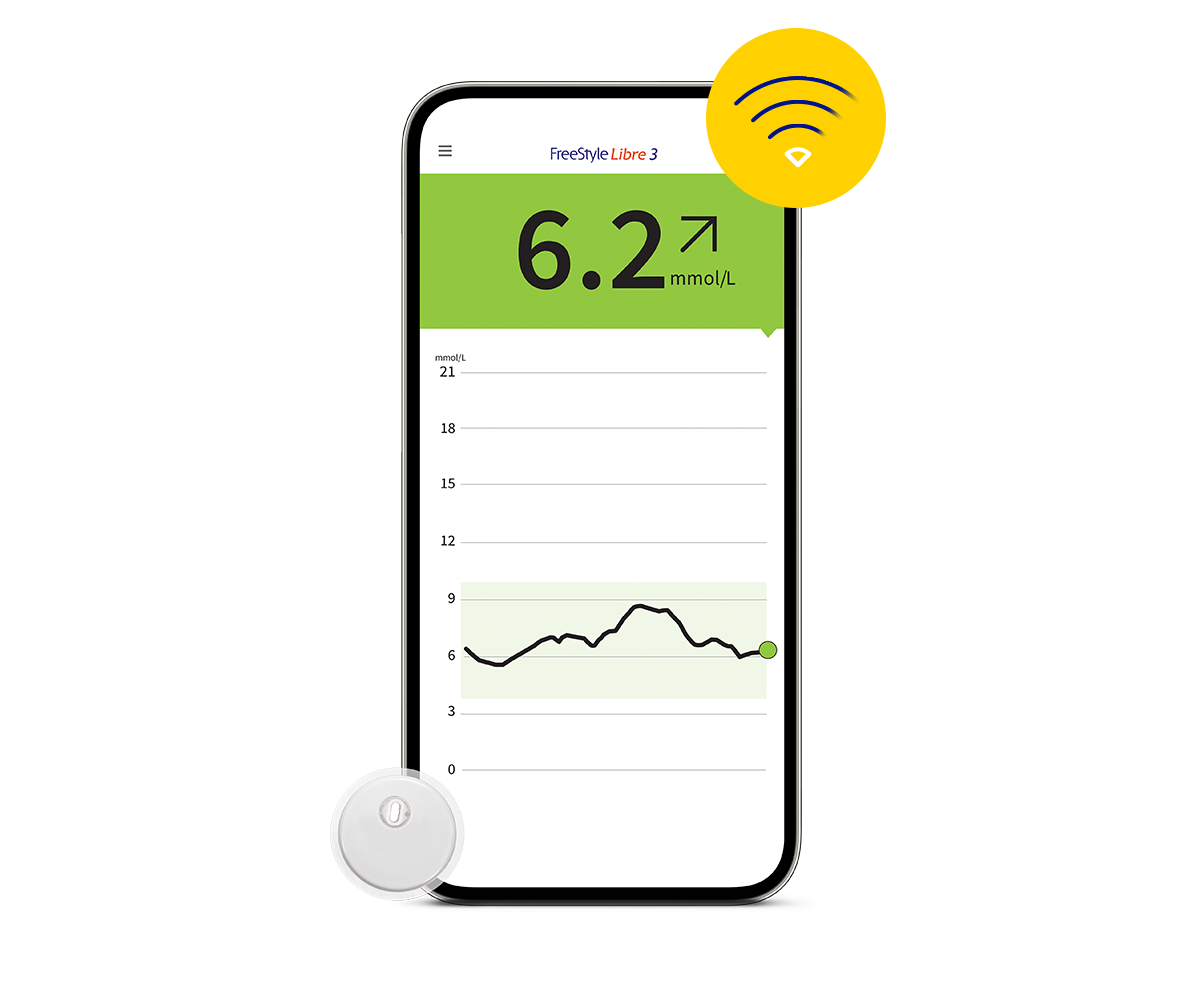
Before the Libre, my glucose management felt like reading a book with half its pages missing. I knew how things started and ended, but not what happened in between. With the sensor, I could finally see the full narrative of how my body responded to meals, exercise, stress, and sleep. I started noticing gentle morning rises, calm mid-afternoons, and occasional evening peaks. These weren’t “bad numbers”, they were clues.
For those in Singapore, Abbott has an Experience Centre where you can try the sensor for SGD 10. I signed up and went down to their Experience Centre at Raffles Place. I was the only one that session, so I got a one-on-one session with the lady doing the session. She gave me a sensor, showed me how to put it on and also ran a few videos on the sensor. You can also purchase sensors there at a discount and they had a scheme that if you purchase 3 sensors within three months, you get a free sensor. It’s an excellent way to see how the device feels, how the app works, and what kind of data you’ll receive before committing to regular use.For anyone who’s ever felt unsure about CGMs, it’s a low-cost, no-pressure way to experience the technology firsthand, and to understand how empowering it can be.
I had already decided to go the subscription route, so didn’t buy from the experience centre. I subscribe to two sensors every four weeks and according to their website, if you pay for five months, the sixth month is frew. You can also opt to receive two sensors every eight weeks. The plan allows you to pause or cancel if your needs change, giving flexibility alongside the convenience.
On to my experience with the sensor. I began experimenting: adding a handful of nuts to breakfast, taking short walks after dinner, and noticing how hydration and rest made a difference. The feedback was almost immediate. A smoother curve on the graph often mirrored a calmer, steadier day.

One of the most powerful things about using a CGM is how it connects daily choices to visible outcomes. For instance, I learned that foods I assumed were harmless sometimes caused unexpected spikes, or that meals rich in fibre and protein kept my glucose beautifully stable, and stress and lack of sleep could nudge levels up even on perfect food days. Instead of guessing, I was finally learning. The Libre didn’t judge; it simply showed patterns, and with each pattern came understanding.
Every so often, I noticed dips, usually in the early mornings or after long gaps between meals. They weren’t severe, but they were informative. The data reminded me to plan better, to carry small snacks when I’m on the go, and to listen to my body’s subtle cues before they became loud alarms. Over time, I became attuned to these rhythms. The more I observed, the more intuitive the whole process felt, like tuning in to my body’s quiet language. There’s something deeply empowering about turning invisible fluctuations into visible information. Instead of worrying about what might be happening, I could see it, and respond thoughtfully. The emotional shift was subtle but profound: I stopped thinking in terms of “good” or “bad” readings. I began thinking in terms of patterns, habits, and adjustments. That shift, from judgment to curiosity, is what changed everything. I wasn’t trying to control my body; I was learning to work with it.
From a practical perspective, the Freestyle Libre fits seamlessly into daily life. Application is quick and nearly painless, a gentle click on the back of the arm, and it’s done. The sensor stays on through showers, workouts, and sleep; after a while, you barely notice it. To scan, just hold your phone near the sensor for a second. No lancets, no fuss. The LibreLink and LibreView apps are beautifully designed. The graphs are clear, colourful, and easy to understand even for someone who isn’t data-minded.
But the sensor sometimes falls out, sometimes even as early as less than a week of usage. But Abbott Singapore has been very good about replacing faulty sensors. You just have to call them or let them know through their website, and they will send you a replacement sensor. The only caveat is that you have to send them the faulty sensor. This is not only for them to check the sensor but also to avoid people misusing this facility and scamming them.

I didn’t expect this little patch to become a mindfulness tool, but it did. Each curve on the graph became a reminder to slow down, breathe, and be kinder to myself. Instead of frustration, I found fascination. Watching my glucose stabilise after a calm morning walk or a wholesome meal gave me a quiet sense of accomplishment.
After more than three months of using the Freestyle Libre, I can confidently say this: it’s more than a monitor; it’s a mirror, one that reflects the connection between how you live and how your body responds. It doesn’t replace intuition; it deepens it. And it turns the daily task of managing diabetes into something gentler, more insightful, and even, in its own quiet way, beautiful. The Freestyle Libre gave me not just numbers but understanding. And with understanding comes peace.
Will I continue using it in the long term? Probably yes. As of now, I can afford the price of about SGD 200 per month, but if that price point becomes expensive, I may consider using two sensors over eight weeks.
If you’re considering using it, you’ll learn more about your body in a few weeks than in years of occasional testing. It’s discreet, painless, and surprisingly easy to use. The data may surprise you, but it will empower you.
 Memories and Such