

In 2026, Chhatrapati Shivaji Maharaj Jayanti, celebrated tomorrow, marks the 395th birth anniversary of one of India’s most admired historical figures, Chhatrapati Shivaji Maharaj. This festival is commemorated with grandeur across Maharashtra and by Indian diaspora communities worldwide, honouring the Maratha king’s courageous legacy, leadership, and continuing relevance in modern times.
Chhatrapati Shivaji Maharaj, born in 1630 at the Shivneri Fort, was destined to transform the political landscape of 17th-century India. From an early age, he demonstrated exceptional strategic acumen and courage, capturing the Torna Fort at sixteen—a feat that marked the beginning of his campaign for Swarajya, or self-rule. Over the next decades, Shivaji expanded his realm by capturing and constructing over a hundred forts, most notably Rajgad, Sinhagad (formerly Kondana), and Purandar, establishing the Maratha Empire’s core. His most celebrated military exploits include the daring victory over Afzal Khan at the Battle of Pratapgad in 1659, in which Shivaji’s tactical brilliance and personal valour prevailed over seemingly insurmountable odds. Another defining episode was the audacious sack of Surat in 1664, a strategic blow to Mughal economic dominance that also provided crucial resources for strengthening the Maratha state. Shivaji’s naval vision was just as remarkable: recognising the significance of maritime security, he built formidable sea forts like Sindhudurg and Vijaydurg and created one of India’s earliest indigenous navies to secure the Konkan coast from foreign threats.
A master of guerrilla warfare, Shivaji’s ability to outmanoeuvre larger armies earned him the moniker “Mountain Rat” from his adversaries. His confrontations with the powerful Mughal Empire, especially Emperor Aurangzeb, often ended in success through a combination of surprise tactics, local support, and deep knowledge of the terrain. In 1674, Shivaji’s grand coronation at Raigad Fort, celebrated by people from diverse communities, was not only a declaration of sovereign Maratha rule but also a powerful symbol of indigenous pride and unity. His governance extended beyond the battlefield: he assembled the Ashtapradhan (Council of Eight Ministers), instituted a direct land revenue system favouring peasants, and elevated Marathi and Sanskrit as administrative languages, bolstering regional identity.

Chhatrapati Shivaji Maharaj revolutionised warfare through his innovative guerrilla warfare tactics, known as “Ganimi Kava,” which focused on speed, surprise, and deception. He trained his army, especially the Mavalas, in mountain warfare, leveraging the rugged terrain of the Western Ghats to launch swift hit-and-run attacks that disrupted enemy forces before they could organise a response. This use of mobility and knowledge of local geography made his troops elusive and difficult to defeat, earning him the nickname “Mountain Rat” from his foes. His forces specialised in ambushes set in narrow passes and dense forests, striking unexpectedly, often at night or during bad weather, to maximise confusion and damage. Beyond battlefield manoeuvres, Shivaji’s guerrilla tactics included targeting enemy supply lines to weaken their operational strength without engaging in costly, prolonged battles.
A crucial pillar supporting these tactics was Shivaji’s sophisticated intelligence network, composed of spies disguised as traders and farmers, which provided real-time information on enemy movements and plans. This intelligence enabled precise surprise raids, such as the famous attack on Shaista Khan’s camp. Shivaji Maharaj’s mastery of deception extended to spreading misinformation to sow confusion within enemy ranks. His highly mobile and fearless small units could rapidly assemble for decisive strikes and just as swiftly disperse, keeping adversaries off balance and conserving Maratha resources.
These tactics not only allowed Shivaji to defend and expand his kingdom against larger, better-equipped armies but have also influenced modern special operations and counter-insurgency strategies worldwide.

Shivaji’s reign stood out for religious tolerance and social equity. Despite being a devout Hindu, he respected all faiths, ensured the protection of non-Hindu places of worship, and included Muslims within his court and army. He protected the rights of women and the downtrodden, upheld justice and humane treatment even for enemies, and rebuilt temples that had fallen into neglect. Shivaji’s life was a relentless pursuit of freedom, empowerment, and good governance, the very qualities that have made him a legendary figure whose exploits are celebrated with pride and reverence across India.
Chhatrapati Shivaji Maharaj’s leadership combined strategic foresight, personal bravery, and a commitment to inclusivity. He inspired loyalty among his followers by leading from the front, fostering unity, and promoting merit-based advancement. His innovative use of guerrilla tactics, emphasis on intelligence-gathering, and ability to form alliances allowed him to outmanoeuvre his rivals and consolidate power. In governance, Shivaji established a progressive administration grounded in justice and accountability, focused on the welfare of his subjects and the fair treatment of all communities. His ethical governance was guided by principles of righteousness (dharma), emphasising both economic stability and social cohesion. Shivaji’s legacy endures as a model of adaptable, visionary, and compassionate leadership, inspiring generations with values of resilience, integrity, and public service.
Shivaji Jayanti isn’t just a commemoration of a historical birth; it is a celebration of values: courage, justice, patriotism, and cultural unity. For millions in Maharashtra and Indian communities abroad, the day signifies renewal of pride and heritage. Shivaji’s model of governance and dedication to welfare, social reforms, and inclusivity remain aspirational for contemporary India.
The day is especially important for fostering a sense of national and regional pride. Shivaji’s fight for ‘Hindavi Swarajya’ inspired not only his contemporaries but also generations of freedom fighters and reformers. His secular policies and egalitarian outlook are viewed as beacons of responsible leadership, worthy of remembrance and emulation.
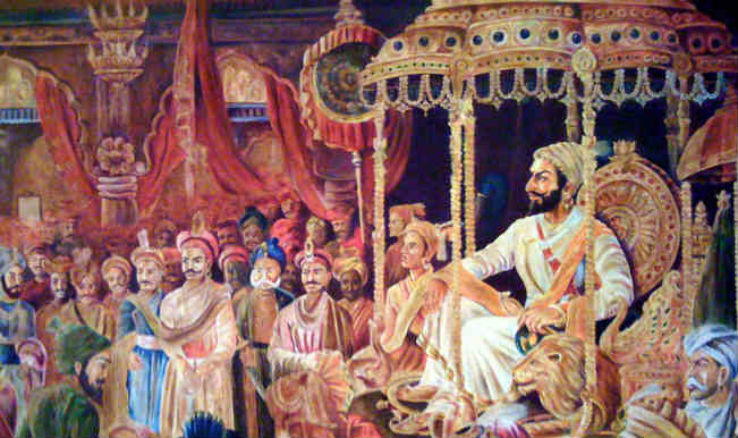
The spirit of Shivaji Jayanti is best experienced in Maharashtra, where public celebrations turn into cultural extravaganzas. The festivities typically include grand processions featuring decorated tableaux depicting scenes from Shivaji’s life and military exploits, cultural performances that include traditional dance and music, street plays (‘tamasha’), and reenactments of battles or coronation ceremonies, and community speeches by eminent leaders, scholars, and activists who deliver addresses drawing inspiration from Shivaji’s values and vision. Schools and colleges organise essay competitions, dramatisations, and exhibitions about Maratha history. Devotees gather at temples and forts associated with Shivaji, offering garlands and flowers to his statues and images and blood donation drives, clean-up campaigns, and charity events showcasing community service are held in Shivaji’s name. These events foster a renewed sense of patriotism, social unity, and pride in regional heritage. They also serve to educate younger generations about their illustrious history and inspire them to uphold values of justice, inclusivity, and self-determination.
The legacy of Shivaji Maharaj is more than historical; it’s a living source of inspiration. His emphasis on justice, people’s rights, and good governance is invoked by leaders and reformers even today. The day serves as a rallying point for the reaffirmation of collective identity, not just in Maharashtra but also for the Indian diaspora around the world. Shivaji’s life and the annual Jayanti celebrations continuously remind society to pursue integrity, resilience, and respect for diversity. By honoring Shivaji Maharaj, the day renews commitment to these timeless principles.
 Memories and Such