Life Beyond the Highlight Reel

Social media runs our lives more than we admit. It feels like the place to be if you want to know what’s happening with people. But the truth is that what we see there isn’t the whole story. It’s not real life. It’s the highlights, the best parts, carefully chosen and polished. That’s why it feels so dangerous. It tricks us into thinking everyone else is living better, happier, more exciting lives than we are.

We scroll through pictures of vacations, smiling couples, perfect homes, and celebrations. But we don’t see bills, fights, loneliness, or self-doubt. And because we don’t see those things, it’s easy to believe they don’t exist. That gap between what’s shown and what’s real is what makes social media such a mind game.
The Nature of the Highlight Reel  

Think of a highlight reel in sports. A player’s best shots, biggest goals, or buzzer-beating scores. You don’t watch the missed shots, the mistakes, or the hours of practice. Social media works the same way. People show the most polished version of themselves. The good moments, not the daily grind.

Someone might post a picture of a romantic dinner, but not the argument that happened last week. A clip of their baby laughing, but not the sleepless nights or moments of frustration. The family holiday snaps, but not the stress of travelling.

This doesn’t mean people are lying. Most are just choosing what to share. But the result is the same. The feed looks like nonstop joy, success, beauty, and fun. The boring and painful moments are invisible. And because we see highlight after highlight, it shapes what we expect from life.
Comparison Is Unavoidable  

The biggest problem is that we can’t stop comparing. Even if we know in our heads that social media is curated, our feelings react differently. You see an old friend buying a house, and suddenly your apartment feels small. You see someone running marathons, and your walks around the block feel pathetic. The more you scroll, the more you feel like you’re behind.

We compare without meaning to. It just happens. And unlike TV or movies, which feel far away, social media feels personal. These are our friends, classmates, and coworkers. People our age, from our town, with the same opportunities. So their “highlight reel” feels like a challenge to our reality.

The Pressure to Perform  

Seeing other people’s highlights doesn’t just make us compare; it also makes us want to perform. We start to think about our own posts as if they were a product. We edit photos, tweak captions, and pick the best angles. We want to look like we’re winning, too.

You might spend an hour editing a picture that captures a two-minute moment. Or post a smiling selfie even when you felt anxious that day. This isn’t always conscious. Sometimes it’s just a habit. We want others to think our lives are good, so we highlight the good parts. In that way, everyone is performing.

But performance comes with pressure. If you show only wins, you feel like you can’t show losses. If you always smile in photos, you feel like you can’t admit sadness. Slowly, your online self becomes a version of you that’s hard to live up to in real life.

Missing the Full Picture  

When we only see highlights, we miss the messy reality. And in that gap, truth gets distorted.

Think about friendships. You might see your friend posting pictures of parties every weekend. You wonder why you weren’t invited. You think you’re left out. But maybe it was a cousin’s birthday or an office thing where they don’t actually know most people. You’re missing context.

Or careers. A coworker posts about getting promoted, but they don’t share the months of struggles or mistakes that came first. You just see the win, not the grind.

Even self-image suffers. People use filters and angles that make them look different from in person. When that’s all we see, it changes our idea of what’s normal or beautiful.

The biggest problem is forgetting that we’re not seeing the full movie, just the trailers.
Mental Health Struggles  

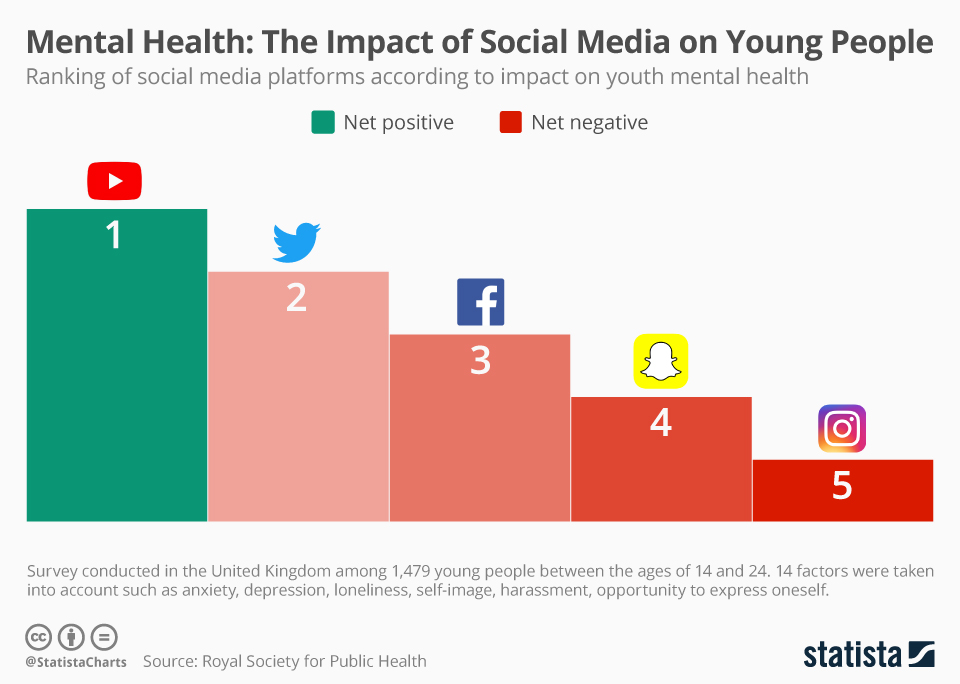
Scrolling through highlight reels has real mental health effects. Many people report feeling more anxious, more insecure, and lonelier after time on social media. Seeing other people’s joy can make our own problems feel bigger.

You might feel like everyone else is happier, more successful, or more loved. And when life feels hard, that contrast can be painful. Even if you know logically the truth is different, the feelings sink in. Your brain doesn’t shake it off so easily.

There’s also the addiction cycle. Likes, comments, and shares give little hits of dopamine. They feel good for a moment. So we keep posting. We keep checking. But the high fades quickly, leaving us wanting more. Meanwhile, when a post doesn’t get much engagement, it feels like rejection, even though it doesn’t really mean anything.

All of this makes social media feel both irresistible and draining.

Why We Keep Falling for It  

So why do we keep buying into the highlight reel, even when we know it’s not real? The answer is simple: humans have always wanted to be seen in the best light.

Think back before Instagram. People have always shown their best selves. Dressing nicely for family portraits. Bragging to relatives about new jobs. Showing off clean living rooms when guests came over. Social media just amplifies that tendency.

It also plays on our natural curiosity. We want to know what’s going on with people we know. And once we open the door, we can’t help but judge, compare, and react. The problem isn’t new. Social media just puts it in our pocket 24/7.
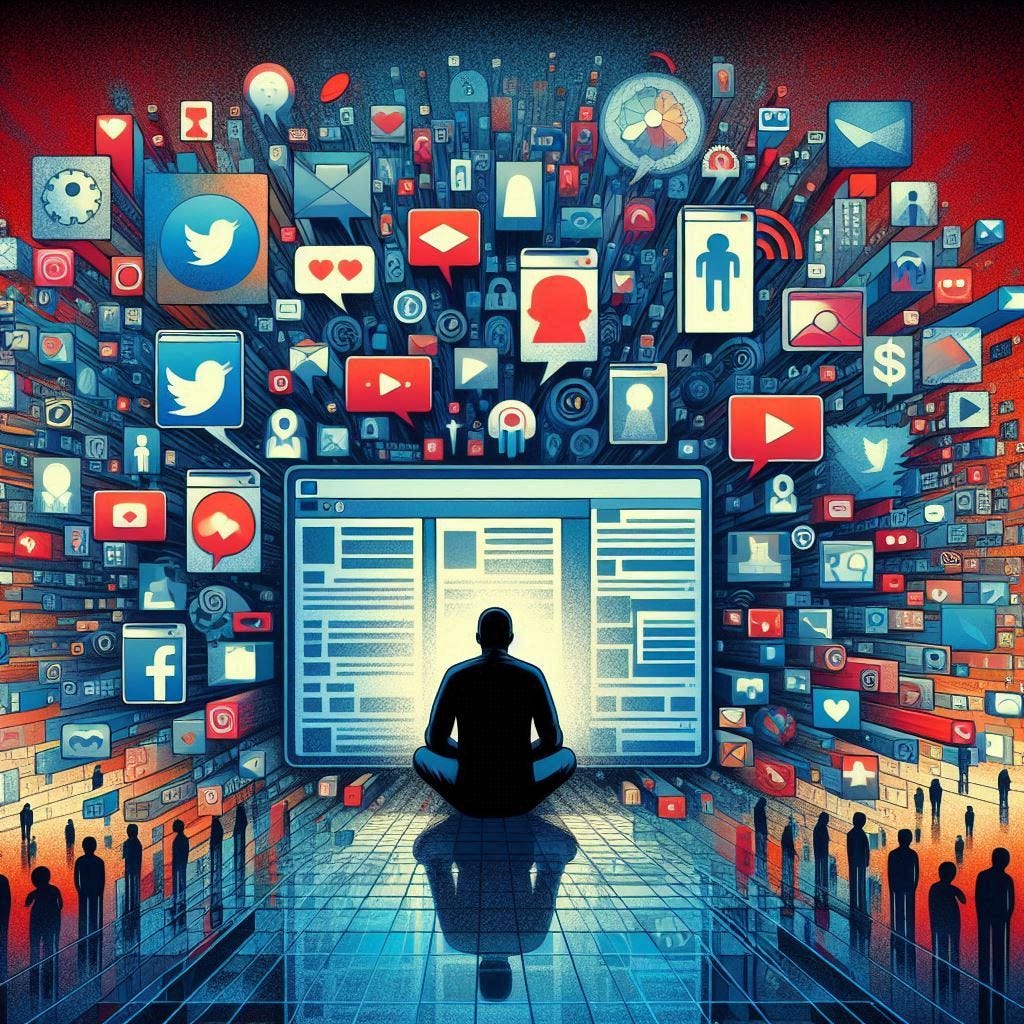
Escaping the Illusion  

The hard truth is you can’t control how other people post. You can only control how you respond. Here are a few ways to fight back against the illusion of the highlight reel:

  • Remind yourself it’s not the whole story. Every post is a moment, not a full picture. Nobody’s life is perfect.
  • Take breaks. Stepping away helps reset your mind. Even a short break can relieve the pressure. 
  • Set limits. Don’t scroll endlessly. Give yourself cut-off times.
  • Unfollow or mute. If certain people’s posts always bring you down, take control of your feed.
  • Focus on reality. Spend time with friends face-to-face. Notice the good in your own daily life, not just the online version.
  • Be honest when you post. Share things that feel real, not just staged. It takes courage, but it can also feel freeing.

When Social Media Helps  

It’s not all bad. Social media can connect people, spread awareness, and give support. It can be fun to see others’ moments, so long as you remember what they are: highlights, not daily reality.

It can help share ideas, art, and projects. It can also give people with small voices platforms they never had before. The issue isn’t the tool itself; it’s how we use it, and how we let it affect us.

Choosing Real Life First  

At the end of the day, social media is a tool. It doesn’t have to define how you see yourself. The highlight reel is fine as long as you remember it’s edited. Real life is happening off-screen, in conversations, in messy days, in struggles, and in small victories nobody posts about.

Your own life, with its ups and downs, is worth more than any curated feed. The challenge is to believe that when scrolling tempts you to think otherwise.

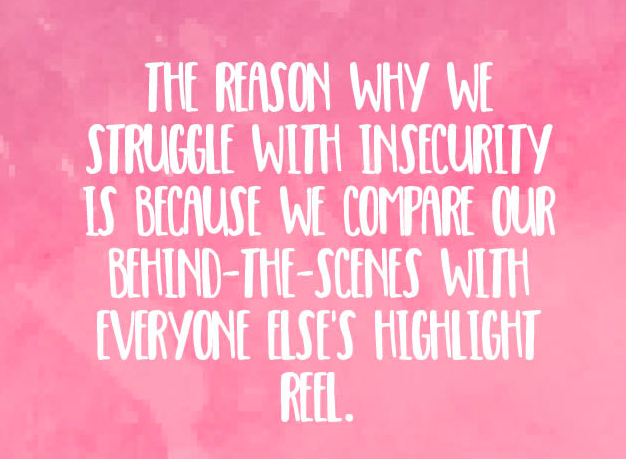
Social media will keep showing highlights. That won’t change. What can change is how you see them. Don’t measure your behind-the-scenes against someone else’s best moments.

The highlight reel isn’t the truth. It’s just the surface. Look beyond it. Choose to live in the real story, not the filtered one.
Impact of Social Media on Our Lives

Social media has become an integral part of modern life, shaping how we communicate, share information, and perceive the world around us. With the advent of platforms like Facebook, Instagram, Twitter, and TikTok, social media has transformed from a mere communication tool to a dominant force influencing various aspects of our lives.

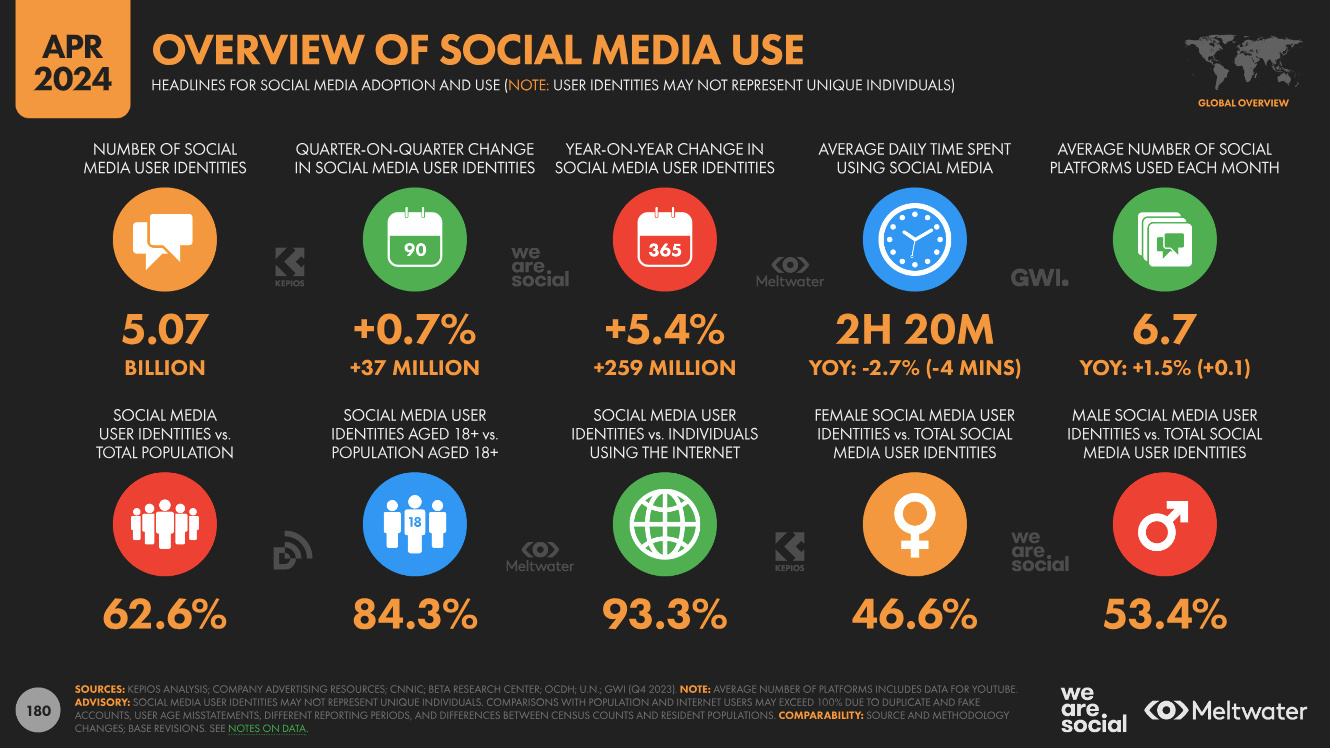
Social media usage has skyrocketed over the past decade. According to recent statistics, approximately 69% of adults and 81% of teens in the U.S. engage with social media platforms regularly. This widespread adoption has made it increasingly difficult for individuals to disconnect from these platforms, leading to concerns about addiction and dependency.

As of 2024, there are over 2.5 billion social media users in the Asia Pacific region, making it the largest market globally for social media engagement. Approximately 97.3% of social network users in Asia access these platforms via mobile devices, spending an average of two to four hours daily on social media. Countries like South Korea lead with a social media penetration rate of 93.4%, followed by Hong Kong at 86.2%. India ranks high with a substantial user base, being the second-largest country in terms of absolute numbers of social media users, following China.

In Singapore, the social media penetration rate is 85%, ranking it 10th globally for social media adoption relative to its total population. The number of active social media users in Singapore is approximately 4.3 million, and Singaporeans spend an average of 2 hours and 14 minutes daily on popular social media platforms like Facebook, Instagram, and YouTube, with users averaging about 6.9 different social media accounts, which is higher than the global average of 6.7 accounts per user.

India has a rapidly growing number of social media users, with estimates suggesting that there are around 500 million active users, making it one of the largest markets for social media globally. Indian users are increasingly engaging with platforms like Facebook, Instagram, and WhatsApp, and the country also sees significant use of local platforms. Users in India spend an average of about 2 hours and 30 minutes daily on social media with the majority of users falling within the age group of 18 to 34 years, but older demographics are also becoming more active on these platforms.

Social media is designed to be engaging and addictive. Platforms utilise algorithms that promote content based on user interests, often leading to excessive scrolling and prolonged usage. This engagement activates the brain’s reward centre by releasing dopamine, reinforcing the behaviour and making it challenging for users to moderate their consumption.

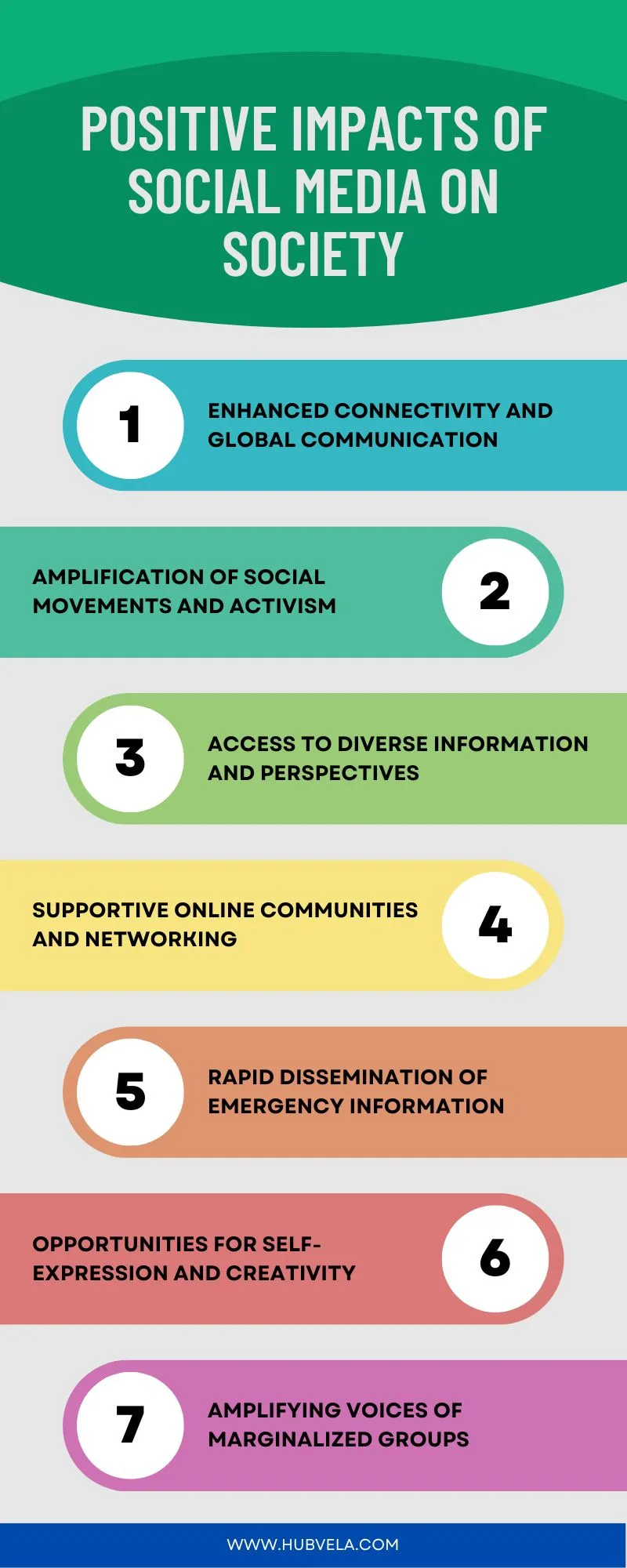
Despite its challenges, social media offers several benefits that enhance our lives. Social media provides a platform for individuals to connect with friends and family across distances. It fosters community building by allowing users to join groups based on shared interests or experiences. This connectivity can be especially beneficial for marginalised groups seeking support and understanding. Social media serves as a powerful tool for disseminating information quickly. It has become a primary source for news updates and educational content. Users can access resources related to health, wellness, and mental health support through various platforms. For instance, many people find comfort in sharing their health journeys on platforms like Instagram or TikTok, creating spaces for peer support. Platforms like Instagram and TikTok also encourage creativity through visual storytelling. Users can express their thoughts, feelings, and artistic talents in innovative ways. This self-expression can enhance individual identity and foster a sense of belonging within online communities.

While social media has its advantages, it also presents significant drawbacks that can adversely affect users’ lives. Numerous studies have linked social media use to increased rates of anxiety, depression, and other mental health issues. A systematic review indicated that adolescents who spend more than three hours daily on social media are at a higher risk for negative mental health outcomes. The constant exposure to curated images can lead to feelings of inadequacy and low self-esteem, particularly among young women who may compare themselves unfavourably against unrealistic beauty standards.

The anonymity provided by social media can lead to harmful behaviours such as cyberbullying. Victims often experience severe emotional distress due to online harassment, which can contribute to long-term psychological issues. The prevalence of negative interactions online underscores the need for better moderation and support systems within these platforms.

Excessive social media use can lead to physical health issues as well. Sedentary behaviour associated with prolonged screen time contributes to obesity and related health problems. Additionally, disrupted sleep patterns due to late-night scrolling can further exacerbate mental health challenges among users.

Social media’s influence extends beyond individual mental health and affects social interactions. Social media has altered how we communicate with one another. While it facilitates instant communication, it may also diminish face-to-face interactions. Many individuals report feeling more comfortable communicating online than in person, which can hinder the development of deep interpersonal relationships. The curated nature of social media often leads users to experience FOMO — anxiety over missing out on experiences shared by others online. This phenomenon can lead to feelings of isolation and dissatisfaction with one’s life circumstances.

The impact of social media on our lives is profound and multifaceted. While it offers significant benefits in terms of connectivity and access to information, it also poses serious challenges related to mental health, physical well-being, and social interactions. As society continues to navigate this digital landscape, it is essential to strike a balance between harnessing the positive aspects of social media and effectively addressing its negative consequences. By fostering awareness around responsible usage and advocating for necessary changes within these platforms, we can work towards a healthier relationship with social media that enriches our lives rather than detracts from them.

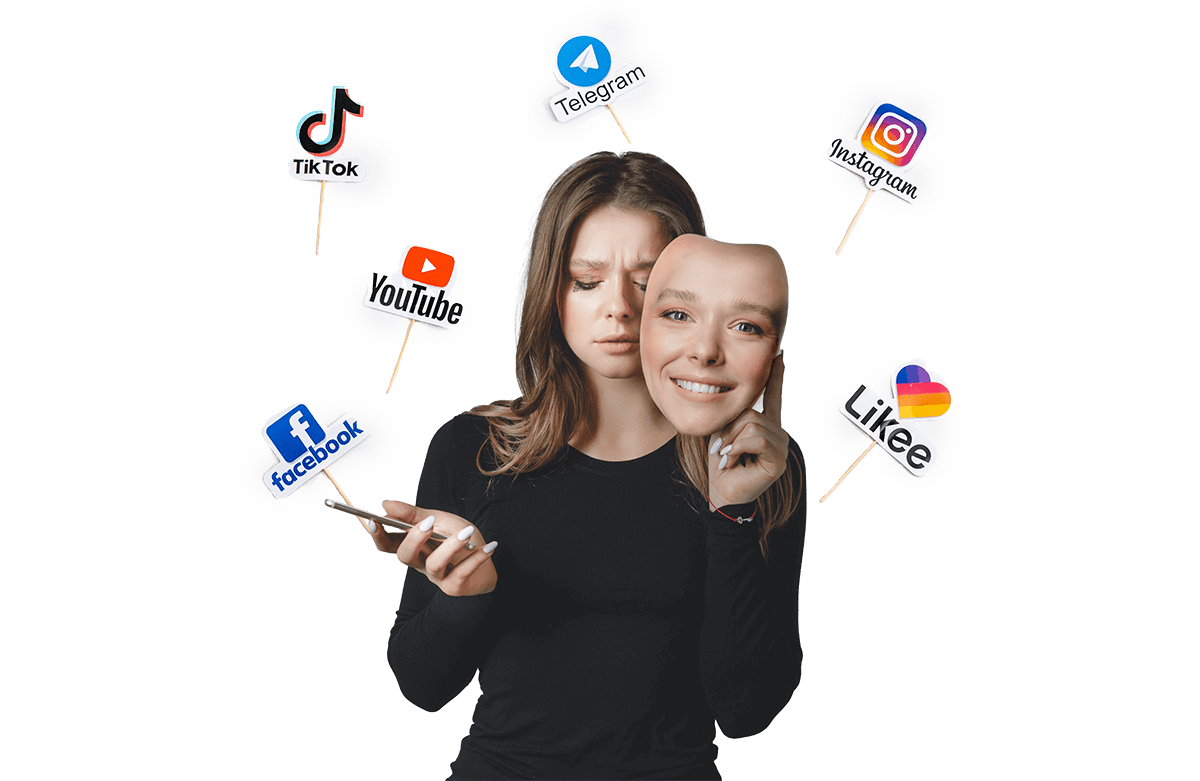
Social media has profoundly influenced our perception of reality, shaping how we view ourselves, others, and the world. This influence is multifaceted, encompassing positive and negative aspects that impact our mental health, self-perception, and social interactions. One of the most significant ways social media affects our perception is through the presentation of curated lives. Users often share only their “highlight reels,” showcasing moments of joy, success, and beauty while omitting the mundane or challenging aspects of life. This selective sharing creates a distorted view of reality where everyone appears to be living a perfect life. As Dr. Jazayeri notes, this phenomenon can lead individuals to compare themselves unfavorably against these idealized portrayals, fostering feelings of inadequacy and unhappiness.

The use of filters and photo editing tools further exacerbates this distortion. Social media platforms like Instagram and Snapchat allow users to present an enhanced version of themselves that may not reflect their true appearance. This constant exposure to filtered images can skew perceptions of beauty and success, particularly among adolescents who are still forming their identities. Research indicates that when teens encounter these unrealistic standards, they may struggle with self-esteem issues and body image dissatisfaction.

Social media’s impact on self-perception is profound. Users often develop a digital persona that may differ significantly from their real-life identity. A study from Cornell University highlights discrepancies between how individuals perceive themselves and how others perceive them based on their social media posts. This misalignment can lead to feelings of alienation and confusion about one’s identity, as individuals grapple with the difference between their online persona and their authentic self.

The psychological ramifications of social media use are increasingly concerning. Studies have linked excessive social media engagement with anxiety, depression, and loneliness. For instance, a study found that participants who limited their social media use reported significant reductions in feelings of loneliness compared to those who continued their habits. The constant need for validation through likes and comments can create a cycle of dependency that undermines mental well-being.

Beyond personal identity and relationships, social media also influences collective perceptions of right and wrong. The rapid spread of information—both factual and misleading—can shape public opinion in ways that may not align with reality. Social media platforms serve as echo chambers where users are exposed primarily to viewpoints that reinforce their existing beliefs, potentially leading to polarization and misinformation.

As we look toward the future, several trends may shape the evolution of social media. There is growing advocacy for stricter regulations on social media platforms regarding user safety and mental health considerations. Initiatives may include implementing warning labels about potential mental health risks associated with excessive use or harmful content exposure. There is a growing recognition of the need for digital literacy education that empowers users to critically assess the content they consume and share. By fostering awareness about the curated nature of social media, individuals may become more adept at distinguishing between reality and illusion.

Educating users about responsible social media use is crucial in mitigating negative impacts. Digital literacy programs could empower individuals to evaluate content and recognise unhealthy patterns in their usage critically. As user preferences shift, new platforms may emerge that prioritise user well-being over engagement metrics. These platforms could focus on fostering genuine connections rather than promoting addictive behaviors.

Social media companies are beginning to face scrutiny regarding their role in shaping perceptions. Efforts to mitigate harmful effects—such as Instagram’s suppression of likes—are steps toward creating healthier online environments. However, these measures must be part of broader strategies that prioritize user well-being over engagement metrics. As users become more aware of the impacts of social media on their lives, there may be a shift towards more mindful usage patterns. This could involve setting boundaries around social media consumption or seeking out platforms that promote authenticity over perfection.

The influence of social media on our perception of reality is profound and complex. While it offers opportunities for connection and self-expression, it also poses significant challenges related to mental health, self-perception, and social dynamics. As we move forward in this digital age, it is crucial to cultivate a balanced relationship with social media—one that recognizes its potential for both positive engagement and detrimental distortion. By fostering awareness and encouraging responsible usage, we can work towards a healthier interaction with these powerful platforms that enrich our understanding rather than diminish it.