
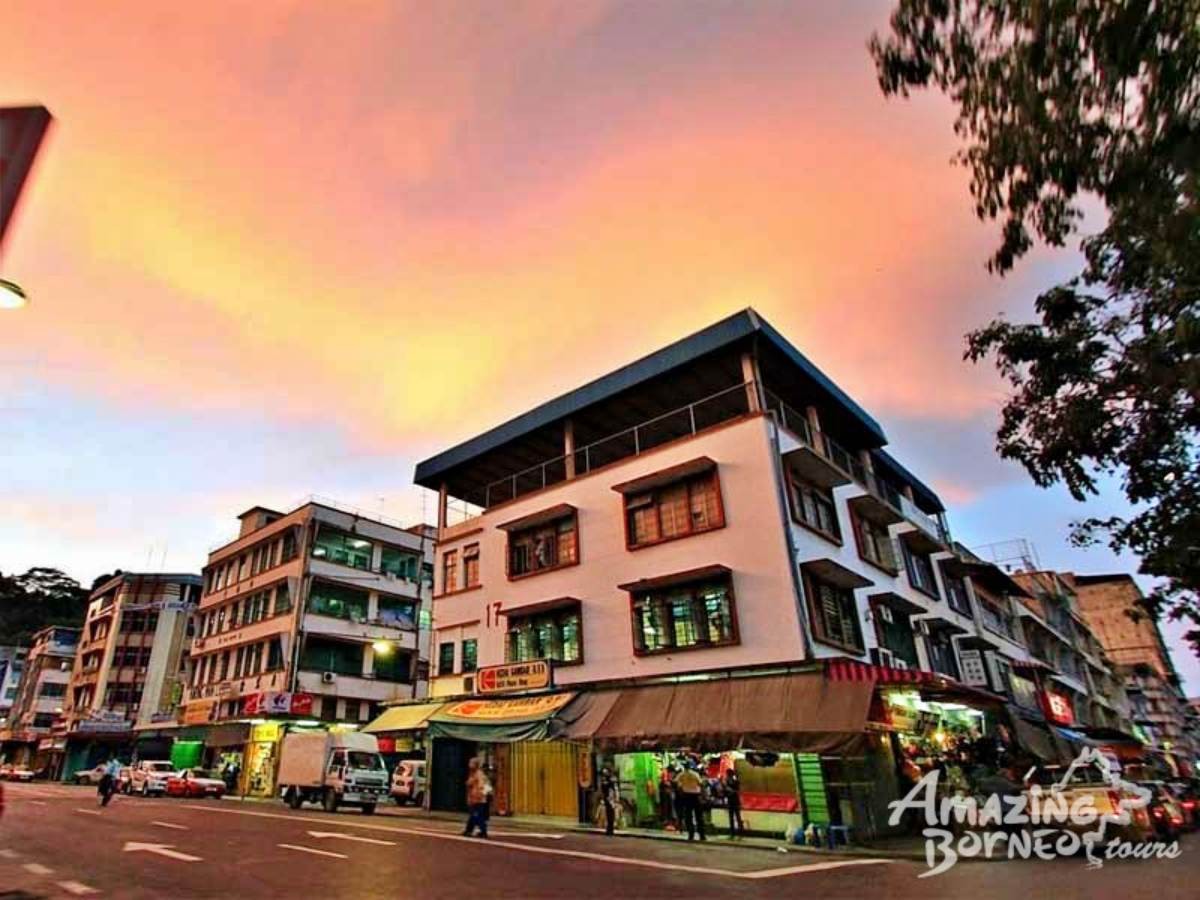
Sepilok
Sepilok is a small town located in the state of Sabah, around 25 km from Sandakan, popularly known for its Orangutan Rehabilitation Centre which is a perfect spot for ecotourism and to enjoy a laid-back weekend. It is also known for the World’s only Sun Bear Sanctuary, the Sun Bear Conservation Center. Another major highlight is the Rainforest Discovery Center.

Located about 25 km west of Sandakan, the Sepilok Orangutan Rehabilitation Centre opened in 1964 as the first official orangutan rehabilitation project for rescued orphaned baby orangutans from logging sites, plantations, illegal hunting or being kept as pets. The orphaned orangutans are trained to survive again in the wild and are released as soon as they are ready. The sanctuary is located within the Kabili-Sepilok Forest Reserve which covers an area of 4,294 ha, much of which is virgin rainforest. Today around 60 to 80 orangutans are living free in the reserve. The activities of the centre have been featured in multiple television series. In October 2014 the centre opened a section where visitors can view the nursery area where the younger Orangutans first learn to be outside and play on a large climbing frame. This consists of 2 large indoor seating areas, one with air conditioning and one with fans only, with a large window that overlooks the play area.
The centre allows visitors to feed the orangutans from the feeding platform. However, separate charges apply to those who wish to indulge in this activity. A 20-minute video about the Sepilok Orangutan Rehabilitation Centre is played inside the centre 6 times a day. The videos are played at 9 am, 10:30 am, 11 am and 12 noon.
The centre is open from 9 am to 12 noon and then again from 2 to 4 pm Saturday to Thursday. On Friday, it is open from 9 to 11 am and then between 2 to 4 pm. The ticket counter is open from 9 to 11 am and 2 to 3:30 pm. Entry fees for Malaysians are RM for adults and RM 2 for children while foreigners pay RM 30 for an adult and RM 15 for a child.

The Bornean Sun Bear Conservation Centre is a wildlife conservation and research centre for improving animal welfare and rehabilitation of the Malayan sun bear. It also aims to raise public awareness about the plight of the sun bears and to raise conservation awareness about this species. The BSBCC was established as a non-profit organisation in Sabah in 2008. It is a joint project between sun bear researcher Wong Siew Te, Land Empowerment Animals People (LEAP), the Sabah Wildlife Department (SWD) and the Sabah Forestry Department (SFD). The BSBCC is a neighbour to the Sepilok Orangutan Rehabilitation Centre in Sepilok and shares veterinary facilities, personnel, parking, access roads and ticket gates. The layout of the centre is divided into three parts, with areas prioritised for visitors, bears and staff members. These include the visitor centre, walkways and observation platform, the outdoor habitat of the sun bears and indoor overnight quarters of the bears, and administrative and veterinary facilities.
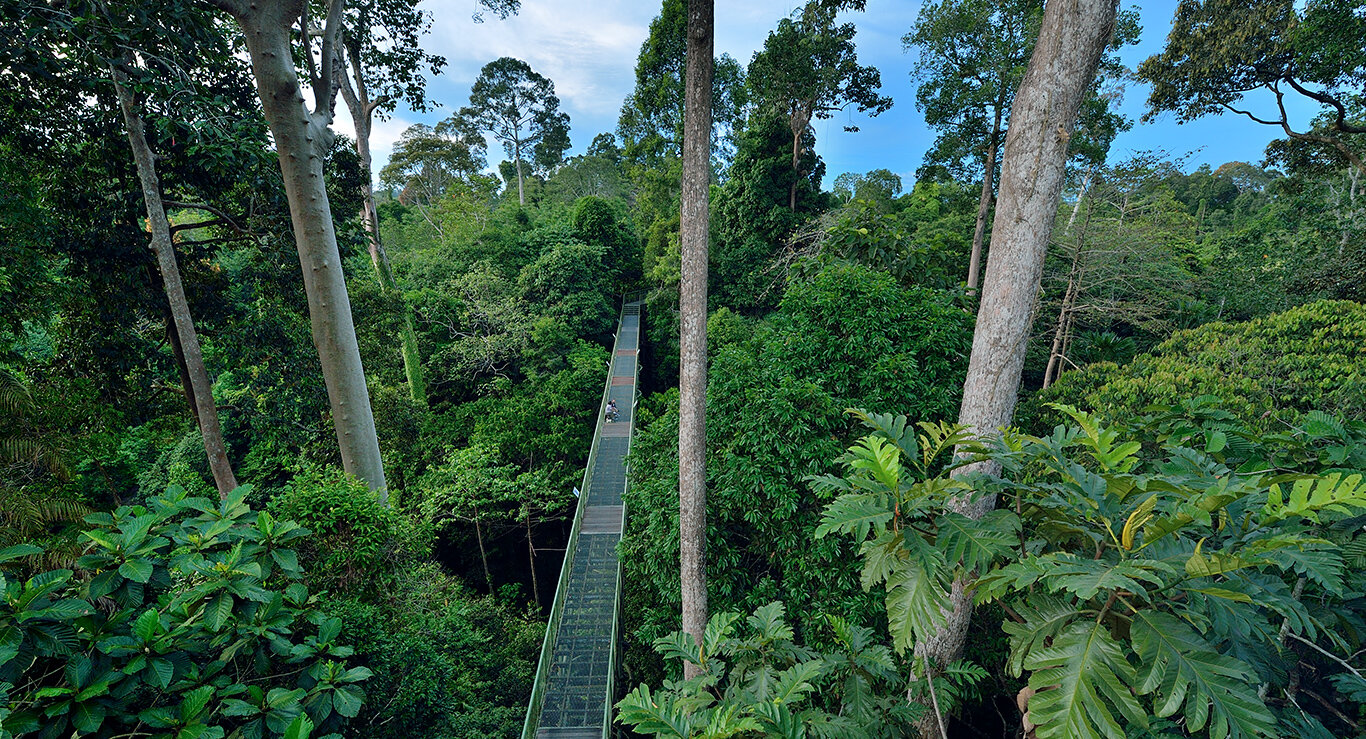
The Rainforest Discovery Center, RDC is one of the most popular educational centres that houses a variety of flora and fauna. Some of the attractions include the Plant Discovery Garden, the Kapili-Sepilok Forest Reserve, the orchid garden exhibition halls, the paddleboat ride, the lakeside walking trail and canopy towers. This park is also home to about 300 bird species. Guided tours are also available.

Lahad Datu
The town of Lahad Datu is surrounded by stretches of cocoa and palm oil plantations and is an important timber exporting port. A settlement is believed to have existed here in the 15th century, as excavations have unearthed Ming dynasty Chinese ceramics. Just east of Lahad Datu is the village of Tunku, a notorious base for pirates and slave traders in the 19th century.
Based on a Jawi manuscript in the Ida’an language dated 1408 AD, it is believed to be the first site in northern Borneo where Islam was first introduced. The Jawi manuscript gives an account of an Ida’an man named Abdullah in Darvel Bay who embraced Islam.
On 23 September 1985, 15-20 armed foreign pirates from the neighbouring Philippines landed on this town, killing at least 21 people and injuring 11 others. Another standoff occurred in February 2013 and lasted for over a month between Malaysian authorities and the Filipino-based militants of the self-proclaimed Royal Security Forces of the Sultanate of Sulu and North Borneo led by Jamalul Kiram III that resulted in a Malaysian victory and creation of the Eastern Sabah Security Command and Eastern Sabah Security Zone. The standoff reportedly saw a total of 68 deaths – 56 from the Sulu sultanate, nine from the Malaysian authorities and six civilians. Before this incursion, the government of Malaysia continued to dutifully pay an annual cession payment amounting to roughly $1,000 to the indirect heirs of the Sultan honouring an 1878 agreement, where North Borneo – today’s Sabah – was conceded by the late Sultan of Sulu to a British company. After the event, the Malaysian government halted the payment. Years later, eight of these Sulu heirs, who insisted they were not involved in the standoff, hired lawyers to pursue legal action based on the original commercial deal. The case is still ongoing.
The Tabin Wildlife Reserve is located in a 1,225 km natural preserve located 48 km from Lahad Datu. It is considered the largest wildlife reserve in Malaysia covering an area of 300,000 acres. One major drawing factor of this reserve is its mineral-rich mud volcanoes which spew out mud every day and are the perfect place to spot endemic animals.
The endangered species in the reserve include the Borneo Pygmy elephants and several exotic birds. It also houses several tropical plants which have great medical and therapeutic significance. Several activities like trekking, hiking, birdwatching and night drives are the prime factors for visiting this quiet yet adventurous greenwood.

Being home to more than 300 recorded species of birds, Tabin is a paradise for bird lovers. Two birdwatching tours are arranged – early morning or early evening. The tour is usually for one hour. Some of the rarest species of the birds spotted at the Reserve include the Speckled Piculet, Chestnut-capped Thrush and Thick bellied flowerpecker.
Mud Volcanoes are a unique feature of Tabin Wildlife Reserve. The best time to visit these volcanoes is early in the morning as the volcanoes are visited by animals. A walk to these easily accessible volcanoes in the morning could be worth a sight, especially of the big three animals – the Pygmy Elephant, the Sumatran Rhinoceros and the Tembalu. Visit the Lipid Mud Volcano which is the nearest volcano to Tabin Base Camp. Fresh mud is spewed by the volcano every day and is worth the sight.

Lipad Waterfall, also known as Twin Waterfall is a 1.5-hour trek from Tabin Wildlife Lodge. The trek is easy and simple with several chances to spot wildlife. Enjoy a swim in the pools at the base of the waterfall. Night drivers are also arranged by the lodge every night. It is a perfect opportunity to witness the nocturnal animals. There are nine trekking trails in the Reserve. All these trails require the company of a professional guide.
The reserve is located at the centre of the Dent Peninsula and comprises almost 300,000 hectares, twice the size of Singapore. The national reserve has several endangered species and also houses nine primate species on its premises, including the Orangutan and three endangered cat species. There are also more than 300 species of birds and it is one of the best spots for bird watching in the country.

Located in the northeastern part of Borneo, the Danum Valley Conservation Area is a lowland dipterocarp forest. Spreading over 438 sq km, this pristine forest land is around 82 km from Lahad Datu. It houses endemic flora and fauna and is known for species such as gibbons, mousedeer, the Bornean orangutan and over 250 species of birds. Danum Valley is an ideal place for birdwatching, wildlife sightings and an adventurous stay in a forest. The forest has great topography ranging from cascading waterfalls to hills to rivers, thus offering a wide variety of activities like swimming, trekking and hiking. Night Walks and Night Drives are among other thrillful activities to experience at the Conservation Area. The Valley is of great interest to the scientists who have been researching the forest for years. Several research programmes are conducted all year round. The forest is unique as it has never had any permanent human settlement or hunting.
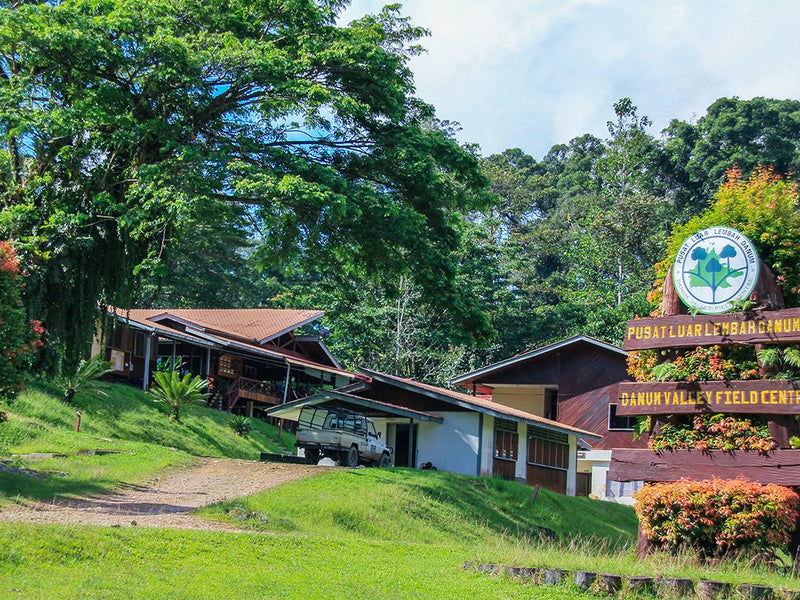
Early morning is the best time for birding as they can be spotted in large numbers. The guide takes the tourists through the trails and roads where other animals like Gibbons, Borneon Britslehead, Blue-headed Pitta and Argus Pheasant can be spotted. 4X4 Night Drives are planned and done by the Danum Valley Field Center. Drives are meant for spotting nocturnal animals like wild cats, civets and flying squirrels. They charge RM 160 and a maximum of 8 people are allowed in the car. BRL also has an extended night drive which starts at 8:30 pm and returns at 1 or 2 am. Charges are extra for the extended rides. Night Walks are a major draw of the forest. This is a guided tour to spot several animals and reptiles. Slow Loris and Western Tarsier are majorly spotted during these night walks. Another major activity offered by the Field Center is a short trip to the Bukit Atur Global Atmospheric Watch, GAW. Being at an elevation, Atur Hills gives a panoramic view of the rainforest and splendid sunrise. Tourists are allowed to swim in the Senggama River. However, the tourists are only allowed to bathe near the river bank by the Field Centre.
Entry fees include the conservation fee of RM 50 per person, and a ranger fee of RM 30 per hour, while the education and nature gallery fee is RM 10 per person. A compact camera fee is RM 10 per camera while a DSLR camera will incur a fee of RM 100 per camera.
Semporna
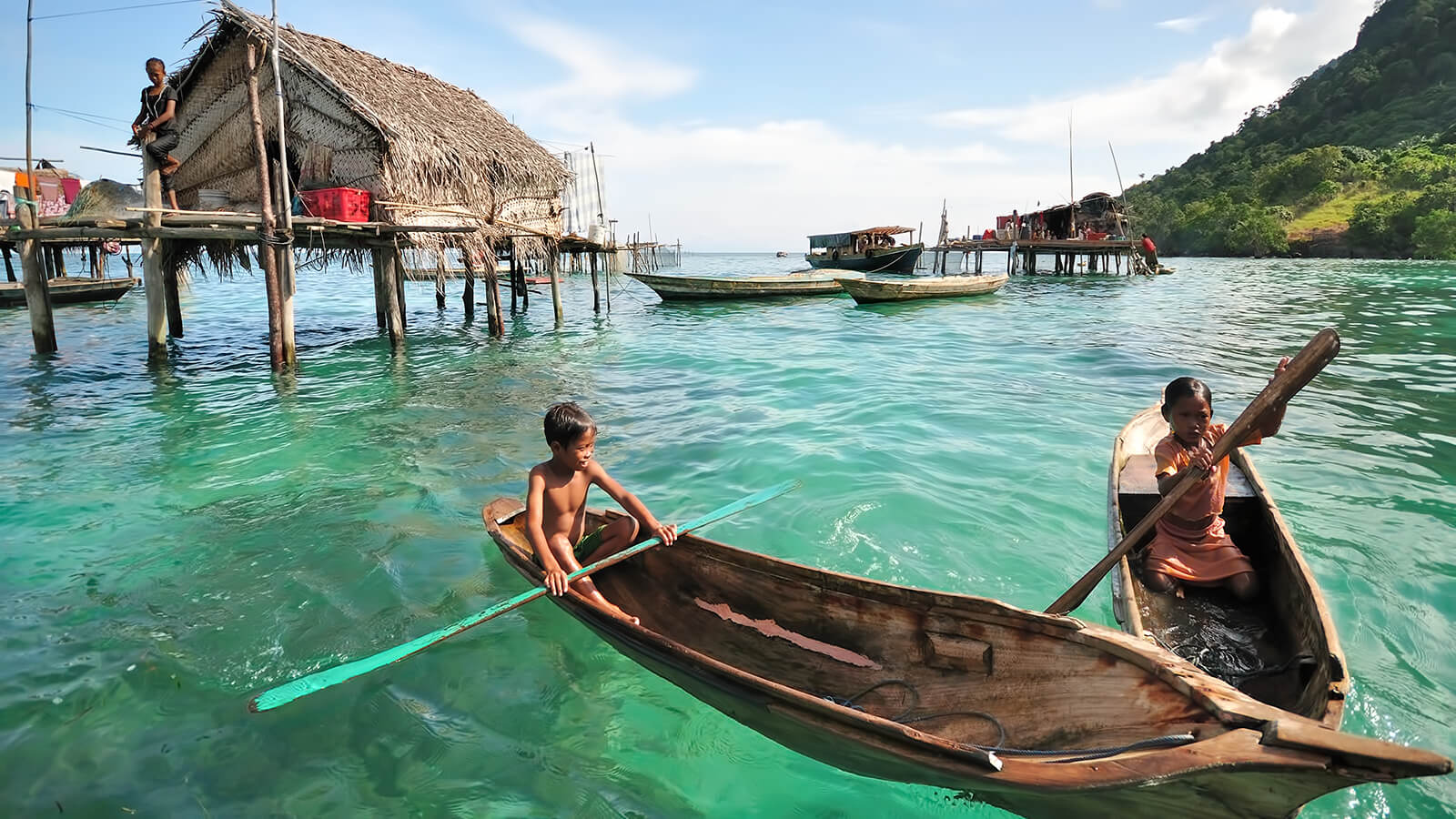
The town of Semporna is a staging point for visitors while going to dive or snorkel at the nearby islands of Mabul, Mataking, Sipadan, Maiga, and Kapalai. A characteristic feature of Semporna is the stilt houses referred to as water villages. Tourists can also explore nearby regions and some natural and historical spots outside the town. At a 15-minute drive from Semporna is Bukit Tengkorak, which is an archaeological heritage site. This also opens up many hiking and trekking opportunities for those who fancy it.
Semporna was founded soon after the British North Borneo Chartered Company established Sandakan, and was initially settled by Chinese traders, most fleeing from Spanish attacks on the Sulu Sultanate. Before being named Semporna, this area was known as Tong Talun in the Bajau language which means Hujung Hutan in Malay or at the end of the forest in English. It was renamed Labuan Semporna which is Malay for perfect anchorage but the word Labuan was subsequently dropped. Other sources translate Semporna as a Peaceful Place.

Including other parts of eastern Sabah, this area was ruled by the Sultanate of Sulu before being handed over to the British North Borneo Chartered Company in 1876 by agreement. From then, the area came under permanent British administration. Other Western powers, including the Dutch, tried to conquer this area in June 1876 but were repelled by the British presence here. This area also was long a main landing point for pirates. Very few people lived on the coasts for fear of these marauders. Action by the British, Dutch and Spanish managed to successfully combat the pirates throughout the 1800s. Upon the advent of the Chartered Company in the early 1880s, only one pirate stronghold remained at Omadal Island, which was defeated by HMS Zephyr in 1886. By mid-1887, a trading station on the southern side of the entrance to Darvel Bay was established. With pirates having recently destroyed the settlement of Maimbung in Sulu, some of the Chinese merchants there asked for permission to settle in the Company’s territory, under the rule of law and its resulting security. Semporna was the site of a small-scale migration of Chavacano speakers from Zamboanga, fleeing the Malaysia-funded Moro Conflict between Muslim rebels and the Philippine government. These Chavacanos speak a Creole of Mexican-Spanish and are partially descended from Peruvian settlers mixed with indigenous Filipinos from the former Rajahnate of Sanmalan.
Semporna is located at the tip of Semporna Peninsula around Lahad Datu Bay, also known as Darvel Bay, and is visited by tourists as a base for scuba diving or snorkelling trips to Pulau Sipadan or Sipadan Island, some 36 km southeast of town. Semporna is also known for the Regatta Lepa traditional boat races which occur annually in April.
While peak diving season is between April and November, diving is possible all year round in Semporna. The clear waters around the islands in the Semporna Island Park, also known as the Tun Sakaran Marine Park, are great spots to explore the variety of aquatic life found on the island. Further, Mabul Island and Kapalai Island house cuttlefish, mandarin fish and pygmy seahorses, among others.
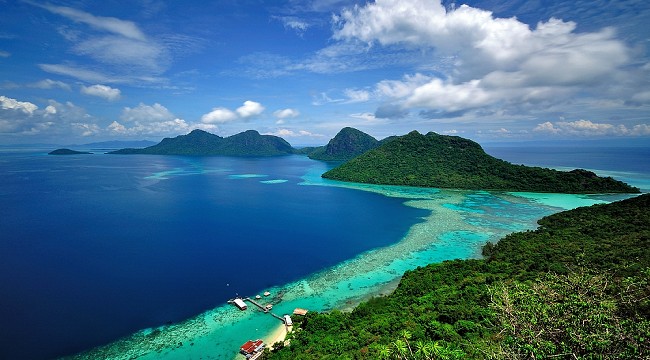
Comprising eight islands, the Tun Sakaran Marine Park features multiple dive sites. The waters around the islands off the east coast of Sabah are home to barracudas, eagle rays, turtles, parrotfish, and nudibranchs. Hikers are in for a fun time at the park as well, with the chance to hike uphill and explore the lagoon in Bohey Dulang. Tourists can also visit the Tun Sakaran Marine Research Unit, home to a seaweed farming centre and a clam spawning centre.
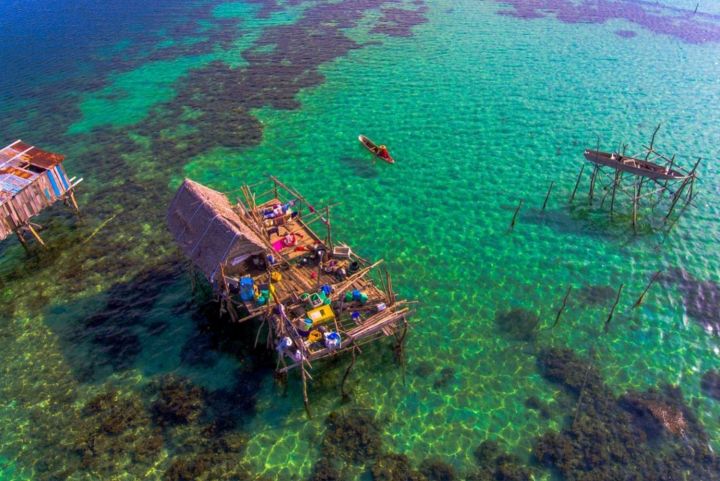
Also known as Semporna Islands Park, in 2004, the Tun Sakaran Marine Park became the seventh gazetted area under Sabah Parks with a total area of 350 sq km. Approximately 2,000 people live within the park, most of whom consist of the nomadic Bajau Laut or Sea Gypsies people, who live in stilt houses and houseboats in and around the marine park. To this day, out of the eight islands, there is only one island, Sebangkat that has an owner and legal grant holder after the gazetting in 2004.
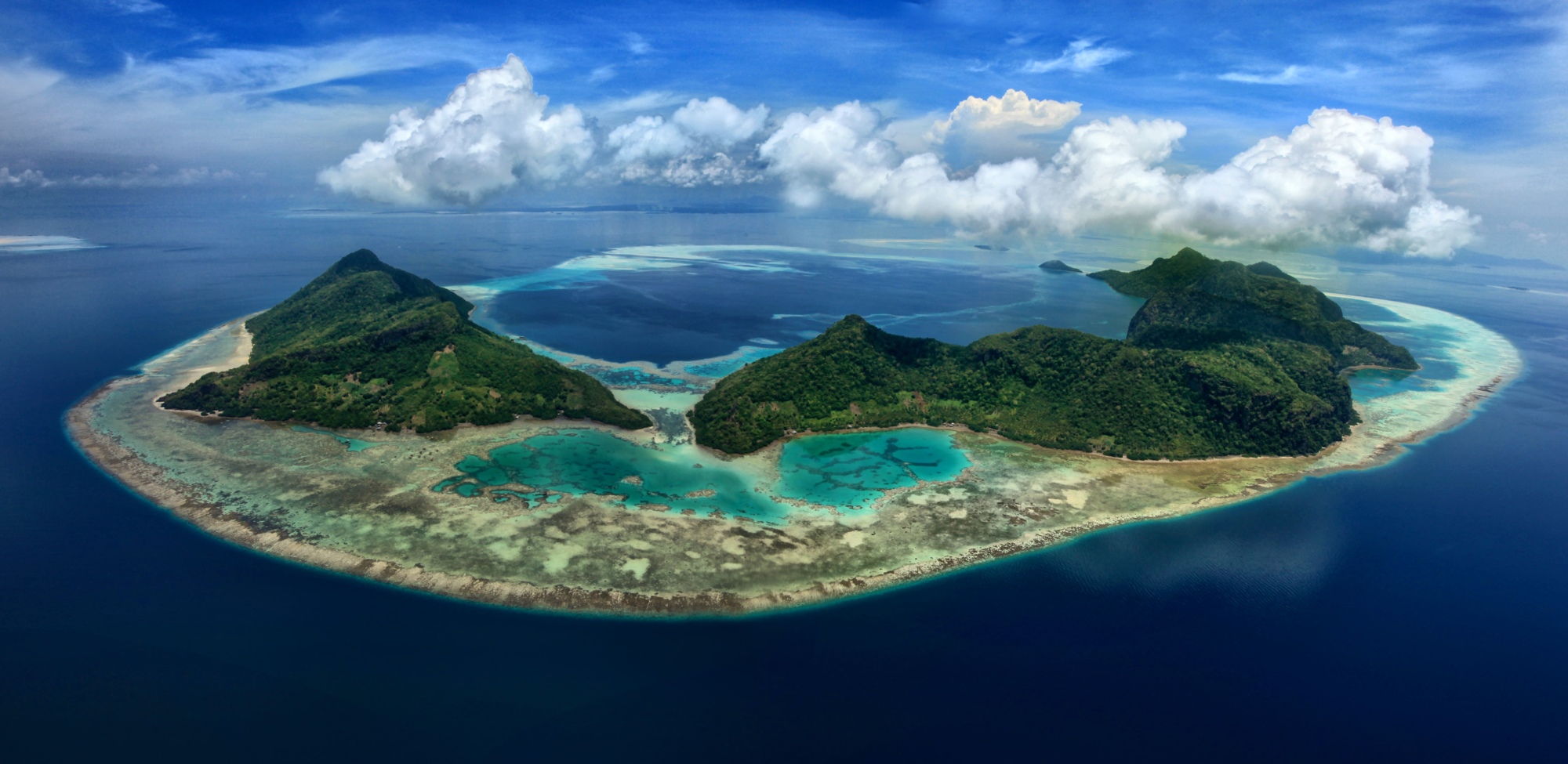
23 km from Semporna, Bohey Dulang island, is the second largest island in the Tun Sakaran Marine Park archipelago. Bohey Dulang is a hiker’s paradise, with uphill treks to the island’s peak and a lagoon that opens into the sea there to explore. The island is also home to birds such as hornbills, fruit doves, babblers, metallic pigeons, scrub fowls, and the like, making it an excellent spot for birdwatching. In addition, the Tun Sakaran Marine Research Unit houses a seaweed farming centre and a giant clam hatchery. The island is home to the nomadic sea gipsy people, known locally as the Bajau Laut.
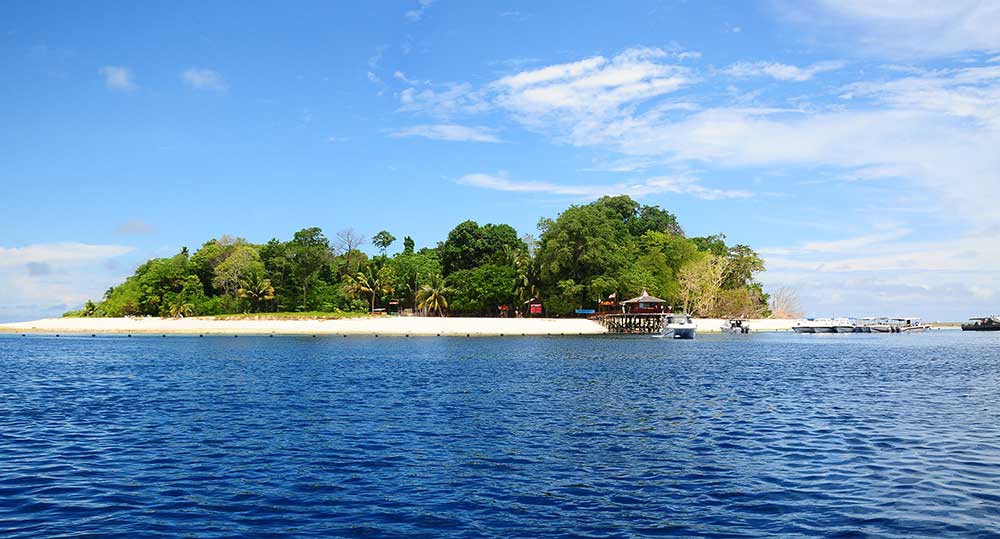
Sipadan National Park, on the Celebes Sea off the east coast of Sabah, is a top diving destination, located at the centre of the Indo-Pacific basin. With turtles, sharks, triggerfish, crevalle jackfish, barracudas, and trevally fish found here, the waters are home to one of the richest marine habitats in the world. However, the deep diving points and underwater currents mean Sipadan is more suited to advanced divers.

Located 10 km south of Semporna, Skull Hill, locally known as Bukit Tengkorak, is a volcanic rock shelter site as well as an important archaeological site. The slopes of the hill have shards of pottery that have been traced back to over 3000 years ago. The hill is an open archaeological site, with a museum at the base housing various findings from the site. The hill used to be one of the largest sites of pottery making in Asia during the Neolithic period, a practice that continues with the Bajau people of Semporna.

The Tropical Research And Conservation Centre at Semporna aims to restore coral reefs and protect sea turtles from fish bombing practices followed by locals. Tourists can volunteer to help the organisation and construct frameworks for corals, monitor and protect green and hawksbill turtles move their eggs to the hatchery, and patrol the islands to protect marine life. As volunteers, tourists can also enjoy scuba diving as well as relaxing on the white sands of the beach.
Tawau
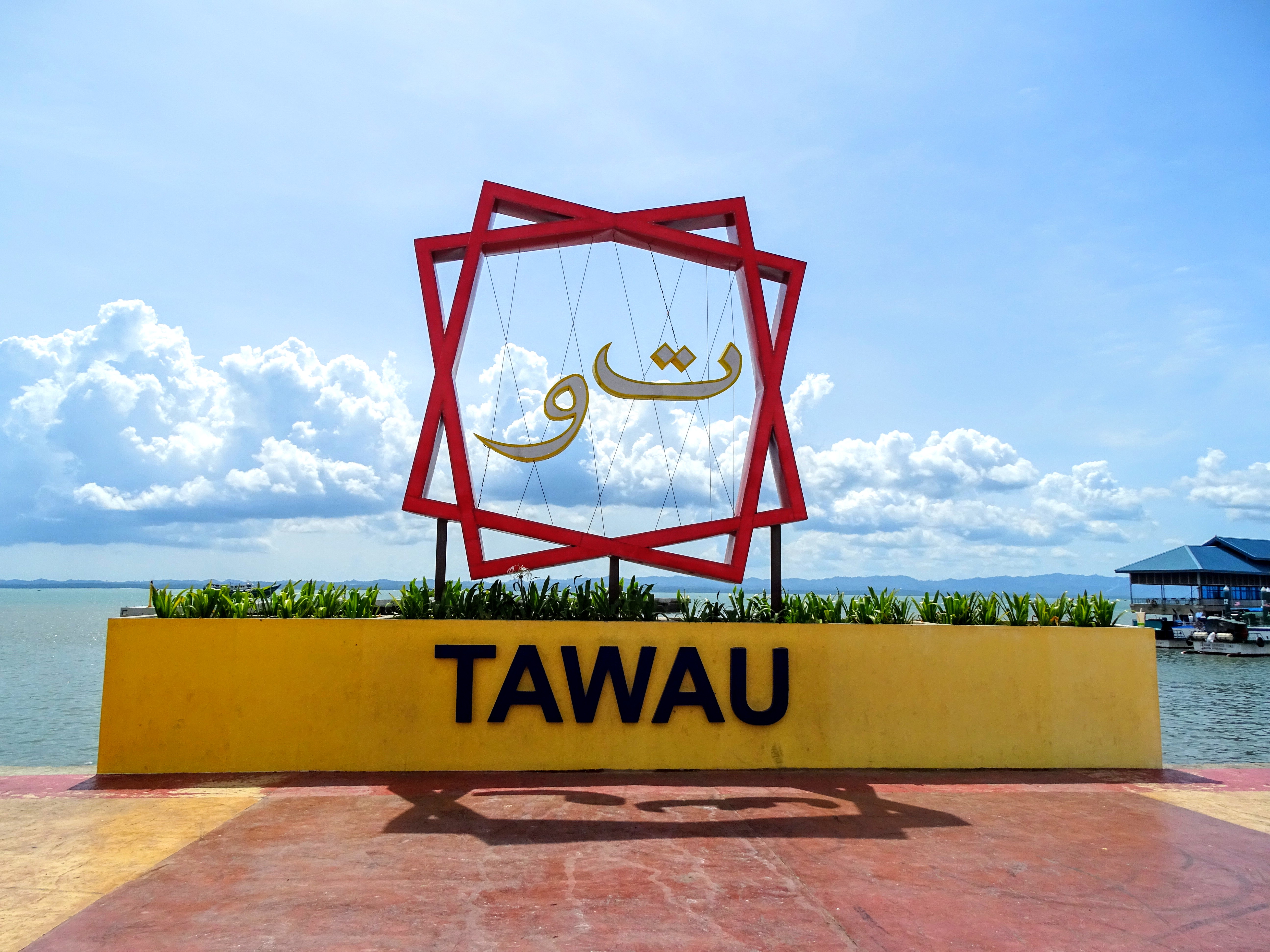
Formerly known as Tawao, Tawau is the third-largest city in Sabah, after Kota Kinabalu and Sandakan. It is bordered by the Sulu Sea to the east, the Celebes Sea to the south at Cowie Bay and shares a border with North Kalimantan, Indonesia.
Before the founding of Tawau, the region around it was the subject of dispute between the British and Dutch spheres of influence. In 1893, the first British merchant vessel sailed into Tawau, marking the opening of the town’s seaport. In 1898, the British set up a settlement in Tawau. The North Borneo Chartered Company, BNBC accelerated the growth of the settlement’s population by encouraging the immigration of Chinese. Consequent to the Japanese occupation of North Borneo, the Allied forces bombed the town in mid-1944, razing it to the ground. After the Japanese surrender in 1945, 2,900 Japanese soldiers in Tawau became prisoners of war and were transferred to Jesselton. Tawau was rebuilt after the war, and by the end of 1947, the economy was restored to its pre-war status. Tawau was also the main point of conflict during the Indonesia–Malaysia confrontation from 1963 to 1966. During that period, it was garrisoned by the British Special Boat Section, and guarded by Australian Destroyers and combat aircraft. In December 1963, Tawau was bombed twice by Indonesia and shootings occurred across the Tawau-Sebatik Island international border. Indonesians were found trying to poison the town’s water supply. In January 1965, a curfew was imposed to prevent Indonesian attackers from making contact with Indonesians living in the town. While in June 1965, another attempted invasion by the Indonesian forces was repelled by bombardment by an Australian destroyer. The military conflict finally ended in December 1966. The main economic activities of the town are timber, cocoa, oil palm plantations, and prawn farming.

The Tawau Hills National Park was established in 1979, primarily as a protection for the water catchment area of Tawau. It is located 24 km north of Tawau and comprises 279.72 sq km of lowland dipterocarp rainforest, surrounded by oil palm and cacao plantations. The park offers picnic areas, camping sites, and chalets and contains rugged volcanic landscapes including hot springs and spectacular waterfalls. The highest point in the park is Gunung Magdalena at 1310 m.
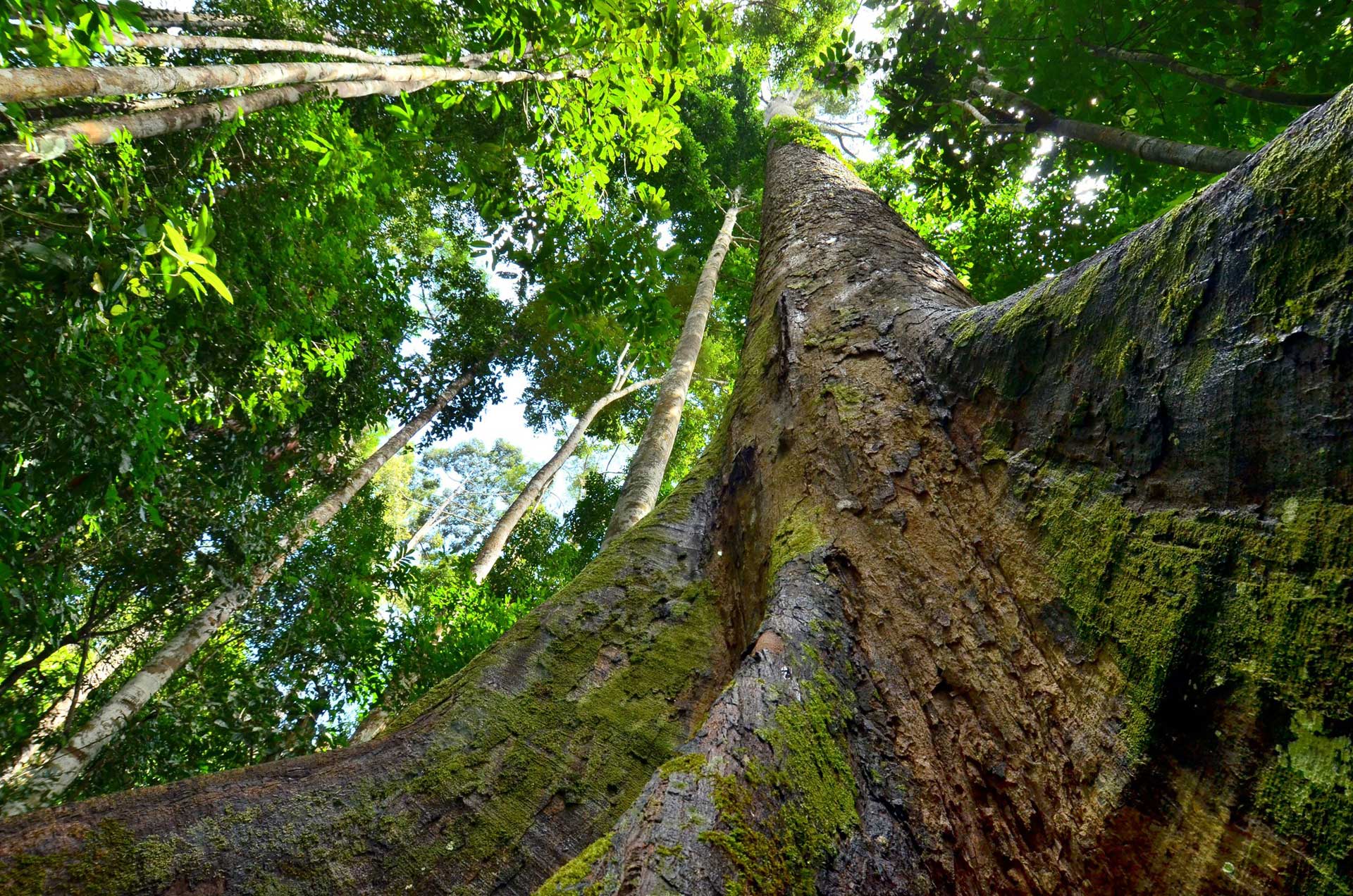
The newly opened 9 km long trail to the World’s second longest rainforest tree at a height of 96.7 m is also located here. All this makes Tawau Hills Park an ideal place for gatherings like picnics, campings and night stays. The River Lodges at the park are a popular accommodation option which gives a serene view of the river and the park.

The most popular spot of Tawau Hills Park is the Bukit Gelas Waterfalls, which are 2.5 km from the Lodge and take about an hour to cover. The trail is easy except for the last 200 m which is an adventurous climb up the slope. A 200 m walk from the park’s main entrance will take one to the very famed Table Waterfalls with a natural swimming pool. The nature trail to the sulfur Springs is mostly flat, at a distance of 3.2 km from the Lodge. However, the latter half of the trail is hilly. The natural trail to the Sulphur Springs gets divided from the natural trail of Bukit Gelas Waterfall at the juncture of the suspension bridge. To reach Sulphur Springs, one must cross the suspension bridge and take the climb up the muddy hills. The natural trail to the mountains is a three-day guided forest trail to extinct volcanoes covering a total distance of 17 km. It covers a visit to Gunung Magdalena and Gunung Lucia along with Bukit Gelas Waterfalls, Sulphur Springs and Kerangas Forest. Gunung Magdalena is the highest peak in Tawau Hills Park with a height of 1312 m. The trail to Mount Magdalena is 14 km and is the longest trail. As it is a three-day trek, 2 nights are to be spent at the hostel located 10 km into the trail. This trail also includes a tour to Gunung Lucia which is the second highest peak with a height of 1202 m. The trail to Gunung Maria is another alternative for a shorter and faster hike. It is the third-highest peak with a height of 1067 m. It is compulsory to hire a guide on all trails and special permits are to be issued by Sabah Parks before the commencement of the climb to these trails. The easy jungle walk to 530m high Bombalai hills takes about 30 minutes. One can witness panoramic views of the park from these hills. The sight is breathtaking with a view of Tawau town along with Cacao and Palm oil plantations.
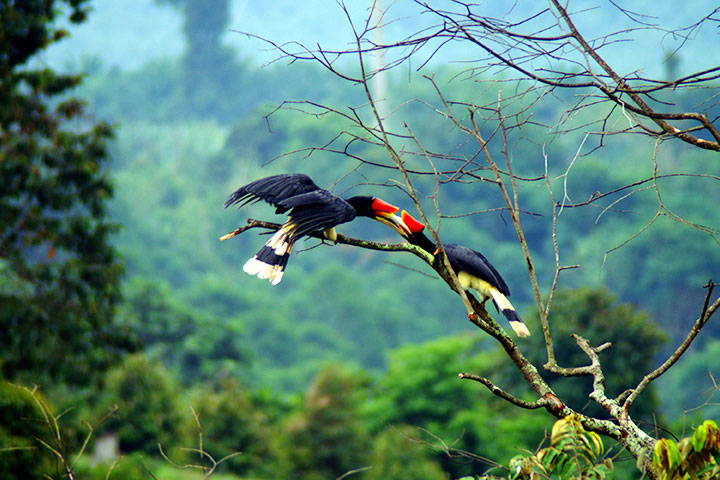
With 180 species of birds, Tawau Hills Parks is one of the major spots for birdwatching. Black hornbills, bushy crested hornbills, crested-fireback pheasants, helmeted hornbills, rhinoceros hornbills, great argus, white-crowned hornbill, Malayan peacock pheasants and wreathed hornbills can be spotted here. The Bukit Genop Canopy Walk is an easy 1 km jungle trail to a 231 m long canopy walk which gives an amazing view. The park arranges for night walks with professional guides to see nocturnal animals in their natural habitat. However, the night walk requires pre-arrangements and separate fees. The newly opened 9 km trail takes the adventurers to the 96 m high tree of Tawau Hills Park.
It is recommended to make prior reservations as the resort can accommodate only a limited number of people. Supplies and accommodations are arranged accordingly by the park administration. One may visit it for a day- trip or spend a few nights at the park.
There is only one accommodation service provider at the park, that is, Tawau Hills Resort. It has several staying options like Chalets, Droms, Lodges and a Hostel. There is one jungle lodge and one mountain lodge. The Hostel is located at a distance of 10.5 km from Mount Magdalena Trail with facilities like a kitchen, bathroom and furniture while other accommodations are located at the entry of the park.
Entry Fees at RM 3 for adults and RM 1 for children who hold Malaysian passports, while foreigners pay RM 10 for adults and RM 6 for children. The park is open daily from 7 am to 6 pm.
Bukit Gemok is a popular trekking spot about 10 km from the centre of Tawau. The Bukit Hill canopy walk situated inside the forest reserve is to look out for. Sprawling across an area of about 231 m, this canopy walk is regarded as one of the longest canopy walks in Sabah and provides a panoramic view of Tawau town. One can find wild plants such as forest orchids in addition to commercial timber. Further, endangered species such as the Chinese Egret and hornbills can also be found here. Bukit Gemok shares its boundary with cocoa plantations and palm oil. Basic facilities such as rest tents and washrooms have been installed inside the forest reserve.

The Maliau Basin, reaching 1675 metres above sea level at its highest point, is one of Malaysia’s richest and most diverse wildlife areas. A 4-hour drive from Tawau, this isolated region seems like a completely different world, with its unique ecosystem. Along with over 1800 species of trees, the Rafflesia flower, and the carnivorous Pitcher Plant, one can come across rare species of animal life such as orangutans, Sumatran rhinos and pygmy elephants. For the hikers, operators often organise four or five-day-long hikes thoroughly exploring the Maliau Basin.
The Maliau Basin Conservation Area is a 25-km wide bowl-shaped catchment depression which is now a popular rainforest. It is one of the world’s greatest biodiversity zones housing almost 2000 types of flora and fauna. Maliau Basin attracts adventurers, trekkers and naturalists. The River Maliau flows into the Kinabatangan River, making the Basin extremely prestigious. The water catchment was gazetted as a Class I Protection Forest in 1997.
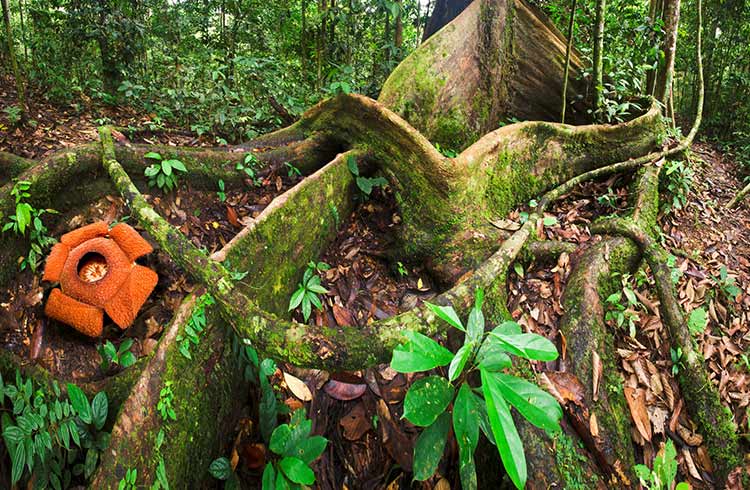
Popularly known as Sabah’s Lost World, the forest lives up to the name as it is almost deserted, apart from the seasonal hikers and adventurers. The rainforest bowl covers an area of 58840 hectares, with numerous waterfalls and campsites. The terrain is quite rough for a beginner, but the basin and views make up for it.
Entrance fees range from around RM 4000 for 4 days. One will need to apply for visitation permission online from the Park HQ several months before visiting the forest. However, one can also get a permit given at the park entrance. A guide service is needed to cover the basin. Documents are required to be shown to assess the level of physical fitness to trek the basin reserve.
Trails to the various camps, Maliau Fall and Mount Lotung are often explored during the dry seasons between January to July. The forest has around 70 km of trails leading to the main fall and other paths that lead to Mt. Lotung, which staggers a height of 5469 ft above sea level. Groups are likely to usually hike around the basin and camps.

Agathis Camp marks the commencement of the trail. It used to previously be mostly abandoned because of the elephants. A bench area and a devastated old building are all that remain now. Nepenthes Camp or the Camel Trophy Camp is about 7-8 km from the Agathis Camp. Nearby are the Takob Akob Waterfall and the Giluk Waterfall, which one can visit on the way. The observational station at the camp provides a mesmerizing view of the forest. Ginseng Camp is about 9 km from Agathis Camp and is situated right next to the Ginseng waterfall. One can spend the night at the camp and swim by the falls to feel rejuvenated. The seven-layered Maliau EWaterfall lies at the heart of the Maliau Basin.
Some very rare and endangered species that only reside in Borneo, belong to the Maliau Basin forest including the nearly extinct Sumatran rhinos and pygmy elephants. The canopy rainforest is filled with various kinds of vegetation including the rarely occurring aquilaria trees, agarwood, pitcher plants and Rafflesia flowers.
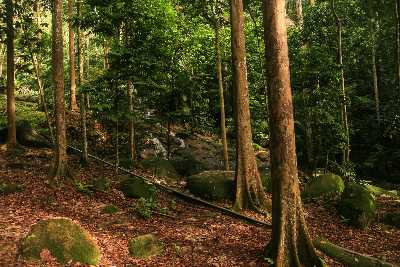
Situated in the Tawau Highlands, the mountainous Ulu Kalumpang Forest Reserve is 35 km from Tawau. Covering over 500 square kilometres, the forest reserve is home to many endangered species, including the critically endangered orangutan. There are about 183 orangutans in this reserve, isolated from the rest of the world in an attempt to encourage survival. The forest reserve is home to 5 different forest types.
The Tawau Hot Springs are a set of 8 sulphur hot springs occurring along a 50-metre stretch of a mountain stream. The water of this stream is hot and strongly acidic, with a distinct smell of hydrogen sulphide. Locals bring food offerings to the springs, and they believe the water of the springs is capable of curing skin diseases and illnesses.
The Tawau Bell Tower, also known as the Belfry, is the oldest standing structure in the town, whose history dates back to 1921. This tower was built by the Japanese to commemorate the armistice agreement which took place after the First World War. Prison labour was used to construct the tower, and funds were contributed by Japanese businessmen in Tawau. As the abandoned structure recently was almost near collapse, it was restored with funds contributed by the Rotary Club of Tawau in 2006.
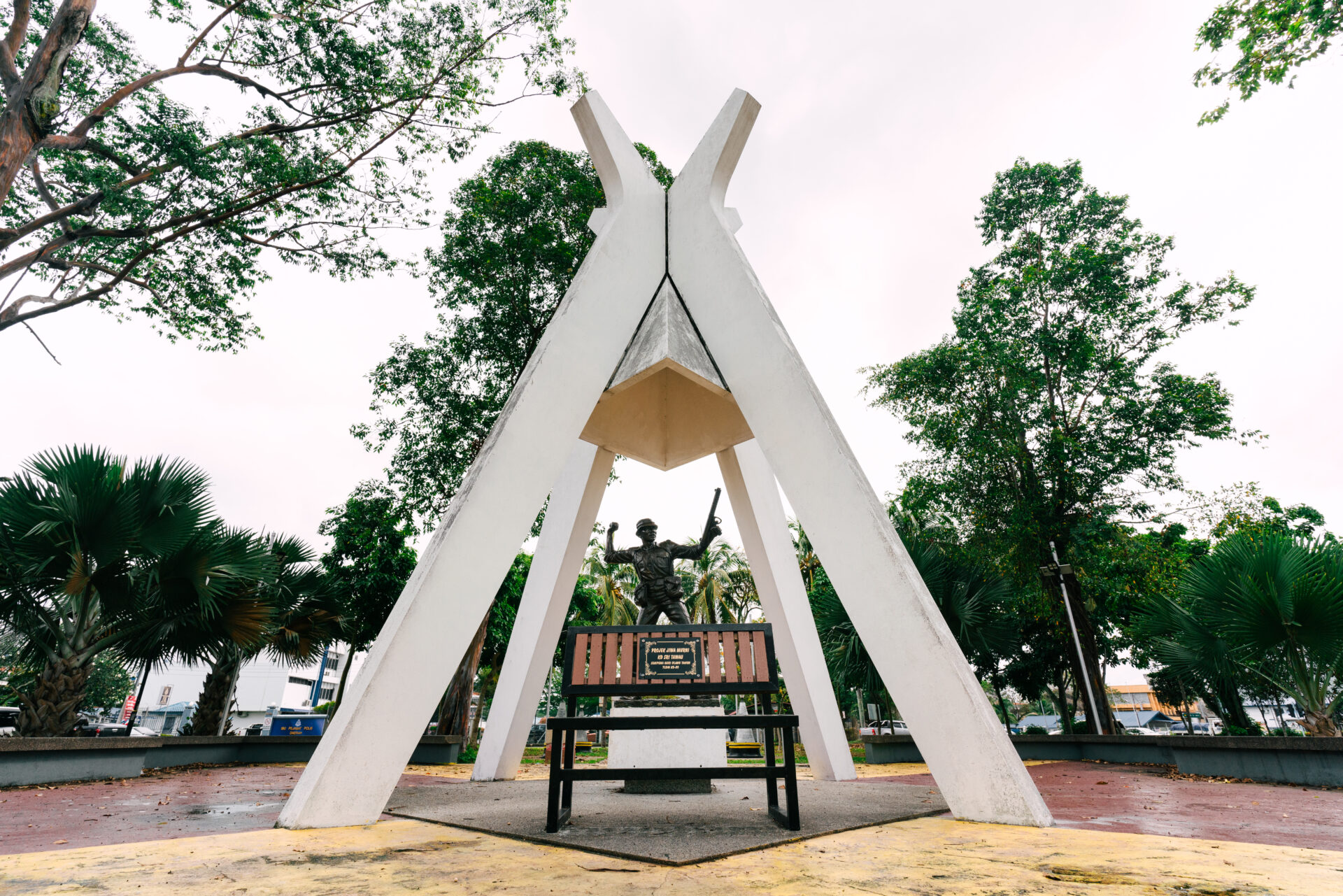
The Confrontation Memorial was built after the Indonesian-Malaysian confrontation, an undeclared war that took place between 1963 and 1966. The memorial was built to pay respect to those who lost their lives to protect the country.
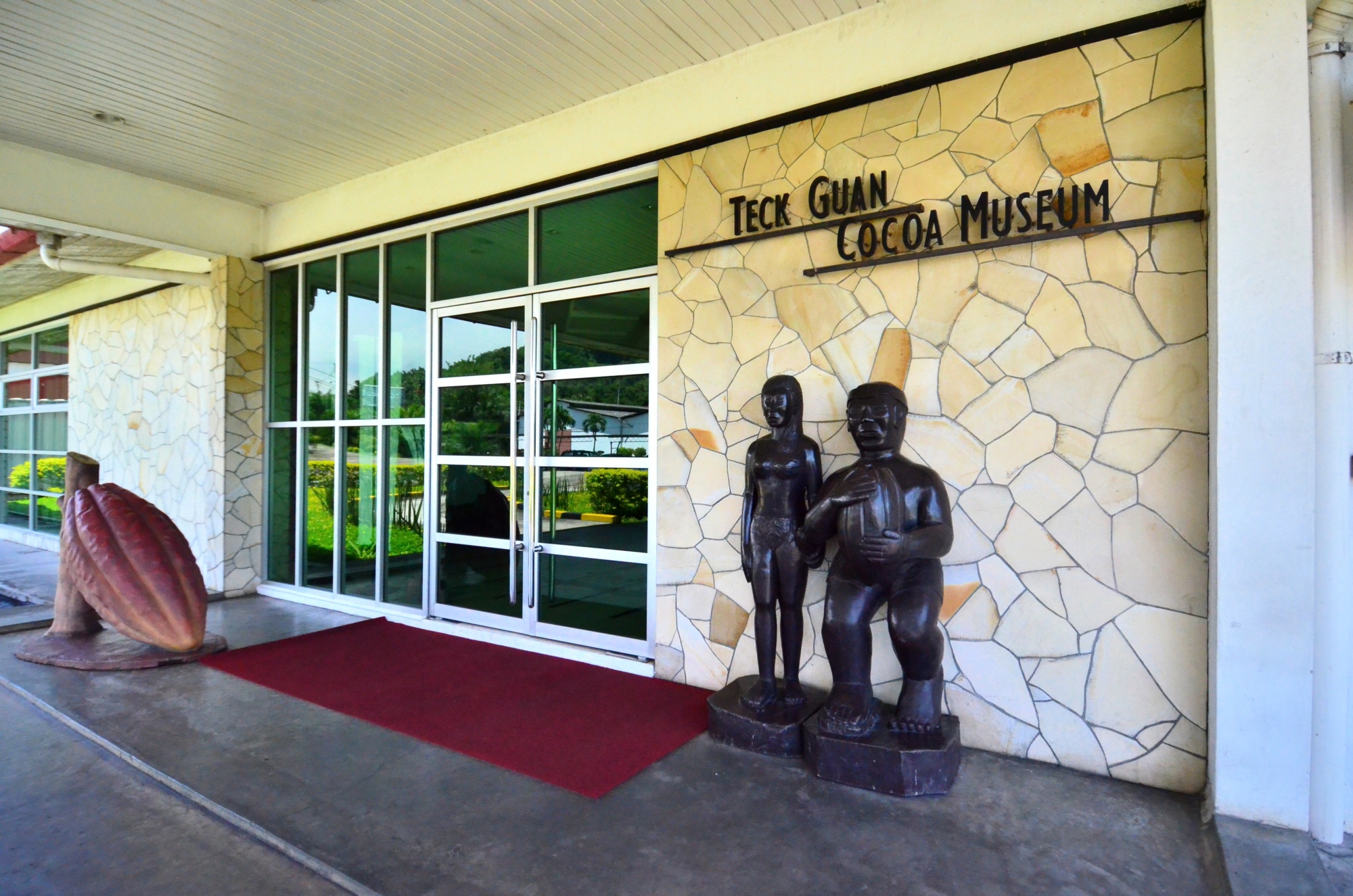
Tawau is known for its cocoa production, and the one-of-a-kind Teck Guan Cocoa Museum showcases the development of this industry in the region. The museum has a cocoa processing plant and manufacturing factory within its compound, and one could take educational tours and learn about raw cocoa processing. In addition, there are cocoa products and chocolates available for sale, and visitors can also sample a few of them. The museum needs bookings for visits.

Open from early morning until about 6 pm, the Pasar Tanjung Tawau is located at the centre of Tawau and hosts 6,000 stalls. The market prides itself on selling products at much lower prices than in Peninsular Malaysia. Dried seafood is a specialty, and visitors can buy dried and salted anchovies and shrimp here. Visitors can also sample delicacies indigenous to the Sabah region.

The Tawau International Cultural Festival is an annual cultural event that showcases the talent and art of ethnic Malaysian groups. This festival features artist presentations, cultural performances, and several other forms of art. Celebrations in the form of parades and fireworks also form a part of this colourful and vibrant festival. The Tawau International Cultural Festival is generally celebrated in the first half of the year i.e. January to April.
And with this, after more than a year, we come to the end of what Malaysia has in store for visitors. I have put quite a few places on my bucket list. And you?
 Memories and Such