

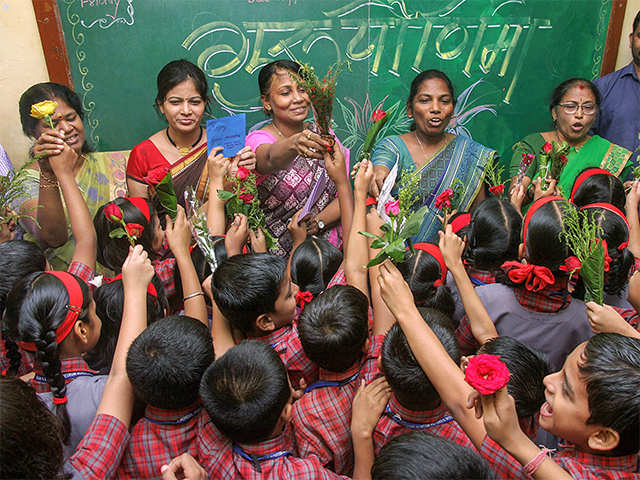
World Teachers’ Day, celebrated annually on October 5th, is a global observance that honours the teaching profession and recognises educator’s crucial role in shaping our world. This day serves as an opportunity to appreciate teachers’ dedication, reflect on their challenges, and advocate for their rights and working conditions.
The roots of World Teachers’ Day can be traced back to 1966 when the United Nations Educational, Scientific and Cultural Organization (UNESCO) and the International Labour Organization (ILO) adopted the “Recommendation Concerning the Status of Teachers.” This landmark document set international standards for the teaching profession, addressing issues such as teachers’ rights, responsibilities, initial preparation, further education, recruitment, employment, and working conditions.
It wasn’t until 1994, however, World Teachers’ Day was officially established. On October 5, 1994, UNESCO proclaimed the first World Teachers’ Day to commemorate the signing of the 1966 recommendation. The date was chosen to honour this significant educational milestone and raise awareness about teachers’ contributions to society.
:max_bytes(150000):strip_icc()/TeacherQuotes_31-2be6699cc5004d659ea11ef75d843e77.png)
Since its inception, World Teachers’ Day has grown into a global celebration, observed in over 100 countries. It serves as a focal point for governments, organisations, and communities to reflect on the state of education and the teaching profession.
World Teachers’ Day holds immense significance for several reasons. The day acknowledges the pivotal role teachers play in providing quality education and shaping future generations. It provides a platform to advocate for teachers’ rights, better working conditions, and professional development opportunities. The day draws attention to the challenges faced by educators worldwide, including resource shortages, overcrowded classrooms, and inadequate support. World Teachers’ Day helps attract and retain talented individuals to the teaching profession by highlighting its importance and value. It fosters a sense of unity among educators worldwide, encouraging the sharing of best practices and experiences across borders. The day stimulates discussions among policymakers, teachers, and other stakeholders about improving education systems and supporting teachers. And lastly, it raises public awareness about the crucial role of teachers in achieving global education goals and sustainable development.
Each year, UNESCO and its partners select a theme for World Teachers’ Day that reflects current priorities and challenges in global education. These themes serve to focus discussions and actions around specific aspects of the teaching profession and education at large. The focus this year is on “Empowering Educators: Strengthening Resilience, Building Sustainability.” This theme highlights the crucial need to support and empower teachers in an ever-changing educational landscape. In these challenging times, teachers have emerged as beacons of resilience, adapting and innovating for their students.This theme recognises the challenges educators face and emphasizes the importance of building their resilience to adapt to new circumstances, technologies, and teaching methodologies. It acknowledges the need to equip educators with the tools, skills, and support necessary to navigate the complexities of modern teaching.

By focusing on strengthening resilience, the theme recognises the importance of helping teachers develop the mental, emotional, and professional fortitude to overcome challenges and adapt to change. This resilience is crucial in maintaining high-quality education in the face of global uncertainties, technological advancements, and evolving societal needs. The emphasis on building sustainability in this theme extends beyond environmental concerns to encompass the sustainability of the teaching profession itself. It calls for creating supportive environments, providing ongoing professional development, and ensuring that teaching remains an attractive and viable long-term career choice.
This theme also aligns with broader global goals, such as the UN Sustainable Development Goals, particularly SDG 4 on Quality Education. It recognises that empowered and resilient teachers are key to providing inclusive, equitable, and quality education for all. After all, sustainable development starts with quality education.
The day is marked by a variety of activities and events around the globe, aimed at honouring teachers and promoting the teaching profession. These activities ensure that World Teachers’ Day resonates with people from all walks of life, fostering a culture of respect and appreciation for educators.

While World Teachers’ Day is a celebration, it also serves as a platform to address the challenges facing educators worldwide. Many countries face severe teacher shortages, particularly in rural and underprivileged areas. Teachers in many parts of the world are underpaid, leading to low morale and difficulty in attracting talented individuals to the profession. Increasing administrative tasks and large class sizes often lead to teacher burnout. Many teachers lack access to quality, ongoing professional development opportunities. The rapid pace of technological change requires constant upskilling, which can be challenging for many educators. In some regions, teachers face physical dangers, including violence and threats from extremist groups. Many schools, especially in developing countries, lack basic teaching materials and infrastructure. Frequent changes in educational policies can create instability and uncertainty for teachers. In some societies, teaching is not accorded the respect and status it deserves, affecting teacher morale and recruitment. The emotional demands of teaching can take a toll on educators’ mental health and well-being. Addressing these challenges is crucial for improving the quality of education globally and ensuring that teaching remains an attractive and respected profession.
The COVID-19 pandemic has had a profound impact on education systems worldwide, bringing unprecedented challenges to teachers and students alike. Teachers had to quickly adapt to remote teaching, often with limited training and resources. The pandemic highlighted and exacerbated existing inequalities in access to technology and internet connectivity. Both teachers and students faced increased stress, anxiety, and isolation during lockdowns and school closures. Many students experienced significant learning losses, particularly those from disadvantaged backgrounds. Teachers often found themselves working longer hours to adapt curricula, support students remotely, and manage new technologies. As schools reopened, teachers had to balance educational needs with health and safety protocols. The crisis spurred innovation in teaching methods and the use of educational technology. The pandemic highlighted the essential role of teachers in society and education systems. These experiences have reshaped conversations about the future of education and the support needed for teachers to effectively navigate crises and adapt to changing educational landscapes.

Several trends and innovations are shaping the future of teaching. The integration of online and in-person instruction is likely to become more prevalent, offering flexibility and personalised learning experiences. AI tools may assist teachers in tasks like grading, personalized instruction, and identifying students who need additional support. There’s a growing emphasis on hands-on, interdisciplinary projects that develop critical thinking and problem-solving skills. Increased focus on developing students’ emotional intelligence and interpersonal skills alongside academic knowledge. Technology enables teachers and students to collaborate with peers around the world, fostering global citizenship. The use of game-design elements in non-game contexts to increase student engagement and motivation. These technologies offer immersive learning experiences, particularly beneficial in subjects like science and history. Data-driven approaches allow for more tailored educational experiences based on individual student needs and progress. Short, focused courses allow teachers to continuously update their skills and knowledge in specific areas. Integrating environmental awareness and sustainable practices across all subjects and grade levels. These trends highlight the need for ongoing professional development and support for teachers as they navigate an ever-evolving educational landscape.
World Teachers’ Day serves as a reminder of the critical role teachers play in achieving global education goals, particularly the United Nations Sustainable Development Goal 4 (SDG 4), which aims to “ensure inclusive and equitable quality education and promote lifelong learning opportunities for all” by 2030.
Teachers are at the forefront of efforts to improve access to education, especially for marginalised and vulnerable populations. They enhance the quality of education by implementing effective teaching strategies and fostering critical thinking skills. Teachers promote gender equality through gender-sensitive teaching practices and encouraging girls’ participation in all subjects. They foster global citizenship by teaching about global issues promoting intercultural understanding and supporting lifelong learning by instilling a love for learning and providing skills for continuous self-improvement. Teachers adapt education to local contexts ensuring relevance and cultural appropriateness of curricula and implement inclusive education by catering to diverse learning needs and abilities in the classroom by integrating technology and leveraging digital tools to enhance learning experiences and outcomes. World Teachers’ Day highlights the importance of supporting and empowering teachers to fulfil these crucial roles effectively.

In a world facing complex challenges – from climate change to technological disruption – the role of teachers in shaping informed, skilled, and compassionate global citizens is more critical than ever. World Teachers’ Day serves not only as a celebration of educators’ dedication and impact but also as a call to action.
The day reminds us of the need to invest in teacher education by ensuring that teachers are well-prepared for the evolving demands of their profession; to improve working conditions by providing teachers with the resources, support, and respect they need to excel in their roles; to elevate the teaching profession by attracting and retaining talented individuals by enhancing the status and appeal of teaching careers; to foster innovation in education by encouraging new approaches to teaching and learning that prepare students for the challenges of the 21st century; to promote equity in education by addressing disparities in educational access and quality, both within and between countries; to support teacher well-being by recognising the importance of teachers’ mental and physical health in delivering quality education; and to engage in global dialogue by facilitating the exchange of ideas and best practices among educators worldwide.
In honouring teachers, we acknowledge that they are not just transmitters of knowledge, but shapers of futures, nurturers of potential, and catalysts for positive change. World Teachers’ Day reminds us all – students, parents, policymakers, and community members – of the profound impact a good teacher can have and the collective responsibility we share in supporting the teaching profession.


/buddhas-first-sermon-56a0c4795f9b58eba4b3a55d.jpg)


 Memories and Such