In My Hands Today…

Small Teaching: Everyday Lessons from the Science of Learning – James M. Lang
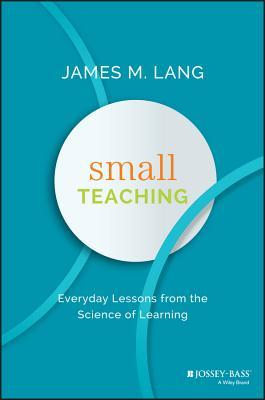
Employ cognitive theory in the classroom every day Research into how we learn has opened the door for utilizing cognitive theory to facilitate better student learning. But that’s easier said than done. Many books about cognitive theory introduce radical but impractical theories, failing to make the connection to the classroom.

In “Small Teaching” James Lang presents a strategy for improving student learning with a series of modest but powerful changes that make a big difference, many of which can be put into practice in a single class period. These strategies are designed to bridge the chasm between primary research and the classroom environment in a way that can be implemented by any faculty in any discipline, and even integrated into pre-existing teaching techniques. Learn, for example: How does one become good at retrieving knowledge from memory? How does making predictions now help us learn in the future? How do instructors instill fixed or growth mindsets in their students?

Each chapter introduces a basic concept in cognitive theory, explains when and how it should be employed, and provides firm examples of how the intervention has been or could be used in a variety of disciplines. Small teaching techniques include brief classroom or online learning activities, one-time interventions, and small modifications in course design or communication with students.
In My Hands Today…

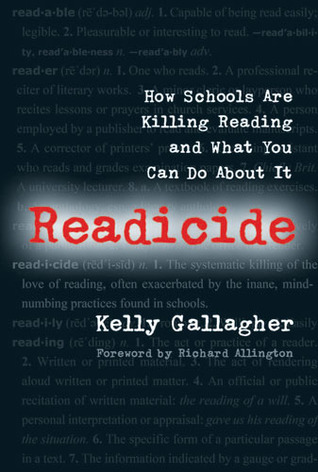
Readicide: How Schools Are Killing Reading and What You Can Do About It – Kelly Gallagher

The systematic killing of the love of reading often exacerbated by the inane, mind-numbing practices found in schools. Reading is dying in our schools. Educators are familiar with many of the factors that have contributed to the decline, poverty, second-language issues, and the ever-expanding choices of electronic entertainment.

In this provocative book How Schools are Killing Reading and What You Can Do About It, author and teacher Kelly Gallagher suggests it is time to recognize a new and significant contributor to the death of our schools.

Readicide, Gallagher argues that American schools are actively (though unwittingly) furthering the decline of reading. Specifically, he contends that the standard instructional practices used in most schools are killing reading standardized testing over the development of lifelong readers.

Mandating breadth over depth in instruction and requiring students to read difficult texts without proper instructional support and insisting students focus on academic texts Ignoring the importance of developing recreational reading losing sight of authentic instruction in the looming shadow of political pressures. Readicide provides teachers, literacy coaches, and administrators with specific steps to reverse the downward spiral in reading; steps that will help prevent the loss of another generation of readers.

In My Hands Today…

The Smartest Kids in the World: And How They Got That Way – Amanda Ripley

Through the compelling stories of three American teenagers living abroad and attending the world’s top-notch public high schools, an investigative reporter explains how these systems cultivate the “smartest” kids on the planet.

America has long compared its students to top-performing kids of other nations, but how do the world’s education superpowers look through the eyes of an American high school student? Author Amanda Ripley follows three teenagers who chose to spend one school year living and learning in Finland, South Korea, and Poland. Through their adventures, Ripley discovers startling truths about how attitudes, parenting, and rigorous teaching have revolutionized these countries’ education results.

In The Smartest Kids in the World, Ripley’s astonishing new insights reveal that top-performing countries have achieved greatness only in the past several decades; that the kids who live there are learning to think for themselves, partly through failing early and often; and that persistence, hard work, and resilience matter more to our children’s life chances than self-esteem or sports.

Ripley’s investigative work seamlessly weaves narrative and research, providing in-depth analysis and gripping details that will keep you turning the pages. Written in a clear and engaging style, The Smartest Kids in the World will enliven public as well as dinner table debates over what makes for brighter and better students.