International Literacy Day

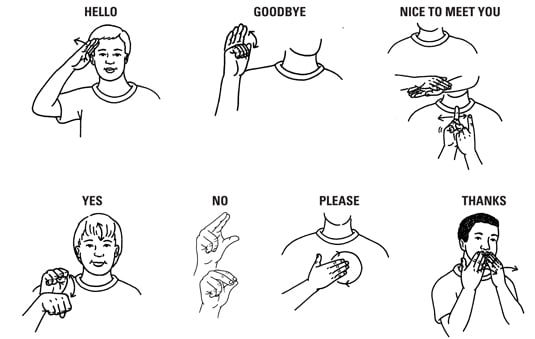
Today is the International Literacy Day. Literacy is a very important as without it, an individual cannot engage in our day-to-day life. Most commonly defined as the ability to read and write, Literacy is not as simple as it sounds. Reading and writing abilities vary across different cultures and contexts, and these too are constantly shifting. Today, reading encompasses complex visual and digital media as well as the printed material. We need to be literate to navigate our daily life, including using our phones, signs outside our homes, prices in a store and many more which we use and do without really thinking too much of it. But beyond the functional level, literacy plays a vital role in transforming people into socially engaged citizens. Being able to read and write means being able to keep up with current events, communicate effectively, and understand the issues that are shaping our world.

International Literacy Day celebrated each year on 8 September, was declared by UNESCO on 26 October 1966 and celebrated for the first time in 1967. Its aim is to highlight the importance of literacy to individuals, communities and societies with celebrations taking place in several countries. About 775 million lack minimum literacy skills; one in five adults are still not literate and two-thirds of them are women; 60.7 million children are out-of-school and many more attend irregularly or drop out.

According to UNESCO’s Global Monitoring Report on Education for All of 2006, South Asia has the lowest regional adult literacy rate at 58.6%, followed by sub-Saharan Africa at 59.7%. Countries with the lowest literacy rates in the world are Burkina Faso at 12.8%, Niger at 14.4% and Mali at 19%. The report shows a clear connection between illiteracy and countries in severe poverty, and between illiteracy and prejudice against women.

The 2021 edition of the International Literacy Day or the ILD will be celebrated under the theme of Literacy for a human-centred recovery: Narrowing the digital divide. The COVID-19 crisis has disrupted the learning of children, young people and adults at an unprecedented scale. It has also magnified the pre-existing inequalities in access to meaningful literacy learning opportunities, disproportionally affecting 773 million non-literate young people and adults. Youth and adult literacy were absent in many initial national response plans, while numerous literacy programmes have been forced to halt their usual modes of operation.

Even in the times of global crisis, efforts have been made to find alternative ways to ensure the continuity of learning, including distance learning, often in combination with in-person learning. Access to literacy learning opportunities, however, has not been evenly distributed. The rapid shift to distance learning also highlighted the persistent digital divide in terms of connectivity, infrastructure, and the ability to engage with technology, as well as disparities in other services such as access to electricity, which has limited learning options.

The pandemic, however, was a reminder of the critical importance of literacy. Beyond its intrinsic importance as part of the right to education, literacy empowers individuals and improves their lives by expanding their capabilities to choose a kind of life they can value. It is also a driver for sustainable development. Literacy is an integral part of education and lifelong learning premised on humanism as defined by the Sustainable Development Goal 4. Literacy, therefore, is central to a human-centred recovery from the COVID-19 crisis.

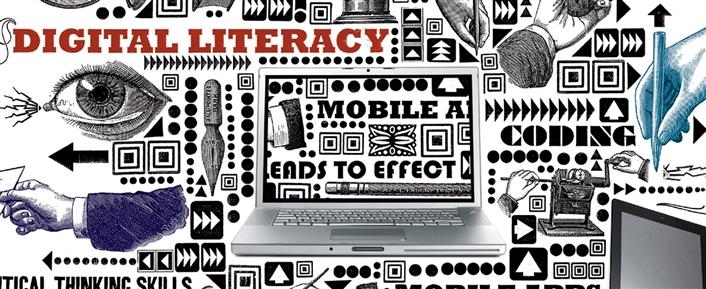
The COVID-19 pandemic has been the worst disturbance to education and training systems in a century, with the longest school closures affecting more than 1.6 billion learners at its peak time. By November 2020, the average child had lost 54 percent of a year’s contact time, which could be interpreted as the loss of over a year’s learning if the time of forgetting what was previously acquired is counted. The pandemic and its repercussions have also magnified the pre-existing inequalities in access to meaningful literacy learning opportunities, disproportionally affecting 773 million non-literate young people and adults. With low or no reading and writing skills, they tend to be more vulnerable in managing their health, work, and life. At the same time, the COVID-19 crisis amplified the centrality of literacy to people’s life, work and lifelong learning. Reading and writing skills are essential, for instance, to access life-saving information and sustain livelihoods. In addition, the need for digital skills, which are part of today’s literacy skills, have been recognized for distance learning, a digitally transformed workplace, and participation in a digitalized society. While there is no single internationally agreed definition, digital skills are broadly understood as a range of abilities to use digital devices, communication applications, and networks to access, manage, understand, integrate, communicate, evaluate and create information safely and appropriately in an increasingly technological and information-rich environment. Various aspects of digital skills are increasingly becoming indispensable to be literate. However, many young people and adults are digitally non-literate, including those who lack basic reading and writing skills. In Europe, 43 percent of adults lack the basic digital skills required to participate in distance digital learning. As acquisition of digital skills involves complex cognitive processes, these emerging skills demand calls for ensuring an adequate level of reading and writing skills, the integration of digital skills into literacy programmes, if appropriate, and the consideration of the inter-relations between these skills, kinds of technology and teaching approaches to be adopted, as well as learners’ motivation, life situations, contexts, and cultures.

ILD 2021 will explore how literacy can contribute to building a solid foundation for a human-centred recovery, with a special focus on the interplay of literacy and digital skills required by non-literate youth and adults. It will also explore what makes technology-enabled literacy learning inclusive and meaningful to leave no one behind. By doing so, ILD2021 will be an opportunity to reimagine future literacy teaching and learning, within and beyond the context of the pandemic.

ILD2021 will be celebrated across the world to uphold the right to literacy and foster the acquisition of literacy and digital skills by youth and adults for a human-centred recovery from the COVID-19 crisis. Some key questions that ILD 2021 will ask will include questions on what are inclusive and good policies, measures and interventions to put literacy, and possibly also digital skills, at the heart of a human-centred recovery from the COVID-19 crisis and to narrow the digital divide and how can the learning of digital skills be integrated into technology-enabled literacy programmes in a meaningful manner as well as how can governments and other agencies mobilise adequate technical and financial support for the promotion of literacy programmes, including the ones that integrate digital skills learning?

Hopefully the efforts that ILD2021 undertakes will increase awareness of the importance of literacy and digital skills for a human-centred recovery and possible ways to make policies, measures and interventions for youth and adult literacy better and more inclusive to counter the digital divide and key issues are identified and new ideas generated for reimagined literacy teaching and learning that integrate literacy and digital skills.

International Chess Day

A thinking board game, very old in origin, chess is played between two players. The current form of the game emerged in Southern Europe during the second half of the 15th century after evolving from similar, much older games of Indian and Persian origin. Chess is an abstract strategy game and involves no hidden information, played on a square chessboard with 64 squares arranged in an eight-by-eight grid with the object of the game to checkmate the opponent’s king, whereby the king is under immediate attack or in check and there is no way for it to escape.

Chess is an ancient, intellectual and cultural game, with a combination of sport, scientific thinking and elements of art. As an affordable and inclusive activity, it can be exercised anywhere and played by all, across the barriers of language, age, gender, physical ability or social status. A global game, chess promotes fairness, inclusion and mutual respect, and can contribute to an atmosphere of tolerance and understanding among peoples and nations.

Chess is a two-player strategy board game where the aim is to move different types of playing piece, each with a prescribed set of possible moves, around a chequered square board trying to capture the opponents’ king piece. Today there are over 2,000 identifiable variants of the game. One theory is that an early game similar to chess called Chaturanga originated in the Northern Indian Subcontinent during the Gupta period, around 319 – 543 and spread along the Silk Roads west to Persia. Whilst modern Chess is believed to have been derived from Chaturanga which means four divisions referring either to the divisions of the playing pieces into infantry, cavalry, elephantry and chariotry, which in the modern game became the pawn, knight, bishop and rook pieces, or to the fact that the game was played by four players. Chatrang, and later Shatranj, was the name given to the game when it arrived in Sassanid Persia around 600. The earliest reference to the game comes from a Persian manuscript of around 600, which describes an ambassador from the Indian Subcontinent visiting king Khosrow I who ruled between 531 – 579 and presenting him with the game as a gift. From there it spread along the Silk to other regions including the Arabian Peninsula and Byzantium. In 900, Abbasid chess masters al-Suli and al-Lajlaj composed works on the techniques and strategy of the game, and by 1000, chess was popular across Europe, and in Russia where it was introduced from the Eurasian Steppe. The Alfonso manuscripts, also known as the Libro de los Juegos or the Book of Games, a medieval collection of texts on three different types of the popular game from the 13th century describe the game of chess as very similar to Persian Shatranj in rules and gameplay.

Throughout history, games and sports have helped humanity to survive times of crisis by reducing anxieties and improving mental health. While the coronavirus outbreak has forced most gaming and sports activities to scale down, chess has demonstrated remarkable resilience, adaptability and very strong convening power in time of the pandemic. Over the past year, the overall interest in chess is reported to have doubled, with more players than ever coming together to participate in chess events that are being increasingly held through online platforms.

The International Chess Day is celebrated annually on July 20, the day the International Chess Federation or the FIDE was founded, in 1924. The idea to celebrate this day was proposed by UNESCO, and it has been celebrated as such since 1966. On December 12, 2019, the UN General Assembly unanimously approved a resolution recognising the day.

The day is celebrated by many of the 605 million regular chess players around the world. A 2012 Yougov poll showed that a surprisingly stable 70% of the adult population has played chess at some point during their lives. This number holds at approximately the same level in countries as diverse as the US, UK, Germany, Russia, and India. Chess helps us to sharpen our mind-skills, reward ourselves with positive emotions, strengthens character, hones self-discipline, persistence, planning and many other important skills that are needed in life.

I played chess for a bit when I was younger, but because nobody I knew played the game, I gradually stopped playing. When BB & GG were about 10, I introduced them to the game, and they enjoy playing with each other, pitting their skills against each other. They don’t play as often I would like them to, but ever so often, I will find them hunched over a chessboard, trying to kill each other’s rooks, pawns, bishops, horses and elephants. To observe this day, we played chess yesterday, did you?

World Population Day

Source

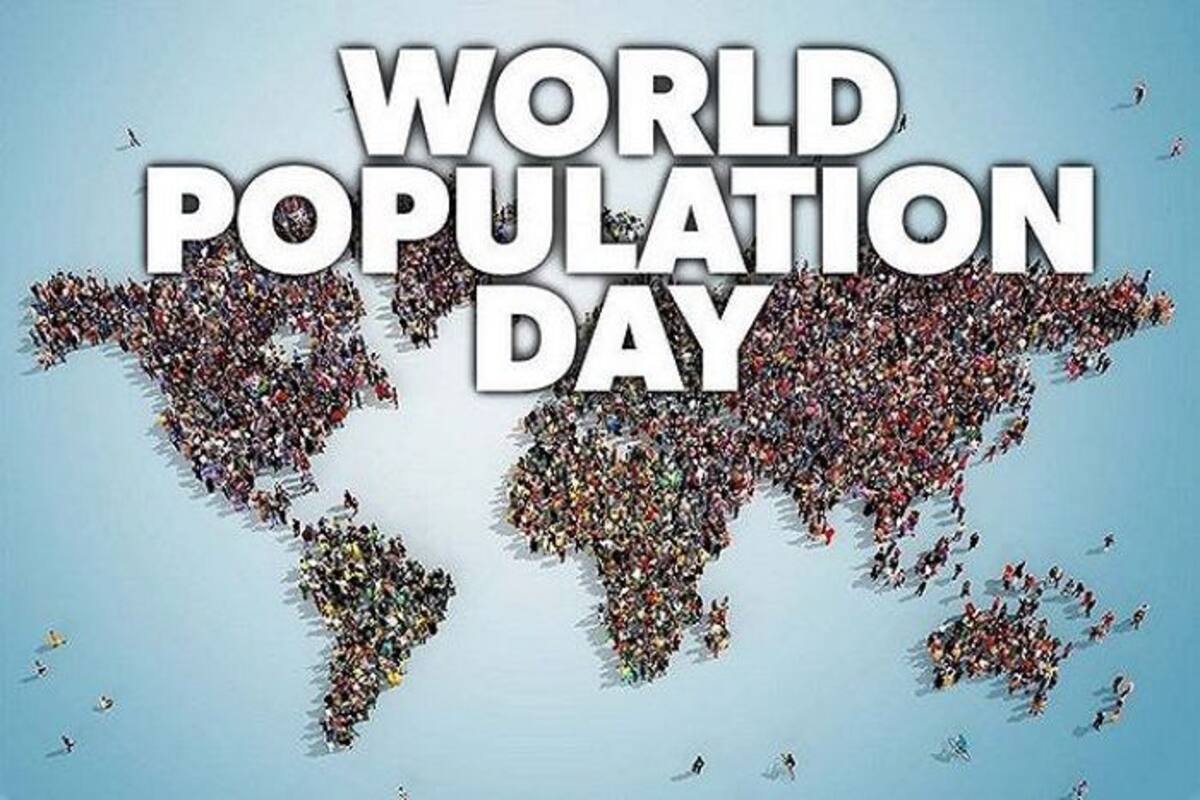
On Sunday the world celebrated the World Population Day. This day, which is observed annually on July 11 to raise awareness of global population issues. Established in 1989, the event was inspired by the public interest in Five Billion Day on July 11, 1987, the approximate date on which the world’s population reached five billion people. The World Population Day aims to increase people’s awareness on various population issues such as the importance of family planning, gender equality, poverty, maternal health and human rights. The suggestion of the day came from Dr. K. C. Zachariah, a senior demographer at the World Bank.

While press interest and general awareness in the global population surges only at the increments of whole billions of people, the world population increases annually by 100 million approximately every 14 months. The world population today is close to 7.9 billion and we add about 220,000 people to our world every single day! So on World Population Day, advocates from around the world call on leaders, policymakers, grassroots organisers, institutions and others to help make reproductive health and rights a reality for all.

It took hundreds of thousands of years for the world population to grow to 1 billion, then in just another 200 years or so, it grew sevenfold. In 2011, the global population reached the 7 billion mark, and today, it stands at about 7.8 billion, and it’s expected to grow to around 8.5 billion in 2030, 9.7 billion in 2050, and 10.9 billion in 2100. This dramatic growth has been driven largely by increasing numbers of people surviving to reproductive age, and has been accompanied by major changes in fertility rates, increasing urbanization and accelerating migration. These trends will have far-reaching implications for generations to come. In addition, the world is seeing high levels of urbanization and accelerating migration. 2007 was the first year in which more people lived in urban areas than in rural areas, and by 2050 about 66 per cent of the world population will be living in cities.

So why is population an important topic? The human race has an enormous impact on this planet. We control and modify the Earth more than any other species. How do we meet the needs of human beings and also preserve Earth’s finite resources, biodiversity, and natural beauty? This is the fundamental question of our time, and the challenge is becoming more critical as we continue to add more people. The world is vastly overpopulated and research conducted by the Global Footprint Network suggests that about 2 to 3 billion people is the number the planet can sustainably support, if everyone consumes the same amount of resources as the average European, which is about 60% the amount of the average American. U.N. experts predict that, unless we change course, world population will continue increasing until after 2100, with a most likely prediction of 10.9 billion people by the year 2100.

Worldwide, the average number of children per family has come down over the last 50 years, from more than 5 per woman to around 2.3, but the current average is still above replacement level, which would be 2.1 children per woman, and the number of women having children is about twice what it was in 1960. There is also huge demographic momentum since over 2/5 of the world’s population is 24 years or younger, either having children now, or poised to have them in the next 10 to 15 years and any changes we make today may not have a visible effect until a generation has passed.

Finally, people are living longer all over the world and will continue to do so, with a resultant slowdown in death rates. Thus, there’s a big imbalance in the birth to death ratio: currently more than 2 births for every 1 death worldwide.

These megatrends have far-reaching implications. They affect economic development, employment, income distribution, poverty and social protections. They also affect efforts to ensure universal access to health care, education, housing, sanitation, water, food and energy. To more sustainably address the needs of individuals, policymakers must understand how many people are living on the planet, where they are, how old they are, and how many people will come after them.

The theme for 2021 is focussed on COVID-19 and its impact specifically on safeguarding the health and rights of women and girls. The COVID-19 crisis has taken a staggering toll on people, communities and economies everywhere. But not everyone is affected equally. Women, who account for the largest share of front-line health workers, for example, are disproportionately exposed to the coronavirus. Supply chains around the world are being disrupted, impacting the availability of contraceptives and heightening the risk of unintended pregnancy. As countries are on lockdown and health systems struggle to cope, sexual and reproductive health services are being sidelined and gender-based violence is on the rise. Recent UNFPA research highlighted that if the lockdown continues for 6 months with major disruptions to health services, then 47 million women in low- and middle-income countries may not be able to access modern contraceptives resulting in 7 million unintended pregnancies. 31 million additional cases of gender-based violence can also be expected. The disruption of UNFPA’s programmes on the ground could result in 2 million cases of female genital mutilation and 13 million child marriages between 2020 and 2030 that could have been averted. Moreover, women disproportionately work in insecure labour markets and are harder hit by the economic impacts of COVID-19. Nearly 60 percent of women worldwide work in the informal economy, at greater risk of falling into poverty. Women’s unpaid care work has increased as a result of school closures and the increased needs of older people. The pandemic is hitting marginalised communities particularly hard, deepening inequalities and threatening to set us back in efforts to leave no one behind. Country responses to COVID-19 everywhere is critical and will determine how fast the world recovers.

So in honour of this day, spread the word anout the dangers of overpopulation and it’s impact on our world. This world, which we will leave to our children and grandchildren should be one that can sustain them and their desendents.

International Day of Yoga

Source

Celebrated on 21 June annually since 2015, the International Day of Yoga was first proposed by the Indian Prime Minister Narendra Modi in 2014. The date of the day, 21 June was suggested as it is the longest day of the year in the northern hemisphere and shares a special significance in many parts of the world. From the perspective of yoga, the summer solstice marks the transition to Dakshinayana, when the sun travels towards the south on the celestial sphere. The second full moon after summer solstice is known as Guru Poornima. Lord Shiva, the first yogi or Adi Yogi, is said to have begun imparting the knowledge of yoga to the rest of mankind on this day, and became the first guru.

Yoga is a group of physical, mental, and spiritual practices or disciplines which originated in ancient India and is one of the six orthodox philosophical schools of Hinduism. In the western world, yoga often denotes denotes a modern form of hatha yoga with yoga as exercise, consisting largely of the postures or asanas. The practice of yoga has been thought to date back to pre-vedic Indian traditions, possibly in the Indus valley civilization around 3000 BC and the practice is mentioned in the Rigveda and referenced in the Upanishads, though it most likely developed as a systematic study around the 5th and 6th centuries BC. Hatha yoga texts began to emerge sometime between the 9th and 11th centuries with origins in tantra. Yoga in Indian traditions is more than physical exercise, it has a meditative and spiritual core. Derived from Sanskrit, the root word for Yoga is yug which means to attach, join, harness or yoke and refers to uniting with someone or joining. The ancient Indian sage Patanjali is thought to be the Father of Modern Yoga because he is the person who codified all the aspects of Yoga into a certain format and introduced Yoga Sutras.

The International Day of Yoga aims to raise awareness worldwide of the many benefits of practicing yoga. It is important for individuals and populations to be able to make healthier choices and follow lifestyle patterns that foster good health. In this regard, it is important to reduce physical inactivity, which is among the top ten leading causes of death worldwide, and a key risk factor for non-communicable diseases, such as cardiovascular diseases, cancer and diabetes. Other than other physical activies one can do, yoga is is an activity which is more than just a physical activity. In the words of one of its most famous practitioners, the late B. K. S. Iyengar, “Yoga cultivates the ways of maintaining a balanced attitude in day-to-day life and endows skill in the performance of one’s actions.”

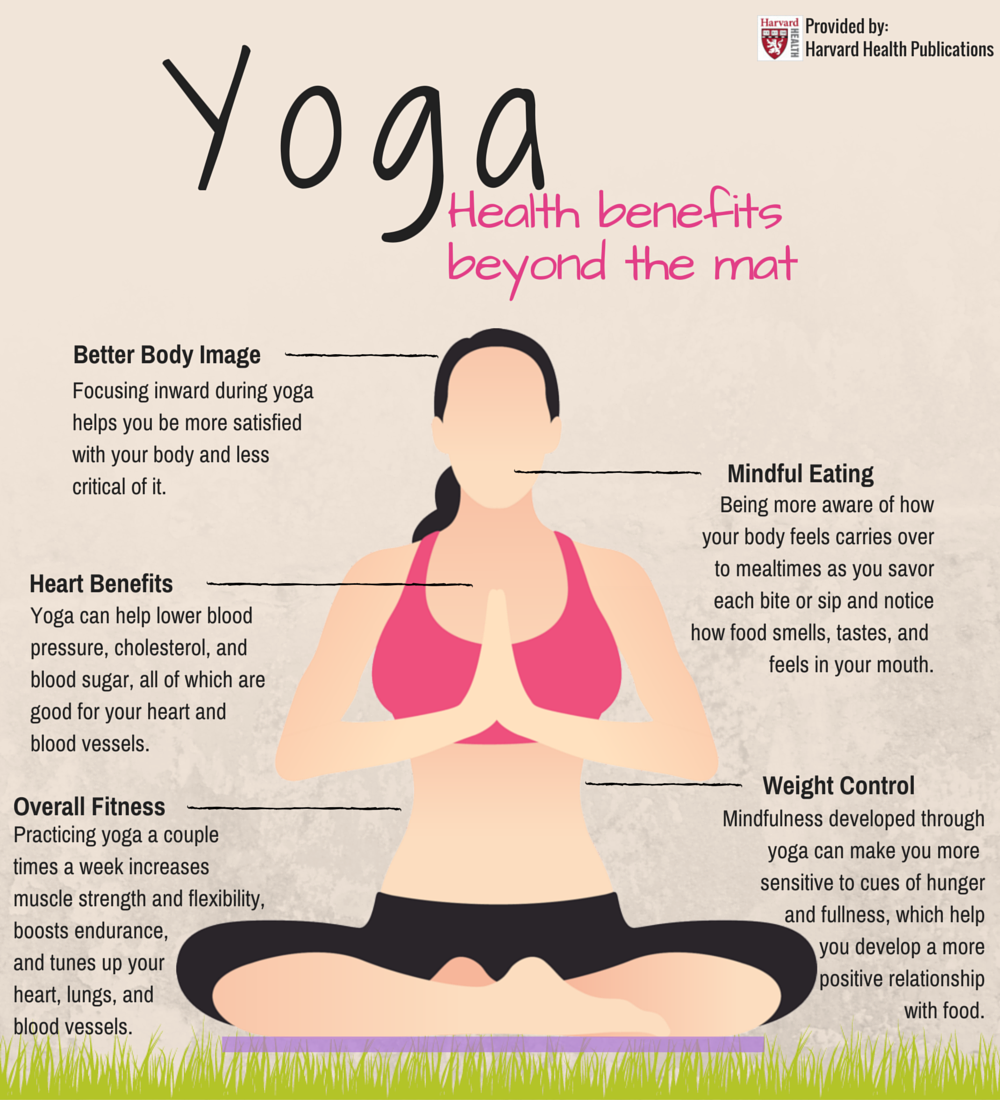
Yoga offers physical and mental health benefits for people of all ages and if one is going through an illness, recovering from surgery or living with a chronic condition, yoga can become an integral part of their treatment and potentially hasten healing. The benefits of yoga improves strength, balance and flexibility, helps with back pain relief, ease arthritis symptoms, benefits the heart health, relaxes the practitioner and help them sleep better, improve energy levels, better the mood and manage stress and promotes better self-care by providing a balance between the body, mind and soul.

So how can one celebrate this day? Create awareness about the benefits of yoga and take part in in a yoga class, preferably online or in a small group. You can also watch yoga videos on and correct your postures and share with family and friends the importance of yoga.

World No Tobacco Day

Today is World No Tobacco Day. This yearly celebration informs the public on the dangers of using tobacco, the business practices of tobacco companies, what the World Health Organization or WHO is doing to fight against the use of tobacco, and what people around the world can do to claim their right to health and healthy living and to protect future generations. This day was created in 1987 to draw global attention to the tobacco epidemic and the preventable death and disease it causes. The day is further intended to draw attention to the widespread prevalence of tobacco use and to negative health effects, which currently lead to more than 8 million deaths each year worldwide, including the 1.2 million that are the result of non-smokers being exposed to second-hand smoke.

The theme for 2021 is a year-long global campaign initiated by the WHO for the World No Tobacco Day 2021 with the theme of Commit to Quit. This campaign aims to support 100 million people worldwide in their attempt to give up tobacco through various initiatives and digital solutions and will help create healthier environments that are conducive to quitting tobacco by advocating for strong tobacco cessation policies, by promoting increased access to cessation services, by raising awareness of tobacco industry tactics and by empowering tobacco users to make successful attempts to quit through quit & win initiatives.

The COVID-19 pandemic has led to millions of tobacco users wanting to quit. However, quitting tobacco is challenging, especially with the added social and economic stresses brought about by the pandemic. Worldwide, around 780 million people say they want to quit, but only 30% of them have access to the tools that can help them to overcome both physical and mental addictions to tobacco. And in today’s COVID world, smokers have a greater risk of developing a severe case and dying from COVID-19. Tobacco affects your looks almost immediately and threatens the health of not just the smoker, but their family and friends. Smoking or using e-cigarettes around children compromises their health and safety and tobacco and its allied products are expensive, money that can be used for other important things. For both men and women, smoking reduces fertility and purchasing tobacco, one is financially supporting an industry that exploits farmers and children and pedals sickness and death. In terms of overall health, smokers are more likely to lose their vision and hearing and tobacco harms almost every organ of the body

Quitting tobacco has major and immediate health benefits. There are immediate and long-term health benefits to quitting tobacco. After just 20 minutes of quitting smoking, the heart rate drops. Within 12 hours, the carbon monoxide level in the blood drops to normal. Within 2–12 weeks, the circulation improves and lung function increases. Within 1–9 months, coughing and shortness of breath decrease. Within 5–15 years, the stroke risk is reduced to that of a non-smoker. Within 10 years, the lung cancer death rate is about half that of a smoker. Within 15 years, the risk of heart disease is that of a non-smoker. Quitting smoking decreases the excess risk of many diseases related to second-hand smoke in children, such as respiratory diseases like asthma and ear infections. Quitting smoking also reduces the chances of impotence, having difficulty getting pregnant, having premature births, babies with low birth weights and miscarriage.

So please, if you are a smoker, or you know someone who smokes or uses tobacco products, then seriously think of quitting or helping them quit. There are many resources available, with the WHO having a Quitting Toolkit, which also has digital support.