World Wetlands Day

Today is the World Wetlands Day. Dating back to 1971, World Wetlands Day is an environmentally-related celebration that reaffirms the protection and love for wetlands, which are the small environments of plant life and organisms found within water bodies that bring about ecological health in abundance to not only water bodies but environments as a whole. First celebrated in 1997, World Wetlands Day serves to recognise the influence and positive production that Wetlands have had on the world and in terms brings communities together for the benefit of Mother Nature. This day also raises global awareness because wetlands play a significant role in people and on the planet. The day was formally acknowledged by the United Nations on 30 August 2021as World Wetlands Day. 2 February each year is World Wetlands Day to raise global awareness about the vital role of wetlands for people and our planet. This day also marks the date of the adoption of the Convention on Wetlands on 2 February 1971, in the Iranian city of Ramsar on the shores of the Caspian Sea.

A patch of land that develops pools of water after a rainstorm would not necessarily be considered a wetland, even though the land is wet. Wetlands have unique characteristics: they are generally distinguished from other water bodies or landforms based on their water level and on the types of plants that live within them. Specifically, wetlands are characterised as having a water table that stands at or near the land surface for a long enough period each year to support aquatic plants. A wetland is a distinct ecosystem that is flooded by water, either permanently or seasonally. Flooding results in oxygen-free or anoxic processes prevailing, especially in the soils. Wetlands are considered among the most biologically diverse of all ecosystems, serving as home to a wide range of unique plant and animal species and occur naturally on every continent, except for Antarctica. The water in wetlands is either freshwater, brackish or salt water and the main wetland types are classified based on the dominant plants and/or the source of the water. Wetlands contribute several functions that benefit people and are called ecosystem services and include water purification, groundwater replenishment, stabilization of shorelines and storm protection, water storage and flood control, processing of carbon including carbon fixation, decomposition and sequestration, other nutrients and pollutants, and support of plants and animals. Wetlands also place a role in climate change mitigation and adaptation. The world’s largest wetlands include the Amazon River basin, the West Siberian Plain, the Pantanal in South America, and the Sundarbans in the Ganges-Brahmaputra delta. According to the UN Millennium Ecosystem Assessment, wetlands are more affected by environmental degradation than any other ecosystem on Earth.

Over time, human construction has led to various ecological problems affecting wetlands. Overpopulation and construction have led to a decrease in environmental conservation and total has brought issues to these lands. Many wetlands are being lost and ecologists claim that humans should recognise this dilemma before the loss of a natural filter and conserver of the world.

The theme for the 2022 World Wetlands Day is Wetlands Action for People & Nature and today the Convention on Wetlands and its Contracting Parties will launch the next World Wetlands Day campaign to scale wetlands conservation actions for people and planetary health.
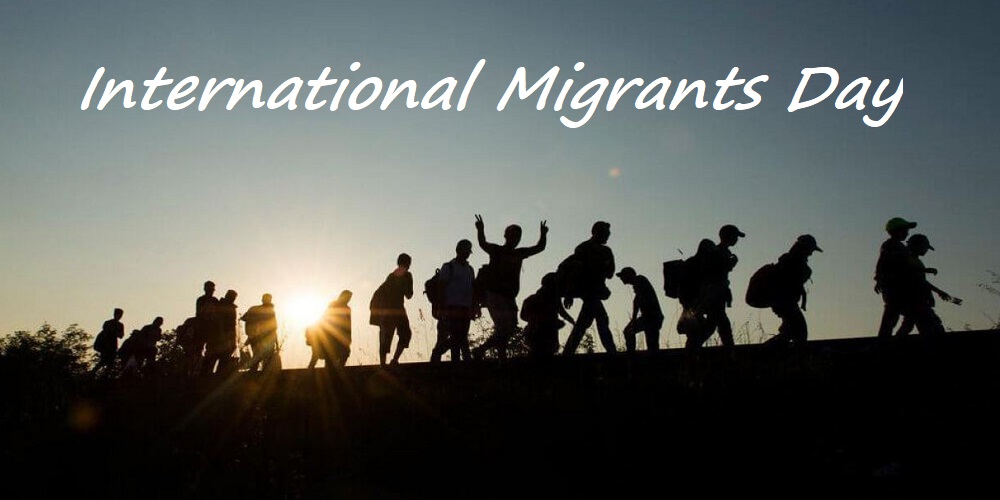
International Migrants Day

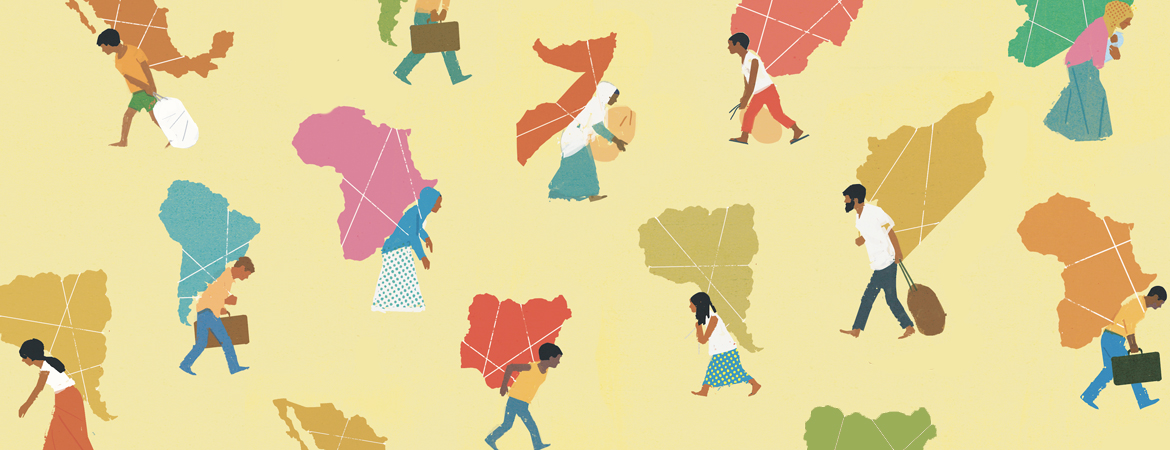
On Saturday, the world will commemorate another International Migrants Day amidst the pandemic. Celebrated since 2000, the International Migrants Day highlights the contributions made by the roughly 272 million migrants, including more than 41 million internally displaced persons, and the challenges they face.

In 1997, Filipino and other Asian migrant organizations began celebrating and promoting 18 December as the International Day of Solidarity with Migrants and the date was chosen because it was on 18 December 1990 that the UN adopted the International Convention on the Protection of the Rights of All Migrant Workers and Members of Their Families.

Since the earliest times, humanity has been on the move. Some people move in search of work or economic opportunities, to join family, or to study. Others move to escape conflict, persecution, terrorism, or human rights violations. Still others move in response to the adverse effects of climate change, natural disasters, or other environmental factors. Migration has been a courageous expression of the individual’s will to overcome adversity and to live a better life. Today, globalisation, together with advances in communications and transportation, has greatly increased the number of people, who have the desire and the capacity to move to other places, but has created challenges and opportunities for societies throughout the world. It also has served to underscore the clear linkage between migration and development, as well as the opportunities it provides for co-development, that is, the concerted improvement of economic and social conditions at both origin and destination.

Today, more people than ever live in a country other than the one in which they were born. According to the IOM World Migration Report 2020, as of June 2019 the number of international migrants was estimated to be almost 272 million globally, 51 million more than in 2010. Nearly two thirds were labour migrants. International migrants comprised 3.5% of the global population in 2019. This compared to 2.8% in 2000 and 2.3% in 1980. While many individuals migrate out of choice, many others migrate out of necessity. According to UNHCR, the number of globally forcibly displaced people worldwide was 79.5 million at the end of 2019, of which 26 million were refugees, 45.7 million people were internally displaced, 4.2 million were asylum-seekers, and 3.6 million were Venezuelans displaced abroad.

Migration draws increasing attention in the world nowadays. Migration is a global phenomenon driven by many forces. These start with aspirations for dignity, safety and peace. The decision to leave home is always extreme, and, too often, the beginning of a dangerous, sometimes fatal journey. The lure of a well-paid job in a wealthy country is a powerful driver of international migration. The attraction has intensified as income differentials among countries continue to grow. This holds true not only regarding the large and growing differentials between high and low-income countries, but also with regard to the more dynamic and the less dynamic developing countries.

Many advanced and dynamic economies need migrant workers to fill jobs that cannot be outsourced and that do not find local workers willing to take them at going wages. Population ageing also underlies this growing demand, as it gives rise to deficits of workers relative to dependants. And as younger generations become better educated, fewer in their ranks are content with low-paid and physically demanding jobs. Migration may reduce wages or lead to higher unemployment among low-skilled workers in advanced economies, many of whom are themselves migrants who arrived in earlier waves. However, most migrants complement the skills of domestic workers instead of competing with them. By performing tasks that either would go undone or cost more, migrants allow citizens to perform other, more productive and better-paid jobs. They also maintain viable economic activities that, in their absence, would be outsourced. By enlarging the labour force and the pool of consumers and by contributing their entrepreneurial capacities, migrants boost economic growth in receiving countries.

At the point of origin, deeper poverty does not lead automatically to higher migration. The poorest people generally do not have the resources to bear the costs and risks of international migration. International migrants are usually drawn from middle-income households. However, when migrants establish themselves abroad, they help friends and relatives to follow and, in the process, the costs and risks of migration fall, making it possible for poorer people, though not for the poorest, to join the stream. Low-skilled migration has the largest potential to reduce the depth and severity of poverty in communities of origin. Mounting evidence indicates that international migration is usually positive both for countries of origin and of destination. Its potential benefits are larger than the potential gains from freer international trade, particularly for developing countries.

Contrary to what some may believe, migrants play a vital role in the global economy. Studies show that immigrants bring growth and innovation in both the countries they come from, and in those they move to. Most advanced nations face a demographic time-bomb as their aging populations and low birth rates mean that they will have to rely on immigrants to drive and sustain economic growth. It is, therefore, in the best interests of these developed nations to support a safe and orderly migration.

So if you have any migrants who live or work near you, take some time and actually get to know them, their hopes and aspirations and who they really are. They are far away from their family and friends in an unknown land just to make a living. Among the migrant workers in our midst could be teachers, authors, poets and businessmen who for reasons beyond our knowledge are forced to do hard labour. So the least we can do is smile and ask them about themselves.

International Civil Aviation Day

Like most toddlers, BB was fascinated by planes, but unlike most boys, this fascination has carried on as he grew up and has propelled him to his area of study and where he is today. But today, with the airline industry in shambles due to the ongoing pandemic, I wonder if he will continue in this field or will make a pivot, but that’s a topic for another day. So, when I heard about this day devoted to civil aviation, I knew I had to find out more.

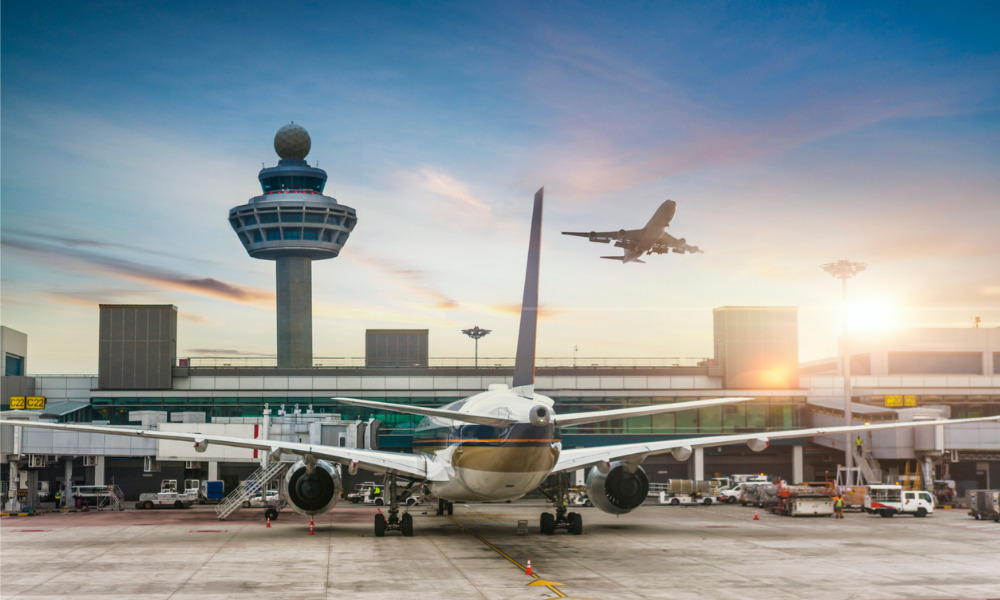
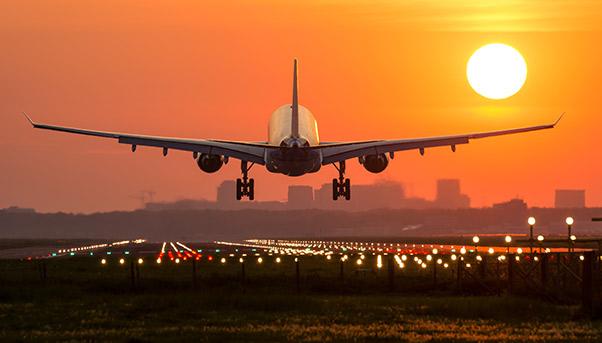
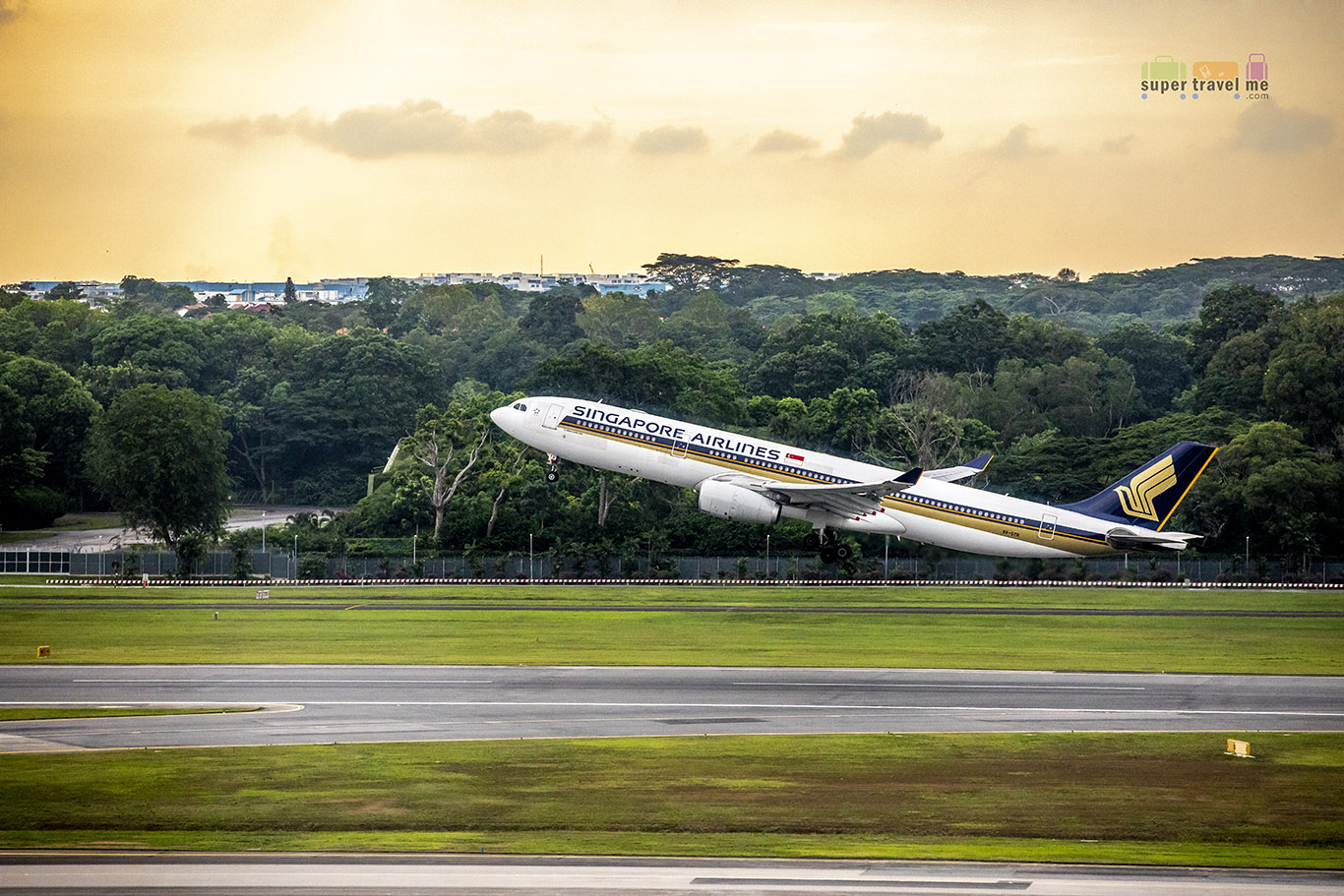
Tomorrow is the International Civil Aviation Day which has been celebrated on 07 December each year since 1994 by the International Civil Aviation Organisation or ICAO. The ICAO is an autonomous UN Body accountable for keeping up with the safety standards of international aviation. The date was chosen because December 07 1994 was the 50th anniversary of the signing of the Convention on International Civil Aviation. The Convention on International Civil Aviation, also known more popularly as the Chicago Convention, was signed by delegates from 54 countries. This defining international agreement has since permitted the global civil aviation system to develop peacefully and in a manner benefitting all peoples and nations of the world. The purpose of the day is to recognise the importance of aviation, especially international air travel, to the social and economic development of the world and the day is intended is to help generate and reinforce worldwide awareness of the importance of international civil aviation to the social and economic development of countries, and of the unique role of ICAO in helping countries to cooperate and realise a global rapid transit network at the service of all mankind. The importance of aviation as an engine of global connectivity has never been more relevant to look to international flight as a fundamental enabler of global peace and prosperity.

Seventy-five years after ICAO’s foundation, the International Civil Aviation network carries over four billion passengers annually. The global Air Transport sector supports 65.5 million jobs and USD 2.7 trillion in global economic activity, with over 10 million women and men working within the industry to ensure 120,000 flights and 12 million passengers a day are carried safely to their destinations. The wider supply chain, flow-on impacts and jobs in tourism made possible by air transport show that at least 65.5 million jobs and 3.6 per cent of global economic activity are supported by the aviation industry according to research by the Air Transport Action Group (ATAG).

Civil aviation, which includes all non-military aviation, both private and commercial plays a key role in human affairs. It lets us discover our world’s wondrous geographic and cultural diversity, enables us to learn about and benefit from each other and connects societies through global travel and trade, advancing access to food, education and healthcare. Today COVID-19 has severed international connections by air, cut off businesses from clients, kept tourists from destinations and disproportionately affected the vulnerable, it has also disrupted the operations and finances of airlines and airports worldwide, threatening their capacity to assure the global supply of medicines, vaccines, humanitarian aid and other vital goods. Aviation is also an energy-guzzling industry with emissions from the industry accounting for more than 2% of the global total, ranking it in the top ten emitters, so this time can be spent in thinking of ways to make the industry greener.

Every five years, coinciding with ICAO anniversaries, the ICAO council establishes a special anniversary theme for International Civil Aviation Day. Between these anniversary years, Council representatives select a single theme for the full four-year intervening period. The theme until 2023 is Advancing Innovation for Global Aviation Development. Aviation is an important engine of our world and will be playing a critical role in lifting the world to recovery from COVID-19. It connects us and allows us to meet family and friends and also broaden our horizons and our minds. To everyone in this industry, especially in these trying times, here’s hoping that times change for the better and the skies are once again filled with planes transporting people and goods across the seas and land.

Universal Children’s Day

Celebrated in honour of children, Children’s Day is celebrated and observed on different dates across the world. In 1925, International Children’s Day was first proclaimed in Geneva during the World Conference on Child Welfare. The World Children’s Day is celebrated on 20th November to commemorate the Declaration of the Rights of the Child by the UN General Assembly on 20 November 1959.

The first Children’s Day began on the second Sunday of June in 1857 by Reverend Dr. Charles Leonard, pastor of the Universalist Church of the Redeemer in Chelsea, Massachusetts who held a special service dedicated to, and for the children on a day he named Rose Day, though it was later named Flower Sunday, and then named Children’s Day. Children’s Day was first officially declared a national holiday by the Republic of Turkey in 1920 on 23 April and the day has since then been celebrated nationally since 1920 and the official declaration was made in 1929.

In Singapore, traditionally, 1 October is when the country officially celebrates Children’s Day. Another similar event celebrated annually is Youth Day, which is celebrated on the first Sunday of July every year, and is a school holiday for primary, secondary and junior college students. From 2011, Children’s Day has been celebrated on the first Friday of October.On Children’s Day, Kindergarten and Primary school students get a holiday, while secondary school and junior college students still need to go to school, with teachers often organising special events and activities so the older children could still celebrate.

In India, Children’s Day is celebrated on 14 November as a tribute to the birthday of India’s First Prime Minister, Jawaharlal Nehru. Known as Chacha Nehru among children, Nehru advocated for children to have all-rounded education that would build a better society in the future and considered children as real strength of a nation and foundation of society.. The day is celebrated across the country to increase awareness of the rights, care and education of children. The day has been celebrated since 1956 and before Nehru’s death was celebrated on 20 November, the Universal Children’s Day.

World Children’s Day was first established in 1954 as Universal Children’s Day and is celebrated on 20 November each year to promote international togetherness, awareness among children worldwide, and improving children’s welfare. It was on this day when the in 1959 when the UN General Assembly adopted the Declaration of the Rights of the Child as well as the date in 1989 when the UN General Assembly adopted the Convention on the Rights of the Child.

The theme for this year’s celebration is Unite to reverse the impact of COVID-19 pandemic on children. The theme highlights the principles of the Convention on the Rights of the Child that all children irrespective of their status and situation should enjoy their rights to Survival and Development as enshrined in the Convention on the Rights of the Child (CRC) and the Child Rights Act (CRA) 2003.

Mothers and fathers, teachers, nurses and doctors, government leaders and civil society activists, religious and community elders, corporate moguls and media professionals, as well as young people and children themselves, can play an important part in making World Children’s Day relevant for their societies, communities and nations. The World Children’s Day offers each of us an inspirational entry-point to advocate, promote and celebrate children’s rights, translating into dialogues and actions that will build a better world for children. UNICEF and partners are calling on governments to adopt a Six Point Plan to Protect our Children which include ensuring all children learn, including by closing the digital divide, guaranteeing access to health and nutrition services, and making vaccines affordable and available to every child, supporting and protecting the mental health of children and young people and bring an end to abuse, gender-based violence, and neglect in childhood, increase access to clean water, sanitation and hygiene and address environmental degradation and climate change, reversing the rise in child poverty and ensure an inclusive recovery for all and redoubling efforts to protect and support children and their families living through conflict, disaster and displacement.

So tomorrow, take some time out for the children around you and really talk to them and understand their concerns and issues. You could also sponsor a child under the ageis of many reputable organisations and put a child through school and make their life.

International Day of the Girl Child

Girls play multiple roles in the household, society and the economy. They go to school, help with housework, work in factories, make friends, care for elder and younger family members and prepare themselves to take on the responsibilities of adulthood. While today, in many countries, the right to basic education is ingrained in their constitutions, there are many countries where girls are denied this right and even when girls are encouraged to continue their education, they face major challenges that make it difficult for them to attend regularly, sometimes receiving an unequal share of the household tasks due to customary practices in many regions of the world. Though life for the girl child is steadily improving, many are still subjected to horrific practices, such as female genital mutilation, son preference – often resulting in female infanticide – as well as child marriage, sexual exploitation and abuse. Girls are also more likely to experience discrimination in food allocation and healthcare, and are often outpaced and outranked by boys in all spheres of life. It is under this backdrop that upholding the rights of a girl child is not just important, it is absolutely essential.

Today is the International Day of the Girl Child which is also known as the Day of Girls and the International Day of the Girl and was first observed in 2012. The day supports more opportunity for girls and increases awareness of gender inequality faced by girls worldwide based upon their gender including areas such as access to education, nutrition, legal rights, medical care, and protection from discrimination, violence against women and forced child marriage. The day increases awareness of issues faced by girls around the world which do not include or consider girls and and their issues become invisible. The Day of Girls helps raise awareness not only of the issues that girls face, but also of what is likely to happen when those problems are solved.

Around 33,000 girls are married off every day around the world, focing their bodies and mind to changes in ways they are just not ready for. An estimated 340,000 girls and young women are infected with the HIV virus every year and currently more than 3 million girls and young women are living with the virus all over the world. Around 44% of the girls between 15 to 19 years of age think it’s okay for a husband to beat his wife. Girls between five to 14 spend more than 28 hours doing labor, which is twice the time spent by boys and do more unpaid child labour and not astonishingly 96% of human trafficked individuals for sexual exploitation are girls and women.

The theme for the 2021 edition of the International Day of the Girl Child is Digital generation. Our generation. In 2021, the Generation Equality Forum launched five-year commitments for bolder solutions to gender inequality – just as the world entered the second year of the COVID-19 pandemic. While the pandemic has accelerated digital platforms for learning, earning and connecting, some 2.2 billion people below the age of 25 still do not have internet access at home. Girls are more likely to be cut off. The gender gap for global internet users grew from 11 per cent in 2013 to 17 per cent in 2019. In the world’s least developed countries, it hovers around 43 per cent. But the gender digital divide is about more than connectivity. Girls are also less likely than boys to use and own devices, and gain access to tech-related skills and jobs. Only by addressing the inequity and exclusion that span geographies and generations can we usher in a digital revolution for all, with all.

So why is this day important? It is important because it empowers girls and works to eliminate deep-rooted gender-based issues that have have been passed on for generations and have made gender-based discrimination and oppression threateningly common in every household, particularly in developing countries. An empowered girl grows up to be an empowered woman. The adolescence is a critical point in every person’s life and determines the trajectory of girls’ lives, which is why caring for girls in their youth benefits all. If they are empowered at a vulnerable age, they can mature into liberated, wise women of the future and when this happens, as a society, we all win. Investing in girls is the smart thing to do because when women and girls earn an income, they are likely to reinvest 90% of their income into their families. So empower girls around you, so they can grow up to be empowered women who will be an asset to society.