International Moon Day

International Moon Day, observed annually on July 20, commemorates humanity’s first crewed lunar landing, the Apollo 11 mission in 1969, while promoting peaceful international cooperation in space exploration. Established by the United Nations in 2021, this day underscores the Moon’s role as a cornerstone of scientific discovery, cultural inspiration, and a stepping stone for future deep-space endeavors.

The Moon has captivated humanity for millennia, inspiring myths, art, and scientific inquiry. Ancient civilisations tracked its phases for agriculture and timekeeping, while Galileo’s telescopic observations in 1609 unveiled its cratered surface. The 20th-century space race transformed lunar exploration from fantasy to reality.

The Cold War rivalry between the U.S. and USSR catalysed early space achievements. The USSR’s Luna 2 (1959) became the first human-made object to reach the Moon, while NASA’s Apollo program, launched in 1961, aimed to land humans on the lunar surface. On July 20, 1969, astronauts Neil Armstrong and Buzz Aldrin made history, symbolising technological prowess and human ingenuity.

Following Apollo, lunar exploration shifted toward robotic missions and international partnerships. The 1994 Clementine mission and 2009 Lunar Reconnaissance Orbiter mapped the Moon’s terrain, while China’s Chang’e program (2013–present) and India’s Chandrayaan missions (2008–2023) reignited global interest. These efforts laid the groundwork for the UN’s designation of International Moon Day in 2021, which was proposed by over 20 nations to celebrate multilateralism in space.

International Moon Day addresses three core objectives. The day honours the Apollo programme’s technological milestones and its message of unity during a divided era. Armstrong’s “giant leap” remains a touchstone for global ambition. The 1967 Outer Space Treaty established space as a shared domain, free from militarisation. International Moon Day reinforces these principles amid modern initiatives like NASA’s Artemis Accords, emphasising transparency and sustainability. With plans for lunar bases and resource utilisation (e.g., water ice extraction), the day advocates for ethical frameworks to prevent environmental harm and ensure equitable benefits.

2025’s theme for International Moon Day is “One Moon, One Vision, One Future”. This theme encapsulates the spirit of unity, collaboration, and sustainability that underpins modern lunar exploration. As nations and organisations worldwide accelerate efforts to return to the Moon, this theme emphasises the Moon’s role as a shared resource, a unifying goal for humanity, and a foundation for intergenerational progress.

The Moon is humanity’s only natural satellite, a singular, unclaimed celestial body that has inspired wonder across cultures for millennia. One Moon underscores two critical principles: a common heritage of humankind and cultural and scientific universality. The theme calls for the preservation of lunar sites like the Apollo landing zones and geological wonders from damage by future missions and ensuring all nations, including emerging spacefaring states, can participate in lunar research and benefit from its resources. One Vision reflects the shift from Cold War-era competition to 21st-century cooperation. Today’s lunar efforts rely on multinational partnerships, blending public and private expertise. The theme urges harmonising standards by aligning safety, communication, and data-sharing protocols across programmes and expanding participation to nations with nascent space programmes, such as African and Latin American countries. One Future highlights the need to balance exploration with responsibility, ensuring the moon remains a viable platform for future generations.

International Moon Day engages diverse stakeholders through educational programmes, public events, digital campaigns, and policy dialogues. The day’s impact extends beyond celebration. It encourages youth to pursue careers in science, particularly in underrepresented regions. Space collaborations, such as the ISS, demonstrate how shared goals can transcend terrestrial disputes while public engagement democratises space discourse, ensuring citizens understand lunar exploration’s societal benefits like medical tech spin-offs.

Obstacles that need to be overcome include geopolitical tensions with competing national agendas that risk fragmenting exploration efforts, technical hurdles, including radiation exposure and life support systems that remain unsolved. Among the varied ethical dilemmas, balancing commercial interests like mining with lunar preservation.

The Artemis program aims to return humans to the Moon by 2026, including the first woman and person of color. Concurrently, the China-Russia International Lunar Research Station (ILRS) project targets a 2035 completion. Such initiatives, coupled with advances in AI and robotics, could establish a sustained human presence by the 2040s.

International Moon Day is both a tribute to past achievements and a call to action. As humanity stands on the brink of a new lunar era, collaboration and sustainability must guide our path. By uniting nations under shared goals, we ensure the Moon remains a beacon of hope, not just for exploration, but for global unity.

Sustainable Gastronomy Day

Sustainable Gastronomy Day, celebrated annually on June 18, is an initiative established by the United Nations to raise awareness about the importance of sustainable food practices. This day emphasises the role of gastronomy in promoting food security, preserving biodiversity, and fostering agricultural development. It serves as a platform to highlight how sustainable gastronomy can contribute to achieving sustainable development goals (SDGs) globally.

Sustainable gastronomy is a concept that intertwines culinary practices with environmental consciousness. It refers to food systems that prioritise local sourcing, seasonal ingredients, and traditional cooking methods. This approach not only minimises waste but also supports local economies and preserves cultural heritage.

Key elements of sustainable gastronomy include local sourcing and emphasising the use of ingredients that are grown or produced in the local area; seasonal eating by the encouragement of the consumption of foods that are in season, which reduces the carbon footprint associated with transportation, waste reduction by implementing practices that minimise food waste throughout the supply chain, and conserving biodiversity by supporting agricultural practices that protect diverse ecosystems and promote the conservation of local species.

The significance of sustainable gastronomy has become increasingly apparent in light of global challenges such as climate change, food insecurity, and biodiversity loss. By adopting sustainable culinary practices, individuals and communities can contribute to a healthier planet and a more equitable food system.

The relevance of sustainable gastronomy is underscored by several pressing global issues:

  • Food Security: An estimated one-third of all food produced globally is wasted, so sustainable gastronomy plays a vital role in addressing food security challenges. Reducing waste can help ensure that more food reaches those in need, thereby alleviating hunger.
  • Environmental Impact: The food production system is a significant contributor to greenhouse gas emissions, deforestation, and water pollution. Sustainable gastronomy encourages practices that mitigate these impacts, such as organic farming and responsible sourcing.
  • Cultural Heritage: Gastronomy is not just about food; it is a reflection of cultural identity and heritage. Sustainable gastronomy promotes the preservation of traditional cooking methods and local cuisines, fostering cultural diversity.
  • Health Benefits: Eating locally sourced and seasonal foods often leads to healthier diets rich in nutrients while reducing reliance on processed foods laden with preservatives.

Sustainable Gastronomy Day was officially established by the United Nations General Assembly on December 21, 2016. The first observance took place on June 18, 2017. This initiative was launched to recognise gastronomy as a form of cultural expression linked to the natural and cultural diversity of the planet. The day aims to promote awareness about how sustainable gastronomy can contribute to achieving various SDGs, including poverty reduction, health and well-being, responsible consumption, and climate action. The collaboration between organizations such as UNESCO and the Food and Agriculture Organization (FAO) ensures that Sustainable Gastronomy Day is observed globally with educational initiatives and events.

Looking ahead to 2025, the theme for Sustainable Gastronomy Day is “More Taste, Less Waste.” This theme emphasises the importance of flavour while promoting innovative approaches to reduce food waste within culinary practices. The initiative will encourage chefs, restaurants, and consumers to explore creative ways to utilise all parts of ingredients and minimise waste through thoughtful meal planning and preparation techniques. The theme aligns with ongoing efforts to highlight the economic and environmental benefits of reducing food waste while celebrating culinary creativity. Events such as Sustainable Gastronomy Restaurant Week will be part of this initiative, showcasing how chefs can offer delicious meals without compromising sustainability principles.

Sustainable Gastronomy Day reminds us of the interconnectedness between our food systems, cultural heritage, and environmental sustainability. By embracing sustainable gastronomic practices, we can contribute to a healthier planet while enjoying diverse culinary experiences.

International Albinism Awareness Day

Albinism is a genetic condition characterised by the absence or reduction of melanin, the pigment responsible for colouring skin, hair, and eyes. Individuals with albinism typically exhibit very light skin, hair, and eye colours that are significantly lighter than those of their peers. The condition can also lead to various vision problems due to the lack of pigmentation in the eyes.

There are several types of albinism, but the most common form is Oculocutaneous Albinism (OCA), which affects both skin and eyes. Individuals with OCA are at a higher risk for skin cancer due to their lack of melanin protection against ultraviolet (UV) rays. This makes sun protection essential for their health. Common signs of albinism include pale skin and hair, light-coloured eyes that may appear pink or light blue, and vision problems such as sensitivity to light (photophobia), nystagmus (involuntary eye movement), and strabismus (crossed eyes).

International Albinism Awareness Day (IAAD) is observed annually on June 13, a date that holds significant historical importance as it marks the adoption of the first United Nations resolution addressing the rights of individuals with albinism. The journey toward establishing IAAD began in 2013 when the United Nations Human Rights Council adopted a resolution focusing on the human rights of people with albinism. This resolution was a response to alarming reports of violence and discrimination against individuals with albinism, particularly in parts of Africa where misconceptions about their condition led to horrific acts, including murder and mutilation for superstitious beliefs.

On December 18, 2014, the UN General Assembly officially proclaimed June 13 as International Albinism Awareness Day, with the first celebration taking place in 2015. The day serves as a platform to raise awareness about the challenges faced by people with albinism and to promote their rights globally.

IAAD plays a crucial role in advocating for the rights and dignity of individuals with albinism. It aims to combat stigma and discrimination while promoting understanding and acceptance within society. The observance encourages dialogue about the challenges faced by people with albinism. Individuals with albinism have an increased risk of skin cancer due to UV exposure. Access to healthcare resources like sunscreen and regular check-ups is often limited in many regions. Misunderstandings about albinism can lead to social exclusion and discrimination. Many individuals face bullying or ostracization due to their appearance. In some countries, particularly in Africa, people with albinism are targeted for violent acts based on superstitions regarding their bodies. By raising awareness on this day, advocates aim to foster a more inclusive society that recognises and respects the rights of all individuals, regardless of their physical differences.

The theme for International Albinism Awareness Day in 2025 is “Still Standing Strong.” This theme emphasises resilience among individuals with albinism and calls for continued advocacy against discrimination and violence. It reminds us that despite facing numerous challenges, people with albinism continue to stand strong in their fight for equality and recognition.

The International Albinism Awareness Day serves as an essential reminder of the ongoing struggles faced by individuals with albinism worldwide. By understanding the origins of this observance, recognising what albinism entails, and acknowledging its significance in promoting human rights, we can contribute to creating a more inclusive world where diversity is celebrated rather than marginalised. Through continued education, advocacy, and solidarity on this important day, we can help ensure that individuals with albinism are treated with dignity and respect, paving the way for a brighter future free from discrimination.

International Day of the Markhor

The national animal of Pakistan, the markhor (scientific name: Capra falconeri) is a large wild Capra (goat) species native to South Asia and Central Asia, mainly within Pakistan, the Karakoram range, parts of Afghanistan, and the Himalayas. It is listed on the IUCN Red List as Near Threatened since 2015. It is also known as the screw-horn or screw-horned goat. The word mārkhor, meaning “snake-eater,” comes from both Pashto and classical Persian languages, referencing the ancient belief that the markhor would actively kill and consume snakes. This regional myth is believed to stem from the “snake-like” form of the male markhor’s horns, twisting and curling like a snake, possibly leading ancient peoples to associate them with snakes.

Physical characteristics of markhors include growing to between 2 to 4 feet at the shoulder in height, with a length of 4.5 to 6.2 feet and weighing between 75 to 110 kg for males and between 30 to 40 kg for females. Males have long spiral horns, while females have shorter ones, and the markhor has a reddish-grey coat with a dark stripe along their back, with males having thicker fur during winters. The flare-horned markhor occurs in Afghanistan, Pakistan, and India; the straight-horned markhor lives in Afghanistan and Pakistan; and the Bukharan markhor is present in Afghanistan, Tajikistan, Uzbekistan, and Turkmenistan. All subspecies are considered endangered to critically endangered.

Markhors are primarily herbivorous, feeding on grasses, leaves, and shrubs. They exhibit seasonal dietary changes based on their habitat’s vegetation availability. During spring and summer, they graze at lower altitudes but migrate to higher elevations in search of food during winter. Socially, female markhors live in herds consisting mainly of mothers and their young, while adult males tend to be solitary except during mating seasons. Their mating rituals involve physical displays where males compete for females through horn-locking battles.

The markhor is currently classified as ‘Near Threatened’ by the IUCN Red List due to declining populations caused by poaching for meat and trophies, habitat loss from human encroachment, and competition with domestic livestock for grazing land. Conservation efforts have been initiated in Pakistan and other range countries to stabilise and increase their populations through community-led programs that integrate wildlife conservation with local economic benefits.

The International Day of the Markhor, celebrated on May 24, is a significant occasion dedicated to raising awareness about the conservation of the species. This day not only highlights the ecological importance of the markhor but also emphasises the need for sustainable practices that protect its habitat and promote biodiversity.

The establishment of the International Day of the Markhor stems from a resolution passed by the United Nations General Assembly on May 2, 2024. This resolution, sponsored by Pakistan along with eight other countries, aims to recognise the markhor’s role in maintaining ecological balance and its significance to local economies through sustainable tourism and conservation initiatives.

The International Day of the Markhor serves several critical purposes. It educates people about the ecological significance of markhors and their role in maintaining biodiversity. The day promotes discussions on effective conservation strategies that can be implemented globally. It encourages local communities to participate in conservation efforts that can lead to sustainable tourism opportunities. And the observance aids in influencing policies related to wildlife protection at national and international levels. This day is vital for galvanising support for not just markhors but also broader wildlife conservation initiatives that ensure ecological balance and sustainability.

The International Day of the Markhor is an essential observance that underscores the urgent need for wildlife conservation efforts globally. By recognising this day, we acknowledge not only the unique characteristics of the markhor but also our collective responsibility towards preserving biodiversity for future generations.

World Press Freedom Day

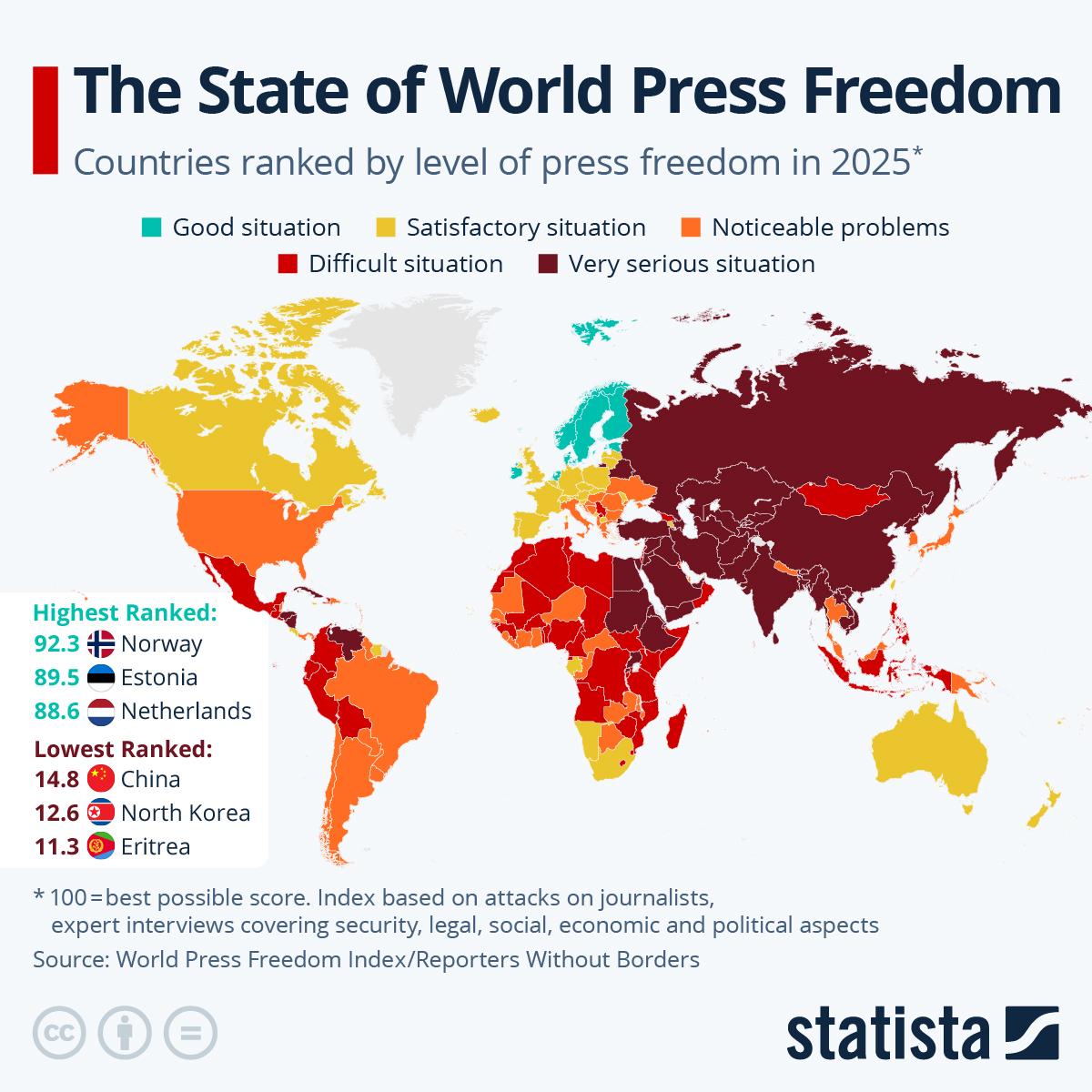
World Press Freedom Day, observed annually on May 3, serves as a vital reminder of the importance of press freedom in democratic societies. This day not only celebrates the fundamental principles of press freedom but also evaluates the state of media freedom worldwide, defends the media against attacks on their independence, and pays tribute to journalists who have sacrificed their lives in pursuit of truth.

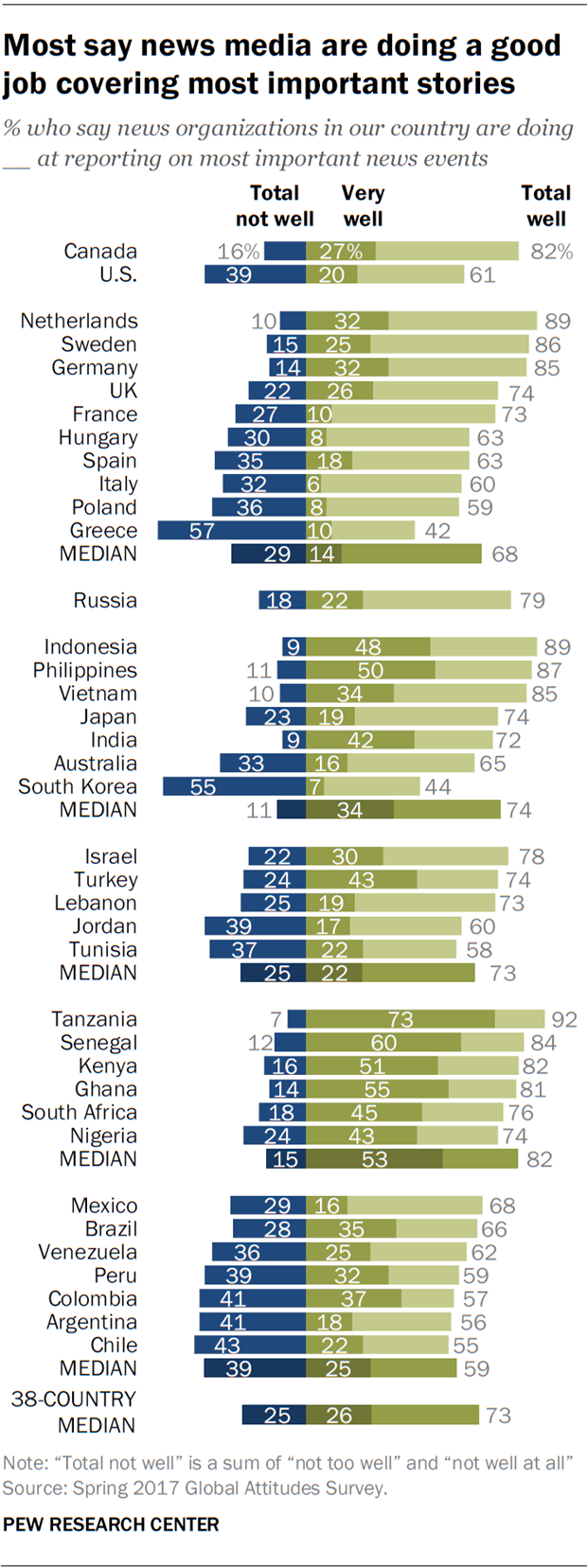
Press freedom refers to the right of journalists and media organisations to report news and express opinions without censorship or restraint from the government or other powerful entities. It is a cornerstone of democracy, enabling citizens to access information, hold power accountable, and engage in informed public discourse. The importance of press freedom today cannot be overstated.

A free press acts as a watchdog over government actions, revealing corruption and abuse of power. Journalists inform the public about critical issues, ensuring that citizens are aware of events and policies that affect their lives. A pluralistic media landscape allows for a variety of perspectives and opinions to be heard, fostering a more inclusive society. Free expression is linked to other fundamental rights, such as the right to assembly and the right to participate in governance.

Despite these critical roles, press freedom is increasingly under threat. Journalists face censorship, harassment, violence, and even imprisonment in many parts of the world. According to UNESCO, the ongoing challenges highlight the need for vigilance in protecting journalistic freedoms.

The origins of World Press Freedom Day trace back to the Windhoek Declaration, adopted in 1991 during a conference organised by UNESCO in Windhoek, Namibia. This declaration was a response to escalating attacks on journalists during conflicts in Africa and emphasised the need for an independent and pluralistic press as essential for democracy.

In December 1993, following a recommendation from UNESCO’s General Conference, the United Nations General Assembly officially proclaimed May 3 as World Press Freedom Day. This date was chosen to commemorate the Windhoek Declaration’s adoption and to remind nations of their commitment to uphold press freedom as enshrined in Article 19 of the Universal Declaration of Human Rights.

World Press Freedom Day serves several critical purposes. The day provides an opportunity to raise awareness about the importance of press freedom and its role in democracy. It encourages governments and civil society to assess the state of press freedom within their countries. The day highlights the risks faced by journalists worldwide and calls for action to protect their rights. It pays tribute to journalists who have lost their lives while reporting on critical issues.

In recent years, themes associated with World Press Freedom Day have focused on various pressing issues affecting journalism today, such as digital safety, media plurality, and environmental reporting. The theme for the 2025 edition of World Press Freedom Day is “A Press for the Planet.” This theme emphasises journalism’s crucial role in addressing global environmental crises. It recognises that journalists are essential in informing the public about environmental issues, advocating for sustainable practices, and holding powerful entities accountable for their impact on the planet. The focus on environmental journalism aligns with growing concerns about climate change and ecological degradation. As traditional media faces challenges such as declining revenues and increasing censorship, it becomes even more crucial to support journalistic efforts that prioritise environmental reporting.

World Press Freedom Day is more than just a commemoration; it is a call to action for individuals, organisations, and governments worldwide to recognise and uphold the principles of press freedom. In an era where misinformation can spread rapidly and where many journalists face threats simply for doing their jobs, it is imperative that society collectively defend these freedoms.

It is our duty as a world citizen to reflect on our responsibilities toward supporting a free press that can effectively address global challenges—especially those related to our planet’s future. By championing press freedom today, we contribute not only to democracy but also to a sustainable world where truth prevails over misinformation.