World Autism Awareness Day

A day aimed at raising awareness about autism and promoting acceptance and inclusion for individuals on the spectrum, World Autism Awareness Day (WAAD) is celebrated annually on April 2. Established by the United Nations General Assembly in 2007, this day serves as a platform for advocating for the rights and needs of autistic individuals, emphasising the importance of understanding and support from society.

Autism Spectrum Disorder (ASD) is a developmental condition that affects communication, behaviour, and social interaction. Parents can recognise potential signs of autism in their children by observing specific behaviors and developmental milestones. Key symptoms to watch for include social interaction difficulties, communication delays, repetitive behaviours, and sensory sensitivities. Children with autism may avoid eye contact, show little interest in engaging with others, or not respond to their name being called. They might also struggle with understanding social cues and emotions. Delayed speech and language development are common. Some children may not babble by 12 months or fail to use gestures like pointing or waving. They may also have difficulty understanding simple verbal instructions. Many children with autism engage in repetitive movements like hand-flapping, and rocking or exhibit intense focus on specific interests, often to the exclusion of other activities. Autistic children may be overly sensitive to sounds, lights, textures, or tastes, leading to distress in certain environments. Recognising these symptoms early is crucial for seeking appropriate support and intervention. Parents should consult a paediatrician for further evaluation and guidance if they notice these signs. Early intervention can significantly improve outcomes for children with autism.

In 2025, WAAD will focus on the theme “Moving from Surviving to Thriving,” highlighting the need for autistic individuals to survive and thrive in their communities. The theme reflects a significant shift in how society views and supports individuals with autism. This theme emphasises empowerment, resilience, and the importance of creating environments where autistic individuals can flourish. It encourages communities to focus on empowerment by providing resources and opportunities that enable autistic individuals to lead fulfilling lives; support systems by establishing strong support networks within families, schools, and workplaces to foster growth; and celebrating strengths by recognising and valuing the unique contributions that autistic individuals bring to society. The theme aligns with broader goals of inclusivity and acceptance, urging all stakeholders — families, educators, employers, and policymakers — to work collaboratively towards creating a supportive atmosphere for those on the autism spectrum.

Since its inception in 2008, WAAD has focused on various themes that address crucial aspects of autism awareness and acceptance. Each year has brought a new focus, allowing for a diverse range of discussions around education, employment, health care, and social inclusion.

Autism Spectrum Disorder (ASD) prevalence in Asia varies significantly across different regions, reflecting a complex interplay of cultural, diagnostic, and healthcare factors. A systematic review indicated that the overall prevalence of ASD in Asia is approximately 0.36%, with notable differences among regions: 0.51% in East Asia, 0.31% in South Asia, and 0.35% in West Asia. In Southeast Asia specifically, the prevalence has been estimated at 6 cases per 1,000 individuals, which translates to about 0.6%. Notably, this prevalence is higher among males, with studies showing that males are affected at rates approximately two to three times higher than females. In Singapore, recent statistics suggest that 1 in 150 children is diagnosed with autism, surpassing the global average of 1 in 1603. This increase is attributed to heightened awareness and improved diagnostic practices rather than an actual rise in cases. Overall, while autism prevalence is increasing across Asia, it remains essential to standardise diagnostic criteria and improve awareness to ensure better identification and support for affected individuals.

Education plays a crucial role in promoting understanding about autism. Schools are encouraged to implement programs that educate students about neurodiversity, fostering an environment where differences are celebrated rather than stigmatised.

Advocacy is also essential in ensuring that policies reflect the needs of autistic individuals. Organisations worldwide are working towards legislative changes that enhance accessibility in education, healthcare, and employment for those on the spectrum.
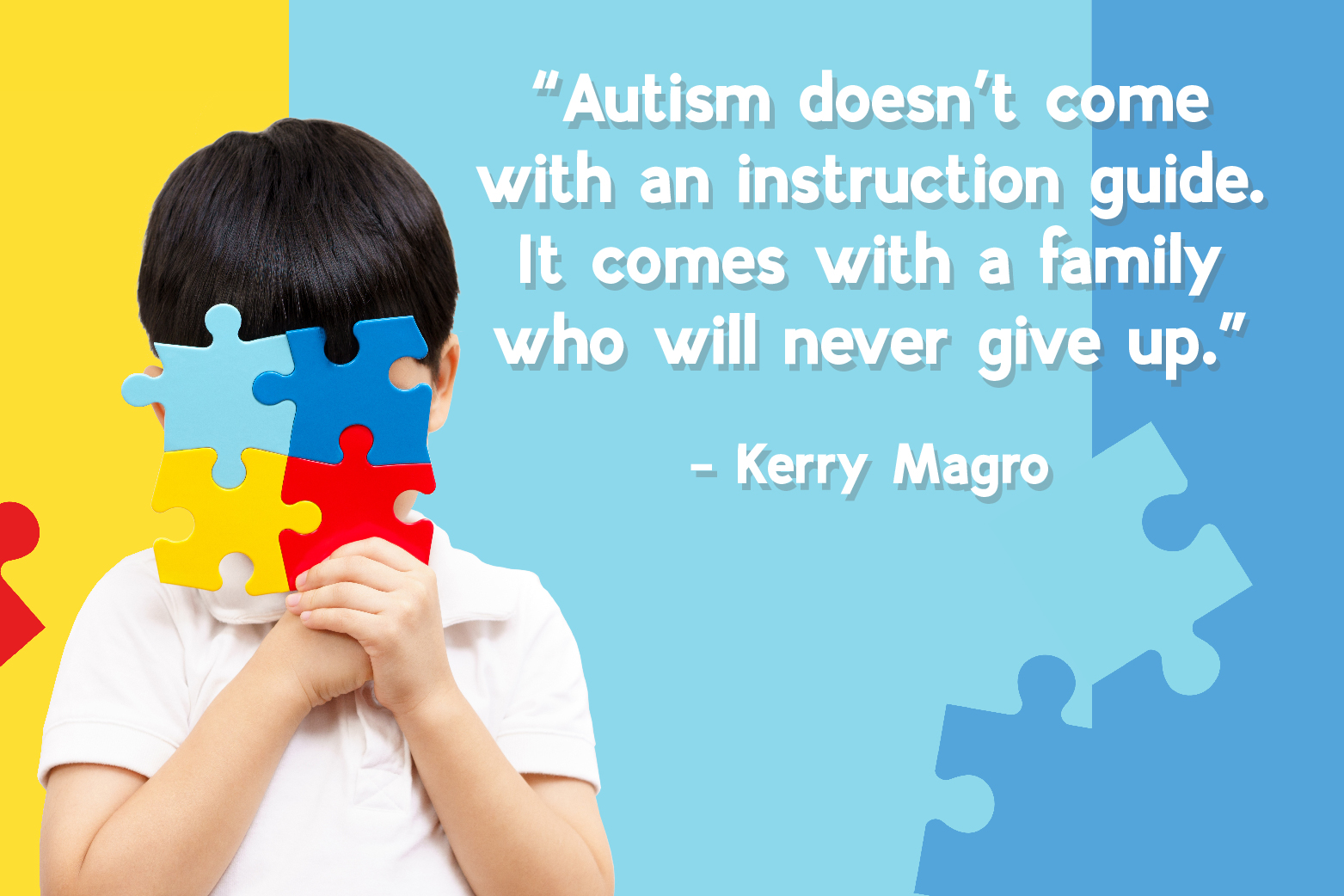
Families are often the first line of support for autistic individuals. By fostering an environment of understanding at home, families can help their loved ones navigate challenges effectively. Engaging with local autism organisations can provide families with resources and community connections that enhance their support systems.

World Autism Awareness Day serves as a reminder of our collective responsibility to create an inclusive society where every individual has the opportunity to thrive by advocating for change, celebrating diversity, and fostering environments where all autistic individuals can flourish. Through education, community engagement, and supportive policies, we can ensure that neurodiversity is recognized as a valuable aspect of our society.


International Women’s Day

International Women’s Day (IWD), celebrated annually on March 8, is a global occasion dedicated to recognising the achievements of women and advocating for gender equality. This day has its roots in the early 20th century, emerging from labour movements and the suffrage movement in North America and Europe. Its significance has evolved over the years, becoming a focal point for women’s rights and empowerment across various sectors.

The origins of International Women’s Day can be traced back to February 28, 1909, when the Socialist Party of America organised the first National Woman’s Day in New York City. This event responded to the growing unrest among women regarding their working conditions, pay disparities, and voting rights. The following year, Clara Zetkin, a German activist, proposed the idea of an international women’s day during the second International Conference of Working Women in Copenhagen. Her proposal aimed to unify women across nations in their struggle for equal rights, and it was met with unanimous approval from over 100 women representing 17 countries.

The first official International Women’s Day was celebrated on March 19, 1911, in Austria, Denmark, Germany, and Switzerland, where more than one million people participated in rallies advocating for women’s rights to work, vote, and hold public office. However, it wasn’t until March 8 became established as the global date for IWD after a significant event in Russia in 1917. On this day, women in Petrograd staged a strike demanding bread and peace amid World War I. This protest marked a pivotal moment that contributed to the Russian Revolution and solidified March 8 as International Women’s Day.

The United Nations theme for 2025 IWD is “For ALL Women and Girls: Rights. Equality. Empowerment.” This theme underscores the urgent need to create a world where every woman and girl, regardless of background, has access to equal rights, opportunities, and empowerment. Marking the 30th anniversary of the Beijing Declaration and Platform for Action, this year’s theme reflects on the progress made since 1995 while emphasising the unfinished work in achieving gender equality. The Beijing Declaration remains a landmark global commitment to advancing women’s rights, yet systemic barriers such as violence, discrimination, and economic disparities continue to hinder progress. The UN’s campaign calls for action in three critical areas: advancing women’s rights by fighting all forms of violence and exploitation, promoting gender equality by dismantling patriarchal systems and amplifying marginalized voices, and fostering empowerment through inclusive access to education, leadership roles, and economic opportunities. With just five years left to meet the Sustainable Development Goals (SDGs), this theme serves as a rallying cry for governments, organizations, and individuals to accelerate efforts toward building a feminist future where no one is left behind.

The International Women’s Day (IWD) organisation has chosen #AccelerateAction as its 2025 campaign theme. This theme highlights the pressing need to hasten progress toward gender equality in light of persistent inequalities across various sectors. According to recent data from the World Economic Forum, at the current pace, it will take over 130 years to achieve full gender parity globally—a timeline that is unacceptable for millions of women facing systemic challenges today. #AccelerateAction focuses on driving bold and decisive interventions at all levels—political, corporate, and grassroots—to dismantle barriers such as unequal pay, limited educational access, and underrepresentation in leadership roles. The campaign also emphasises recovering lost ground caused by crises like the COVID-19 pandemic, which disproportionately impacted women through job losses and increased caregiving burdens. By calling on individuals and institutions to step forward in solidarity, this theme seeks to inspire collective action that not only addresses immediate challenges but also fosters long-term systemic change. The message is clear: gender equality cannot wait another century; it requires urgent action now.

The theme of ‘March Forward’ serves as a reminder that progress is not merely about reflection but about taking actionable steps towards achieving a truly equal future for all women and girls. This theme calls for collective efforts to dismantle persistent barriers to gender equality and to ensure that commitments translate into real change. The IWD 2025 theme encourages everyone to take bold steps in the ongoing fight for gender equality.

International Women’s Day is not only a celebration of women’s achievements but also a vital reminder of the ongoing struggle for gender equality worldwide. As we look toward, it is crucial to continue advocating for women’s rights across all sectors. By investing in women and girls today, we pave the way for a more equitable future for generations to come.

International Day of Women and Girls in Science

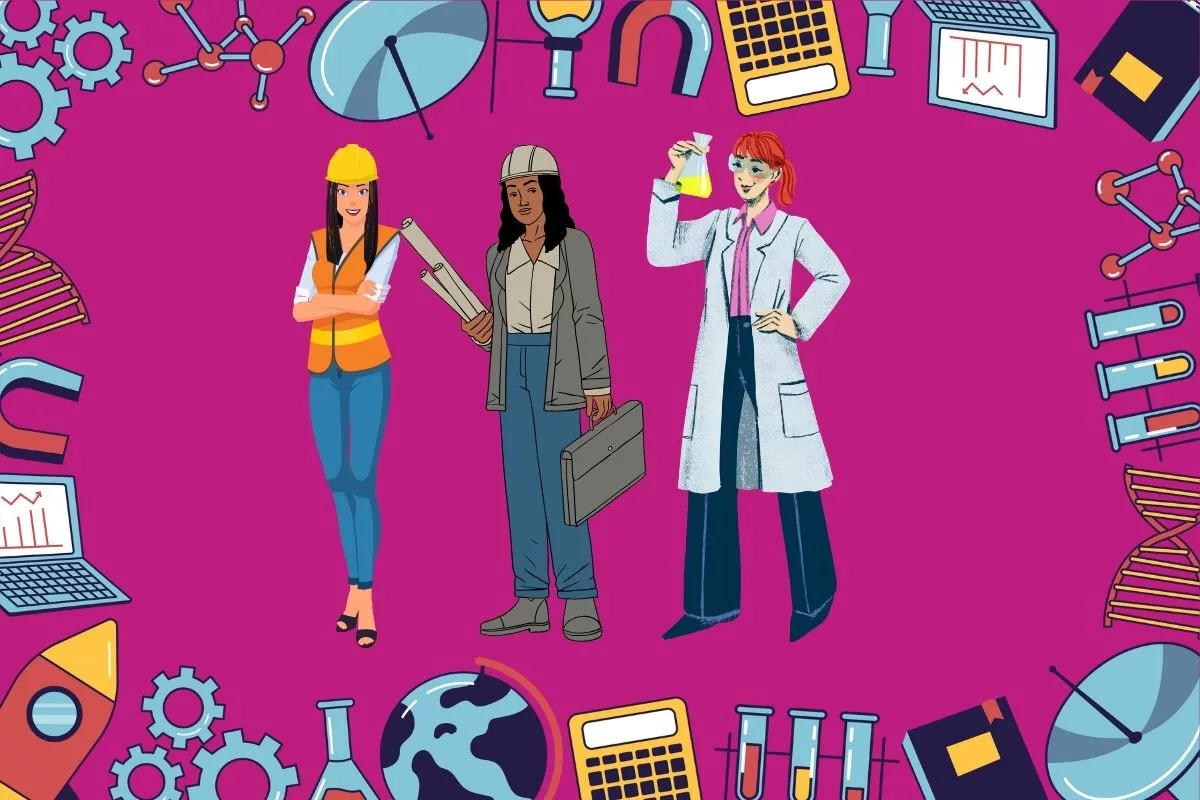
Celebrated annually on February 11, the International Day of Women and Girls in Science serves as a crucial reminder of the importance of ensuring equal access and participation of women and girls in the fields of science, technology, engineering, and mathematics (STEM). The day not only acknowledges the significant achievements of women in these fields but also aims to inspire future generations to pursue careers in science, contributing to a more inclusive and equitable world.

The International Day of Women and Girls in Science was established by the United Nations General Assembly in December 2015. The resolution aimed to achieve full and equal access to and participation in science for women and girls and to further achieve gender equality and the empowerment of women and girls. The decision to dedicate a day to celebrate women and girls in science stemmed from a recognition of the persistent gender gap in scientific fields and the need to address the barriers that hinder women’s participation.

Despite women making up nearly half of the global population, their representation in science and technology remains disproportionately low. According to UNESCO, women constitute only 30% of the world’s researchers, and this number decreases when it comes to leadership positions in scientific research and academia. The International Day of Women and Girls in Science seeks to raise awareness about these disparities and promote policies that encourage the participation of women and girls in STEM.

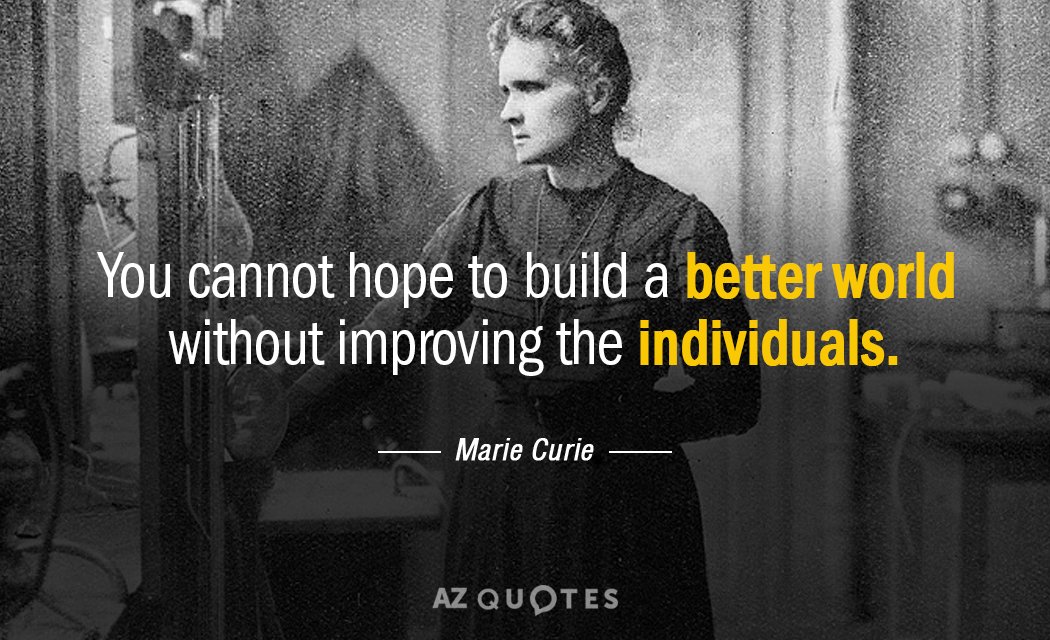
The roots of the movement for women in science can be traced back to the late 19th and early 20th centuries, when pioneers like Marie Curie and Ada Lovelace made significant contributions to their respective fields. However, it was not until the late 20th century that women’s achievements in science started to gain broader recognition. The establishment of the International Day of Women and Girls in Science marks a pivotal moment in acknowledging and celebrating these contributions while advocating for continued progress.

The International Day of Women and Girls in Science serves several critical purposes. One of the primary goals of the day is to raise awareness about the challenges that women and girls face in pursuing careers in STEM. This includes societal stereotypes, a lack of role models, and insufficient support systems. By highlighting these issues, the day encourages dialogue and action to address them. The day provides an opportunity to celebrate the accomplishments of women and girls in science. From groundbreaking research to innovative technologies, women have made significant contributions across various scientific disciplines. The International Day of Women and Girls in Science aligns with the broader goals of gender equality and women’s empowerment. By advocating for equal opportunities in scientific fields, the day contributes to the fight against gender discrimination and promotes a more equitable society. Highlighting role models and success stories can inspire young girls to pursue careers in science. The day serves as a platform to showcase diverse women in science, thereby encouraging girls to envision themselves in these roles and understand that they, too, can make significant contributions to the field.

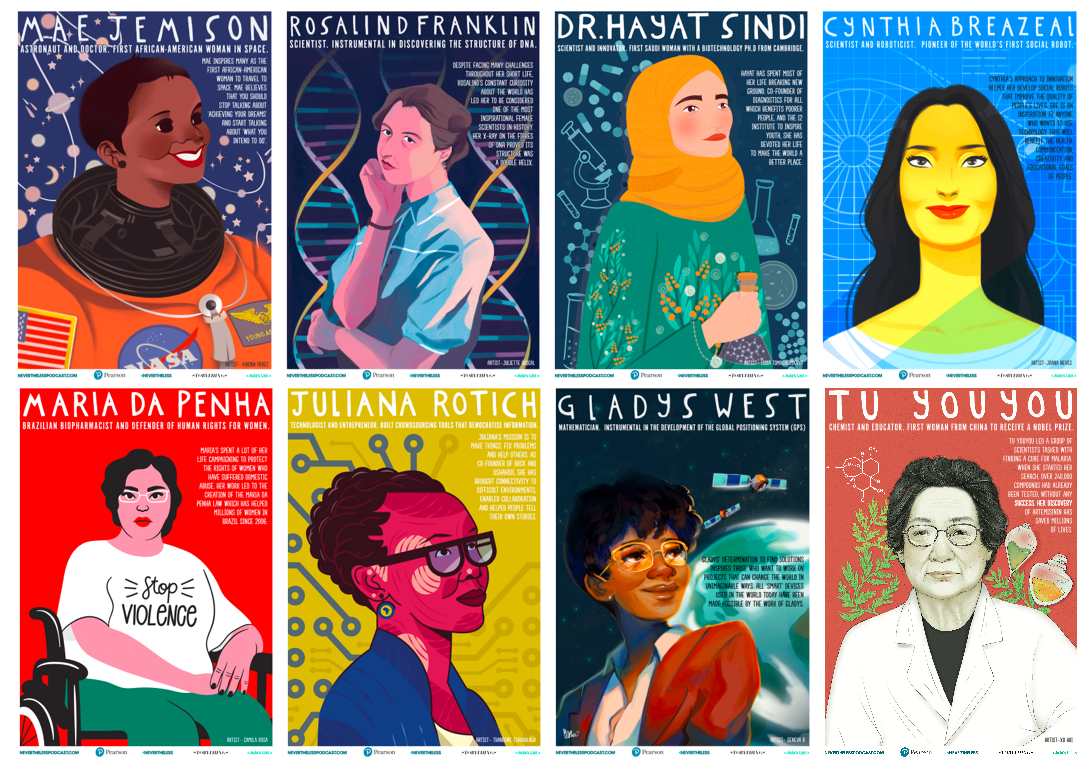
Women have played a pivotal role in advancing scientific knowledge and innovation throughout history. Their contributions span a wide range of fields, including medicine, engineering, physics, environmental science, and mathematics. The first woman to win a Nobel Prize, Marie Curie’s groundbreaking research on radioactivity paved the way for advances in both science and medicine. Her legacy continues to inspire countless scientists today. While her contributions to the discovery of the DNA double helix were not fully recognized during her lifetime, Rosalind Franklin’s work was crucial in understanding the molecular structure of DNA, ultimately influencing genetics and biotechnology. As the first African American woman in space, Mae Jemison not only broke barriers in her field but also became a role model for aspiring scientists and engineers, particularly young girls of color. Diversity in science is essential for fostering innovation and creativity. Different perspectives can lead to new ideas and approaches to problem-solving. Women and girls bring unique experiences and viewpoints that can enrich scientific inquiry and lead to breakthroughs in research and technology.

Despite the undeniable contributions of women and girls in science, various barriers continue to persist. Societal stereotypes about gender roles can discourage girls from pursuing STEM careers. Combating these biases requires comprehensive educational initiatives and community support. The underrepresentation of women in leadership roles within scientific institutions can perpetuate a cycle where young girls lack role models to look up to. Increasing the visibility of women in leadership positions is critical. The challenge of balancing family responsibilities with professional aspirations can disproportionately affect women in science. Organisations need to implement policies that support work-life balance, such as flexible working hours and parental leave.

Each year, the International Day of Women and Girls in Science adopts a specific theme that reflects current issues and aspirations related to gender equality in STEM. These themes guide the activities and discussions surrounding the day, providing focus and direction for advocacy efforts. The 2025 theme is “Unpacking STEM Careers: Her Voice in Science.” The theme will explore the critical role of women in scientific innovation and discuss the need for inclusive media representation to challenge gender stereotypes in Science, Technology, Engineering, and Mathematics (STEM) careers.

To foster a greater interest in STEM among girls, educational institutions and organizations must implement targeted initiatives. Workshops, camps, and mentorship programmes specifically aimed at girls can help build confidence and interest in science from a young age. Connecting young girls with female scientists and engineers can provide inspiration and practical guidance as they navigate their educational journeys. Schools should ensure that their curricula highlight the contributions of women in science, providing students with diverse perspectives and role models.

Communities and workplaces play a vital role in supporting women and girls in science. Strategies include creating platforms for women in science to connect, share experiences, and support each other, which can foster a sense of community and encourage collaboration; advocating for policies that promote gender equality within scientific institutions can lead to lasting change. This includes policies on hiring practices, parental leave, and workplace culture. Engaging in campaigns that highlight the importance of diversity and inclusion in STEM can shift societal perceptions and encourage greater support for women in science.

The International Day of Women and Girls in Science serves as a powerful reminder of the significance of gender equality in scientific fields. By celebrating the achievements of women and girls in science, raising awareness of the challenges they face, and promoting initiatives that encourage their participation, we can work towards a future where everyone has equal opportunities to contribute to scientific advancement.

As we look ahead to future celebrations of this important day, let us commit to fostering an environment that empowers women and girls to pursue their passions in science, technology, engineering, and mathematics. By doing so, we not only honour the contributions of those who came before us but also pave the way for the next generation of innovators and leaders in science. Together, we can build a more inclusive and equitable scientific community that benefits all of humanity.

International Day of Education

Education is the most powerful weapon which you can use to change the world — Nelson Mandela

Education is not just a privilege; it’s a fundamental human right and a foundation for peace and development. Every year, the world comes together on January 24 to celebrate the International Day of Education. This day is a reminder of the power of education to transform lives, strengthen communities, and promote equity across generations. In 2025, the focus of the International Day of Education is set on a critical issue of our time: “Fostering Digital Literacy for All.” As digital technology increasingly shapes every facet of our lives, the emphasis on digital literacy reflects the need to equip individuals worldwide with the skills they need to thrive in a connected world.

The International Day of Education was established in 2018 by the United Nations General Assembly in recognition of education’s role in promoting global peace and sustainable development. Education is enshrined in Article 26 of the Universal Declaration of Human Rights, which calls for free and compulsory elementary education for all. The UN’s Sustainable Development Goal 4 (SDG 4) specifically seeks to “ensure inclusive and equitable quality education and promote lifelong learning opportunities for all” by 2030.

The UN dedicated January 24 as a day to emphasise education’s impact on economic growth, poverty alleviation, gender equality, and social mobility. It calls on governments, civil society, educators, and citizens worldwide to recognize and act on the critical role of education in solving some of the world’s greatest challenges. By shining a spotlight on education, the UN aims to drive attention and resources toward ensuring that everyone has access to quality education, regardless of where they live or their socioeconomic status.

Each year, the International Day of Education adopts a new theme that highlights a pressing global education issue. These themes reflect emerging challenges and underscore education’s vital role in addressing them. For instance, in 2021, amid the COVID-19 pandemic, the theme was Recover and Revitalize Education for the COVID-19 Generation, which focused on restoring learning opportunities disrupted by the pandemic. In 2022, the theme Changing Course, Transforming Education highlighted the need for innovation in education to keep pace with a rapidly changing world. These themes provide a framework for international organisations, policymakers, educators, and advocates to focus their efforts, raise awareness, and implement changes in educational policies and practices that align with global needs. The day serves as a global rallying call to prioritise education at all levels, address inequalities, and close the gaps in access, quality, and inclusivity in education systems worldwide. By raising awareness, the day encourages nations to make policy commitments, increase funding for education, and work towards equitable, high-quality education for all.

Education is central to the achievement of many of the UN’s Sustainable Development Goals (SDGs). In particular, SDG 4 aims to ensure inclusive and equitable quality education, which supports several other goals such as reducing poverty, achieving gender equality, and promoting decent work. Through initiatives linked to the International Day of Education, communities worldwide are empowered to take concrete steps toward these objectives. The celebration has inspired countries and organisations worldwide to take action. For instance, in some regions, governments have used the day to announce new educational initiatives, while NGOs have leveraged the platform to secure funding for education projects. These examples demonstrate the day’s potential as a catalyst for real change, mobilizing support for increased educational access and improvements across the globe.

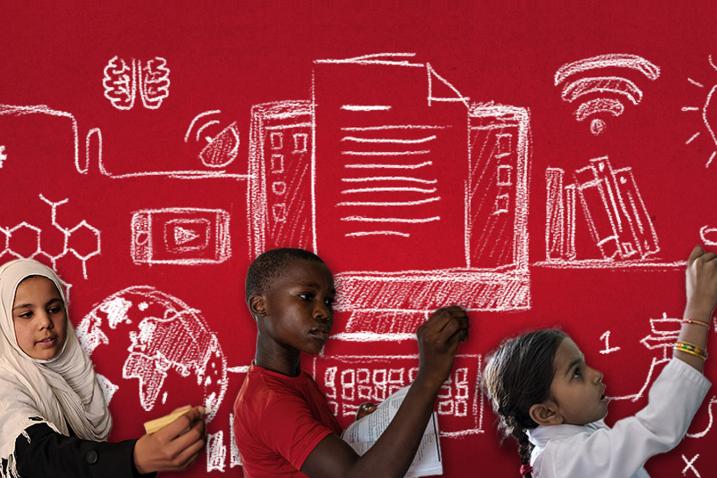
In today’s digital era, literacy is no longer limited to reading, writing, and arithmetic. Digital literacy has become essential for participating fully in society, accessing economic opportunities, and engaging in lifelong learning. In 2025, the theme “Fostering Digital Literacy for All” addresses the pressing need to bridge the digital divide and equip people worldwide with the digital skills necessary to thrive in an increasingly digital world.

Digital literacy includes skills that allow individuals to use digital devices, communicate online, and critically evaluate digital content. It’s essential for success in the modern workforce, where most jobs require some level of digital proficiency. Moreover, digital literacy empowers individuals to access valuable information, navigate online services, and engage with society safely and responsibly. This is especially important in a post-pandemic world where education, work, and social interactions increasingly rely on digital platforms. The focus on digital literacy aligns with SDG 4’s goal of promoting equitable education, as it seeks to ensure that everyone, regardless of location or economic status, can gain the skills they need to engage in and benefit from the digital economy.

UNESCO, along with organizations such as UNICEF and the International Telecommunication Union (ITU), has been at the forefront of promoting digital literacy. Through initiatives like the Global Education Coalition, UNESCO partners with governments, private sector companies, and non-profits to provide digital learning resources, improve connectivity, and ensure that students and teachers in underserved regions have access to the tools they need for digital learning.

Some innovative initiatives have made significant strides in advancing digital literacy. For instance, in certain rural areas, mobile tech schools provide digital devices and internet access to students who lack these resources at home. In parts of Africa, mobile learning platforms bring educational content to students via cell phones, allowing for flexible learning in areas with limited internet connectivity. Government programs in countries like India have launched digital literacy campaigns that train adults and young people alike in essential digital skills. These programs highlight the transformative potential of digital literacy and serve as models that can be adapted and implemented worldwide.

While the benefits of digital literacy are clear, achieving universal digital literacy remains challenging due to barriers related to infrastructure, teacher training, and economic disparities. In many developing countries, access to digital devices and reliable internet remains limited. For digital literacy to become a reality, infrastructure investments are crucial. Expanding internet access to remote areas, providing affordable devices, and creating digital hubs in underserved communities are essential steps toward bridging the digital divide. Teachers play a vital role in imparting digital skills. However, many educators lack the necessary training to incorporate digital literacy into their lessons effectively. Ensuring that teachers are equipped with both digital skills and teaching strategies for digital literacy is essential for preparing students for a digital future.

Socioeconomic factors also play a major role in access to digital resources. Families with limited financial means may struggle to afford internet access or digital devices for their children. Addressing these disparities requires policy interventions and funding that prioritize affordable access to technology for all. Digital literacy cannot be achieved by governments alone. Collaboration with the private sector, community organizations, and local governments is essential. Many tech companies, for example, partner with schools to donate devices, offer training programs, and fund digital literacy initiatives. Community organizations also play a significant role by providing free or low-cost digital training programs, creating community tech hubs, and offering mentorship to individuals in need. For instance, in countries with limited educational resources, corporations like Google and Microsoft have partnered with local schools to provide teacher training in digital tools. Community-based initiatives, such as public internet hubs and volunteer-led tech literacy workshops, further contribute to building digital skills in underserved areas. Such collaborations demonstrate how partnerships can help make digital literacy accessible to all.

Anyone can support the cause of digital literacy. Individuals can volunteer with local literacy programs, mentor students in digital skills, or donate digital devices to schools and community centers. Raising awareness through social media or community outreach can also help amplify the need for digital literacy. Schools, non-profits, and companies can contribute by launching digital literacy programs, donating resources, or partnering with government agencies to expand access to digital education. Advocacy for policies that support digital literacy as a core educational component can also create lasting change.

The 2025 International Day of Education theme emphasises that digital skills are not a luxury but a necessity. For individuals to thrive in today’s world, they need to understand and utilise digital tools responsibly and effectively. Ensuring that everyone has access to digital literacy is essential for promoting equality, economic opportunity, and social inclusion. By supporting initiatives that promote digital literacy, each of us can contribute to a future where everyone has the skills they need to succeed in a digital world.

Human Rights Day

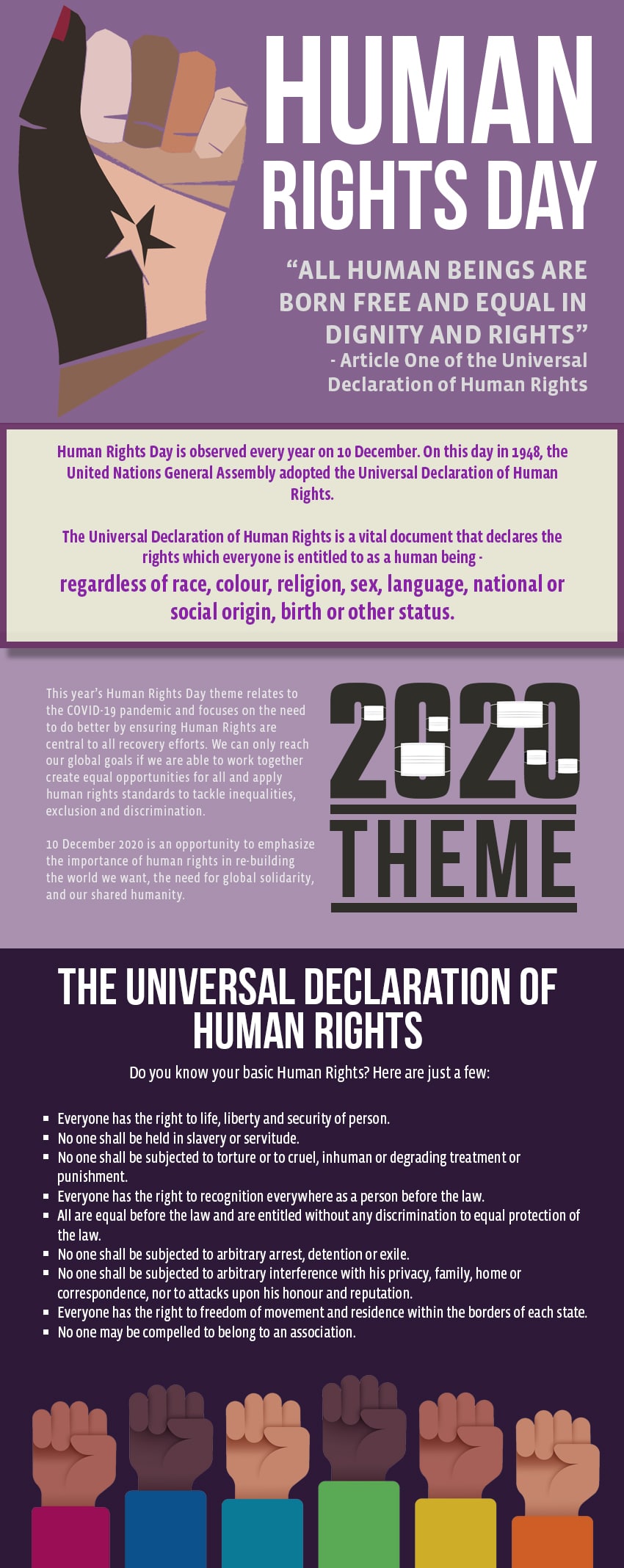
Held annually on December 10th to commemorate the adoption of the Universal Declaration of Human Rights (UDHR) by the United Nations General Assembly in 1948, Human Rights Day was established to mark the adoption of the landmark document, drafted in the aftermath of World War II, set out for the first time the fundamental human rights to be universally protected.

The horrors of World War II, including the Holocaust and other atrocities, highlighted the need for a universal framework to protect human rights. The Universal Declaration of Human Rights set out, for the first time, fundamental human rights to be universally protected.

The UDHR consists of 30 articles affirming an individual’s rights. These include the right to life, liberty, and security of person; freedom from torture and degrading treatment; the right to equality before the law; freedom of belief and religion; freedom of opinion and expression; the right to work and education; and the right to health and well-being. The declaration has been translated into over 500 languages, making it the most translated document in the world.

Human Rights Day serves several important purposes. The day helps educate the public about human rights issues and challenges around the world. It provides a platform for human rights advocates to push for policy changes and improved protections. Human Rights Day celebrates the progress made in advancing human rights globally. It encourages reflection on the state of human rights and areas where improvement is needed. The day unites people worldwide in the cause of promoting and protecting human rights.

Understanding the current state of human rights globally provides context for the importance of Human Rights Day. While progress has been made since the adoption of the UDHR, significant challenges remain. Many countries still struggle with issues such as freedom of expression, assembly, and fair trials. Poverty, lack of access to education and healthcare, and cultural discrimination persist in many parts of the world. Gender inequality, violence against women, and discrimination continue to be global issues. Child labour, lack of access to education, and child marriage remain significant problems in many regions. Many countries still criminalise same-sex relationships, and discrimination against LGBTQ+ individuals is widespread. The global refugee crisis and treatment of migrants continue to pose human rights challenges. Indigenous peoples often face discrimination and struggle to protect their lands and cultures. Issues of privacy, surveillance, and online freedom of expression are growing concerns. Climate change and environmental degradation increasingly impact human rights, particularly for vulnerable populations.

The United Nations plays a crucial role in promoting and protecting human rights globally. Established in 1993, the Office of the High Commissioner for Human Rights (OHCHR) is the leading UN entity on human rights. It supports the work of UN human rights mechanisms, including the Human Rights Council and the core treaty bodies. Created in 2006, the Human Rights Council is an inter-governmental body responsible for strengthening the promotion and protection of human rights around the world.

Despite progress, numerous challenges to human rights persist globally. The rise of authoritarian regimes in various parts of the world threatens civil and political rights. Economic inequality continues to undermine social and economic rights. Various forms of discrimination based on race, gender, sexual orientation, and other factors persist. Ongoing conflicts in various regions lead to severe human rights violations. Environmental degradation and climate change increasingly impact human rights, particularly for vulnerable populations. The misuse of technology for surveillance and control threatens privacy and freedom of expression. The spread of misinformation and hate speech online poses challenges to human rights. The COVID-19 pandemic has highlighted and exacerbated existing human rights issues.

Human rights education is crucial for creating a culture that respects and promotes human rights. These include integrating human rights education into school curricula at all levels, providing human rights training for professionals such as law enforcement officers, healthcare workers, and educators, conducting campaigns to educate the general public about human rights, implementing community-based programs that promote human rights awareness and activism, and developing and disseminating online resources for human rights education.

Human Rights Day serves as a powerful reminder of the universal values enshrined in the Universal Declaration of Human Rights and the ongoing struggle to realise these rights for all people. As we face complex global challenges, from climate change to technological disruption, the principles outlined in the Universal Declaration of Human Rights remain as relevant as ever. Human Rights Day reminds us that respect for human dignity, equality, and justice must be at the core of our responses to these challenges. By promoting human rights education, supporting civil society organizations, engaging businesses in human rights responsibilities, and leveraging technology for positive change, we can work towards a world where the rights of all individuals are respected and protected.

Human Rights Day is not just a day of commemoration, but a call to action. It challenges each of us to stand up for our rights and the rights of others, to speak out against injustice, and to work towards a world where the principles of the Universal Declaration of Human Rights are realized for everyone, everywhere.