World No Tobacco Day

Today is World No Tobacco Day. This yearly celebration informs the public on the dangers of using tobacco, the business practices of tobacco companies, what the World Health Organization or WHO is doing to fight against the use of tobacco, and what people around the world can do to claim their right to health and healthy living and to protect future generations. This day was created in 1987 to draw global attention to the tobacco epidemic and the preventable death and disease it causes. The day is further intended to draw attention to the widespread prevalence of tobacco use and to negative health effects, which currently lead to more than 8 million deaths each year worldwide, including the 1.2 million that are the result of non-smokers being exposed to second-hand smoke.

The theme for 2021 is a year-long global campaign initiated by the WHO for the World No Tobacco Day 2021 with the theme of Commit to Quit. This campaign aims to support 100 million people worldwide in their attempt to give up tobacco through various initiatives and digital solutions and will help create healthier environments that are conducive to quitting tobacco by advocating for strong tobacco cessation policies, by promoting increased access to cessation services, by raising awareness of tobacco industry tactics and by empowering tobacco users to make successful attempts to quit through quit & win initiatives.
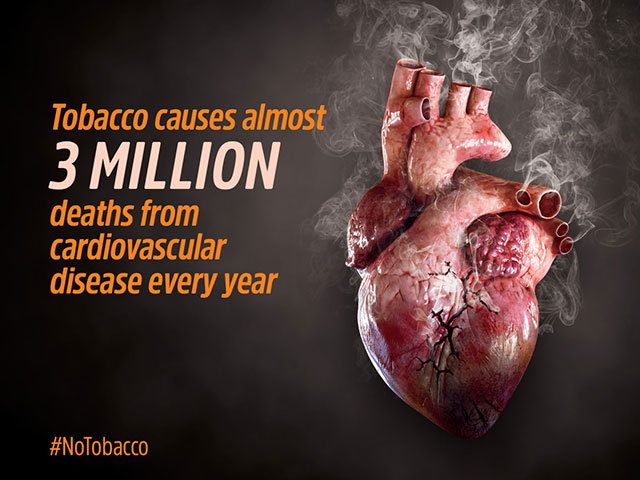
The COVID-19 pandemic has led to millions of tobacco users wanting to quit. However, quitting tobacco is challenging, especially with the added social and economic stresses brought about by the pandemic. Worldwide, around 780 million people say they want to quit, but only 30% of them have access to the tools that can help them to overcome both physical and mental addictions to tobacco. And in today’s COVID world, smokers have a greater risk of developing a severe case and dying from COVID-19. Tobacco affects your looks almost immediately and threatens the health of not just the smoker, but their family and friends. Smoking or using e-cigarettes around children compromises their health and safety and tobacco and its allied products are expensive, money that can be used for other important things. For both men and women, smoking reduces fertility and purchasing tobacco, one is financially supporting an industry that exploits farmers and children and pedals sickness and death. In terms of overall health, smokers are more likely to lose their vision and hearing and tobacco harms almost every organ of the body

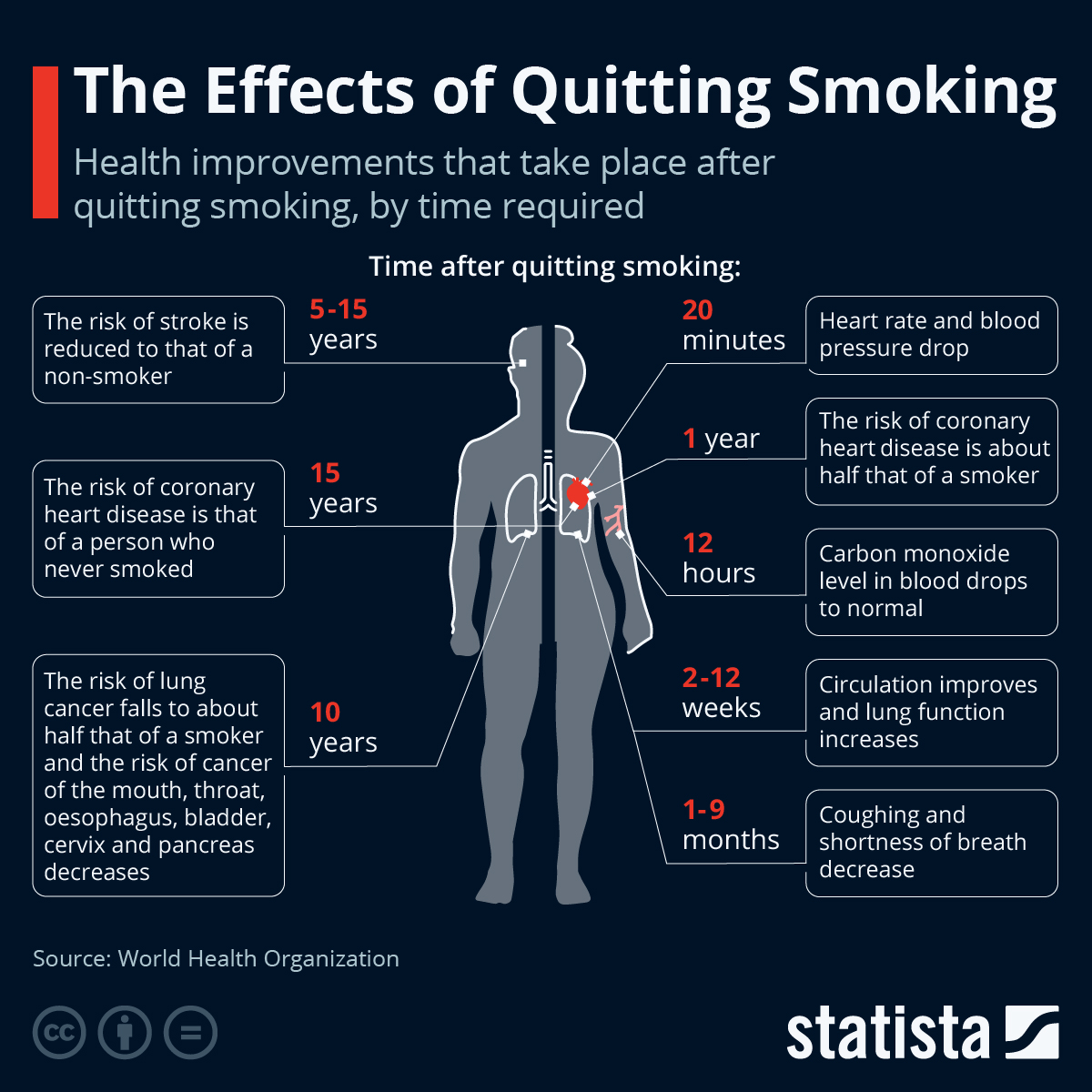
Quitting tobacco has major and immediate health benefits. There are immediate and long-term health benefits to quitting tobacco. After just 20 minutes of quitting smoking, the heart rate drops. Within 12 hours, the carbon monoxide level in the blood drops to normal. Within 2–12 weeks, the circulation improves and lung function increases. Within 1–9 months, coughing and shortness of breath decrease. Within 5–15 years, the stroke risk is reduced to that of a non-smoker. Within 10 years, the lung cancer death rate is about half that of a smoker. Within 15 years, the risk of heart disease is that of a non-smoker. Quitting smoking decreases the excess risk of many diseases related to second-hand smoke in children, such as respiratory diseases like asthma and ear infections. Quitting smoking also reduces the chances of impotence, having difficulty getting pregnant, having premature births, babies with low birth weights and miscarriage.

So please, if you are a smoker, or you know someone who smokes or uses tobacco products, then seriously think of quitting or helping them quit. There are many resources available, with the WHO having a Quitting Toolkit, which also has digital support.
World Health Day

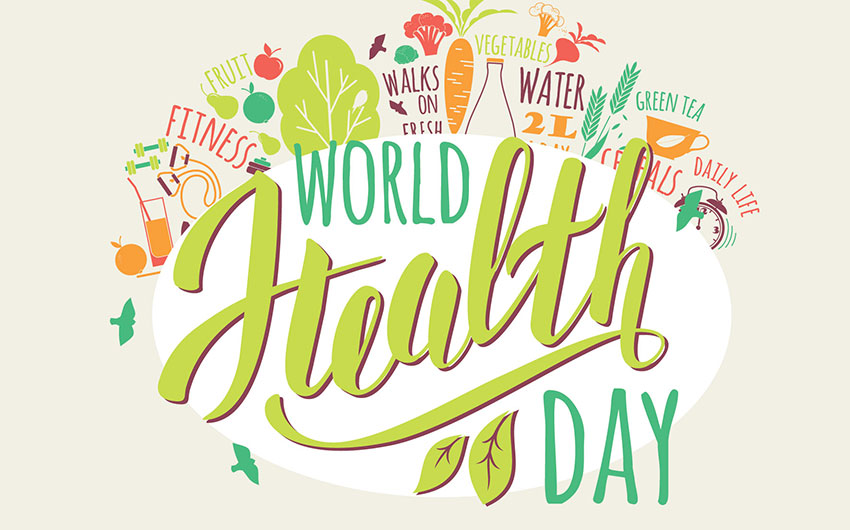
Today is World Health Day, a day dedicated to creating awareness of a specific health theme to highlight a priority area of concern for the World Health Organisation or WHO. This day has, over the past 50 years, from its inception in 1948

April 7 of each year marks the celebration of World Health Day. From its inception at the First Health Assembly in 1948 and since taking effect in 1950, the celebration has aimed to create awareness of a specific health theme to highlight a priority area of concern for the World Health Organization.

The World Health Day has a large number of wide-reaching aims and priorities including to improve understanding of universal health coverage and the importance of primary health care as its foundation, to spur action from individuals, policy-makers and health-care workers to make universal health care a reality for everyone, everyone should have the information and services they need to take care of their own health and the health of their families and to have skilled health workers providing quality, people-centred care; and policy-makers committed to investing in primary health care.

The theme for the 2021 World Heath Day is to build a fairer, healthier world. Why is this so? Because this world is an unequal world. As COVID-19 has highlighted, some people are able to live healthier lives and have better access to health services than others and this is entirely due to the conditions in which they are born, grow, live, work and age. All over the world, some groups struggle to make ends meet with little daily income, have poorer housing conditions and education, fewer employment opportunities, experience greater gender inequality, and have little or no access to safe environments, clean water and air, food security and health services. This leads to unnecessary suffering, avoidable illness, and premature death. And it harms our societies and economies. Not only is this unfair, it is preventable. That’s why world leaders are being called upon to ensure that everyone has living and working conditions that are conducive to good health as well as to monitor health inequities, and to ensure that all people are able to access quality health services when and where they need them.

2021 has also been designated as the International Year of Health and Care Workers (YHCW) in appreciation and gratitude for their unwavering dedication in the fight against the COVID-19 pandemic. Under the theme of Protect, Invest and Together, a year-long campaign which highlights the urgent need to invest in health workers for shared dividends in health, jobs, economic opportunity and equity, has been launched by the WHO. The campaign’s objectives is to ensure the world’s health and care workers are prioritised for the COVID-19 vaccine in the first 100 days of 2021, recognise and commemorate all health and care workers who have lost their lives during the pandemic, mobilise commitments from countries, international financing Institutions and bilateral and philanthropic partners to protect and invest in health and care workers, engage countries and all relevant stakeholders in dialogue on a care compact to protect health and care workers’ rights, decent work and practice environments and bring together communities, influencers, political and social support in solidarity, advocacy and care for health and care workers.

This year, please support to ensure that our health and care workforces are supported, protected, motivated and equipped to deliver safe health care at all times, not only during COVID-19. The pandemic of COVID-19 has hit all countries hard, but its impact has been harshest on those communities which were already vulnerable, who are more exposed to the disease, less likely to have access to quality health care services and more likely to experience adverse consequences as a result of measures implemented to contain the pandemic.

Therefore it is more than important to have a healthier world, one where everyone has access to the healthcare they need.

World Health Day

The word ‘health’ comes from the old English ‘hale’ which means ‘whole’ or ‘complete’. The World Health Organisation or WHO has given an international definition of health: “Health is a state of complete physical, mental and social well-being and not merely the absence of disease or infirmity.”

Tomorrow, April 07 marks the celebration of World Health Day. A global health awareness day, this day, held to mark the founding of the World Health Organisation is celebrated every year and is aimed to create awareness of a specific health theme to highlight a priority area of concern for the WHO. On this day, the WHO organizes international, regional and local events on the Day related to a particular theme. World Health Day is acknowledged by various governments and non-governmental organizations with interests in public health issues, who also organize activities and highlight their support in media reports, such as the Global Health Council. The World Health Day is one of eight official global health campaigns marked by WHO, along with World Tuberculosis Day, World Immunization Week, World Malaria Day, World No Tobacco Day, World AIDS Day, World Blood Donor Day, and World Hepatitis Day. Over the past 50 years this has brought to light important health issues such as mental health, maternal and child care, and climate change. The celebration is marked by activities which extend beyond the day itself and serves as an opportunity to focus worldwide attention on these important aspects of global health.

Why is health important? The way the body works depends on a person’s health. The body is designed to deal with everyday obstacles in order to be able to live life to the full, but poor health makes these everyday obstacles become larger and more difficult to overcome. For some the odds of leading a healthy life are stacked against them from the start. Health is important to everything a person does. Poor health affects people differently.

Health is also often thought of in terms of illnesses which endanger it like AIDs, Malaria and Tuberculosis – three of the most devastating diseases and today we could probably include Covid-19 which is has been the deadliest disease our generation has seen which has now been called a pandemic as it has extended over pretty much all continents with the exception of Antartica. The world we live in is a world that is increasingly interconnected and though this brings many benefits it also brings responsibility. Health is a shared responsibility, which means ensuring equal access to essential healthcare and collective action to health threats in different countries to look after those that are sick and to stop deseases from spreading.

The theme for the 2020 edition is a focus on health support staff with the theme being “Support Nurses and Midwives”. World Health Day 2020 will shine a light on the vital role played by nurses and midwives in providing health care around the world, and call for a strengthening of the nursing and midwifery workforce. There was supposed to be “dawn to dusk” advocacy events held around the world to mark World Health Day, but given the conditions we now live in and with health workers globally being streteched thin, I doubt if this is possible. There was supposed to be the launch of the first ever State of the World’s Nursing Report 2020, a report which will provide a global picture of the nursing workforce and support evidence-based planning to optimise the contributions of this workforce to improve health and wellbeing for all. This report will provide a global picture of the nursing workforce and support evidence-based planning to optimize the contributions of this workforce to improve health and wellbeing for all and to make meaningful progress toward UHC and the SDGs. The report will set the agenda for data collection, policy dialogue, research and advocacy, and investment in the health workforce for generations to come. A similar report on the Midwifery workforce will be launched in 2021.

The WHO has also designated 2020 as the Year of the Nurse and the Midwife and the 2020 theme follows this. Nurses and midwives play a vital role in providing health services. These are the people who devote their lives to caring for mothers and children; giving lifesaving immunizations and health advice; looking after older people and generally meeting everyday essential health needs. They are often, the first and only point of care in their communities. The world needs 9 million more nurses and midwives if it is to achieve universal health coverage by 2030. This is why 2020 has been designated the year of the nurse and midwife.

Educating nurses and midwives to international standards makes economic sense. It saves resources by reducing the need for costly and unnecessary interventions and increases quality of care and health for all. Strengthening nursing and midwifery – and ensuring that nurses and midwives are enabled to work to their full potential – is one of the most important things countries can do to achieve universal health coverage and improve health globally. This is especially true in times of epidemics as we are in now. By developing nursing and midwifery, countries can achieve the triple impact of improving health, promoting gender equality and supporting economic growth. Strengthening nursing and midwifery will have the additional benefits of promoting gender equity (SDG5), contributing to economic development (SDG8) and supporting other Sustainable Development Goals.

The goals for World Health Day 2020 include triggering a wave of public appreciation for the work of nurses and midwives and the part they play in delivering health care; raise the profile of nurses and midwives within the health workforce and catalyse support and investment in nurses and midwives.

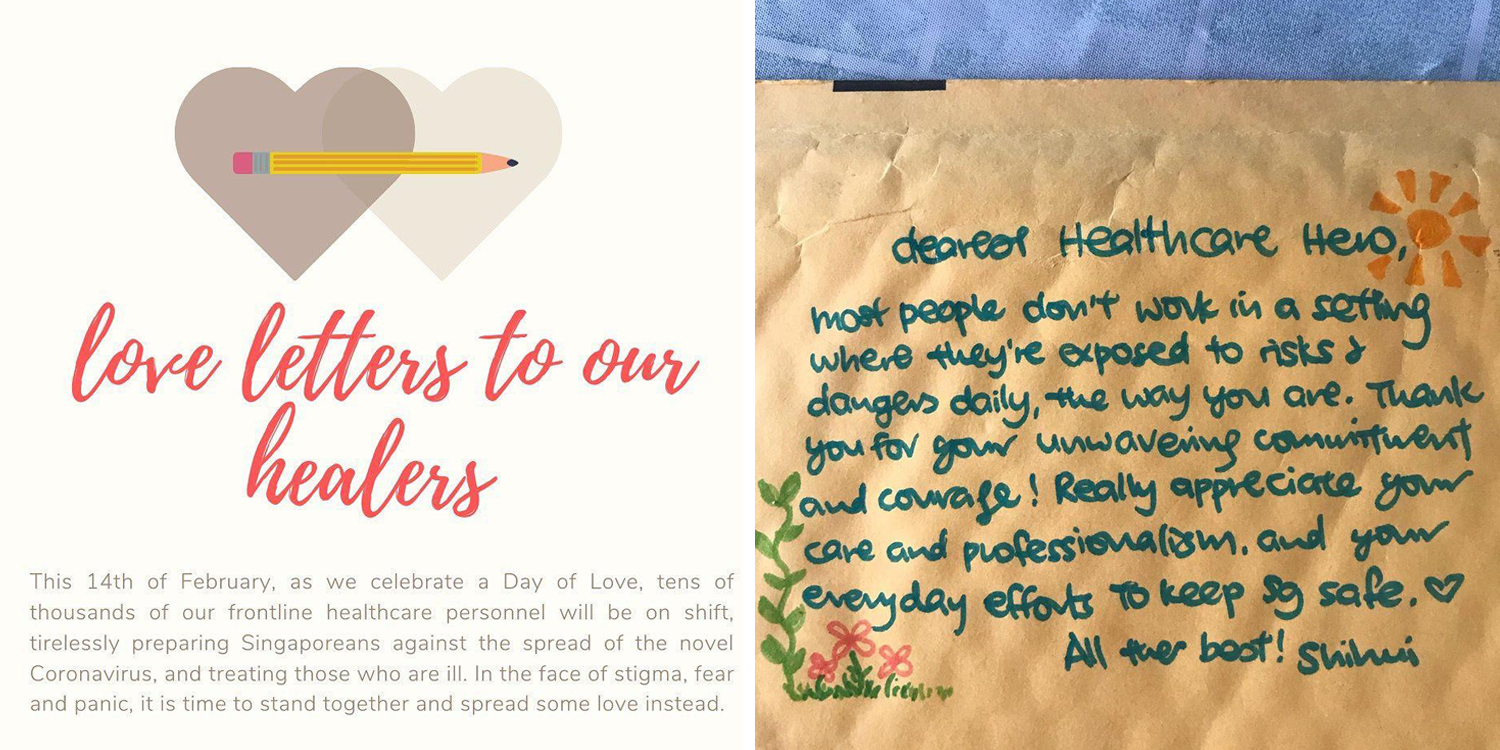
Tomorrow, please remember to thank all healthcare workers in your country. They are risking their lives on a daily basis and in many countries don’t have access to proper preventive personal equipment just so they can save our lives!

The healthcare workers are the superheros of our times!

World Cancer Day

Over the Christmas holidays last year, I learnt that a friend has been diagnosed with breast cancer. It was a huge shock to me since she is just a couple of years older than me and was super fit, did not smoke and only drank socially. My first thought was for her family and the second thought was if it could happen to her, then it could probably happen to anyone.

Earlier this year, I started reading up on this disease and that’s when I realised that yesterday, February 4th was World Cancer Day as determined by the World Health Organisation. World Cancer Day is an initiative of the Union for International Cancer Control (UICC), the largest and oldest international cancer organisation dedicated to taking the lead in convening, capacity building and advocacy initiatives that unite the cancer community to reduce the global cancer burden, promote greater equity, and integrate cancer control into the world health and development agenda.

World Cancer Day was born on the 4 February 2000 at the World Summit Against Cancer for the New Millennium in Paris. The Paris Charter aims to promote research, prevent cancer, improve patient services, raise awareness and mobilise the global community to make progress against cancer, and includes the adoption of World Cancer Day.

This year, the campaign turns 20 and there has been tremendous progress in many areas, from increased political will, technological advancements, research breakthroughs, and greater public understanding of the disease. In 2019 the World Health Organization included Non-communicable Diseases (NCDs), including cancer, as one of top ten threats to public health.

It turns out that around 9.6 million people die each year from cancer. That is more than HIV/AIDS, malaria and tuberculosis combined. By 2030, experts project cancer deaths to rise to 13 million, so there’s much to be done in the next decade if these statistics are to be reversed. Experts say that more than one third of cancer cases can be prevented. Another third can be cured if detected early and treated properly. By implementing resource-appropriate strategies on prevention, early detection and treatment, up to 3.7 million lives can be saved every year.

Today, more than half (65%) of cancer deaths are happening in the least developed parts of the world. Even if you live in a higher income country, inequities still exist among lower-income, indigenous, immigrant, refugee and rural communities. It has been proven that equal access to cancer prevention, diagnosis, treatment and care can save lives. How do health officials and experts do this? They do this through raising the public and political literacy and understanding around cancer. By doing that, they are able to reduce fear, increase understanding, dispel myths and misconceptions, and change behaviours and attitudes, all of which are essential to cancer prevention, diagnosis, treatment and care.

The theme for the 2020 World Cancer Day is “I Am And I Will”. This theme is a 3-year campaign which is an empowering call-to-action urging for personal commitment and represents the power of individual action taken now to impact the future. The campaign is built to resonate, inspire change and mobilise action long after the day has passed.

What is the Big C, aka Cancer? Cancer is a disease which occurs when changes in a group of normal cells within the body lead to uncontrolled, abnormal growth forming a lump called a tumour; this is true of all cancers except leukaemia (cancer of the blood). If left untreated, tumours can grow and spread into the surrounding normal tissue, or to other parts of the body via the bloodstream and lymphatic systems, and can affect the digestive, nervous and circulatory systems or release hormones that may affect body function.

Cancer tumours can be divided into three groups: benign, malignant or precancerous

  • Benign tumours are not cancerous and rarely threaten life. They tend to grow quite slowly, do not spread to other parts of the body and are usually made up of cells quite similar to normal or healthy cells. They will only cause a problem if they grow very large, becoming uncomfortable or press on other organs – for example a brain tumour inside the skull.
  • Malignant tumours are faster growing than benign tumours and have the ability to spread and destroy neighbouring tissue. Cells of malignant tumours can break off from the main (primary) tumour and spread to other parts of the body through a process known as metastasis. Upon invading healthy tissue at the new site they continue to divide and grow. These secondary sites are known as metastases and the condition is referred to as metastatic cancer.
  • Precancerous (or premalignant) describes the condition involving abnormal cells which may (or is likely to) develop into cancer.

Cancer can be classified according to the type of cell they start from. There are five main types:

  • Carcinoma – A cancer that arises from the epithelial cells (the lining of cells that helps protect or enclose organs). Carcinomas may invade the surrounding tissues and organs and metastasise to the lymph nodes and other areas of the body. The most common forms of cancer in this group are breast, prostate, lung and colon cancer
  • Sarcoma – A type of malignant tumour of the bone or soft tissue (fat, muscle, blood vessels, nerves and other connective tissues that support and surround organs). The most common forms of sarcoma are leiomyosarcoma, liposarcoma and osteosarcoma
  • Lymphoma and Myeloma – Lymphoma and Myeloma are cancers that begin in the cells of the immune system. Lymphoma is a cancer of the lymphatic system, which runs all through the body, and can therefore occur anywhere. Myeloma (or multiple myeloma) starts in the plasma cells, a type of white blood cell that produces antibodies to help fight infection. This cancer can affect the cell’s ability to produce antibodies effectively
  • Leukaemia – Leukaemia is a cancer of the white blood cells and bone marrow, the tissue that forms blood cells. There are several subtypes; common are lymphocytic leukaemia and chronic lymphocytic leukaemia
  • Brain and spinal cord cancers – these are known as central nervous system cancers. Some are benign while others can grow and spread.

9.6 million people die from cancer every year with at least one third of common cancers being preventable. Cancer is the second-leading cause of death worldwide with around 70% of cancer deaths occuring in low-to-middle income countries. Up to 3.7 million lives could be saved each year by implementing resource appropriate strategies for prevention, early detection and treatment. There is also an economic impact of the disease at an annual estimation of US$1.16 trillion!

My friend I mentioned in the beginning of this post? Well the biopsy showed that she was having stage 1 breast cancer. She has started treatment and is expected to be cancer free soon.

Please do spread the word about this deadly disease, especially if you live or know someone who lives in one of the less developed countries or is someone who lives in lower income, indigenious or rural areas with not much access to information and care.