Dry Promotions: A Nuanced Balancing Act

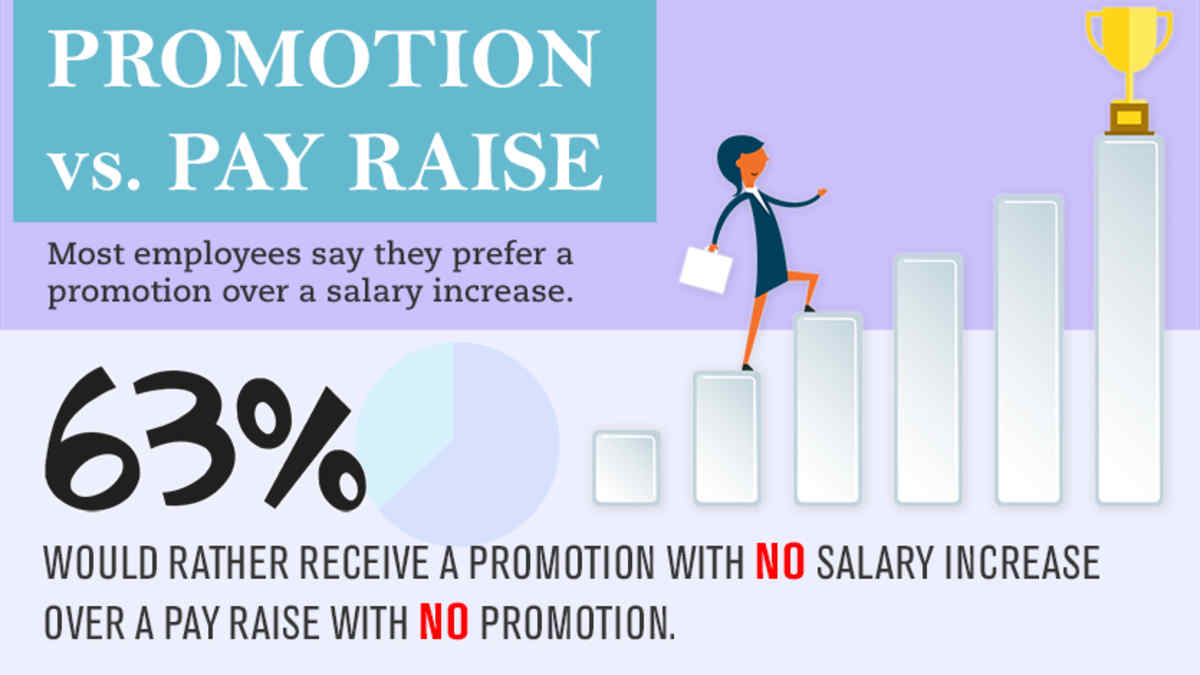
In the last few weeks, we have been hearing about this phenomenon on various platforms. In the intricate ballet of the corporate world, few manoeuvres spark as much debate as dry promotion. Unlike traditional promotions that come hand-in-hand with a salary increase, dry promotions denote an elevation in job title, responsibilities, or status without a corresponding financial reward.

Dry promotions present a seemingly paradoxical situation: recognition without reward. While some dismiss it as a disingenuous tactic, others argue its potential as a valuable stepping stone or strategic tool. So, is the dry promotion a demotivating dead end or a gateway to greater opportunities? The answer, as with most things in life, lies in the intricate dance of understanding its complexities and navigating its challenges effectively.

So why is dry promotion being discussed so much these days? Several factors contribute to this phenomenon. In competitive economic landscapes, budget constraints can limit salary increases. Companies may prioritise hiring top talent or investing in other areas, temporarily putting salary hikes on hold. Dry promotions can be strategic tools for talent development. They offer opportunities for individuals to take on new responsibilities, acquire skills, and demonstrate leadership potential, paving the way for future financial rewards. Dry promotions can act as stepping stones within the organisational hierarchy. By assigning increased responsibilities without immediate salary bumps, companies can groom promising individuals for senior positions while ensuring existing salaries remain competitive. Some dry promotions arise from temporary situations like restructuring or mergers. Companies may delay financial adjustments until the dust settles, offering recognition and new roles in the meantime.

While the concept of a promotion without a raise might raise eyebrows, it’s important to approach it with nuance. There are both potential benefits and drawbacks to consider. Dry promotions offer valuable opportunities for learning and growth. Taking on new challenges expands skillsets, enhances leadership qualities, and builds an impressive resume. Stepping into a bigger role increases visibility within the organisation, leading to greater recognition and potentially paving the way for future promotions with financial rewards. Employers may opt for dry promotions as a strategic move to contain costs while recognising and rewarding employees for their contributions. In times of budget constraints, offering non-monetary advancements allows organizations to acknowledge exceptional performance without immediately impacting the bottom line.

For individuals seeking specific career changes or advancement within a particular department, a dry promotion can serve as a strategic foot in the door, positioning them for future opportunities within that area. In some cases, the recognition and increased responsibility associated with a dry promotion can boost morale and employee engagement, especially when paired with clear communication and future advancement plans. Dry promotions can serve as a tool for professional development, providing employees with opportunities to enhance their skills, broaden their experience, and prepare for higher-level roles. This approach aligns with the philosophy that career progression is not solely defined by financial gains but also by the acquisition of diverse skills and experiences. The elevation in job titles and responsibilities can enhance their marketability and open doors to future career opportunities, even if the immediate financial gains are not realized.
However, if poorly handled, dry promotions can create feelings of resentment and demotivation. Employees may view it as a broken promise or a lack of appreciation, leading to decreased productivity and increased turnover. Offering dry promotions without a corresponding salary increase may pose a risk to employee retention. Talented individuals, especially those with sought-after skills, may be enticed by external opportunities that offer both professional growth and financial rewards. Depending on individual financial situations, the lack of a salary increase can create significant financial strain. This can be particularly detrimental for lower-income employees, potentially leading to decreased job satisfaction and increased stress. Companies must manage expectations effectively. Offering a dry promotion without a clear roadmap for future financial rewards can fuel frustration and resentment if those expectations aren’t met. The market value of an employee’s skills and experience may not be adequately reflected in their compensation package, potentially hindering their ability to negotiate competitive salaries in the job market. This consideration is particularly relevant when employees explore external career opportunities. This can be a costly loss for companies that have invested in their development.

The success of a dry promotion hinges on effective communication, strategic implementation, and transparency. Here are some key factors for navigating this nuanced concept:

  • Clear Communication: Companies must be transparent about the reasons behind the dry promotion, outlining the rationale, potential benefits, and future salary adjustment plans. Employers should emphasise the value placed on professional growth and the organisation’s commitment to long-term employee development. Open communication fosters trust and prevents misunderstandings.
  • Focus on Development: Dry promotions should be presented as opportunities for learning and growth, not just additional workload. Companies should provide support and resources for skill development and career advancement.
  • Setting Expectations: A clear timeline for future salary adjustments or promotion possibilities is crucial to managing expectations and maintaining employee morale. Ambiguity breeds frustration, so be forthright in your communication.
  • Individual Considerations: Not all employees react to dry promotions the same way. Companies should be sensitive to individual situations and financial constraints, potentially offering alternative forms of compensation or support in the interim. Understanding the diverse needs of the workforce is essential.
  • Performance Metrics: Linking dry promotions to clear performance metrics helps in objectively assessing employee contributions. By establishing transparent criteria, employers can ensure that promotions are merit-based and aligned with organizational goals.
  • Career Path Planning: Organisations should actively engage in career path planning with employees, providing a roadmap for future progression. This involves outlining the steps required for transitioning from a dry promotion to a role with increased financial compensation.
  • Monitoring and Feedback: The impact of dry promotions should be monitored and feedback should be actively sought. This allows companies to identify potential concerns and adjust their approach for future instances.

A dry promotion is not inherently good or bad; it’s a nuanced tool that requires careful consideration and thoughtful implementation. While this practice can be a strategic tool for employers to acknowledge and reward excellence, it also necessitates a thoughtful and transparent approach.

Companies must understand the motivations behind them, employ transparent communication, prioritize employee development, and manage expectations effectively. For employees, understanding the potential benefits and navigating the challenges while advocating for their needs is crucial. By fostering open communication, aligning promotions with performance metrics, and maintaining a comprehensive approach to compensation and benefits, both employers and employees can navigate the intricacies of dry promotions effectively. Ultimately, the success of dry promotions hinges on the ability of organisations to create a work environment that values both the professional and financial dimensions of employee growth. As the business landscape continues to evolve, the judicious use of dry promotions may well become a strategic lever for organisations seeking to balance fiscal responsibility with the imperatives of talent retention and development.

The Busy Illusion: Appearances vs. Productivity

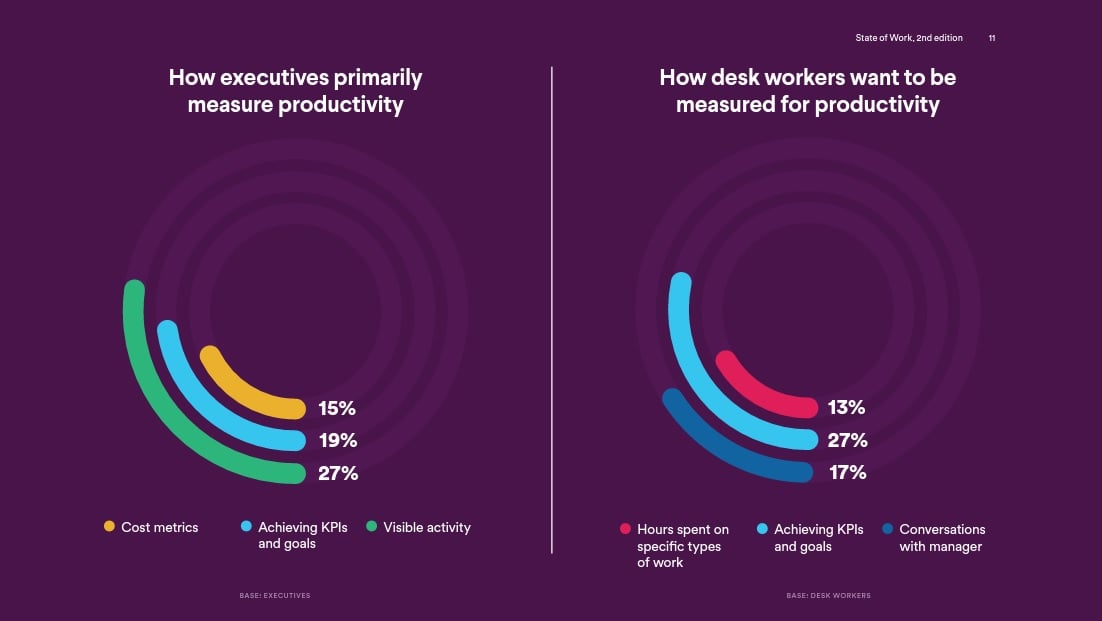
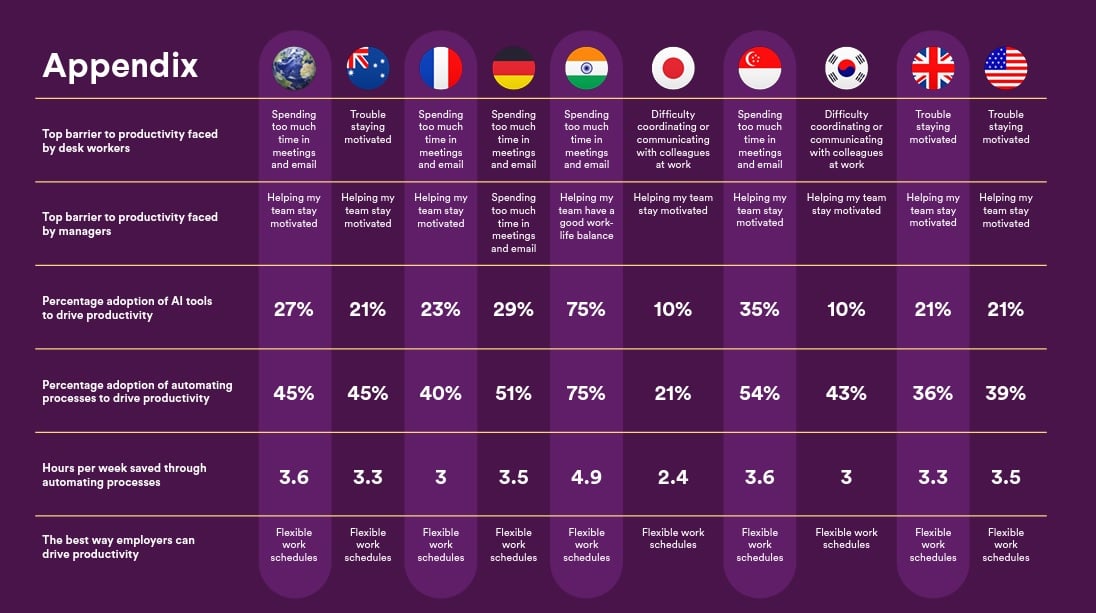
A few months ago, I chanced upon an article about a survey that mentioned that Singaporeans were ranked third globally for appearing busy but not necessarily productive. Now, what does this ranking mean, and how should we interpret it?

In a world that glorifies busyness, it’s no surprise that we Singaporeans find ourselves near the top of the list when it comes to appearing busy. Our lives are filled with work commitments, family responsibilities, social engagements, and more. It’s not uncommon for conversations to revolve around how busy we are, almost like a badge of honour.

But here’s the catch: appearing busy doesn’t always translate into being productive. The survey highlighted that while Singaporeans might look swamped with tasks, the actual output may not match their perception. This raises an essential question: Are we optimising our time and efforts effectively?

Singapore’s culture of busyness can be traced back to several factors. Our fast-paced lifestyle, coupled with high expectations at work and in our personal lives, often leads to a constant need to appear busy. The fear of falling behind or not measuring up to societal standards can push us to overcommit, making us look busy without necessarily achieving more.

We are known for our work ethic and commitment to excellence. However, this drive can sometimes result in individuals juggling too many tasks simultaneously. The pressure to perform at our best can inadvertently lead to a frantic appearance of busyness, but not necessarily an increase in productivity.

So, how can we strike a balance between appearing busy and being productive? It’s essential to recognise that looking busy doesn’t equate to success or fulfilment. Instead, let’s focus on achieving a healthy work-life balance, setting realistic goals, and using our time efficiently.

Here are a few practical tips to help us shift our focus from appearances to productivity:

  • Prioritise tasks: Identify your most important tasks and focus on completing them first.
  • Time management: Use techniques like the Pomodoro method to work in focused bursts, followed by short breaks.
  • Delegate when possible: Don’t be afraid to delegate tasks to others to free up your time for more important responsibilities.
  • Learn to say no: Politely decline additional commitments when your plate is already full.
  • Self-care: Make time for self-care to recharge and maintain your physical and mental well-being.

While it’s interesting to see Singaporeans ranked third globally for appearing busy, this survey should serve as a wake-up call. Let’s not be content with the illusion of busyness; instead, let’s strive for genuine productivity and a balanced, fulfilling life. By prioritising our tasks, managing our time wisely, and practising self-care, we can redefine success on our terms.

Remember, it’s not about how busy we appear to be; it’s about the impact we create with our actions and the quality of life we lead. So, let’s break free from the busy illusion and embrace a more meaningful and productive journey ahead.

Four-Day Work Week: A Bane or a Boon?

An idea that’s been around for a while, but has gained traction in the last few years, the four-day workweek is an arrangement where a workplace or place of education has its employees or students work or attend school, college, or university over four days per week rather than the more customary five. This arrangement can be a part of flexible working hours and is sometimes used to cut costs. Typically, employees work longer hours during those four days to compensate for the lost day.

The idea behind the four-day workweek is to provide employees with more time for personal pursuits, such as family, hobbies, or other interests, while still completing the same amount of work. It is believed that a shorter workweek can increase productivity, reduce stress, and improve work-life balance.

The five-day workweek is a cultural norm; the result of early 1900s union advocacy to reduce the six-day workweek, which led to the invention of the weekend. In the early 20th century, when the average work week in developed nations was reduced from around 60 to 40 hours, it was expected that further decreases would occur over time. In 1930, economist John Maynard Keynes estimated that technological change and productivity improvements would make a 15-hour work week possible within a couple of generations. Other In 1956, then US Vice President Richard Nixon promised Americans they would only have to work four days in the not-too-distant future.

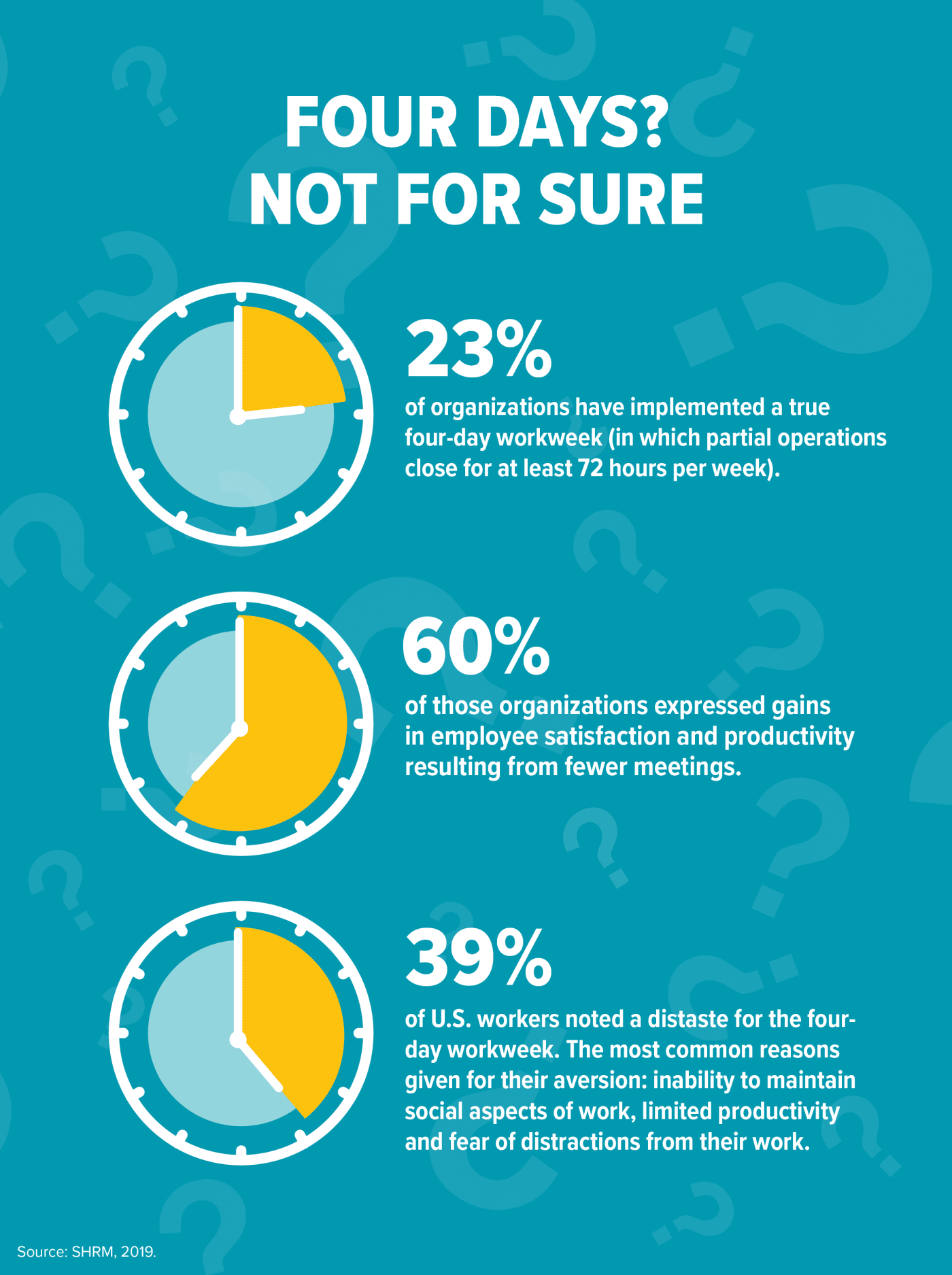
While the idea of a four-day workweek has been around for many years, it has gained more attention in recent years as some companies and governments have experimented with it as a way to increase employee well-being and productivity. Some companies have reported positive results, such as reduced absenteeism, improved employee morale, and even increased profits. However, it is important to note that the implementation and success of a four-day workweek can vary depending on the company, industry, and specific circumstances.

Most advocates for a four-day working week argue for a fixed work schedule, resulting in shorter weeks like four 8-hour workdays for a total of 32 hours. This follows the 100-80-100 model: 100% pay for 80% of the time, in exchange for a commitment to maintaining at least 100% productivity. However, some companies have introduced a four-day week based on a compressed work schedule: in the so-called 4/10 work week, the widely-used 40 weekly work hours are distributed across four days instead of five, resulting in 10-hour-long workdays, hence four-ten.

The resulting schedule may look different depending on the way the four-day week is implemented: in some variants Friday becomes the permanent non-working day, giving employees three consecutive days off over the weekend; some workplaces split the day off among the staff, with half taking Monday off and the other half taking Friday off; sometimes the day off is added in the middle of the week such as a Wednesday, allowing for a mid-week break; and, in some cases, the day off changes from week to week, depending on the company’s current goals and workload.

The push towards implementing the four-day week has remained loosely relevant within the contemporary workplace due to the various possible benefits it may yield. Although mostly untested, these benefits mainly lie within increased cost-cutting, productivity, and work-life balance. The theory behind this is, employees or students who work or attend school one less day a week will have additional time to pursue hobbies, spend time with family, get more sleep, and increase overall morale. Consequently, these employees or students will be more productive and refreshed for working or learning, which will make up for the lost day when they would otherwise be overworked and/or overtired. In addition, by having the workplace or school open one less day a week, the operating costs and environmental costs will decrease for businesses and society alike.

Where four-day weeks have been instituted so far, workers gain a better work-life balance that enables them to live happier and more fulfilled lives, and employers can recruit and retain high-quality and well-rested workers who deliver greater productivity and creativity. More broadly, a four-day week provides opportunities to rebalance employment, decreasing the number of overworked and unemployed or underemployed people and allows for greater gender equality through a more equal share of paid and unpaid work, too, including the caring roles that disproportionately fall on women, and better health and wellbeing for workers and their loved ones.

The four-day week movement has grown considerably in recent years, with increasing numbers of businesses and organisations around the world trialling and moving permanently to a four-day working week of around 32 hours, with no less pay for workers. Most of these businesses and organisations have found that a four-day week is a win-win for employees and employers, as trials have indicated that it leads to a better work-life balance, lower stress levels, and increased productivity. An overwhelming majority of studies report that a four-day week leads to increased productivity and decreased stress.

Other benefits include improved work-life balance as with an additional day off, employees can use the extra time to pursue personal interests, spend time with family and friends, or simply relax and recharge. This can help reduce stress and improve overall well-being. Research has shown that shorter workweeks can increase productivity, as employees may feel more motivated and focused during their work hours. Additionally, having longer weekends can provide employees with more time to rest and recharge, leading to better performance during the workweek. A four-day workweek can result in cost savings for both employees and employers. Employees may save money on transportation, meals, and other work-related expenses. For employers, there may be cost savings on utilities, rent, and other overhead expenses. A four-day workweek can help reduce absenteeism and turnover rates, as employees are often more satisfied with their work-life balance and feel more valued by their employer. Providing employees with a more flexible and balanced work schedule can lead to increased morale and engagement, as employees feel that their employer cares about their well-being and work-life balance. Evidence shows that cutting working hours isn’t only good for people: it’s good for the planet. It lowers energy use, meaning less pollution and an opportunity for us to live more sustainably and tackle the climate crisis. A four-day workweek can lead to a more satisfied, productive, and engaged workforce, which can ultimately benefit both employees and employers. An increase in remote work during the COVID-19 pandemic led to an increase in the desire for flexible work arrangements.

While a four-day workweek can have many benefits, there are also potential disadvantages to consider. Some of the possible drawbacks include longer workdays because to accommodate a four-day workweek, employees may have to work longer hours during those four days. This can lead to fatigue, burnout, and reduced productivity, especially if the work is physically or mentally demanding. Implementing a four-day workweek may reduce the number of days that employees are available to clients, customers, or colleagues. This can lead to delays in communication or project completion, which could be frustrating for stakeholders. With employees working different schedules, it can be more challenging to coordinate meetings, training sessions, or other group activities. This can lead to decreased collaboration and teamwork, which could impact productivity and morale. If employees are working fewer hours, they may receive reduced pay or benefits. This could be a disadvantage for employees who rely on a full-time salary to meet their financial needs. For some businesses, a four-day workweek may result in a loss of income, especially if they are not able to maintain the same level of productivity or customer service during the shorter workweek.

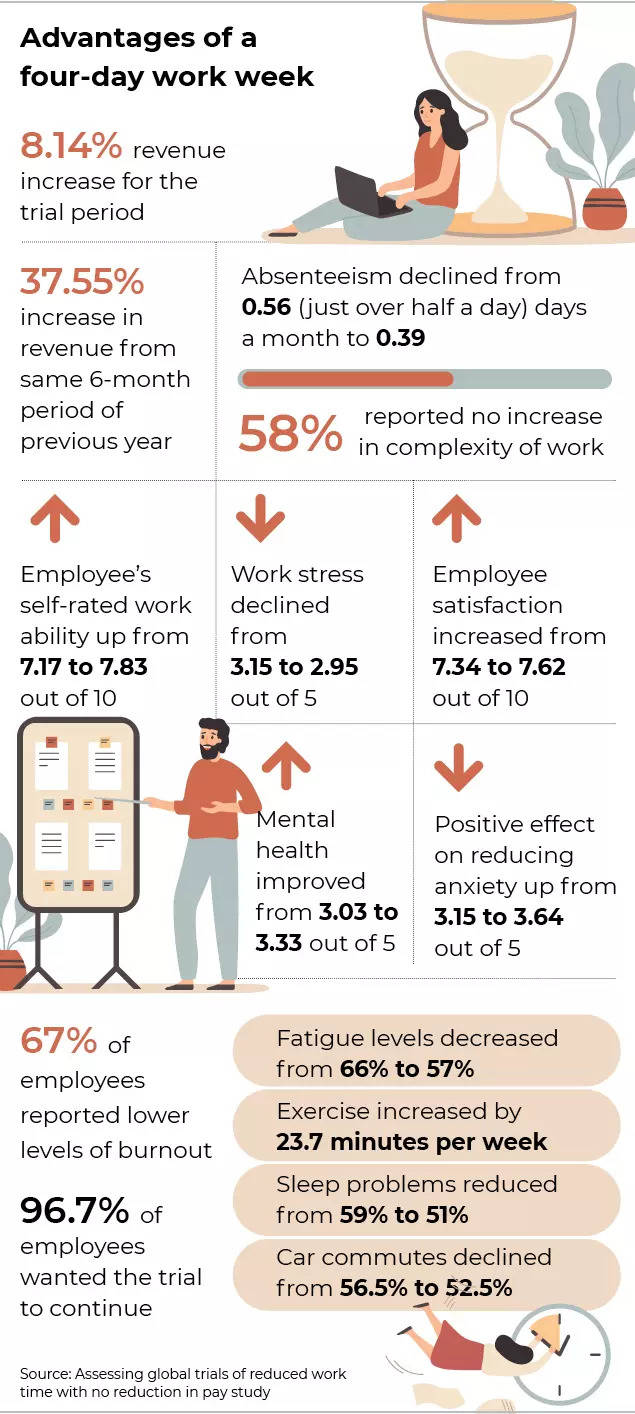
The first large-scale study of a four-day workweek ended recently and not one of the 33 participating companies is returning to a standard five-day schedule. Data released showed that the organisations involved registered gains in revenue and employee productivity, as well as drops in absenteeism and turnover. Workers on a four-day schedule were also more inclined to work from the office than home. The study is the first from a series of pilots coordinated by the New Zealand-based non-profit advocacy group 4 Day Week Global and involving dozens of companies in ongoing six-month pilots. A US and Canadian trial began in October, and a pilot of mostly European and South African organisations begins in February. With each iteration, researchers will adjust their data collection, including long-term tracking of how organisations fare with lighter schedules.

Dozens of indicators, ranging from productivity to well-being and fatigue, all improved as the companies transitioned. One weakness of the study is that all of the participating organisations opted in, meaning leadership was already biased toward four-day weeks. But employees, who did not necessarily opt-in, were won over. Ninety-seven per cent wanted to continue with four-day schedules, with workers reporting less work stress, burnout, anxiety, and fatigue, along with fewer sleep problems. Exercise also increased by 24 minutes a week, putting workers in line with World Health Organisation-recommended exercise targets. Employees also reported fewer conflicts between work and family, and fewer instances of coming home from work too tired to do necessary household tasks. Notably, the extra time off was not used for secondary employment, but for hobbies, housework, and self-care instead.

The four-day workweek is a big step today, especially when the majority of work can be done anywhere. What do you think, is this something you would be willing to do while working full-time? Please let me know in the comments.

Multitasking: Is that even possible?

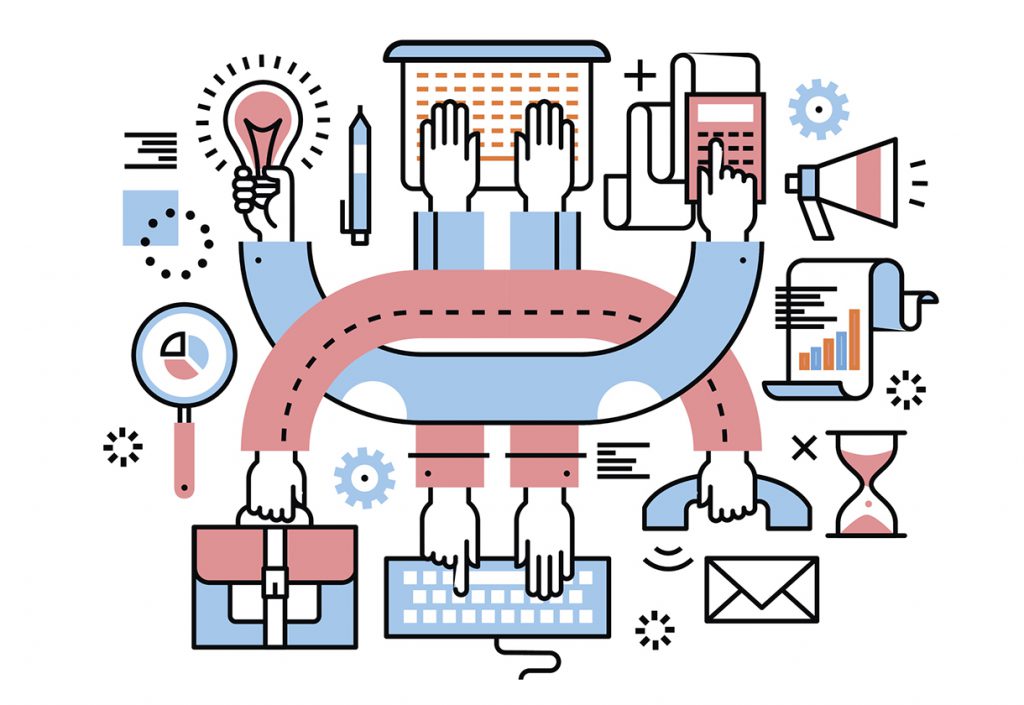
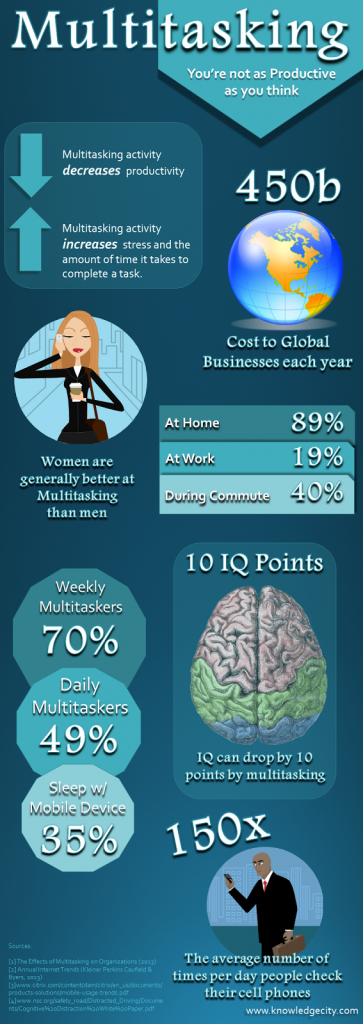
Multitasking refers to the ability of a person or a computer to perform multiple tasks or processes simultaneously. In the context of human behaviour, multitasking typically refers to the practice of doing several things at once, such as working on a computer while talking on the phone or watching television. In the context of computing, multitasking refers to the capability of an operating system to run multiple programs or processes at the same time and switch between them, providing the illusion that they are all running simultaneously.

While multitasking can increase efficiency and productivity in some situations, it can also lead to decreased productivity and cognitive overload when trying to perform too many tasks simultaneously, as it can be difficult to give each task the attention it deserves.

Today, multitasking is common because of the fast-paced world we live in as people try to balance multiple tasks and responsibilities at once. While multitasking can have some benefits, it also has several drawbacks that need to be considered. Below are some of the pros and cons of multitasking which can help determine whether it is the right approach.

Multitasking can be good in certain situations where the tasks being performed are relatively simple, require little cognitive effort, and can be performed simultaneously without interfering with each other. Like listening to music while exercising or working on a simple task, as the music provides background stimulation that can help boost motivation and energy levels. Or even cooking and cleaning at the same time, as they are both physical tasks that can be performed simultaneously without much cognitive effort.

It’s important to note that multitasking should be approached with caution, as it can also be detrimental to performance and productivity when tasks are too complex or demand too much attention. In such situations, it’s better to focus on one task at a time and give it the full attention, to avoid mistakes and increase efficiency.

There are several benefits to multitasking, including:

Increased efficiency and productivity: When done effectively, multitasking can help increase overall productivity by allowing one to tackle multiple tasks at once. By performing multiple tasks simultaneously, one can save time and increase overall productivity. This can be especially useful for individuals who are juggling multiple projects or responsibilities.

Improved time management: Multitasking allows one to complete multiple tasks in a shorter period, prioritise tasks and manage time more effectively, enabling one to complete more tasks in a given amount of time. By switching between tasks, one can keep their brain active and focused, allowing them to get more done in less time.

Better decision-making: Multitasking can also help people to make better decisions by allowing them to consider multiple options and viewpoints at once. When one is constantly shifting their focus between tasks, they are forced to weigh the pros and cons of each option, leading to more informed and well-rounded decisions.

Better utilisation of downtime: Multitasking can help one to make better use of downtime that may occur during the day, such as waiting in line or commuting.

Reduced boredom: Multitasking can help keep one engaged and reduce boredom, especially when performing monotonous tasks.

Improved mental stimulation: Multitasking can provide mental stimulation and help keep one alert and focused, especially when switching between tasks that require different skills and abilities.

Multitasking has several drawbacks, including:

Decreased focus and attention: When multitasking, it can be difficult to give each task the attention it deserves, leading to decreased focus and attention, and an increased likelihood of making mistakes. Multitasking can also decrease the overall focus and attention, as one is constantly shifting their attention from one task to another. This can make it difficult to concentrate on any one task for an extended period, leading to decreased efficiency and effectiveness.

Decreased quality: While multitasking may help one to complete more tasks in a shorter period, it can also result in a decrease in the quality of their work. When one is constantly switching between tasks, it can be difficult to give each task the attention and focus it deserves, leading to mistakes and subpar results.

Increased stress and anxiety: Multitasking can also be stressful, as it requires one to constantly be on the go and make quick decisions. This can lead to burnout and decreased mental health, as the brain becomes overwhelmed by the constant demands of multitasking. Multitasking can lead to feelings of stress and anxiety, especially when tasks pile up and become overwhelming.

Decreased creativity: Multitasking can also stifle creativity, as it requires one to constantly be in a state of “doing” rather than allowing one to take the time to reflect and think. When one is constantly multitasking, one may be missing out on opportunities for creative problem-solving and innovation because it requires one to divide their attention and switch between tasks frequently.

Decreased overall productivity: Despite the perception that multitasking saves time, research has shown that it can decrease overall productivity, as switching between tasks takes time and energy, and can lead to decreased focus and attention.

Impairment of memory: Multitasking can lead to an impairment of short-term memory, as information may not be encoded or retained as effectively when divided attention is required.

It’s worth noting that while multitasking can have these benefits, it can also lead to decreased productivity and cognitive overload when tasks are too complex or demand too much attention. It’s important to approach multitasking with caution and to be mindful of your limitations to maximize its benefits. A rule of thumb should be that multitasking should be approached with caution, and it’s important to be mindful of limitations and to prioritise tasks to ensure that one is focusing on the most important and time-sensitive tasks first.

In conclusion, multitasking can be a useful tool for managing time and increasing productivity, but it also has its drawbacks. By weighing the pros and cons of multitasking, one can determine whether it is the right approach to take. If one finds that multitasking is causing stress or decreasing the quality of work, it may be time to reassess the approach and find a more balanced and sustainable way of working.

Are you a Fox or a Hedgehog?

The ancient Greek poet Archilochus wrote a now-lost parable with the following moral: “The fox knows many things, but the hedgehog knows one big thing.” The general gist of the line is this: Some people see the details in everything they do, like the fox, while others are great at having one singular vision, like the hedgehog. This animal-centric adage is at the heart of a lesson in “On Grand Strategy,” an instruction manual for would-be leaders based on popular seminars by Yale professor John Lewis Gaddis. Taking a cue from a 1953 essay by British-American philosopher Isaiah Berlin, Gaddis discusses how great leaders and thinkers can be categorized as either hedgehogs or foxes. Berlin went so far as to say that this split is “one of the deepest differences [that] divide writers and thinkers, and, it may be, human beings in general.”

Source

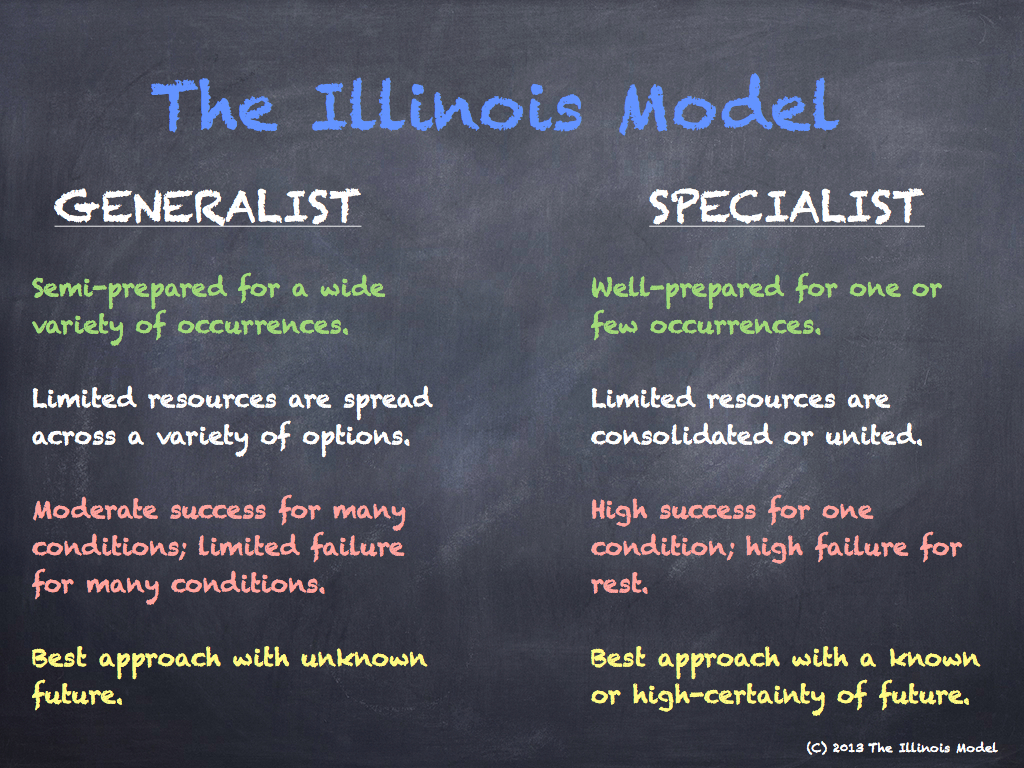
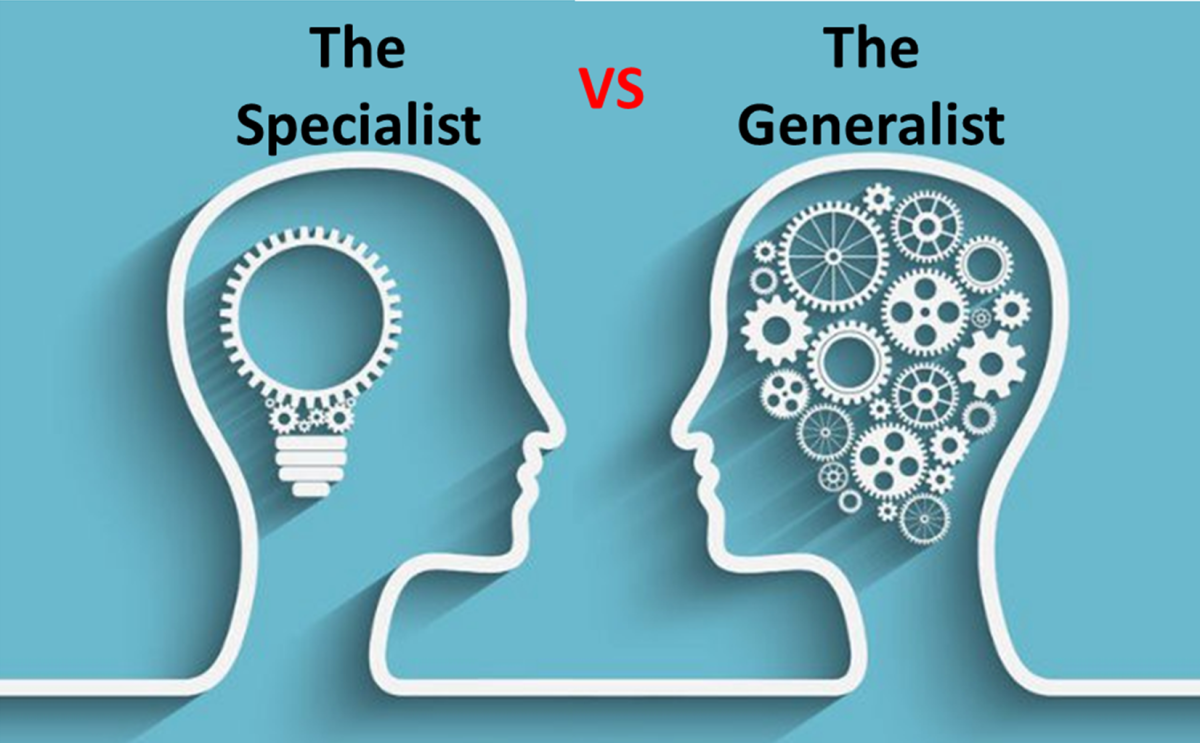
Typically, a generalist is someone who has a broad range of knowledge and skills across multiple fields, while a specialist is someone who has deep knowledge and expertise in a specific field or area. Generalists tend to have a wider range of job opportunities and can adapt to new situations and changing circumstances more easily than specialists. They also tend to have a better understanding of how different fields and disciplines are interconnected and can often see connections and opportunities that specialists might miss. Specialists, on the other hand, tend to have a more in-depth understanding of their field of expertise and can contribute more to projects and teams that require specialized knowledge and skills. They also tend to be more sought after and command higher salaries in their field of expertise. Generalists can understand and see connections between different subjects, while specialists can focus on and solve complex problems within their area of expertise. Generalists are often more adaptable and can work on a wider range of tasks, while specialists have a deeper understanding of their field and can contribute significantly to its advancement.

While a specialist systematically hones skills related to their domain, a generalist seeks to sharpen a wide range of related skills that will prove useful in multiple domains. The proliferation of startups and small businesses has surged the demand for generalists who come with a vast spectrum of knowledge and experience. However, when the requirement is for deep technical knowledge in critical fields, the skills of a specialist are much more marketable. When a company is looking at upscaling operations within its domain, the specialist is more progressive when it comes to creative ideas. Generalists are progressive when it comes to accepting a varied number of clients with different needs and expectations. Owing to their interpersonal skills and a broad-based learning curve, generalists can handle uncertainties efficiently. In terms of transferability, generalists fare better than specialists as their wide range of specialities is easily transferable to different domains. Specialists aren’t able to transfer their domain-related expertise to another field or even to another discipline within the same domain.

Both generalists and specialists have their own advantages and disadvantages, depending on the particular situation and the needs of the employer or organization. It’s also worth mentioning that, while some people may naturally lean towards being a generalist or a specialist, it is also possible to develop skills in both areas through continuous learning and development.

Specialists have expertise in their area of specialisation because they are focused on one domain, which attracts high-paying clients since subject-specific expertise gaps are more difficult to fill. The ability to undertake extensive targeted research and a quality understanding of the domain earn specialists attractive remuneration. Specialists are also more equipped to handle any new technological complexity in the field as they dedicate years to exploring the different facets of the domain. On the other hand, because they are focused on one area of expertise, the lack of diversity within the job profile hinders growth. A specialized portfolio has limited scope for independent expansion. With rapid technological advancements, specialists risk falling behind if they don’t update their skill sets frequently. Specialists usually perform within a narrower domain than generalists. As they dive deeper into their domain, the relevant working fields surrounding them gradually shrink.

Generalists cover several domains and envision the bigger picture as they combine multiple perspectives from different departments. A direct result of being open to a lot of unique challenges is acquiring strong critical thinking skills and this enables generalists to offer actionable insights into their areas of expertise. Their ability to explore various domains and a high multitasking quotient make generalists excel in leadership roles. A large number of skills arm generalists with the capacity to diversify their services which helps them swap career paths easily and give their clients a lot of alternatives to work with. But a lack of specific expertise in any domain puts them on a back foot as they aren’t that competent in niche projects. A high percentage of generalists work across multiple teams and tackle a host of responsibilities, especially if they are in leadership roles. This often leads to psychological burnout. Generalists are also easier to replace owing to their overlapping or vaguely defined work responsibilities and so these positions are prone to lower pay scales as compared to a specialist.

Whether it is better to be a generalist or a specialist depends on the individual’s goals, interests, and circumstances. For some careers, such as medicine or law, specialisation is required to achieve a high level of expertise and be successful in the field. In other fields, a generalist approach can be beneficial, as it allows individuals to have a wider range of skills and knowledge, making them more versatile and adaptable in the face of changing circumstances. In many cases, a combination of both generalist and specialist skills can be advantageous, allowing individuals to understand the broader context of their area of expertise and effectively communicate and apply their knowledge. Ultimately, the choice between being a generalist or a specialist is a personal one and should be based on individual strengths, interests, and career goals.

Some of the questions one needs to ask themselves are if one seeks a diverse breadth of knowledge or if one prefers deep research on any specific topic. Do they change their career perspective often and prefer taking time to find the niche they are interested in? Or have they already determined their career trajectory? One also needs to work out what kind of work ignites their interests and passions and if it requires them to hone different skills or demands specific subject-matter expertise. The ideal workforce of today is a carefully balanced group of specialised generalists who recognise their varied strengths but rely on others’ domain-specific expertise, and generalised specialists who are people with core competencies who also delve into other related areas.

So would you rather be a fox or a hedgehog? I am going to ask BB and GG this question after making them read this article.