
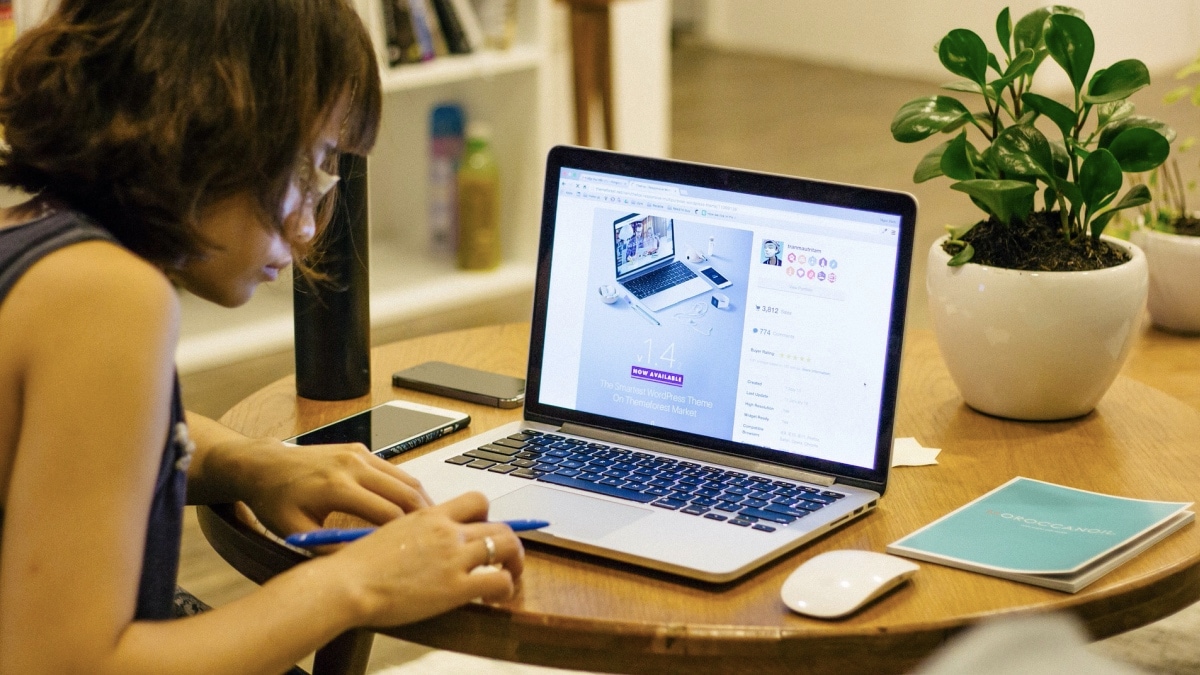
Today the term Working from Home does not raise as many eyebrow as it does even a few months back. To many, it is the new normal and will remain so for the near future. In fact, for many it may even become something they can now negotiate in their jobs.
I remember meeting a neighbour a year or so back around 3 pm in the afternoon when I was coming home after a meeting. He asked me if I came home early from work or if I was on leave. When I told him that I worked from home, his eyebrows raised and he told me that he wished he could also do the same. I know what was in his mind – he was thinking I was slacking because I was working at home. And this thought is not a new one, especially in countries like Singapore where face time equates to productivity and managers are not happy if they don’t see you around the office, doing anything it would seem, but you can’t leave the office until the official dismissal time or later, even if you are just slacking and killing time before you can log off.
I can’t talk highly enough about working from home, as an introvert, it’s a dream job, but I do know other people don’t share my views and I have had some interesting discussions with family and friends who need other people around them to be productive and who hate this situation. And then there are those who have young children who are at home because schools are closed. Looking after them and trying to be productive is a whole new ballgame altogether and I have loads of respect for them.
But today’s new normal is working from home and I decided that, from my experiences, I should share some tips on how to maximise your productivity while working at home.
Organise your workspace
Keep aside a dedicated space for you to work on a daily basis. Make sure what is behind the space you will be working in. This is what your colleagues will be seeing when you are on video conference calls. Also it will be helpful if this space is a quiet place where you can concentrate and where you are unlikely to be disturbed during calls. This can be anyplace in your home, my office is my dining table which is quite central in the house. When S works at home, he is usually on the couch or uses a small pouf to work on the coffee table. This is entirely your choice, but if this a long time gig, you should have a space which is your office when your working. When I am not working, it transforms back into our dining table. I also have some scented candles and a diffuser close by which I use when I want the place to smell nice.
Maintain office hours
Keep as much as you can to your regular office hours and stick to it as much as you can. It helps if you can do a hard stop at the end of each day so you have time to do other things, like a hobby, working out or even watching television! If you are doing more on a particular day, like starting early or ending late, make up the next day so you are able to rest. What I do is basically maintain office hours. I am at my laptop not later than 8 am and don’t work past 6 pm. It has to be an emergency for me to continue past 6 pm, though I sometimes stop earlier too. My hard stop is when I switch off my laptop and move it out of the dining table to my room. Once I do this, I don’t touch my laptop unless it’s an emergency until the next morning.
Create a morning routine
I am strong proponent of having a good morning routine which allows you to have a work mindset when you start your work day. It must be wonderful to get out of bed and start working, but your brain is still at home that way! What works for me is to sit down at my desk after I am done with my morning chores and have had my bath and breakfast, so I am now in work mode. Also with video calls on the rise now, imagine having your boss or colleagues catching you in ratty sleepwear? While I don’t advocate business clothing, wear home clothes which are clean, neat and don’t have visible holes.
Set ground rules with your household
The other day I saw a very cute post on LinkedIn where a mum had previously posted the note she has on her door. What it says was if you can see this note and the door is shut, it means mommy is working and can’t be disturbed. Soon she posted a note her son posted on his door which basically mirrored hers and which told the parents not to enter the room when the door is closed because they are doing e-learning and they don’t want their teachers and friends to see their parents around, especially when they are busy! So yes, set ground rules for your family in advance. If you have older children like I do, it’s easier since they are also closeted in their rooms and won’t disturb you. But for those with younger children, maybe something like the note above can help or even using the traffic stoplights as a sign where red means not to be disturbed and green means they can enter the room. Also let your family know you can’t run errands anytime they say so just because you are at home, but can do all this at specific times in the day (this is when the breaks come into the picture). Let them know that just because you don’t work in an office, does not mean you are free anytime they want something or want to chat.
Take regular breaks
When you are in the office, you do take coffee and lunch breaks rights? Sometimes colleagues get together to have a discussion around the coffee machine and nobody raises an eyebrow. When you are at home, do make time for regular breaks, be it getting up to grab a cup of coffee or going outside for lunch or even a short walk. What I do is walk in the house for about 15-20 minutes for every two hours that I am in my desk. I use these walks to try and clock up my 10k steps for the day. I also advocate the Pomodoro method where say you work for a certain amount of time and then give yourself a break for a specified number of minutes.
Know your productive times
Know yourself and see what are your most productive times. Try and do the hard stuff at that point and schedule calls and conferencing for the times you are not 100%. Everyone works differently and only you can figure this out. I am most productive twice a day, first thing in the morning and then another run around mid afternoon after I have had coffee. That is when I am mostly like to be writing. Of course, we can’t choose when to work what at times and when I have meetings and events outside, I try and work around those.
Use technology to keep in touch
Use Whatsapp, Viber, Facetime, Skype as well as video conferencing options like Zoom and Blue Jeans to keep in touch with your friends and colleagues when you are working from home or stuck up at home because of a lockdown. I also know of people who have done virtual happy hours and meals with others because they can’t meet. Instant messaging and videoconferencing tools can make it easy to check in with coworkers and remind you how your work is contributing to the big picture.
Invest in a good pair of headphones
Even if you have a brand new laptop or a new smartphone, invest in a pair of good quality headphones with a mic. Noise-canceling features with a mute button can really help improve the clarity of your phone calls. The last thing you want is to be in an online meeting and have the doorbell ring or your children asking you to help them.
Listen to music or watch videos
If I am alone at home, sometimes I find the silence disconcerting. I find watching videos on Youtube on a tablet near me works for me. I can concentrate watching some inane videos, but I have also heard that keeping the television on in the background with a channel you are usually not fond of would work for others. I also like listening to music as background noise to help me concentrate. Spotify is one great option for when you feel like listening to music. You can choose your mood and Spotify will play music based on that. The only con to the free service is the constant adverts, but everything in life is not free, right? These days Spotify has many playlists for those working from home.
Use ‘To-Do’ lists to maintain and corral your task lists
Working from home without a boss breathing down your neck and no one to see when you are playing games instead of working may be challenging to complete your tasks for the day or week. What works best for me is to have weekly To-Do lists where I put down all my tasks, both personal, profession and my blog tasks for the week and check them out as they finish. I love Trello which allows you to create boards to work in. This is also a great tool to use when collaborating with others. I have multiple boards on Trello, including one where I put my blog posting schedule, one which is a catch-all for my blog post ideas, one for any travel I plan (which is redundant as of now) and of course my To-Do list. My Trello ‘To-Do’ Board has cards, one for each week this year and I use a checklist within the cards to plan my week. I really love it when I check all my items for the week and then archieve them. But that’s me. There are other online apps like ToDoist, Google Tasks, Prrofhub, Evernote, Remember the Milk and Wunderlist. I have used many of these previously and have settled on Trello as the one which works best for me. You can also play around with these apps and see what works best for you. Some of these are paid apps, but I have not used any paid versions and my version of Trello is also the free one. Most of these also have mobile versions which sync with the online version, so you can update your list on the go which I have found extremely useful.
Overcommunicate
When you are working from home, some people who equate face time to productivity may think you are slacking. This means you have to overcommunicate. Tell everyone who needs to know about your schedule and availability often. When you finish a project or important task, say so, especially to your team and manager so that they know you are not home watching videos and doing household chores instead of working. If you need to, email or call them to remind them you are in fact working and not playing!
Be positive
This time too shall pass and our world will go back to normal, or as normal as it can be. But the fact is that when you don’t have face time with people, they may not know how to interpret your tone either by email or phone. While video conferencing does mitigate this to an extent, being positive and upbeat helps when you are not on a screen.
Don’t Be Too Hard on Yourself
Somedays you just can’t hold it all together. It happens to the best of us and you can only wonder what happened when the day ends and you have nothing to show for it. Give yourself some slack when this happens and make sure you are super motivated and productive the next day to make it up.
So there you have it, a bakers dozen of 13 tips to help you navigate working from home. Do you have some tips to share which are not there above? Please do share, I love learning more about how I can be more productive as I work from home!




 Memories and Such